Feeds:
Posts
Comments

Posts Tagged ‘family’

 . 
[with 3 poems by Michael Hettich]
 . 
Abide with Me (excerpt)
 . 
That first year together, we lived in the shadow
of a fishing line factory, next to a super
highway, under a railroad bridge,
 . 
behind a field of junked cars – mountains
of tires, hub caps, and smashed glass – and we
 . 
prayed fervently for our love to return
this world to the poised grace we could imagine
when we touched each other just right, or when we saw sunlight
glint on the stream full of chemicals and junk
that ran by the factory walls.
 . 
We prayed with our yearning. That year we could float things
in midair on the hymns
we sang in perfect harmony.
 . 
We practiced one hymn – “Abide With Me” –
until we could lift cancered minnows from that stream,
until we could lift stray cats and junkyard dogs,
until we could lift each other as high
as our voices carried. We harmonized versions
 . 
of our families and secrets, until we could float
each other in unison, knowing if we fell silent
for even on moment, we’d fall . . .
 . 
Michael Hettich
from The Halo of Bees
 . 
❦ ❦ ❦
 . 
When did I lose my knack for magic? Oh, I can still work what from a distance appears to be magic. I can wiggle my nose and make a seven-year old girl laugh. I can pull from my tall black hat the Latin binomial for obscure little flowers that most people don’t even consider flowers. I can perform any number of spells that compel my wee ancient mother to say , “You’re such a good boy.”
 . 
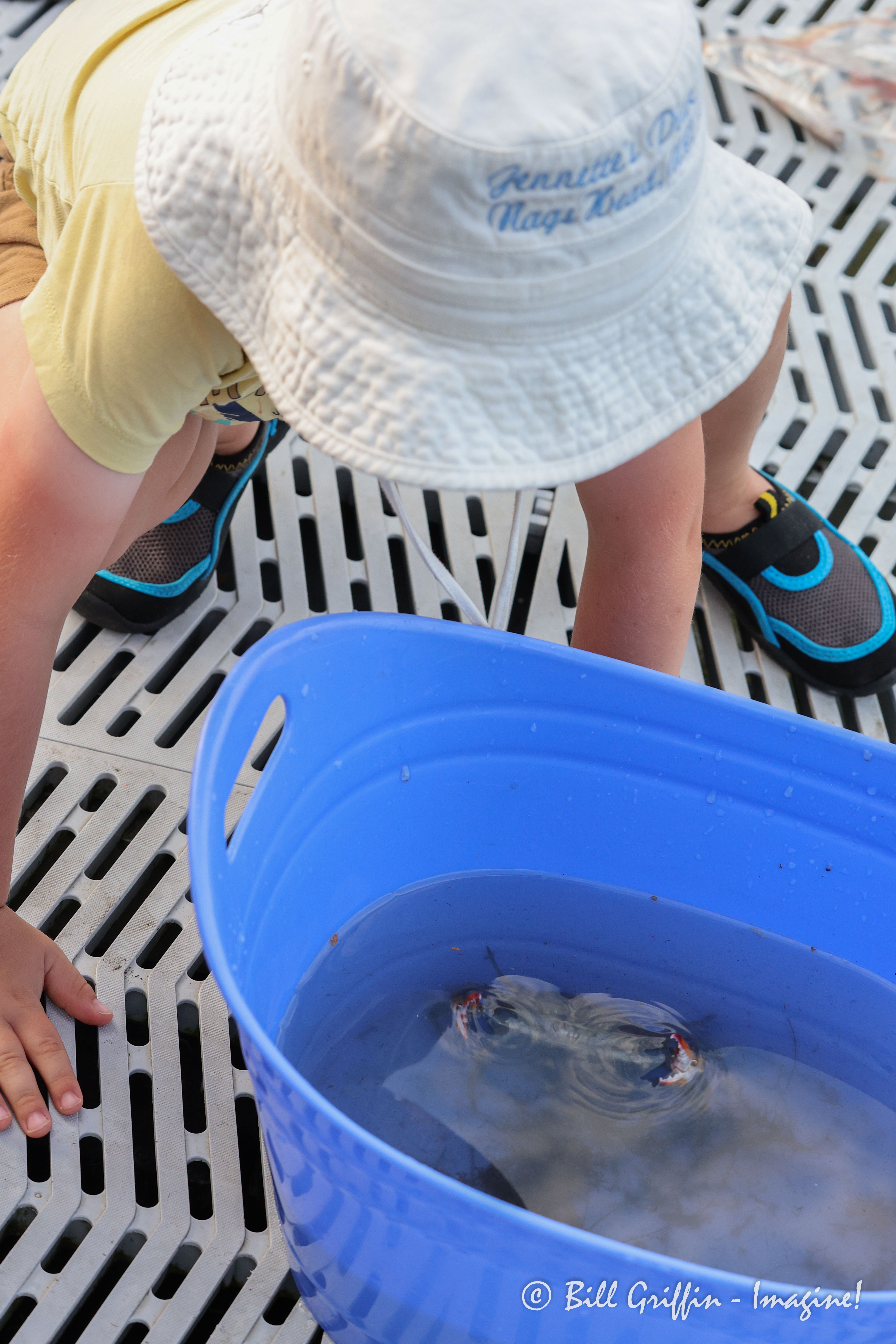
I don’t mean I can’t work magic; I mean I’m afraid I’ve lost the knack of magic working me. This morning the home health aide arrived to ride herd on Mom and Dad so I could spend the morning on the beach with grandson Bert and friends. The kid dads had planned some long postponed surf fishing; while Anthony dug for mole crabs, Josh whirled the casting net into the waves and hoped for minnows. On the third throw he brought up two tiny pompano the size of silver dollars and slipped them into a blue plastic bucket of sea water.
 . 
Bert, Wyatt, and Mari were more than rapt. The magic of flipping silvery fishes totally captured them and transported them into a new realm. Who would have thought four- and five-year olds could stare into a bucket for a solid hour? The magic of touching those velvet smooth wriggles, the magical bigness of becoming the ones responsible for bringing fresh water from the waves and moving the bucket with the shifting shade, the shocking magic of closeness, even intimacy, with something up until now just so many pictures in books – the magic worked those children. I witnessed their magic and regret to confess that I until I did I had only seen those little fish as bait.
 . 
That same evening I drove Mom and Dad over to Bogue Sound – Josh and Bert were going to catch a crab. The tide was right; the dead fish on a string was acceptably fragrant; the blue crab crept closer through the reeds. On his second try, Josh scooped up the dangerous decapod with a dip net and untangled his swimmerets and claws until he plopped into the blue bucket of sound water. A feisty one! Every time Bert moved his hand, the crab snapped claws up out of the water with undaunted ferocity. Bert was magic-smacked. “I never thought I would get this close to a real crab!” This from the boy with a hundred plastic sea creatures of every class, order, and family.
 . 
Perhaps I’ve lost the knack to be worked by magic because I read too much about and spend too little time staring into the blue depths of this unrelentingly odd and utterly magical universe. Perhaps the only hope for me is to catch a little magic as it streams off the children who are still so joyously connected to it. Or perhaps there are others also willing to share their magic. Those persons around me who are inching ever nearer to the magic as the long years of their living come ever nearer to their ending. Driving home from Bert and the Sound at dusk, Mom riding shotgun, I mention, “This is a good time of evening to see bunnies, Mom. Keep your eyes peeled.”
 . 
We turn the corner and Mom spots her at once, a fat cottontail smack in the middle of the neighbor’s lawn. And then we see her two smaller companions, the three of them considering us and chewing thoughtfully as we pass. Mom laughs and claps. “Oh Billy, how did you know we’d see bunnies? It’s just like magic!”
 . 
 . 
One magic that poetry works is to occupy a different life. In Michael Hettich’s poems, he often seems to occupy several lives, each one exceedingly strange and each entirely commonplace. Through the thirty some years that the poems in this collection occupy, the writer walks around trying on other people’s lives. The surprise of his body may be rivers, trees, dry grass, a child sprouting wings. Bodies may be seedpods or they may burst into flame, they might be figures that dissolve into night or into water. These strange and wonderful transpositions and transformations are not fearful or repulsive – we as readers simply step into these bodies with Michael and become part of the magic.
 . 
This is the magic of wildness. Repeatedly, the poems remind us and display for us how wildness is at the heart of each of us. And this is the magic of music, not that the poem uses music to achieve its end but that the noise the world makes is music — poem discovers it and it reveals magic. So many of Michael’s characters sing. Or become song. Those not known for music as well as those whose music we have shut out of our busy non-wild lives. Michael sings, his wife sings, his father and family sing, and the songs weave magic that levitates and elevates and brings joy. When the ringing of my ears and of my machines has deafened me to the everything that makes up this universe of ours – the only known residence, after all, of magic – I know I can return to these poems and be restored.
 . 
The Halo of Bees, New & Selected Poems 1990-2022, Michael Hettich. Press 53, Winston-Salem NC, © 2023
Today’s post features “Selected” poems from the collection. Also see last week’s post, Catch Fire, which features “New” poems.
 . 
 . 
❦ ❦ ❦
 . 
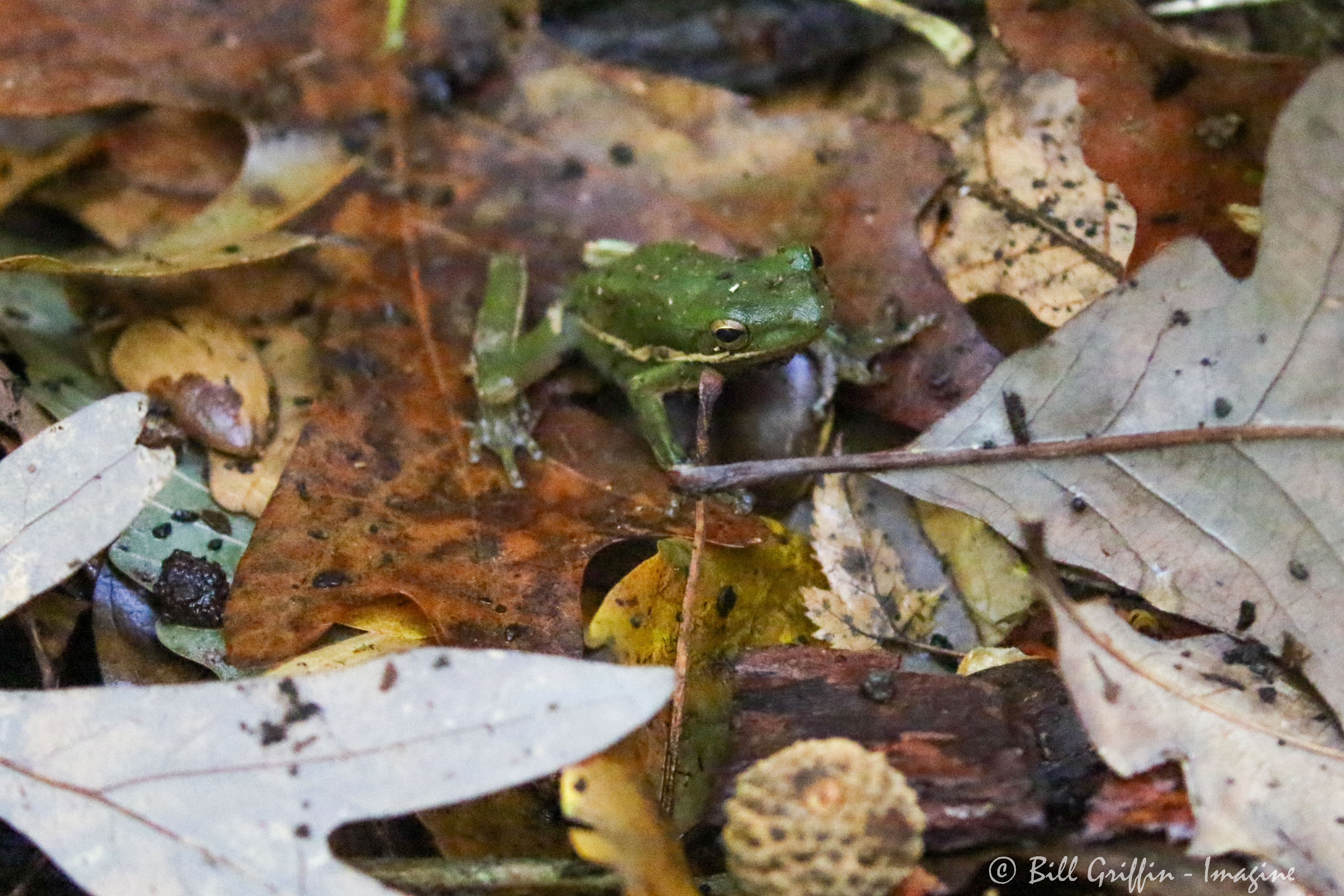
The Frogs
 . 
He loved frogs, so he spent his afternoons
wading in the tall grass, or standing in the leafy water
where the stream turned. Charmed by their stories
of woods and muck, he practiced singing with them
at dusk at pond’s edge, while his mother and father
sat talking, with their cocktails, on the porch. As dark fell
his parent called him, most evenings, for dinner,
but sometimes they let him stay down there until the frogs
were hushed by the cicadas, whose conversations
startled him back to himself. He wandered
up to the house through the tall grass, through the dark,
still singing in his own language. Don’t think of him now,
drinking in a city bar, talking to strangers
who ignore him. Don’t think of him walking out into
the empty street, slightly drunk. He’ll be fine.
Think instead of that walk through the dark wet grass,
the sound of a child’s body moving through the grass;
think instead of those frogs falling silent, of that forest,
of mushrooms that push up overnight like elbows
in the moon-drenched mind of the woods.
 . 
Michael Hettich
from The Halo of Bees
 . 
 . 
❦ ❦ ❦
 . 
House of Light
 . 
Someone breaks open like a seedpod or a flower
to spill out across the street, and we all keep walking by
because it is too beautiful to notice, or too frightening,
as the river just moves on, the clothed and dreaming river,
the speaking river feeling just the way it needs to, nothing more.
There are feathers in the sky. Say birds, generic things,
or simply ignore them. But what about those other people
bursting into flame? will the singe you? Step away
from those other fires, as though you weren’t wild yourself
in all the parts that matter: in your blood and vivid thinking, seeing
colors for their secrets: how to move and be and feel
until you burst aflame. Some buildings built of stone are made
to echo now and then, forever – no one can escape –
but others made of wood are filled with window after window,
so many windows you could ever open all of them
in a single lifetime. No one lives that long. But you could open some.
 . 
Michael Hettich
from The Halo of Bees
 . 
 . 
❦ ❦ ❦
 . 
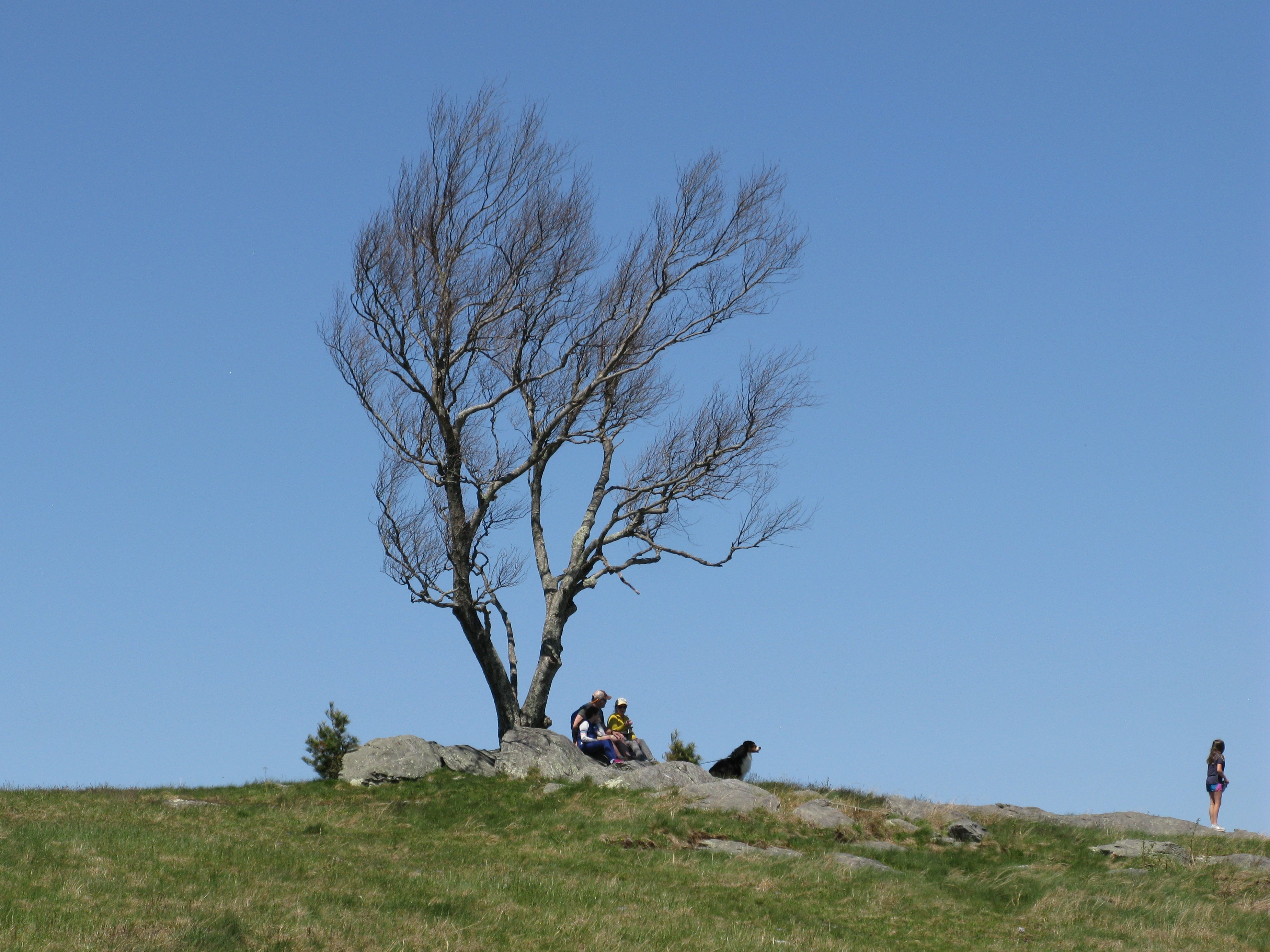
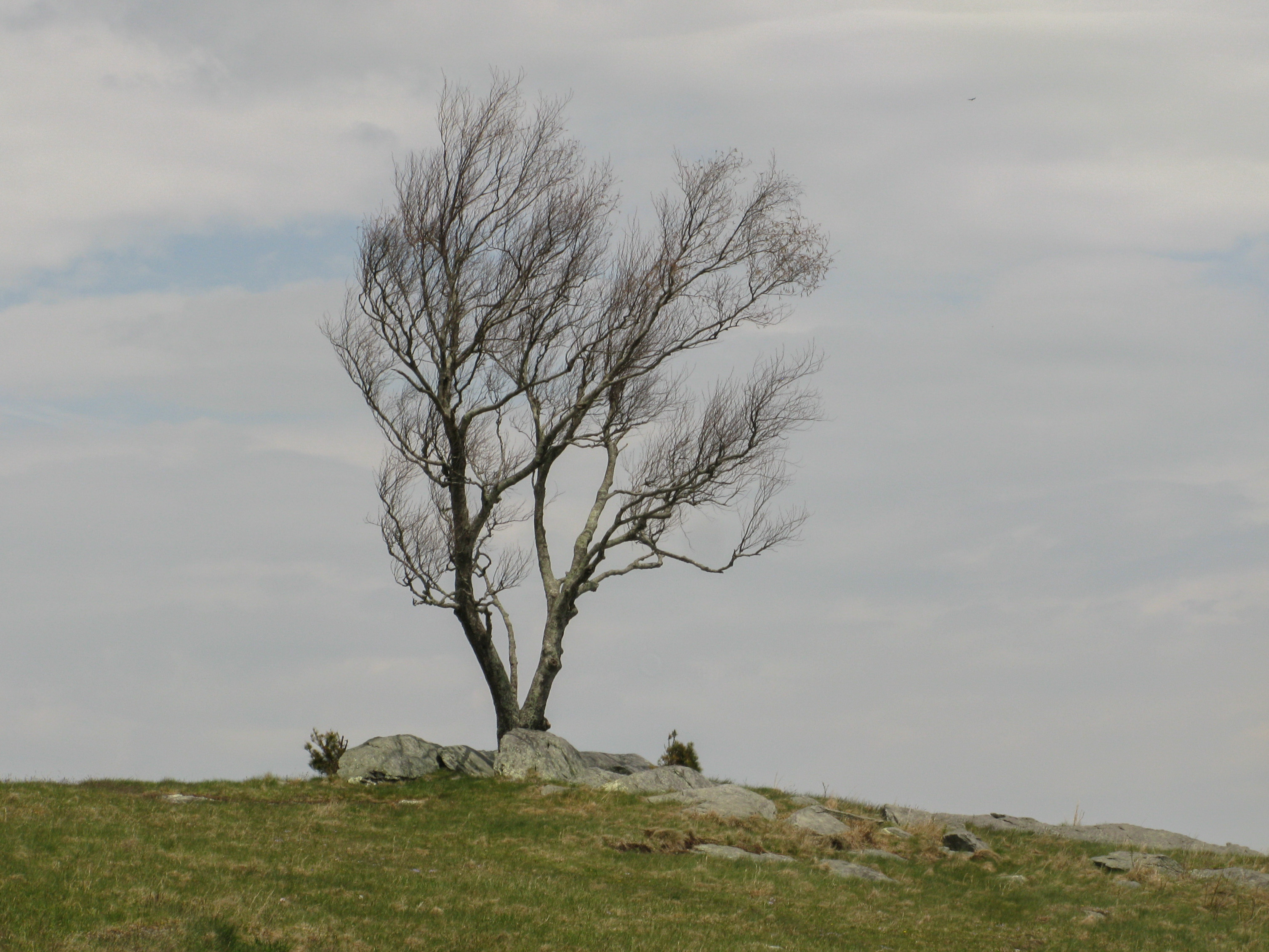
2020-06-11a Doughton Park Tree

Read Full Post »

[with poems from The Ecopoetry Anthology]

Ethnobotanists recognize that the difference between a poison, a medicine, and a narcotic is often just a matter of dosage. This pungent observation is found in my favorite wildflower guide under the entry for Golden Alexanders (Zizia aurea), which is in the wild carrot or parsley family, Apiaceae. Members of the family include vegetables – carrot, celery, parsnip – and ubiquitous seasonings – cumin, coriander, fennel, dill, and many more. They also include the most toxic plant in North America, Water Hemlock; a small nibble of the root will be fatal. Deliciousness and poison, nurture and death, they surround us.

My father was recently released from inpatient rehab after suffering a series of strokes at age 96. My sister and I took turns living at their home for two weeks, first to watch over Mom and drive her to visit Dad, then to get him resettled. Now it’s down to me to carry him to his various appointments, field questions from home health, pay the bills. All that stuff. Meanwhile, Dad’s neighbors call him the bionic man. His speech has fully returned, his appetite’s robust, he can creep around the block upheld by his Lexus of all walkers. He is surrounded by a glow of resilience.

Dad’s glow is enhanced by one apparent deficit left by the stroke – any awareness of his mortality. Perhaps it’s simply the great good fortune of being upright and breathing, but he seems to have discarded many of his former worries, including not even seeming to worry that he’ll have another stroke. Be happy, Dad – I’ll take over the worrying. It’s my job to worry, and to remind you that it’s not safe to stand up without your walker. I’ll be the one who checks your pill cartons and makes sure you’re taking everything correctly. I’m keeping the refrigerator full; you just decide what to tell the caregiver to fix for your supper. Simply let this moment surround you and Mom. Enjoy.

Last year I gave my backpacking buddy Mike a t-shirt I see him wearing often: What Doesn’t Kill You Makes You Stronger . . . Except Bears, Bears Will Kill You. What really cracks us up is that on all those hikes we took, we wanted to see a bear! From a responsible distance, of course, not licking our face in the middle of the night. I can honestly say that this stroke which didn’t kill Dad has not made him physically stronger (until you compare him to the median 96-year old). Or mentally stronger – he’s pretty fuzzy some days and wouldn’t be able to put into words this transformation. He can’t express verbally just where he resides on the plane of mindful acceptance, but he is looking forward to the next good dinner.

May there yet be dinners aplenty. Within the flickering shadows of destruction, my Father, may you be surrounded by joy.

❦ ❦ ❦

Eagle Poem

To pray you open your whole self
To sky, to earth, to sun, to moon
To one whole voice that is you.
And know there is more
That you can’t see, can’t hear;
Can’t know except in moments
Steadily growing, and in languages
That aren’t always sound but other
Circles of motion.
Like eagle that Sunday morning
Over Salt River. Circled in blue sky
In wind, swept our hearts clean
With sacred wings.
We see you, see ourselves and know
That we must take the utmost care
And kindness in all things.
Breathe in, knowing we are made of
All this, and Breathe, knowing
We are truly blessed because we
Were born, and die soon within a
True circle of motion,
Like eagle rounding out the morning
Inside us.
We pray that it will be done
In beauty.
In beauty.

Joy Harjo
from The Ecopoetry Anthology (Trinity University Press, San Antonio, Texas, © 2020)

❦ ❦ ❦

Leading us into Earth Day on April 22, these poems are from The Ecopoetry Anthology, edited by Ann Fisher-Wirth and Laura-Gray Street, with an excellent introduction by Robert Hass (Trinity University Press, San Antonio, Texas, © 2020).
Joy Harjo is an internationally renowned performer and writer of the Muscogee (Creek) Nation. She served three terms as the 23rd Poet Laureate of the United States from 2019-2022 and is winner of Yale’s 2023 Bollingen Prize for American Poetry.
Donald Hall has served as Poet Laureate of the United States and Poet Laureate of New Hampshire. His many honors include the Robert Frost Silver medal and the Ruth Lilly Poetry Prize.
Lola Haskins serves on the Board of Florida Defenders of the Environment and has won the Florida Book Awards Silver Medal for Poetry.

❦ ❦ ❦

Digging

One midnight, after a day when lilies
lift themselves out of the ground while you watch them,
and you come into the house at dark
your fingers grubby with digging, your eyes
vague with the pleasure of digging,

let a wind raised from the South
climb through your bedroom window, lift you in its arms
– you have become as small as a seed –
and carry you out of the house, over the black garden,
spinning and fluttering,

and drop you in cracked ground.
The dirt will be cool, rough to your clasped skin
like a man you have never known.
You will die into the ground
in a dead sleep, surrendered to water.

You will wake suffering
a widening pain in your side, a breach
gapped in your tight ribs
where a green shoot struggles to lift itself upwards
through the tomb of your dead flesh

to the sun, to the air of your garden
where you will blossom
in the shape of your own self, thoughtless
with flowers, speaking
to bees, in the language of green and yellow, white and red.

Donald Hall
from The Ecopoetry Anthology (Trinity University Press, San Antonio, Texas, © 2020)

❦ ❦ ❦

Prayer for the Everglades

A gumbo-limbo swoons in the arms of an oak.
A royal palm, smooth as sunless skin, rises
against blue. In this whole untouched world
there seems only wind, the grass, and us.
Now silent lines of wood storks appear,
their white wings edged black. Here is
a mathematical question for your evening.
How many moments like this make a life?

But if it were not true? What if the glades
were a dream, ancient, written on the walls
of caves, so anthropologists peering into
the darkness could say only, it must have
been lovely then, when grass flowed under
the sun like a young woman’s falling hair.
What if none of it were true? What if
you and I walked all our afternoons under
smoke, and never saw beyond? What if
the tiny lichens that velvet the water, the
gators that pile like lizard on the banks,
the ibis with her sweet curved bill? What
if the turtles that plop off their logs like little
jokes? What if the sheltering mangroves?
O what if? Look up, friend, and take my
hand. What if the wood storks were gone?

Lola Haskins
from The Ecopoetry Anthology (Trinity University Press, San Antonio, Texas, © 2020)

❦ ❦ ❦

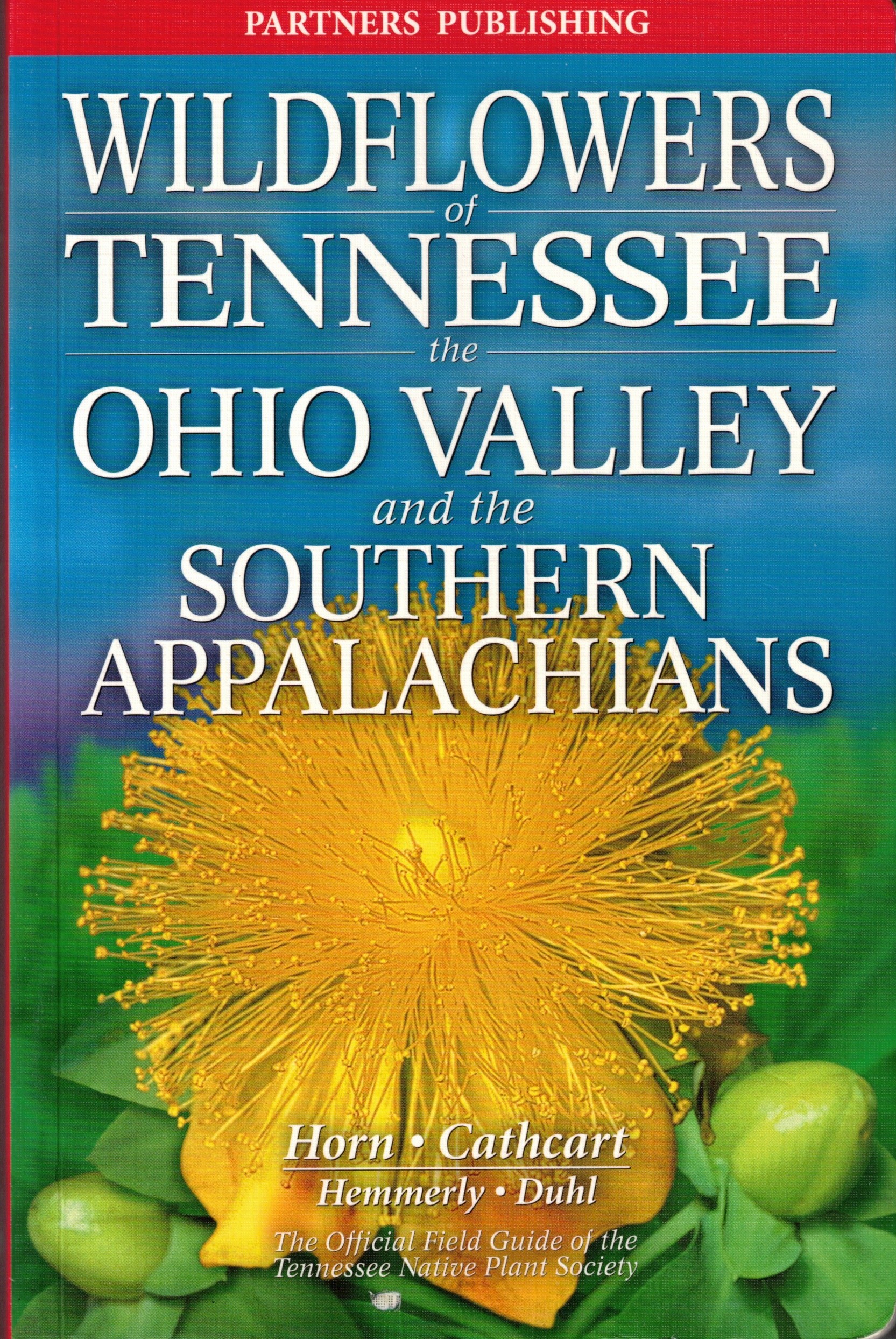
Wildflowers of Tennessee, the Ohio Valley and the Southern Appalachians – August 1, 2018; by Dennis Horn, Tavia Cathcart. Sponsored by the Tennessee Native Plant Society

This book focuses on Tennessee, but the Ohio Valley and Southern Appalachians are covered, encompassing all or parts of Alabama, Arkansas, Georgia, Illinois, Indiana, Kentucky, Maryland, Mississippi, Missouri, North and South Carolina, Ohio, Pennsylvania, Virginia, and West Virginia. Within these pages I’ve discovered just about every wild flower I encounter here in the North Carolina foothills, or at least a close relative. The book overall is arranged by plant family with taxonomic commentary; it includes a quick thumbnail guide by color in the front; every entry has rich commentary about history and ethnobotany; my favorite section is the excellent illustrated glossary – everything the wild plant nerd could possibly want!

❦ ❦ ❦

Doughton Park Tree -- 5/1/2021

Read Full Post »

[with 3 poems by Rebecca Baggett]

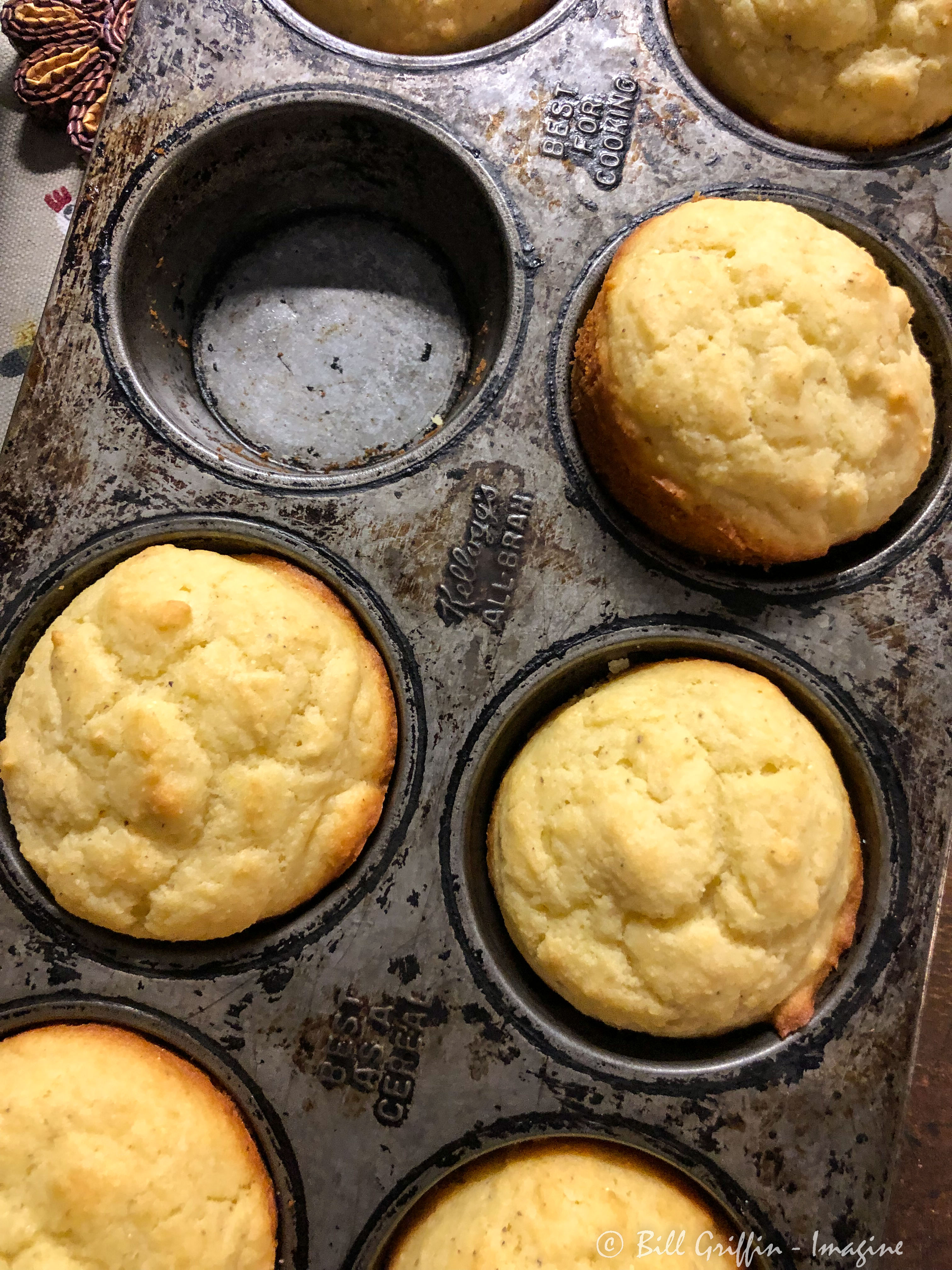
How many grooves are there in a 12-inch 33 ⅓ rpm long-play record? The seven-year old doesn’t think us a bit odd when we fish out the big black discs and set them spinning: Burl Ives, Disney Princess theme songs, John Denver and the Muppets. She sings along with Miss Piggy, “Five Go-old Rings!” Would she have hopped off the couch last night and boogied with us to The James Gang cranked to the max on Funk 48?

We still have a landline at our house and until recently a rotary dial phone in the basement. I just read that only this year is Chuckie Cheese phasing out software updates shipped on 3.5 inch disks – which the article called “floppies” (remember? 5 ¼ inch, 360 kb, don’t toss them into a drawer with any magnets). Physical artifacts may be relegated to the landfill, but words remain our tools even if we’ve never knapped a flint. Dial it for me. The car won’t crank. Meet me at half-past (fractional arc of an analog circle?).

Last week I checked in at radiology for an x-ray. The young woman entered all my identifiers and when she got to my email address, she remarked, “Gee, AOL, I haven’t heard that one in a while.” Darlin’, that just means I’ve been jacked into the internet since before you were born. Juggling floppies. Writing DOS batch files before breakfast. And I’ll bet you don’t even know how many grooves.

Just one. That’s all it takes to be real groovy.

❦ ❦ ❦

Before the Stories Begin

Before the stories begin, the mothers die,
setting their daughters adrift, little coracles
bobbing rudderless, at the mercy of river currents
and ocean tides. Abandoned in forests so thick
no light touches their ferny floors, imprisoned
in crumbling towers guarded by rampant brambles,
banished to the dank depths of castle kitchens.

But here is the alternate reading:
Before the stories can begin, the mothers must die,
setting their daughters free – released from cautioning
fingers and pursed lips, from disapproving quirks
of a brow, from warnings weighted with echoes of warnings,
the line of foremothers frowning down the generations.

The daughters find themselves oddly light,
abruptly free to renounce titles and abandon kingdoms
for life on the high seas, to fall in love with a man-beast
deep in the forest, a stable boy, a fairy godmother.
To seclude themselves in towers full of groaning
bookshelves, to spend their days squinting
at the twisting calligraphy of ancient manuscripts,
to aim telescopes toward the night skies,
to rename all the stars.

Rebecca Baggett
from The Woman Who Lives Without Money, Regal House Publishing, Raleigh, NC, © 2022

❦ ❦ ❦

Words are artifacts by which we might glimpse the world. Words are not the world; words do not contain the world nor create the world; words are simply pebbles someone has painted, incised, knapped and dropped along the path. But Oh, how words may guide us along that path!

Rebecca Baggett is an inherent and inveterate sesquipedalian, as she confesses in the poem by that title in her book, The Woman Who Lives Without Money: a lover of complicated ‘foot-and-a-half long’ words. And yet the words she uses to craft these mysterious, marvelous, poignant, sad, hilarious poems are seemingly simple words. Everyone knows these words, these comfortable and familiar words. How Rebecca has painted, incised, and knapped these words, though! How she has lined them up and breathed into them meaning they had only dreamed of. How wonderful is the world she reveals in this ethereal and at once solid collection of words, such telling artifacts, these powerful words.

The Woman Who Lives Without Money (Regal House Publishing, 2022) is the winner of the 2020 Terry J. Cox Poetry Award. Rebecca has also published four chapbooks, including God Puts on the Body of a Deer, winner of the 2010 Main Street Rag Chapbook Contest. She was born in coastal North Carolina and his lived her adult life in Athens, Georgia.

❦ ❦ ❦

Weeping Willow

The willow missed
the children, their chatter –
like squirrels, but more various
and musical – missed
the sparrow-light bodies pressed
against her, the secrets
they whispered, how thy clung
to her branches with their small
hands, the way their legs twined
around her.

++++++++++ Nothing inhabited her
like that, nothing loved
so fiercely or so foolishly.
They believed they would be
hers forever,
++++++++++ did not understand,
at all, necessity, compulsion,

letting go

Rebecca Baggett
from The Woman Who Lives Without Money, Regal House Publishing, Raleigh, NC, © 2022

❦ ❦ ❦

Chestnut

I touched a chestnut sapling
in the Georgia mountains.

My friend writes of the great trees
and their vanishing,

but I have seen a young chestnut,
tender and green, rising from its ashes.

I, too, write of loss and grief,
the hollow they carve

in the chest,
but that hollow may shelter

some new thing,
a life I could not

have imagined or wished,
a life I would never

have chosen. I have seen
the chestnut rising,

luminous,
from its own bones,

from the ash of its first life.

Rebecca Baggett
from The Woman Who Lives Without Money, Regal House Publishing, Raleigh, NC, © 2022

❦ ❦ ❦

❦ ❦ ❦

Doughton Park Tree 4/30/2022

Read Full Post »

« Newer Posts - Older Posts »