Feeds:
Posts
Comments

Posts Tagged ‘ecology’

 . 
Saturday morning readers share:
Tabitha Ropp and Felicity Tedder
 . 
In the Field
 . 
The soccer field sits wide and open
light brown grass stretching over like it has all
the time in the world
 . 
A class of students drop onto the grass
clipboard down
eyes peeled ready for anything we find
 . 
Butterflies drift through the cool comforting air
never in a hurry
never needing a reason
 . 
Birds are above us
calling out to the sky
as if the sky actually listens
 . 
The breeze slips through the pine trees,
soft as a whisper, cool enough to make us forget
how heavy the day will feel
 . 
For now the field is ours
still, quiet
breathing with us
 . 
And we sit there,
letting the world be simple
for just a little while
 . 
Tabitha Ropp
West Carteret High School
 . 

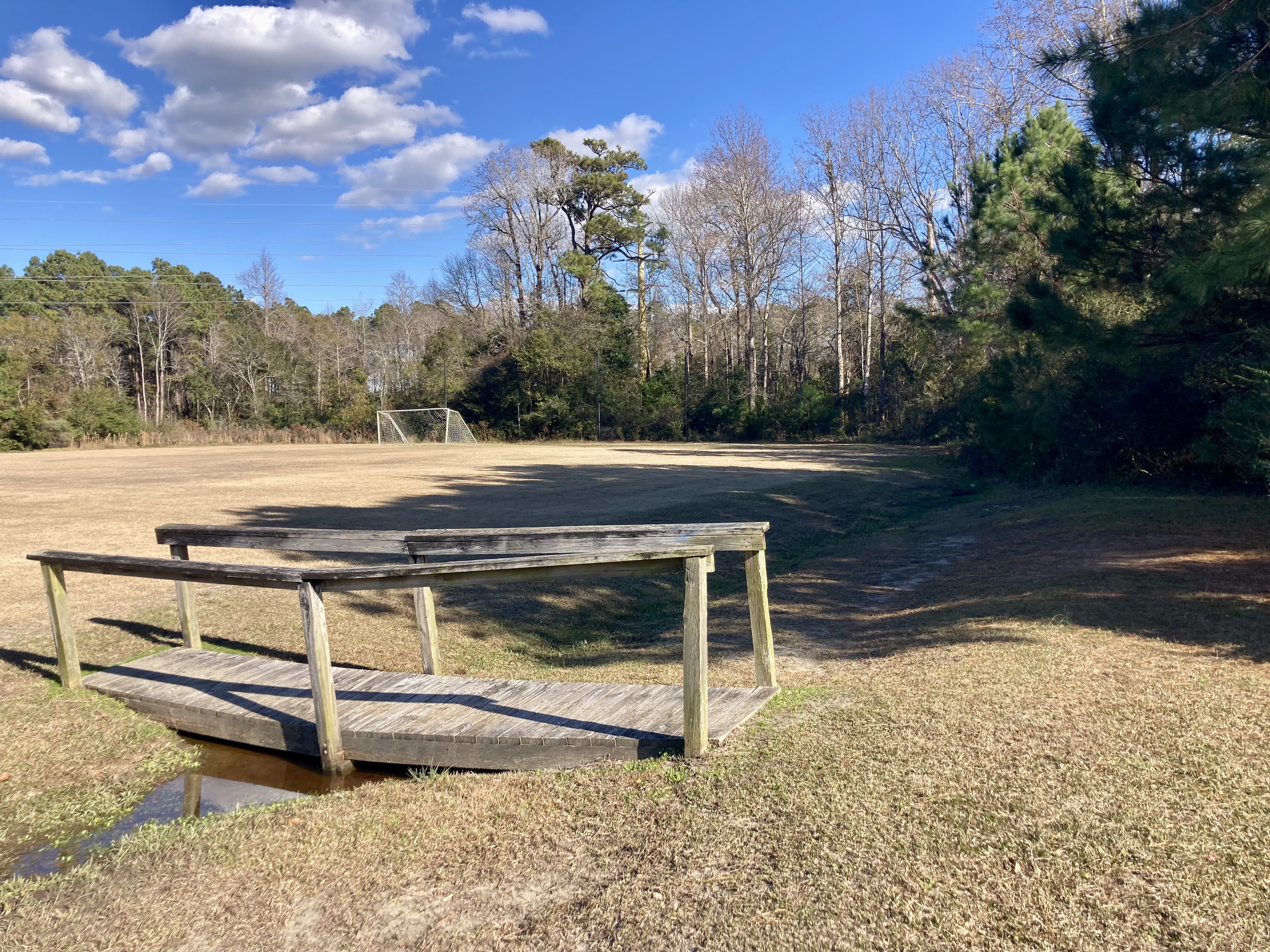
West Carteret High School Soccer Field – photo by Jessi Waugh

 . 
This is the assignment:
 . 
To cap off a unit on the biosphere, students sit quietly in the back soccer field for an hour and document the biotic and abiotic limiting factors they observe. At the end of the lab, students are asked to construct a poem featuring their observations – any form is acceptable.
 . 
These two poems I’ve chosen have compelling language and structure, and these students were happy to have their poems selected for publication. 
 . 
Thank you for giving these students a platform to share their poetry. We as educators look to give students the chance to shine –  thank you for helping us with that goal and for sharing the voices of many North Carolina poets.
 . 
– Jessi Waugh
 . 
❀    ❀    ❀    ❀    ❀
 . 
Always Active Biosphere
 . 
A metal obstruction digs into resilient blades of grass.
Joyful adolescents race by.
My pine needles quiver as a black and white ball
strikes me straight on.
 . 
Industrious squirrels race up my bark, in hopes
winter will arrive with fully acorned nests in which
to rest.
Whisps of colored leaves pirouette in the autumn air.
 . 
Soft clouds meander by, masking the cheery rays
with their dreary faces..
A gust tumbles a soaring hawk. Diving sharply in an
elegant feathered display, its eyes fixed on its prize.
 . 
No voices are near. A silence befalls in the sleepy hollow.
Nature, however, speaks loudest when left alone.
The chaos of existence echoes in every direction as the
wind slows to a deadly whisper.
 . 
Felicity Tedder
West Carteret High School
I’m 14 years old, enrolled in Earth and Environmental Science, and on the day I wrote this poem, our class took a trip outside to observe the nature of our habitat, including biotic and abiotic diversity. The factors I noticed are what inspired my writing. I find nature compelling. Once all the noise pollution subsided, I noticed tranquil sounds produced by Mother Nature herself. This simply might just be an absurd thought, but hearing and witnessing the environment do the thing it does best, simply thriving, I knew I had to encapsulate it somehow. Through this freestyle poem from the perspective of my local habitat’s primary tree, a long-needled pine, I personified factors I noticed around me: things that a tree must feel, hear, and see as if it had a heart and legs. I imagine the vile intensity that the tree must feel, being besieged by the leftover impacts of man-made destruction. Disregarding these unrelenting pollutants, I hope this tree’s inner soliloquy brings others solace the next time they take a moment to analyze nature’s unabated, profound motives.
— Felicity
 . 
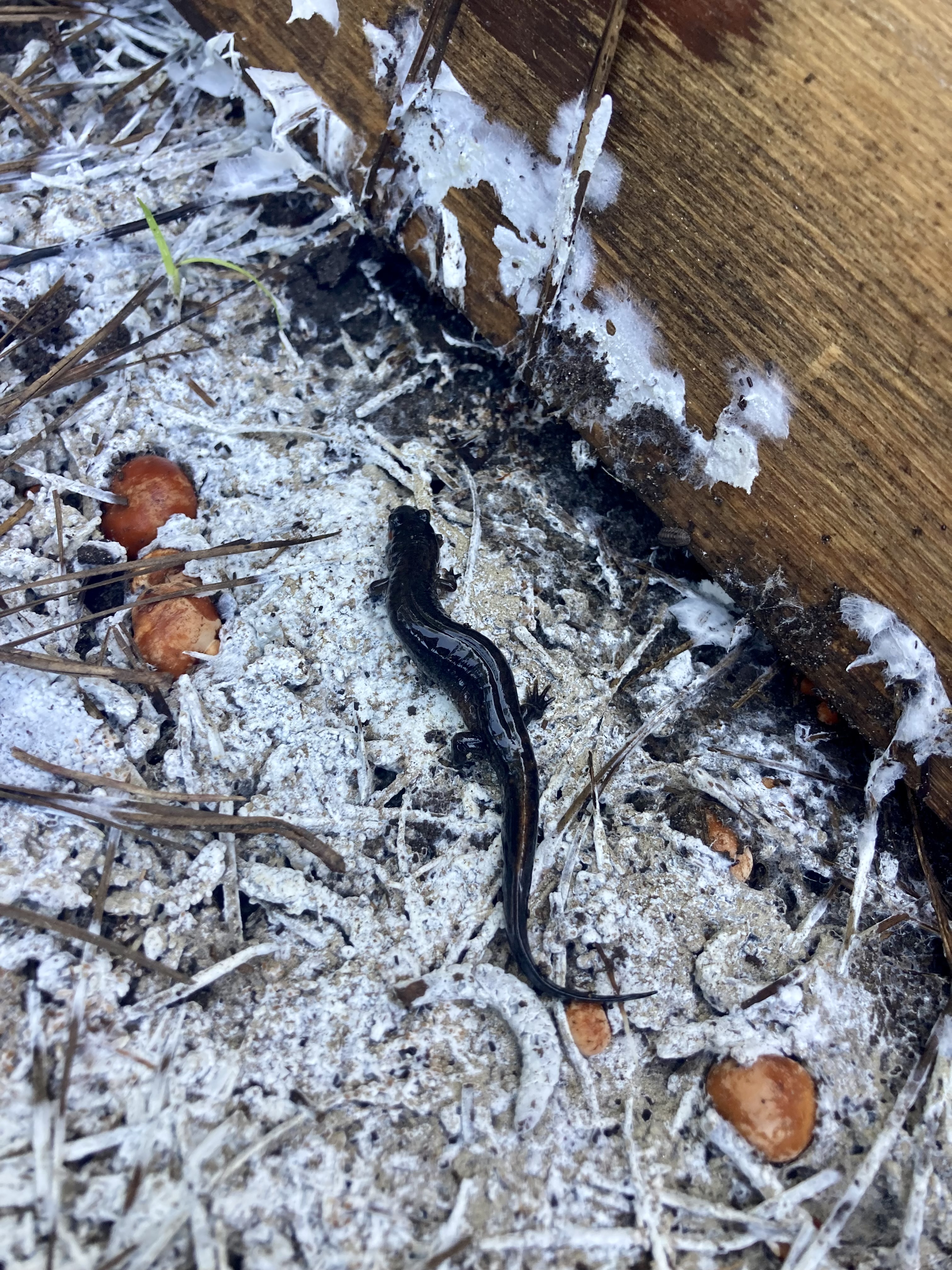
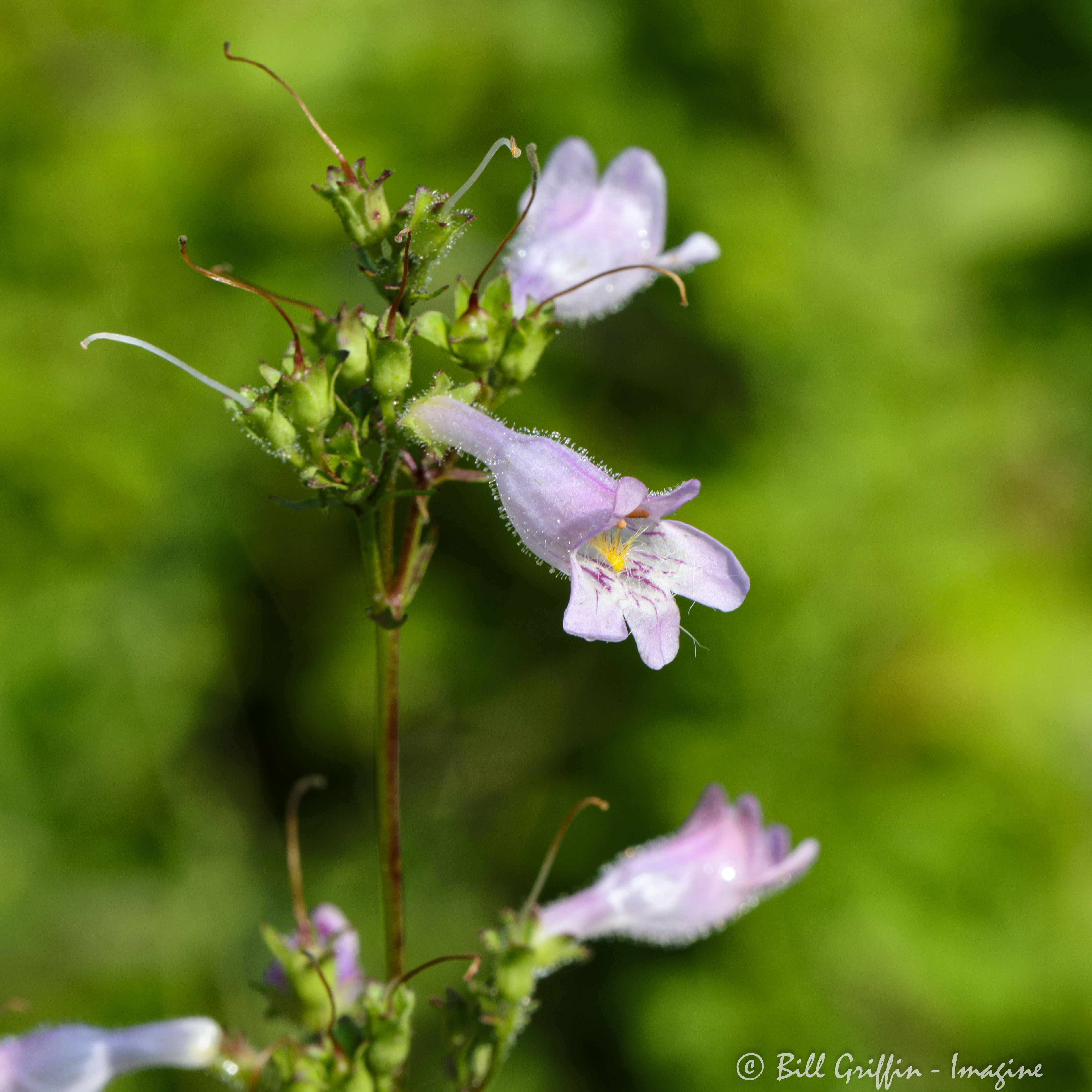
Dusky Salamander in Carteret County – photo by Jessi Waugh

 . 
West Carteret High School is in Carteret County, North Carolina, USA. We are a public 9-12th grade high school, with about 1100 students, in Morehead City (on Bogue Sound). Approximately 40% of students are economically disadvantaged. I teach Earth and Environmental Science, a required course for graduation since 2000. My students are all 9th & 10th grade, ages 14-16. I’ve been teaching this course for 12 years, off and on. I have a Master’s in Teaching Secondary Science, a Biology degree, and I held National Boards Certification until it expired. I like teaching this course and this age group; it’s my niche. I also teach Biology and Marine Science when needed.
 . 
– Jessi Waugh
 . 
Additional poetry by West Carteret students at Verse and Image:
 . 
❀    ❀    ❀    ❀    ❀
 . 
Thank you for visiting VERSE and IMAGE:
. . . . . every Friday I present one or two poems I’ve read this week that particularly speak to me;
. . . . . every Saturday I present one or two poems submitted by YOU, my readers.
 . 
If you would like to offer a poem for consideration, either by a favorite author or your own work, please view these GUIDELINES for Saturday Readers Share:
 . 
 . 
Also note: after January 1, 2026 I will no longer be sending separate weekly email reminders.
If you would like to receive an email each time a post appears, please SUBSCRIBE to VERSE and IMAGE using the button on the Home Page.
 . 
If you have a hard time finding the SUBSCRIBE button on this WordPress site, you can send me your email address and I will add you to the subscriber list. Send your request to
 . 
COMMENTS@GRIFFINPOETRY.COM
 . 
Thanks again for joining the conversation.
 . 
– Bill
 . 
 . 
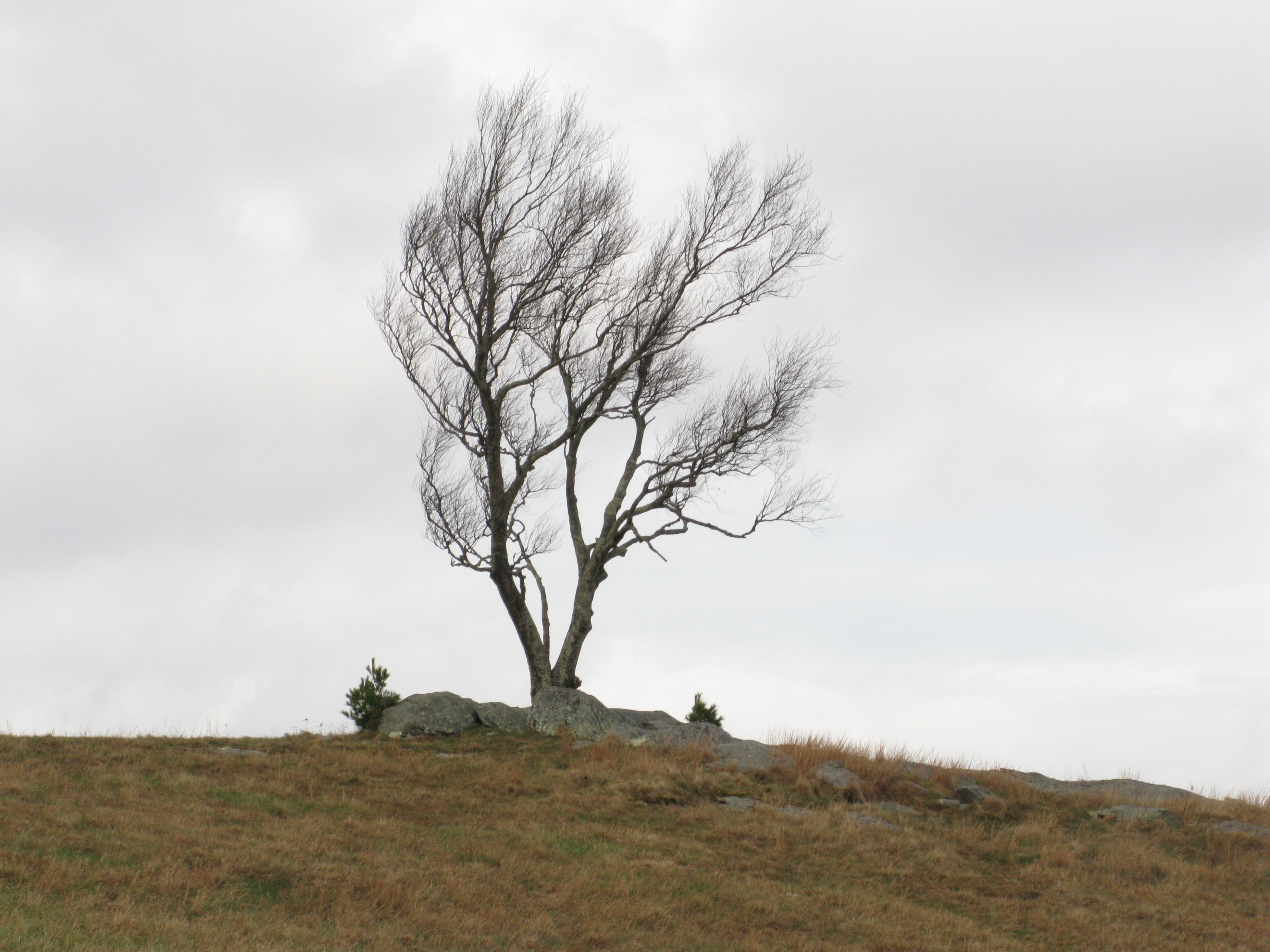
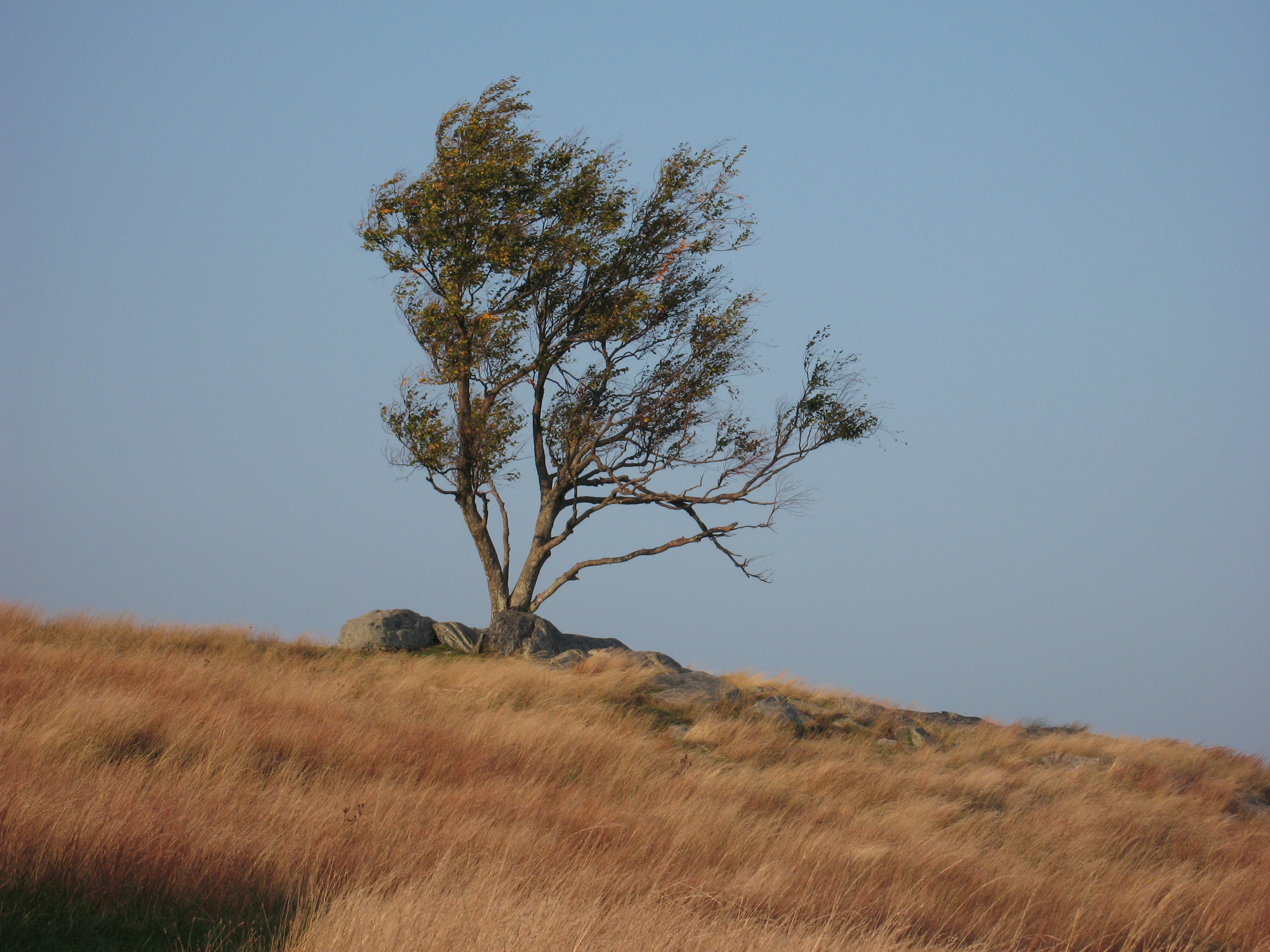
Doughton Park Tree 2020-11-22
 . 

Read Full Post »

 . 
[with 3 poems by Beth Copeland]
 . 
Fog
 . 
Morning fog erases the mountain and trees.
No, not an erasure but unseen.
 . 
Not an erasure but unseen.
The mountain, the laurel still green.
 . 
Unlike the mountain and laurel still green,
the dearly departed lie beneath white sheets.
 . 
The deer depart beneath white sheets
of fog, stepping into a forgotten dream
 . 
of fog slipping into a forgotten dream
the ghost mountain dreams.
 . 
The ghost mountain dreams.
Crows fly to pines on mascara wings.
 . 
Crows fly to pines on mascara wings,
mourning. Fog erases the mountain, the trees.
 . 
Beth Copeland
from I Ask the Mountain to Heal My Heart, Redhawk Publications, The Catawba Valley Community College Press, Hickory NC; © 2025
 . 
❦ ❦ ❦
 . 
It’s a big web, here in the corner of our screened porch, but I’m not ready yet to broom it down. The spider is a jointed dried kernel in its center; when I blow, she doesn’t twitch. I don’t see an egg pouch or spiderlings. The strands are not an orb but a diffuse tangle, a chaos of delicate angles and tensions — a miniature of filaments revealed by the background microwave radiation that weave the structure of our entire universe. And what are they made of, those filaments? These I can see before me are nanometer reworkings of hemolymph from mosquitoes denied the opportunity to bite me. Most visible when dusted with pollen. A mess. But I and my broom are not ready yet to offend, to say farewell to the tribe of spiders.
 . 
Last week we visited Blue Whales with our grandson, turning eight. The North Carolina Museum of Natural Sciences in Raleigh is hosting this exhibit of the largest creatures that have ever lived on our planet – the mystery of their migrations, language, culture; the vital interconnections between their diet of krill, their massive enriching orange poop, and the entire deep ocean ecology. Linda and I stood in silence before the model of a blue whale brain and a model of our own. The whale’s is twice as large and twice as complex, convoluted with its twisting gyri and deep sulci. Surely such an abundance of neurons and synapses must create thoughts as complex as our own. Or more so. And yet blue whales struggle to survive as a species in a world degraded by human beings. I am thinking of that brain and I am not ready yet to say farewell to the tribe of whales.
 . 
Chapel Hill cartoonist Keith Knight draws a weekly panel titled (th)ink. Today’s is a portrait of and quotation by James Baldwin (1924-1987): “To be a Negro in this country & to be relatively conscious is to be in a rage almost all the time.” Human being who is relatively conscious, choose your own rage focal point du jour – human beings caged like animals in a Florida concentration camp; children intentionally starved to advance a particular political agenda; boosting fossil fuels burned to appease a few billionaires; an ocean filled with plastic nanoparticles and deafening human vibrations where blue whales may soon be extinct? Some days I feel like I am not ready to go on living. Some days I am more than ready to say goodbye to the tribe of humans. In a few years I will depart as an inhabitant of planet Earth. Some years after that the last memory of my having been an inhabitant will finally depart as well. On that day, will any whales still remain to swim the depths? Will any love between humans remain, or any love for other creatures? I am not ready yet to answer.
 . 
 . 
❦ ❦ ❦
 . 
October Valentine
 . 
A heart-shaped leaf spied in the weeds on my walk
down the hill to the mailbox. I didn’t see a redbud tree
 . 
on the roadside, so it must have lifted on the wind
and dropped – a gift! – near my feet. Is it a message
 . 
from someone I love – my sweet mother in a halo of light,
my father singing the names of trees in his strong baritone?
 . 
Or is it from someone I’ve never seen and may never meet?
 . 
As I hike up the hill, I tuck the leaf in my pocket, rubbing it
with my thumb – as if I could read it – skin to skin – by osmosis.
 . 
Halfway home, I stop to study it. Cerise with splotches of green,
dark spots, a wormhole bored like a bullet wound, a battered
 . 
heart, like yours, like mine, but maybe its scars make it more
beautiful than before. My friends, there’s still so much
 . 
love in this world even when you’re alone.
 . 
Beth Copeland
from I Ask the Mountain to Heal My Heart, Redhawk Publications, The Catawba Valley Community College Press, Hickory NC; © 2025
 . 
❦ ❦ ❦
 . 
Is it strange for me to be toying with despair while reading a book of healing and love like Beth Copeland’s I Ask the Mountain to Heal My Heart? Actually, if you’re not toying with despair you are the strange one. Give grudging thanks, though. Thank the stars and the mysterious hemlocks and the dark fecund earth that in a world full of rage and despair there are poems like Beth Copeland’s. These poems know the feeling of being lost in endless night. These poems have been battered, they have fallen, they have doubted plenty of times whether there is any wholeness or healing available to them, but these poems stand up to testify, My friends, there’s still so much love in this world even when you’re alone.
 . 
Often I tell myself it is ridiculous to imagine that any sort of inner peace is possible. I have my share of personal regrets and ongoing grief, and even though I’m tempted to look around and envy those people who don’t, when I’m really honest I admit that no one escapes whipping. But peace can’t be a wall built around my sadness – walls keep more things in than out. Despair is inevitable. How foolish is it, then, and how strange, to spend a few hours with a book of words arranged in lines on paper and discover the tightness in my throat is easing? The mountain has rested in one place for 480 million; today its peak is less than a third of its height when it was first thrust up in the big crunch. Does it reflect on loss and diminishment, or does it find peace in the weight of its daily being? Am I inflamed and scarred by the revelations of Beth Copeland’s battles and pain, or am I grateful for her gratitude and strengthened by her strength?
 . 
The tribe of human beings seems determined to destroy itself. The tribe of human beings seems determined to link arms and hearts in love. Perhaps discovering a moment of beauty is not a cowardly attempt to escape dire reality – perhaps it is the only thing capable of healing us.
 . 
 . 
Explore REDHAWK Publications, including Beth Copeland’s I Ask the Mountain to Heal My Heart and Shibori Blue: Thirty-Six Views of the Peak HERE.
 . 
Sample poems from Shibori Blue at Verse & Image HERE.
 . 
More information about the North Carolina Museum of Nature Sciences HERE.
Dive into the K Chronicles with Keith Knight HERE.
 . 
 . 
❦ ❦ ❦
 . 
My Daughter Paints a Mountain
 . 
She wasn’t thinking as her brush swept
across canvas in wave-length strokes,
 . 
channeling a crest she’d never seen,
while I was still in the Sandhills
 . 
where there aren’t any hills, just fields
of cotton, soybeans, and cedar stumps
 . 
in swamp water, sleeping on an air mattress
in a small apartment with prints and paintings
propped against walls instead of hung,
newly separated, newly sober, living
 . 
between the husband and home I’d left
and a haven I hadn’t found yet.
 . 
*****
 . 
As I drove up a steep road to see a house
in the Blue Ridge, a large buck leapt
 . 
in front of the car to welcome me,
and I knew I’d found my new home.
 . 
I didn’t know the mountain seen at the top
of the hill was the mountain she’d painted
 . 
months before, and she didn’t know I’d move
to that house with a view of the mountain
 . 
she’d painted as if in a dream or fugue.
How could her mountain – purple, lavender,
 . 
pink, and forest green swirled to a peak
with white streak of snow against a blue sky –
 . 
mirror the one framed in my window?
Was it coincidence or synchronicity
 . 
that the mountain in her mind’s
eye was more map than metaphor?
 . 
It was a message from the universe:
You’re home. Open the door.
 . 
Beth Copeland
from I Ask the Mountain to Heal My Heart, Redhawk Publications, The Catawba Valley Community College Press, Hickory NC; © 2025
 . 
 . 
❦ ❦ ❦
 . 
Doughton Park Tree 2020-11-22
 . 
❦ ❦ ❦
 . 

Read Full Post »

 . 
[poems selected by and written by the students
of West Carteret High School, Morehead City, North Carolina, USA]
 . 
Earlier this month I asked Jessi Waugh, teacher/scientist/poet and instructor in Earth and Environmental Science, if she would like to have her high school students contribute Poems for the Earth. Jessi replied Yes! and then this:
 . 
Several days before the poem-writing lesson, I gave my students the assignment to post an EcoPoem to a class discussion. They could post any poem or song lyrics related to nature. In this discussion format, students are able to see each other’s posts and like or comment. Few interacted, but they did see each other’s poems as I scrolled through the class submissions.
 . 
This assignment saw some of the expected favorites: Robert Frost, Shel Silverstein, Dr. Seuss. It also saw poems obviously chosen by a Google Search for “ecopoem example,” as I knew it would. But I got unexpected and delightful responses as well, such as:
 . 
Stick your leaves back on
 . 
My mother planted you the day I was born.
I grew with you.
I remember trying to stick your leaves back on in autumn;
I was scared of you changing.
Yet as time passed, my attempts stood no chance.
The cruel seasons ripped apart your branches.
The cruel season ripped me apart, too.
You looked so unrecognizable by the time winter ended,
I didn’t even wanna be near you.
My mother made me blow out a candle for you every year.
She hasn’t lit one in 1…2…3… I lost count.
I grew without you.
You stood tall, but I only kept changing.
I was scared of changing.
I’m 16 now.
A storm ripped you from the earth.
I’m trying to stick your leaves back on.
I wish you could do the same to me.
 . 
Emily M
 . 
 . 
The Rose that Grew from Concrete
 . 
Did you hear about the rose that grew
from a crack in the concrete?
Proving nature’s law is wrong it
learned to walk without having feet.
Funny it seems, but by keeping its dreams,
it learned to breathe fresh air.
Long live the rose that grew from concrete
when no one else ever cared.
 . 
Tupac Shakur
 . 
 . 
❦ ❦ ❦
 . 
Before they wrote a poem, Jessi gave her students this assignment: “Analyze the connections between the biosphere and other Earth systems (geosphere, hydrosphere, atmosphere).” She took them to the back soccer field at their school, which is surrounded on three sides by forest and powerline land. She had cut 2′ x 2′ pieces of an old tarp for them to sit on, and once they were outdoors she handed them a clipboard along with the assignment log sheet and told them to sit facing the forest and far enough apart so they couldn’t distract each other.
 . 
When we first got out there, many students sat in the middle of the field or facing away from the forest, and I came around to encourage them to sit near the wild areas and turn towards them. Most did. Others were not comfortable and chose to stand or remain near the middle of the field, especially girls wary of jumping spiders.
 . 
Students documented the abiotic and biotic factors in the ecosystem, reinforcing those terms, and created a food web with the 10 organisms they observed. These were concepts from class (trophic level, energy flow, limiting factors) put into practice. They then answered a series of questions about interactions between ecosystem components and biodiversity, and then crafted their poems, all while outside.
 . 
Before taking them outside that day, I read the students one of my own poems, Dunation, but didn’t tell them it was mine. I told them to listen for the repetition of sounds and them suggested they repeat sounds in their poems as an easy literary device.
 . 
It was a beautiful day, perfect for sitting in the back field for an hour. We saw at least 20 species between all the different insects, herbaceous perennials, trees, and birds. Likely closer to 50. In general, students were quiet and reflective and did a great job of observing the ecosystem.  – Jessi Waugh
 . 
❦ ❦ ❦
 . 
selected student poems . . .
 . 
The Great Outdoors
 . 
When I step outside to the great outdoors
I see nothing but change, out of our culture nothing
stays the same
not the trees, not the grass, not the very ground you stand on
everything around us is just waiting on its moment
 . 
When I step outside to the great outdoors
I notice change is inevitable but nothing to fear
everything changes even just saying
“the last time I was here”
or the time and age you got, like the sound
of the creek, of the animals above, or even the things
that all of us take for granted like a mother’s love
 . 
Everything changes
please don’t be afraid
be glad you have what you have
and enjoy the change
 . 
Kevin Hunter, Student at West Carteret High School
 . 
 . 
In the Back Soccer Field 
 . 
With all these limiting beige walls I’m stuck with
for over 5 hours a day, it feels
refreshing to see the leaves, feel the breeze
crunch the brittle soil like the wandering ant
I make my pilgrimage
toward NATURE
 . 
My eyes are stimulated by something that isn’t
a screen but the echoes of human
development still make their unpleasant sounds
nature is something that can’t be replicated
truly by plastic or plaster models or
the dull green of money, as nature is
VIBRANT and cannot be comprehended by man
no matter what
 . 
Kyndall Griffin, Student at West Carteret High School
 . 
 . 
Life Cycle
 . 
Green
Life abounds
Sunlight kisses leaves
Insects buzz, a symphony of life
Grass
 . 
Tiny world
Hidden, teeming
spiders spin, frogs leap
nature’s dance, a vibrant scene
Balance
 . 
Stillness
Whispers softly
Decomposers working
Life to death, death into life
Cycle
 . 
Jazireyah Johnson, Student at West Carteret High School
 . 
 . 
❦ ❦ ❦
 . 
and another favorite selected by Jessi’s students . . .
 . 
rises the moon
 . 
Days seem sometimes as if they’ll never end
Sun digs its heels to taunt you
But after sunlit days, one thing stays the same
Rises the moon
 . 
Days fade into a watercolour blur
Memories swim and haunt you
But look into the lake, shimmering like smoke
Rises the moon
 . 
Oh-oh, close your weary eyes
I promise you that soon the autumn comes
To darken fading summer skies
 . 
Breathe, breathe, breathe
Days pull you down just like a sinking ship
Floating is getting harder
But tread the water, child, and know that meanwhile
Rises the moon
 . 
Days pull you up just like a daffodil
Uprooted from its garden
They’ll tell you what you owe, but know even so
Rises the moon
 . 
You’ll be visited by sleep
I promise you that soon the autumn comes
To steal away each dream you keep
Breathe, breathe, breathe
 . 
lyrics and music by Liana Flores
 . 
❦ ❦ ❦
 . 
Dunation
 . 
The sorrows they pile heart-high
head-high, sky-high like peaks
of primary dunes against winter-white
an accumulation of minutia
a hummock too precipitous to persist
Spring’s avalanche comes
grains slip-slide down dune slipfaces
so suddenly, the sound akin to arctic ice breaking
tern eggs crackling, oak limbs fracturing
in furious full-February gales
Hearts, heads, skies on fire
here comes March’s awakening
dunes crash-topple into manageable talus
Here we come
tip-toeing across the tops
paper children tumbling
over ridges and ruins
 . 
Jessi Waugh, Earth and Environmental Science Teacher, West Carteret High School
 . 
The main reaction from students to this project was appreciation for the time sitting outdoors, and they enjoy the social aspect of posting “favorite’ ecopoems on our class discussions. As much as I’d like to turn it into a week of poetry discussions, that would be terribly off-topic for my science class, and I used it primarily as a way to reflect on the connections between earth’s “spheres” (atmo, hydro, litho, geo) and how they interact in ecosystems. In general, I notice that students are disillusioned with politics and technology. They, like all students I’ve taught, enjoy hands-on experience and labs. I think poetry and teens could mix well in many places. – Jessi Waugh
 . 
❦ ❦ ❦
 . 
West Carteret High School is in Morehead City, North Carolina, in the southeastern USA. It is a public 9-12th grade high school, with about 1100 students. Approximately 40% of students are economically disadvantaged. Jessi Waugh teaches Earth and Environmental Science, since 2000 a required course for graduation. She also teaches Biology and Marine Science as needed, and has been a teacher for 12 years. Her students are all 9th & 10th grade, ages 14-16. The poems submitted are from both the honors and standard classes. She holds a Master’s in Teaching Secondary Science and an undergraduate Biology degree. I like teaching this course and age group; it’s my niche.
 . 
IMG_0345
 . 
❦ ❦ ❦
 . 
IMG_1783
 . 

Read Full Post »

Older Posts »