Feeds:
Posts
Comments

Posts Tagged ‘NC Poets’

[with 3 poems by Crystal Simone Smith]

First day of kindergarten – we pick Amelia up from the bus stop. Glassy-eyed. She climbs into the carseat and takes off her mask but won’t say a thing. Or can’t. We paw through her backpack to find Tammy, well-worn fox companion – nuzzle, no words. We search her face for psychic trauma. “How was school?” “Are you OK?” Silent nods.

I drop them off and drive to fetch her brother from middle school. When we return Amelia and Granny are playing Candyland. Audible levity. After the rematch Amelia hops over to me. “Play, Pappy.”

Hummingbirds in the Andes descend into protective torpor every cold night. Their heart rate drops from 200 to 30. When sun reaches them next morning it takes 30 minutes for the little engine to rev back up. You can watch the brief shiver, flexing feathers, accelerating vibration of their chest. The tiny eyes pop open and they fly.

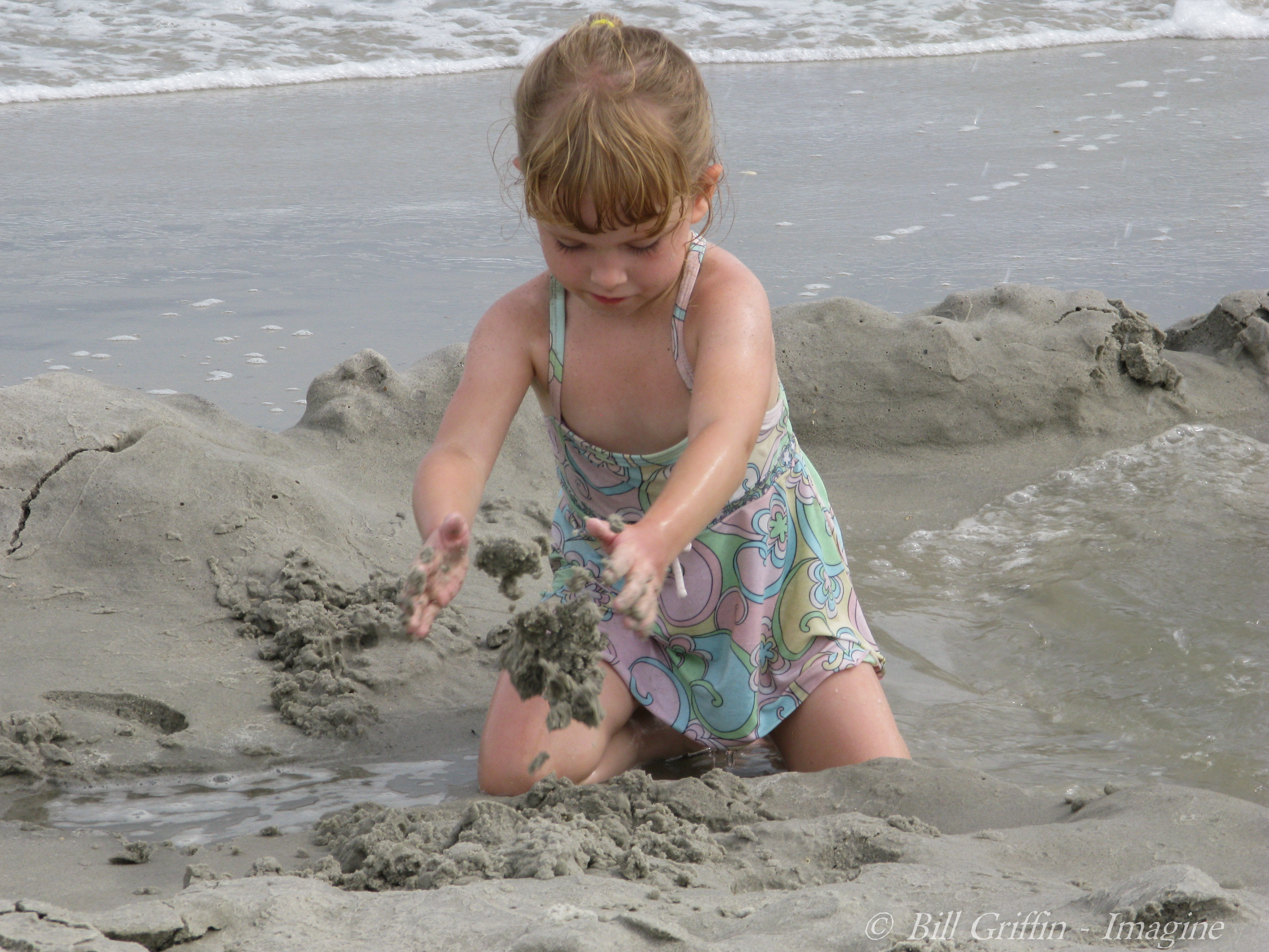
Amelia wants to ride her scooter to the mailbox, fly through August heat and sweat to chase the rainbow soccer ball across the yard, run and kick and score. When we take her home at suppertime, Mom meets us in the driveway, hugs her bouncing vibrating child, says, “My, your hair is wet.”

.     .     .     .     .     .     .
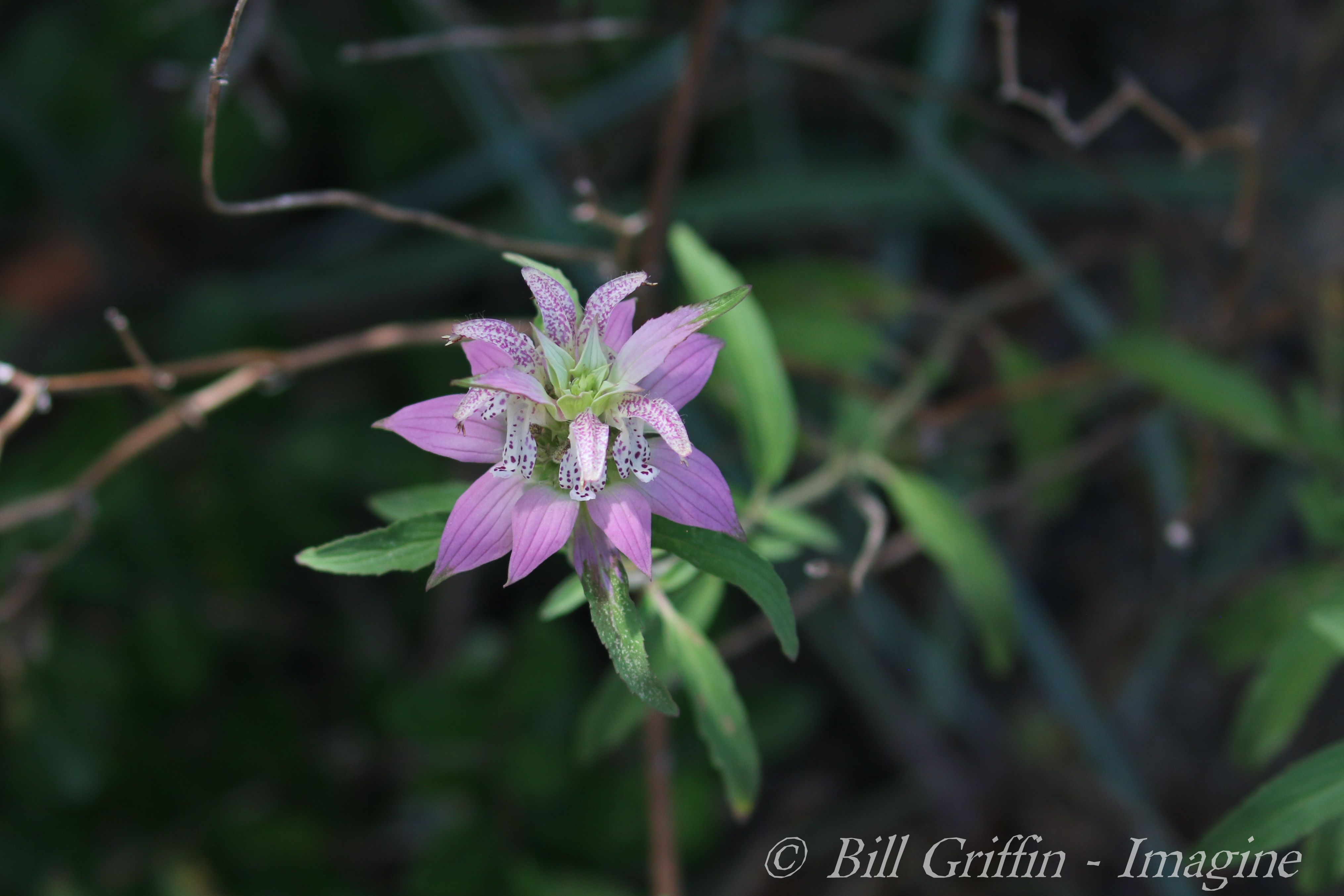
Eastern Horsemint, Mondarda punctata

Eastern Horsemint, Mondarda punctata

.     .     .     .     .     .     .

It Took a Village

It took a village to raise me
+++++and when my best friend’s
++++++++++islander mother shouted

in her broken tongue for me to ge’ toff
+++++the building roof, I listened –
++++++++++saved moon rock scavenging

for a safer day. It was a sort of lovespeak.
+++++I was no different than her own
++++++++++bouquet of fatherless children –

a brood of six, all hues and ages. She had lived,
+++++had become religious and arthritic,
++++++++++grimacing as she peeled the smooth,

maroon skin from mangos she offered,
+++++and I’d scoff down
++++++++++before I scaled a tree

to peer at the building – a colossal dollhouse
+++++or real live stirring.
++++++++++and when she stood,

crying and talking to the sun,
+++++I looked away. I knew
++++++++++she was talking to God.

Crystal Simone Smith

.     .     .     .     .     .     .

Uncloudy Day

At the tenth year’s dark mark
+++++the clouds are white as bones

and the sky is the sky
+++++where the ocean stand
+++++after the last splattering of night,
a horizon so convincing even
+++++the cynic can glimpse the other side.

For so long I resented the swallowing earth,
held every pinch of darkness –

+++++a co-worker’s harmless but sharp remark:
++++++++++Exhume a body after a year
++++++++++and it’s basically human soup.

my mother stood stove-side once,
+++++her eyes filled with a clumsy glee
+++++as she spoke of fourth Sundays.
Her mother fried chicken after church.

The preacher might come.
All other days they ate beans and ham hocks.

+++++She gave it a name, uncloudy day,
a day that is just so, you are unbroken
+++++by memories where you stand
gazing at the sky, unfisted and glad.

Crystal Simone Smith

.     .     .     .     .     .     .

Can a poem be a shovel, stabbing the earth to turn over what’s hidden and dark, to bring up a spadeful that smells also of fecundity and life? Dig, demand these poems of Crystal Simone Smith, into the heart of things, weeds and flowers worthy and alive, discover them all. Dig to the roots.

Perhaps a few poems can dig into our hearts and make us one family.

Amber Flora Thomas writes, “Has freedom made us lazy, we might wonder as we read these incredible poems in Smith’s Down to Earth? Are we tourists in our lives, troubled by a history of enslavement? The voices and stories of black lives penetrate these questions in this collection of poems that don’t coddle or pull away from our earthly struggles to find hope and meaning in our human work. Down to Earth is an asking, a plea to take comfort in the stories and people who anchor our living.”

These three selections are from Down to Earth, Longleaf Press at Methodist University, Fayetteville, NC, © 2021.

.     .     .     .     .     .     .
Still Becoming

+++++~after Full Frame Documentary Film Festival

Age forty plus & I still consider
what I can become.

The slave wage of an adjunct is a choice,
the gatekeepers say.

So I teach the slave narrative
to white, affluent students.

A lesson they’ll never find use for – how to
escape bondage without it killing you.

I drive thirty miles with the sun rising in the east.
Every morning I speed – a lesson

taken from oppression – never offer
overtime without the compensating penny.

Often I pass a pulled-over brother struggling
to gaze into the cop’s face through riotous rays.

Those days especially, I consider a career change
or at least, how I can be a better citizen.

The narrative being, we are all keepers
with our iPhones and droids on standby.

I could become the viral documenter
of what can still become of a man

freed a century & fifty plus years
under the same magnificent sun.

Crystal Simone Smith

.     .     .     .     .     .     .

Crystal Simone Smith holds an MFA from Queens University of Charlotte and lives in Durham, NC with her husband and two sons where she teaches English Composition and Creative Writing. She is the Managing Editor of Backbone Press. Her other books are Routes Home (Finishing Line Press, 2013), Running Music (Longleaf Press, 2014), and Wildflowers: Haiku, Senryu, and Haibun (2016).
.     .     .     .     .     .     .
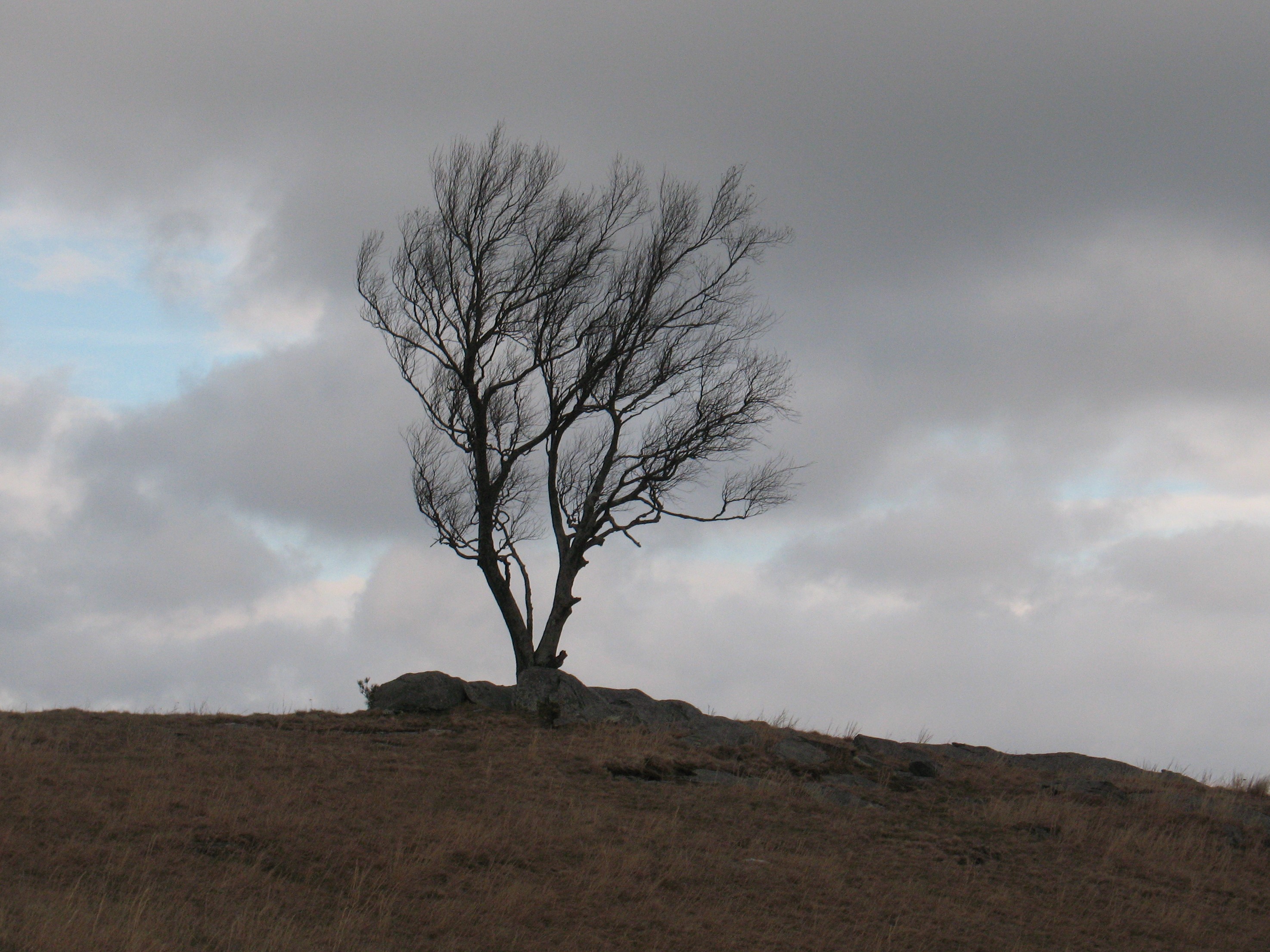
2017-03-06a Doughton Park Tree

Read Full Post »

[including poems by Mary Oliver and Bill Griffin]

Because they are themselves and we have begun to see that they are,
++++because we are not humble but have been humbled,
++++because we can’t begin to love ourselves until we love them,
++++because we can’t love them unless we know them,
++++because in a world that scoffs at the word “sacred” we have
++++++++ accepted a sacred calling,
for all these reasons and more we protect them from us.

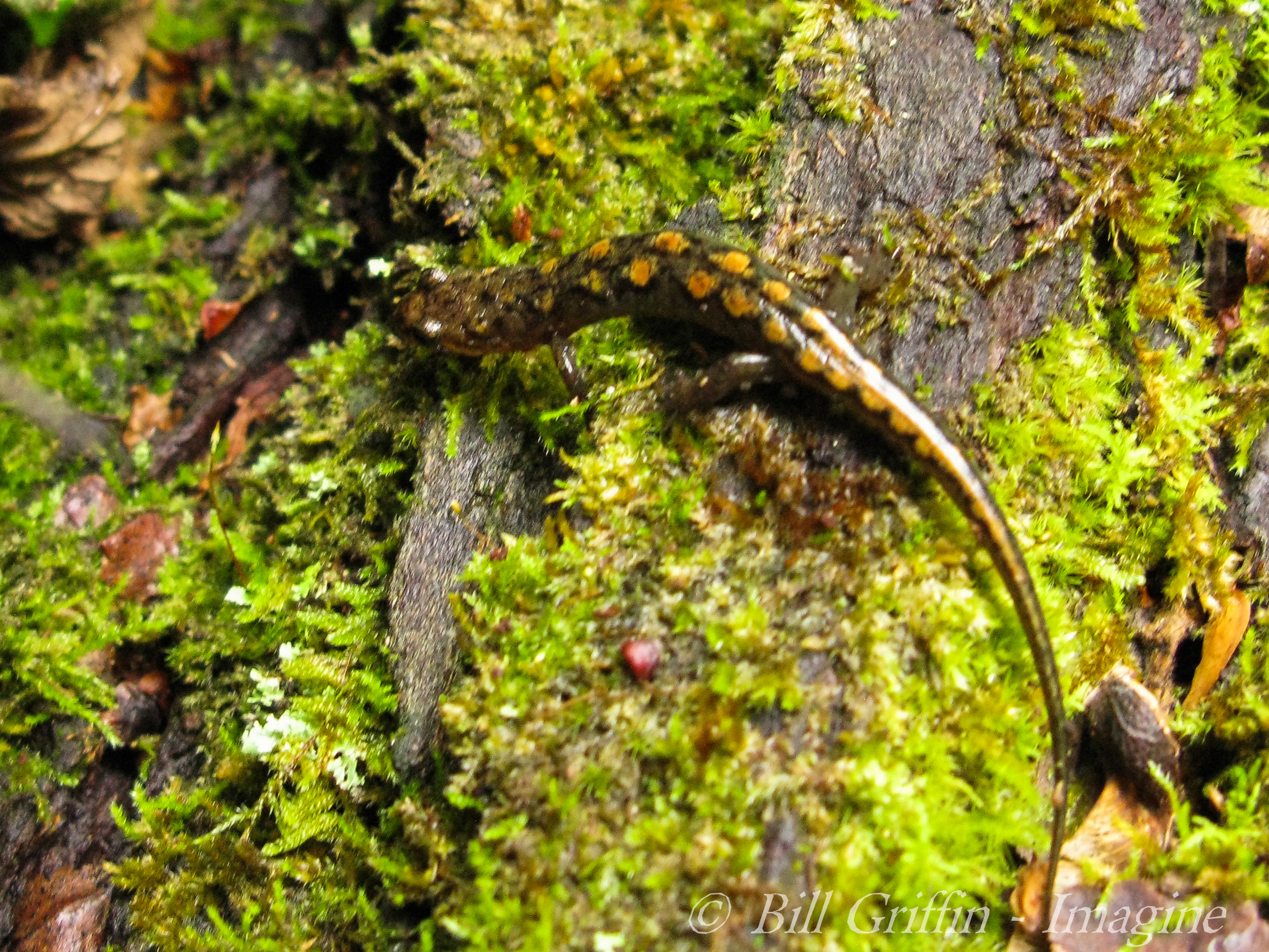
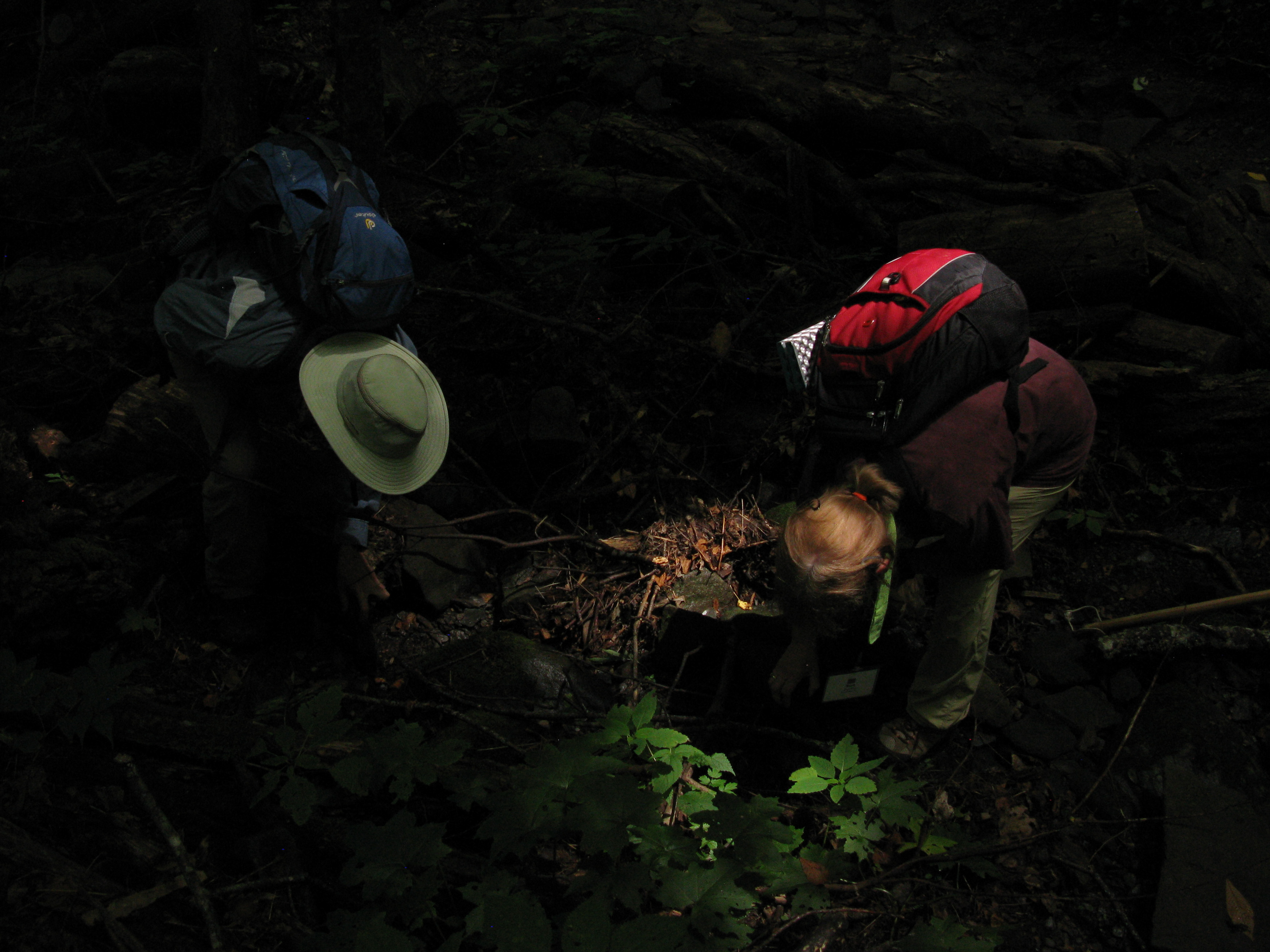
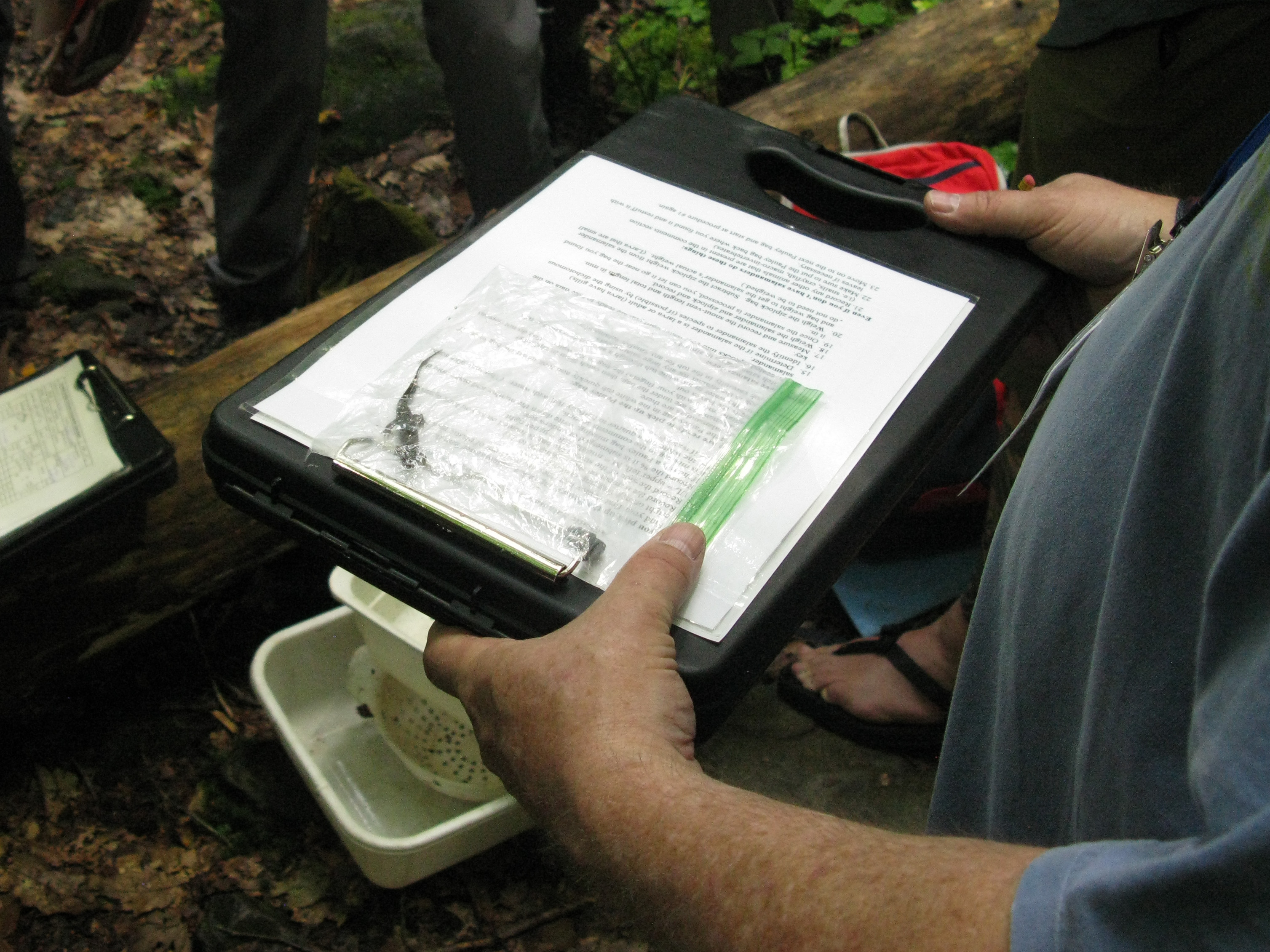
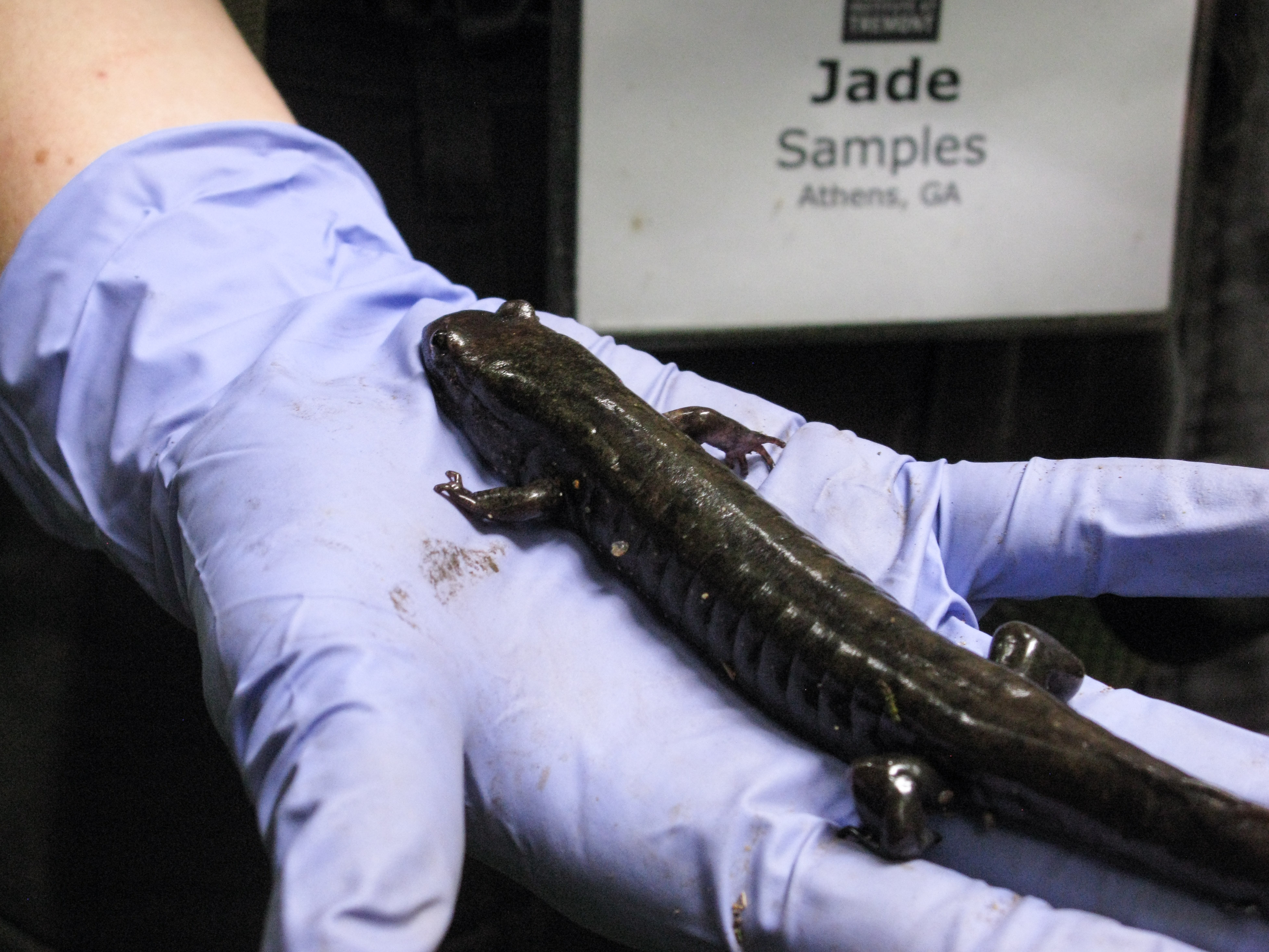
We are going to count the salamanders in Dorsey Creek. Before we leave Tremont and hike to their watershed we spray our boots with weak bleach (to kill the Ranavirus). We wear gloves so that we don’t smear them with our own flora (they have a rich commensal surface bacterial that keeps them healthy). We touch them only briefly and hold them in water in bags, not in our hands (a scant few grams of flesh, thin and magical skin, even the heat of our palms would stress them). Just a few minutes to check for gills if they’re still larvae, to count their spots and markings, look for cheek chevrons, flip and inspect the tint of their bellies, then we take them back to the leaf litter or flashing stream where we found them. Perhaps each one may be counted again, perhaps dozens of times over a ripe salamander lifespan of 20 years.

And perhaps, rising from our knees with new names in our mouths (Desmognathus monticola, quadramaculatus, conanti) and something sacred in our hearts, perhaps we will see the world as if for the second time, the way it really is.

.     .     .     .     .     .     .

.     .     .     .     .     .     .

Alligator Poem
++++ Mary Oliver (1935-2019)

I knelt down
at the edge of the water,
and if the white birds standing
in the tops of the trees whistled any warning
I didn’t understand,
I drank up to the very moment it came
crashing toward me,
its tail flailing
like a bundle of swords,
slashing the grass,
and the inside of its cradle-shaped mouth
gaping,
and rimmed with teeth –
and that’s how I almost died
of foolishness
in beautiful Florida.
But I didn’t.
I leaped aside, and fell,
and it streamed past me, crushing everything in its path
as it swept down to the water
and threw itself in,
and, in the end,
this isn’t a poem about foolishness
but about how I rose from the ground
and saw the world as if for the second time,
the way it really is.
The water, that circle of shattered glass,
healed itself with a slow whisper
and lay back
with the back-lit light of polished steel,
and the birds, in the endless waterfalls of the trees,
shook open the snowy pleats of their wings, and drifted away,
while, for a keepsake, and to steady myself,
I reached out,
I picked the wild flowers from the grass around me –
blue stars
and blood-red trumpets
on long green stems –
for hours in my trembling hands they glittered
like fire.

from New and Selected Poems, © 1992 by Mary Oliver, Beacon Press, Boston. Reprinted in The Ecopoetry Anthology, edited by Ann Fisher-Wirth and Laura-Gray Street, © 2013, Trinity University Press, San Antonio, Texas.

.     .     .     .     .     .     .


.     .     .     .     .     .     .

Sorceress’ lizard, bellows breath, fire worm, winged dog – O, little salamander, how you inspire us with your magic! Pliny the Elder recognized that you are not a lizard but ancient Greeks still rumored that you quench fire with the chill of your body. The Talmud explains you are a product of fire and immune to its harm. Perhaps during the long winters of the Middle Ages you emerged miraculously from the log thrown onto the hearth to substantiate your reputation. Marco Polo believed your true nature to be an “incombustible substance found in the earth.” And let’s not forget the fearful excretions of your skin, poisonous enough to kill the entire village if you fall into the well, fundamental ingredient of witches’ brews, irresistible aphrodisiac.

Little wriggling Caudata, the reality of your nature is more wondrous than myth. You eat small things that would starve larger creatures and yet you thrive; your biomass exceeds that of all the mammals in Great Smoky Mountains National Park. Your skin breathes – most of you don’t even have lungs! – and brews up a constellation of compounds that confound the biochemist. Some of you live 4 years with gills in the swift chill stream before becoming adults, others metamorphose within your eggs beneath forest duff and emerge fully formed, but all of you with your efficient ectothermic life plan grow and grow, make eggs, survive perhaps for decades. And Great Smokies holds more of your diversity than any other place in the world.

We are amazed! We students of SANCP Reptiles and Amphibians Course of 2021 are just astonished and awestruck. You are the coolest of the cool (ectotherms, that is)! We thank your Chief Sorcerer of Knowledge, Professor John Maerz, and Acolyte of Hands-On, Graduate Research Assistant Jade Samples, for sharing their lore, showing us how to find you, leading us to love you.

Salamanders – you rule!

.     .     .     .     .     .     .

Salamander
++++ Bill Griffin

This is my gift –
++++++++ to change.
From Inadu Creek I leave behind
my frilly gills and climb
the spire of blue-eyed grass.
Having become a creature of air bathing
myself in dew, am I not still
a creature of water?

I invite you to discover
in each of my family our variations,
discern that every runnel, every spring,
every palm-sized cup of moisture
holds its lithe expectation, for this
is my gift to you –
++++++++ to notice changes.

I will let you lightly touch
the welcome of my smoothness
while I drink a little warmth
from your hand. Now count
the dapples down my length,
measure the blush of my cheek,

then find when you descend
the eastern face of Snake Den Ridge
those subtle alterations my cousins
are accumulating until finally
they acquire a new name.

And when you have returned me
to my bed of blue-bead lily, then touch
a smooth place within yourself
and carry with you into the world
++++++++ your own changes.


from Snake Den Ridge: a bestiary, © 2008 by Bill Griffin, March Street Press, Greensboro, NC. Illustrations and historical preface by Linda French Griffin.

.     .     .     .     .     .     .


.     .     .     .     .     .     .

The Southern Appalachian Naturalist Certification Program is an adult education endeavor of Great Smoky Mountains Institute at Tremont and the University of Tennessee, Knoxville. Their mission of connecting people with nature continues even during pandemics! The science-based educational programs have evolved with science-based precautions and modifications to allow small communities to form for a weekend at a time.

Many thanks to John DiDiego, GSMIT Education Director, and to the awe-inspiring instructors for the July, 2021 SANCP Reptiles and Amphibians course, Dr. John Charles Maerz from University of Georgia, and his intrepid research assistant, Jade Samples. We crammed a semester’s worth of herpetology into 36 hours out of doors in the Smokies. (Did I sleep? Maybe a little.)

All photographs by Bill Griffin. Plethodon jordani on blue-eyed grass by Linda French Griffin. Header art also by Linda Griffin.

.     .     .     .     .     .     .

2014-06-30a Doughton Park Tree

Read Full Post »

[with 3 poems by Sam Barbee]

Life is not a waltz but sometimes it’s a samba. There are no numbered footprints painted on the floor; you can’t count the meter and the next step is never prescribed. The syncopation will throw you off, take you by surprise. And there are always more percussionists than anyone counted on.

As I kid I’d flip through the albums beneath my Dad’s phonograph. Found it – between George Szell and Peter and the Wolf I always came back to Getz and Gilberto. I knew who Stan was but it was decades before I learned the other names: Jobim, João and Astrud. To weave and shimmer through life, offbeat and upbeat, who could desire more?

At 18 my life rolled and rocked so allegro I doubt I even noticed it was passing. At 38 maybe I convinced myself life really was a waltz, laid out just so, I-lead-you-follow, all outcomes preordained. So here we go now, 68, and how many times have we knocked over the music stand or the band arrived drunk? And just who upped the damn tempo? How many morning coffee melodies will be interrupted by a crisis of (not quite 98) parents? Wolf, spit out that duck! Who made me director of this cacophany?

Settle. Close eyes, sway with me. Night is falling in Corcovado.

.     .     .     .     .     .     .

Soft Spots in the Stream

My son wants stories
at bedtime of when I was his age –
how I loved blue jays and feared shadows.
Back then,
+++++ my sense of adventure
required the black mud bottom
of Burnt Mill Creek: stones, bream schools,
turtle beds. As frogs plunged in reeds,

my dad motioned open-handed
as I pleaded to stay close:
++++++++++ Trust the day.
He marched, under the gauze of Spanish moss,
fearless of water snakes. Water over my knees,
he taught me creek walking, how to balance
up slick banks with willow spindles and cypress knees.
I emerged, baptized with solutions.

+++++++++++++++ Once home,
he lacked answers,
those waning days when things unraveled,
when he often clenched his fist.
He bogged down with questions,
brooding in his recliner:
++++++++++ Keep with it,
the best he could offer.

Now, I escort my son
off to sleep, with his unresolved
problems and prayers, and at times I shrug,
unable to help him add things up.
But in his murky waters,
I part the surface, and
search with him for
soft spots in the stream.

Sam Barbee

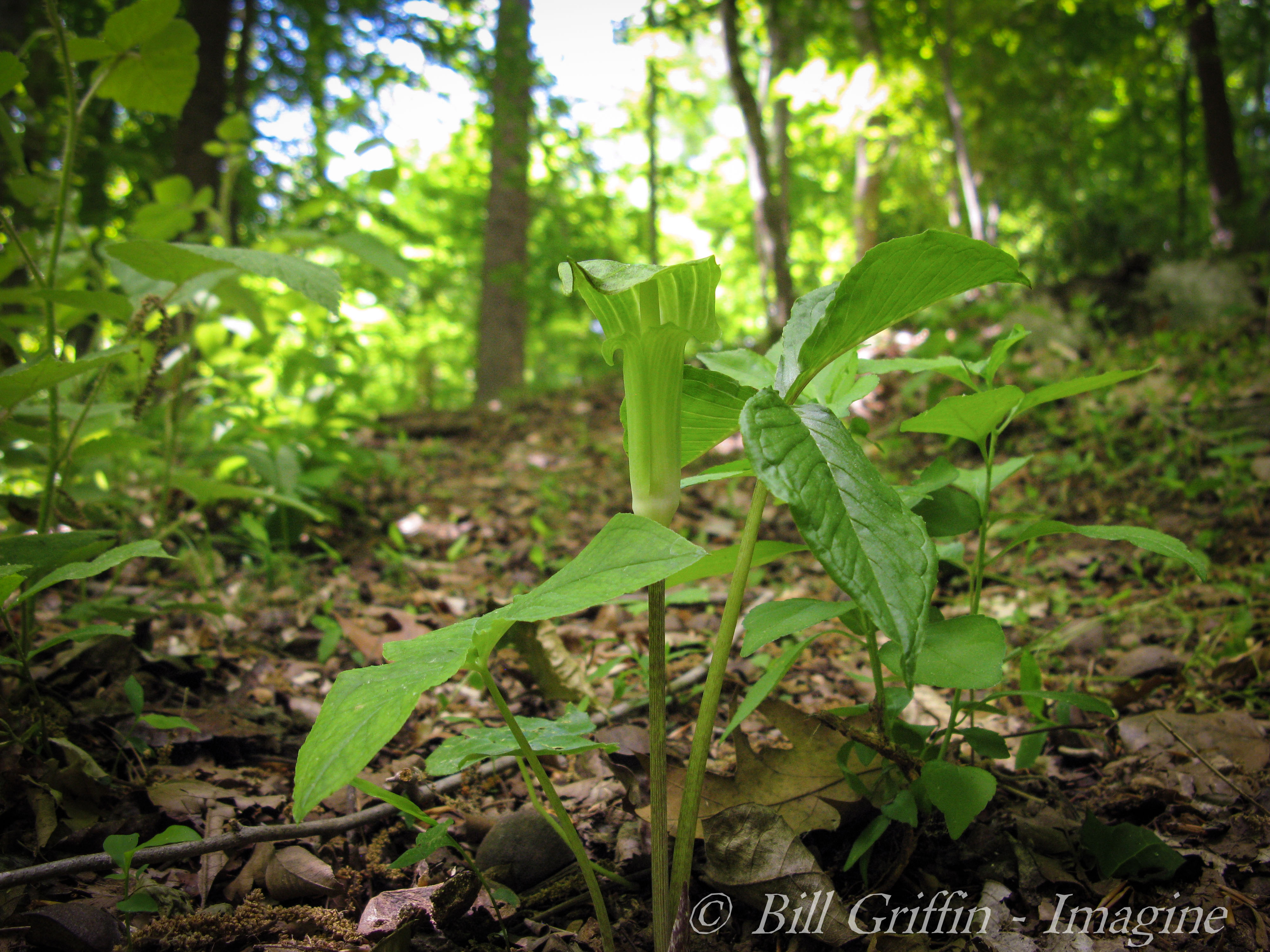
Jack-in-the-pulpit, Arisaema triphyllum

.     .     .     .     .     .     .

That Rain We Needed: good title for July. Good collection for any season of life, this book by Sam Barbee from Press 53. These poems are a complete lifetime’s memoir: adopted childhood, young parent’s uncertainties, long married life with its waltzes & sambas. There is often a hint in the background of dissonance, but Sam Barbee has had a full and joyful life and he blesses us with it through his recollections and close observations.

Into every life a little rain must fall – let’s certainly hope so, before the herb garden is plumb dried up!

.     .     .     .     .     .     .

The Color of Things

A trace of your image escapes
from darkness. Between
sundown and REM, you visit me:

nightgown drooped on the bedpost,
that marvelous thud of lace
on the hardwood floor, toes burrowing

beside me beneath the blanket’s down.
You, so often sequestered in the study
with cigarettes and Russian Tea,

travel the immaculate distance
mapped in memory, plotted only with love’s
intuition. I inventory lines in your face,

validations of the pattern that makes you up.
You remind me, It’s not the shape of things,
but their color.

Sam Barbee

.     .     .     .     .     .     .

Red Planet

We speed to the shore’s horizon
and I am certain
there must be more to us
as we leave the aura of tiny wars.
Our calling lies closer to the sun,
on a world where love and longing fuse,

not into white-hot anguish but
into a peaceful absolute.
When I love you, black sky’s discord
brightens washed with stars, disorder calmed.
Sun, close enough to evaporate doubt,
warms our beach where we fight no theory.,

do not cling to construed arguments.
Content, we absorb sparkles in sandwash,
white foam abandoned on the beach
by ancient crests. Here we will wait,
shoulder to shoulder, wrapped
in laughter, poised for radiance.

Sam Barbee

all selections from That Rain We Needed, Sam Barbee, Press 53, Winston-Salem, NC, © 2016

.     .     .     .     .     .     .


.     .     .     .     .     .     .

Green Heron, Butorides virescens

.     .     .     .     .     .     .

2014-06-30a Doughton Park Tree

Read Full Post »

« Newer Posts - Older Posts »