Feeds:
Posts
Comments

Posts Tagged ‘NC Poets’

[with 3 poems by Gerald Barrax Sr.]

Next month I’ll be leading a couple of nature walks for our local trails association. My fellow naturalists-for-a-morning – as we enter the world of trees and ferns, birds and bugs, what special guidance shall I give you? I’ll mention the primary tasks of the naturalist – notice; ask questions; make connections – but what might make our small journey together even more personal and meaningful?

I think I’ll say, Let’s be slow to name things. Yes, we are each going to encounter some things we recognize. We will also each see or hear or smell something unknown, maybe an odd shaped leaf, a bird call, a pungent mushroom. Either way, may we allow everyone to fill their senses with the thing, share the encounter, before we speak its name.

Am I correct in this: once I give something a name do I stop noticing it as fully? I end my close attention, my exploration of its flower, its leaf. I quit asking myself, What does this remind me of? What is this like and what is it not? I’m done. I’ve finished wondering.

Let’s be slower to name things. Let’s extend wonder as long as we can. Wonder is why we’ve come here.

On the other hand, working together to figure out something’s name is bonkers. As in, we share a crazy laugh when we’ve done it. Yesterday Linda and I visited the NC Zoo with our daughter and her family. All day and many miles of walking through Uwharrie forest to visit Africa and North America with a four-year old, what a blast.

Late afternoon SIL Josh and I lagged behind Linda, Margaret, and Bert – we’d heard a very unfamiliar bird call in the canopy and were craning our necks. Sort of a half-hearted cluck framed by a sharp tik or two fore and aft. I’d been listening to birdsong CDs and it kind of reminded me of the hiccup of Henslow’s Sparrow. Nah, super rare, plus completely wrong habitat. Then we caught a glimpse – way bigger than a sparrow or warbler, long bill, yellow all over.

A female summer tanager! High fives. Yeah, we were a little slow but we worked it out together. Totally bonkers. Or maybe not.


❦ ❦ ❦

To Waste at Trees

Black men building a Nation,
My Brother said, have no leisure like them
No right to waste at trees
Inventing names for wrens and weeds.
But it’s when you don’t care about the world
That you begin owning and destroying it
Like them.

And how can you build
Especially a Nation
Without a soul?
He forgot that we’ve built one already –
In the cane, in the rice and cotton fields
And unlike them, came out humanly whole
Because our fathers, being African,
Saw the sun and moon as God’s right and left eye,
Named Him Rain Maker and welcomed the blessing osf his spit,
Found in the rocks his stoney footprints,
Heard him traveling the sky on the wind
And speaking in the thunder
That would trumpet in the soul of the slave.

Forget this and let them make us deceive ourselves
That seasons have not meanings for us
And like them
we are slaves again.

Gerald Barrax Sr.
from Black Nature: Four Centuries of African American Nature Poetry, Edited by Camille T. Dungy, © 2009 University of Georgia Press, Athens GA

❦ ❦ ❦

As I recently began reading Black Nature I stumbled through the sections at random until I happened upon a name I recognized – a name may be an anchor or it may become a sail to catch the wind. I followed the guyline of Gerald Barrax through all the pages it touched. Lines so rich, so provoking and impeaching, I can’t be the same after reading.

Gerald William Barrax, Sr. (June 21, 1933 ~ December 7, 2019) was the first African American professor at North Carolina State University, a Pulitzer Prize nominee, and winner of the North Carolina Award for Literature. Other awards include the Sam Ragan Award and the Raleigh Medal of Arts. In 2006 he was inducted into the North Carolina Literary Hall of Fame. His teaching career at NC State spanned 27 years and he served as the editor of the Black literary journal Obsidian.

I’ll be sharing more poetry discoveries from this amazing anthology as I continue my explorations.

❦ ❦ ❦

What More?

My lawnmower has awakened the resident god of my yard
who rugs its leafy hand in anticipation
of troubling me again with one of its cruel koans,

this one a small bird dropped
from the sky, or thrown out,
out of the sweetgum tree

where I was cutting
that long triangle of grass outside
the back fence: put there

when I wasn’t looking, it lies
on its back twitching half in and out of the swath
I cut a minute before.

I’m being tampered with again,
like an electron whose orbit and momentum
are displaced by the scientist’s measurement

and observation. If I’d found something already stiff
and cold on the ground
I’d have kicked or nudged it out of my path:

but the just-dead, the thing still warm,
just taken its last breath, made its last
movement, has its own kind of horror.

I leave the small patch of uncut grass around it.
Back inside my enclosed yard
I see a brown thrasher come and stand over the body,

with some kind of food in its bill.
(I was careful to say “bill” and not “mouth.”)
By the next time I cut myself around the yard,

I see the thrasher sitting on the fence above the still dead,
still holding whatever it has in its bill. I’ve described
it all accurately. What more could anyone expect of me?

Gerald Barrax Sr.
from Black Nature: Four Centuries of African American Nature Poetry, Edited by Camille T. Dungy, © 2009 University of Georgia Press, Athens GA

❦ ❦ ❦

I Called Them Trees

The last time
+++ +++ +++ I went to the library
I looked at the flowers
surrounding the statue of Steven Collins
Foster and the old darkie ringing
+++ the banjo at his feet
+++ +++ +++ +++ +++ :flowers planted
in four triangular beds
alternating red and white.
I saw they were all the same kind.

There were others
+++ +++ +++ +++ in front of the building
in long wide rectangular rows
bordered by round clusters of pastel green
and white that were too deep, too dark
+++ red, maroon, for easy images
+++ +++ +++ +++ +++ +++ :I called

them all flowers.
And the stunted trees I
wished I had known, bending over the green

terrace above the flowers
+++ like women whose faces
I couldn’t see washing
their hair in deep green pools, I called
trees. If I had told you would you
+++ had known them?

+++ +++ +++ +++ +++ +++ There were
flowers for me. There
were trees. There were kinds
of birds and something blue
that crouched
+++ +++ +++ in the green day waiting
for evening.
If I had told you would
you have known?

I sat
+++ on a bench among flowers
and trees facing
the traffic +++ surveying all

I knew of impalas, cougars, falcons
barracudas, mustangs wild
+++ +++ +++ +++ +++ +++ cats,
marlins, watching cars
go by. +++ I named them
+++ all.

Gerald Barrax Sr.
from Black Nature: Four Centuries of African American Nature Poetry, Edited by Camille T. Dungy, © 2009 University of Georgia Press, Athens GA

❦ ❦ ❦

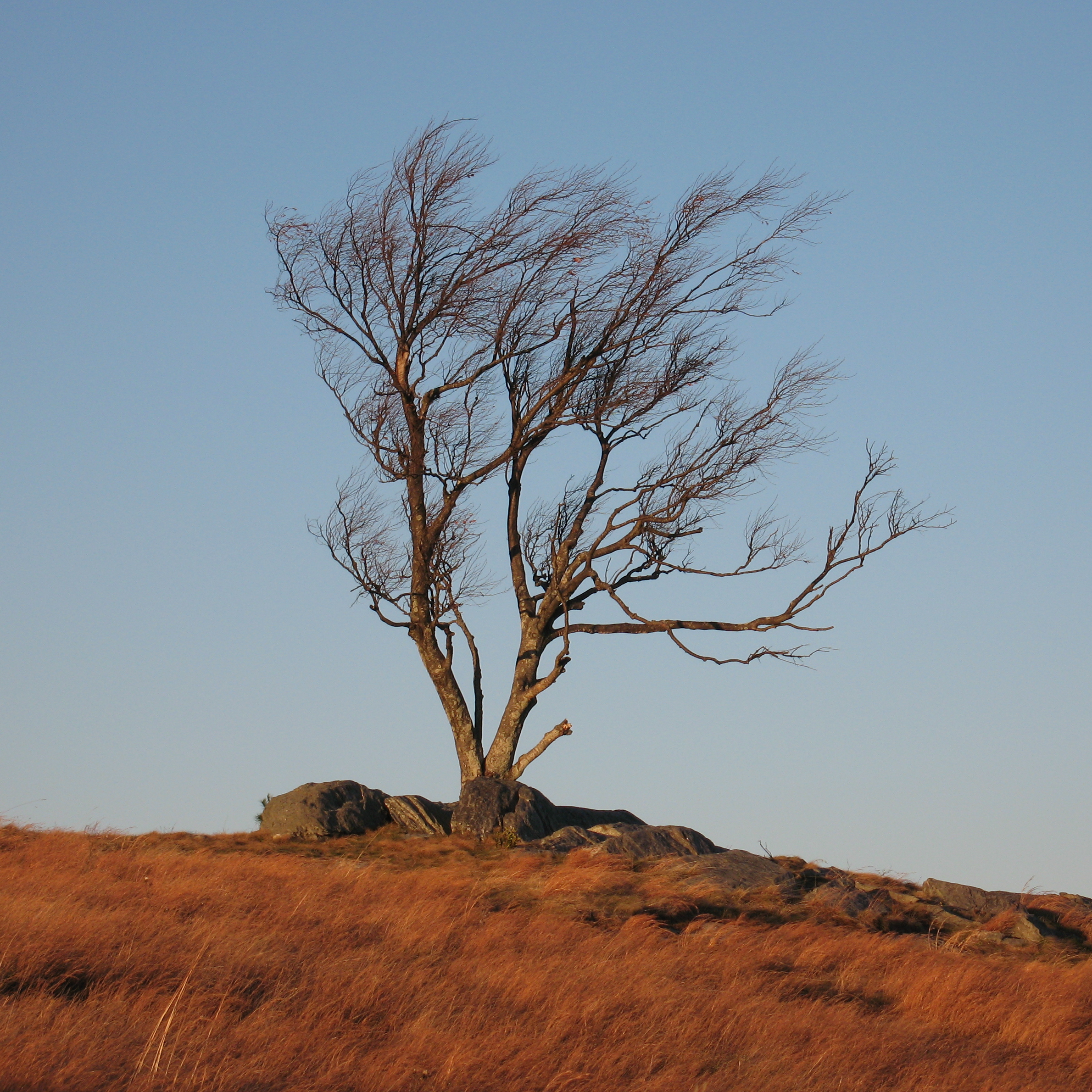
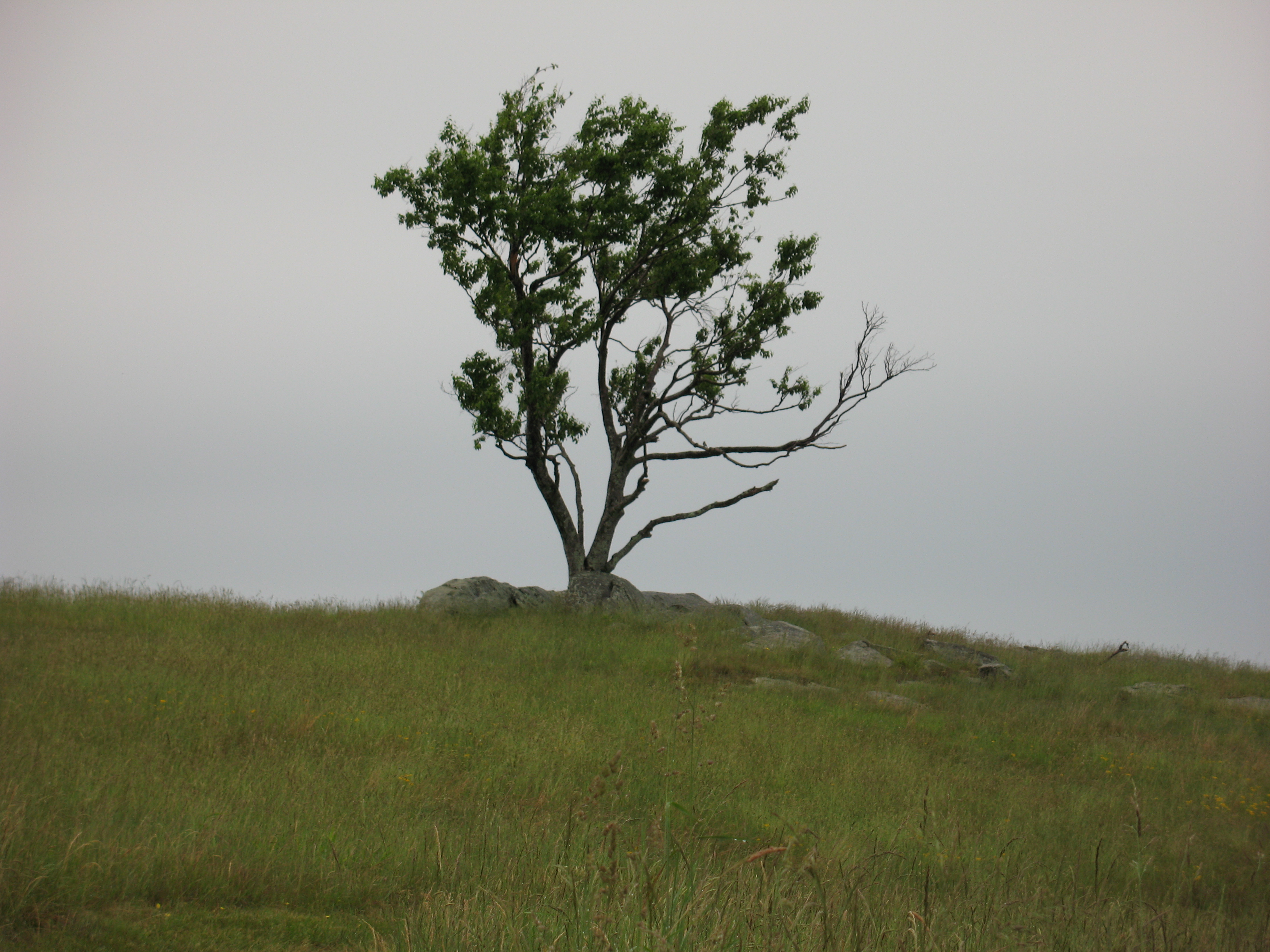
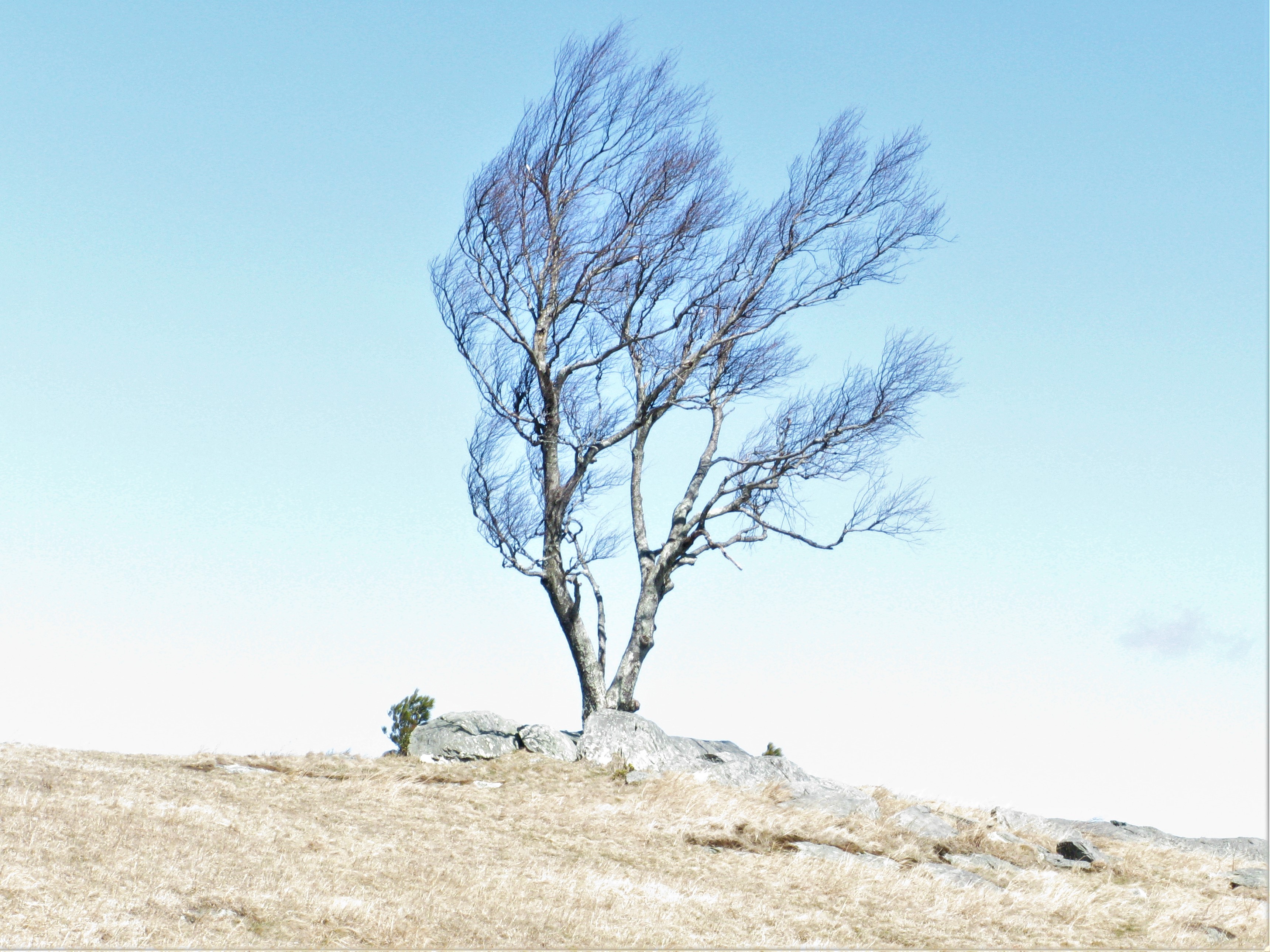
Doughton Park Tree 4/30/2022

Read Full Post »

[with 3 poems by Joanne Durham]

As my years advance does the bowl of my life become deeper, wider, more capacious? Joanne Durham’s new book of poetry from Evening Street Press has me reflecting, and not least because of its title. Events, experiences, memories fill the bowl; when I return to the bowl and drink I discover that the more I refresh myself the more the bowl fills itself. And me. Never emptied, always replenished. As Joanne reminds us with this opening quotation by Naomi Shihab Nye: Maybe if we re-invent whatever our lives give us we find poems . . . .

Certainly. If you are a poet the bowl of memory will give you a poem. If you’re an artist, a painting. If a novelist, a houseful of spicy characters, no doubt. Writers intentionally revisit the milestones and landmarks of the past like a traveler trying to find their way back home after a long absence. Or like a possum in the compost heap convinced there are tasty bits concealed there.

But if I am simply jotting down recollections for the purpose of crafting a few lines, I am missing the deeper power of this image: to drink from a wider bowl. Not a cup, narrow and designed for only one person; a bowl, a communal vessel, something we all may dip into. Something that perhaps actually requires more than one for it to be lifted and poured. Not necessarily to say that advancing years invariably bring wider perspective and wisdom. If only that were true.

The converse, though, certainly is true – one does not need six or seven decades to open oneself to the wider world of human feeling. The wider bowl is the horizon that embraces not only my own recalled experiences but invites me to drink understanding and compassion for the experiences of others as well. When I drink from a wider bowl, I value and treasure the lives of those I don’t even know. Poetry knows how to do that. Poetry invites, includes, embraces – three gestures the world will always need.

❦ ❦ ❦

Learning

What happens to the sun at night?
I ask the four-year-olds,
cross-legged on the carpet,
Marcos confidently explains,
It goes to New Jersey.
April, whose Mom has read her books
about everything
helpfully chirps,
The earth tilts and you
can’t see it anymore.
Darnell with raised arm churning the air
counters, The sun breaks up
Into little pieces and fills the sky
with stars. It the morning
they come back together
and make another sun.

Science and poetry
poised on the edge of cosmic battle,
until my smiling voice
intervenes, celebrates
how children’s minds tilt
on their own axes.
You are creators of stories,
to explain the world.
You carry on
an ancient tradition.

On my way home, I ponder
if we could learn
to live this way:
Each in the darkness
illuminating
one small stretch of sky,
and then together making
a brilliant, focused energy,
from all we’ve seen,
from all we’ve learned.

Joanne Durham

❦ ❦ ❦

To Drink from a Wider Bowl, Joanne Durham, Evening Street Press © 2022, Sacramento CA; winner of the 2021 Sinclair Poetry Prize.

Joanne has divided her book into seven sections to create a chronology, from recollections and tales of her grandparents, to the heritage of her parents, to today’s experiences with her own grandchildren. The themes that recur are love for family and also wider love for community and for the earth.

Perhaps Joanne’s seven sections are deliberate: if I hold a memory of my great-grandmother and my great-grandchildren have memories of me, we create a span that connects seven generations. And if our families, communities, and nations consider in all our deliberations the impact we will have down to the seventh generation, perhaps we could truly discover solutions to the world’s poverty, ignorance, disease, and injustice. Perhaps we would learn this through drinking from the widest bowl.

[Seventh Generation Ethics is recognized as an essential part of the ethos of the Iroquois Nations and that of other indigenous peoples.]

❦ ❦ ❦

Repair

The dishwasher repairman
politely speaks
with a deep Nigerian accent

reading us fine print
on the receipt: accept treatment
or pay anyway for the visit

his body rigid to absorb
the anticipated blow
of our irritation

before we leave him, disgusted,
to do the job
he’ll get a fraction

of the charge for.
Then my husband
offers him a beet

lush purple half-moons
of some alien
landscape

freshly boiled, peeled, sliced.
Ever had one?
I never cooked them before.

the gesture doesn’t
sweep the counter clean,
but it leaves

an even surface
for three people
to laugh, talk, and eat.

Joanne Durham

❦ ❦ ❦

Maps

Every home
needs a map of the world.
Hang it by the entrance.
Bless it as you might
a cross or a mezuzah
when you come and go.
Trace your finger across continents
not your own.
Say names of countries whose sounds
tickle your throat and move your lips
differently from your own language.
Be curious about who lives there,
sharing seas and stars.
Hope to meet them,
fellow earth-dwellers,
all calling this planet
home.

Joanne Durham
[ a recitation of this poem ]

❦ ❦ ❦

IMG_1822, mountain

❦ ❦ ❦

IMG_0768, tree

Read Full Post »


[poetry by Catherine Pierce, Noel Crook, Jenny Bates,
Nikolai Kantchev, Sam Love]

Planet

This morning this planet is covered by winds and blue.
This morning this planet glows with dustless perfect light,
enough that I can see one million sharp leaves
from where I stand. I walk on this planet, its hard-packed

dirt and prickling grass, and I don’t fall off. I come down
soft if I choose, hard if I choose. I never float away.
Sometimes I want to be weightless on this planet, and so

I wade into a brown river or dive through a wave
and for a while feel nothing under my feet. Sometimes
I want to hear what it was like before the air, and so I duck
under the water and listen to the muted hums. I’m ashamed

to say that most days I forget this planet. That most days
I think about dentist appointments and plagiarists
and the various ways I can try to protect my body from itself.

Last weekend I saw Jupiter through a giant telescope,
its storm stripes, four of its sixty-seven moons, and was filled
with fierce longing, bitter that instead of Ganymede or Europa,
I had only one moon floating in my sky, the moon

called Moon, its face familiar and stale. But this morning
I stepped outside and the wind nearly knocked me down.
This morning I stepped outside and the blue nearly

crushed me. This morning this planet is so loud with itself—
its winds, its insects, its grackles and mourning doves—
that I can hardly hear my own lamentations. This planet.
All its grooved bark, all its sand of quartz and bones

and volcanic glass, all its creeping thistle lacing the yards
with spiny purple. I’m trying to come down soft today.
I’m trying to see this place even as I’m walking through it.

Catherine Pierce
© 2017 Catherine Pierce. This poem originally appeared in The Southern Review, Spring 2017. https://poets.org/poem/planet

Selected by Jeanne Julian

❦ ❦ ❦

I’ve just returned from a morning’s hike and it’s time to write. My desk looks out a window past the holly bush to profligate red azaleas of glory. The window to the right is dark with dense crowding boxwood; window to left glows with every shade of new leaf green, unfurling dogwood, maple, tuliptree. I can even see a little sky. Thank you, Planet, for all colors and for colorless crisp bright breath.

Earlier this morning at Isaac’s trail head before I’d even shrugged into my pack I heard a Parula. Not sixty feet up in some obscurantist oak but right above my head in the lowest breezy branches of a black cherry. Glean – sing – glean. Fattening up after his flight from Belize. Blue and yellow! You never get to see these little buggers without 8X field glass, if then. Thank you, Planet, for all creatures that move of themselves or that allow the air to move them.

Swept the back porch when I got home from hiking. Our “yard” slopes steeply away from the house, slowly maturing third-growth beech-oak. These past two weeks Linda and I have measured each day by the rise of green up from the creek, first brassy gold, then lime chiffon, now encroaching emerald. And of course the fecund kelly milt from each of a trillion anthers that has powdered the world in extravagant hope of seeds. Sweep – sneeze – sweep. Thank you, Planet of wombs, womb of a Planet, for all life.

Thank you, Planet, and may my reverence, my gratitude, and whatever other small parts of my life I can give you be worthy of what you give to all, life without ceasing.

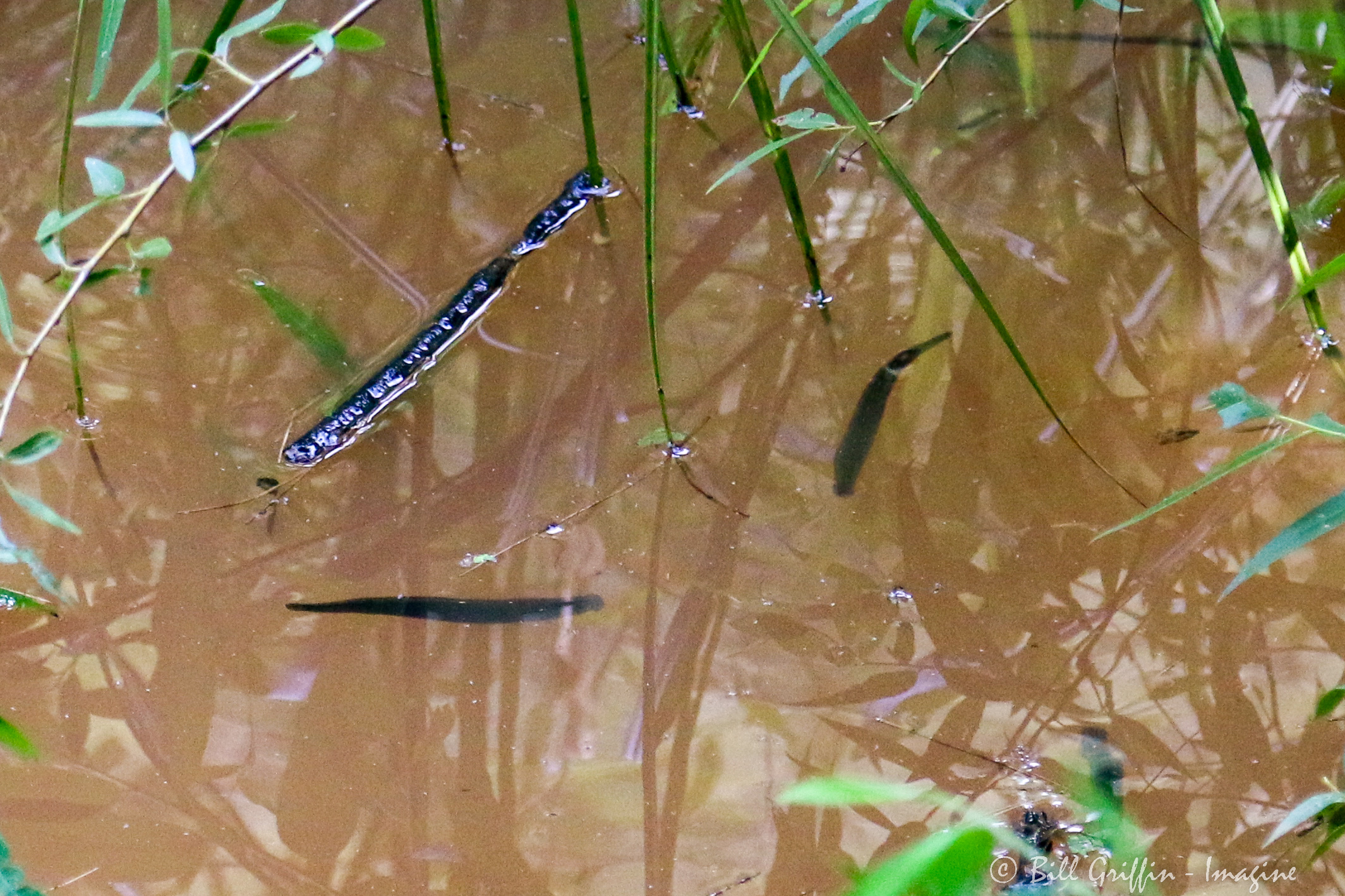
nature tadpole Amphibian

❦ ❦ ❦

Big Sky

Little sky in these Carolina woods,
more greens than you can number,
above us crooked rafters of washed-out

blue. Here are ten kinds of birds all hollering
at once, ten songs of secret nest and sifted
light. Here we are hemmed in by tendrils,

socked in, loblolly so high and thick
even the pasture’s a cracked sarcophagus

where you have to look quick to locate the moon.

I want the western sky
of my girlhood, purple as lupines
and longing. Unligatured wind

that will hollow your bones
like the kiss of a boy at sixteen
who flattened me over the hot hood

of his Ram truck. Give me sun-stunted
scrub oaks rooted in rock and shaped like
bad hearts; the summer a mountain lion

ambushed an appaloosa colt by the barn
and two bottle-fed backyard deer, their bones
dragged to the dump to be picked clean

and sun-whitened. Give me found flint
arrowheads the color of lost rivers,
the barbed-wire fact that Comanche girls

liked burning the captured fawn slowly
to death before breakfast; scorched
earth, nights rampant with stars,

the Pleiades fleeing, an orange skiff of moon going
down fast into black swells of hills. Sunrise
the colors of cataclysm, the singular

solace of the canyon wrens, their strafed
ululations, and, in a cartwheel of azure,
the lone buzzard wheeling and waiting.

Noel Crook
from Salt Moon (2015), Southern Illinois University Press. This poem first appeared in One.

Selected by Richard Allen Taylor, who writes: I had the privilege of reviewing Noel Crook’s book Salt Moon for The Main Street Rag several years ago and fell in love with this poem, which reminds us that ecology is not just a just a polite society of sweet little animals getting along with Mother Nature and each other. Ecology runs on violence and the brutality of food chains, varies from place to place, and interacts with humans—us!

❦ ❦ ❦

Clouded Leopard

How does it feel returning from extinction?

Climbing head first down
my Anthropocene spine

I break, with each twist of
wrist, incision of claw.

Divergent several million years
reduced to eleven in captivity.

Under your limber bones
I squall, choke and pitch
tipping into your patient wound.

Wind your tail round my neck
hero of revenge, and ossified
purr.

Your long tooth guilt-piercing.
We won’t say anything to anyone
perilous beauty kills,

Shroud me in your cloud.

Jenny Bates

Published (online) by Self Educating Poets Network in 2021. The Self-Educating Poets Network is an education group providing resources and meeting space to poets, writers and artists. It was founded on principles of grassroots activism as well as the free spirit of poets who met from the Cantab Poetry Lounge and Boston Poetry Slam.

❦ ❦ ❦

Autumn Resurrections

The autumnal equinox is uneasy,

restless with the pain of the lonely stork.
Time has paused along the way for a visit
and won’t raise its voice in defense.
Unworldly, I accept the world
surviving its deadly silence by the skin of my teeth.

After the summer swarms have stopped their buzzing,
see how time droops amidst the bickering clocks.
Nothing will remain of their springs.
Instead the journal of eternity will endure
and a calm tear will glaze its eye.

Look, the sky has its blue-jeans on
and the chimney smokes its millionth cigarette.
The city lifts up its multitude of windows,
while it puts out fires in the dreams of the burnt.
Somnambulists look out in a riot of joy, wondering,
will the blaze of their lust seduce the moon.

There’s such a fine female smell about the meadow.
The fog has dropped its handkerchief there
and we long to pick it up as a token
but our trembling betrays our cowardice.
The breath of resurrection wakes the silence.
Let all the crowns of thorns burst into blossom!

The farmer stands calling for his cart
loaded with dried out lightnings and sets off.
Don’t weep poor one, for while you wring your hands
the wheat spins its golden fleece
and the wind-rose will bloom at dawn.
Paradise is just this world with an other-worldly climate.

Nikolai Kantchev
Translated from the Bulgarian by Pamela Perry, with B. R. Strahan

Selected by Bradley Strahan

❦ ❦ ❦

The Ecology Symbol

Once upon an Earth Day millions
marched to Ron Cobb’s creation
melding the E for environment
and the O for organism
to create the ecology symbol

Such a simple graphic,
just a circle and slash to symbolize
care for the planet,
respect for nature,
and the nurturing of a legacy
for generations unborn

Today I didn’t see the ecology symbol
at the Climate March
But it’s co-conspirator the peace symbol
seems to be everywhere
At Wal-mart you can buy it
on underwear and day glow T shirts

The vanishing ecology symbol
with its pesky admonitions
to reduce consumption,
reuse materials, and respect nature
must be too threatening
to the dollar sign worshippers

It must be too threatening
to the comfort of North Americans
who consume 60 percent
of the Earth’s resources
just to support our obese life style

It must be too threatening
to the 80 million new mouths
birthed on the planet each year
babies who will aspire to America’s life style
Babies who will be in for a surprise

If everyone lived like Americans
we would need a planet three times
the size of Mother Earth
and the last time I looked
she’s not gaining weight

Sam Love
from Earth Resonance: Poetry for a Viable Future, The Poetry Box, Portland, Oregon, © 2022

❦ ❦ ❦


Early April I asked readers to share a favorite poem that celebrates
the interdependence and interconnection of all life on earth.
I am including their offerings in three posts before, on, and after Earth Day, April 22. Thank you to all those who responded, and thanks to all of you
who read this page and share in the celebration of life on earth.

❦ Bill Griffin ❦

2014-06-30a Doughton Park Tree

Read Full Post »

« Newer Posts - Older Posts »