Feeds:
Posts
Comments

Posts Tagged ‘NC Poets’


[with 3 poems by Susan M. Lefler]

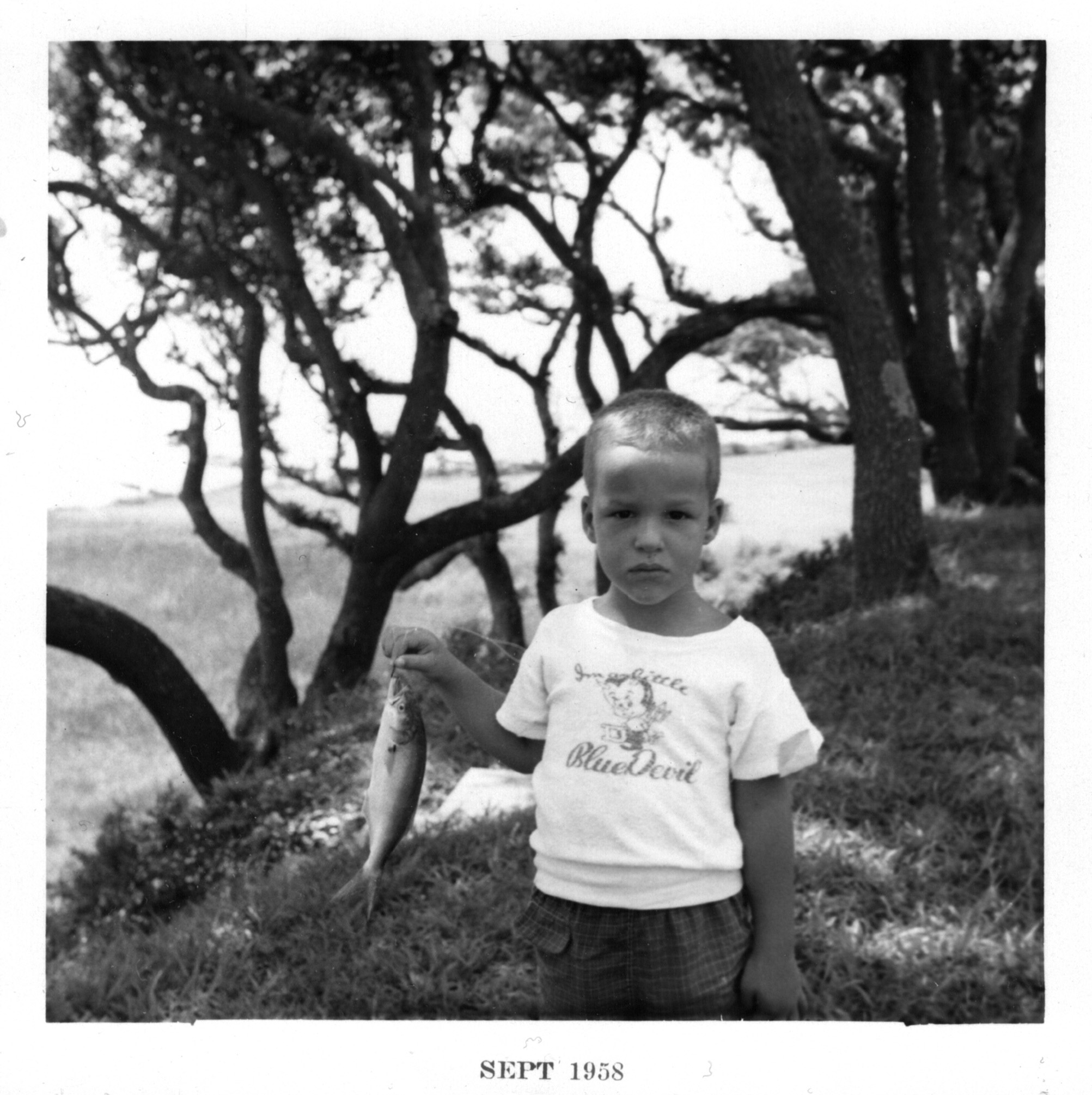
Forty-four years ago this month, Linda delivered our son Josh after an epic display of Lamaze prowess. We had celebrated Thanksgiving with friends; we suspect the sweet potato pie induced labor. We lived in Durham, NC, and her parents and mine plus all our family lived in Ohio, five hundred miles away. Ooh, how they wanted to get their hands on that baby boy. First grandchild on both sides, Linda and I both the oldest sibs.

I was just weeks away from my last day of med school at Duke. Benevolent powers granted me Christmas off and my Dad, as I recall, bought the tickets with a plane change in Pittsburgh. If you notice that current day lavatories have baby stations it’s probably because so many callers contacted the authorities after being grossed out by us changing poopy diapers on the main concourse.

We finally cinched ourselves in for the last leg. The flight attendant noticed us – curly brown locks, rosy cheeks, has anyone ever been so young? – and remarked, “You must be brother and sister!”

Then she saw the tiny well-blanketed bundle nuzzling Linda’s breast. “Ahhh,” she said, “I guess not.”
. . . . .

Yesterday Linda and I got our COVID boosters at Walgreens. There was a moderate queue (Yay, Surry County, y’all go get them shots, OK?!). Waiting, masked, yawn, plenty long enough for Linda to forge friendship with the white-haired woman ahead of us and share a few chuckles. We were last in line when the pharmacist stuck her head out the door of the procedure room and called, “Griffins!”

I asked if we should come in together. She looked us over – hiking boots, matching gray pony tails, has anyone ever been together so long? – and said, “Yeah, if you really are together and it’s not just a coincidence that you both have the same last name.” The pharmacist never cracked a smile but I think she looked pleased when, after our needle jabs, Linda said she wished she could hug her.

Define long. In 1985 Linda and I figured we’d been “going together” longer than we hadn’t. In 1995 we calculated we’d lived in North Carolina half our lives. Are there any family stories we haven’t already told each other twice? Is it still likely a stranger would think we’re brother and sister?

When I look at Linda I see her father. When she speaks I hear her mother. What does a stranger see when they look at you? Your history is a cipher. Your thoughts inscrutable. Your desires a swirling mist. The most that stranger can know about you is how you respond to the next person in line. How you react to the person that hurts you.


.     .     .     .     .     .     .

Midwinter Garden

While I stir the soup, my husband digs.
He’s building me a garden in the center
of the barren yard. He marks out paths
with careful edges, makes them long
and straight. Already he plans walls, a gate.

Mind you, nothing grows yet.

While he digs and scatters time
like seeds, he dreams the blooms
full as we were at the start
when gardens grew from us, opening
like Fuji mums released from the confines
of their nets. He leaves the center blank
for a fountain, for the pond, a waterfall . . .
he dreams big and works to prove
that we can look at frozen ground and see
the cold tight seed begin to break,
greening toward spring.

In case spring should come late
leaving the garden t its frozen fate,
I stir the soup.

Susan M. Lefler
all selections from Rendering the Bones, Wind Publications, © 2011 by Susan M. Lefler

.     .     .     .     .     .     .

Susan Lefler is a native North Carolinian who lives in Brevard and has authored a photographic history of that area published by Arcadia Press. The three sections of her poetry collection Rendering the Bones delicately weave family heritage into a journey of moods, observations, trials – the longing we all have to find our way home. In the final section she cares for her parents as they decline through their last days. If we are to live in this world, we must all join her struggle through grief to discover meaning. To see, even in frozen ground, the cold tight seed begin to break.

.     .     .     .     .     .     .

Moon Stick

I want a counting stick to count the moon,
one notch at a time to mark, one thousand
and eight moons since my father’s birth,
five wards, depending how you count,
each month rolled into years, each year
into the next until we couldn’t tell
that time had passed, but we could see
his energy sigh out of him, and I leaned in
to ask old Cowboy Death, astride his big-assed
horse with the sag in the middle like a nag
too worn for use: how wide is dying?
Or is it dry and thin? Is it round
like the blood moon that lifts
above the mountain, or narrow as a bone
and hard to penetrate?

I want to ask if he keeps company with those
he’s taken out, or do new prospects
occupy his time? I want to ask
how many moons he plans to let go by
until he takes my father up, slings
him over the back of that old horse,
and heads away, letting the last moon
slide behind the mountain as he goes.

Susan Lefler

.     .     .     .     .     .     .

About Ashes

Ash Wednesday in the church, I listen
to the ancient words of dust and grief
punctuated with the hiss
of oxygen. Words crunch in my mouth
like little bones.

Slow bodies move forward
to the rail, kneel, submit
to ashes marked on skin, remembering
the palm green fronds, the bloom, the fire
that brought them here.

At home, I shovel ashes from the hearth
until I fill a scuttle full, the very one
my grandfather used to load coal
from the towering pile
next to the chickenyard, piece
by piece to keep the grate alive.

I load the remnants of dead trees
into a heap and haul them to the yard.
I’ll feed the lilacs with them.
They like ashes.

When the shovel lifts
for the last time, one spark
smolders still, telling the tale
once more of who we were,
of who we long to be, of what it means
to come awake, and waking
see.

Susan M. Lefler

.     .     .     .     .     .     .

.     .     .     .     .     .     .

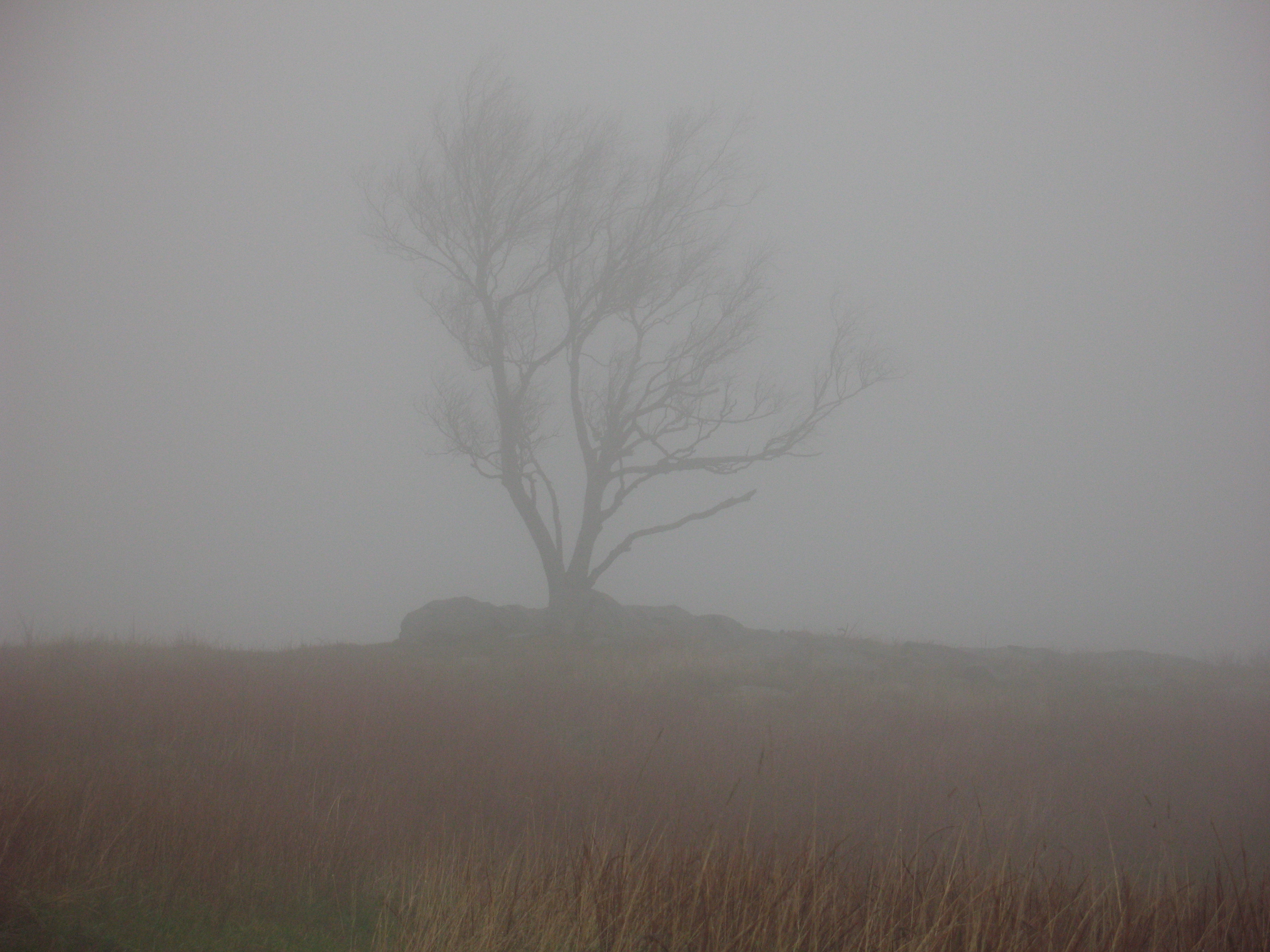
2014-06-30a Doughton Park Tree

.     .     .     .     .     .     .

Read Full Post »

[poems by Jeanne Julian]

The cosmos blossoms by the rotting stump.

“That’s not scary.” We’re hiking through the Haunted Forest with Amelia, age 5. Tree limbs drip with giant cobwebs and red-eyed spiders, bats dangle, skeleton hands reach up from pine needle cemeteries beside the path. The crew has outdone themselves decorating this stretch of the Mountains-to-Sea Trail that, except for the month of October, is nicknamed the Enchanted Forest. Now Amelia stops and calls, “What’s that?!” at the skull-faced ghost bound up in chains, but it’s more curiosity than apprehension.

Past the Halloweeny stretch, though, I see something well off the trail that causes me to stop and exclaim, “Look!!” An immense fairy ring coaxed forth by last week’s rain: chain of mushroom caps that loops and twists and branches through the pines before doubling back on itself. On and on, a new arc & angle appears every place we look. At the word fairy Amelia is instantly engaged. What sprite danced here before us? What might be hiding beneath the ghost-white caps?

I’m thinking, Dang, that is one big organism, mycelia threaded through at least a half acre.

Amelia is thinking, Wonder . . . wonder . . . wonder.

.     .     .     .     .     .     .

.     .     .     .     .     .     .

The Reservoir

I’m looking for Wildcat Road.
There’s a “Free Manure” sign,
two blossoming magnolias, and a boy
who, up here, gives this passing car
an over-the-shoulder glance
as he walks. I’m going the wrong way.
But, here’s a turn for a road
sharing the reservoir’s name.
Clouds cover the sun and move on.
Light sweeps the hills, harried by gloom.
Birches whiten and fade again.

There’s the expanse of lusterless
water through leafless trees:
I’ve found it, rounding a bend.
Angle and clouds shift, and
the landscape remembers its colors
as if a lady’s fan had opened
revealing a scene in lapis, henna, and rhinestone.

We sat her, on this rock,
years ago – April then, too – learning
to touch, and in late summer embraced
there, on the dam where youngsters
scrawl their names indelibly.
In the silence, eddies of air sound “hush”
at my ear. Those antique fans were meant
to conceal, weren’t they, and
we in shadow to forget.

Jeanne Julian

.     .     .     .     .     .     .

These three poems are from Blossom and Loss by Jeanne Julian (Longleaf Press, Methodist University, Fayetteville NC, © 2015). The delicate volume follows the seasons with all the imagery and metaphor that organic cycle can reveal. Sometimes the captured moments, the vignettes, the narratives are so personal they become cryptic, but as I read on I discover my own stories flowing forth to fill unspoken phrases. Thus does poetry enlighten and inspire. Thus does it become, in the words of Andrea Hollander, entertaining and useful.

The cosmos blossoms / by the rotting stump. from Jeanne’s poem Loss and Blossom

.     .     .     .     .     .     .

Haunted

Each Halloween we hang
ghostlets in the tree,
by morning off they’ve blown.

My friends’ lost boy: how
had he been retrieved? By whom?
Alone? What varnish glossed his veins?

In the hospital they hung
on every beat and breath,
clung to any chance

until their changeling offspring
splintered, vanished, leaving a hollow
husk for them to burn

like autumn leaves or questions or endless
mourning muddled with routine,
travail of the telling and retelling,

dread burden of cereal in bowls
recalling a pajamaed imp held
in the lap, reading The Giving Tree aloud.

How unstoppably he must’ve lapped it up,
a lacquer lulling the limbic brain
until the one dose shoved him over

that last callow October. Still each Halloween
children clamber up the steps for sweets.
“See, I am a butterfly,” the smallest says.

Jeanne Julian

.     .     .     .     .     .     .

Melting

The snow that attacked so frantically while we slept
has blistered into water on the branches.
We also melt ut not as completely as Baum’s witch,
who cannot suffer water. Remember the crooner
in the small-town lounge, that ersatz L.A. club,
who kissed you on the left eyelid
when you were twelve? Remember that first
swig of Colt 45 Malt Liquor? Remember the cocoon
of oblivion that sucked you under before
the scalpel splayed your belly flesh? Remember
how the pressure of one finger spirals
your inner hold into ripples of languid indifference
to all but feeling?
One day too soon you’ll let go for good.
Dripping from the eaves, the fresh liquidity
will patter on unheard while you dissolve –
easily, let us hope, easily, and neither up nor down, while
on the roof the newly fallen expanse, unsullied,,
luxuriates under the sun.

Jeanne Julian

.     .     .     .     .     .     .


.     .     .     .     .     .     .

IMG_7491

Read Full Post »

[with 3 poems by Michael Beadle]

4 AM. Reason says you need to sleep; everything but reason says forget about it. Sweating, restless – how long? – I finally force into the background those pricks of regret past & future and focus on the faces of my friends. In silence I speak each name and visualize each person. Then their son. Their granddaughter. I wish for them enfolding arms of peace.

And as I see their smiles I also see their pain. Can I imagine a single one who has not been visited by grief? Who isn’t struggling, right now, 4 AM, with worries for the ones they love, with heartsickness, with loneliness? All of them suffer behind the smiles.

And all of them go on living. Remarkable, isn’t it? Unbelievable. All of us suffer and all of us go on living for those few moments of hope, of joyfulness, of connection with another, moments that waft through our days like some longed-for fragrance – we can’t tell where it’s come from, we can’t catch it and keep it, we simply trust it will return.

Moments that waft through our nights. 4 AM. I breathe out a word of love for each friend. Call it prayer. May we be one.

.     .     .     .     .     .     .

.     .     .     .     .     .     .

Wild Horses

They know they’ll never stand again –
the bay colt missing a hind leg,
the palomino whose front hoof

came unglued, the cream-coated filly
with ebony ears and a clipped tail.
Porcelain stallions paraded for decades

on living room doilies, unbridled mares
guarding crystal jars of peppermints.
Silent companions of cocktail parties,

Christmas dinners, afternoon tea.
If Oma gave them names, I never knew.
After she died, they spent months

wrapped in newspaper,
boxed on basement shelves.
Perhaps they grew restless,

kicked each other in a barn-fire panic,
hoping to free themselves for the rainy day
when strangers came to haggle over

the china I’d never use. Let them
take the pewter goblets, the steins that smelled
like old pencils, tubs of tools

that bore the scars of hard seasons.
The tray of horses was all I hoped to keep.
I came to love them –

not for what they once were,
but, being broken,
how they went on living.

+++++ Michael Beadle

.     .     .     .     .     .     .

Poets play with words. They select them as carefully as the chocolate from the sampler that must be raspberry truffle. They wiggle words around until uncomfortable becomes comfortable and we exclaim, Oh! I see! They tickle them until the words gasp out a new meaning they’d never revealed before.

Michael Beadle plays and frolics and romps with words. He flips over rocks and pulls out wrigglers that haven’t been seen on a page in a coon’s age, if ever. If he can’t find the words he wants he makes up some new ones right then and there. He cavorts, he rolls around on the floor with words until they all collapse laughing. He snuffs them up, he savors, he rolls words around in his mouth until he’s sure he’s found just the right flavor.

And Michael sits down on the sofa with words, arms around each other’s shoulder, while they speak to each other oh so softly. I understand. We’ll get through this together. What are friends for?

.     .     .     .     .     .     .

The Naming

“What about this one?” I asked.
“Mylax,” he replied.
“And this one?”
“Plumdrum.”

We were at the lakeshore again
among the cool bed of rocks,
our words echoing
across the water.

Ghozlak +++++ Aya +++++ Zephanos

Lifting each rock,
we felt its weight in our palms,
closed our eyes
until a name arose.

Millanthium +++++ Whillet +++++ Lippery

We hurled the rocks
as far as we could
into the lake,
giving them
a new depth to find.

There we sat for hours,
the only ones left in this world
who could conjure
its litany of names.

Perio +++++ Shezai +++++ Calex

As darkness crept into the cove,
we chose new rocks,
hardened by time, tempered by water,
and steadied our minds
for the Naming.

+++++ Michael Beadle


.     .     .     .     .     .     .

These three poems are from Michael Beadle’s The Beasts of Eden (©2018, Press 53, Winston-Salem NC). Its three sections include deep memories and deeply poignant moments; raucous celebrations of Western North Carolina roots and language; pointed retelling of myths, local legends, and Bible stories. Michael, you’ve made me laugh and you’ve made me cry. You’ve brought a sweet fragrance into this moment. I am restored and refreshed by joining you as friend.

.     .     .     .     .     .     .

Yay-long

It is most certainly not a member of the metric system,
perhaps a distant relation to the foot or yard.

Snubbed by the methodical and meticulous
who pride themselves with empirical accuracy,

it endures as a standard among Southerners
when a tape measure won’t do.

How big was that possum? the man at the gas station asks.
‘Bout yay-long, his friend replies, hands spread wide, like so.

Yay-long or yay-high declares without stretching
the truth to eleventy feet. Used sparingly,

yay-long approximates for those who didn’t see
the neighbor’s copperhead startled in the wood pile.

A breath of anticipation between those hands,
experience borne from the invisible.

Yay-long serves memory as memory serves the teller,
and so we nod, eager for the rest of the story.

+++++ Michael Beadle


.     .     .     .     .     .     .

.     .     .     .     .     .     .

2016-10-17a Doughton Park Tree

Read Full Post »

« Newer Posts - Older Posts »