.
[with 3 poems by Adrian Rice]
.
Yard Work
.
The neighbour and I.
We joke across the avenue aisle
about the onset of porch time.
While praising the advent
of all that it means, we
comradely lament the yard work
that has to be tholed.
.
As if we are somehow
equals in the seasonable labour.
As if I could shake a spade
at her miraculous endeavours,
her skilled green-fingered-ness,
her laudable efforts to keep
her garden, and shrubbery, pristine.
.
It’s almost is if we are fellow poets,
fast farmers of verses.
As if one of us isn’t slacking
in what it takes to carry
the living thing forward,
not lacking in showing
the proper respect
.
for the copious rose,
the sculpted shrub,
the blade of grass,
the whole blooming lot.
As if one of us isn’t lazily inattentive,
undeserving of the true line
that is the all of spring.
.
Adrian Rice
from The Chances of Harm, Press 53, Winston-Salem NC; © 2024
.
❦ ❦ ❦
.
Every walk is preparation for the next. The past few weeks I’ve been preparing to share naturalist skills with poets on a walk through the woods. Poets! I’ve led fourth graders and trail maintainers and garden clubbers, but this is daunting. The organizer sent out a notice referring to the afternoon as an “Ecopoetry Walk.” What is such a thing? Will we be reciting Robinson Jeffers and Jane Mead as we struggle not to trip over tree roots? Perhaps not, but on the other hand I ought to consider holding up the ecopoetry moniker.
.
Ecopoetry is not synonymous with Nature Poetry. Perhaps Ecopoetry can be best summed up in three lines by Wendell Berry:
There are no unsacred places;
there are only sacred places
and desecrated places.
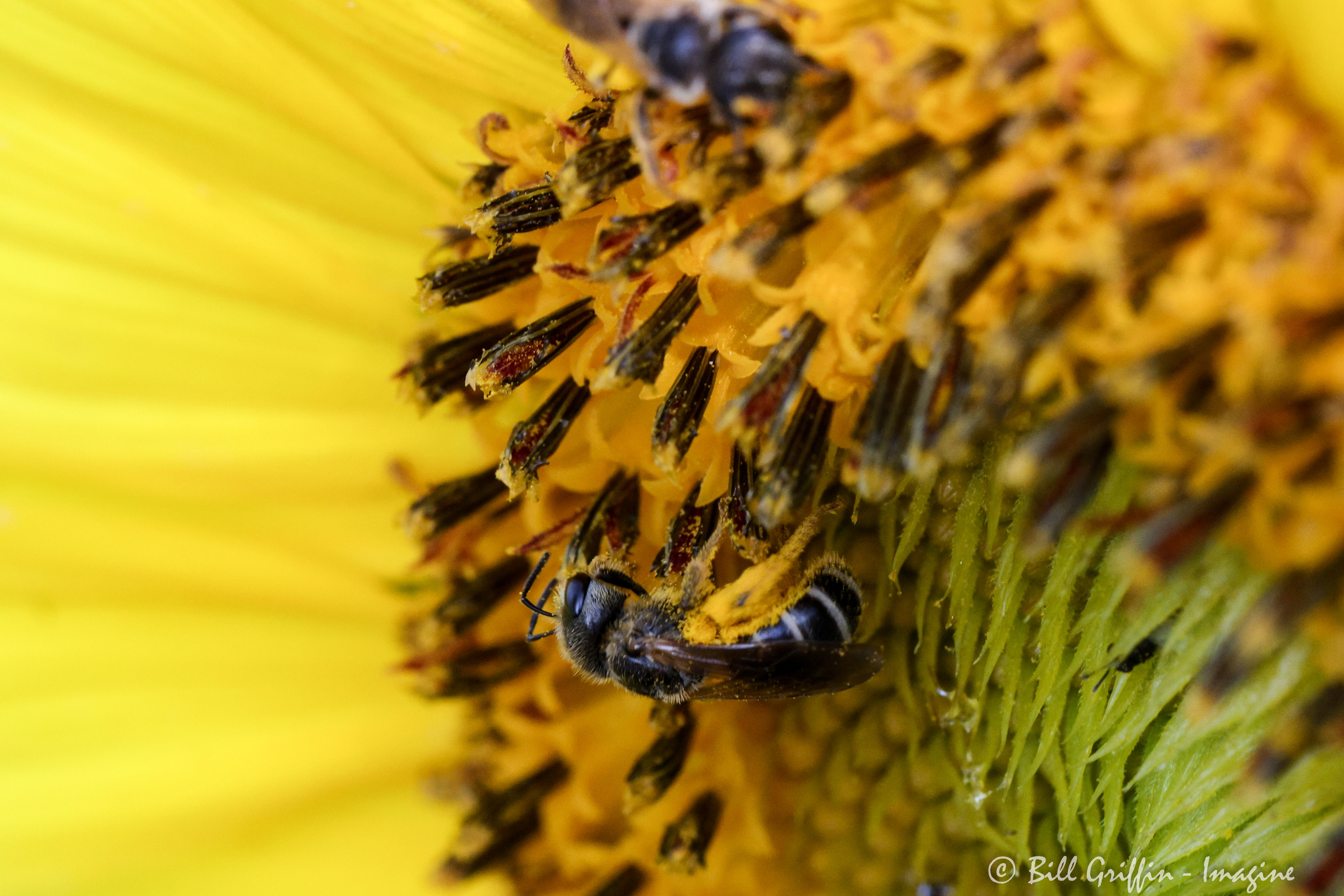
How do you make a place sacred? You don’t. You can’t. Its sacredness already resides within it, this little patch of dirt ribboned with mycelia and protists, springtails and worms busy making their lives and becoming someone else’s lives. Roots down and stems up and a tiny native bee stops by to test the flower for sweetness. Life has already brought sacred into being within this drab, insignificant patch.
.
And the stone that slowly disaggregates, the minerals it offers up to become incorporated into cellulose, chitin, bone; the light from a nearby star that filters through; the carbon turned organic, the oxygen exhaled as generous gift – all sacred. All worthy of veneration. Ecopoetry is kneeling in respect, recognizing the holy, bearing witness to the filaments of love that extend and stretch and bind everything together. Love binds us to everything and everything to us.
.
Turning away, withholding love, even just simply not noticing, these are desecration. Ecopoetry bears witness also of our sins. Maybe we didn’t know. Maybe we never stopped to think. Maybe we let ourselves become so disconnected that we no longer see beyond our own orbits and really believe that everything revolves around our personal center. How have we come to this place?
.
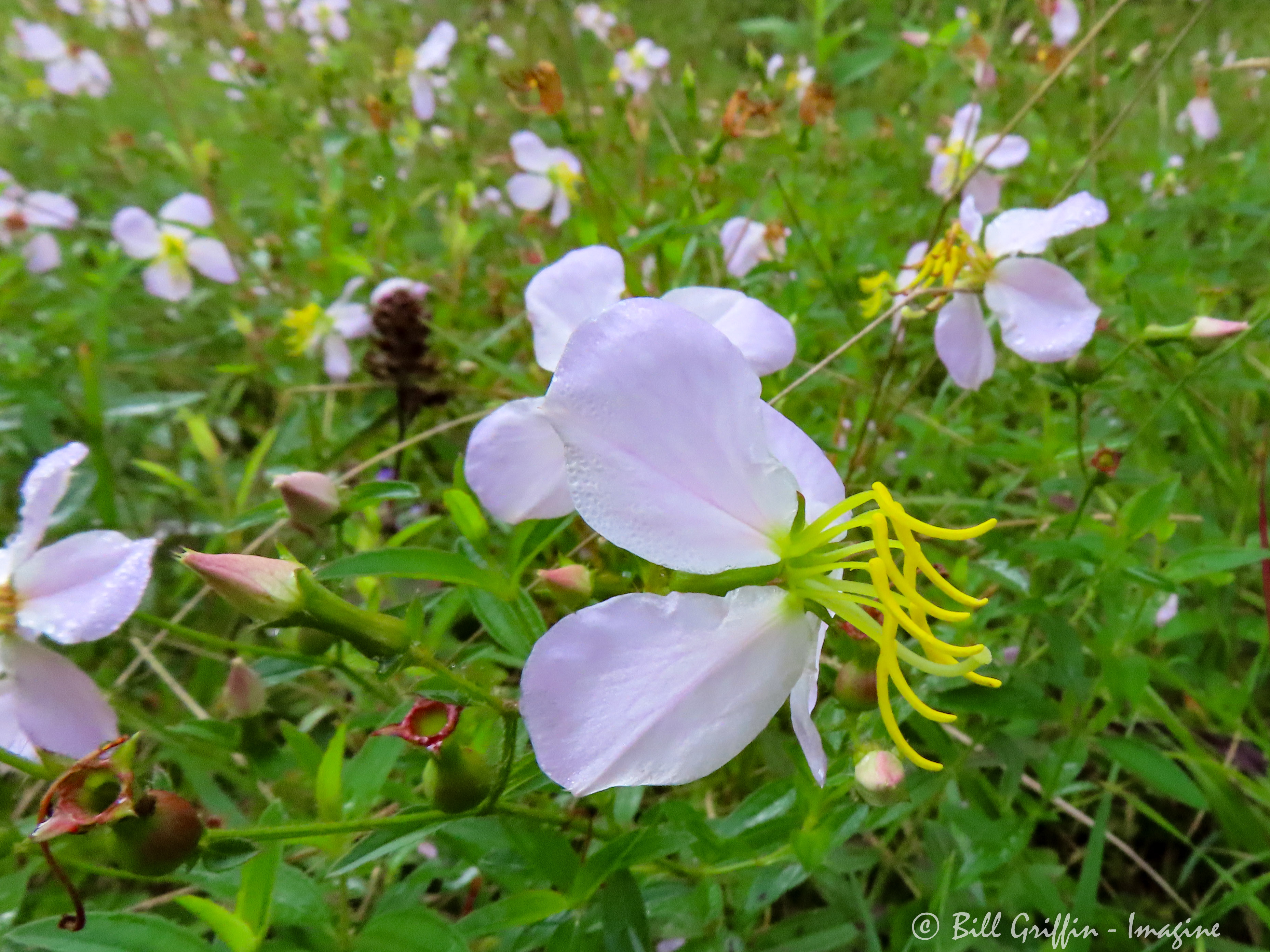
Let’s take a walk. Smells like autumn. Someone beyond this patch of woods is baling hay. A little less humid than last week. Tears of joy or ragweed? It’s too easy to pass beech-drops and pinesap blooming now so close to the earth, so let’s slow down. Red and green, the partridgeberry is already decorating for Christmas. One tuliptree leaf has fallen and flares lemon curling brown. All the usual September changes. There’s nothing really special here. Nothing except for everything.
.

.
❦ ❦ ❦
.
30 Doagh Road
.
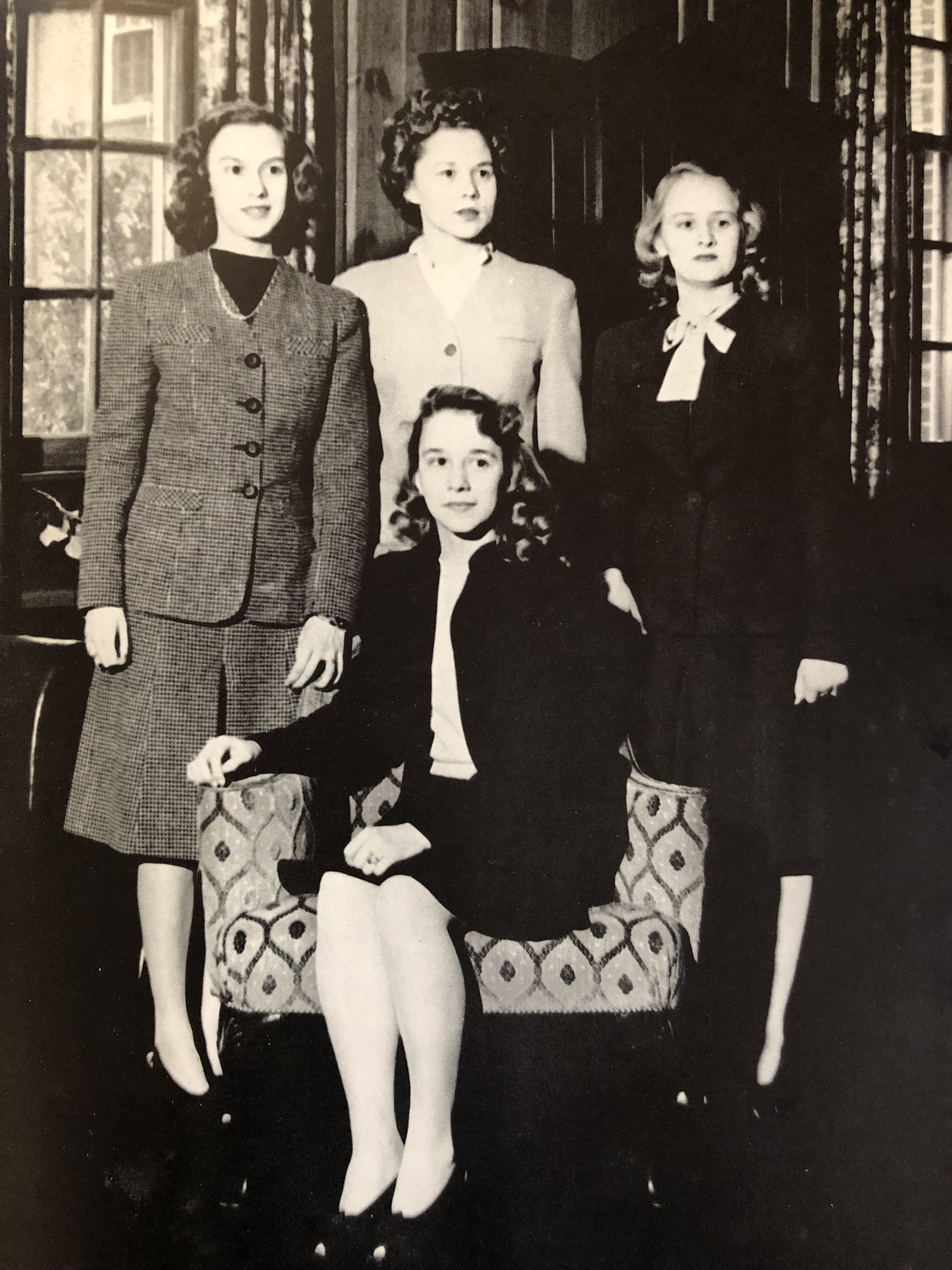
She’s my grandmother, or she may be yours,
sitting in her small living room by a real fire,
sanctifying her evening corner of the fireplace.
In shot is the old black-and-white TV
standing stalk on thin brassy legs,
.
as much a part of the family as anyone else.
In her aproned lap she holds her knitting.
She grows colourful garments from a ball of yarn,
her hands kiting above unspooling wool-skeins.
Those busy needles of ancestral love
.
are clicking with effortless expertise
while she stages a smile for the camera.
Over the tiled mantelpiece, such as it is,
a family of ducks are forever in flight,
rising toward the moon of a plain white clock
.
cheap kind you’d see in local schoolrooms.
The chimney breast is lavishly papered,
dressed up in a floral flourish, unlike
the workaday plainness of the other walls.
On the mantelpiece there’s Scottie dog delph,
.
Grandchildren’s gift-knacks, small-framed pics,
another clock, a fancy one, polished and centred,
shaped like the Cavehill overlooking the house.
It tells the time, again, time that she is
religiously the last person to idly ignore.
.
O photographic proof of an old-fashioned
faith in the possibility of family!
O stitcher of seconds of unwasted time
into useful coverings to clothe the given clan!
Take these thanks for your example to that boy; this man.
.
Adrian Rice
from The Chances of Harm, Press 53, Winston-Salem NC; © 2024
.
❦ ❦ ❦
.
Lately I’ve taken to describing myself as a “full time” naturalist. All this really signifies is that I can’t walk across the yard without noticing the bugs and naming the weeds. It also reveals which books and apps occupy most of my attention. No paycheck is involved for the full time naturalist, except that when one pays attention, attention pays one back with interest.
.
It is obvious, reading The Chances of Harm by Adrian Rice, that he is a full time poet. No particle of life escapes his pondering gaze. He chides himself as “slacker” in Yard Work but feet-up-on-the-porch time is clearly a fertile spawning ground for poetry. Everything, in fact, becomes poetry when Adrian lays eyes and mind and heart on it. When I first opened this book, I imagined bringing those two words closer together until a blinding arc leaps between “Irish” and “Poet.” But it is not blinding. It is full and bright, the light Adrian brings, and suddenly I am seeing all the things around me in their true colours.
.
This world and all it holds, everything is worthy of the poet’s noticing. And I, the reader of poetry, am drawn into the poet’s embrace. Thank you, Adrian, for welcoming me to stroll through your neighbourhood and put my feet up on your porch rail. Thank you for opening the voices of things and places and people so they can share their stories. Next time I pause along my favorite trail to kneel and touch the stem of tiny lobelia peering from the shadows – pubescent? glabrous? – may it and all existence spreading out from it tell me the rest of its story, its poetry.
.
❦
.
Visit PRESS 53 for books by Adrian Rice including his latest, The Chances of Harm
.

.
❦ ❦ ❦
.
This Letting Go
.
Why wouldn’t we invest
them with such significance?
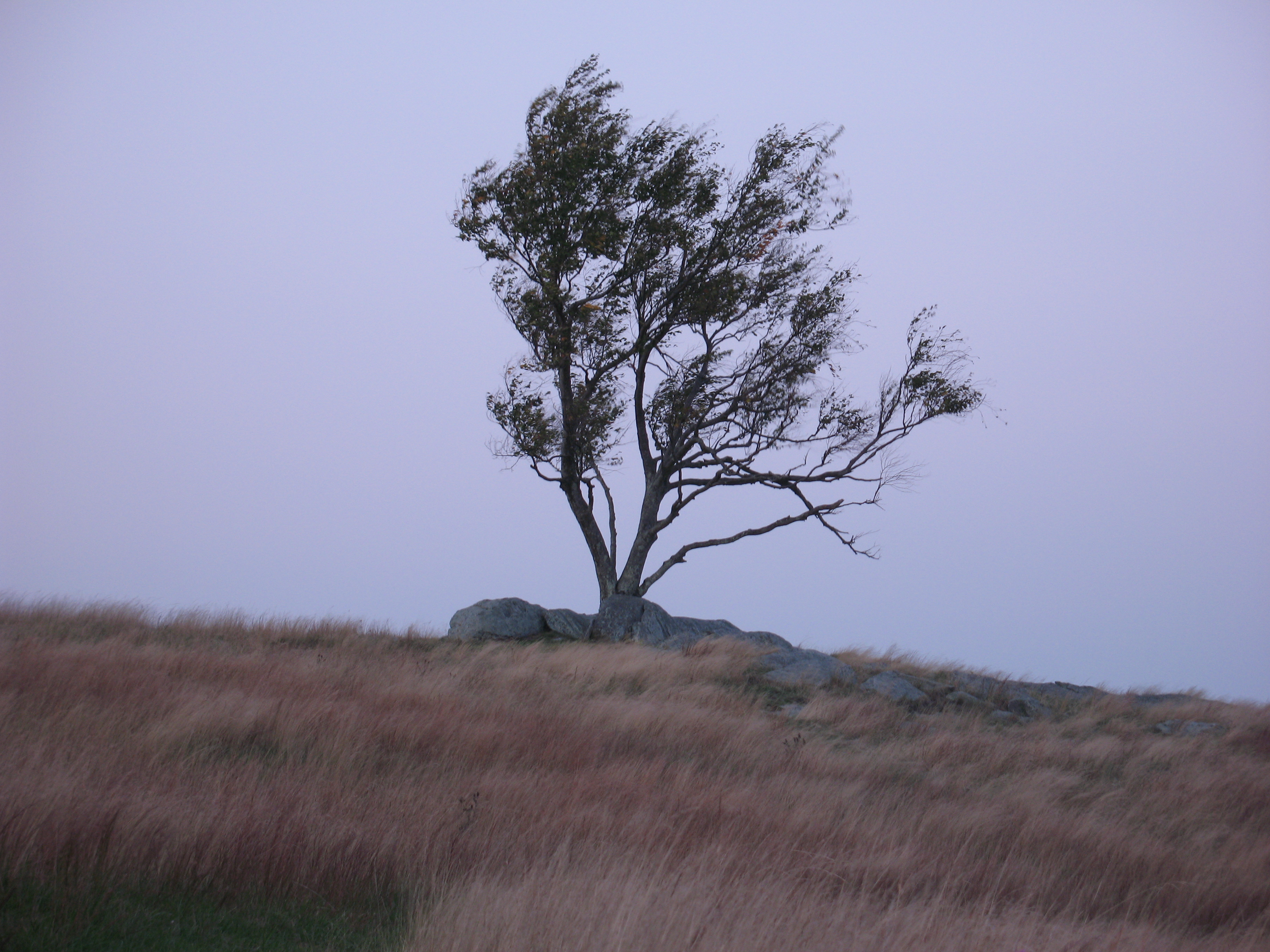
This letting go of leaves
from the avenue trees
which feels like the deaths
of so many people,
each struggling to hang on
.
until the very last breath;
all of them subject
to each sudden
mood swing
of wind that sends
showers of them
wending to the ground
every time it lifts.
.
But we come and go,
they seem to say,
we come and go,
and at least we’re not alone
like so many of you –
just look at us lushing
the dainty driveways
.
with our leafy selves!
And if we hadn’t have fallen,
how long, in this world,
in your world,
do you think we could’ve
happily hung on?
How long?
.
Adrian Rice
from The Chances of Harm, Press 53, Winston-Salem NC; © 2024
.
❦ ❦ ❦
.

.

.






[…] Submit […]