Posts Tagged ‘Bill Griffin’
Manipulative Intelligence
Posted in Imagery, poetry, Process Theology, tagged Bill Griffin, imagery, nature, nature photography, NC Poets, poetry, Southern writing, Tar River Poetry on May 2, 2025| 6 Comments »
.
[with poems from Tar River Poetry by Michael Gaspeny,
Grey Brown, and Sydney Lea]
.
Burying the Runt
.
Rain so long
the dusty pink bucket
outside the basement brims
and a puny squirrel floats
++++ ++++ ++++ ++++ face down.
.
I dig a hole in the azalea bed
near the stair well. The ground splits
++++ into a glove
++++ ++++ with root threads for fingers.
++++ ++++ ++++ I trickle
++++ ++++ ++++ the bucket into its palm.
++++ ++++ The runt’s round stare catches the sun.
.
I cover the fuzzy ribs. Close the glove. Smooth
++++ the hole. ++++ Bless the soul
++++ ++++ in case
++++ there’s somewhere else.
.
Michael Gaspeny
from Tar River Poetry, Volume 64 Number 2, Spring 2025
.
❦ ❦ ❦
.
Perhaps bedtime reading infiltrates one’s dreams. I selected this particular book imagining it might hold the secret, and then hold that secret out to me in revelation: Where is God? Was I wrong to expect to find God in a book, when pretty much everything else I’ve ever wanted to find was in books? Or if the thing itself is not in a book at least the book is able to make the thing comprehensible, graspable, whole. Oh my, how that word creeps in, whole. I had read this author’s contemplations about becoming one’s complete and perfect self, wholly connected and part of the universe which is God, and now here I am halfway through her book, whose theme is “relational holism.”
.
But where am I really? These woods are dark and close. I can’t quite see what is screeching high up amidst the branches, but it sounds like quantum entanglement and Jungian archetypes. Assuming I do wake in the morning, I will recall snatches of dreams about trying to put things together that refuse to fit. Long halls and which of these closed doors is the one I’m meant to open? Being surrounded by people I could swear I should know but who don’t know me.
.
The title of this microessay is Manipulative Intelligence, subtitle The Paradox of a Trillion Synapses. Consider me a wholly average representative of my genus and species. I can read without glasses as long as the light is bright, but I can’t see remotely as well at distance as a hawk or as an owl at midnight. I can smell bread baking but the remainder of the world’s vast olfactory tapestry of edibles which is plain as the nose on a bear’s face is inscrutable to me. I can hear a C minor chord sung by a competent quartet but the deer can hear me coming a concert hall away. And I can’t imagine that those huge cetaceans with their massive cerebral cortices are thinking whalethoughts any less profound than my humanthoughts. What does that leave, then, to account for the relentless invasive proliferation of persons, for 9 billion homo sapiens infesting the earth?
.
Manipulative intelligence is the inborn gift of fiddling with things. Manual fiddling progresses to building machines capable of even bigger and faster fiddling. If there is one trait that makes humans unique, it is that we have fiddled with, changed, and are continuing to alter our surroundings. Not just for protection or dwelling, bowerbirds and beeswax, but we have manipulated our entire biosphere. The venture capitalists say, “Way to go!” while the rest of us who live on Planet Earth, including the hawks and owls and bears and deer and whales and bowerbirds and bees, say “What the fuck!” But here’s the paradox: besides imagining that our big heads are a fiddling gift, we also contend that our trillion+ synapses have made us the only creatures capable of encountering the Giver. And something about the way our limbic systems interconnect with our frontal lobes has also convinced us that we are God’s favorite.
.
Back to my book and my dreams. A hundred more pages of Ilia Delio to go. I promise I’ll make it to the finish line. To God. I will lie back and let Carl Jung sort out my dreams. Meanwhile this morning has presented a rare couple of hours with absolutely no prescribed fiddlings. Sitting on the porch while the house wren lets everyone in earshot know he has a nest and a mate here, while the beech and maple deepen the shade across the deck slats minute by minute, while I hold my notebook on my lap but don’t get another line written beyond Trillion Synapses, I’m thinking. Empty thoughts with no script or outline and no polysyllabic labels. Non-fiddling thoughts. I think Ilia is right. God is not out there. God is in here.
.
❦
.
The Not-Yet God: Carl Jung, Teilhard de Chardin, and the Relational Whole by Ilia Delio, O.S.F. Orbis Books, Maryknoll NY. © 2023
.
.
❦ ❦ ❦
.
Family Plot
.
Once on a cruise,
my mother spent the week
not letting my father find her.
.
Behind a book,
hunkered in a deck chair,
she would see him coming
.
and dash starboard
then dash again if need be.
She thought him ridiculous
.
disco dancing at 70,
his shorts and tube socks.
Why couldn’t he just read?
.
His second wife
insisted on his cremation
and I imagined my father
.
dancing into flames.
Now my mother
rolls alone under
.
the grass and plastic flowers
of a double plot, bought
too soon.
.
She draws the soil
up under her chin
but still does not miss him.
.
She wonders what will happen
to the space beside her.
She would not mind
.
if someone else moved in,
perhaps someone sensible,
someone who reads.
.
Grey Brown
from Tar River Poetry, Volume 64 Number 2, Spring 2025
.
❦ ❦ ❦
.
I treasure my memories of Tar River Poetry founding editor Peter Makuck. I met him first and formally through rejection letters, as kind as any, and later an occasional acceptance, O Frabjous Day! Later yet we met in person a few times at statewide poetry meetings. Bit by bit we discovered many more things in common – Ohio and Kent State, Bogue Banks, birding – and also shared more poetry with each other. I featured a poem by Peter during my tenure as Poet in Residence at the NC Zoo. Several times a year he would send me a poem he’d discovered that he thought I’d appreciate. And of course I was reading everything Peter published.
.
Peter Makuck was a truly generous and warm person. And creative, and insightful, and true. I am thankful to Advisory Editor Luke Whisnant for furthering the work Peter began at Tar River Poetry, and I am very grateful to the newest Editors, Charmaine Cadeau and Helena Feder, for Volume 64 Number 2. And here’s a shout out to everyone else whose name appears inside the front cover:
Advisory Board: Chris Abani, Alice Allan, Stephanie Bolster, Jane Hirshfield, Brandon Krieg, Dorianne Laux, Amit Majmudar, Matthew Buckley Smith
Interns: Onyx Bradley, Rebecca Donaldson, Paige Osché (hey Onyx, I’m the one who took that photo of you presenting at the NC Museum of Art in 2023 and sent to John Hoppenthaler)
.
Peter Makuck, Distinguished Professor Emeritus at East Carolina University, died in 2023 at the age of 83.
.
.
❦ ❦ ❦
.
Jeremiad
.
I should say it aloud, Don’t listen to me, one more old man
++ rebuking the younger
as old people will, a man half ashamed to be partway
++ launched into unspoken rant
just now by the sound – of all things on earth – of a nearby
++ pileated woodpecker
in awakening hardwoods behind the house, a sound that
++ occasions my own yen to squawk
at some innocent I see only in mind, Take out those Air Pods
++ or whatever they’re called
and hear this beat, pure percussion, granted, no music
++ beyond its simple tock
but somehow entailing a tune because, as Keats, though
++ himself no more than a stripling,
so rightly noted, Heard melodies are sweet but those unheard /
++ Are sweeter,
and true enough, that red-crowned bird offers up its song
++ without singing,
song of those hardwoods soon to burst into their million
++ shades of green,
of the ducklike calls from the pondside wood frogs, of
++ actual ducks, and so on and on.
Listen! I shout in silence, that tock contriving for us the
++ springtime dream
we’ll wake from, sadly, and into which so many have never
++ fallen, really,
and can’t, what with shells and mortars raking the world and
++ lethal airplanes aloft –
not like the two fabulous peregrine falcons racing this morning
++ majestically
across our lawn: no, not like bombers and drones that mob
++ the sky like bees –
no, not like bees that wills warm here soon, as the
++ woodpecker’s unheard strains declare
while I rebuke some unknown someone, and the soundless,
++ song may in fact scold me,
a man, judgmental, self-centered, who dares, in the midst of
++ all this abundance, to suffer
his thirst for more and looks around for even more, on the
++ verge of tears,
thrusting up his springtime lust as some old-fashioned
++ cartoon beggar
might hold up his cup – which may mean the man has
++ simply been wrong in this censure here
of the one or ones he’s conjured and cursed, and might have
++ done better with fingers in ears.
.
Sydney Lea
from Tar River Poetry, Volume 64 Number 2, Spring 2025
.
❦ ❦ ❦
.
.
Ridges and Ruins – Poems for the Earth
Posted in ecology, Ecopoetry, tagged Bill Griffin, Earth Day, Earth Day 2025, Earth Day Every Day, ecology, Ecopoetry, imagery, Jessi Waugh, nature, nature photography, nature poetry, NC Poets, poetry, Southern writing, West Carteret High School on April 29, 2025| 5 Comments »
.
[poems selected by and written by the students
of West Carteret High School, Morehead City, North Carolina, USA]
.
Earlier this month I asked Jessi Waugh, teacher/scientist/poet and instructor in Earth and Environmental Science, if she would like to have her high school students contribute Poems for the Earth. Jessi replied Yes! and then this:
.
Several days before the poem-writing lesson, I gave my students the assignment to post an EcoPoem to a class discussion. They could post any poem or song lyrics related to nature. In this discussion format, students are able to see each other’s posts and like or comment. Few interacted, but they did see each other’s poems as I scrolled through the class submissions.
.
This assignment saw some of the expected favorites: Robert Frost, Shel Silverstein, Dr. Seuss. It also saw poems obviously chosen by a Google Search for “ecopoem example,” as I knew it would. But I got unexpected and delightful responses as well, such as:
.
Stick your leaves back on
.
My mother planted you the day I was born.
I grew with you.
I remember trying to stick your leaves back on in autumn;
I was scared of you changing.
Yet as time passed, my attempts stood no chance.
The cruel seasons ripped apart your branches.
The cruel season ripped me apart, too.
You looked so unrecognizable by the time winter ended,
I didn’t even wanna be near you.
My mother made me blow out a candle for you every year.
She hasn’t lit one in 1…2…3… I lost count.
I grew without you.
You stood tall, but I only kept changing.
I was scared of changing.
I’m 16 now.
A storm ripped you from the earth.
I’m trying to stick your leaves back on.
I wish you could do the same to me.
.
Emily M
published March 27, 2024 at https://redroompoetry.org/student-poems/stick-your-leaves-back-on/
.
❦
.
The Rose that Grew from Concrete
.
Did you hear about the rose that grew
from a crack in the concrete?
Proving nature’s law is wrong it
learned to walk without having feet.
Funny it seems, but by keeping its dreams,
it learned to breathe fresh air.
Long live the rose that grew from concrete
when no one else ever cared.
.
Tupac Shakur
from the book by the same title; more at https://www.commonlit.org/en/texts/the-rose-that-grew-from-concrete
.
.
❦ ❦ ❦
.
Before they wrote a poem, Jessi gave her students this assignment: “Analyze the connections between the biosphere and other Earth systems (geosphere, hydrosphere, atmosphere).” She took them to the back soccer field at their school, which is surrounded on three sides by forest and powerline land. She had cut 2′ x 2′ pieces of an old tarp for them to sit on, and once they were outdoors she handed them a clipboard along with the assignment log sheet and told them to sit facing the forest and far enough apart so they couldn’t distract each other.
.
When we first got out there, many students sat in the middle of the field or facing away from the forest, and I came around to encourage them to sit near the wild areas and turn towards them. Most did. Others were not comfortable and chose to stand or remain near the middle of the field, especially girls wary of jumping spiders.
.
Students documented the abiotic and biotic factors in the ecosystem, reinforcing those terms, and created a food web with the 10 organisms they observed. These were concepts from class (trophic level, energy flow, limiting factors) put into practice. They then answered a series of questions about interactions between ecosystem components and biodiversity, and then crafted their poems, all while outside.
.
Before taking them outside that day, I read the students one of my own poems, Dunation, but didn’t tell them it was mine. I told them to listen for the repetition of sounds and them suggested they repeat sounds in their poems as an easy literary device.
.
It was a beautiful day, perfect for sitting in the back field for an hour. We saw at least 20 species between all the different insects, herbaceous perennials, trees, and birds. Likely closer to 50. In general, students were quiet and reflective and did a great job of observing the ecosystem. – Jessi Waugh
.
❦ ❦ ❦
.
selected student poems . . .
.
The Great Outdoors
.
When I step outside to the great outdoors
I see nothing but change, out of our culture nothing
stays the same
not the trees, not the grass, not the very ground you stand on
everything around us is just waiting on its moment
.
When I step outside to the great outdoors
I notice change is inevitable but nothing to fear
everything changes even just saying
“the last time I was here”
or the time and age you got, like the sound
of the creek, of the animals above, or even the things
that all of us take for granted like a mother’s love
.
Everything changes
please don’t be afraid
be glad you have what you have
and enjoy the change
.
Kevin Hunter, Student at West Carteret High School
.
❦
.
In the Back Soccer Field
.
With all these limiting beige walls I’m stuck with
for over 5 hours a day, it feels
refreshing to see the leaves, feel the breeze
crunch the brittle soil like the wandering ant
I make my pilgrimage
toward NATURE
.
My eyes are stimulated by something that isn’t
a screen but the echoes of human
development still make their unpleasant sounds
nature is something that can’t be replicated
truly by plastic or plaster models or
the dull green of money, as nature is
VIBRANT and cannot be comprehended by man
no matter what
.
Kyndall Griffin, Student at West Carteret High School
.
❦
.
Life Cycle
.
Green
Life abounds
Sunlight kisses leaves
Insects buzz, a symphony of life
Grass
.
Tiny world
Hidden, teeming
spiders spin, frogs leap
nature’s dance, a vibrant scene
Balance
.
Stillness
Whispers softly
Decomposers working
Life to death, death into life
Cycle
.
Jazireyah Johnson, Student at West Carteret High School
.
.
❦ ❦ ❦
.
and another favorite selected by Jessi’s students . . .
.
rises the moon
.
Days seem sometimes as if they’ll never end
Sun digs its heels to taunt you
But after sunlit days, one thing stays the same
Rises the moon
.
Days fade into a watercolour blur
Memories swim and haunt you
But look into the lake, shimmering like smoke
Rises the moon
.
Oh-oh, close your weary eyes
I promise you that soon the autumn comes
To darken fading summer skies
.
Breathe, breathe, breathe
Days pull you down just like a sinking ship
Floating is getting harder
But tread the water, child, and know that meanwhile
Rises the moon
.
Days pull you up just like a daffodil
Uprooted from its garden
They’ll tell you what you owe, but know even so
Rises the moon
.
You’ll be visited by sleep
I promise you that soon the autumn comes
To steal away each dream you keep
Breathe, breathe, breathe
.
lyrics and music by Liana Flores
.
❦ ❦ ❦
.
Dunation
.
The sorrows they pile heart-high
head-high, sky-high like peaks
of primary dunes against winter-white
an accumulation of minutia
a hummock too precipitous to persist
Spring’s avalanche comes
grains slip-slide down dune slipfaces
so suddenly, the sound akin to arctic ice breaking
tern eggs crackling, oak limbs fracturing
in furious full-February gales
Hearts, heads, skies on fire
here comes March’s awakening
dunes crash-topple into manageable talus
Here we come
tip-toeing across the tops
paper children tumbling
over ridges and ruins
.
Jessi Waugh, Earth and Environmental Science Teacher, West Carteret High School
.
The main reaction from students to this project was appreciation for the time sitting outdoors, and they enjoy the social aspect of posting “favorite’ ecopoems on our class discussions. As much as I’d like to turn it into a week of poetry discussions, that would be terribly off-topic for my science class, and I used it primarily as a way to reflect on the connections between earth’s “spheres” (atmo, hydro, litho, geo) and how they interact in ecosystems. In general, I notice that students are disillusioned with politics and technology. They, like all students I’ve taught, enjoy hands-on experience and labs. I think poetry and teens could mix well in many places. – Jessi Waugh
.
❦ ❦ ❦
.
West Carteret High School is in Morehead City, North Carolina, in the southeastern USA. It is a public 9-12th grade high school, with about 1100 students. Approximately 40% of students are economically disadvantaged. Jessi Waugh teaches Earth and Environmental Science, since 2000 a required course for graduation. She also teaches Biology and Marine Science as needed, and has been a teacher for 12 years. Her students are all 9th & 10th grade, ages 14-16. The poems submitted are from both the honors and standard classes. She holds a Master’s in Teaching Secondary Science and an undergraduate Biology degree. I like teaching this course and age group; it’s my niche.
.
.
❦ ❦ ❦
.
.
What Claims Us – Poems for the Earth
Posted in Imagery, tagged Bill Griffin, Earth Day, Ecopoetry, imagery, nature photography, nature poetry, NC Poets, poetry on April 25, 2025| Leave a Comment »
.
[poems by Charles Simic, Sylvia Plath, Katharine Spadaro,
Rosanna Warren – selected and shared by
Sharon Sharp, Kitsey Burns, Brad Strahan, Bill Griffin]
❦
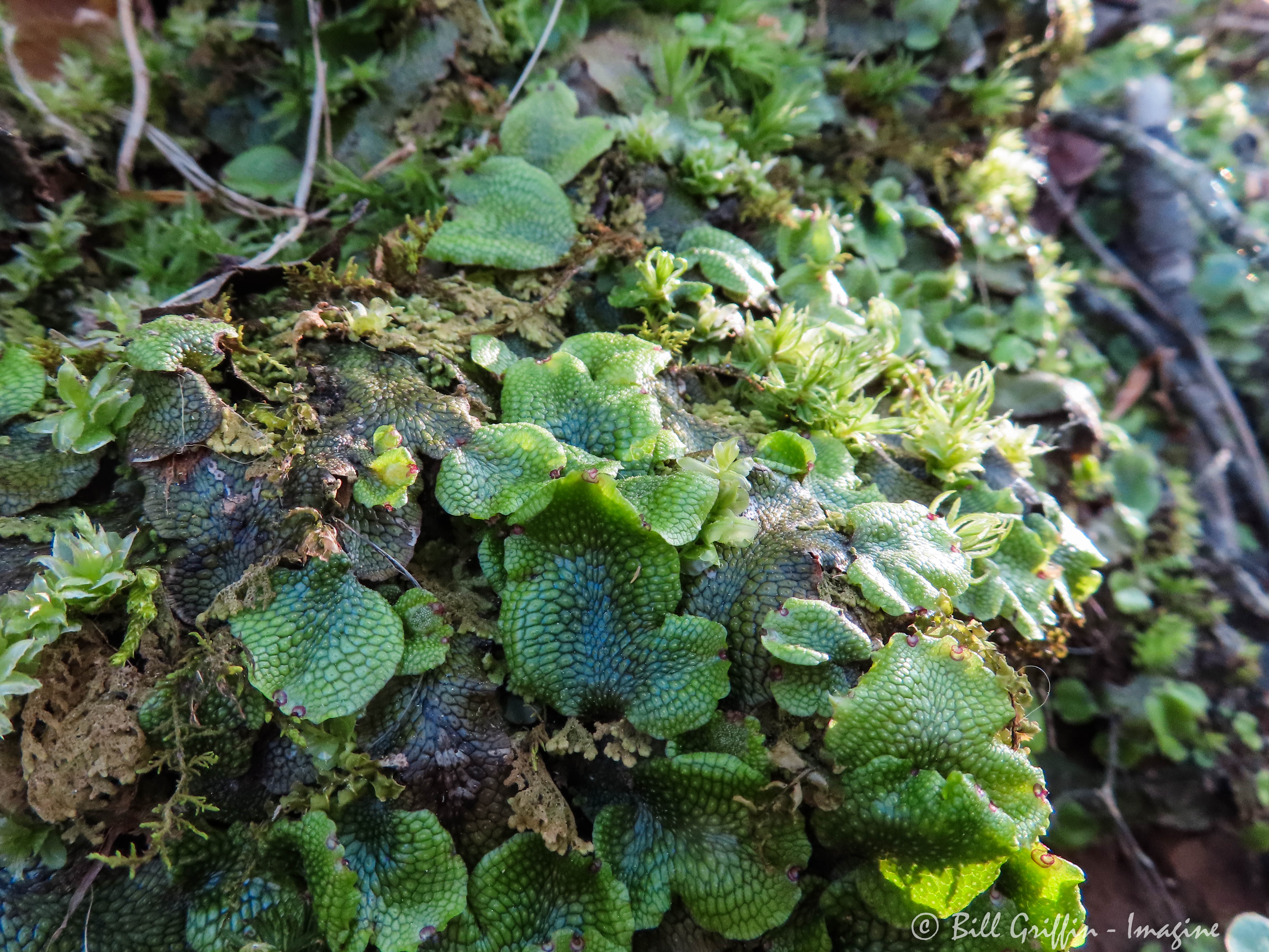
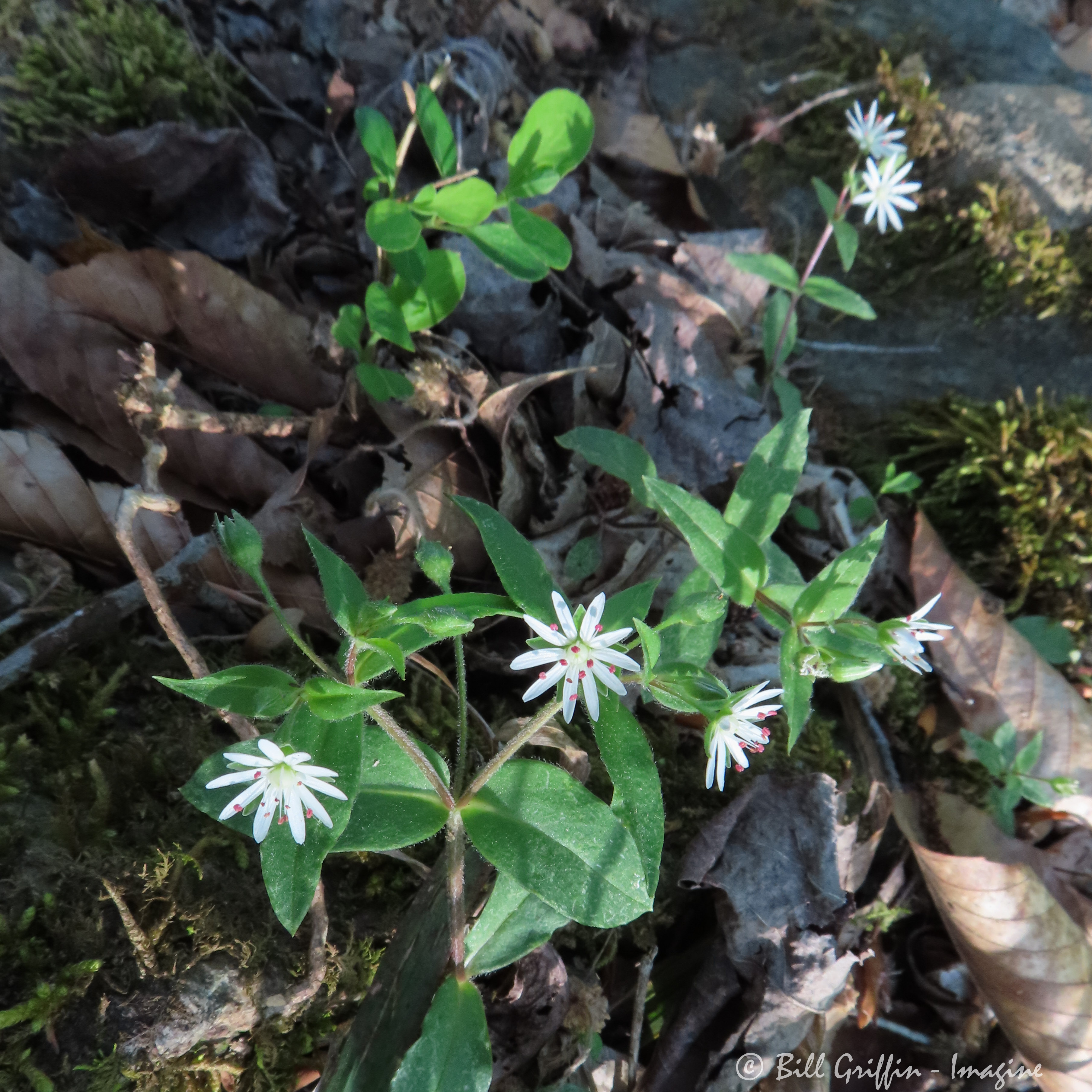
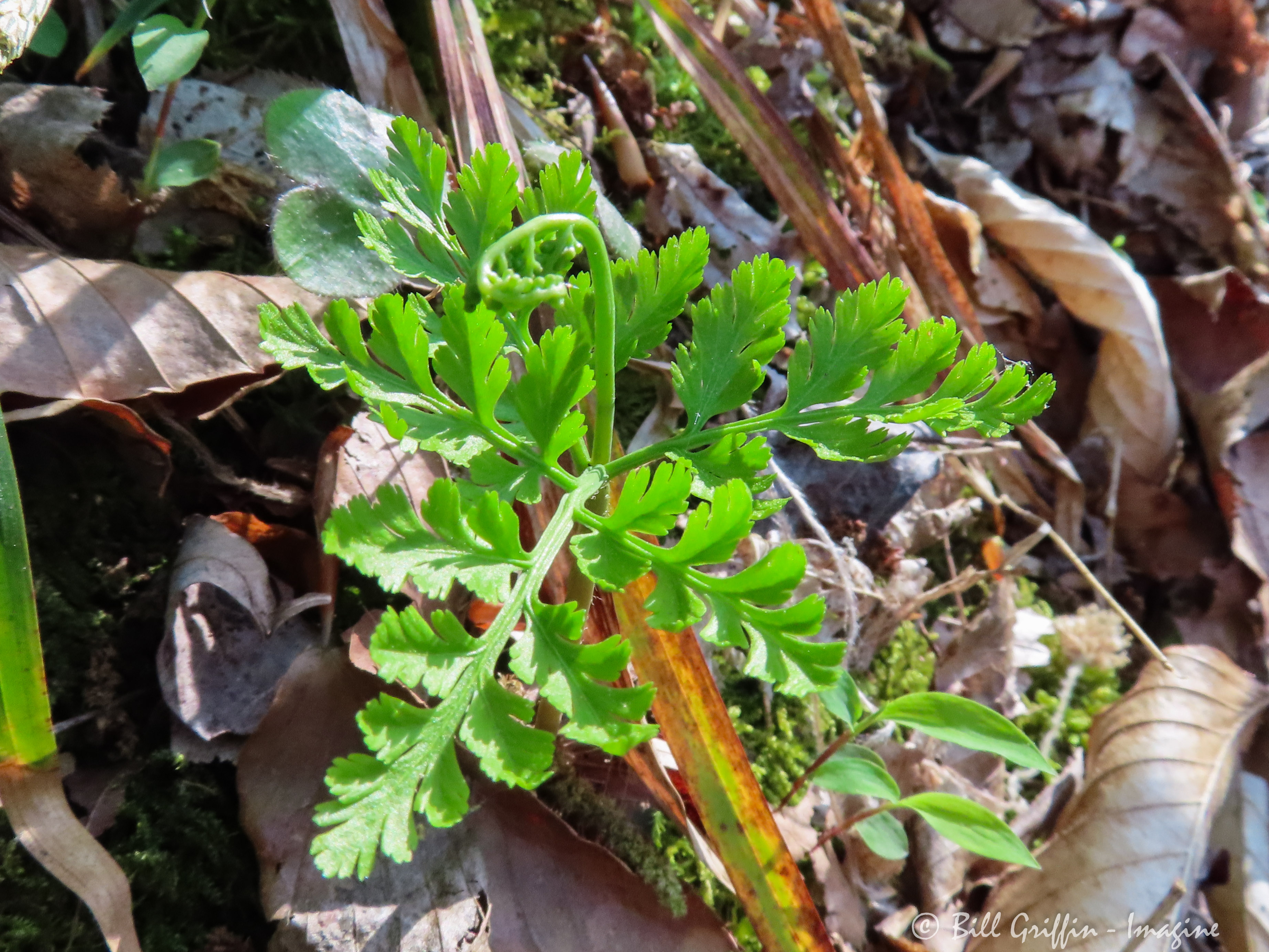
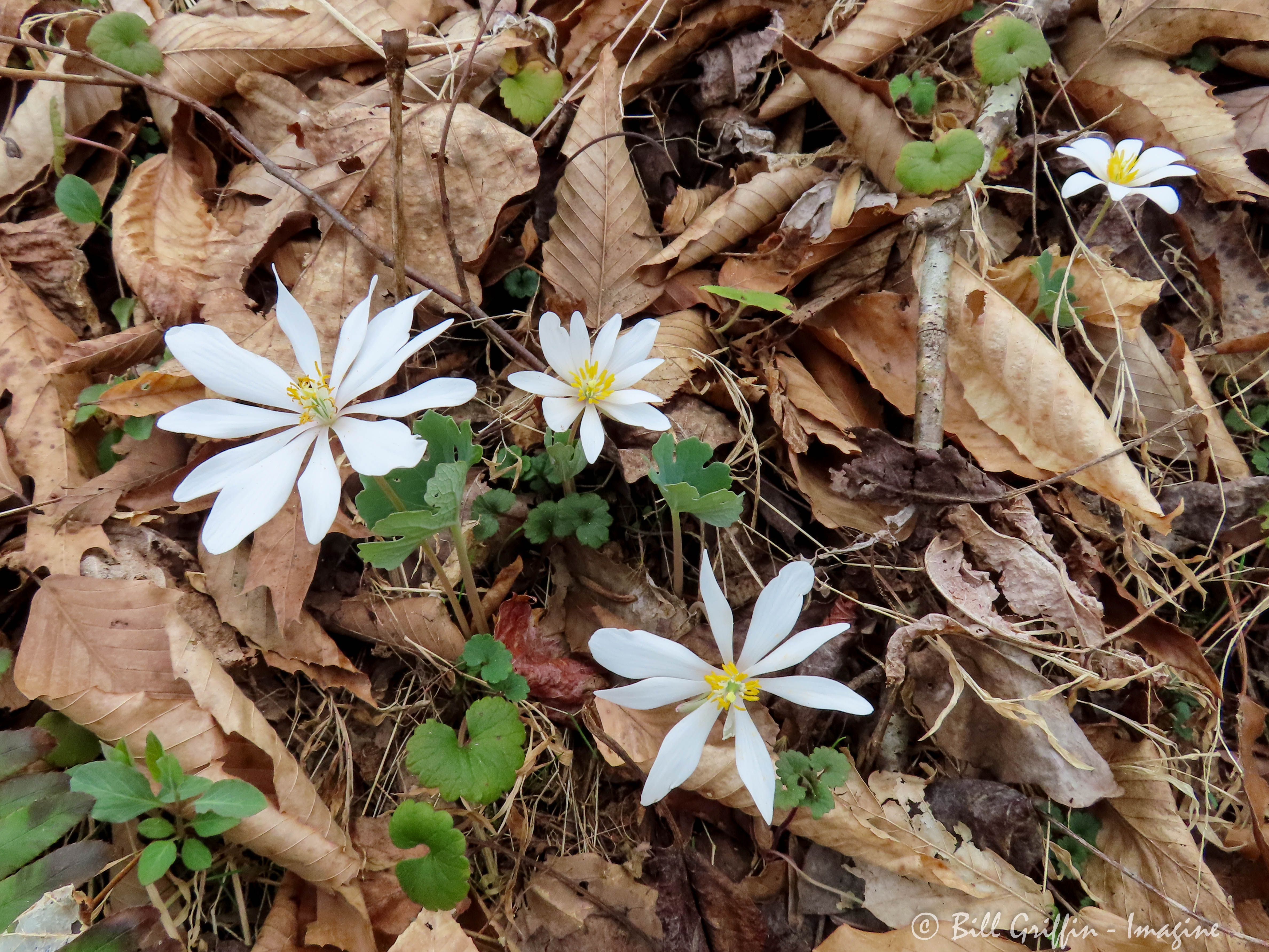
photographs in today’s post are from the banks of Dutchman Creek,
Elkin NC, within a 2 meter diameter circle, taken on April 16, 2025
❦
Stone
.
Go inside a stone.
That would be my way.
Let somebody else become a dove
Or gnash with a tiger’s tooth.
I am happy to be a stone.
.
From the outside the stone is a riddle:
No one knows how to answer it.
Yet within, it must be cool and quiet
Even though a cow steps on it full weight,
Even though a child throws it in a river;
The stone sinks, slow, unperturbed
To the river bottom
Where the fishes come to knock on it
And listen.
.
I have seen sparks fly out
When two stones are rubbed,
So perhaps it is not dark inside after all:
Perhaps there is a moon shining
From somewhere, as though behind a hill-
Just enough light to make out
The strange writings, the star-charts
On the inner walls.
.
Charles Simic
from Selected Poems 1963-1983, George Braziller, New York; © 1990
.
Charles Simic’s Stone delights me because I’ve been a rockhound since childhood. This poem celebrates the mysterious, silent presence I’m aware of when holding stones, turning them in my hands, and wondering about the part of Earth’s – and even the cosmos’s – history each one represents. I keep stones as reminders of my own history, and clear scenes from various places emerge anew as I cradle these inanimate yet vibrant objects tying me to the natural world. I take Stone as an invitation to savor what is interior, silent, often overlooked, and unique in all aspects of nature.
.
I keep a wrinkled, often-read copy of Stone posted near some of my collected treasures, including the tektite that inspired my own poem, which follows. – Sharon Sharp
.
❦
.
Tektite
.
From my necklace chain dangles a shiny,
pocked, black-glass exclamation point,
minus the dot, full of chemical clues
about celestial origins and a likely
ancient collision: a comet or an
asteroid smashing into Earth.
Upon impact, melted shards
catapulted back into the
outer atmosphere, then
descended, cooling.
The hard rain that
pelted hundreds
of miles still
mesmerizes
dreamers.
.
Sharon A. Sharp
from Pinesong, North Carolina Poetry Society; © 2018
.
.
❦ ❦ ❦
.
The Beekeeper’s Daughter
.
A garden of mouthings. Purple, scarlet-speckled, black
The great corollas dilate, peeling back their silks.
Their musk encroaches, circle after circle,
A well of scents almost too dense to breathe in.
Hieratical in your frock coat, maestro of the bees,
You move among the many-breasted hives,
.
My heart under your foot, sister of a stone.
.
Trumpet-throats open to the beaks of birds.
The Golden Rain Tree drips its powders down.
In these little boudoirs streaked with orange and red
The anthers nod their heads, potent as kings
To father dynasties. The air is rich.
Here is a queenship no mother can contest—
.
A fruit that’s death to taste: dark flesh, dark parings.
.
In burrows narrow as a finger, solitary bees
Keep house among the grasses. Kneeling down
I set my eye to a hole-mouth and meet an eye
Round, green, disconsolate as a tear.
Father, bridegroom, in this Easter egg
Under the coronal of sugar roses
.
The queen bee marries the winter of your year.
.
Sylvia Plath
from The Kenyon Review, Autumn 1960 • Vol. XXII No. 4
.
I sat down this morning to read some Sylvia Plath poetry. I read The Bell Jar for the first time a few years ago, while at my Dad’s deathbed. You would think it would have been a poor choice for that time in my life, but truly I loved the book, so beautifully written. So my Earth Day selection from Plath is The Beekeeper’s Daughter. Bees are the ultimate example of community working together for good. This piece is very sensual and dark, in a way too. For me it is a reminder that light and darkness, life and death are an irrevocable part of the human experience. While we may be in a time of darkness and existential dread about the future of our earth, it is imperative now more than ever, that we seek community to sustain us.
.
Thank you, Bill, for these lovely poems you send each week. It brightens my week immensely when I am able to take the time to read them. – Kitsey Burns
.
.
❦ ❦ ❦
.
The Day of the Funeral
.
Are you ready? they say, preparing to go. The search
how to say, how to feel, becomes a groping for jackets,
a finding of shoes. I look for a place to tie up my hair
and there is the cabinet, forever there.
Its mirrored backing can barely be seen
behind gold-speckled teacups, presents child-made,
crystal marching away to the past. Kneeling on carpet
I join in this scene and serious features
echo and float amongst
gilt generations of gently washed china.
An accordion of hands is fixing my hair.
Has anyone ever been ready?
.
Katherine Spadaro
from Visions International, Vol. 109
.
I often think of how much we have buried or pushed nature aside but she is there waiting and will sooner or later reclaim it all from us, our brief, brief dominion.
.
For earth day I thought of the subtext of this little poem from the past (mine). – Bradley Strahan
.
❦
.
Ghosts
.
In a lost corner of childhood
where marshland sleeps
beneath concrete,
the tide of evening
still climbs the forest wall.
.
Across the pond,
now drained and lawned,
the path looks westward
through the red receding flood of day.
.
There June is always a memory of redwings
singing with a chorus of frogs,
and in dank basements ghost cattails grow
through the temporary habitations of man.
.
Bradley Strahan
.
.
❦ ❦ ❦
.
The Cormorant
for Eunice
.
Up through the buttercup meadow the children lead
their father. Behind them, gloom
of spruce and fir, thicket through which they pried
into the golden ruckus of the field, toward home:
.
this rented house where I wait for their return
and believe the scene eternal. They have been out
studying the economy of the sea. The trudged to earn
sand-dollars, crab claws, whelk shells, the huge debt
.
repaid in smithereens along the shore:
ocean, old blowhard, wheezing in the give
and take, gulls grieving the shattered store.
It is your death I can’t believe,
.
last night, inland, away from us, beyond
these drawling compensations for the moon.
If there’s an exchange for you, some kind of bond,
it’s past negotiation. You died alone.
.
Across my desk wash memories of ways
I’ve tried to hold you: that poem of years ago
starring you in your mater dolorosa phase;
or my Sunday picnic sketch in which the show
.
is stolen by your poised, patrician foot
above whose nakedness the party floats.
No one can hold you now. The point is moot.
I see you standing, marshalling your boats
.
of gravy, chutney, cranberry, at your vast
harboring Thanksgiving table, fork held aloft
while you survey the victualling of your coast.
We children surged around you, and you laughed.
.
Downstairs the screen door slams, and slams me back
into the present, which you do not share.
Our children tumble in, they shake the pack
of sea-treasures out on table, floor, and chair.
.
But now we tune our clamor to your quiet.
The deacon spruces keep the darkest note
though hawkweed tease us with it saffron riot.
There are some wrecks from which no loose planks float,
.
nothing the sea gives back. I walked alone
on the beach this morning, watching a cormorant
skid, thudding, into water. It dove down
into that shuddering darkness where we can’t
.
breathe. Impossibly long. Nothing to see.
Nothing but troughs and swells
over and over hollowing out the sea.
And, beyond the cove, the channel bells.
.
Rosanna Warren
from Poems for a Small Planet: Contemporary American Nature Poetry, Middlebury College Press, University Press of New England; A Breadloaf Anthology © 1993.
.
In the Afterword to Small Planet, Robert Pack writes, “When the primary models for beauty and creativeness no longer are grounded in nature, we will already have evolved into another kind of species. . . . Without the sense of beauty that derives from an awareness of others, from the realization that we are merely creatures in an evolving world that we share with other creatures, a prior world on which our fabricated cultural world depends, the capacity for taking delight in our surroundings will wither away. Even before the planet becomes inhospitable to the human species, we will have died in spirit.”
.
One thing we inevitably share with every other creature is our mortality. Turning our backs and refusing to see death, or chasing promises to extend our lives at all costs, are simply among the many ways that we also choose to ignore and overlook life. Lichen stone and bee, ghost cattail and cormorant, I will sit down at your wake and invite you to mine. Until that day, let us live together. – Bill Griffin
.
.
❦ ❦ ❦
.
.
.


Very true. And not that she ignores the grief and woe of living but somehow makes all of life a…