Feeds:
Posts
Comments

Posts Tagged ‘Paul Jones’

 . 
[with 5 poems from Kakalak 2023]
 . 
Autumnal Asymptote
 . 
The sun’s last red is seeping through the maple now,
and umber too, like the webbing of a frog, like the shadow of winter.
How tenderly the ground holds each leaf. How lightly they rest
before they snuggle down under the rain.
Such a wealth of dying. The coin of the land is on its edge,
a membrane, the balance of water, seeping –
even the roots break light together.
Even the fungus breathes its gifts
to the soil.
 . 
Even the breath of me shatters this silent grace.
My steps churn leaves, worm-cast, root, stone.
The arc of reaching out is endless, airless –
I cannot kiss the earth’s brow so lightly.
She cannot sigh and settle beneath my hand.
 . 
Hannah Ringler
from Kalalak 2023, Harrisburg, NC. © Moonshine Review Press 2023
 . 
❦ ❦ ❦
 . 
I am about to read an online poem titled Bicuspid and I immediately tell myself it will be about that congenital heart syndrome in which the aortic valve has only two leaflets instead of the normal three (“tricuspid”). The man in the poem won’t even know he harbors the cardiac defect. His life will be flowing along its secure expected trajectory until suddenly in his 30’s he won’t be able to walk up a flight of steps or have sex without gasping for breath. Everything crashes – painful tests & procedures, dangerous surgery, bankrupting bills, a foot-long scar down his sternum. The life he was a moment before so confidently devouring has abruptly turned to eat him up and spit him out. Will he discover a new center?
 . 
The title also launches me into another favorite pastime – etymology. Just what is a cusp, anyway? Whenever you open yourself to a new field of exploration, your first big hurdle is its vocabulary. In scientific parlance, its nomenclature, but, hey, still just words. Don’t your non-poet friends’ eyes glaze over when you wax rhapsodic about enjambment? I know when my grandfather G. C. Cooke attended medical school in the nineteen-teens his required courses included Greek and Latin. Maybe he couldn’t do anything about Bicuspid Aortic Valve Syndrome, or even diagnose it pre-mortem, but he definitely was armed with all the nomenclature he needed to know cusp derives from Latin cuspis, a spear or a point, and the first recorded use of tricuspidem for “three-pointed” is from the 1660’s.
 . 
Dig deep beneath the words growing in these lines, whether cultivated garden or rank unruly weeds, and you discover that all is metaphor. The cusp of the moment is a fulcrum impossible to balance upon; leap left or leap right? The spear prods your back; it will not permit you to remain standing on this spot of ground you imagined so stable. The motion of your very heart is arrested, worn out of synch, its fluttering leaflets no longer able to manage the flow of your minutes.
 . 
Wow. I read the poem. Turns out it’s describing teeth. Bicuspid, duh. But it is still all about getting chewed up by life. And it’s awesome.
 . 
 . 
[ read Bicuspid by Clemonce Heard on poets.org HERE ]
[ and HERE is my favorite online Etymology Dictionary (or download the app Etymology Explorer) ]
❦ ❦ ❦
 . 
Under
++ from the early Chinese philosopher Mencius:
++“The ten thousand things are part of me.
++ Treat those things as you would treat yourself.”
 . 
Under the cloud, a man in the airplane
looks down from the window and yawns
at the mountain’s green canopy,
the towering tree where, under
a branch, the owl sleeps.
Under the owl, a young mother
leans against the rugged trunk;
under her eyes, a small screen,
her frog thumbs hopping;
under the screen, her hands.
Under her darting glances,
her child squats. Under the child
the tumbling river dances;
under the river, the rock.
 . 
The child lifts the rock and squeals
as, under the rock, the crayfish wakes.
Between two fingers, under her gaze,
its curious feelers, its wiggling tail,
its many legs running midair,
its hooked fingers; its eyes
examine her. It whispers in her hear.
The water stirs. She lifts the rock again
and tenderly tucks the crayfish
under, for now she knows
the ten thousand things are part of her.
 . 
Martha O. Adams
from Kalalak 2023, Harrisburg, NC. © Moonshine Review Press 2023
 . 
❦ ❦ ❦
 . 
Fox Moves in Nearby
 . 
As incense from a censer,
+++ wildness wafts about him –
he saunters
+++ outside our sliding door.
 . 
Red as cinnamon,
+++ gray-flecked belly,
he swings his head side to side,
takes everything in
+++ his black pearl eyes.
Squirrels scatter,
+++ grackles fly.
 . 
He lifts his leg and marks
+++ the stoop
and, with deliberation,
+++ three stones by the fountain.
 . 
He hesitates, concludes,
+++ and prances
through the hostas,
+++ slows beneath the forsythia,
squeezes through the fence.
 . 
We spend sever quiet breaths,
+++ fingertips on glass,
before we step out to sense
+++ his leaving.
The birds flit back
+++ to feed and chatter
Shadows underlying trees
+++ are darker,
redbirds, redder.
 . 
Preston Martin
from Kalalak 2023, Harrisburg, NC. © Moonshine Review Press 2023
 . 
 . 
❦ ❦ ❦
 . 
A few weeks back a friend in my writer’s group (holy poesy, Bill is in a writer’s group now!) mentioned that she has edited an anthology by poets near her home in northwest Ohio. Imagine opening a collection and recognizing the writers by name! See their faces as you read their lines, hear their inflections and cadence. You might realize immediately that the poem is about teeth and not heart valves. Such a concept!
 . 
Welcome to Kakalak 2023. Although the editors no longer require a North or South Carolina connection in order to submit, I still discover many friends and acquaintances in the pages of this annual anthology. This year’s book very much retains the flavor of the South – has there ever been an issue without at least one mention of red clay or grits? But these almost 200 pages span most everything that could be said to make us human, whether grief or exaltation, recollection or discovery, love or despair, current events or origin stories, even a raised middle finger to the Home Owner’s Association.
 . 
I’ve read the book through from page one to the end. I intentionally avoided skipping straight to the names I know in order to discover names I want to get to know. I used my standard criteria to select three poems to feature here, which is no criteria at all except what grabs me in the moment of reading (and the three quickly becam five, eleven, fifty). Do you need some new friends? As Robert Frost invites when he heads down to clear the pasture spring – You come too!
 . 
 . 
[ Kakalak 2023 is edited by Angelo Geter, David E. Poston, and Kimberlyn Blum-Hyclack; learn more about Kakalak, and purchase  HERE ]
 . 
 .
 . 
❦ ❦ ❦
 . 
Moon-Child
 . 
+++ +++ +++ Sophie has pummeled the beach all day
+++ with the unbridled vigor of a one-year-old
dog, her tail held aloft like a kite gaining the wind
 . 
She is tired and wonders why we’ve come back at this hour,
+++ though sand feels coos as the night sky peels off
+++ +++ the top layers of heat. She pants and leans into me.
 . 
+++ +++ That’s enough, isn’t it?
+++ To feel day draining into atmosphere?
+++ +++ To hear the surf recite the history of a planet –
 . 
+++ +++ +++ extinction events,
+++ +++ +++ +++ rise and fall of Rome,
+++ +++ +++ discovery, war, conquest,
+++ +++ pandemics, and underneath it all,
+++ echoes of lost Atlantis rumbling in the waves?
 . 
Sophie’s nose twitches.
+++ Something in the dark has put her on alert.
The cone of my flashlight reveals where a ghost crab
 . 
+++ +++ has been sidling. A moon-child
+++ +++ +++ gleaning alms offered by the tide
+++ +++ has scribed in the sand abstract patterns,
 . 
ragged as the Milky Way,
+++ like a record of all the small events
that drive the Earth, too delicate to see.
 . 
Gregory Lobas
from Kalalak 2023, Harrisburg, NC. © Moonshine Review Press 2023
 . 
❦ ❦ ❦
 . 
The Hive in the Wall
 . 
Sometimes, when a soul has more to say,
it holds on to some place, some person,
or just moves in between joists and frames,
 . 
taking the shapes of bees, even their names,
their endless buzz near the too-warm kitchen.
Unlike other ghosts, they work by day.
 . 
They still need light and the scent of wet grass,
flowers that love summer and last until fall.
They, I say they, but I mean they act as one.
 . 
Many creatures made of one spirit, a mass
that’s a fused, united, yet scattered, all.
That’s what it takes to get the job done.
 . 
This may not be true, but here’s what I believe:
that one day, all bees, in one swarm, will leave.
 . 
Paul Jones
from Kalalak 2023, Harrisburg, NC. © Moonshine Review Press 2023
 . 
❦ ❦ ❦
 . 
Hannah Ringler (Durham, NC) is a poet, gardener, and educator.
 . 
Martha O. Adams (Hendersonville, NC) includes drawings for coloring with her recent meditative poem In Your Meadow.
 . 
Preston Martin (Chapel Hill, NC) facilitates classes in poetry and literature at Duke Continuing Education.
 . 
Gregory Lobas (Columbus, NC) won the Dogfish Head Poetry Prize in 2022 for Left of Center.
 . 
Paul Jones (Chapel Hill, NC) is a member of the NC State Computer Science Hall of Fame and some of his poems crashed on the moon.
 . 
 . 
❦ ❦ ❦
 . 
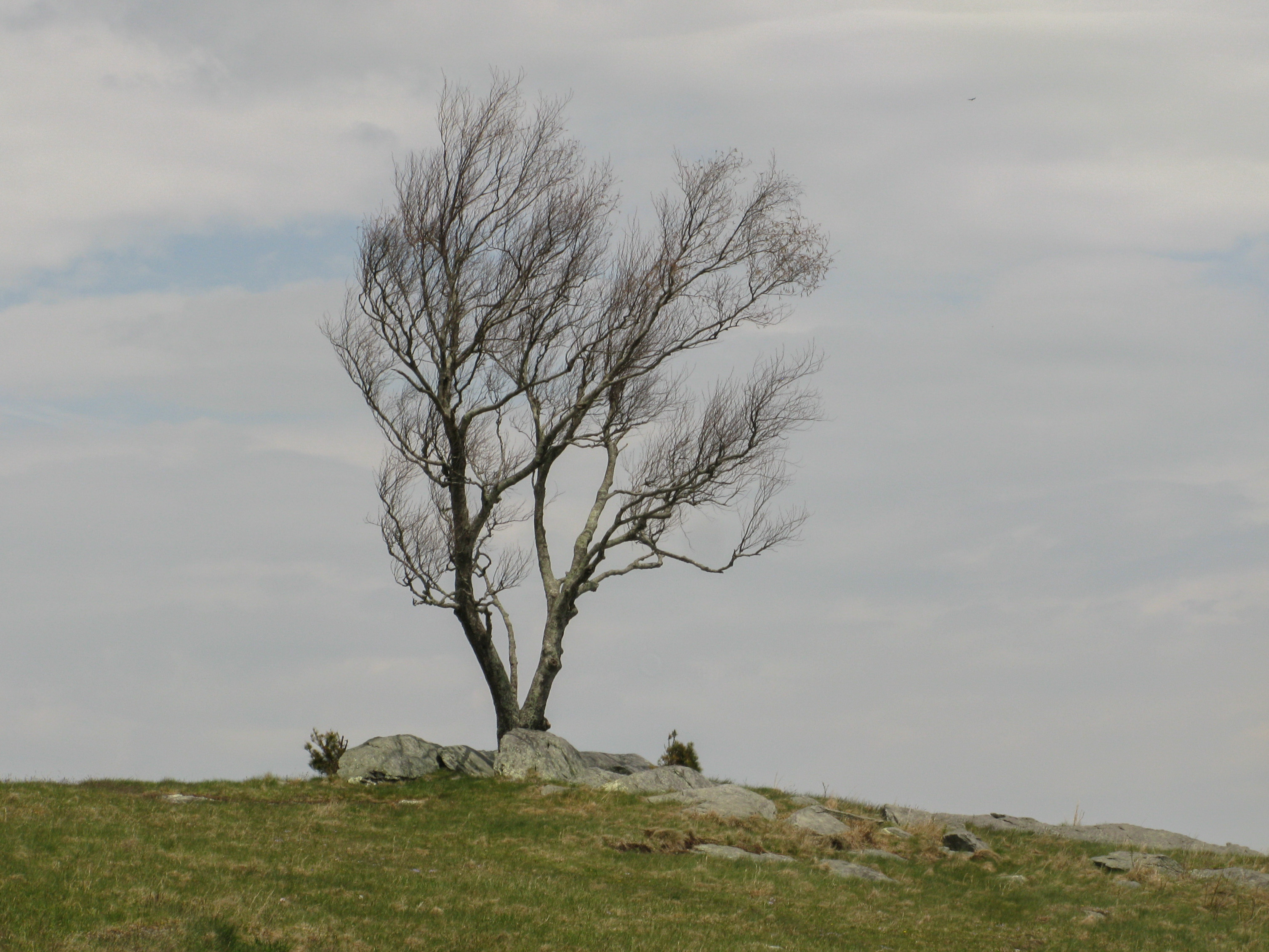
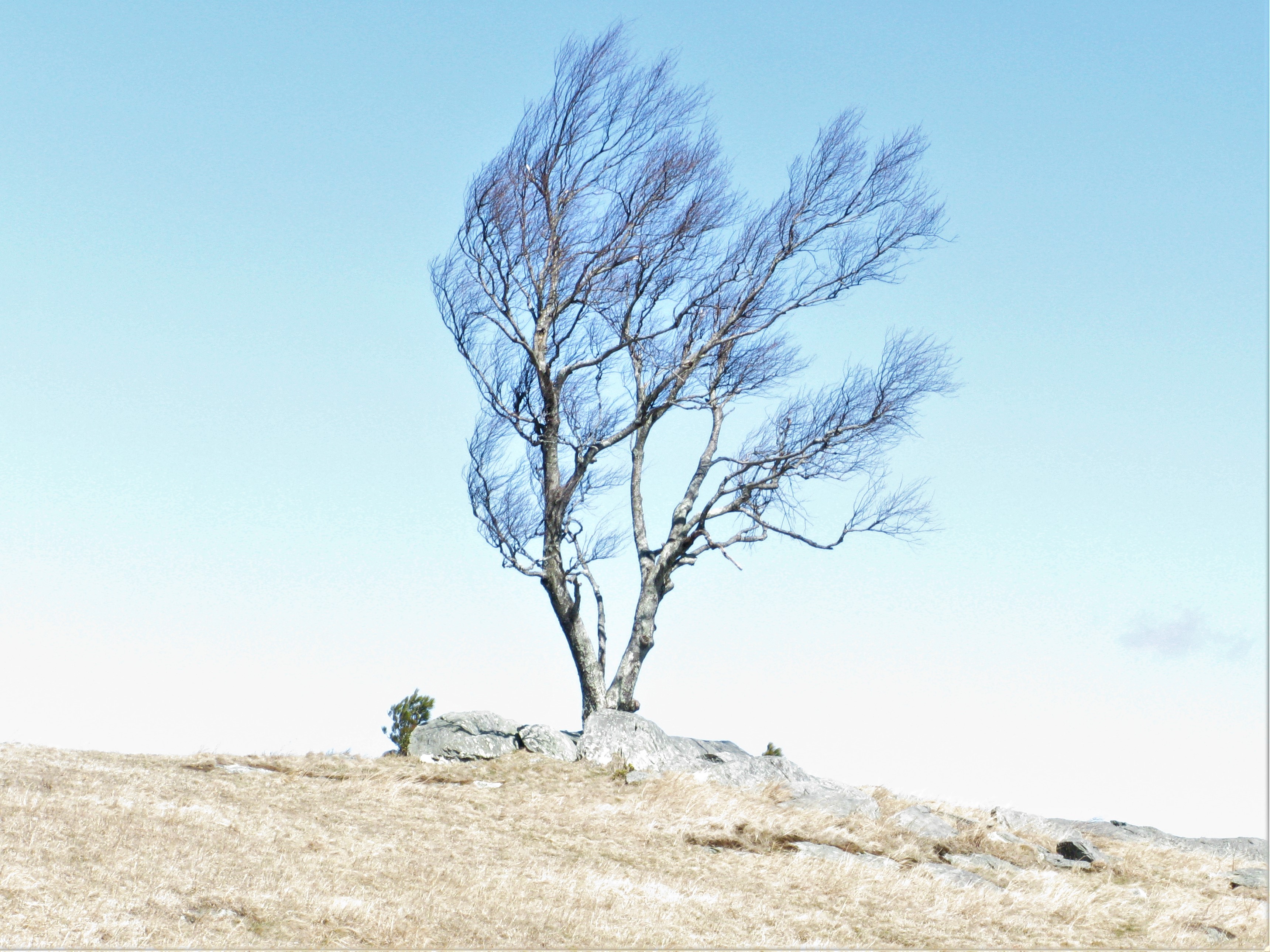
2020-03-07 Doughton Park Tree
 . 

Read Full Post »

[with 3 poems from litmosphere
Journal of CHARLOTTE LIT]
 . 
Birds Speak to the Women in My Family
 . 
This time,
+++++ when a trail of feathers
+++++ +++++ leads me into the forest,
+++++ +++++ +++++ I follow.
 . 
Don’t think about where it’s taking me,
only the flightless thing, torn to tufts,
crawling in the underbrush,
but I find no blood, no body.
 . 
Whisper of deep woods
Of gifts and pleasures planted and earthed. What was I
so afraid it would say?
 . 
I’m here,
+++++ arm full of feathers, unsure
+++++ +++++ which of us is the offering,
+++++ +++++ +++++ which way is home.
 . 
My grandmother was told
by an out-of-season swallow
when her mother died.
 . 
We have family in town,
my mother says, pointing to a pair of sandhill cranes
stilt walking through the yard.
 . 
I’ve collected
+++++ so many feathers.
+++++ +++++ I could be mistaken
+++++ +++++ +++++ for wings.
 . 
My mother’s tongue,
her mother’s birdsong
softer with every daughter,
but still a trace, feather by feather
through the old mountains,
disappearing into stone.
 . 
Arielle Hebert
litmosphere, Journal of Charlotte Lit, Charlotte Center for the Literary Arts, © 2023
 . 
❦ ❦ ❦
 . 
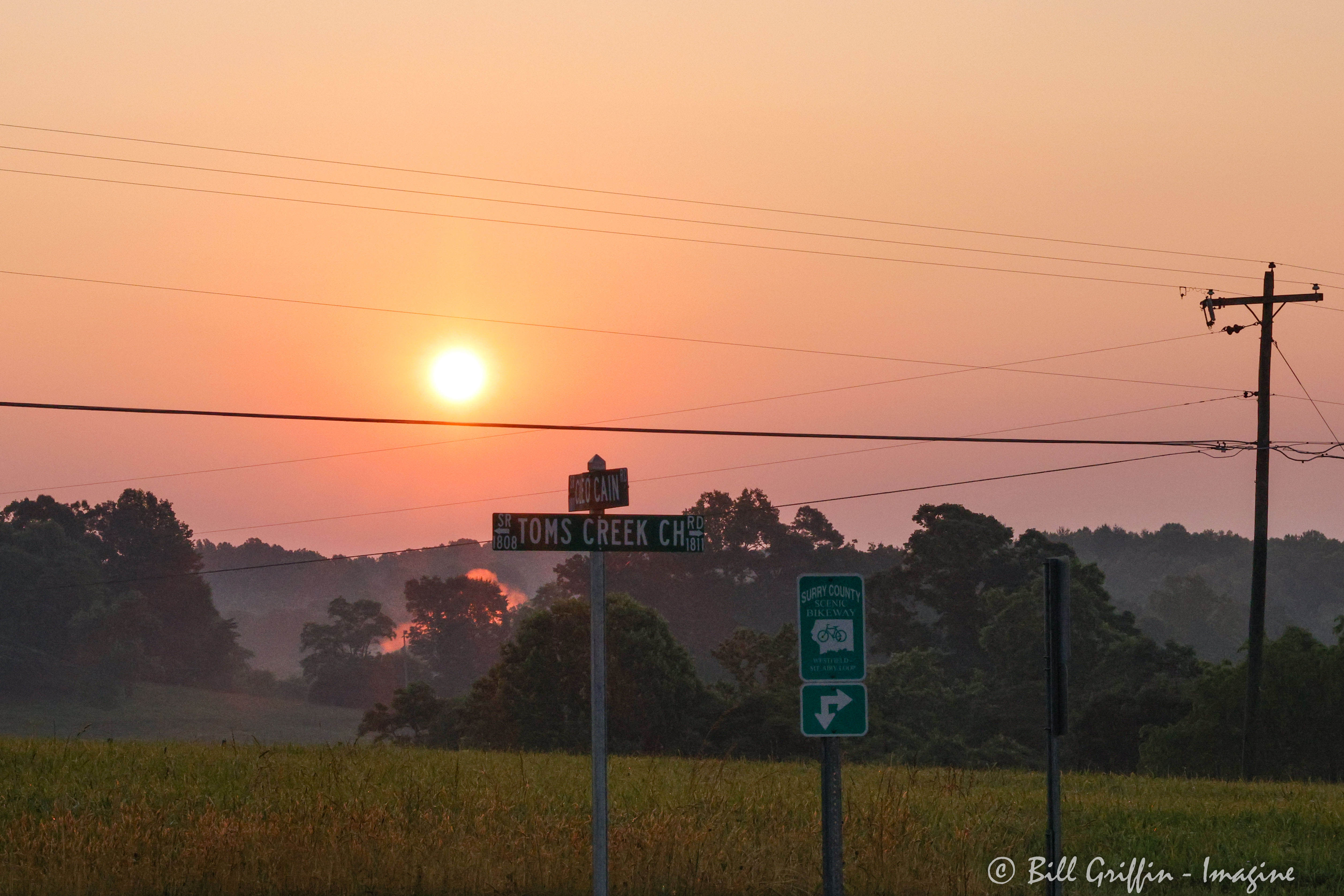
Chilly for June, but after all sunrise isn’t for another half hour. It’s 5:25 AM and Sharon and I are standing in the Surry County foothills a few miles south of the Virginia line. At 5:30 we’ll begin to count. Last year at this very spot a Chuck-Will’s-Widow fired up and sang for 45 seconds before I’d even started the timer. I counted him anyway.
 . 
This year the first voice is a Wood Thrush. Oh, thank you, Audubon’s flute . . . in the summer woods, silver notes pour by the afternoon river. Of all the forest’s music my favorite. Now Catbird, Cardinal, Chipping Sparrow, Indigo Bunting; I call their names when I hear them sing – still too dark to see. Sharon inscribes their presence on our tally sheet. One by one, they fly from mysterious spirit into settled data points.
 . 
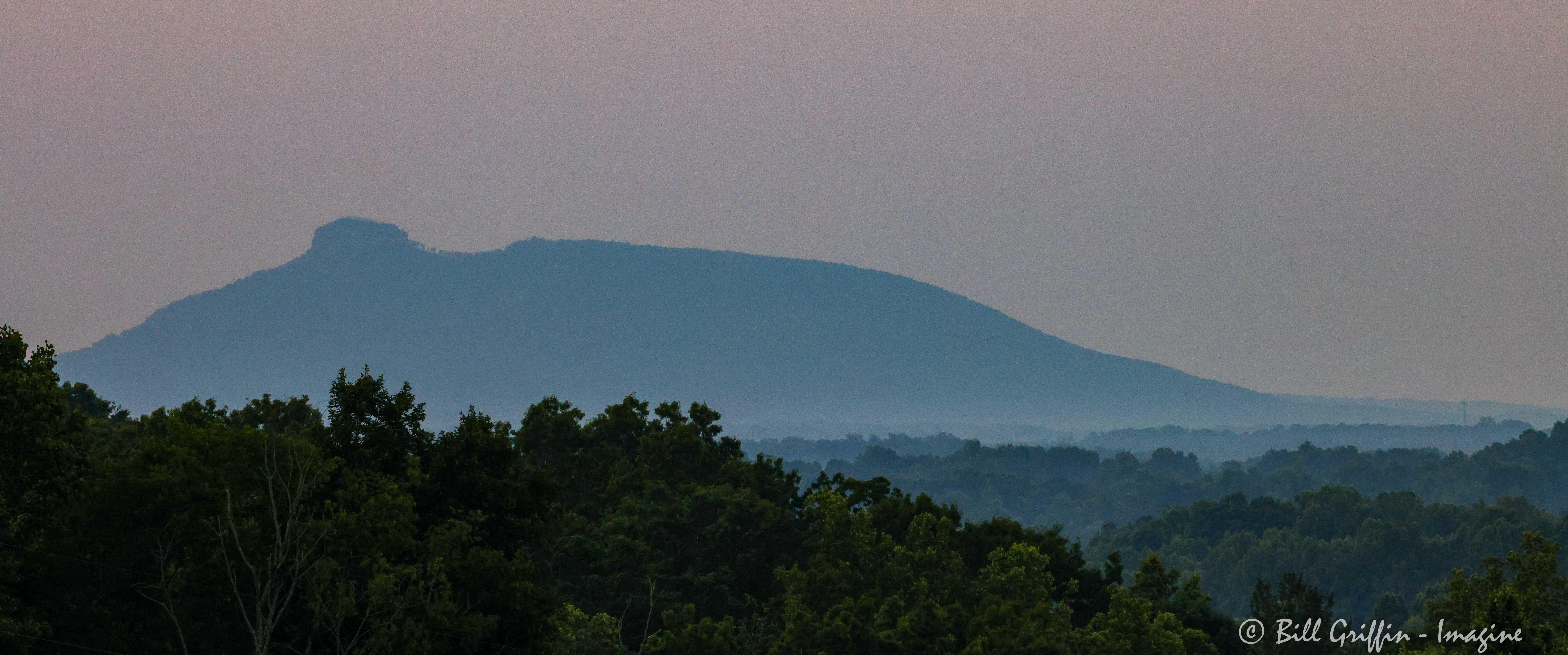
I didn’t really believe Sharon at first. Back in March she asked me to describe these USGS Breeding Bird Surveys and then said, “Can I come?” Really? Pick you up at 5 AM to drive to our first stop? Then 49 more stops, spaced half a mile apart? Set the timer for 3 minutes, count every bird heard or seen, then back in the car and on to the next? Finish late morning somewhere northeast of Pilot Mountain with Hanging Rock looming? You really want to do that?  “Yes! Really! And I’ll bring a picnic!”
 . 
Now we’re at Stop 28. Some of the landmark descriptions, established decades ago when these survey routes were first established, are obscure and changeable: overhead power lines and opening in trees. Well, yes, there is a nice opening in the mixed forest, and yes, there’s an Indigo Bunting as expected. Now we hear a Scarlet Tanager, first one of the morning, but these devious birds love to glean insects at the very apex of the canopy and you could crick your neck trying to spot one. Nevertheless there it appears, flitting to the outer branches of a tall loblolly. Brilliant crimson, stark black wings, pausing to snatch a moth then raise beak in its raucous warble. Sharon gasps. “I’ve glimpsed a Tanager before, but I’ve never seen one in the open. Oh my! This is worth the trip!”
 . 
And we still have 22 more stops. Not to mention the promise of a picnic at Hanging Rock.
 . 
 . 
Enter the litmosphere, a universe of writers and readers. The readers may be physically situated anywhere in the world, same for the writers although they must at some time have lived in North Carolina or one if its four bordering states. Today’s poems appear in the second annual edition of litmosphere as winners, finalists, or semi-finalists in this year’s Lit/South Awards.
 . 
Charlotte Lit, the Lit/South Awards, and the publication of litmosphere are the brainchildren of Kathie Collins (East Bend, NC) and Paul Reali (Charlotte, NC). In establishing the Charlotte Center for Literary Arts, they are creating a community of writers with a unique definition of Southern, and the poetry, essays, and fiction in this year’s journal speak from a creative realm without boundaries. Place and persona are powerfully freed from constraint. I really could not anticipate where the turn of each page would take me. Ever been welcomed into a gathering that challenges you, surprises you, fills empty spots you didn’t even know you had? And leaves you feeling welcomed and ready for more?
 . 
Charlotte Lit, besides its annual contest, offers more than a hundred classes and events every year. Membership information is available here:
 .
 . 
❦ ❦ ❦
 . 
Of Rock Doves
 . 
We call these doves pigeons
because they are many
because we once built them cotes
because we collected their guano
because we spread it on melon
patches and near tomato beds
because they bob their heads
in their staggering walk
like professional wrestlers
at the end of their careers
because they can’t see
straight ahead any other way
because they are easily misled
because no matter what
some find their way back home
because when some vanish
there are always many more
because their name is an echo
of the hungry noises
that come from their flimsy nests
because they raid each other’s nests
they kill their neighbors’ young
because they kill their own young
because together in a group
they are called a deuil
which means mourning in French
because we eat their young
because they taste so sweet
and have very small bones
 . 
Paul Jones
litmosphere, Journal of Charlotte Lit, Charlotte Center for the Literary Arts, © 2023
 . 
❦ ❦ ❦
 . 
When the Universe Told Me You Were Dead
 . 
That very morning, the feral cat left
a dead bluebird on my doorstep,
splayed open.
 . 
Heart gutted, this remained:
a blood-empty chamber
caged behind delicate, shattered bone.
 . 
Newly lifeless, feathers still wet
with morning sky, the orbs of her
eyes set to flight.
 . 
Anita Cantillo
litmosphere, Journal of Charlotte Lit, Charlotte Center for the Literary Arts, © 2023
 . 
 . 
❦ ❦ ❦
 . 
Audubon in the summer woods
by the afternoon river sips
his flute, his fingers swimming on
the silver as silver notes pour
. . .
from Audubon’s Flute by Robert Morgan
[read the entire poem here]
 .
 . 
NOTE: June 19-24, 2023 is NATURALIST WEEK sponsored by Great Smoky Mountains Institute at Tremont. Wherever you are in the world, you can participate in the Naturalist Challenge by spending time outdoors as a naturalist: Pay Attention; Ask Questions; Make Connections; Share. You can also receive a prize if you earn 25 points for your activities! See details here:
 .  . 
 . 
The Breeding Bird Survey is a long-term, large-scale, international avian monitoring program initiated in 1966 to track trends of North American bird populations. There are currently over 4100 courses in the US and Canada, run each spring by volunteer surveyors, and in recent years Mexico has also been added. More than 450 scientific publications have relied heavily, if not entirely, on BBS data; essentially every avian conservation study in North America turns to the BBS in some way.
 . 
In the 1960’s, Chandler Robbins and colleagues at the Patuxent Wildlife Research Center were developing survey techniques to monitor populations of hunted birds: Woodcock, Snipe, Mourning Dove. Inspired by Rachel Carson and her publication of Silent Spring in 1962, Robbins realized that larger surveys were needed to document the effects of DDT, as well as other human and non-human variables affecting bird populations. He invented the roadside survey used today: 50 stops plotted on a 24.5 mile course to be counted once a year. The goal is broad longitudinal observation rather than stop-by-stop variation, and the technique for counting in 2023 is the same as in 1966: a single observer, no “pishing” or other enticements to the birds, no apps or electronics, just two ears and field glasses.
 . 
I ran my first course in 1995: Copeland, southern Surry County. I’ve counted the course every spring except when BBS shut down for COVID in 2020 (because many courses run through parks and federal lands that were closed to visitors that year). In 2022 I added a second course when it became vacant, Mount Airy in northern Surry County. If you’re interested next year, I’ll pick you up at 5 AM. But Sharon has first dibs.
 . 
Bill
 . 
 . 
❦ ❦ ❦
 .  . 
 .
 . 

Read Full Post »

[with 3, no, 4 poems by Paul Jones]

Oh well . . . life goes on . . .

No it doesn’t! Who ever said that? At least not on and on and on. And the problem is not growing old, the problem is everyone around me is growing older.

I’m biased and I know it – too many all-nighters in the ICU knowing my patients will never wake up, will never breathe again without that machine. Why choose to prolong those hours? Too many weekly visits to the nursing home, my patients who will never again chew, swallow, recognize, understand, smile. Why choose to prolong those days?

Still, when you are breathing and smiling there’s a huge hurdle to leap before you’re willing to talk about how you want your body treated when you can’t breathe or smile. Easy to put off making that living will when you’re in the midst of living; too late when you’re in the midst of dying.

Last year I spent a few weeks helping Dad update his and Mom’s will and estate. Gather up mounds of papers, talk things over, scratch heads, and then the final step: spending a morning with their attorney to nail it all down tight. Just because most politicians are attorneys does not imply the converse, that most attorneys are self-infatuated power-lusting villains. Not at all. Dad’s attorney, Ms. S., treated us like family. Like she was the cousin who knows a whole lot more than we do but who can explain it in a way anyone can understand.

To describe two hours with an attorney as a pleasure? Well, yes indeed.

As a family doctor I never found it easy to talk to my patients and their families about death. Necessary, yes; essential, yes; never easy. Perhaps it’s the taboo that if you name something you give it power over you. But a last will and testament is all about death. If you’re not going to die, don’t bother making a will.

Ms. S. talked with us for two hours about death, straight up, matter of fact. I learned a lot about what Dad and Mom want for their own final days and for a legacy to their children. I learned that Dad, in the right place and time, is willing and even anxious to talk about his death. We left the office smiling, arm in arm (figuratively as well as occasionally literally, 95-year old knees and all).

Of course, Dad still vows he’s going to live to a hundred. At least he’s got one helluva estate plan.

.     .     .     .     .     .     .

.     .     .     .     .     .     .

Seventy Three

When in time frost found me, leaves were gone yellow
or fallen or few on branches or fallow
fields. Limbs were empty choir lofts. Youth’s bright birds sang
then left before the cold November must bring.
I found myself in twilight, the glow on snow
or rime on those brown stems or white wisps of breath
– how many more before death plants me below? –
But here I can see further, here my life’s breadth
forms a vista. Here where flames once leapt, grey ash
is heaped, warm still from what past fires I’ve known.
Still all this going is not completely gone.
Something of those late bird songs will stay, will last.
What we see in age makes all we love more strong,
knowing what we love we leave before too long.

Paul Jones
from Something Wonderful, Redhawk Publications, © 2021

.     .     .     .     .     .     .

I’ve always been a bit in awe of Paul Jones’s poetic gifts. Envious even. Not only because he can make rhyme so damn modern but even more for his capacious breadth and depth. What an imaginative reach! I’m not reprinting To a Tuber here but read it and you will become convinced that the potato is within all the vegetable kingdom most elegant, elevated, and worthy of praise.

So I knew before I ordered my copy of Paul’s new book Something Wonderful that it would be, and it is. The sly wit is there, waiting to pounce, but also heartfelt longing and wry uncompromising looks into personal finitude. You don’t really discover why the cover is covered with 19th century illustrations of bats until page 80 and the title poem. Take the time, make the trip. It’s worth it.

.     .     .     .     .     .     .

Ireland Seen from a Porch Swing in Hickory, NC
+++ — for Adrian Rice

Ireland is a country without porches.
What they call a porch is just an entry.
No one sits there watching for neighbors
walking by with their electric torches.
Their voices, soft as blossoms, gently
fill humid summer nights with rumors.

Over there, secrets are shared in the pubs.
From unsteady high stools, the stories, tinged
with irony, rise easily as smoke.
New worlds are created by old words spoken.
even the weightiest tales take on wings,
if only whispered above the hubbub.

But here, the slow news is told by moonlight
in the lazy tease of an August night.
Too often tea, iced and sweet, is the drink
that greets the blink of stars through the dark
as our voices wander, each twang distinct,
in the dog-starred nights and the torpid days.

It’s ghosts that bind us across our weathers,
that tie the lilt and slur of daily sagas
told inside and out, in bars and open air,
to some episodic common drama.
They appear here and there, vivid and stark,
in talk that reweaves their spells in the dark.

Paul Jones
from Something Wonderful, Redhawk Publications, © 2021

.     .     .     .     .     .     .

Still Waters

I am still, waiting
for the one moment
that old Eastern sages
say gives absurdity
an absolute clarity,
the moment multiple
bald monks chant to induce.
They say the Way is
like water. It will work
its wonders at due time,
the way water always
breaks up rocks, turns them
into sand, but will not
be transformed itself.
Being water, it’s
already what it needs to be.
Winter and ice
merely redefine water.
Wind, when it works, only works
on the surface of water.
When fire meets water,
water is sent to heaven
but fire just becomes ash.
Water like saints returns
to perform its steady work.
Sleet, snow, rain or hail –
even fog – are water’s
temporary bodies.
In time, water will be
all part of one huge sea.
Water will save us all
in time. In time, they say.
In the meantime, be water
as best you can be. Me?
I am still waiting
for all waters to become
still, to run deep, and
clear a few things up.

Paul Jones
from Something Wonderful, Redhawk Publications, © 2021

.     .     .     .     .     .     .

Saint of the Trees

What is the proper sacrifice
To please our Lord, the Saint of Trees?
I asked the ferns for their advice:
What is the proper sacrifice?

“Lie here and dream of paradise,
Sink into the soil like the leaves.
That is the proper sacrifice
To please our Lord, the Saint of Trees.”

Paul Jones
from Something Wonderful, Redhawk Publications, © 2021


.     .     .     .     .     .     .


2014-07-13 Doughton Park Tree

Read Full Post »

« Newer Posts