Feeds:
Posts
Comments

Posts Tagged ‘NC Poetry Society’

[with poems by Kim O’Connor, AE Hines, Cheryl Wilder, Yvette Murray]

The North Carolina Poetry Society was organized in 1932 at the Charlotte home of Edna Wilcox Talley. The six members present elected Zoe Kincaid Brockman, well known poet and women’s editor of the Gastonia Gazette, as the organization’s first president. Could those six writers have imagined that ninety years later their idealistic endeavor would be thriving, with a membership of over 500 and sometimes more than a hundred persons from all across the state attending meetings? That through the decades the North Carolina Poetry Society would be the forerunner of additional writers’ organizations such as the Poetry Council of North Carolina, NC Writer’s Network, and NC Writer’s Conference, not to mention numerous local and regional groups in NC towns and counties? That poetry would be happening in schools with Poetry Out Loud, in shop windows and on buses through Poetry in Plain Sight, in countless books and journals published in North Carolina every year?

Zoe Brockman, Edna Talley, and friends knew the truth long before Doris Betts coined the phrase: North Carolina is the “writingest state.” Perhaps they wouldn’t have expressed it so eloquently but they would have agreed with Ed Southern, NC Writers’ Network executive director, that “one cannot spit, piss, or throw a rock in the Old North State without hitting a writer.” I like to believe those women of an earlier time would have been pleased but unsurprised at the many poets inducted into the NC Literary Hall of Fame after its inauguration by Sam Ragan at Weymouth Center in 1996; they especially would have applauded when all the inductees in 2014 were poets – Shelby Stephenson, Betty Adcock, Ron Bayes, Jaki Shelton Green. The Charlotte Six would no doubt have volunteered to serve as mentors in the Gilbert-Chappell Distinguished Poet Series, helped set up tables at the Sam Ragan Poetry Festival, and host open mic on Zoom during the pandemic. We who participate in the North Carolina Poetry Society of 2022 benefit from their high ideals, keen vision, and energy – we uphold a worthy tradition, and we have embraced the creativity, inclusion, and diversity that now make this tradition our own.

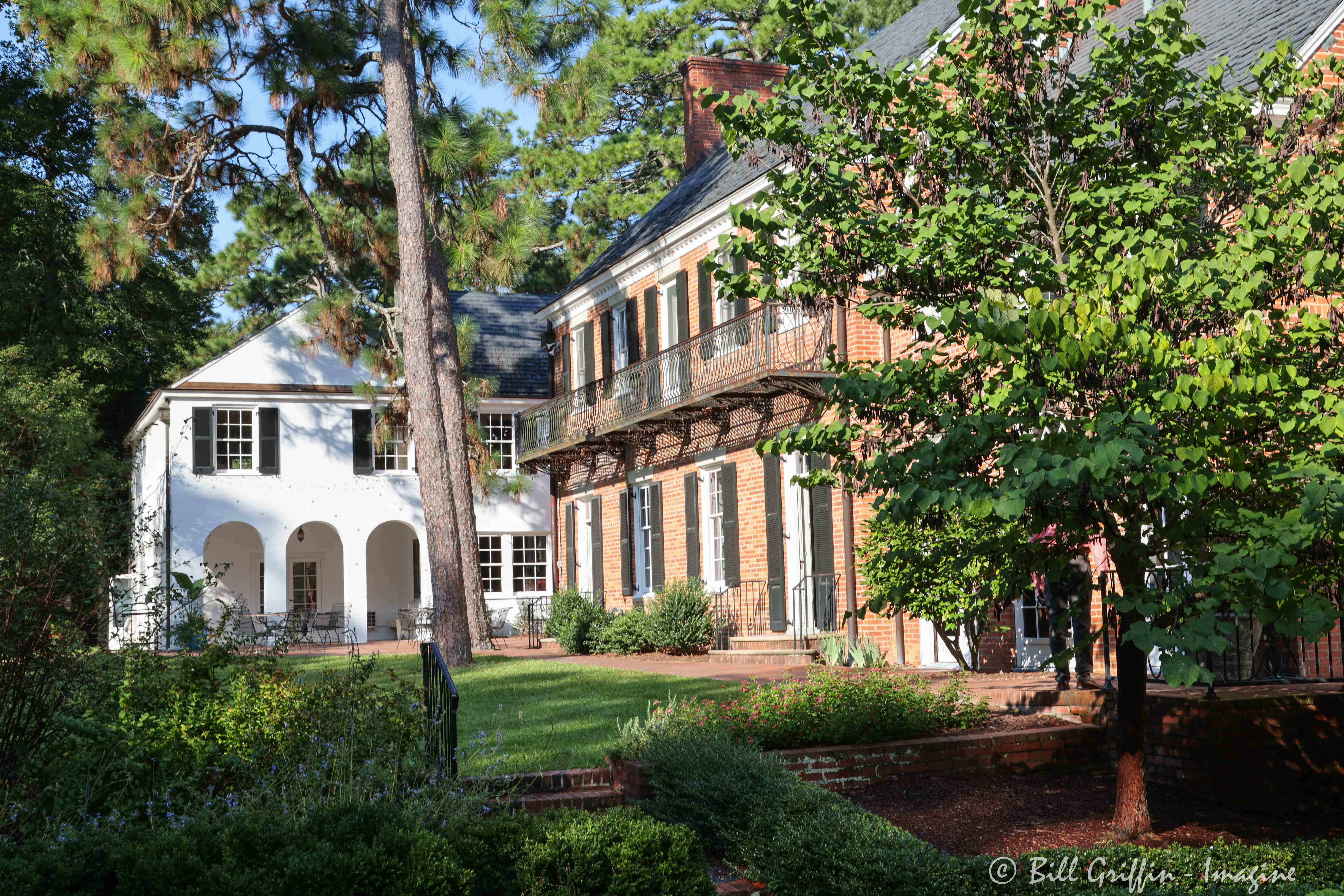
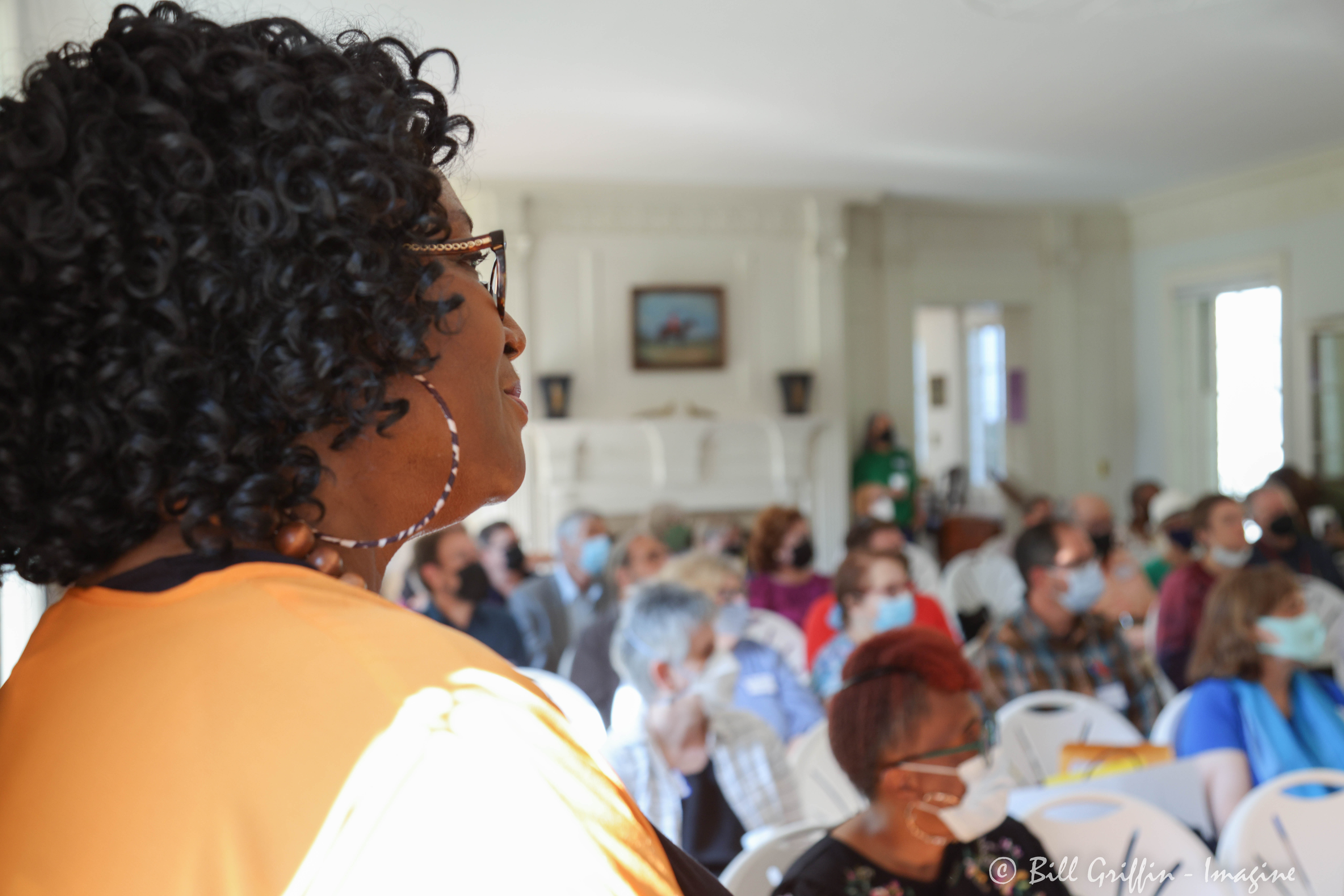
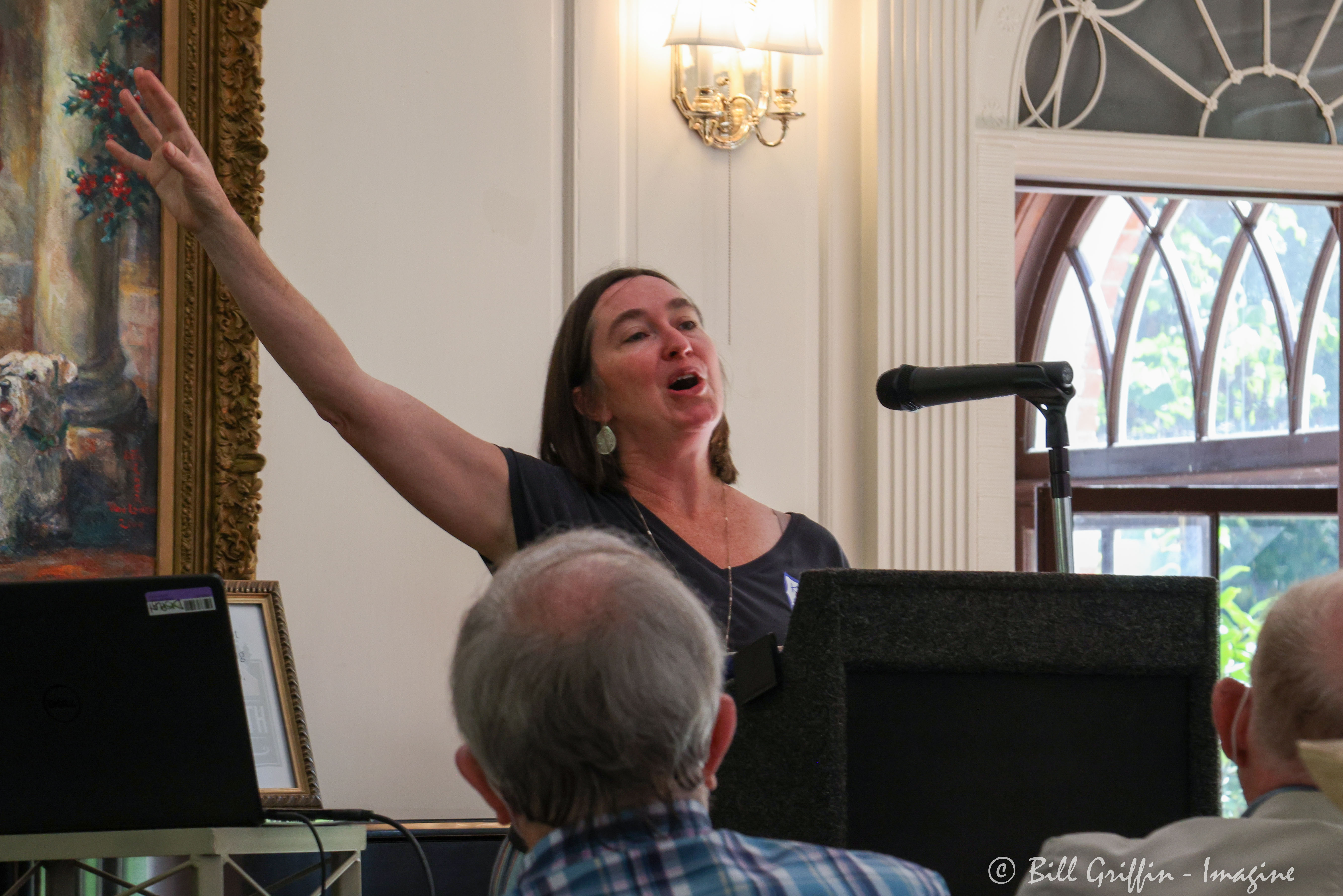
NCPS gathered to celebrate its 90th anniversary on September 17 at Weymouth Center for the Arts & Humanities, Southern Pines, NC – the first meeting in person in two and a half years. We look back and we look forward. We pay tribute to those who have taught and inspired us, and we open ourselves to the newest voices among us. We listen to the words of poets who dedicated their lives to building the power of literature in North and South Carolina: Joseph Bathanti reading Kathryn Stipling Byer, Shelby Stephenson reading Marty Silverthorne, David Radavich reading Susan Laughter Meyers. And we listen to the words of today’s poets reading the poems of now.
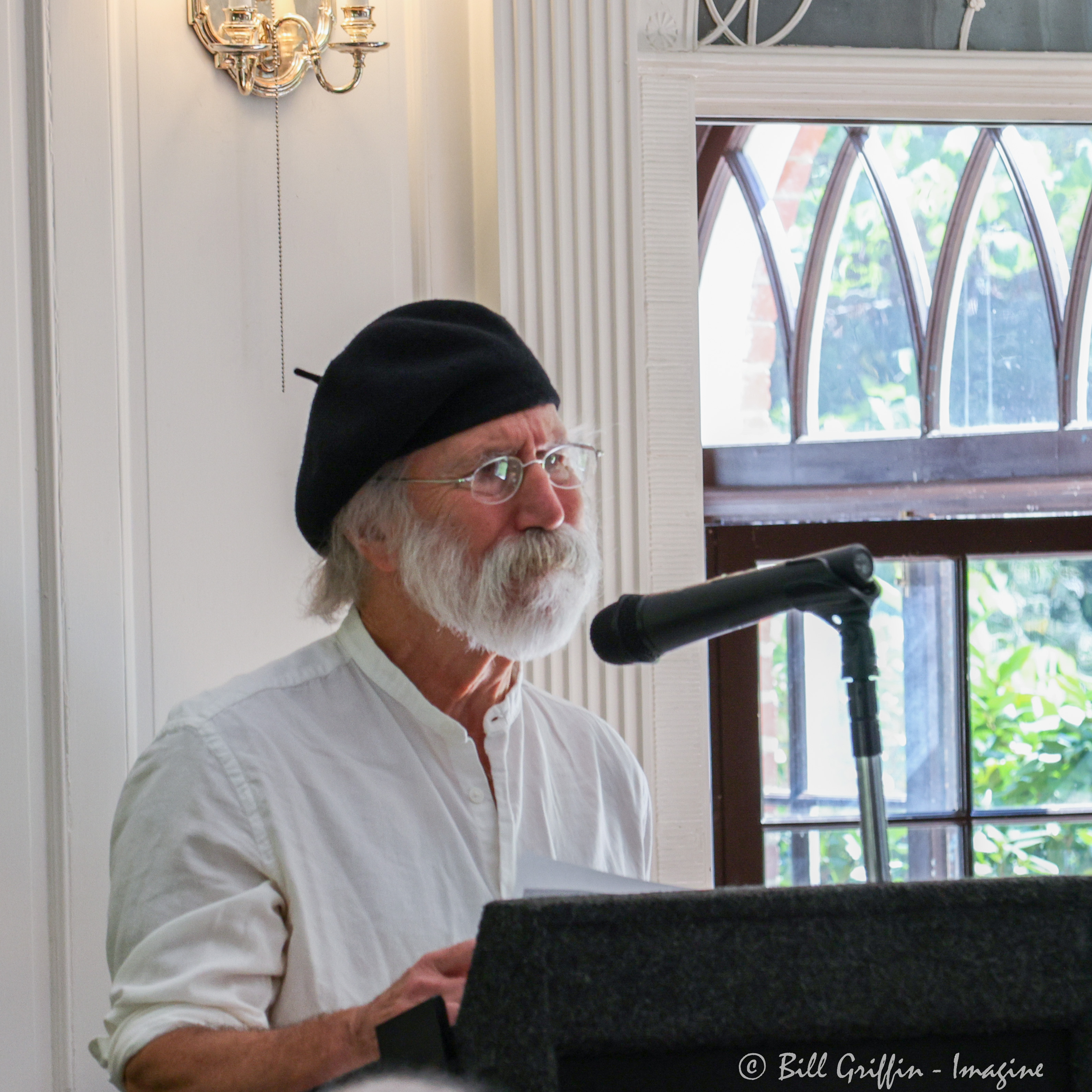
The Brockman-Campbell Book Award is the most prestigious honor bestowed by NCPS, awarded annually for the best book of poetry published by a North Carolina poet in the preceding year. Past winners have included Fred Chappell, AR Ammons, Betty Adcock, and Robert Morgan, among many others. The 2022 winner is Kimberly O’Connor for her book White Lung. Finalists are Anything That Happens by Cheryl Wilder and Any Dumb Animal by AE Hines.

❦ ❦ ❦

The History of My Silence
Hendersonville, North Carolina, 1961

white people sit in the front my great-grandmother
says my mother is angry
she wants to sit in the back

my mother is six years old
her first time on a bus
she wants to sit in the back

why? she stamps her foot

my great-grandmother does not answer the rest of the world
the boycotts the marches the fire
hoses let loose on children burning
crosses any of it does not
exist for them

they sit in the front like good white
women I think that

their silence their
compliance
has flowed into me
a river I have to swim
even as the water turns to flame.

Kimberly O’Connor
from White Lung (Saturnalia Books, Ardmore PA, © 2021)
Kim is a North Carolina native who lives in Golden, Colorado. She received an MFA from the University of Maryland and has taught creative writing and literature in middle school, high school, and college classrooms in Colorado, Maryland, West virginia, and North Carolina.

❦ ❦ ❦

Naturalization

We’d been lucky. I’d made it out of Guatemala
alone with the baby, and the baby still alive.
I hadn’t let him crawl out a hotel window.
I hadn’t let him swallow a button from my sleeve.
Managed to feed him and change him
and carry him in taxis and embassies, through
markets and airports, beneath the electric barbwire
of US Immigration. In Houston, I watched
badged women and men berate
brown men in shackles while they sat
tethered to stiff chairs beside us. Most stared
at their shoes. I am embarrassed to admit
I did nothing. Said nothing. Didn’t catch a man’s
tired eye and offer him even a nod, my feeble Spanish.
Instead, I just called my little son’s name over
and over, and bounced him on my lap.
Then we were ushered back into the land
I’d promised him. Bound together by law,
and off to our next gate without a glance back
at the men on their way to whatever place
they no longer called home.

AE Hines
from Any Dumb Animal (Mainstreet Rag Publishing, Charlotte NC, © 2021)

Earl grew up in rural North Carolina and currently resides in Portland, Oregon where he is pursuing his MFA from Pacific University. He is winner of the Red Wheelbarrow Prize and a finalist for the Montreal International Poetry Prize.

❦ ❦ ❦

Bailed Out

The house stirs with my stirring.
I am the elephant, the devil’s minion.
Secure in my arms a woven afghan

blue and darker blue. I run
fingers through holes and open
like a wish bone but cannot pull

them apart. A wish not wished
establishes habit, like sleep-dancing
or tangling the vacuum cord around my wrist

to make love. I am two people now—
the before and the after; one I’ve already forgotten
the other I have not met. I hear voices whisper

what if—a crossroad so difficult to leave
I build a roadside bench. At some point
I will rise from this bed, speak though I only hear

his curdled breath, allow my first taste of bone
in the broth I can smell, but no one will notice
my stained hands, the bloody prints on the wall.

Cheryl Wilder
from Anything That Happens (A Tom Lombardo Poetry Selection, Press 53, Winston-Salem NC, © 2021.)

Cheryl lives near the Haw River in North Carolina, where she gives talks and workshops on art and writing, serves as president of the Burlington Writers Club, and owns a small web development company. She is co-founder and editor of Waterwheel Review.

❦ ❦ ❦

The Susan Laughter Meyers Fellowship in Poetry was established in 2017 in memory of former president of both the North Carolina and South Carolina Poetry Societies, Susan Meyers. The annual merit-based fellowship for one North Carolina or South Carolina poet requires submission of five poems with blind judging by a three-judge panel. It is co-sponsored by NCPS and the Weymouth Center for the Arts and Humanities, and includes a one-week residency at Weymouth Center plus an honorarium. The 2022 Fellowship recipient is Yvette R. Murray.

Poem In Which Words

don’t deserve this.
They have been around a long time; served us well.
Why then do we use them like poisoned blue darts?
Words have been so kind as to adapt.
They want to stay relevant too.
But we spit them into red plastic cups like
‘bacca juice and leave them on the side of the road.
They never harmed us,

Yet we turn them ugly side out,
Pit them against each other,
Use our fangs to inject venom.

The poor words can’t be unheard,
the ring after of their scent,
makes folk mad.

I hope they don’t cry,
I hope they don’t die by suicide,
I hope they don’t vanish within.

Then we will never again find the words.
They might like that though.
Scrubbed clean with different color hair
They can hold hands,
stroll the streets,
carry their shopping bags,
or look for a bistro
in peace.

Yvette R. Murray
from a gathering together literary journal, Spring 2021

Yvette is a Gullah poet from Charleston, SC. She writes because she has to. The words bump around in her head and give her headaches. Just kidding! For Yvette, Poetry is the most beautiful event space on the planet.

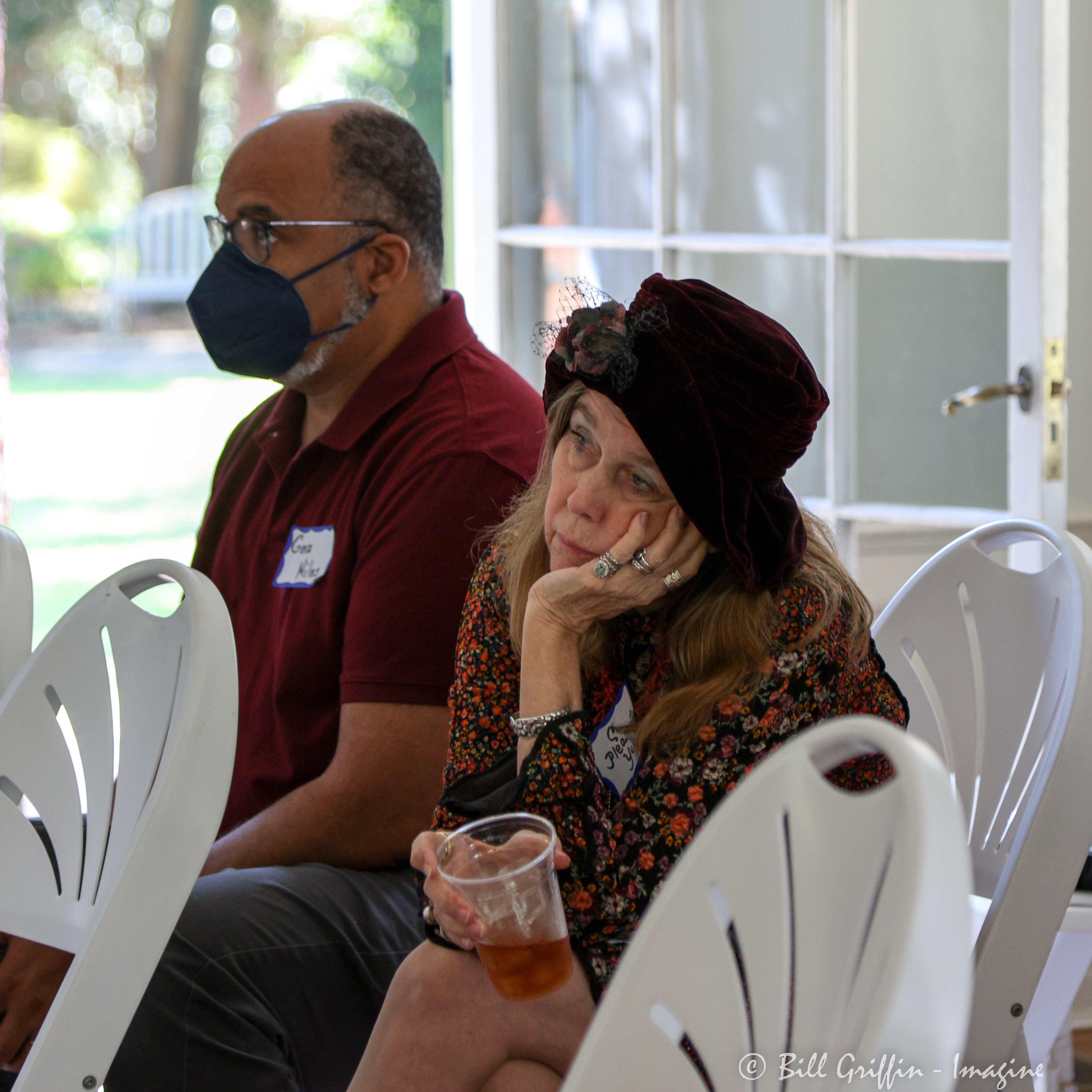
THANK YOU to so many who made this North Carolina Poetry Society 90th Anniversary gathering not only possible but truly worthy of the banner, Infusing Ceremony with Celebration: Poetry with Light, Soul, and Sound: Lynda Rush-Myers, for a year of planning and countless hours of preparation and presentation; Celestine Davis, ever-present ever-encouraging ever keeping the wheels on the bus; Regina Garcia, heart and soul and thrilling Tribute introductions, and Romeo Garcia making sure we all got lunch; the entire NCPS Board of Directors, setting up, hanging signs, welcoming and greeting, picking up the trash; and special thanks to the staff of Weymouth Center and Executive Director Katie Wyatt, we/you couldn’t do it without you/us.

NEXT WEEK: NCPS 90th Anniversary celebrations continue with the Lena Shull Manuscript Prize: poems by winner Ana Pugatch, finalists David Poston and Maureen Sherbondy, and workshop presenter Joan Leotta

❦ ❦ ❦

Portions adapted from The North Carolina Poetry Society: Part 5 – 2012-2022, Ninety Years of Creativity, Challenge, and Change; compiled and composed by Bill Griffin with special collaborator David Radavich; © 2022 The North Carolina Poetry Society.

Why We Are “The Writingest State”; Southern, Ed. North Carolina Literary Review; Greenville NC, Nr. 25 (2016): 92-99.
 

Read Full Post »

[with 4 poems by John Hoppenthaler]

When Saul turned 9, his Mom passed down her old tablet to him. No phone, internet disabled; he didn’t use it to learn higher math or play games. What Saul did with that cracked and creaky tablet was create videos. He wrote, produced, and narrated a whole series titled, “Animal Habitat.” First were the off-center and slightly zany documentaries of the daily lives of the family pets. Then he moved on to both parents, then toddler sister (not an entirely complimentary biopic of the latter). The search for ever more subjects led him to, uh oh, grandparents.

“Welcome to Animal Habitat. Today we explore a very strange creature, The Granny. Here she is in her native surroundings doing what she loves to do most – tear up old National Geographics. Why does she do this every afternoon? That is just one of the mysteries of Animal Habitat.”

Yes, Linda does tear up old National Geographic magazines. We had close to fifty years of accumulated piles – beginning with the oldest, she’s been ripping out articles she wants to keep, reread, and refer to before recycling the discards. She sorts the articles by topic and stores them in clear plastic sheaths (leftovers from my comic book collection). We’ve been learning a lot. I believe she’s made it to August, 2010.

Tearing up National Geographics – the perfect metaphor for our long marriage. You can’t hang on to all your old garbage; sometimes the big heave ho is mandatory. Some of that stuff is mildewed, nasty, blacks your fingers. Nevertheless, there are definitely some pearls in there worth recovering and holding up to the light. Better yet, you might learn something new. In fact, there’s a new issue every month – you’d better always be open to learning something new.

One more thing – when Linda does discover anything cool, she shares it with me.

John Hoppenthaler discovers metaphors in the garden: metaphors for the prickly beauty of love, for weeds of rejection and disappointment, for childhood and parenthood, for loss and luminous joy. John’s 2015 collection, domestic garden (Carnegie Mellon University Press), is one I won’t be tearing up or consigning to a plastic envelope. I’ll keep it on a shelf nearby, ready for when I need to learn something new.

❦ ❦ ❦

domestic garden

A ghost has disarranged these roses
+++ lining the walkway. Some greenhouse
++++++ jokester must have switched

Jackson & Perkins packaging – Heaven
+++ on Earth for Change of Heart, Black

Magic with Beloved. I’ll name them
+++ rancor lilies in your absence, though
++++++ I don’t hate you, & they’re not lilies,

& you aren’t really gone, except in the way
+++ presence sometimes contradicts itself.

Should they grow on me – fugitive varietals
+++ I never thought to plant – will they lure
++++++ your bouquet any closer, spirit

away weeks I’ll name neglect, aphids
+++ who’ll stay aphids, sucking at the stalk?

John Hoppenthaler
from domestic garden, Carnegie Mellon University Press, 2015

❦ ❦ ❦

passing

I’ve just received a text that says a buddy
died last night but that doctors brought him back
to us with a shot, and so my friend is a Lazarus.

I’m in a boathouse owned by another old pal;
he is traveling for work somewhere abroad.

Mallards have lifted from the vernal pond,
and thousands of frogs are singing
because it’s raining. I wish Bill ws here so we could

talk about our friend who has gone and returned.
Crows call to each other across the lake. Same old

story: there’s danger and it surrounds us. And now
the blue heron I’d failed to notice pulls his legs
free of mud and flies away. A small falcon skims

the shoreline. When he was raised, was Lazarus pleased?
I wonder how he lived the rest of his unforeseen days.

Were his preparations any different than they’d been before?
It’s early March, and Easter will be here soon. Jesus, too,
realized how permeable the membrane is that keeps us

this side of death, and that the dead can come back
if they’re summoned. The ducks, the hawk and the heron

have passed on through to somewhere else,
but the joyful frogs remain crazy
with song. A hunter’s gunshots punctuate the distance,

a single crow lands in the crook of a tree, and it seems
as though the blessed rain has nearly stopped for now.

John Hoppenthaler
from domestic garden, Carnegie Mellon University Press, 2015

❦ ❦ ❦

John Hoppenthaler is Professor of English at East Carolina University in Greenville, NC. For ten years, he served as Editor for A Poetry Congeries online journal, and he currently serves on the Advisory Board for Backbone Press, specializing in the publication and promotion of marginalized voices. domestic garden won the North Carolina Poetry Society’s Brockman-Campbell Award for the best book of poems by a North Carolinian in 2015.

❦ ❦ ❦

what we find when we’re not looking

++++++ I was hiking the quiet ridge of pines
beyond Lake Kathleen. it felt so like a church then
++++++++++++++++++++++++++++++ that I knelt.

++++++ When I stood again, when I was able,
I found a woman’s Timex strapped around a limb,
++++++++++++++++++++++++++++++ thick as your wrist.

++++++ She’d been pacing – that much I could see –
and kept stopping at the watch’s face. Was time moving
++++++++++++++++++++++++++++++ slowly or quickly?

++++++ Late sun rolled from the valley. Rain
would surely come. No one – I called out once but no one.
++++++++++++++++++++++++++++++ She looked over

++++++ nearly a dozen cabins, the bed and breakfast.
She could see the vacant day camp, the eagle’s nest. Things
++++++++++++++++++++++++++++++ were about to end,

++++++ and soon it would begin. It felt so like a church then
that she knelt, stood up, took off her watch and strapped it around
++++++++++++++++++++++++++++++ the branch. She

++++++ meant to free herself from time. It couldn’t last.
She lost her definition; time defines us. She was hiking
++++++++++++++++++++++++++++++ and lost her watch.

John Hoppenthaler
from domestic garden, Carnegie Mellon University Press, 2015

❦ ❦ ❦

the way to a man’s heart
+++for Christy

To sautéed garlic and onions I add
pureed plum tomatoes, a great splash
of good, red wine. Never cook with
wine you wouldn’t drink, someone
offered, and we agree. I pour a glass.
Later, I’ll add coarsely chopped basil
from the herb garden, sea salt, maybe
a pinch of sugar, and always the drizzle
of extra virgin.
++++++++++++ But now, as you see,
this extended metaphor is dissolving,
so I’m left with Pinot Noir and the glass,
fresh basil sprigs which remind me of you
And now there’s musing on the oil’s earthy flavor,
and not this aching hunger, and who is it
who says poetry makes nothing happen?

John Hoppenthaler
from domestic garden, Carnegie Mellon University Press, 2015

❦ ❦ ❦

Read Full Post »


[with 3 poems from PINESONG]

Do you see me . . . writing you back into the world?
+++++++++++++++++++ Maria Rouphail

What is reality? Perhaps it does require ten dimensions to explain quantum phenomena but we sentient creatures are stuck with four, all we are able to feel. That’s as real as we can get. And with entropy dictating the direction of time’s arrow, it’s a one-way street.

But what about dreams? What about memory? The one is all hallucinatory confabulation, jetsam from the brain’s real work of making sense. The other – random imprint of synapses in hippocampus, little tangles and sparks of wishfulness, wholly unreliable. Then why do dreams open doors into worlds we are absolutely compelled to explore? Why are memories so deeply, viscerally, demandingly real?

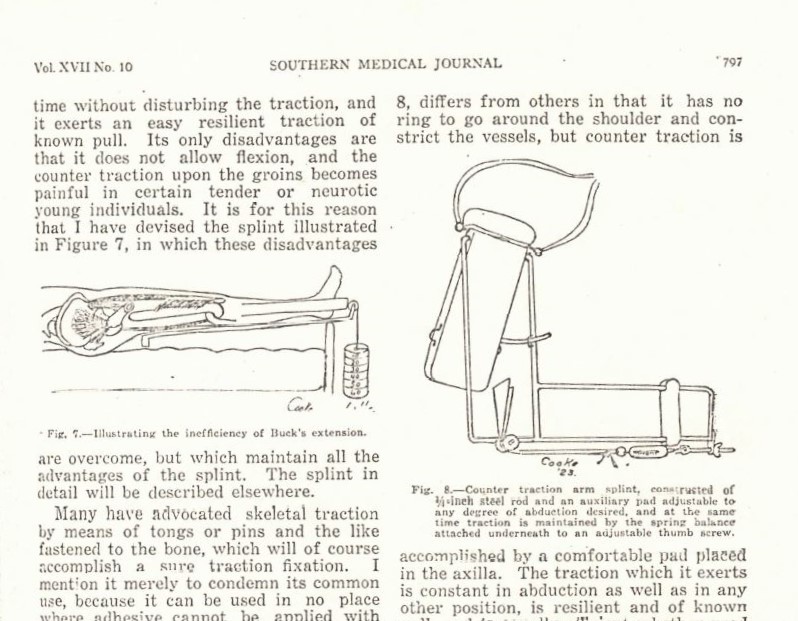
My Grandpop Cooke died when I was five. We lived states apart; I spent only a few weeks with him each year. Most of my memories are stories told about him later – his eclectic brilliance, his inventions and patents, his ferocious calling as physician and surgeon. In most of the photos from our few shared years he is behind the camera composing, the rest of us the subject, the scene. Mostly I sense him in the recalled scent of his workshop, oil & sawdust, or in the heft of the books he left. I never hear his voice.

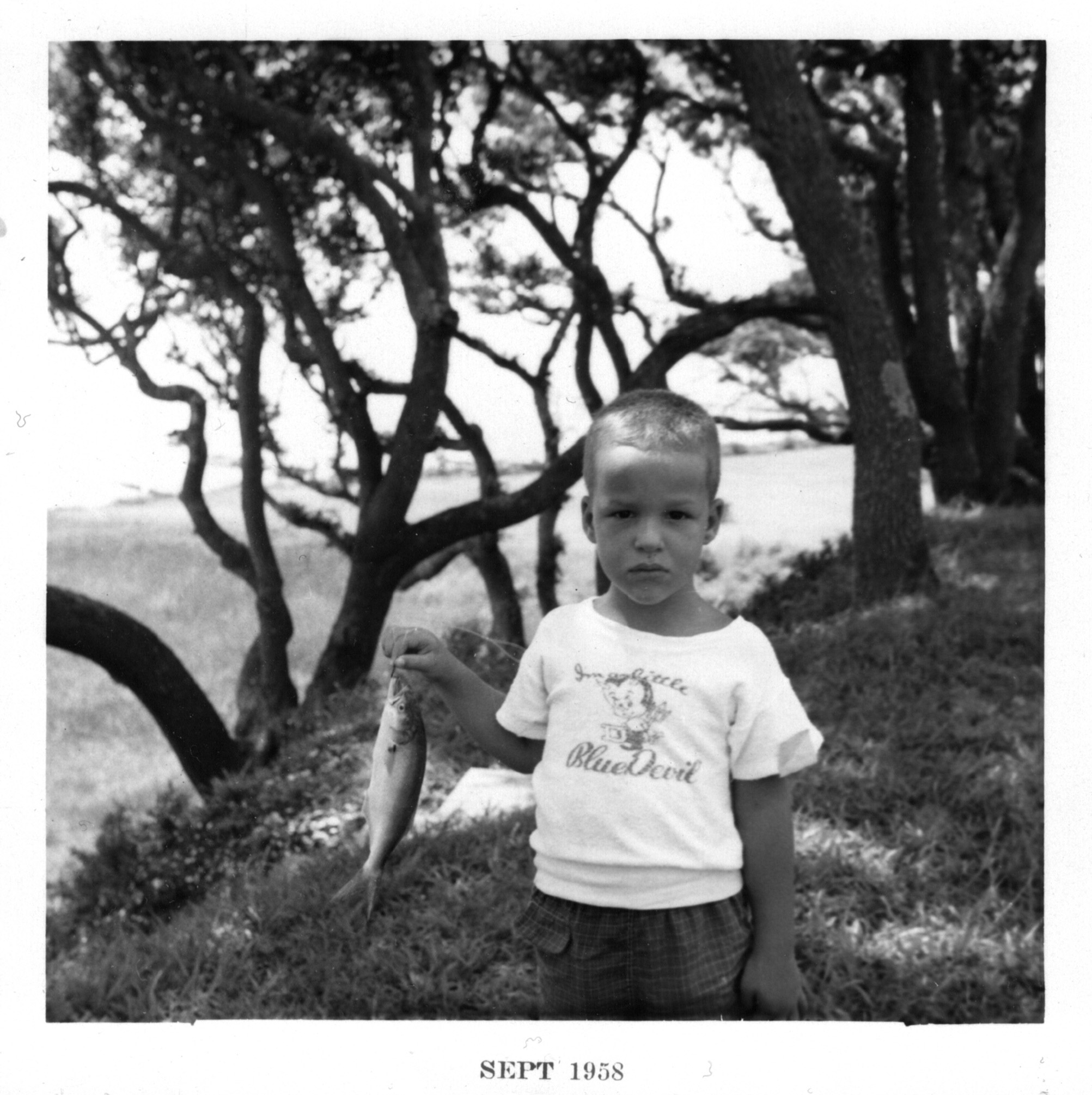
But in these two memories Grandpop is real to me. We’re standing on the bluff above Bogue Sound while he tosses corn to his mallards, wordless memory, me the child allowed to reach his hand into the pan of grain. He is kneeling, my 4-year old hand in his while he outlines the little bones in those fingers and teaches me, “Phalanges, Metacarpals.”

I tell you these stories. I write them down. Time holds its breath, reverses its flow. I bring Grandpop back into the world.

❦ ❦ ❦

After “After Years” by Ted Kooser

At once when you walked by,
I noticed something on your face that I
hadn’t seen in a long time.
You, smiling into your phone,
stepping over a dead rat on the street vent,
were a revelation.
Around us, the collapsed a skyscraper into the ground
and, as you rushed past without realizing,
a breeze blew a lamppost into a hurricane.
For this instant of infinity,
God must have a heart to
let me see you among the mills of people
coming and going, back and forth
between the drone of city life and the thrill of living at all.

As I lose you to the background,
the weightlessness of your memory bombards me.
How quietly did you leave to ensure
I wouldn’t notice your absence?
Where did you possibly go if not
further into the pile of things I swore to forget?

We are all bound by finality.
To stop living in circles, you take flight
and I watch the world wear away my stubborn grief
until I forget why I ever had to grieve at all.

Claire Wang
PINESONG, Sherry Pruitt Award, Third Place
11th Grade, Marvin Ridge High School, Waxhaw, NC
Teacher: Bobbi Jo Wisocki

❦ ❦ ❦

Today’s three poems are from PINESONG, the annual anthology of the North Carolina Poetry Society. Ten adult contests, four for students; winners and honorable mentions. Judges from all over the country, diversity of poets as well – no two year’s collections are similar. Some of these names will go on to glean literary honors; many already have.

You can buy a copy (or if you are a NCPS member request a copy gratis) by contacting me and I will forward your request to the appropriate address: comments@griffinpoetry.com

❦ ❦ ❦

The Waters

A naiad swims to the bottom of the ocean
feels the great press of all that water,
the suffocating embrace of the dark.
At these depths, she wonders, does the giant squid
feel a need, like childbirth, to release her ink?
She lays her hand on the throat of beginnings;
and Earth takes a tremendous breath,
blows out bubbles, bubbles, bubbles –
multitudes that almost shine like light.

A woman sinks to the nadir of life,
where every single thing is hard.
Not just difficult – that’s brushing hair,
teeth; saying the right thing;
avoiding saying the wrong;
awakening before the sun sits atop a vast blue.
Truly hard:
the corners of counters, cement floor,
the slam of a door. Glass breaks
behind her eyes every single day,
glittering, blinding, refracting,
reflecting failure, filling her mind’s eye
with shard of adamantine static.

A girl swims the abyss of her nightmare.
Hears a voice – maybe her mother’s – but garbled,
muted the way a fetus hears in the womb.
It is hard to breathe.
Treading the water of sleep, fear and desire
swirl in the dark below her. Shy bumps the land,
the bed, the sheets twine her legs like kelp.
Consciousness slips around her, a gleaming eel
she finally lays hands on. Here is morning,
bright and smooth as a clam’s mantle.

Alison Toney
PINESONG, Thomas H. McDill Award, Honorable Mention

❦ ❦ ❦

Abuela

In the dream,
my dead father speaks the same words
as when he was in the flesh.
Leaning into my ear, he says
Imaginate, hija –
the nuns at the convent school
taught your grandmother to write –
My lips part again,
as when he told me the first time
about the black-eyed girl
with a birth and death date no one remembered,
who saw visions and wrote them down.
That was before she became the too-young mother
abandoned by her impatient man
who refused the burden of a tubercular wife
and their two baby boys – Poemas,
my orphaned father said.
I turn to face him,
as though he were
the door to a vast room.
But then I wake,
and breath streams out of my body like a tide – ¡Abuela, abuelita!
Do you know that I see you, the poet at her desk?
Do you see me at mine, writing you back into the world?

Maria Rouphail
PINESONG, Thomas H. McDill Award, Second Place

Maria also won the 2022 Poet Laureate Award from the NC Poetry Society for her poem, Two Variations on a Theme of a Tenement (as Viewed from the Window of a Moving Train) With a Song Interposed.


❦ ❦ ❦

❦ ❦ ❦

Read Full Post »

« Newer Posts - Older Posts »