Feeds:
Posts
Comments

Posts Tagged ‘nature poetry’

[poems from I Thought I Heard a Cardinal Sing]

Last week our sister Jill sent us photos from her recent camping trip in the Allegheny National Forest, a favorite spot called Kelly Pines. Big trees, moss & ferns, campfire, nylon tent – nothing lacking. There were also a few shots taken by our niece April – Jill hiking a trail between massive trunks, Hobbit Jill looking up into the giants. Jill’s comment – “Truly a magical seeming place . . .”

Gentle sun-dappled trail; open understory beneath a high canopy; mature second- (or third- or fourth- ) growth pines – a beautiful woodland setting . . . but magic? If I were to visit this spot for the first time would I discover more magic here than any other moderately impacted wood lot in the Appalachians, from Pennsylvania to northern Georgia? Ignore magic incantations and transmutations, ignore any lapses in the laws of physics, even so magic must create something around and within us that we don’t experience without magic.

But Kelly Pines (which, as a member of Linda’s family for over 50 years, I too refer to as Kelly’s Pines) does create magic. This little patch of forest, stream, rocky incline has been accruing magic since before these seven siblings were born. It’s the magic of shared stories – big Mama Bear crossing the trail just minutes after Linda had been walking there alone. It’s the magic of special visits – Linda and I camped at Kelly’s Pines for our honeymoon. Definitely the magic of roots – a bit of Linda’s Mom’s and Dad’s ashes are sprinkled there. And greatest of all is the magic of memories – those family camping expeditions have provided every sibling with their own recollections, carefully preserved treasures they dust off and pass around whenever any of the seven get together.

We make our magic. Our memories create magic. Sister Becky sums it up perfectly when she sees the photos: “It creates a great longing to be there with my loved ones.” Such magic!

Linda and I regularly hike a number of local trails where, when we listen, we hear the fey whispers of magic. Some are old trails with deep roots – we’ve visited Doughton Park on the Blue Ridge Parkway since the kids could walk. Some are newer, their magic bright and sprite and still emerging – the Grassy Creek “forest bathing” spur of the Mountains-to-Sea Trail, where our grandson worked beside me to scrape a first pathway into the riparian gloom.

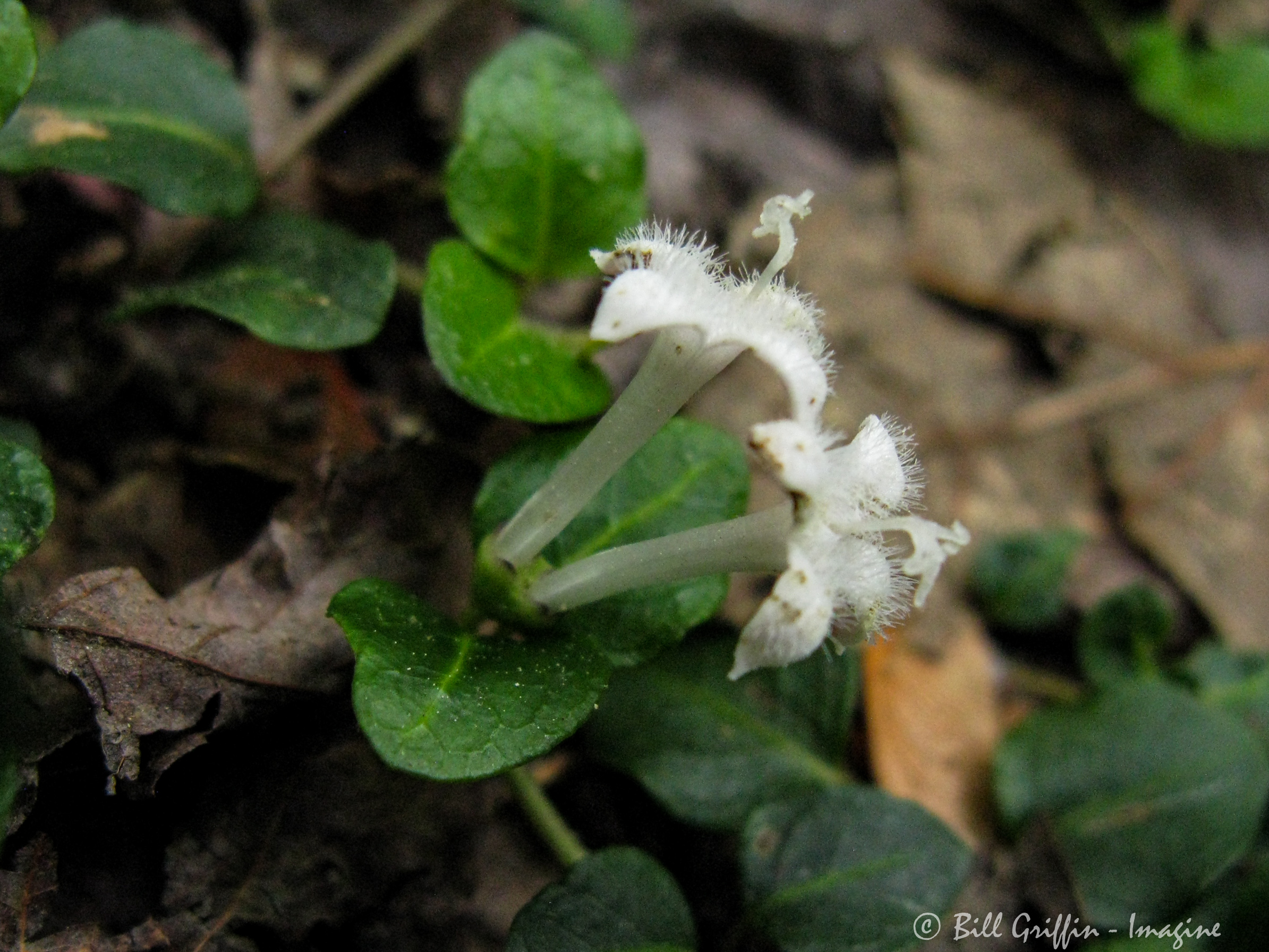
Every week, in every season and weather, we discover the healing magic these footpaths through forest desire to share with anyone who’ll visit. Some magic is tangible: today the tiny Adam and Eve orchids are just opening, and to appreciate them I have to kneel with my nose in the leaf mould. Some magic is inchoate: the breeze on our necks, how it stirs ferns in the glade, the color of light ferns hold and release when we pause from all motion and let the woods overtake us.

When we return from these walks it isn’t the sweat and tired old muscles we remember. The magic of memory creates connection, shared presence, becoming one. Yes, Jill, that is a magical place. Oh yes, the trees, the mountains, but what really brings each place’s magic into being is what we share there together.

Fern Glade above Grassy Creek, MST

❦ ❦ ❦

Girl in the Woods

Before the earth became her bed, she raked away
+++++ the rubble and rocks, scraped the soil smooth.

There are no candy men here, no dope peddlers,
+++++ no pill pushers, no one to hand out 40s and 80s –

those perfect stones with their false promise to cut her
+++++ pain with their fuzz and blur – the way they do

at her apartment in the projects, a home more makeshift
+++++ than her nylon tent with its walls stretched taut,

its strings staked between oak roots. In this quiet,
+++++ she sketches her children’s faces with charcoal,

applying skills she’s learning in community college
+++++ art classes. She outlines their curved cheeks,

their almond-shaped eyes, uses long, sweeping strokes
+++++ for her daughter’s hair, a softer mark for the scar

on her son’s chin. Dark comes early beneath the trees.
+++++ Without the luxury of electric light, she’s learning

how to smudge charcoal, how to block in the mid-tones,
+++++ by battery-powered lantern – a small sacrifice

for this shelter of trees when she most misses her kids,
+++++ when her brain won’t stop buzzing.

Denton Loving
from I Thought I Heard a Cardinal Sing: Ohio’s Appalachian Voices, edited by Kari Gunter-Seymour; Sheila-Na-Gig Editions, © 2022

❦ ❦ ❦

Southern Ohio, pronounced “Ohia” if you’re from there, is Appalachia. Forget Cleveland and Toledo and their Lake Erie, forget Columbus and its gateway to the great plains. Think Athens, Portsmouth, Logan, Hocking Hills. Nearly one fourth of the area of Ohio is hills, glacial carvings, forest, and streams flowing down to the Big River that borders West Virginia and Kentucky. These poems are from the new anthology, I Thought I Heard a Cardinal Sing: Ohio’s Appalachian Voices, poetry called forth and collected by current Ohio state poet laureate, Kari Gunter-Seymour.

These voices are remarkable. Inspiring. Dire. Funny as hell. Every day I pick up the book and just leaf to a new page at random, and every poem speaks to me. It’s not just because I have family in those hills and know the smells and sounds of those back roads and farms, the funkiness of those river towns, the long lightless days of winter, the disappointment of “Ohio false spring.” It’s because these poems are honest and human and speak to anyone who has ever looked to discover another person standing beside them. Join me, open the book, let’s see where it takes us! Let’s us be part of the community, bigger and bigger.

You’n’s, us’n’s, all of us together.

❦ ❦ ❦

Some Kind of Prayer

What can I tell you that you do not already know?
Listen to the grass, its long legs whistling as it swishes.
Touch the brush of cattails, the brittle wings of pine cones,
the dry skin of chokeberries – feel
their burst. Taste rain. Say you’re sorry

not for what you did but for how you doubted
yourself for so long. This life is filled
with a million cocoons and you can choose
how long, which one, or none.

Sleep is so close. Run now, run.

Shuly Xóchitl Cawood
from I Thought I Heard a Cardinal Sing: Ohio’s Appalachian Voices, edited by Kari Gunter-Seymour; Sheila-Na-Gig Editions, © 2022

❦ ❦ ❦

To No One in Particular

I am never happy to see summer go,
earth stripped of its finest voice.
I am sitting outside in my heavy coat,
porch light off. There is no moon,
no ambient distractions, the sky a Zion.

I take solace in considering the age
of this valley, the way water
left its mark on Appalachia,
long before Peabody sunk a shaft,
Chevron augured the shale or ODOT
dynamited roadways through steep rock.

I grew up in a house where canned
fruit cocktail was considered a treat.
My sister and I fought over who got
to eat the fake cherries, standouts in the can,
though tasting exactly like very other
tired piece of fruit floating in the heavy syrup.

But it was store-bought, like city folks
and we were too gullible to understand
the corruption in the concept, our mother’s
home-canned harvest superior in every way.
I cringe when I think of how we shamed her.

So much here depends upon
a green corn stalk, a patched barn roof,
weather, the Lord, community.
We’ve rarely been offered a hand
that didn’t destroy.

Inside the house the lightbulb comes on
when the refrigerator door is opened.
My husband rummages a snack,
plops beside me on the porch to wolf it down,

turns, plants a kiss, leans back in his chair,
says to no one in particular,
A person could spend a lifetime
under a sky such as this.

Kari Gunter-Seymour
from I Thought I Heard a Cardinal Sing: Ohio’s Appalachian Voices, edited by Kari Gunter-Seymour; Sheila-Na-Gig Editions, © 2022

❦ ❦ ❦

Linda and Bill at Kelly’s Pines, 1974

❦ ❦ ❦

Read Full Post »

[with poems from Tar River Poetry]

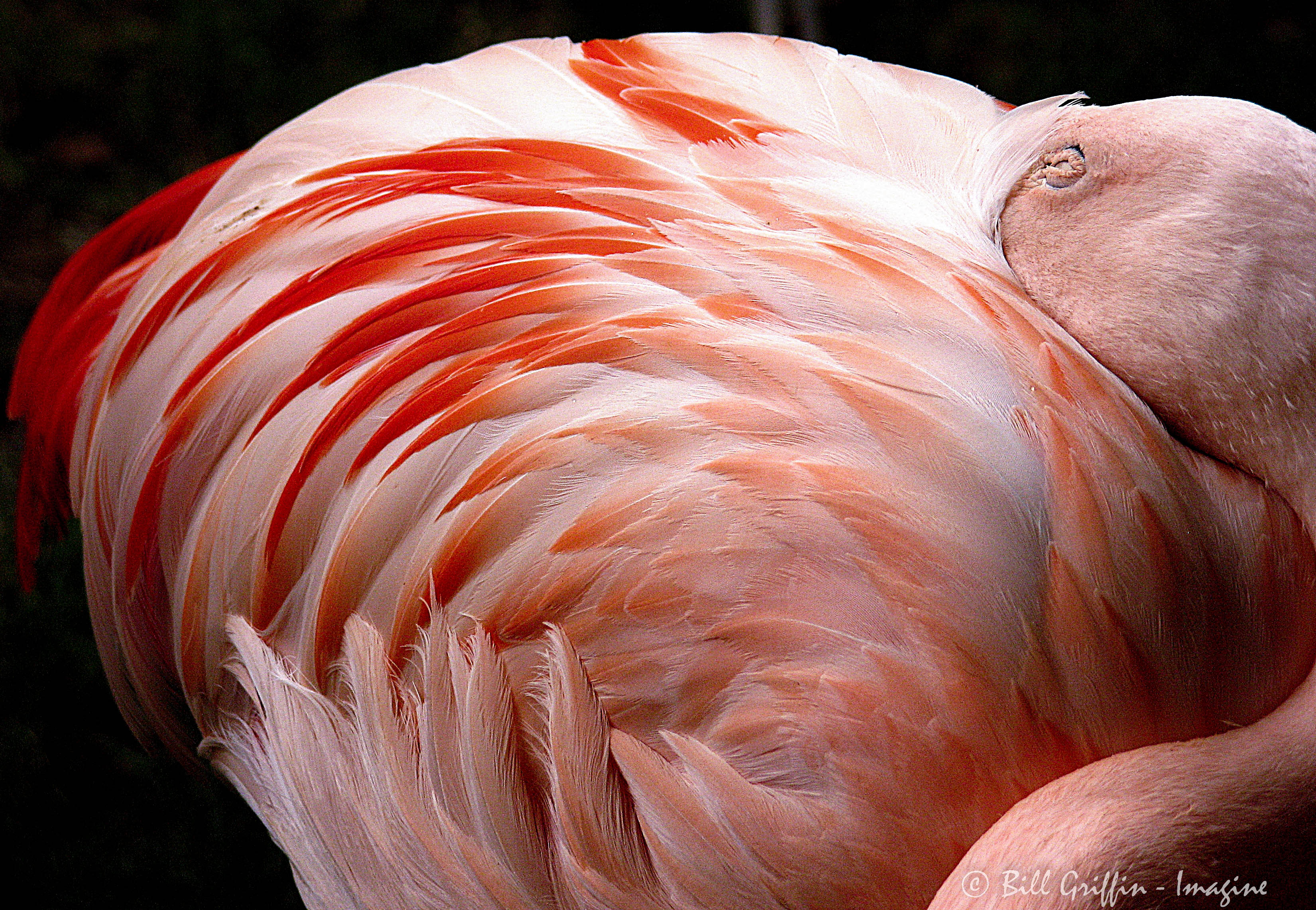
Neon yellow, fluorescent orange, that’s a lingo we can understand: road work ahead; survey crew; litter pick-up. Why on earth, though, did Robert Price dress all his lawn & landscape guys in this eye-popping pink, his name in big bold black across the back? So no one would want to steal their shirts? So we’d be sure to notice?

Oh, and we do notice. Our three-year old adores the stilt-legged birds in her favorite color, one last night on her little jammies, a sudden mob of them last weekend in the neighbor’s yard turning 50. Now she startles as we drive past them with their zero-turn radius mowers and tyrannosauric leaf blowers – recognition, yes! Excitement! From her car seat she points and announces . . . !

❦ ❦ ❦

If You Could

Would you unstitch the world,
pick it apart until you held in your cupped hands
a burning heap of atoms that glowed
like the last stars fading
into the sun? Say if you believe
the plants are doing God’s work
when they insinuate themselves
into foundation cracks and chips
in ancient stone walls, when
they tease apart the edges of brick,
begin crumbling concrete back to sand.

Tell me, if you believe
you could have done better,
what you would have omitted
when you spit into that handful
of dark earth and stardust
and worked it in your palm
to make a mannikin, when you breathed
your sweet breath with its scents
of rainwater and crushed clover
into its lips, when you watched it rise
and strut around the world, eyeing its riches
like a hungry dog eyes meat. What
would you have done to make it
less arrogant, less dangerous –
or could you? Would you have simply
smashed it, declared the world
complete?

Rebecca Baggett
from Tar River Poetry, Volume 61 Number 2, Spring 2022; © 2022 Tar River Poetry

insect


❦ ❦ ❦

Why am I featuring Tar River Poetry in the same post as Falingos / Flamingos? Is this twice-a-year journal as arresting as a yard full of men in pink, as much fun as a yard full of plastic birds? Is it because when each new issue arrives in the post I exclaim from my car seat and want to point it out to the world? Is it that the words it contains and the way they’re arranged are so deliciously novel, so eye-popping, such exotic new sensations on the tongue?

All of the above and none of the above. Who knows why, as I was sitting on the porch reading TRP as I have most every issue for a bunch of years now, I suddenly remembered that story of our granddaughter at 3? Who knows why bits of hippocampus are jangled and what bits of limbic system will be spangled when one reads a poem that jumps up and shivers? All I know is the poems of TRP are always so various, so beguiling, so full of and stimulating to imagination that I always want to read them all.

Oh, and maybe I’ve been wanting to share that Falingo story for a good while now.

❦ ❦ ❦

The Rope

Today a junco –
And yesterday, I think, some kind of sparrow.

Their lives flown on
Without them, they now lie still. Were these two drawn

By what they saw
As a threat in the glass they didn’t see? Claws

Raised for a foe
That wasn’t there, they pierced the air that froze

And knocked them out
Of this world. Seeing such things, it’s hard to doubt

A flight can end
In the middle of its arc. We like to pretend

The path is clear
Straight to the goal. We think music we hear

Means all is well,
So we ignore it. But the inverted well

Of a bell is full
Of nothing, most hours: silence. Someone must pull

Its rope to knock
Its music loose. Had these two birds been hawks,

I want to insist
I’d have watched. But is this true? I barely noticed

Their flights and songs.
I only write them down now that they’re gone.

Michael Spence
from Tar River Poetry, Volume 61 Number 2, Spring 2022; © 2022 Tar River Poetry

❦ ❦ ❦

Rebecca Baggett is the winner of the 2020 Terry J. Cox poetry award from Regal House Publishing; her collection The Woman Who Lives Without Money was published in March 2022.

Michael Spence was awarded the New Criterion Poetry Prize for his collection Umbilical.

Pam Baggett was awarded the 2019-2020 Fellowship in Literature from the NC Arts Council; her book Wild Horses (2018) is from Main Street Rag Publishing.

Tar River Poetry: Editor – Luke Whisnant; Founding Editor and Editor Emeritus – Peter Makuck; Associate Editor – Carolyn Elkins; Advisory Editor – Melinda Thomson; Assistant Editor – Caroline Puerto; Contributing Editors – Phoebe Davidson, Elizabeth Dodd, Brendan Galvin, Susan Elizabeth Howe, James Kirkland, Richard Simpson, Tom Simpson. East Carolina University, Greenville NC.

❦ ❦ ❦

The Losses to Come

A mild April day, the smell of death
leads me past half-grown oaks to pond’s edge,
where I find a snapping turtle,
big as a hay bale, flipped on its back,
startle a vulture that lifts away, leaving holes
where the turtle’s head and feet belong.
Nothing that stalks these woods strong enough
to capsize a creature whose slashing tail,
snapping jaw held such fury. Then I spot
the pond’s dam, short but steep,
pond shrunk by drought so the turtle
tumbled down it onto dry ground.

The horror hits like a hard fall –
I walked this path every day
as the snapper paddled its stubby legs
in mid-air, sank into stillness.

++++++++++++ ~

Early November, leaves sifting down,
I see the shell in the woods a hundred feet
from where I first found it. Bleached
beige, a dishpan, nowhere near a hay bale.
What had made me believe I mourned
so huge a creature, except the size of this grief,
insistent as sunrise, over losses to come:
catfish and bream, bullfrogs and peepers,
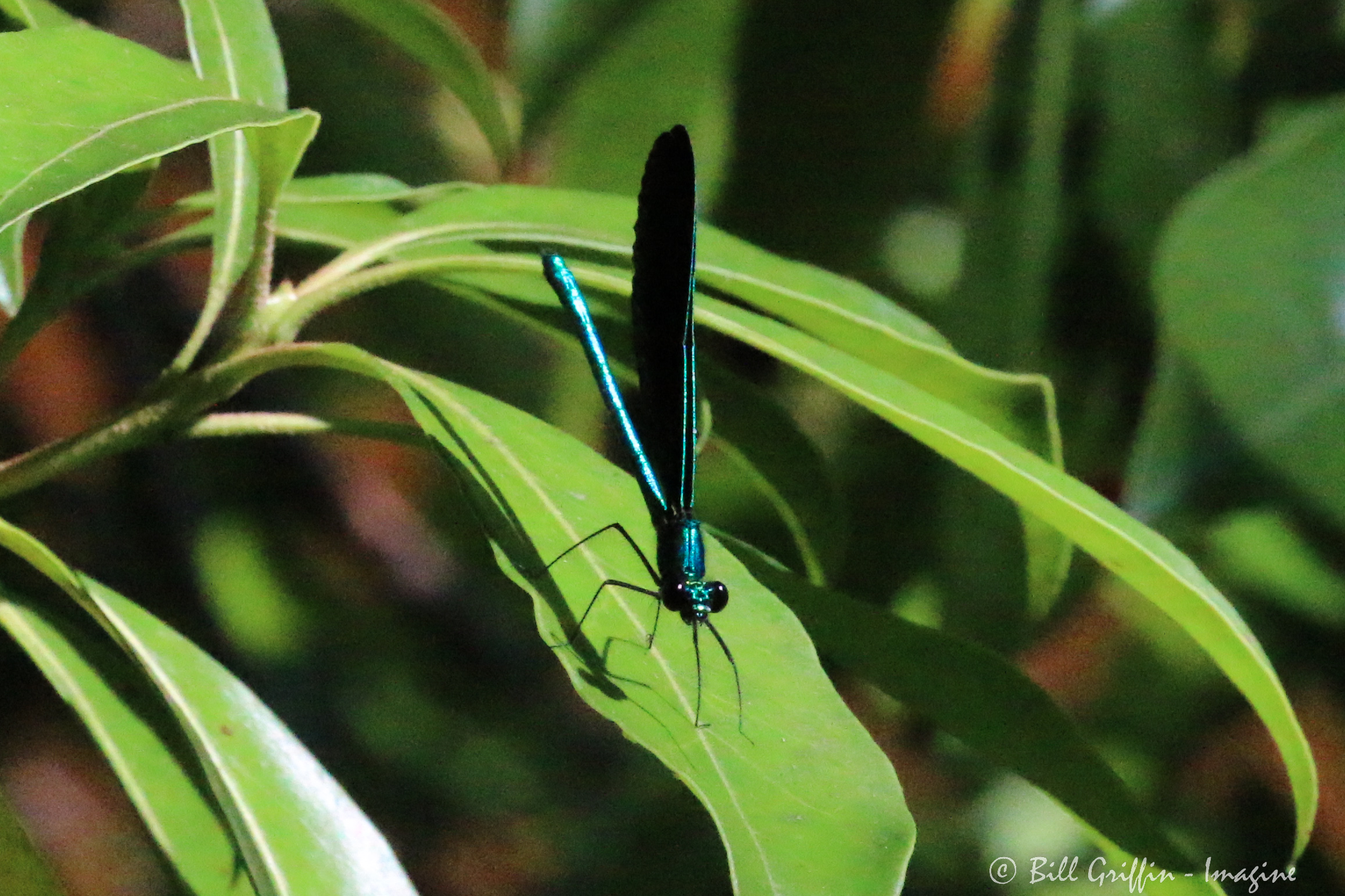
the pond’s dragonflies that swoop and dive,
seeking mosquitoes –

all may perish, along with the snapper,
on Earth for sixty-five million years,
built to survive almost anything.

Pam Baggett
from Tar River Poetry, Volume 61 Number 2, Spring 2022; © 2022 Tar River Poetry

❦ ❦ ❦

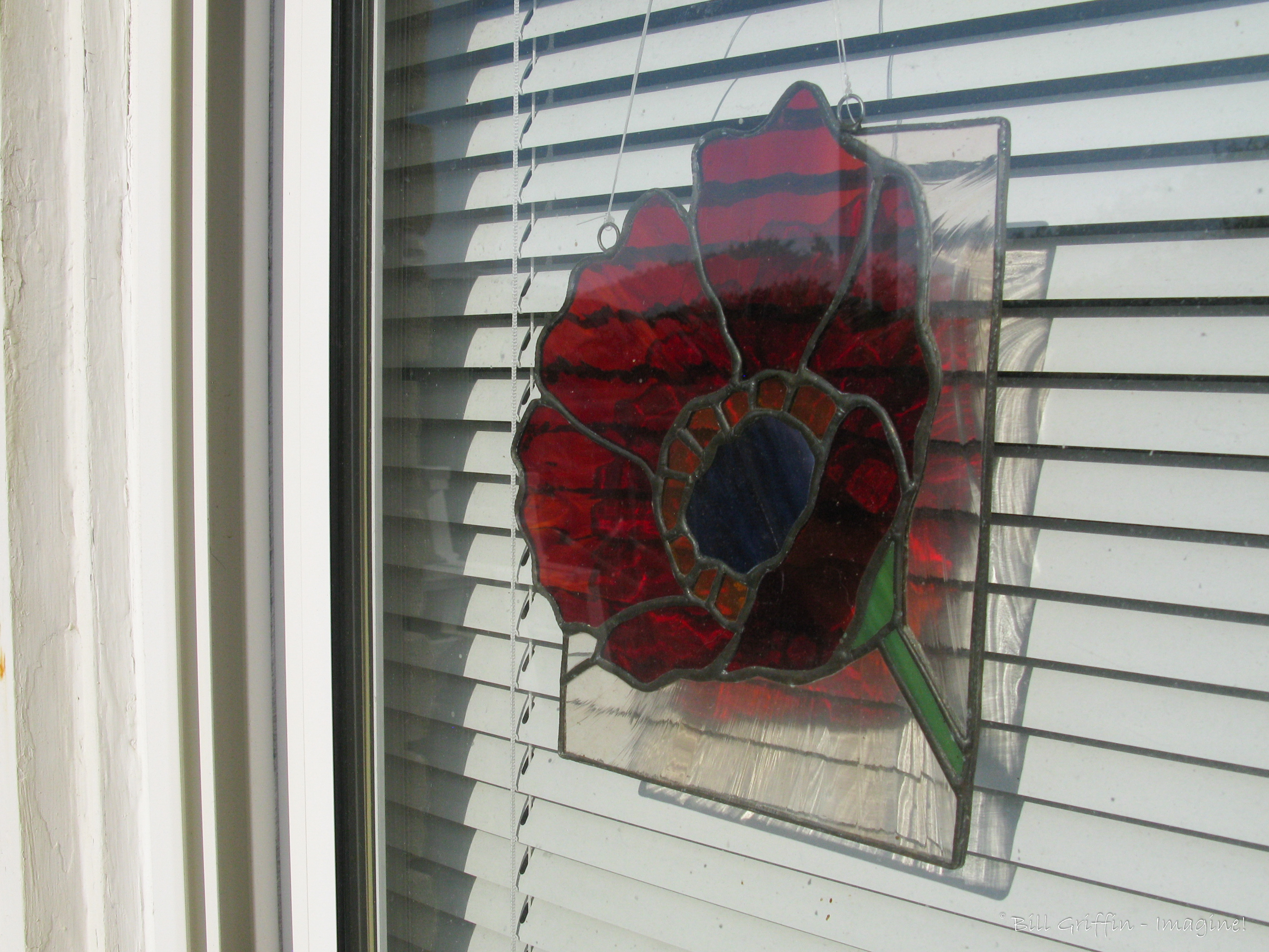
IMG_6432


Read Full Post »


[poems from CAVE WALL]

. . . a person is a museum of rooms they’ve visited . . .
++++++ ++++++ ++++++ Han VanderHart

Hold the door for her, even a low threshold is an invitation to fall. Scuff of sole syncopates with tap of cane, I listen and watch sidelong along past the neighbors’ for any evidence of stumble. Hold hands over rough spots. Now here’s the road – is it safe to even think about crossing?

At the corner garden Mom asks me to remind her of the name of each flower. Zinnia, phlox, coneflower. At the picket fence she points to the bottommost backer rail, This is where we leave a biscuit for Penny but I forgot to bring one. At the next house, Boz lives here, he always barks.

Staying these weeks with Dad and Mom I sometimes enter a room to find Mom perfectly still, halfway between chair & table. Not staring at anything, not expecting particularly, not even struggling to discover something lost because even the idea of something lost is lost. Rooms of her life that she no longer visits.

But when I touch her arm she will tell me again where the flowers on the table have come from, See how long they’ve lasted? Every house we pass on our walks she knows the life of the dog it holds. Dogs and flowers. A walk with Mom. What could be more beautiful?

❦ ❦ ❦

When My Grandmother Barbara Jean was Dying, My
++++++ Mother Sat on Her Bed and Played “House of the
++++++ Rising Sun” on Her Guitar, Because It Was the Only
++++++ Song She Knew

And this is also ekphrasis: the song plucked
out of the guitar, held on a child’s lap, sat on a sickbed

My mother shaping the air around herself
and her mother: a small rain of notes.

There is a house in New Orleans, she strummed
not knowing her mother was dying.

Bobbie with her hair that waves like mine,
resists the clip that holds it back.

Don’t wish your life away, my mother still says,
words her mother, shadow-sick, said.

If a person is a museum of rooms they’ve
visited, inside my mother is a room

with a bed, a guitar, and her mother
who is not dying, only resting.

It is called the rising sun.

Han VanderHart
from Cave Wall, Spring/Summer 2022, Number 17, © Cave Wall Press LLC

❦ ❦ ❦

Rhett, tell me if this memory is true. When we first met at a poetry meeting at Weymouth you were wearing a t-shirt with a comic book character (in a room of dresses and neckties). What you didn’t know was that my basement was full of boxes, mostly Marvel, and I was way more into John Byrne, Frank Miller, and Barry Windsor-Smith than T.S. Elliot and Ezra Pound. When you stood up at open mic, though, I was rocked. Here it is – this is it. Absolutely real.

And Cave Wall continues to be it. Every issue’s poems open layers in my heart I had forgotten I possessed, or else had halfway bandaided back together. Well, yes, sometimes it hurts in inward person to fall into a well of emotion, but sometimes the deep sigh is healing. And sometimes I want to toss the little book into the air for a high five as it descends. This issue, though, Number 17, I just can’t get over. Thanks for opening door into all these rooms and inviting us to step through.

Cave Wall editors Rhett Iseman Trull & Jeff Trull; Assistant Editor Michael Boccardo; Contributing Art Editor Dan Rhett; Official Poem Accepters Audrey & Cordelia Trull; Editorial Assistant Tracey Nafekh; Contributing Editors Sally Rosen Kindred, Renee Soto; Editorial Advisory Board Dan Albergotti, Sandra Beasley, Natasha Tretheway. www.cavewallpress.com

❦ ❦ ❦

August

and swollen as I was
with our first son, we stopped at Bennett Place,
the nineteenth century farmhouse
outside Durham, where
one general surrendered
to another, ending the Civil War.
Hot as blazes, but a stray breeze
lifted our spirits and we kept at it,
touring the wooden farmhouse,
the outbuildings, the grounds.
While you inspected the rows
of tents, I lingered
in the log kitchen. Something
about the narrow window panes
and the orchard view
made me think an earlier century
might have transformed me
into the wife I longed to be –
a patient woman, filling and refilling
the porcelain pitcher
as you bathed at the white bowl.
A woman blameless, steady
at her weaving, aflame only for you.

Dannye Romine Powell
from Cave Wall, Spring/Summer 2022, Number 17, © Cave Wall Press LLC


❦ ❦ ❦

The three poets selected from this issue of Cave Wall all have connections to North Carolina:

Han VanderHart lives in Durham. They host Of Poetry podcast, edit Moist Poetry Review, and review at EcoTheo Review; their collection What Pecan Light is from Bull City Press (2021).

Dannye Romine Powell lives in Charlotte. Her fifth collection, In the Sunroom with Raymond Carver, won North Carolina’s 2020 Roanoke Chowan Award.

Anne McCrary Sullivan received an MFA from Warren Wilson College. Her publications include Ecology II: Throat Song from the Everglades.


❦ ❦ ❦

Driving Loop Road

after cocoplums with their dark fruit,
wax myrtle, firebush, wild coffee

small openings, like keyholes
through which I could see

how a swamp darkens beyond fern
how a prairie extends into light

a young alligator sprawled in the road
three hawks held to their branches

shapes ahead of me scurried into scrub
an otter crossed in the rearview mirror

time was longer than it was,
so much in it –

the limestone gravel road
always narrowing

then the rain and milk-white puddles
wet green +++++ and solitude

hawk time, alligator time
storm coming, rainy season

but since you ask, three and a half hours
dragonflies whirling over the road

Anne McCrary Sullivan
from Cave Wall, Spring/Summer 2022, Number 17, © Cave Wall Press LLC

❦ ❦ ❦


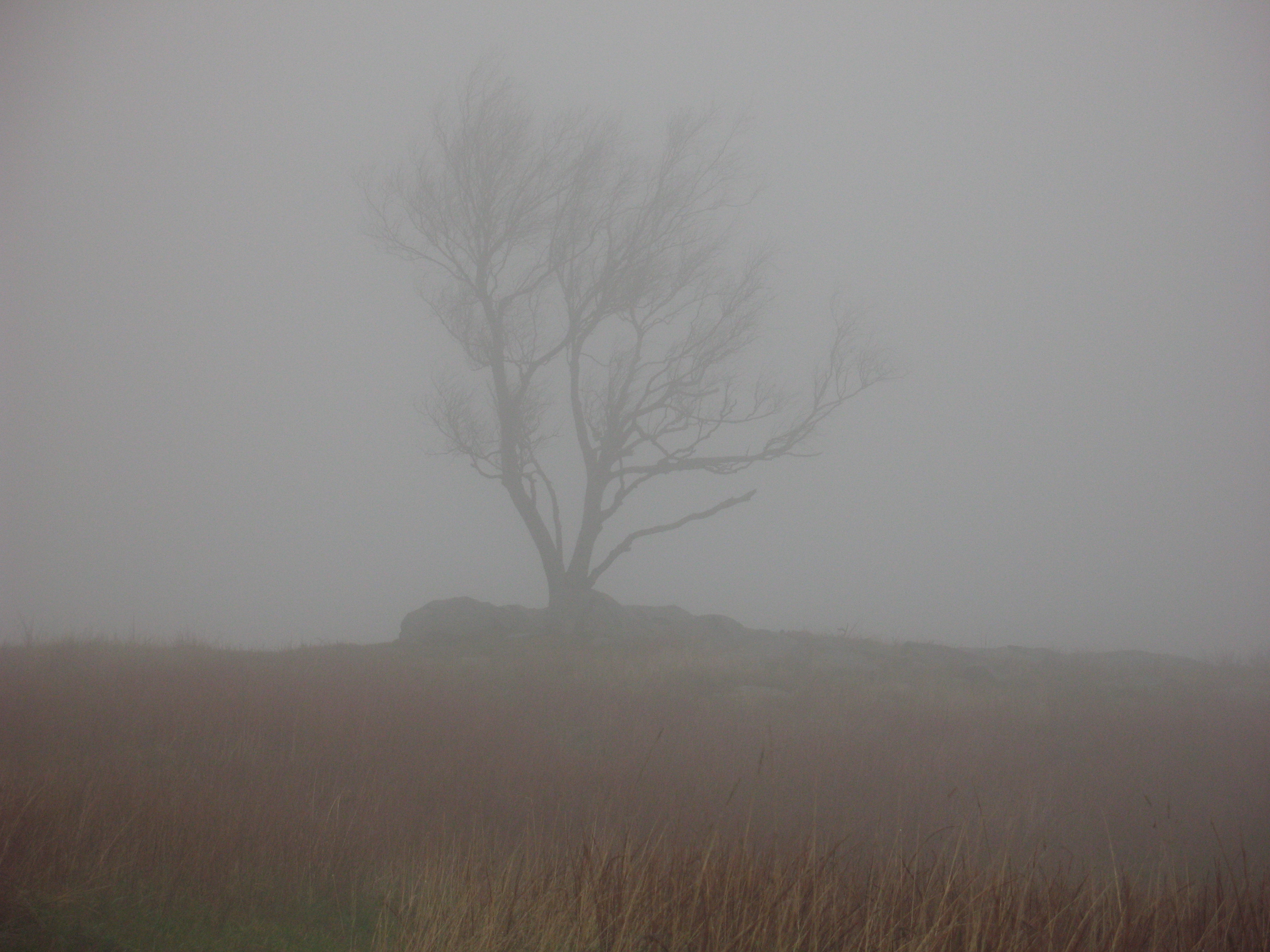
2020-09-08b Doughton Park Tree


Read Full Post »

« Newer Posts - Older Posts »