Feeds:
Posts
Comments

Archive for the ‘Imagery’ Category

 . .
[with 4 poems by Emilie Lygren]
 . .
Ritual
 . .
In each new place I look at the leaves.
 . .
Some are gray and withered, others gold or green.
 . .
The round spots of fungi, insect holes, split lines along veins all say:
 . .
I have been here long enough for here to change me.
 . .
May I stay half as long.
 . .
 . .
You Find Hope When
 . .
You find hope when you remember that
your best friend was elected Prom Queen.
 . .
We were shocked.
She was not popular or plastic or a cheerleader,
like prom queens in the movies always were.
 . .
She was kind to everyone.
 . .
When things feel bleak, remember the people out there
who thought that mattered.
 . .
Emilie Lygren
from What We Were Born For, Blue Light Press / 1st World Publishing, Fairfield IA; © 2021
 . .
❦ ❦ ❦
 . .
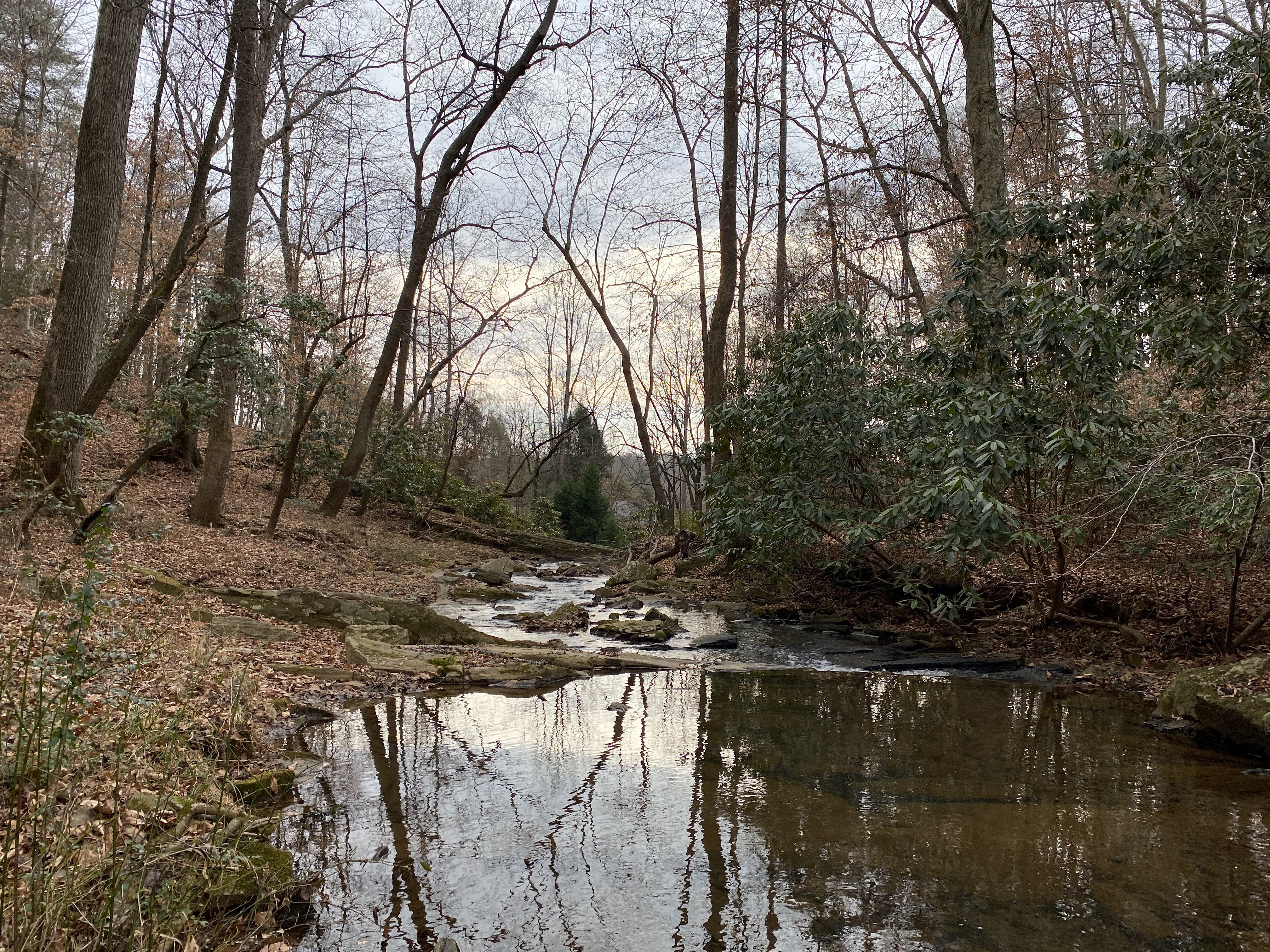
Something here beside the river is dragging. Something is slowing me down, clenching me inside, holding my skull between two fists. What is this cud of anger I’m chewing, chewing? I tug it loose when it snags on last summer’s dry aster or catches on a shard of quartz. I refuse to let go because it’s mine and I deserve to have it.
 . .
As I walk its banks, the river notices that I have stopped noticing it but the river doesn’t comment. The river refuses to tell me whether I’m good enough or why I’m not. I can’t convince it to admit that it’s really all those others hurting me and not me hurting them. The river has plenty to carry without taking on another load of trash. Stuff, big and little, just wants to tag along with the river. Silt enjoys the life of swirls and eddies, leaves love to dance. Stones tune up and provide the music. The river invites their company and moves along.
 . .
Is time passing here? The movement of water, always movement, and yet there is always always more water. Time must have passed, because I find I have misplaced whatever it was that was dragging me, I mean, whatever I was dragging. The music hasn’t stopped and there is singing. Suddenly I notice that what I really want is to join the river. And I find I have.
 . .
 . .
❦ ❦ ❦
 . .
River, competence
 . .
Rocks once ripped
from mountainsides,
broken branches of trees,
leaf or tuft of grass.
 . .
Swept up by
constant working currents,
blue undersides of streams,
mud unstuck from banks,
wed to clear movement.
 . .
Ripple pool and wave
reduce rough edges into roundness,
sand sticks into gleaming bare swords,
hold stones until their shapes converge.
 . .
Stay here long enough
and the parts of you, too,
that have been broken
will be made smooth
 . .
Emilie Lygren
from What We Were Born For, Blue Light Press / 1st World Publishing, Fairfield IA; © 2021
 . .
❦ ❦ ❦
 . .
Emilie Lygren’s poems are not all quiet. Some rage against tyrants. Some spit and hiss at what the ocean spits up, the trash we have crammed down its throat. Some push back hard against cruelty and prejudice, anything that willfully splits and cleaves.
 . .
But all of Emilie Lygren’s poems quiet me. When I am disgusted by things people do and say and think; when it hurts me that the people I love are hurting and are hurting me; when I despair that we human beings will never learn kindness; when I can’t see any hope for our future as a species or for all the species we destroy –
 . .
When all this noise and rage and torment shake me like a maple leaf, then Emilie Lygren’s poems return with their voice of understanding. We all feel these things. We all need something better. Listen, just listen. The earth is still here for you. Join it, the earth and all it embraces. Find its place in you and rediscover your place on the earth. Every day, if only for a moment – quiet.
 . .
 . .
Emilie Lygren is a poet and outdoor educator in California. What We Were Born For is the winner of the 2021 Blue Light Book Award from Blue Light Press / 1st World Publishing and can be purchased at Bookshop.org.
 . .
Read an additional poem by Emilie Lygren, Erosion, HERE:
 . .
 . .
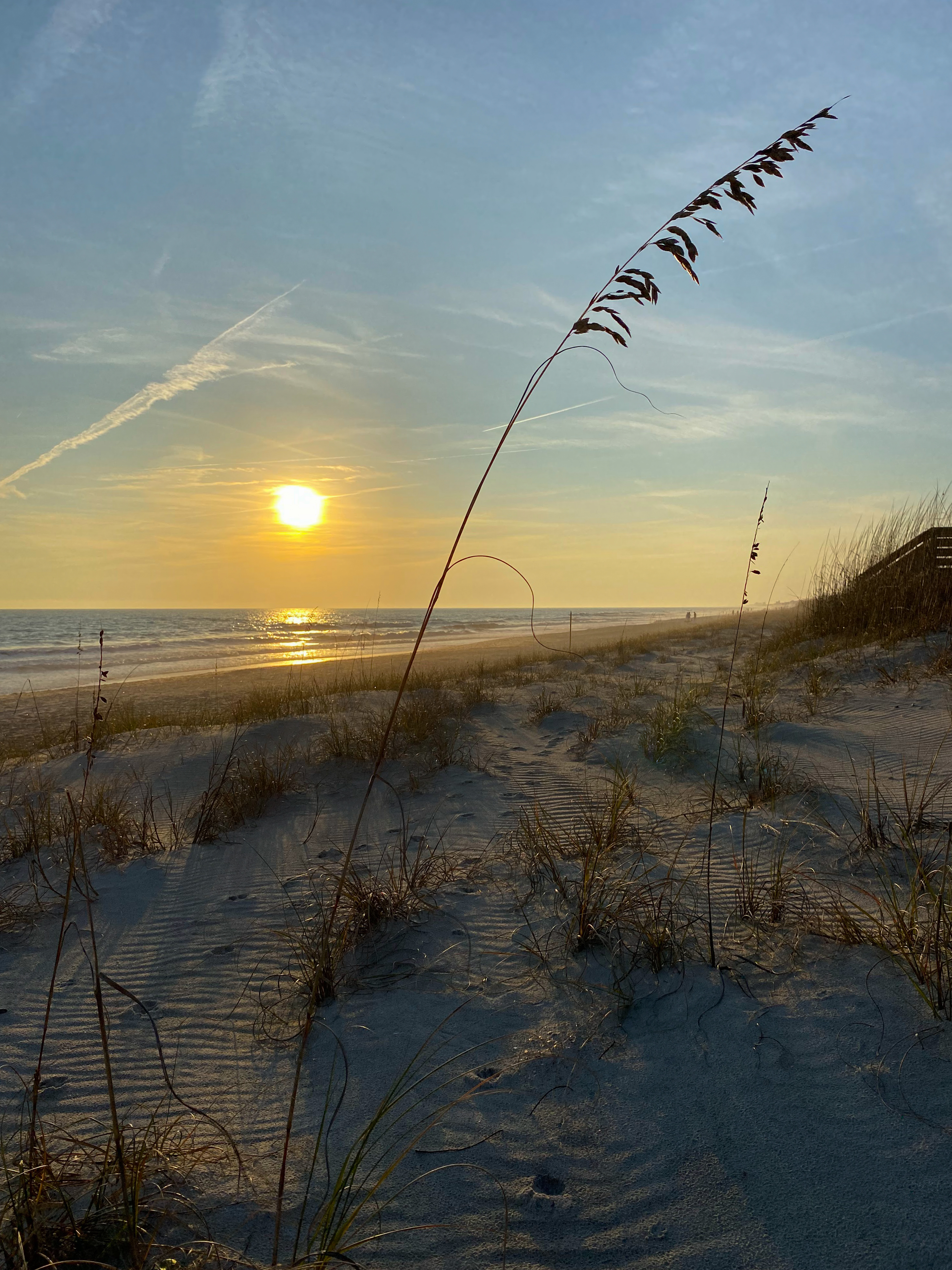
All of today’s photos are by Jonathan Saul Griffin, © 2022
 . .
 . .
❦ ❦ ❦
 . .
Meditation
 . .
Sitting near the window.
I watched a fly stammering
against the glass,
trying to break free
and transcend the
transparent boundary
it could not comprehend.
 . .
As I cupped my hands around the fly
then let it out the open door,
I wished that we could trade places –
 . .
that someone would gently remove me
from the invisible walls
I have pressed myself up against,
offer an opening I am too small to see.
 . .
After sitting longer,
I start to think that maybe I am all parts of the story –
 . .
the trembling fly,
the gently cupped hands,
the clear glass window,
the necessary air outside.
 . .
Emilie Lygren
from What We Were Born For, Blue Light Press / 1st World Publishing, Fairfield IA; © 2021
 . .
❦ ❦ ❦
 . .
 . .
Read Full Post »

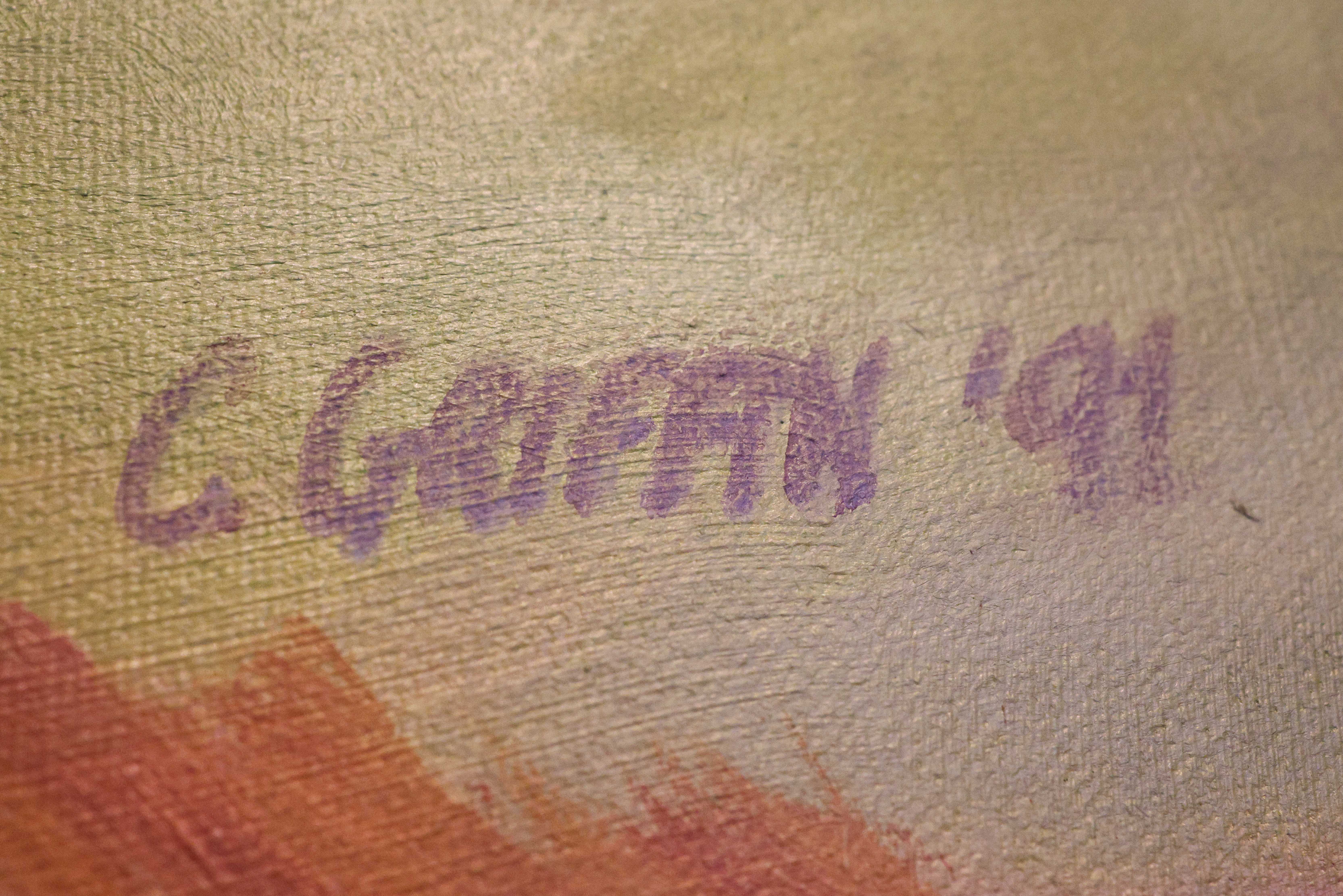
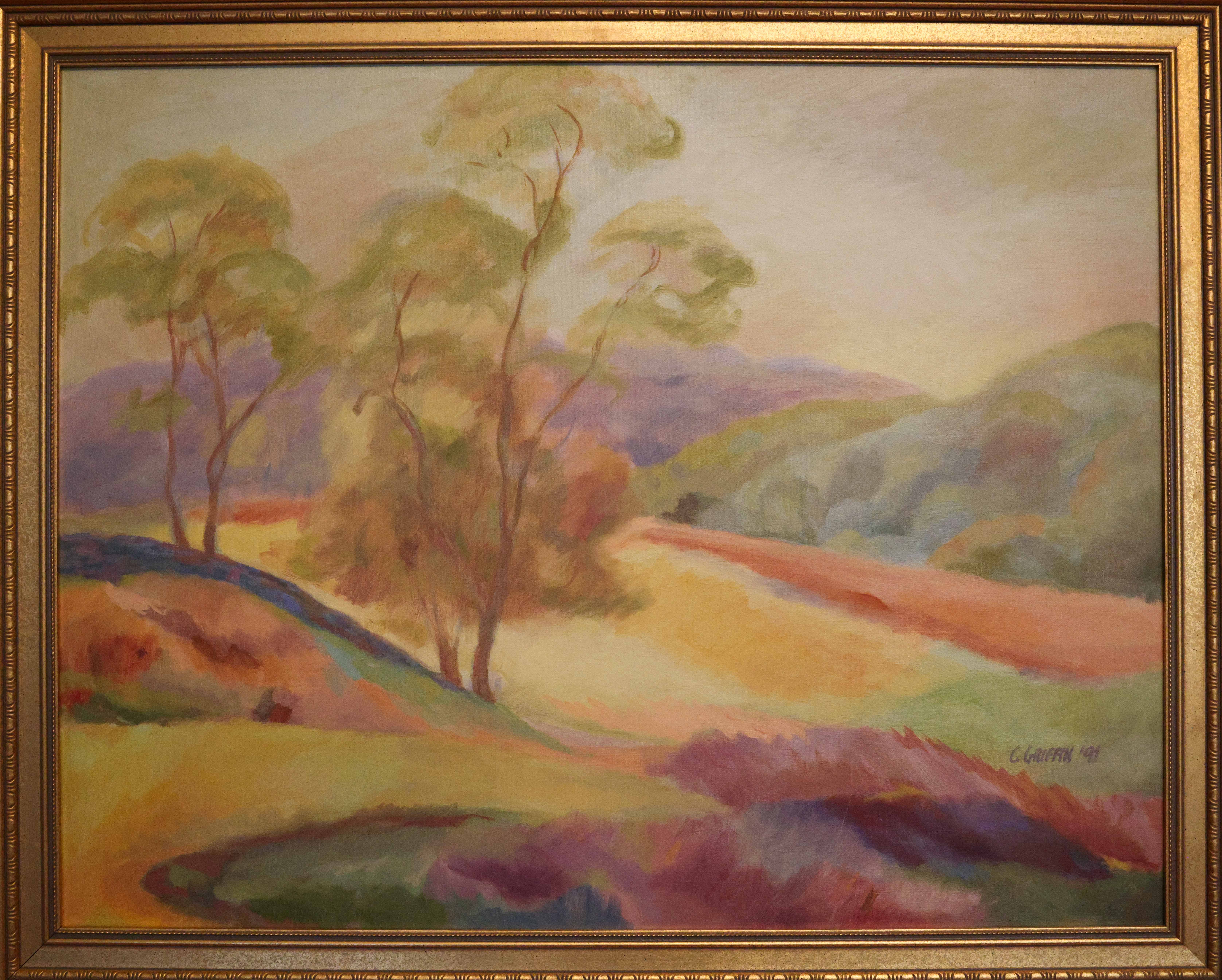
BRANDYWINE CREEK — C. Griffin, ’91

 . 
[with 3 poems by Gail Peck]
 . 
Still Life with Birds’ Nests
++ after van Gogh, 1885
 . 
the possibility
++ of life, those eggs
blue and cream – one
 . 
so dark it’s almost invisible,
++ two nests close together,
another propped
 . 
on a branch –
++ no wings, nothing
fluttering in or out
 . 
with straw
++ in beak
determined to make
 . 
what will hold –
++ see how
the light is braided
 . 
in straw, debris –
++ to pluck a strand
from the whole
 . 
seemingly easy
++ at least from
the outer edge, but
 . 
not the center
++ where eggs lie
until
 . 
the first
++ fissure, then
the struggle,
 . 
who will survive,
++ breaking silence
into refrain
 . 
Gail Peck
from The Braided Light, Main Street Rag Publishing Company, Charlotte NC; © 2015. Winner of the 2014 Lena Shull Book Contest of the North Carolina Poetry Society
 . 
❦ ❦ ❦
 . 
I find it in the back bedroom against the back wall of the closet, other cartons piled against it. The cardboard of two boxes has been sliced apart and refolded to fit, about 26 inches by 32 inches by 4, still taped solidly together from their final move, Delaware back to Winston-Salem in 2012. Across the narrow top in black marker, “Brandywine Creek.” My mother’s printing.
 . 
In 1949, Clara Jean “Cookie” Cooke carried her bachelor’s degree in art from Women’s College of the University of North Carolina back home to Winston-Salem to take a job in medical illustration at Bowman Gray Hospital. A year later she married Wilson, alias Dad, and moved to Atlanta, to live in student housing at Georgia Tech. About three years after that my parents moved to Niagara Falls, New York, just in time for me to be born. In the decades that followed Mom never entirely laid aside the brush – the oil she painted of my little brother at age two is a great likeness. But how often does art get stacked in a back closet behind being housekeeper, Mom, chauffeur, even later Kindergarten teacher?
 . 
When we three kids were fully fledged and Dad finally retired, Mom re-committed herself to linseed oil and pigment. Her home and then ours as well gradually filled with landscapes and still lifes from her workshops and classes. Then began her magnum opus: portraits. She painted from life (I posed as Jesus) and she’d sort through to pick out her favorite photos to transform into paintings. Year by year the five grandkids were memorialized at all ages and activities. In her 80’s, Mom pivoted again. Now she was capturing on canvas every dog and cat of every friend and neighbor and giving them all away. Hoping for ice cream when we visited, we would more likely open the freezer to discover a palette wrapped in wax paper awaiting her next project.
 . 
The last year of her life, Mom required more nudging to pick up a pen or pastels. If I placed a photo in front of her of something she loved, dogs especially, along with paper and a few colored pencils, she would make art. For what would be Mom’s last birthday, my sister arranged a family afternoon with an art instructor who had us all paint the same scene, two of the great-granddogs. We never laughed or enjoyed ourselves so much.
 . 
Six month’s after Mom’s memorial service, I’m cleaning out the townhouse when I unearth the carton. I peel off the old tape, tearing some of the packing paper as I lift out its contents. The large framed canvas is not one I remember seeing before, but I remember Mom’s brainstorm when we visited them in Delaware that we should all go tubing together down the Brandywine. There’s no water in this painting, though, only rolling hills of wind-blown grass in every color and tall lithe trees whose branches catch the breeze. Brandywine Creek chuckles and rills outside my line of sight.
 . 
So much has passed, now, beyond my vision. I wonder if I am losing, have lost, those many images I took for granted all those years. Her teasing and laughter, her quickness at crosswords and puzzles, her patient smile. Her gratitude. Especially her hand, poised, its skill, the slender fingers that wafted the magic of color so lightly across this surface I am now holding to the light. Look, just look at those brush strokes.
 . 
 . 
❦ ❦ ❦
 . 
Bowl with Potatoes
++ after Van Gogh, 1888
 . 
A yellow bowl filled
with potatoes, hues
of pink and blue making
them not so ordinary.
Waiting to be sautéed
to accompany the fricassee
of rabbit simmering with white
wine, herbs, pearl onions.
I peel potatoes, cut around
each eye with a sharp knife.
Olive oil, first pressing, and local
wine to drink. A task to make
us happy, to cheer
from the lingering fog,
where we can’t even see the deck.
I seem to be braiding worries,
and have carried this day
like a heavy stone. The best
cloth and napkins, and a centerpiece
of yellow roses, smell that bring some memory
from childhood, but what? Running
near the house, getting snagged
by thorns. I try to push sadness away,
yet the candle flickers
each loss, and I worry that
one day my husband won’t
recognize my face, mistake
the pattern on the china for food,
the way his father did, fork
scrapping against the plate,
and only my chair with a view.
 . 
Gail Peck
from The Braided Light, Main Street Rag Publishing Company, Charlotte NC; © 2015. Winner of the 2014 Lena Shull Book Contest of the North Carolina Poetry Society
 . 
❦ ❦ ❦
 . 
Art conjures its mysteries and we don’t spy the hand moving in shadow. A piano chord major to minor and the sun passes behind a cloud. Tangles of color on canvas blend into a fond memory of childhood. Our senses know more than we do. The smell of old perfume upon opening a closet. There we are, transported.
 . 
And what about the art of words? Isn’t each meaning distinct, circumscribed, listed for us in the lexicon? And yet the words’ unspoken histories conjure mystery when we read in them a new tangle, a new melody, a new canvas. Nevertheless, the poet has set herself a difficult and arcane magic when she undertakes to recreate the vision of color on canvas in print. Gail Peck accomplishes this in The Braided Light, an entire volume that captures, line upon line and page upon page, the impressionistic imagery of Van Gogh and Monet.
 . 
Perhaps the impressionist painters imagined they would not make us see but allow us to see. The light is ever changing; the colors in our minds arise from emotion and perception, not lines on a spectrograph. In the same way Gail’s poetry shows rather than tells. Her heart is tangled in the brush strokes and colors, but she opens space for my heart fall into the imagery as well. One might think there are only a finite number of meanings for a word and only a finite number of words for a color. Our senses, however, know more than we do. Look, just look at those brush strokes.
 . 
 . 
The Braided Light by Gail Peck was the winner of the 2014 Lena Shull Poetry Manuscript Contest of the North Carolina Poetry Society, and is available online from Main Street Rag Bookstore.
 . 
NEXT WEEK: Gail Peck’s new book from Finishing Line Press, In the Shadow of Beauty
 . 
 . 
❦ ❦ ❦
 . 
Weeping Willow
++ after Monet, 1918-1919
 . 
Whatever your sorrow is
++ is yours alone.
++ ++ Tall lithe figure
 . 
swaying darkness, what
++ have the years
++ ++ brought except
 . 
silver among green leaves
++ trailing the bank.
++ ++ You can’t turn away.
 . 
You stand rooted
++ in faith that rain
++ ++ will come, wash
 . 
away debris, that the sun
++ will glint through
++ ++ what wind hasn’t
 . 
severed. Part of me
++ longs to enter
++ ++ your canopy,
 . 
lie beneath your shade,
++ but the ground
++ ++ is damp and grass
 . 
won’t grow there.
++ View from my window –
++ ++ my black-shuttered house.
 . 
Gail Peck
from The Braided Light, Main Street Rag Publishing Company, Charlotte NC; © 2015. Winner of the 2014 Lena Shull Book Contest of the North Carolina Poetry Society
 . 
❦ ❦ ❦
 . 
 . 
 . 
 . 
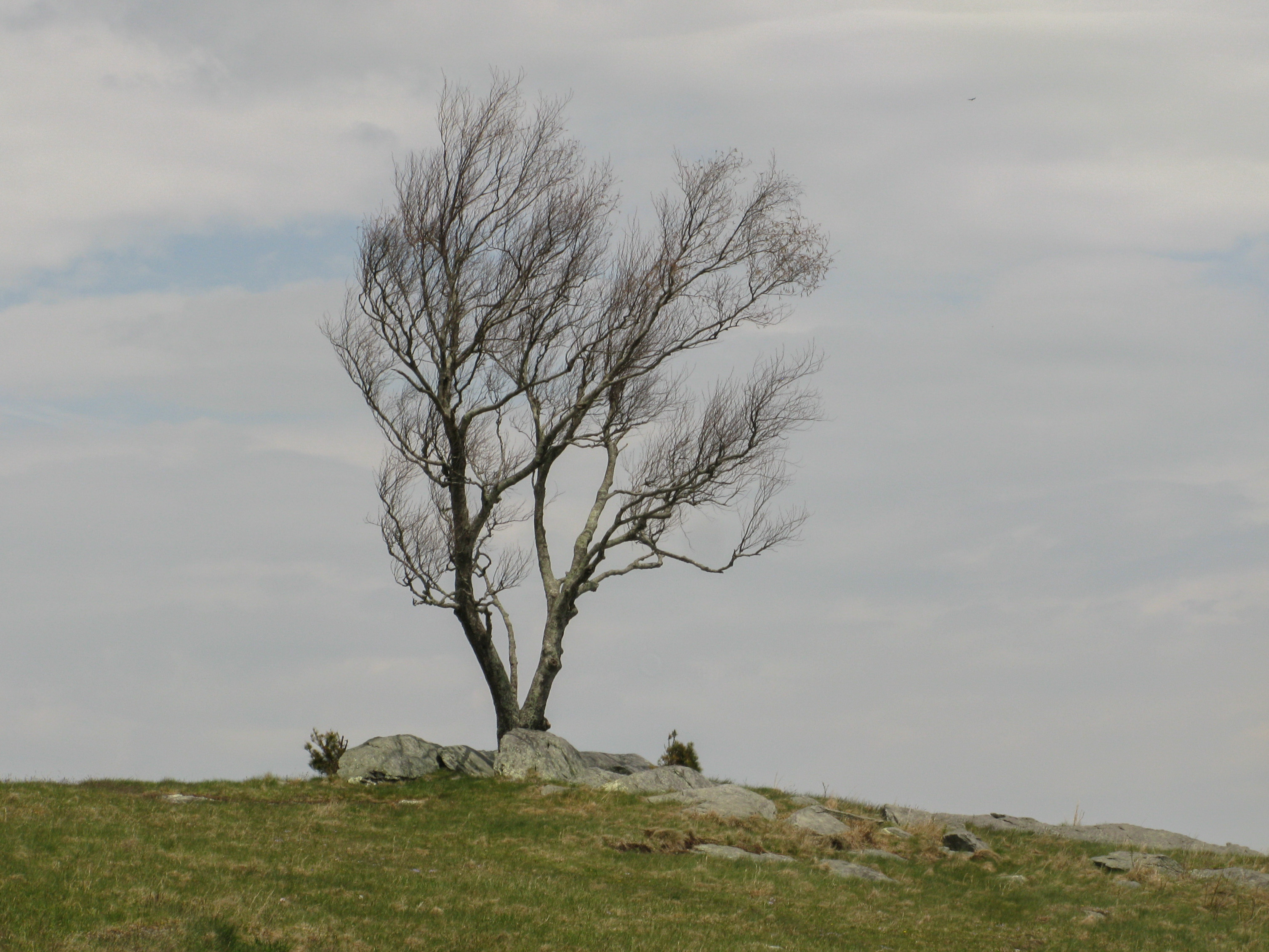
Doughton Park Tree 4/30/2022
 . 

Read Full Post »

 . 
[with 4 poems by Robert Morgan]
 . 
Time
 . 
Snow-covered peaks gather in the north
like arabs talking.
You can’t be sure you see them
but they leave an afterimage, detached
from the horizon, floating on haze.
Rugged seconds around the sky’s dial.
If you look long enough they seem to march
like bishops shuffling toward hell.
I know the ground is a bridge
leading there –
to the white tents
and altitudes of death –
but I don’t believe it. I don’t
believe you can get there by just walking
the earth one step after another,
but must be snatched miraculously away,
fall upward into the terrible
blue emptiness.
When I stand in a field,
the field and I are a sundial.
But the body alone is a clock, and each
motion it makes.
Something must distract us, anything.
The cornfield slapping in the rhythm of a tennis game,
a crow flying his clockhands on a face
without surface.
The will always hungry.
 . 
Robert Morgan
from Collected Early Poems of Robert Morgan, Press 53, Winston-Salem NC; Carolina Classics Editions; © 2024
originally published in Red Owl, W.W.Norton & Company; © 1972
 . 
❦ ❦ ❦
 . 
Two squirrels in my beech tree just can’t get along. I’ve named them Buddy and Holly. Buddy attacks my squirrel-proof feeder like he’s going to buzzsaw right through the metal bars. Meanwhile Holly is perched on a high branch eating beechnuts like popcorn and raining the pointy tetrahedrons on my deck, little caltrops.
 . 
Until I arrive to refill the feeder. Then Buddy has to scoot; he takes a flying leap into the silverbell. Holly continues to observe. I always spill some seeds – careless me – and when I re-hang the feeder Buddy scrabbles back to snarf a few then spring back up to the squirrel-proof, legs spread and clawed toes splayed like a cheetah bringing down a gazelle. At this point Holly climbs down to check out Buddy’s leavings. When he spies her, things get tense.
 . 
“Hey! Those are my seeds. Those are all my seeds!”
 . 
Holly sits up on her little haunches and rolls her eyes. “I didn’t see you planting any sunflowers last summer, Bottlebrush. You just play with your feeder toy while I have a nice lunch.”
 . 
“But I want those seeds. You might eat something I’m going to need later. Quit being so mean! Don’t you know this is where bad feelings come from?”
 . 
“Listen, Furbrain, this is where bad feelings come from.” She pokes his fuzzy chest with a foreclaw. “If you’re having bad feelings, I didn’t give them to you. You gave them to yourself.”
 . 
“Selfish, selfish, selfish.”
 . 
“Can I help it if it’s in my squirrel-nature to be hungry? And isn’t it squirrel-nature when you’re hungry to eat? Why don’t you pull up a chair (speaking entirely figuratively, of course) and enjoy a little lunch yourself.”
 . 
“Hmph, sez you,” Buddy grumbles. He picks up a seed and nibbles. Palpable silence I think you could call it.
 . 
“Hey,” Buddy finally offers after a few minutes, “When we finish these seeds, how about you hop up on that feeder with me. Maybe together we can shake out a few seeds. And . . . you could have some, too, if you want.”
 . 
 . 
Years ago Linda and I watched an episode of X-Files that has become our byword. Scully and Mulder were at a rest home investigating paranormal events involving gruesome mutilation, the usual stuff. One of the rest home residents was assisting them with their inquiries. Should he also be a suspect? The old man was wincingly meek, not very bright, and whenever he messed up or something went wrong he would hang his head and apologize, “I’m just a human being.”
 . 
I am just a human being. And how often am I compelled to admit that I inhabit a planet full of people that are also just human beings? How did Linda and I end up with so many family members who seem incapable of living up to our expectations? Oh well, they are just human beings. And so are the people we attend church with, and sing with, and meet at the store, and whose yard signs and bumper sticks are so aggressively in our faces. “What a world,” said the Wicked Witch of the West when she was doused. So many of these human beings have the power to give me endless heartburn; I could use some of that cold water.
Or I could quit giving them so much power. I’m lucky that I have Holly to remind me – when there are flickers of bad feelings, maybe some human being has struck the spark but I provide the fuel. Let’s just cool down for a minute. Aren’t we in this thing together? I’ll try to cut you the same slack I’d want you to cut me. After all, the two of us are just human beings.
 . 
 . 
❦ ❦ ❦
 . 
Land Diving
 . 
Though it’s no disgrace refusing
some things must be done.
And present accomplishment
is no guarantee
of future.
You must come close
as possible without touching
to prove brinksmanship, fly
from the sapling girdered tower
before the whole village, leaping with a scream
against the wall of fear, step onto
the white-hot floor
of emptiness
holding only to yourself.
You will know the pure isolation of fall.
The vines bound to your feet must not snag
on the scaffolding
or they will swing you crushing
into the frame and braces.
They must not break
or be an inch too long
or you will be smothered by
the swat of earth.
Yet the meaning is the closeness.
No stretching out your arms;
you must be jerked to a stop face against
the trampled dirt
by the carefully measured
bonds.
Only they can save you.
 . 
Robert Morgan
from Collected Early Poems of Robert Morgan, Press 53, Winston-Salem NC; Carolina Classics Editions; © 2024
originally published in Land Diving, Louisiana State University Press; © 1976
 . 
❦ ❦ ❦
 . 
In a journal he kept in the 1970’s, The Transfigured Body, Robert Morgan wrote this: “It is objectivity and precision that can be translated and that translates, the love of the humble detail, a sensitivity to the eros of all things, focused recognition; . . . I write to establish the reality of things. It’s as if I’m afraid they aren’t there unless substantiated by language, and consubstantiated.” [from the introduction by Robert M. West to Collected Early Poems of Robert Morgan]
 . 
Consubstantiation is a new word for me. I recognize transubstantiation, which means transmutation, to utterly change the character or substance of a thing. But consubstantiation is more personal, more intimate – to exist together in one and the same time and space. To unite and blend and merge. To become one. I yearn to be attuned to the smallest detail. I long to feel it, that shared presence with other humble creatures in the midst of creation, that eros of all things.
 . 
I prepare myself for that love by learning: botany, taxonomy, ecology. But I experience eros by kneeling and feeling the waxy winter leaf of a cranefly orchid; by turning its shadow green face to reveal the rich burgundy of its obverse; by remembering July blossoms when I see the dry seed stalk in January; by imagining the scant slant sunlight kissing that tough leaf to grant life for another summer’s blooms.
 . 
And I experience the eros of all things through a poet’s careful observation, through the power of  language to create juxtaposition and connection. Robert Morgan’s poems are often set in the North Carolina mountains, but his poetry is about everything. Perhaps we, who are just human beings after all, cannot overcome our hominid urges to circle around our small fires and fear and demonize all outsiders. Perhaps we can’t regain our ancestors’ connections to the earth, its plants and its animals, its textures and its smells. Sometimes I imagine we are determined to extinguish every spark that makes us human. But then I spend a quiet hour with poems to are determined to rekindle those sparks.
 . 
 . 
The Collected Early Poems of Robert Morgan, available HERE from Press 53reprints in their entirety his first four published volumes: Zirconia Poems (1969); Red Owl (1972); Land Diving (1976); Trunk & Thicket (1978).
 . 
Read additional selections from this new book at last week’s VERSE & IMAGE.
 . 
 . 
❦ ❦ ❦
 . 
Whippoorwill
 . 
The dead call at sundown from their places
on the mountain and down by the old mill.
They rise from the cellars of trees
and move up and down the valley
all night grazing like deer.
The call:
a rusty windmill creaks on the prairie.
Bats dipping and rising on ski jumps
are antennae
receiving and transmitting the code.
The whippoorwill interprets the news
from the dead, the unborn.
 . 
 . 
2 A.M.
 . 
A dog barks through the horn of a valley.
Low moon burning in a cedar.
The creek mutters like an old woman
who walks in her sleep among the trees
dreaming of the life after death
when she will lie down like the stream
and flow to the darkness.
 . 
Robert Morgan
from Collected Early Poems of Robert Morgan, Press 53, Winston-Salem NC; Carolina Classics Editions; © 2024
originally published in Red Owl, W.W.Norton & Company; © 1972
 . 
❦ ❦ ❦
 . 
 . 
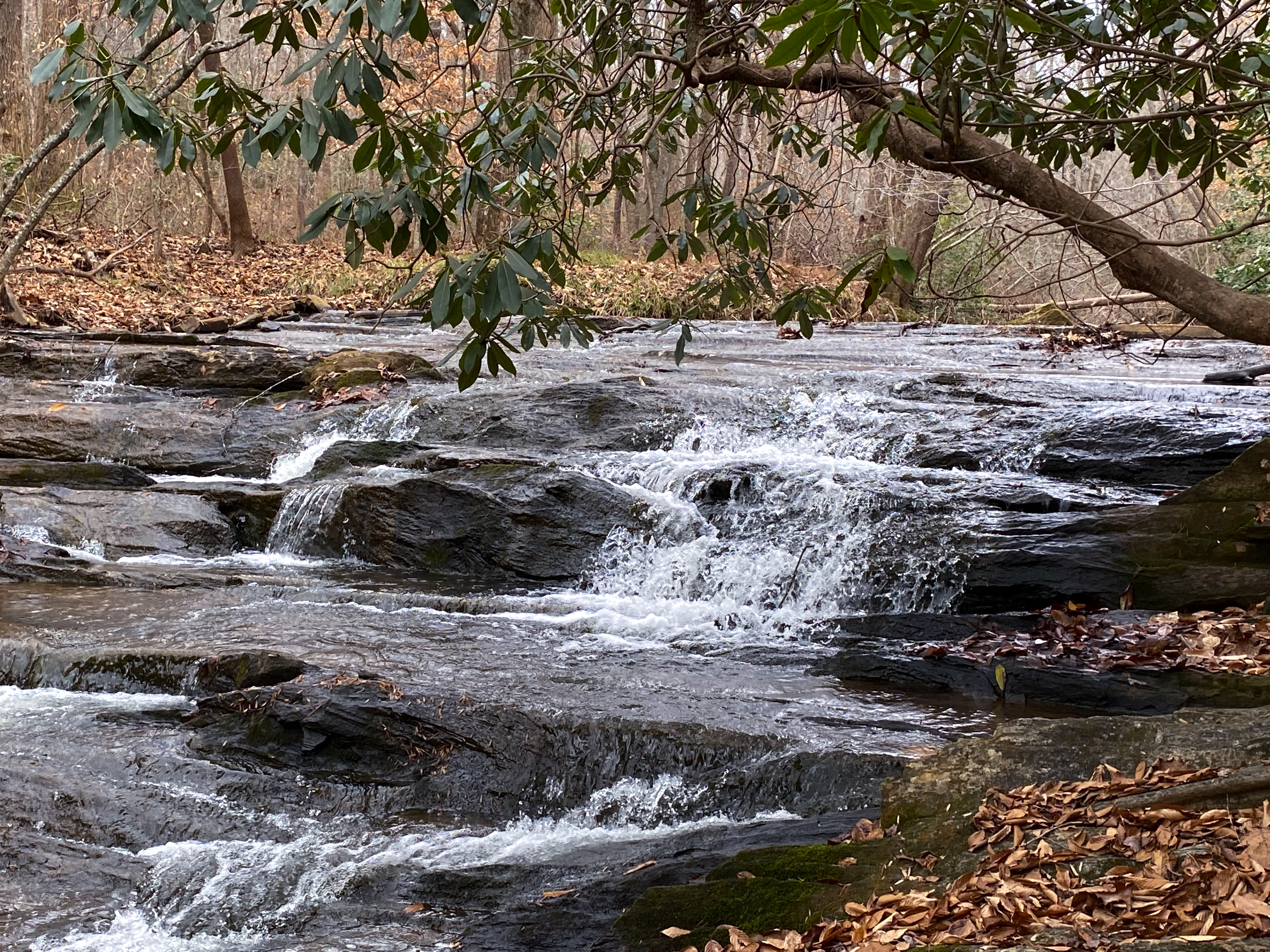
IMG_7491

Read Full Post »

« Newer Posts - Older Posts »