Feeds:
Posts
Comments

Archive for the ‘Photography’ Category

 . 
[with poems from The Ecopoetry Anthology by
Gary Snyder, Evie Shockley, Adrienne Rich]
 . 
For the Children
 . 
The rising hills, the slopes,
of statistics
lie before us.
the steep climb
of everything, going up,
up as we all
go down.
 . 
In the next century
or the one beyond that,
they say,
are valleys, pastures,
we can meet there in peace
if we make it.
 . 
To climb these coming crests
one word to you, to
you and your children:
 . 
stay together
learn the flowers
go light
 . 
Gary Snyder
from The Ecopoetry Anthology, edited by Ann Fisher-Wirth and Laura-Gray Street; Trinity University Press, San Antonio, TX; © 2013
 . 
❦ ❦ ❦
 . 
In the cook tent behind the Big Top, the carnies are eating breakfast together. One rowdy slurps coffee with the spoon handle jutting up from his cup. His buddy hollers, “You’ll put your eye out!” but he just ignores the danger and goes right on drinking.
 . 
Young Toby Tyler and I just gape, he at the jostling men and me, age eight, at the black & white TV. Both of us are convinced it’s going to happen any minute, spoon into eyeball. No matter what happens during the rest of that movie, we keep watching the guy with the doomed eye.
 . 
Sixty years of foreboding later and I still can’t tell you much else about the film (wasn’t there a chimp?), but it doesn’t take much for me to still feel that gut tug of imminent blinding: the teaspoon of Damocles. “Putting your eye out” was one of the more graphic horrifics that dogged my childhood. When it became the tagline for “A Christmas Story,” I couldn’t laugh with quite the same gusto as my wife. As readers we’re admonished to be vigilant for foreshadowing; as writers we’re taught to incorporate it; as kids we’re just scared into behaving ourselves.
 . 
Turns out the rowdy never even poked his eye. It wasn’t foreshadowing at all, just a one off Disney gag. Can you even call something foreshadowing if it never connects to the unwritten future, if there isn’t some aftshadowing of destiny that confirms the prophesy? Am I trying to tell myself to quit worrying so much about a future that may never arrive? Standing in the TSA line at the airport – oh no, do I have a weapon in my pocket, nail file of Damocles? Dad speeding toward his 95th birthday with driver’s license in his pocket, gleam in his eye, and in his ignition the key of Damocles. What could possibly go wrong?
 . 
Alas, I’m afraid that eight-year old kid already had thinking about, planning for, and worrying about the future inscribed deep in his psyche. In the fable about ants and grasshoppers it never even occurred to him to identify with anyone but the ant. Here I am now, all grown up, carefully rinsing the teaspoon and putting it in the washer. But what the hell: gimme another cuppa coffee!
 . 
❦ ❦ ❦
 . 
notes for the early journey
+++ for j.v.k.
 . 
somewhere along the way you will need to lean
over a bluff’s edge   drop you shoes and keep moving   use
the feel of greening grass under your feet as a guide   if a
rainbow confuses you   which end   go the third
way   on the mountain you’ll remember   climb on
up to where the aspens tremble   you will be alone   these
high winds can knife some lungs to gasping rags   but for you
 . 
there’s nothing to worry about   breathe   sniff the air like
a bloodhound and head the opposite way   find the
place where the land dissolves into sand   keep walking   when
that sand becomes sea   speak a bridge into being
I know you can do it   your father’s son ain’t
heard of can’t   follow the song   don’t stop until you’re south
of sorrow and all yo can smell is jasmine   I never
once stumbled on such a place   hard to say if a brown child
is the last four hundred years has had such
a luscious dream   day or night   but this is your mother’s
lullaby   I know she meant you to sleep sweet
 . 
Evie Shockley
from The Ecopoetry Anthology, edited by Ann Fisher-Wirth and Laura-Gray Street; Trinity University Press, San Antonio, TX; © 2013
 . 
❦ ❦ ❦
 . 
At Christmas we celebrate the past and resolve to be worthy of the present – to give life to the divine presence within our own hearts. At New Year’s we look to the future. In recent years that gaze forward has generally been accompanied by a soto voce “Oh, shit.” Yeah, pretty bleak outlook for 2024: politics, race, climate, war. Party’s over.
 . 
This is the best time to open a book of poetry. Not to escape to some idealized past but to connect to another human being who is also muttering, but who hasn’t yet given up hope. And this is especially the time I open my Ecopoetry Anthology, all hefty 0.9 kg of it. I’ve read many definitions of ecopoetry (as differentiated from nature poetry), some of them requiring thousands of words,  but here’s my personal take: poems that observe the world as it is, life and geology and physics without rose-colored glasses; poems that put is in our place in the world, in the literal and figurative connotation of that phrase, no holds barred, no punches pulled; poems that, even in the face of reality, still hold onto hope that we creatures might understand, appreciate, and love every particle of it.
 . 
And each other. Love each other. This is the best time to read a poem, connect with the poet, and connect with every other reader of that poem. Past, present, and future. What the hell: gimme some love and hope!
 . 
 . 
More information on The Ecopoetry Anthology, and where to order,  HERE
 . 
. .
❦ ❦ ❦
 . 
What Kind of Times Are These
 . 
There’s a place between two stands of trees where the grass grows uphill
and the old revolutionary road breaks off into shadows
near a meeting-house abandoned by the persecuted
who disappeared into those shadows.
 . 
I’ve walked there picking mushrooms at the edge of dread, but don’t
+++ be fooled,
this isn’t a Russian poem, this is not somewhere else but here,
our country moving closer to its own truth and dread,
its own ways of making people disappear.
 . 
I won’t tell yo where the place is, the dark mesh of the woods
meeting the unmarked strip of light –
ghost-ridden crossroads, leafmold paradise:
I know already who wants to buy it, sell it, make it disappear.
 . 
And I won’t tell you where it is, so why do I tell you
anything? Because you still listen, because in times like these
to have you listen at all, it’s necessary
to talk about trees.
 . 
Adrienne Rich
from The Ecopoetry Anthology, edited by Ann Fisher-Wirth and Laura-Gray Street; Trinity University Press, San Antonio, TX; © 2013
 . 
 . 
❦ ❦ ❦
 . 
IMG_0768, tree
 . 

Read Full Post »

 . 
[with 4 poems by Kim Hayes]
 . 
Winter Wind and Chimes
 . 
All this winter, the wind has moaned,
its deep modal harmonies
rolling up the valley’s throat
like a procession of monks, chanting.
And at the darkened door,
they strike the chimes –
cowled visitors
shifting restlessly, foot to foot,
on the icy steps.
 . 
All this winter, like metronomes,
two ghostly porch chairs
have, in unison, rocked a rhythm
for strange sulfurous chords;
invented, frenzied arpeggios;
or just one strident not repeated,
brassy as a storefront bell –
wind and chimes tangled in
an endless ensemble.
 . 
All this winter, she has listened,
even going out once to tie a string
around one pitchless chime,
hoping to set it better in tune.
But the wind worried loose the knot
and snatched it off.
Come spring, she thought,
I will take down these chimes.
 . 
All this winter, the wind has composed
for chimes and chairs and a woman
who will, on second thought,
let the wind have its way,
leave the chimes alone
to be played by softer breezes
on a warm summer day.
 . 
Kim Hayes
from As If She Spoke in Tongues, Grateful Steps Foundation, Asheville, NC; © 2023
 . 
❦ ❦ ❦
 . 
Technical challenge, that’s one of the reasons I love choral singing. Will I even be able to learn this tenor part with its oddball intervals and syncopation? Can I project a clear open tone all the way up to that G sharp, maybe the A? Can I keep balance & rhythm and avoid falling off the stage when the time signature flips from 6/8 to 2/2? Can I listen so perfectly to this alto standing next to me that our voices may create something beyond the sum of us two?
 . 
This last challenge transcends technical. In an ensemble, the emphasis is not on the individual but the communal voice. Perhaps blend and modulation are learned skills, but the birth of art is in the give and take, the sharing, the group coming together as a single organism. What a fine metaphor for poetry. Writer and reader are not performer and audience. The poet can learn craft, devise image and simile, tinker with language and rhythm, but all the poem’s music is flat until the reader breathes it in and the lines begin to sing in her heart.
 . 
This is the spark both music and poetry yearn to ignite: beyond technical and communal, the beauty and truth which burn into us and set us afire. Several times in this season of many rehearsals and concerts I have felt a moment’s elevation to that mysterious plateau. In a blink, the magic of notes, harmonies, lyrical language swell my heart until I can’t read the score for my tears. I couldn’t say the epiphany arises from the instruments, from the lines of verse, from the voices surrounding me – it takes life from all of these together. The music communicates its message directly to the heart.
 . 
The choir releases its music into the air. The poet surrenders her lines to the universe. A new language is revealed. A new voice speaks from which some ear, some mind may discover some new life never before imagined. Our spirit breathes in these vaporous things and is exalted.
 . 
 . 
❦ ❦ ❦
 . 
The Grandmothers
 . 
Thanksgiving morning,
before the sun, I wait
in the dark kitchen
for the gentle ghosts
of my grandmothers.
 . 
I welcome them
as I heat the oven,
feel them gathering,
like the warm aromas
of brown sugar and
cinnamon, to watch me
as I baste and bake.
 . 
In the drifting dust of sifted flour,
their hands guide mine:
a pinch more of this or
a little salt in the broth or
give that a stir before it sticks.
 . 
A I set the table, they lean in,
sighing, fingers smoothing,
lingering over each fine stitch
in the embroidered
tablecloth, handed down,
daughter to daughter;
they smile as I take out
the old rose-patterned
wedding china.
 . 
And so, they keep me company,
chat, chuckle and chide
all morning long as they
share my kitchen,
the grandmothers who,
by being who there were,
make me who I am.
 . 
Kim Hayes
from As If She Spoke in Tongues, Grateful Steps Foundation, Asheville, NC; © 2023
 . 
❦ ❦ ❦
 . 
. . . as long as she kept [her words] to herself, they were one language. Her language. It was only when she gave them up, like babies for adoption, that they slipped from her grasp and became subject to interpretation. . . . No translation was the same. No understanding was universal. The language of her words unfolded into many languages, many understandings, as if she spoke in tongues.
 . 
From the Author’s Note in As If She Spoke in Tongues by Kim Hayes, this is a mysterious and provoking expression of the potential and power of words. Innocent-sounding words spoken with heat might spark a conflagration. Words fumbling for meaning may yet reach their mark and forge strong bonds. Even we writers with the opportunity to pause and ponder, we who strive to select from all options the perfect words, can never know how they will be received. From this mystery rises poetry’s power to connect.
 . 
The poems in Kim’s collection connect in all these mysterious ways. Her poems span generations and geographies. The speaker may be obvious and defined or intentionally obscure, thereby becoming universal. We humans are not, thank all stars, telepathic. Therefore from the writer’s images and memories we must create our own imagery and resurrect our own memories. And doesn’t this surprising connection we discover within ourselves also fire a feeling of connection to the writer?
 . 
We cast our words into the breeze like feathered seeds and cannot know what will bloom. As in this line from Adrienne Rich, But poems are like dreams: in them you put what you don’t know you know. And these lines from Poems for Sale by Kim Hayes: a poem like a trick of the eye, / peripheral flicker – / what might or might not be, / glimpsed and gone; // I have for you today . . .
 . 
[Order As If She Spoke in Tongues   HERE  ]
 . 
 . 
❦ ❦ ❦
 . 
Rocks and Hard Places
 . 
Barefoot, I walk
on a dream road
paved with all your
rocks and hard places,
misery and discontent.
“I only had to bury him once,” you said.
“It’s the god-damned memories that won’t
stay in the ground.”
 . 
Sharp-honed memories like flint shards,
chiseled by every hard place
you ever knew ( and there were plenty),
stabbing themselves upward to the surface,
resurrected and designed to cut deep.
 . 
My feet are bleeding now.
 . 
But tonight, I still plan to dance
with your unearthed undead,
twirling on yet another hard place,
by bloody footprints leaving
gritty, blushing rosettes,
 . 
while you wait somewhere in the dark,
another rock in your hand.
 . 
Kim Hayes
from As If She Spoke in Tongues, Grateful Steps Foundation, Asheville, NC; © 2023
 . 
 . 
❦ ❦ ❦
 . 
My Heart of Stone
 . 
Running a thumb over
the worn and rounded edges
of this cold, found rock,
I try to think
of strength.
 . 
This worry stone,
gemstone,
whetstone,
pocked and veined
with sparks
of fool’s gold, cools
 . 
as I hold it,
no heart to part
with it today, although
I have often thought of
giving it away, until
 . 
feeling the pull of it,
charged, magnetic,
I always come home,
press my heart of stone
into the warm palm of
your open hand.
 . 
Kim Hayes
from As If She Spoke in Tongues, Grateful Steps Foundation, Asheville, NC; © 2023
 . 
 . 
❦ ❦ ❦
 . 
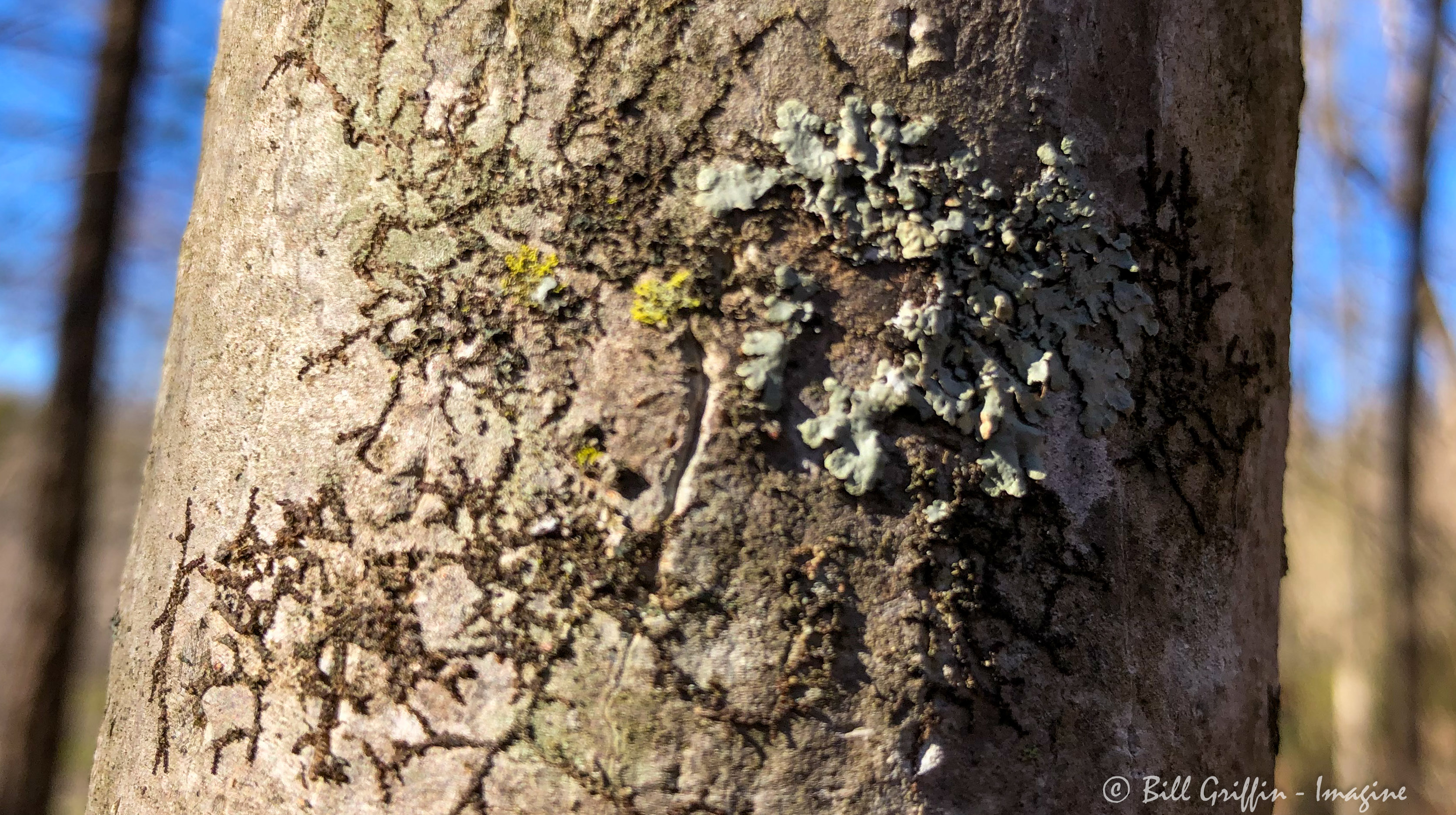
IMG_1948
 . 

Read Full Post »

 . 
[with 5 poems from Kakalak 2023]
 . 
Autumnal Asymptote
 . 
The sun’s last red is seeping through the maple now,
and umber too, like the webbing of a frog, like the shadow of winter.
How tenderly the ground holds each leaf. How lightly they rest
before they snuggle down under the rain.
Such a wealth of dying. The coin of the land is on its edge,
a membrane, the balance of water, seeping –
even the roots break light together.
Even the fungus breathes its gifts
to the soil.
 . 
Even the breath of me shatters this silent grace.
My steps churn leaves, worm-cast, root, stone.
The arc of reaching out is endless, airless –
I cannot kiss the earth’s brow so lightly.
She cannot sigh and settle beneath my hand.
 . 
Hannah Ringler
from Kalalak 2023, Harrisburg, NC. © Moonshine Review Press 2023
 . 
❦ ❦ ❦
 . 
I am about to read an online poem titled Bicuspid and I immediately tell myself it will be about that congenital heart syndrome in which the aortic valve has only two leaflets instead of the normal three (“tricuspid”). The man in the poem won’t even know he harbors the cardiac defect. His life will be flowing along its secure expected trajectory until suddenly in his 30’s he won’t be able to walk up a flight of steps or have sex without gasping for breath. Everything crashes – painful tests & procedures, dangerous surgery, bankrupting bills, a foot-long scar down his sternum. The life he was a moment before so confidently devouring has abruptly turned to eat him up and spit him out. Will he discover a new center?
 . 
The title also launches me into another favorite pastime – etymology. Just what is a cusp, anyway? Whenever you open yourself to a new field of exploration, your first big hurdle is its vocabulary. In scientific parlance, its nomenclature, but, hey, still just words. Don’t your non-poet friends’ eyes glaze over when you wax rhapsodic about enjambment? I know when my grandfather G. C. Cooke attended medical school in the nineteen-teens his required courses included Greek and Latin. Maybe he couldn’t do anything about Bicuspid Aortic Valve Syndrome, or even diagnose it pre-mortem, but he definitely was armed with all the nomenclature he needed to know cusp derives from Latin cuspis, a spear or a point, and the first recorded use of tricuspidem for “three-pointed” is from the 1660’s.
 . 
Dig deep beneath the words growing in these lines, whether cultivated garden or rank unruly weeds, and you discover that all is metaphor. The cusp of the moment is a fulcrum impossible to balance upon; leap left or leap right? The spear prods your back; it will not permit you to remain standing on this spot of ground you imagined so stable. The motion of your very heart is arrested, worn out of synch, its fluttering leaflets no longer able to manage the flow of your minutes.
 . 
Wow. I read the poem. Turns out it’s describing teeth. Bicuspid, duh. But it is still all about getting chewed up by life. And it’s awesome.
 . 
 . 
[ read Bicuspid by Clemonce Heard on poets.org HERE ]
[ and HERE is my favorite online Etymology Dictionary (or download the app Etymology Explorer) ]
❦ ❦ ❦
 . 
Under
++ from the early Chinese philosopher Mencius:
++“The ten thousand things are part of me.
++ Treat those things as you would treat yourself.”
 . 
Under the cloud, a man in the airplane
looks down from the window and yawns
at the mountain’s green canopy,
the towering tree where, under
a branch, the owl sleeps.
Under the owl, a young mother
leans against the rugged trunk;
under her eyes, a small screen,
her frog thumbs hopping;
under the screen, her hands.
Under her darting glances,
her child squats. Under the child
the tumbling river dances;
under the river, the rock.
 . 
The child lifts the rock and squeals
as, under the rock, the crayfish wakes.
Between two fingers, under her gaze,
its curious feelers, its wiggling tail,
its many legs running midair,
its hooked fingers; its eyes
examine her. It whispers in her hear.
The water stirs. She lifts the rock again
and tenderly tucks the crayfish
under, for now she knows
the ten thousand things are part of her.
 . 
Martha O. Adams
from Kalalak 2023, Harrisburg, NC. © Moonshine Review Press 2023
 . 
❦ ❦ ❦
 . 
Fox Moves in Nearby
 . 
As incense from a censer,
+++ wildness wafts about him –
he saunters
+++ outside our sliding door.
 . 
Red as cinnamon,
+++ gray-flecked belly,
he swings his head side to side,
takes everything in
+++ his black pearl eyes.
Squirrels scatter,
+++ grackles fly.
 . 
He lifts his leg and marks
+++ the stoop
and, with deliberation,
+++ three stones by the fountain.
 . 
He hesitates, concludes,
+++ and prances
through the hostas,
+++ slows beneath the forsythia,
squeezes through the fence.
 . 
We spend sever quiet breaths,
+++ fingertips on glass,
before we step out to sense
+++ his leaving.
The birds flit back
+++ to feed and chatter
Shadows underlying trees
+++ are darker,
redbirds, redder.
 . 
Preston Martin
from Kalalak 2023, Harrisburg, NC. © Moonshine Review Press 2023
 . 
 . 
❦ ❦ ❦
 . 
A few weeks back a friend in my writer’s group (holy poesy, Bill is in a writer’s group now!) mentioned that she has edited an anthology by poets near her home in northwest Ohio. Imagine opening a collection and recognizing the writers by name! See their faces as you read their lines, hear their inflections and cadence. You might realize immediately that the poem is about teeth and not heart valves. Such a concept!
 . 
Welcome to Kakalak 2023. Although the editors no longer require a North or South Carolina connection in order to submit, I still discover many friends and acquaintances in the pages of this annual anthology. This year’s book very much retains the flavor of the South – has there ever been an issue without at least one mention of red clay or grits? But these almost 200 pages span most everything that could be said to make us human, whether grief or exaltation, recollection or discovery, love or despair, current events or origin stories, even a raised middle finger to the Home Owner’s Association.
 . 
I’ve read the book through from page one to the end. I intentionally avoided skipping straight to the names I know in order to discover names I want to get to know. I used my standard criteria to select three poems to feature here, which is no criteria at all except what grabs me in the moment of reading (and the three quickly becam five, eleven, fifty). Do you need some new friends? As Robert Frost invites when he heads down to clear the pasture spring – You come too!
 . 
 . 
[ Kakalak 2023 is edited by Angelo Geter, David E. Poston, and Kimberlyn Blum-Hyclack; learn more about Kakalak, and purchase  HERE ]
 . 
 .
 . 
❦ ❦ ❦
 . 
Moon-Child
 . 
+++ +++ +++ Sophie has pummeled the beach all day
+++ with the unbridled vigor of a one-year-old
dog, her tail held aloft like a kite gaining the wind
 . 
She is tired and wonders why we’ve come back at this hour,
+++ though sand feels coos as the night sky peels off
+++ +++ the top layers of heat. She pants and leans into me.
 . 
+++ +++ That’s enough, isn’t it?
+++ To feel day draining into atmosphere?
+++ +++ To hear the surf recite the history of a planet –
 . 
+++ +++ +++ extinction events,
+++ +++ +++ +++ rise and fall of Rome,
+++ +++ +++ discovery, war, conquest,
+++ +++ pandemics, and underneath it all,
+++ echoes of lost Atlantis rumbling in the waves?
 . 
Sophie’s nose twitches.
+++ Something in the dark has put her on alert.
The cone of my flashlight reveals where a ghost crab
 . 
+++ +++ has been sidling. A moon-child
+++ +++ +++ gleaning alms offered by the tide
+++ +++ has scribed in the sand abstract patterns,
 . 
ragged as the Milky Way,
+++ like a record of all the small events
that drive the Earth, too delicate to see.
 . 
Gregory Lobas
from Kalalak 2023, Harrisburg, NC. © Moonshine Review Press 2023
 . 
❦ ❦ ❦
 . 
The Hive in the Wall
 . 
Sometimes, when a soul has more to say,
it holds on to some place, some person,
or just moves in between joists and frames,
 . 
taking the shapes of bees, even their names,
their endless buzz near the too-warm kitchen.
Unlike other ghosts, they work by day.
 . 
They still need light and the scent of wet grass,
flowers that love summer and last until fall.
They, I say they, but I mean they act as one.
 . 
Many creatures made of one spirit, a mass
that’s a fused, united, yet scattered, all.
That’s what it takes to get the job done.
 . 
This may not be true, but here’s what I believe:
that one day, all bees, in one swarm, will leave.
 . 
Paul Jones
from Kalalak 2023, Harrisburg, NC. © Moonshine Review Press 2023
 . 
❦ ❦ ❦
 . 
Hannah Ringler (Durham, NC) is a poet, gardener, and educator.
 . 
Martha O. Adams (Hendersonville, NC) includes drawings for coloring with her recent meditative poem In Your Meadow.
 . 
Preston Martin (Chapel Hill, NC) facilitates classes in poetry and literature at Duke Continuing Education.
 . 
Gregory Lobas (Columbus, NC) won the Dogfish Head Poetry Prize in 2022 for Left of Center.
 . 
Paul Jones (Chapel Hill, NC) is a member of the NC State Computer Science Hall of Fame and some of his poems crashed on the moon.
 . 
 . 
❦ ❦ ❦
 . 
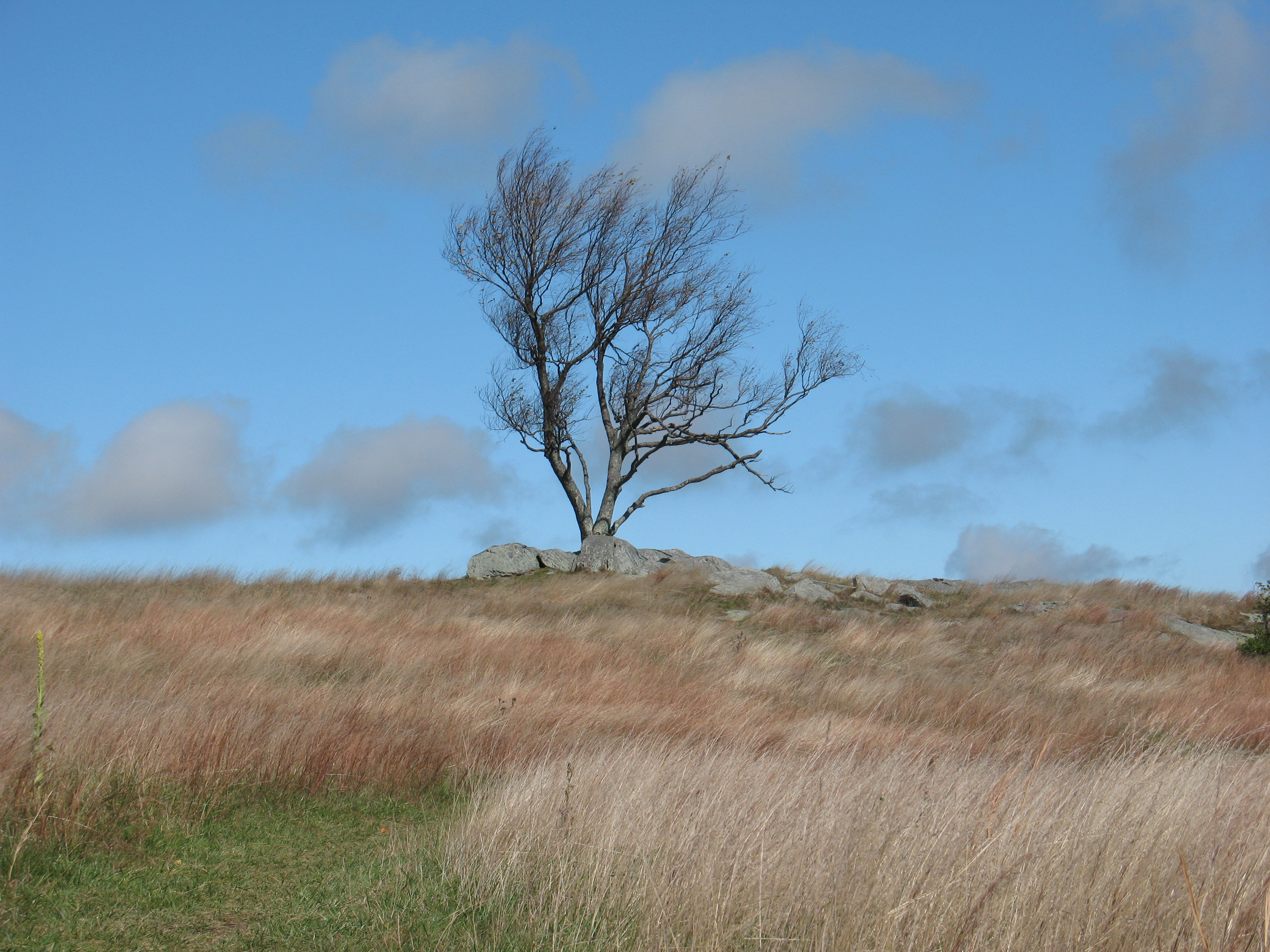
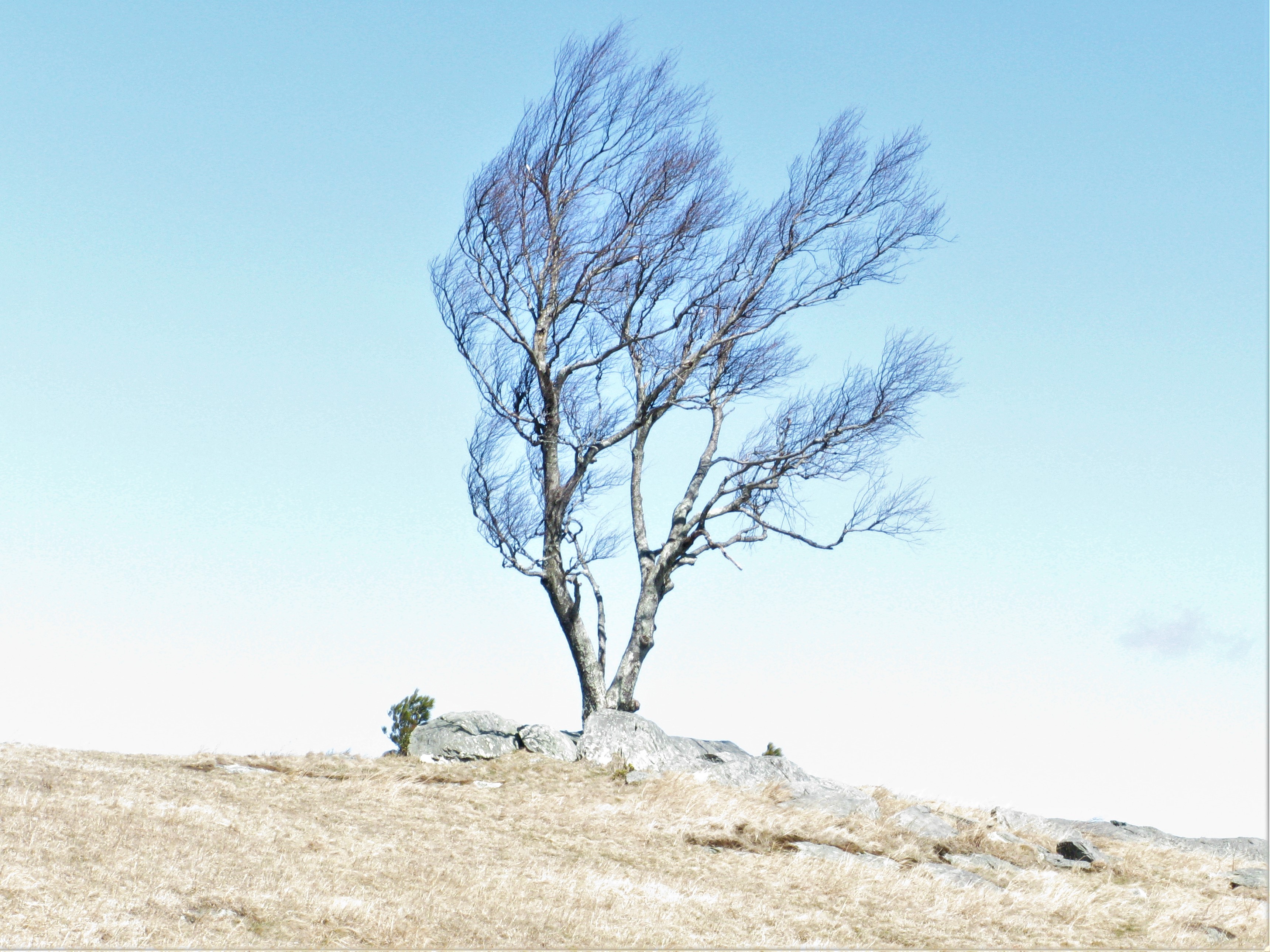
2020-03-07 Doughton Park Tree
 . 

Read Full Post »

« Newer Posts - Older Posts »