. 

.
[with 3 poems by Robin Greene]
.
Everyone is Someone Else
.
Everyone is someone else tonight.
Sitting on hallway stairs, bowl of packaged candies
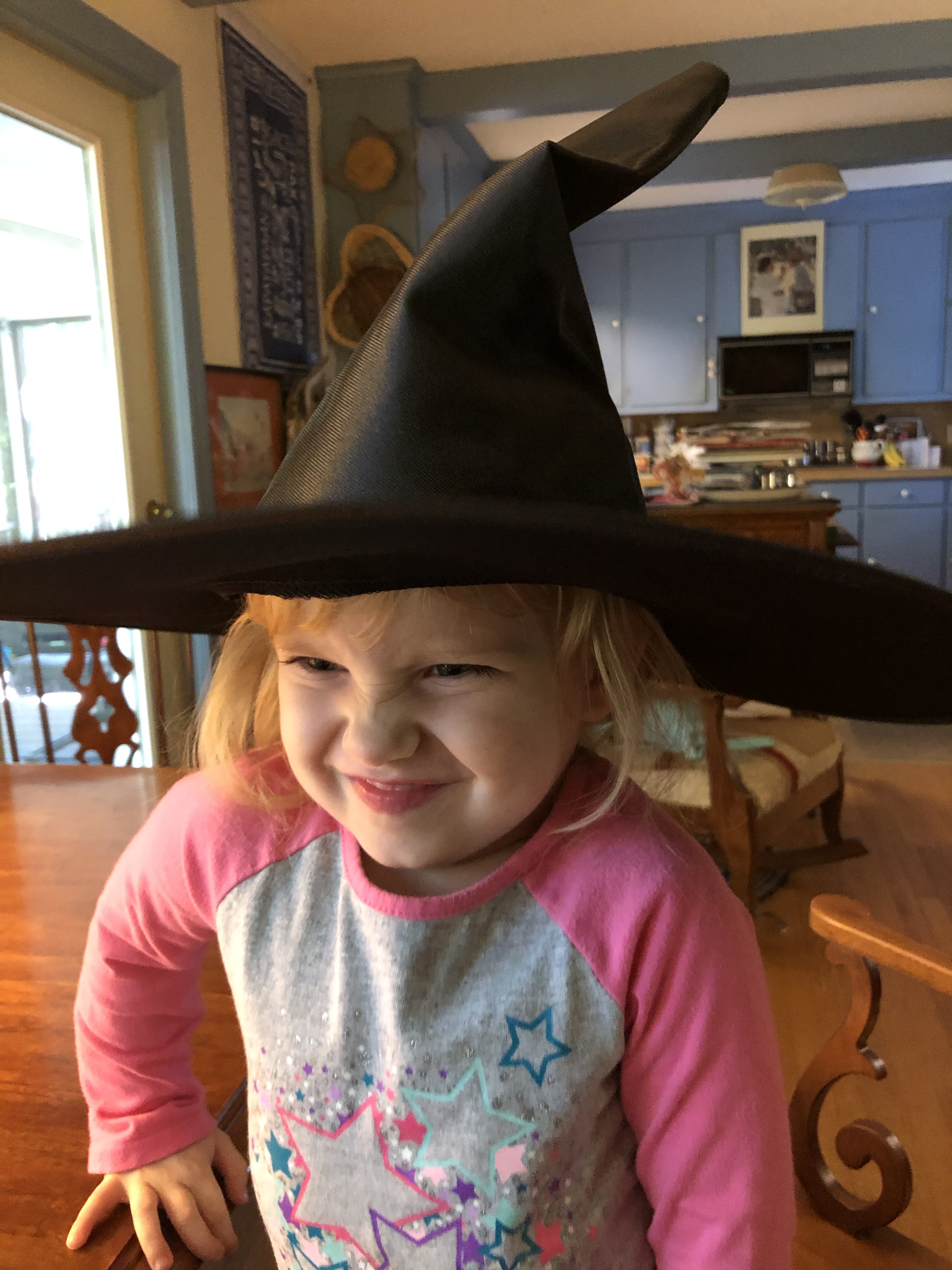
on my lap, I rise to greet four princesses – facemasks
hard and identical, two Energizer bunnies,
an army soldier in fatigues, and three wise men –
brothers they tell me. Later, as my son peels off
his Ninja costume to sleep in the chaos of his take,
two new moons, discovered around Uranus,
appear on CNN. And strangely, Uranus
is one of his spelling words this week.
The world seems driven by repetitions:
the ant’s legs scrambling across the kitchen tile,
sheet rain blowing against window glass,
the perennial grass relentless beneath
our feet. Robert Creeley once removed
his glass eye in a poetry workshop and described life
as a dress rehearsal, but never said for what . . . .
And once there was a man I loved and married.
We made three babies, but one died inside me,
and I bled for a month. Sometimes I pretend
that shit like this just happens, and whatever
meaning I search for is like searching for the faces
of strangers on this Halloween: behind masks
are masks, behind motion is motion.
.
Robin Greene
from Lateral Drift, Windows on History Press, Durham NC; © 2002
.
❦ ❦ ❦
.
For now we see through a glass, darkly; but (even) then face to face.
I Corinthians 13:12 (KJV – adapted)
.
Is everyone someone else, or just me? Am I who I seem to be, and would I let you know if I weren’t? I was that kid in English class who read every story in the book even though only four were assigned. I was the guy mixing and measuring in the back of the lab while the chemistry teacher was up front confounding the class. In college they had to drag me out of the science building every night when it closed. I chose medicine as my profession from some hazy expectation that it would let me keep learning new stuff all my life.
.
Now in my closing decades I want to say, “Stop! I’ve learned enough!” I don’t need to know any more than I do right now about all the hard stuff. Parent, caregiver, worrier, fuckup – enough! There is only one way, however, that life will finally drag you out of the classroom. To paraphrase a caution about Nature: Life gives you the test first, then teaches you the lesson.
.
A mirror, like a person, ages. Over a century shiny metal applied to glass tarnishes and darkens. It reveals its pits and blemishes. Attrition, wearing down, is not far from contrition, wearing ashes. Paul writing his first letter to the Corinthians expects us to outgrow our foolishness and confusion, set aside childish ways and think like grownups. He dangles the promise that we may experience eternity with God face to face. I hope that’s true, that my self is more durable than my molecules, but I wonder about all this learning and knowing in the meantime. Life – has it been worth it? Even the person who passes with an “A” still answered 5% wrong. That adds up to a lot of foolishness and confusion I am carrying.
.
Even gazing into a dark mirror, I still see myself face to face. Who is that looking back? All the knowing I’ve tried so hard to accumulate and hold onto, all the elements I’ve combined into myself, in that mirror they become shadows fading away at the periphery. The person in that mirror – who is he really? Perhaps on my final day, when the blazing light of the universe is revealed and ultimate mysteries are mysterious no longer, I will also see, clear and defined, face to face, me.
.

.
❦ ❦ ❦
.
The Necklace
.
Under cool running water, my mother clutches
a knife, debones chicken breasts the color
.
of a winter moon; I’ll never be a woman,
I think and rise from my half-lotus
.
on the countertop – eight years-old –
my flat, tight body still an ally.
.
My mother and I never speak of this
apprenticeship, field archeologist
.
I’ve become, unearthing the glyphs
and ruins of my gender
.
until my father and brother arrive,
noisy as blind men,
.
bumping their way across the linoleum tiles –
breaking our silence
.
as though it were neither real
nor holy.
.
Later, the smells of cologne, hairspray
filter through the house.
.
Steam from the iron sizzles
on its aluminum pad
.
as mother presses
my father’s slacks and shirt,
.
and sets up snacks for the babysitter –
fashioning each small part of our lives
.
as though they were hand-made beads
for a necklace some Inca woman
.
might make and pass down
to her only daughter.
.
Robin Greene
from Lateral Drift, Windows on History Press, Durham NC; © 2002
.
❦ ❦ ❦
.
Just as an earthquake or long drought may expose new strata to the paleontologist’s questing eye, so a pile of books tumbling off a desk. Robin Greene wrote these poems in Lateral Drift twenty-five years ago. When I open the book today for the first time, how powerfully the lines still reach out to me and into me. How truthfully they speak; how in the present they are; how they open themselves, and me. Who is the voice in these unsheathed knives of stories? Who was she then, and is she still? But why even ask such a thing? The poems are who they are made to be; they carry the light and the darkness they were created for.
.
Better to ask instead, Who am I as I read these poems? I am a man opening myself to receive the truth of a woman’s struggles and the marrow of her knowing. I am a person old enough to have grandchildren yet I become a child and a young parent and Lord knows what in the tangle and turbulence of these stories. I am someone who knows little, perhaps nothing at all, until I am willing to sit down for a moment in this silence filled with words.
.
After I’ve read the book, read it through a second time, spoken some poems, typed out a few favorites in order to learn them through my fingers as well as through my eyes and breath, then I turn back to the title page and test memory and find this: 11/17/01 To Bill, Best wishes, Robin Greene. Time is not metallic, unspooling keen enough to slice you if you try to hold it still or alter its shape; time is froth and broth and no telling what may next boil to the surface. There you discover the one advantage of having lived seventy years – you have plenty to add to the stew.
.
❦
.
Robin Greene has bubbled and boiled plenty since she signed my copy of Lateral Drift. She is cofounder of Longleaf Press and also cofounder of Sandhills Dharma Group. She retired as Professor of English and Writing, and Director of the Writing Center at Methodist University in Fayetteville, NC. She continues to write and publish poetry, fiction, and non-fiction from her home in Hendersonville, NC.
.
Robin Greene – Artist’s Statement
.

.
❦ ❦ ❦
.
What the Leaves Said
.
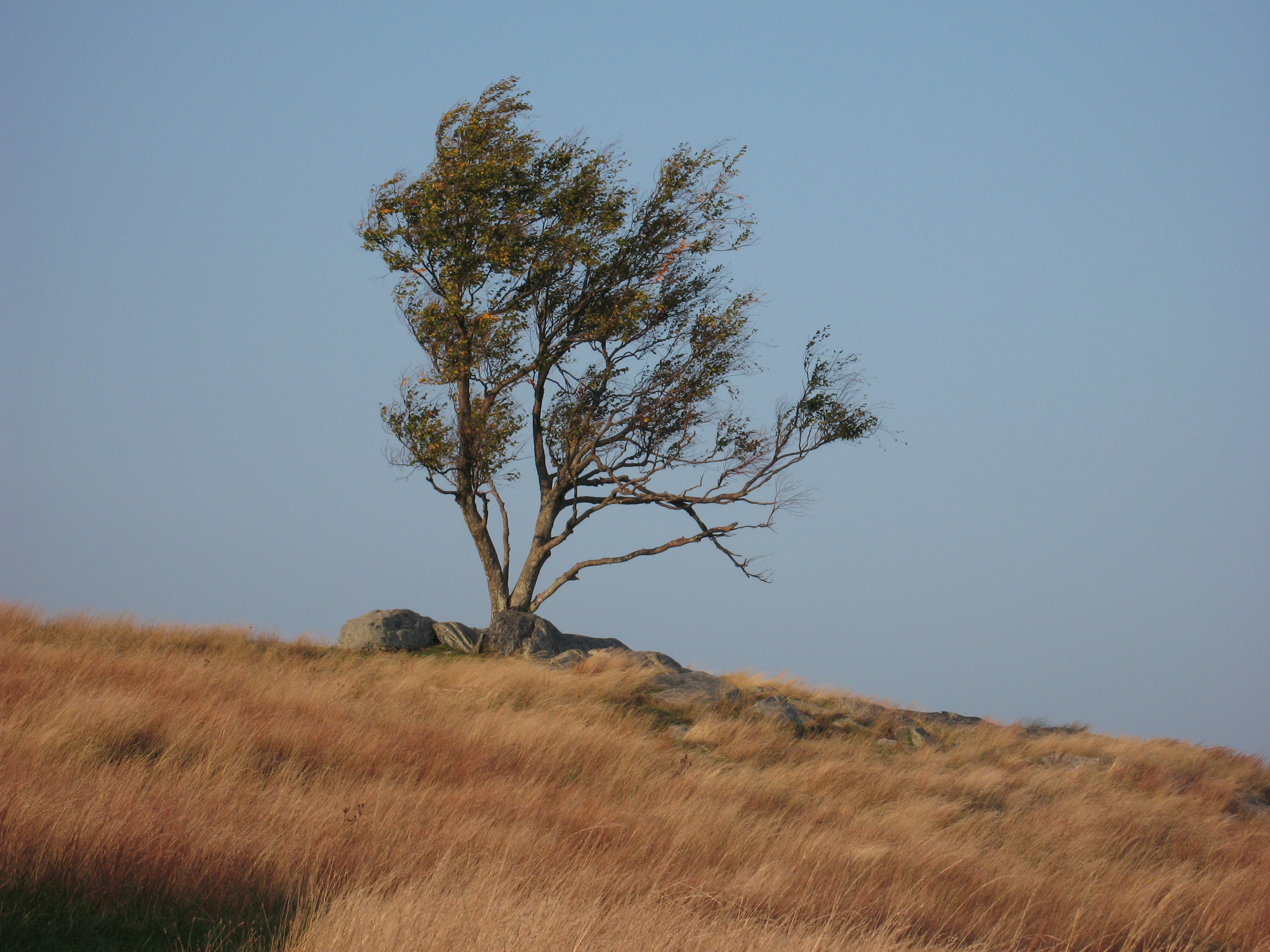
As I walked in the woods today,
early October, the leaves fell –
.
individually – through stark, shining air,
until one of them unfolded its
.
blood-red palm in my outstretched
hand and whispered a word
.
before joining its kin on the forest floor.
I had stopped for a moment, noticing
.
sunlight opening up shadows,
shifting its radiance in light wind
.
across the new landscape as leaves
shook from beech and oak,
.
and I listened: one word becoming
many, becoming one.
.
Robin Greene
from Lateral Drift, Windows on History Press, Durham NC; © 2002
.
❦ ❦ ❦
.
.
.






Always glad to hear from you, Brad. ---B