Archive for September, 2025
Poetry at Cary Arts Center
Posted in Imagery, tagged Bill Griffin, Cary Arts Center, imagery, Mark Cox, Michael Hettich, Narya Rose Deckard, NC Poetry Society, NC Poets, NCPS, North Carolina Poetry Society, poetry, Southern writing on September 26, 2025| 7 Comments »
.
NC Poetry Society at the Cary Arts Center
[poetry by award winners Mark Cox, Michael Hettich, and more]
.
All Right
.
The boy doesn’t know what to do. He’s only twelve. And he’s never seen adults weep, not like this at least, so distraught, disconsolate. He can see his grandmother from the kitchen, through her bedroom doorway. Prisoner of her dementia, the old woman lies fully clothed atop the chenille bedspread, her floral house dress faded, her shoes scuffed and worn, light from one window cutting her in two. Her good dishes have disappeared, the piano is still in the old farmhouse, the cows need to be milked, her young sons are still in France at war. The boy sits at the breakfast table, adrift in a sunlit swirl of dust motes. He understands none of this is true, but how is he to help? What can anyone say? To live is to leave, the boy thinks; we make our way, but lose something always and wherever we go. Our shoe soles wear down, our hair thins, our bodies diminish and so we travel always through galaxies of our own shed lint and skin, the leavings of once known things. Finally, at a loss, he just lies down next to her, his sneakers alongside her purpled ankles. He knows nothing ever is going to be all right, but he says it anyway.
.
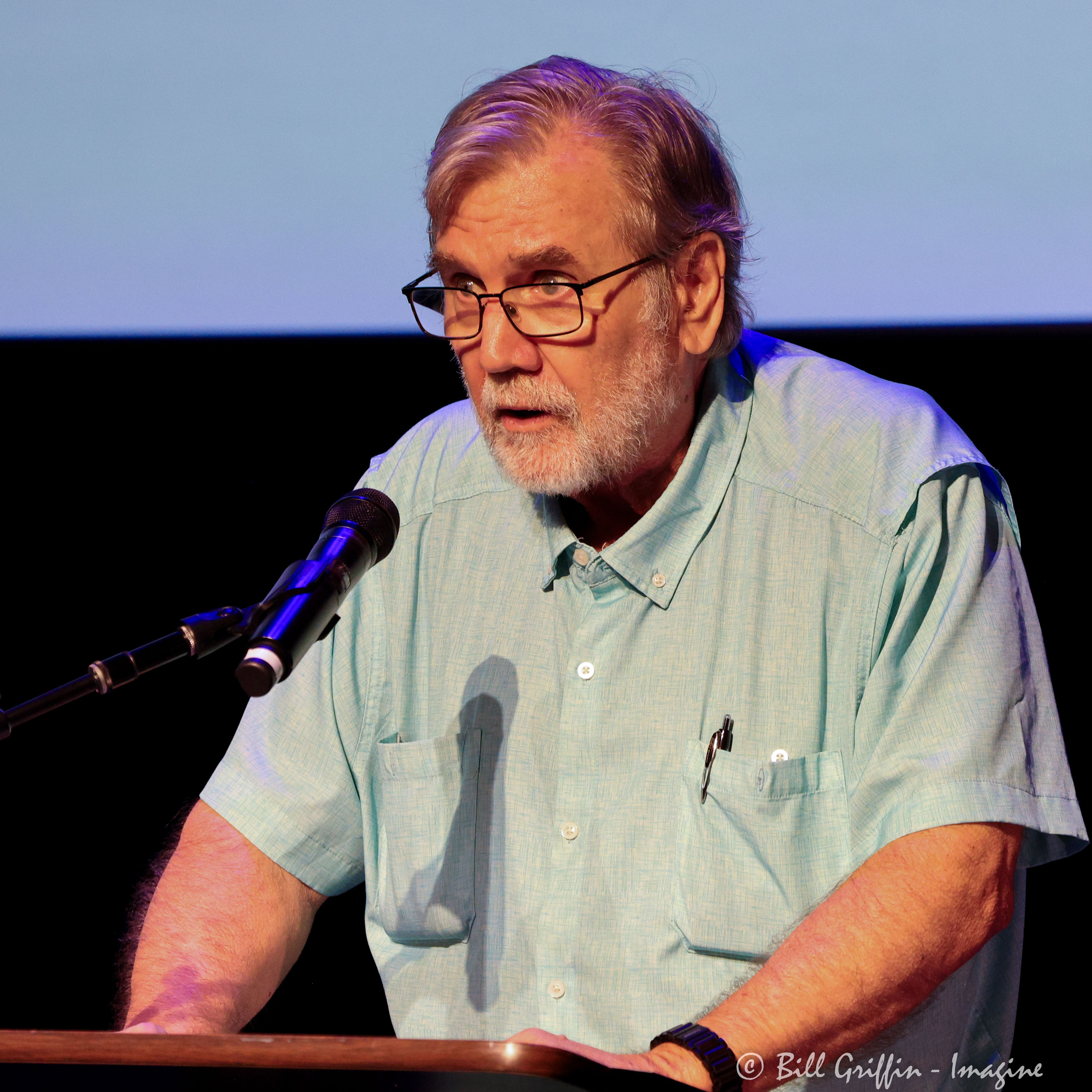
Mark Cox
from Knowing, winner of the 2025 Brockman-Campbell Book Award of the North Carolina Poetry Society
.
❦
.
Mark Cox is chair of the Department of Creative Writing at University of North Carolina, Wilmington. He also teaches in the Vermont College of Fine Arts MFA Program. His six previous books include Sorrow Bread: Poems 1984-2015 (2017) and Readiness (2018). Read more about Knowing and purchase your copy at Press 53 HERE.
.
Claudine Moreau is second place finalist for the 2025 Brockman-Campbell Award, for her book Demise of Pangaea. Visit this site on October 3 for more about her book and a sample poem.
.
.
❦ ❦ ❦
.
Each September at its fall meeting the North Carolina Poetry Society features readings by the winners of the following contests:
.
Brockman-Campbell Book Award (NCPS): best book of poetry published by a North Carolina author in the preceding year
Lena Shull Manuscript Award (NCPS): for a manuscript by a North Carolina author; the winning book is published by NCPS
Susan Laughter Meyers Fellowship (NCPS): a one week residential fellowship at Weymouth Center for the Arts and Humanities for one North or South Carolina poet
Randall Jarrell Poetry Prize (sponsored by North Carolina Writers’ Network): for an individual poem by a North Carolina author
Jaki Shelton Green Performance Poetry Award (co-sponsored by North Carolina Literary Review at East Carolina University and NCPS): for an individual poem recited / performed
.
For information about North Carolina Poetry Society contests VISIT HERE:
.
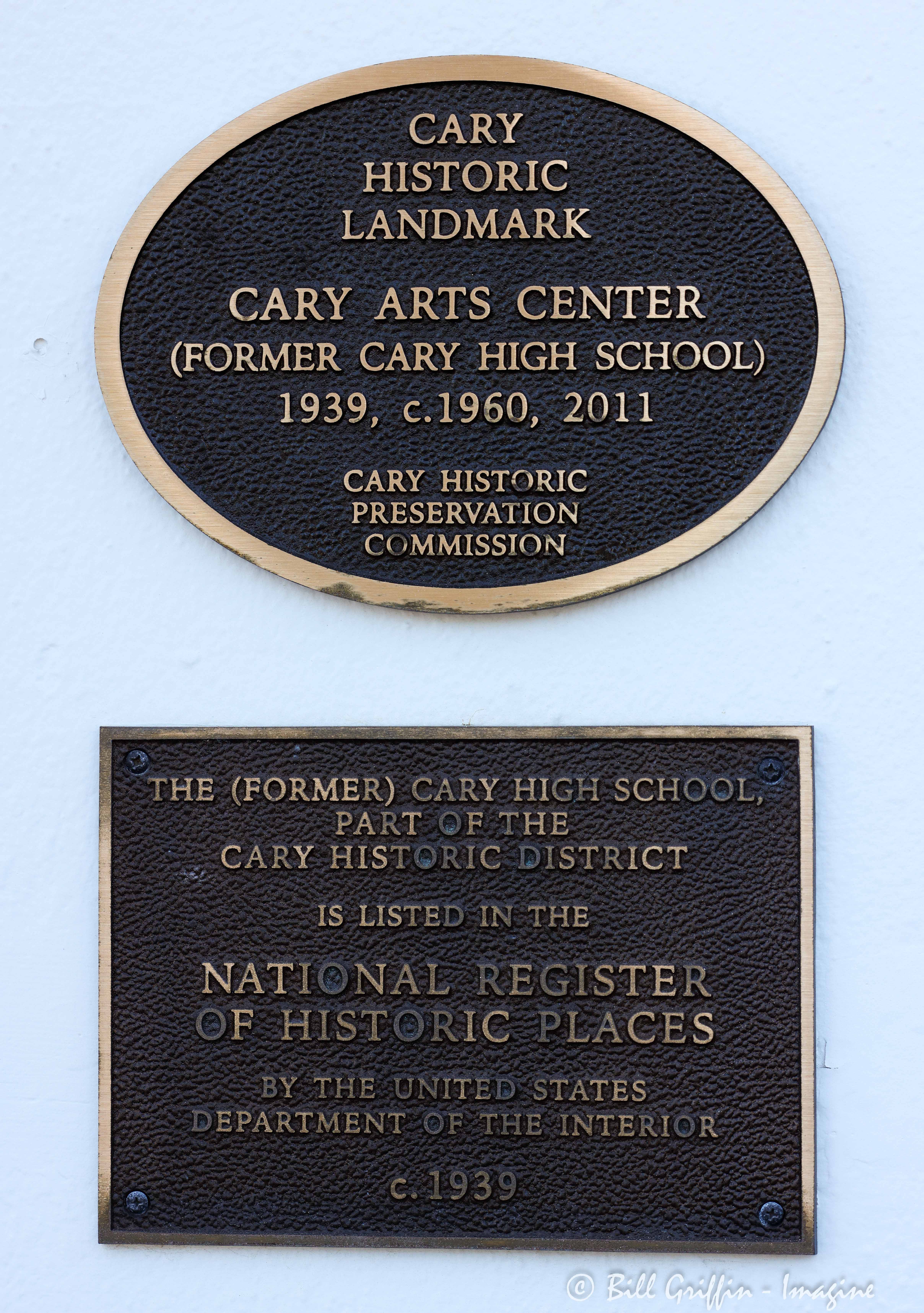
In 2023 the September NCPS meeting was held at the NC Museum of Art in Raleigh, in 2024 at the NC Arboretum in Asheville, and this year’s meeting on September 13 celebrated the Cary Arts Center, formerly the Cary High School (1939), listed on the national registry of historic places. Today’s and next Friday’s posts feature some of the poetry shared at the meeting by the 2025 contest winners; return to this site on October 3 for more offerings!
.
.
❦ ❦ ❦
.
The Meadow
.
++++ I woke in a tall-grass field at first light,
and listened to the birds, and hummed with a dream
.
++++ ++++ I made up from wisps
++++ that ran through my body
++++ ++++ shivering marrow, making me notice
.
++++ the dew that dampened
my face and the spider webs
++++ starting to shimmer the trees.
.
Everything was breathing; the long night echoed
++++ in the dawn-light: stars
++++ ++++ and vast migrations
.
++++ as the breeze stuttered a moment, then stilled.
++++ Across the field, my companion was singing
++++ ++++ her own perfect song, which was silence. Still
++++ ++++ ++++ I could hear her somehow, so I got up and set off
.
++++ ++++ ++++ ++++ to thank her for sharing this beautiful place
++++ ++++ ++++ she’d known all her life, this place where she’d always
++++ ++++ ++++ ++++ felt happy, the place she yearned to stay
.
++++ ++++ as long as she breathed. And then, she’d told me,
++++ she’d turn into something more perfect: the vast
sky, so blue it hurt the eyes,
++++ or a meadow like this one, that stretched to the horizon.
.
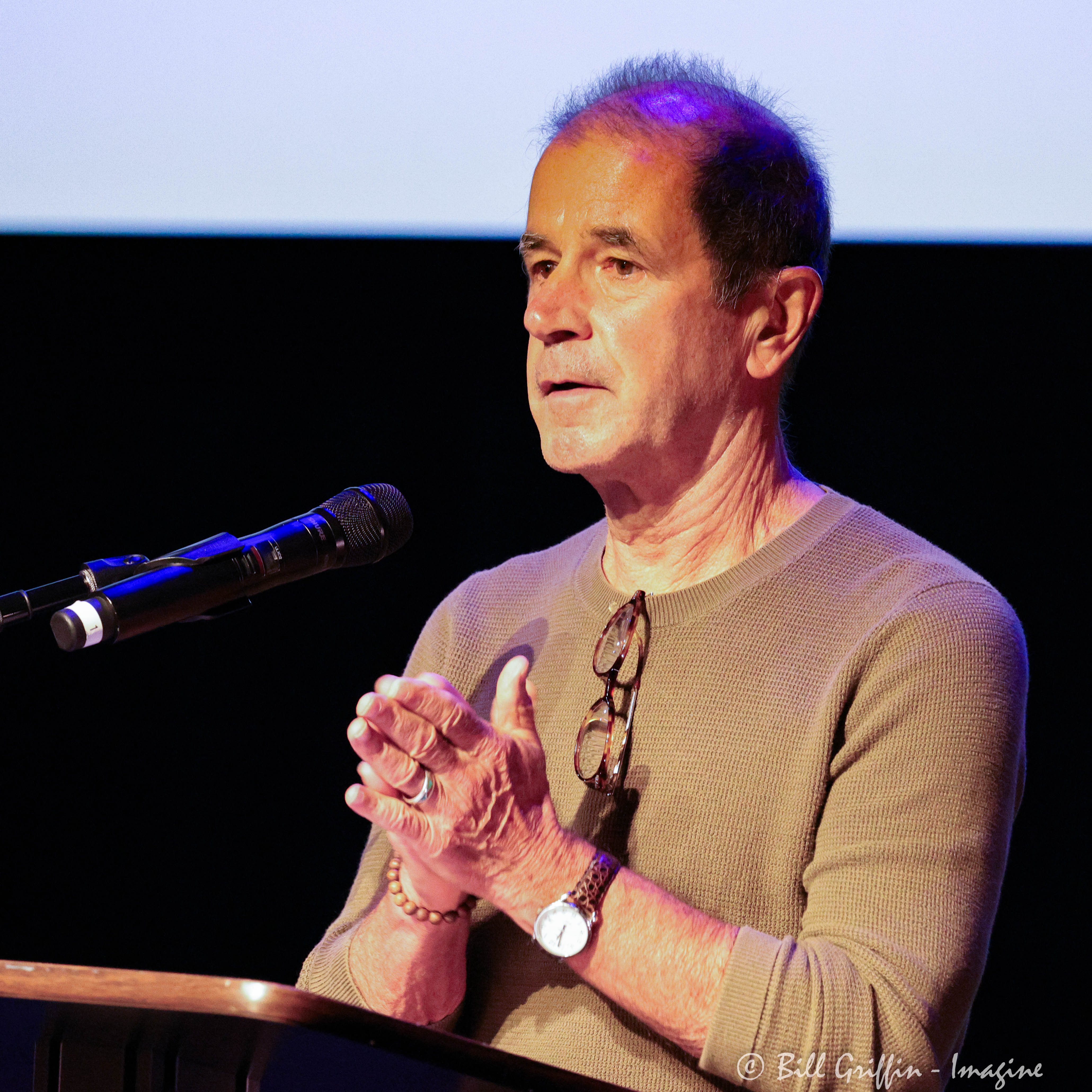
Michael Hettich
from Waking Up Alone, winner of the 2025 Lena Shull Manuscript Award of the North Carolina Poetry Society, to be published later this year by Redhawk Publications.
.
.
❦
.
After years in New York, Colorado, Florida, and Vermont, Michael Hettich now lives in Black Mountain, North Carolina. He holds a Ph.D. from the University of Miami and taught for many years at Miami Dade College where he was awarded an Endowed Teaching Chair. Over five decades he has published more than two dozen books of poetry and received numerous honors, including several Individual Artist Fellowships from the Florida Division of Cultural Affairs, The Tampa Review Prize in Poetry, the David Martinson/Meadowhawk Prize, and a Florida Book Award.
.
Additional Finalists for this year’s Lena Shull Award are Becky Nicole James and Charles Wheeler.
.
.
❦ ❦ ❦
.
Feathers
.
When September slips in the window like a forgotten lover,
Reaching for me from my burrow
+++++++++++++++++++++ With its hands of feathers
.
In the early morning croak of crows, and I can smell
That someone has lit a fire,
+++++++++++++++++++++ An utterance of feathers,
.
Such that I can’t remember if I’m seven, in a log house my father built,
And he’s kindled the first autumn fire,
+++++++++++++++++++++ Fanned the feathers,
.
Or I’m twenty-five in the wooded hollow alone
But for the cats, dogs, and calls of coyotes, having lit the fire myself
+++++++++++++++++++++ That spanned feathers,
.
But no, when you roll over
In a twist of sheets,
+++++++++++++++++++++ In a band of feathers,
.
And I hear a young tail thump softly on the floor, a brief whine-
When someone else’s woodsmoke slips through the window
+++++++++++++++++++++ Like sanded feathers,
.
And I am here with you, and we’ve struck our own match-
When you reach across and slip your arm around my waist,
+++++++++++++++++++++ With the sustenance of feathers-
.
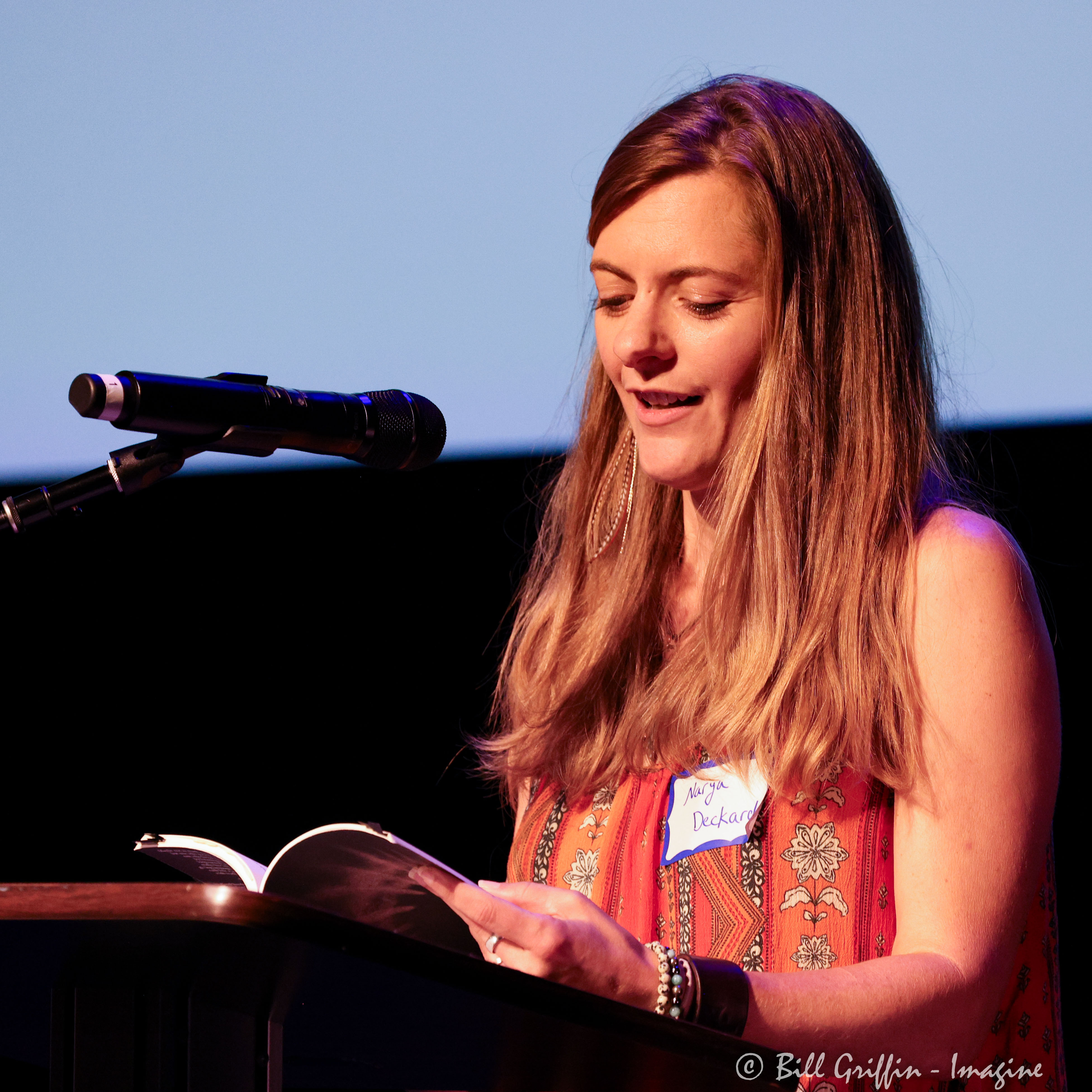
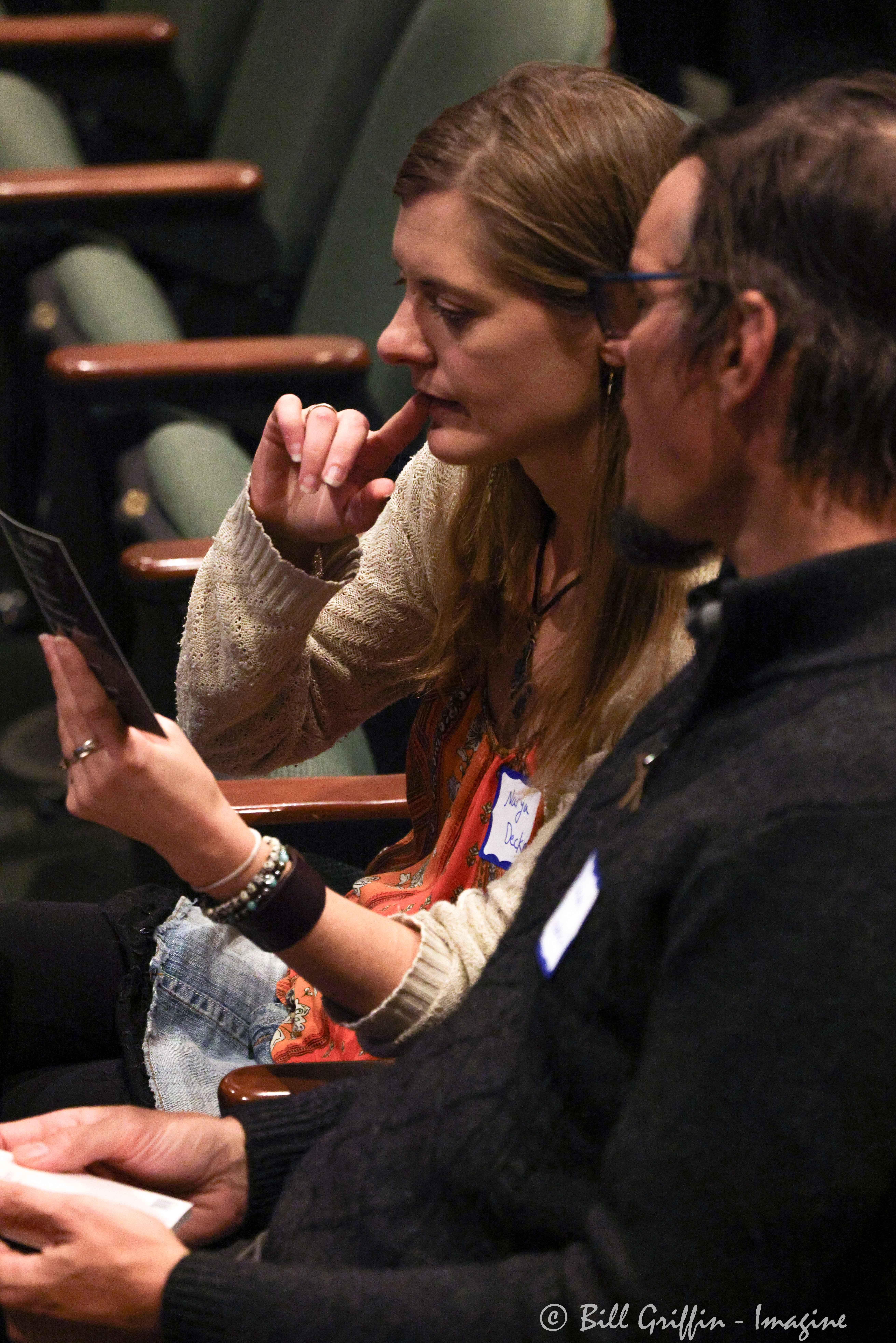
Narya Rose Deckard
from her debut poetry collection Wolfcraft (Broken Tribe, © 2025), available from Bookshop.org
.
.
❦
.
Narya Rose Deckard teaches writing at Lenoir-Rhyne University, where she earned her MFA in poetry at the Thomas Wolfe Center for Narrative. Originally from the mountains of Maryland, she currently lives in Valdese, NC with her husband, dog, five cats, and a few chickens, but she also spent ten years in Asheville studying literature and philosophy at UNCA. As winner of the 2025 Susan Laugher Meyers Fellowship, she receives an honorarium and one week writing residency in Southern Pines at Weymouth Center for the Arts and Humanities.
.
Susan Laughter Meyers was a widely published Carolina poet who mentored many rising poets and promoted literature across the South for decades. She served at different times as president of both the South Carolina and North Carolina Poetry Societies. Her family, friends, students, and other admirers of her life’s work have endowed this Fellowship in her name for the North Carolina Poetry Society. Many thanks to Weymouth Center, as well, for donating space and support for the poet residency.
.
.
❦ ❦ ❦
.
Begin With Me
.
I got up
off the ground
near some graves—I share
the last name with.
.
I begin,
with what I was handed,
a mama, a daddy I saw a few times,
because he hid
in the hues he knew.
.
My little brother full of love
like the corner store in heaven. I knew
his lying like I knew our daddy’s lying,
same song, but a higher key.
My mama taught me to
.
ask my dead plenty of questions—
to let the moon touch me on the mouth,
to ring my black bell.
.
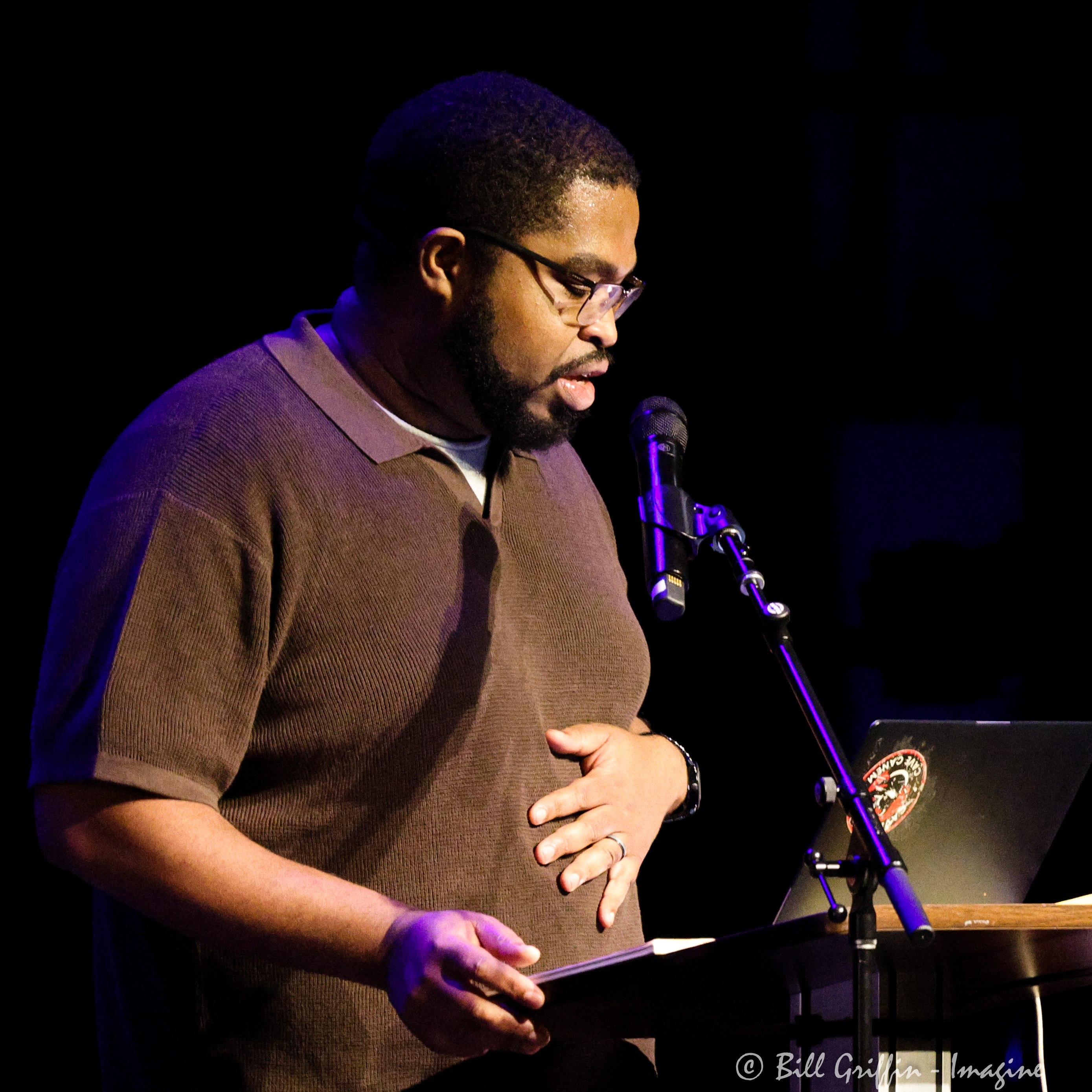
Tyree Daye
from a little bump in the earth, Copper Canyon Press, © 2025
.
.
❦
.
Tyree Daye led the writing workshop for the afternoon session of this NCPS meeting, He focused on breath: within and around a poem; what it might reveal and what it might hide. The writer can strive to become more conscious of their own breath as they splice syllables and thump out the poem’s rhythm. The reader can strive to slow down and feel their own breath as they silently speak the words. Breath can hold the meaning and feeling that the poem wants to birth into the world. Hold it, and let it out.
.
Tyree Daye grew up in Youngsville, North Carolina. He is the author of three poetry collections, including River Hymns (winner of the APR/Honickman First Book Prize), Cardinal, and most recently a little bump in the earth. He has been a 2017 Ruth Lilly Finalist and Cave Canem fellow. He serves as Assistant Professor at the University of North Carolina, Chapel Hill. Tyree Daye teaches. Not just reading and writing, not just poetry – he teaches what it means to be human, a human with a past and with a future. One reaction to his new book: Poem by poem, Daye is honoring the people of Youngsville and “bringing back the dead.”
.
❦ ❦ ❦
.
Tune in next week, folks . . . in our October 3 post we will continue to celebrate the riches of this September 13 meeting in Cary with poetry by Claudine Moreau, Becky Nicole James, Charles Wheeler, and more.
.
.
❦ ❦ ❦
.
.
.
.
.
.
.
Crooked
Posted in family, tagged Bill Griffin, imagery, nature, nature photography, Robert Bly, Sourwood, Stephen Dunn on September 19, 2025| 6 Comments »
.
[poems by Stephen Dunn, Robert Bly, Bill Griffin]
.
Circular
.
Daylight illuminated, but only for those
who had some knowing in their seeing,
and night fell for everyone, but harder
for some. A belief in happiness bred
despair, though despair could be assuaged
by belief, which required faith,
which made those who had it
one-eyed amid the beautiful contraries.
Love at noon that was still love at dusk
meant doubt had been subjugated
for exactly that long, and best to have music
to sweeten a sadness, underscore joy.
Those alone spoke to their dogs,
but also to plants, to the brilliant agreeableness
of air, while those together were left
to address the wall or open door of each other.
Oh for logs in the fireplace and a winter storm,
some said. Oh for Scotch and a sitcom, said others.
Daylight concealed, but only for those
fond of the enormous puzzle, and night rose up
earth to sky, pagan and unknowable.
How we saw it was how it was.
.
Stephen Dunn (1939-2021)
Shenandoah, Volume 52, Number 3; Fall 2002
.
❦ ❦ ❦
.
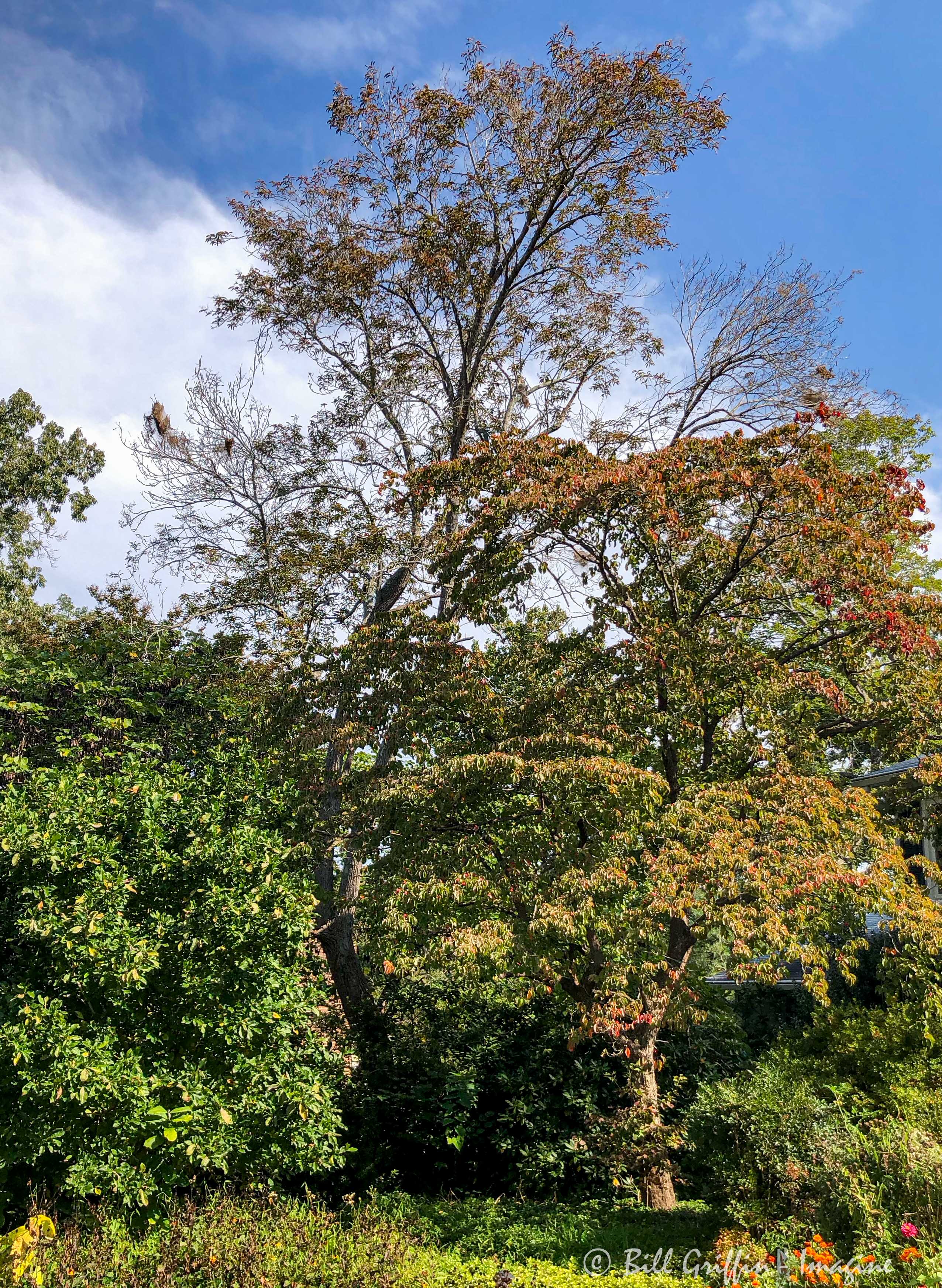
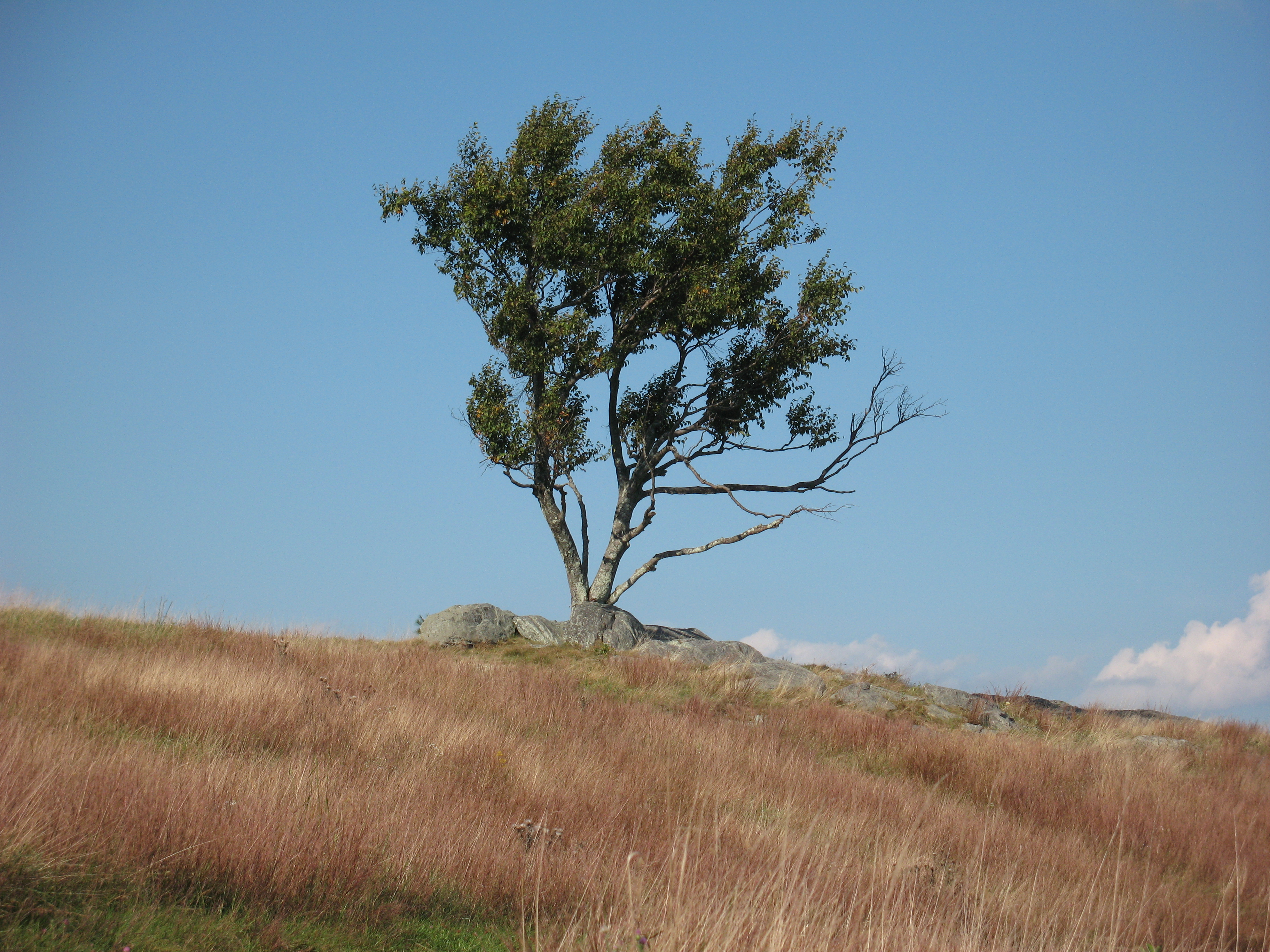
Josh has taught me how to spot a sourwood across the meadow along the treeline. Always crooked. Curved and arched, clutching branches and trunk like an old man’s spine, in medical parlance kyphosis. It must be because the sourwood is grasping at something always out of reach. Always overtaken by shadow but always trying to edge closer into the light.
.
When we bought this house in 1983 the steep back lot was choked with hickory and tuliptree; in front, two weighty red oaks flanked the door, centenarian sentries. A dogwood struggled in their shade and at the northern lot line one sourwood straggled out from under. Crooked! That first summer I noticed, of all the trees in leaf, only the sourwood labored with tent caterpillars, messy tangled webbing and bare patches chewed out of its foliage. I though maybe I should try to save old sourwood from its pests, but they were too high for me to spray and I had no spare cash for an arborist. Oxydendrum arboreum, you are on your own.
.
After Hurricane Hugo walloped the Appalachians in 1989, we cut down those two oaks that leaned two threatening meters from our walls and roof. At the base they were bigger around than oil drums. A few years after those monsters came down I noticed the sourwood, not standing any straighter but now stretching a new arm pure vertical, due upward, sunward. Another thirty years along and that sourwood is still making flowers in the spring, champion of honeybees, and still sharing its bright summer green with any and all itinerant webworms. The dogwood and redbud look up and pay homage from around its knees. But even with all the newfound light my sourwood remains crooked as hell.
.
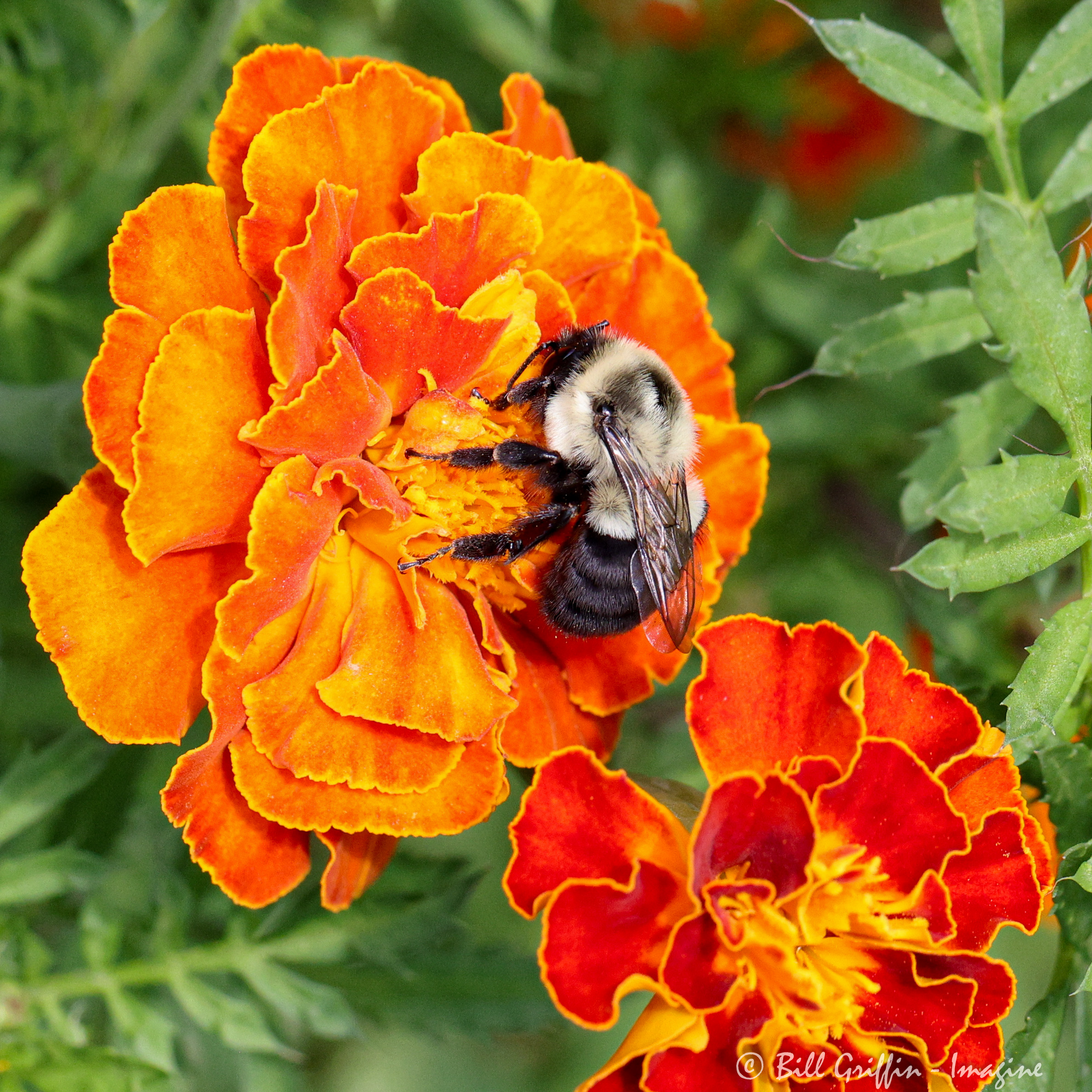
Teach me the same lesson, Josh and Sourwood. Life ain’t ever going to get cobbled together perfect. Most mornings I have to claw through a web of nasty wormsilk before I can struggle up from sleep. Most days I’m noticing the weeds and cankers I haven’t yet yanked from my beds more than I’m noticing the asters’ spiral floret emerging or bumblebees’ shanks stuffed with pollen. Step back. Look again. Forgive the mess of life just making its daily living. Forgive the darkness that less hides the light than shows it brighter. Forgive myself that I can’t fix it all, make it come out straight. Forgive my own crookedness. Isn’t that what makes the sourwood a sourwood?
.
.
❦ ❦ ❦
.
What Things Want
.
You have to let things
Occupy their own space.
This room is small,
But the green settee
.
Likes to be here.
The big marsh reeds,
Crowding out the slough,
Find the world good.
.
You have to let things
Be as they are.
Who knows which of us
Deserves the world more?
.
Robert Bly (1926-2021)
Academy of American Poets, https://poets.org/poem/what-things-want
.
.
❦ ❦ ❦
.
Sourwood
.
Bent from overshadowing,
+++++ crippled
by the broad red oak;
tent caterpillars, years
+++++ of limp submission,
robbed of flowers
by heartless shade.
.
Rocky soil, no tap root, many winters:
the big red finally kneels, prostrates itself,
.
and Spring delivers sun to sourwood.
Straight up tangent to the curve of trunk
+++++ new arms jubilate,
new fingers reach to pull down sky, bees
celebrate creamy clusters
.
and there is honey.
.
Bill Griffin
featured in Poetry in Plain Sight 2014 by the Winston Salem Writers.
.
.
❦ ❦ ❦
.
.
❦ ❦ ❦
.
Bad Time
Posted in family, Photography, poetry, tagged About Time, Bill Blackley, Bill Griffin, Carbon Canyon, David Duchovny, family, imagery, nature photography, poetry on September 12, 2025| 6 Comments »
.
[including Carbon Canyon by David Duchovny]
.
We cannot know how good for us
the bad times were.
. . . . . . . . . . . . . . . . . . . . – High Five in the Sky –
.
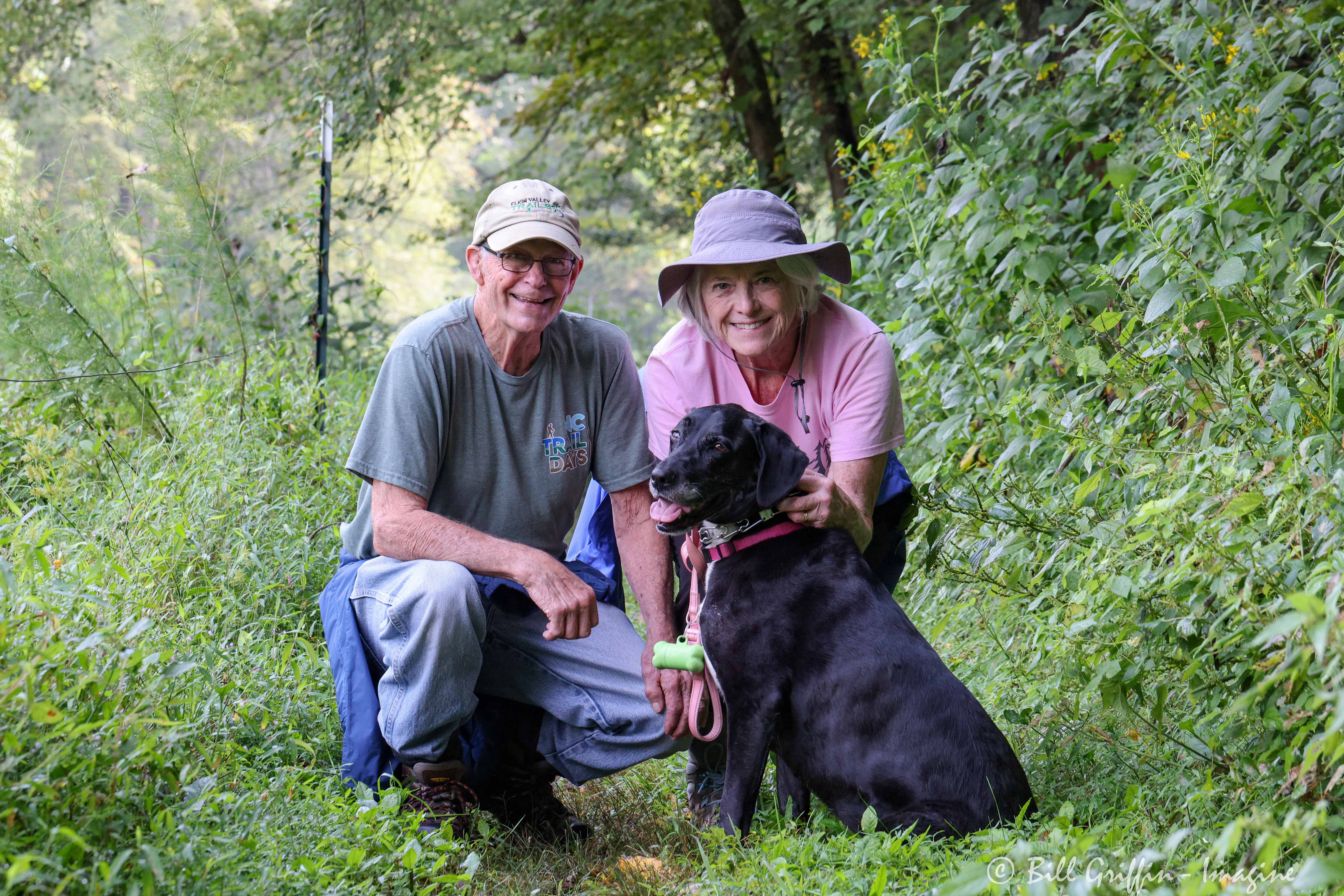
Bill and I decide to take a walk together this autumn afternoon. The year is 2020. Does visceral memory plunge you into context? When did he and I last see each other, if only above the nasal hem of an N-95? But today we will be together outdoors, the light breeze adequate to disperse particulates as we pick our way along the steep trail down to Dutchman Creek below our homes. Near neighbors, nearly always separate in our daily meanderings. Today reconnecting. Today again confessing to each other that we are connected somewhere deep in our guts, spleen & pancreas, since that first day in 1979 when Bill introduced himself to me as my Senior Resident and I stepped onto the wards at Durham County General as an Intern.
.
That first night we stumbled on the brink of fucking up completely. One patient we had stabilized and put to bed crashed at 3 AM while we were looking elsewhere. We were able to bring her back and at 0600 coffee before rounds with the Attending we listed to each other all the things we’d just learned. Still learning now, forty-one years later, Bill on the bench I’ve planted on my hill and me on a rock six feet distant. We confess completely fucking up again, this time our friendship when we split ten years after that very first connection. Time is not calligraphy, an artful line advancing with curlicues that mark each pleasant memory. Time is a patchwork of craters where the bombs went off. Time may soften a few scars, allow fireweed and fleabane to bloom amidst the desecration, but be careful you don’t stumble at the lip of former chaos.
.
Or do stumble. Look up for once from always looking down. Pull up your sleeve and share the bruises. I’m talking to you, one Bill to another Bill. I am grateful to have you as my friend.
.
.
❦ ❦ ❦
.
Carbon Canyon
.
We lived in Carbon Canyon the, before the fire,
unpack that given irony – were there no
carbon copies, we so unique and blessed?
.
There was a time when I walked
with my three-year-old daughter
(I think three . . .).
Anyway, I know we were walking the deep decline
of Carbon Canyon
on one of those short, mommyless jaunts . . .
And we came upon
the recently car-crushed carcass
of a gray field mouse, part three-dimensional
as in life,
part flattened as in a drawing,
the weight of the car
having made its lower half unreal, a cartoon.
The drive long gone,
unaware of their handiwork, guiltless.
.
A tiny trickle of blood from its slightly opened
mouth, a last profound unheard utterance,
so perfectly dramatic and telling
as if to seem placed by a movie crew
hiding in the bushes perhaps.
.
And my daughter (two, three, four?)
about to spy it on the ground, and I, a daddy,
with knowledge spilling out of my pockets,
life lessons, sense a teaching moment for the disquisition
on mortality that very parent believes
every three-year-old needs –
(see, it all ends, best laid plans and all that,
life’s unfair; carpe diem, little one;
Latin for . . . heaven; there but for the grace of god –)
in these moments, I realize I am nothing but a recording
of my own parents’ voices – their greatest hits,
my soul their phonograph . . .
.
Fade in: a father slows his daughter, allowing
the chance to happen upon a dead mouse,
it/death knowledge. Consequence. Mortality.
But it is only now, as we kneel,
that I notice the vibrant cha-cha line of ants
dancing in and out of the ruined creature
in all their anarchic discipline,
carrying to and fro unseeable bits of meat
and nutrient mouse ooze.
.
And my breath catches
because suddenly this lesson is for Daddy,
and it is Daddy who cannot face too much death,
the death after death, my death
in this mouse’s mouth, my daughter’s death.
I’ve not quite stomach enough
to face the pieces of us all carried off into oblivion,
eaten till we are unrecognizable, digested,
shit. Roadkill.
.
Dizzying, I say, “Oh, let’s go sweetheart . . .”
.
But it’s too late – my daughter,
two or three or four, has seen
leans down farther, her blue eyes
in inch or two from the ground, and says,
“Daddy, look the ants, there’s so many of them.”
“Yes, I see. Maybe we should let the mouse sleep, let her
sleep.”
.
I take her hand to lead her, though I don’t know where.
I know I am blind and unprepared,
a child leading a child,
and the little one stops and smiles,
and points back to the carnage –
.
“No, the ants, Daddy, the ants – look how much they love
her.”
.
David Duchovny
from About Time, Akashic Books, Brooklyn NY; © 2025
.
❦ ❦ ❦
.
This morning, 6 Sept. 2025, I pick Bill up at his door for another walk. Before we get in the car he hands me a gift, a book, a book of poetry. Poetry, admit it, has been the gravity that brought Bill and me back to earth after we had orbited so far apart. Years of smoldering enmity smoke out when a friend made us sit down together in the sam room to read poetry, to write it, to share it with each other. Something as tenuous as spider silk can still contain the angry wasp – we did indeed think we were still intent on stinging each other until we discovered we weren’t. One line leads to another. Today Bill reaches out to give me David Duchovny’s book after he himself has read it, most pages heiroglyphed with his own lightly pencilled checkmarks and squiggled connectors. Which I will pay more attention to than the words themselves.
.
Time, I tell myself, is a crap teacher. I’m always ever looking backwards at the time I’ve mangled and wasted, misunderstood and misspent. If time is so instructive, why can’t I look forward and craft a hunk of time into the shape I hope it shall become? Now time has brought Bill himself across a health threshold from which there is, this time, no returning. We talk about it as we reach our trailhead; we live within its reality as we walk the trail. We reach our limit, turn around, walk back towards the car, and time keeps on arrowing in its singleminded direction. Here we stand in the mess and glory of autumn blooming. Some flowers, dying and dry, want their seeds to hitch a sticky ride on our pants; some pods pop as we brush by; some buds are just this day erupting. Time is not a thread. Time is a thousand threads, a billion-billion threads and all tangled and intertwined like this patch of hog peanut within the thicket of goldenrod. You can’t pick it apart but here and there you can find the flowers. Wherever our threads have crossed and re-crossed, Bill, I will keep learning to be grateful.
.
❦ ❦ ❦
.
David Duchovny is an actor, director, singer-songwriter, podcaster. About Time, his first full length poetry collection, follows four published novels and is available HERE.
.
❦ ❦ ❦
.
.
.


You are planting wonderful seeds. ---B