Feeds:
Posts
Comments

Posts Tagged ‘Southern writing’

I don’t know anything.  I’ve got a lot of people fooled into thinking I do, but no, I don’t know anything.

Sometimes Linda accuses me of thinking I know everything.  Well, OK, maybe I do tend to blurt out answers.  I hope I’m not as obnoxious as Bill Murray watching Jeopardy in Groundhog Day, but I do suffer from a mild case of expository blatheromania.  “What is a stereoisomer?”  “How about a four letter word for ‘wing-like’?”  Linda won’t let me within fifteen feet of her when she’s working a crossword. But all this fact stuff is just trivial.  I has nothing to do with knowing.  I say things out loud to test myself, to see if I finally do know anything.

Nope, still don’t.

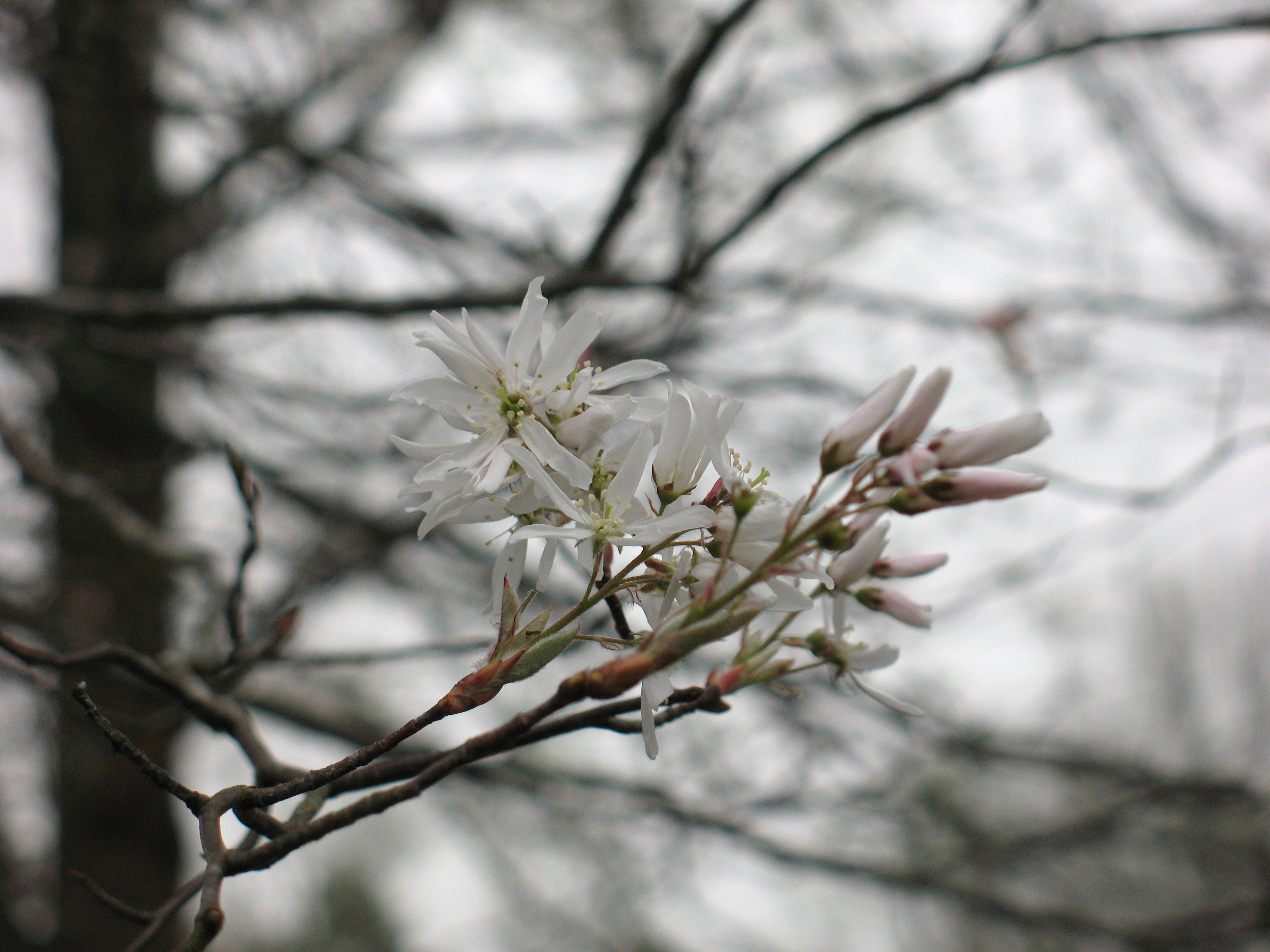
All of which is making me very nervous about being the featured reader (along with Debra Kaufman) at Walking into April this Saturday. [April 14, Barton College, 9:00 a.m., Sam and Marjorie Ragan Writing Center – be there and place your bets as to whether I know anything.] It’s not the reading part.  I love to read and recite – my poetry, classic poems, a Sam Ragan or two – I’m a big ham.  No, it’s the little entry on the day’s schedule at 11:00 that says “Roundtable Discussion with Griffin and Kaufman, who will present their tips on writing and reading poetry.”

Right now the anything I don’t know the most about is poetry.  As in a total mistrust of whatever I possess that passes for taste, opinion, judgement, skill.  I worry that at the very moment I begin to like a certain poem that proves that it’s inferior.  “Man, you don’t know anything about GOOD poetry.”  And those poems that appear to me as if they were compiled by a random phrase generator?  “What is the matter with you, man?  Where’s your head?”  Maybe it’s just lack of self-confidence.  Maybe it would help to beg an audience with the Wizard of Oz, who would tell me, “Nonsense, lad!  You imagine you have no poetic soul, but all you need is this . . . [fill in the blank:  MFA; Fellowship; Pushcart; One thousandth ‘like’ on WordPress].”

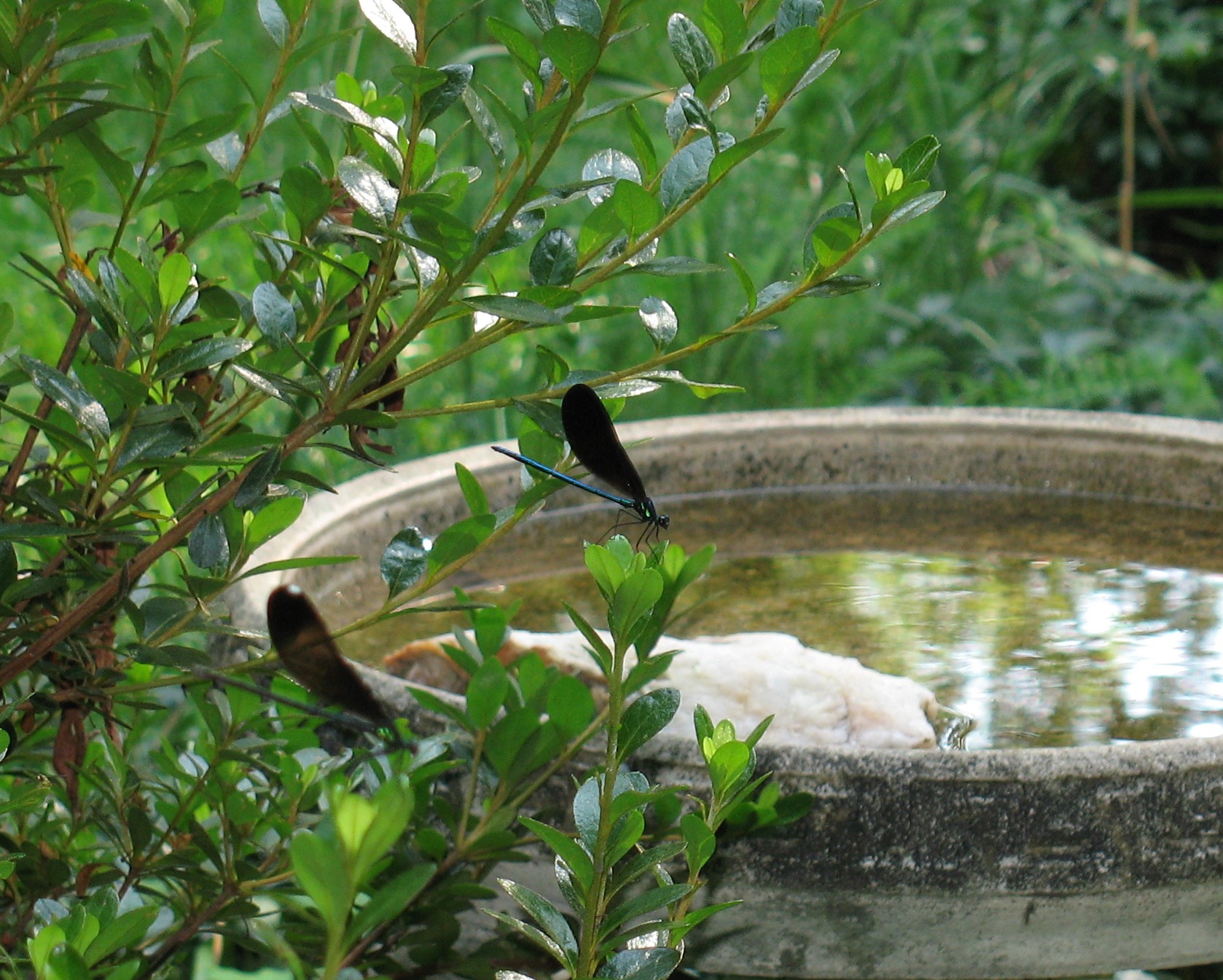
There’s only one cure.  Read some more poems.  Let myself get caught up in images that seem to float effortlessly from line to line like dragonflies laying eggs on the mirror of a pond.  Words never before juxtaposed that now seem as if they were meant to be married since the genesis of language.  A narrative so exotic and at once so universal that I suddenly realize it’s my own story this strophe has captured.

Maybe I’ll discover I don’t need to know anything.
IMG_0061_crop01

.     .     .    .     .

Now Debra Kaufman knows something.  I have sat in her presence.  As she shares, the lines wind and flow like silk ribbon that seems so casual but soon binds you with no escape.  Her poems may hint at a personal history at the same time they are invoking an entirely new and fantastic landscape.  I walk into that landscape, look around, and find myself at home.

I am counting on you, Debra.  Knowing you’ll be there on Saturday, I will stand up straight, put off all this sidling nonsense, and walk upright into April.

.     .     .     .     .

Autumnal Equinox

Sugar maples blaze at sunset;
leaves swoop and skirt
the chilling wind like chimney swifts.

A boy leaps into leaves,
calls to a neighbor’s Irish red,
as light falls, a cat’s white shadow,

on his grandmother’s lap.
Her hands rest there,
her grandmother’s hands,

the same boniness of wrist and knuckle,
dry fingers nearly flammable in the smoky air.
She smells ripe pears

and feels her body drawn
toward the darkness that rolls in
earlier each day.

Heat and light retreat,
and evening covers everything
except the boy, whose hair shines

silky silver light
as he tosses armfuls of color
upward, like sparks.

from The Next Moment (Jacar Press)

.     .     .     .     .

Debra Kaufman is a North Carolina poet, playwright, and educator.  The Next Moment is her most recent poetry collection.  Her short and full-length plays have been performed throughout North Carolina and elsewhere. Debra is the recipient of a North Carolina Arts Council playwriting scholarship and of a grant from the Central Piedmont Regional Artists Hub Program.

Sample her work at:

Debra Kaufman homepage

Kathryn Stripling Byer — Here Where I Am (blog)

Scott Owen’s Musings

Moon-Mirror-Whiskey-Wind

.     .     .     .     .

IMG_1948

Read Full Post »

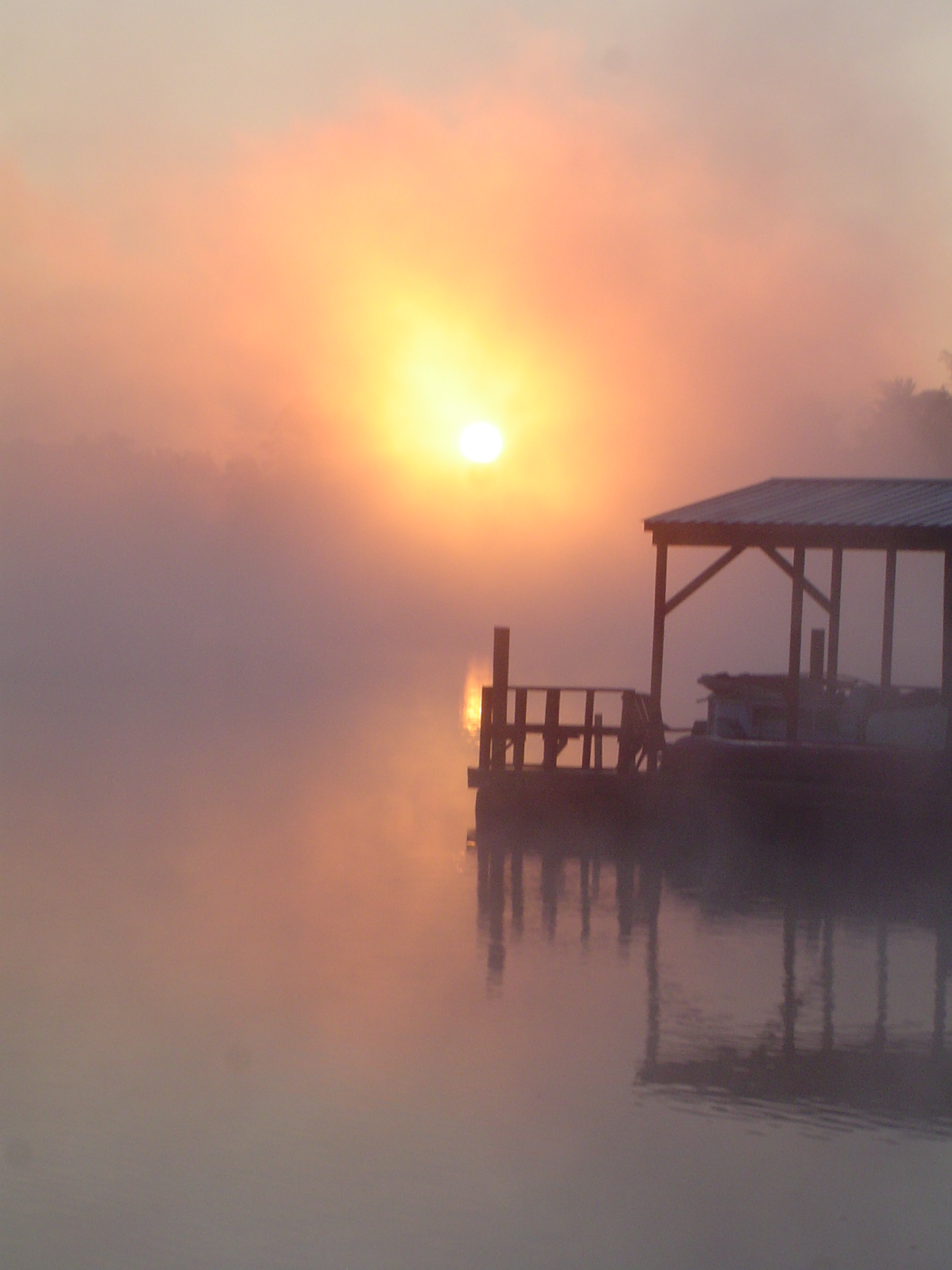
July, Knife Lake, half a mile from the Canadian border.  The vireos begin to sing at 4 a.m. and dawn follows right on their tails.  I crawl out of my tent before the boys awaken.  We’re camped on a bluff high enough above the water that the mosquitoes don’t find me for a while, so I just sit among the red spruce, wait for water to boil, and watch the dance of colors on the water.

We paddled to this remote spot yesterday at dusk.  In the Boundary Waters Canoe Area Wilderness, northern Minnesota, you’re only permitted to camp at specified sites, perhap just one in the smaller lakes, half a dozen in large lakes.  Of course there are hundreds of lakes, interconnected by creeks and sloughs and overland portage trails.  This will be our fourth day on the water out of ten.  Yesterday afternoon every campsite we passed had a couple of canoes pulled up the bank; we were afraid we’d be portaging ourselves and our gear to the next lake in the dark before we’d find an unoccupied spot.  Then we glided through a straight, passed a promontory, and the lake opened before us.  No tent, no campfire smoke for miles.  The designated campsites, like the portage trails, are indicated “approximately” on the map — a red dot, no signs anywhere in the wilderness.  On a hunch a boy in the lead canoe tied up to a sapling, rock-hopped to shore, climbed the abrupt bank, and fifty feet above the water there it was.  A fire grate.  Here we were allowed to spend the night.

Now the sun promises to return, a coy suggestion through the conifers on the far shore.  A loon cries, its liquid call mimicked in pastel ripples.  Every minute the lake is different from the minute before.  A phantom of mist here, a reflection of pale sky there; color rising, flowing . . .breathing.

I snapped a photo.  For several years it hung in my office.  I could name the landmarks: that curve of shoreline, sharp flint mouthing the shallows, trees reaching down to the distant notch where our next portage hid.  But where was the dance of sky in water?  Where the ephemeral colors that have no name?  The print on my wall was like words on a page, a dead thing.  It couldn’t breathe, it couldn’t speak . . . except in the fire it lit within my mind.

.     .     .     .     .

Can a poem breathe?  Can it live?  Can it set you down on some elevated vantage you’ve never visited and reveal a place you’ve never dreamed?

I’m looking for that poem.  I want to stare across its rippled surface and discover in its reflections something that words can’t name.

Bud Caywood’s poems have taken me at times to that unnamed place.  He is an artist, a canoer, a fellow birder, and his verse often endeavors to capture that singular moment of inchoate atmosphere.  You want to enter the words he’s placed on the page.  You want to return there.

.     .     .     .     .

GoodMorning

Morning in the World of Fog

See the fisherman crossing the stippled lake,
cutting a swath through the layered

fog of morning.  See how his image
darkens the falling light, brushed out

like a blurred black and white photo,
until thicker fog washes over him.

Now watch the boat docks quiver
in their eerie caress of the wake,

or the skeleton-like crepe myrtles
light-speared through their branches,

or the boathouse holding its stillness
against the thick gray-orange blanket,

while its squeaking hinge strums
one-chord songs again and again and again.

See the gulls appear like angles,
disappear like apparitions,

unwinding the velvet, circle after circle,
as if the sky’s whole element is one in them.

Now hold open your palm;
even the air around you has weight.

.     .     .     .     .

I first met Bud years ago at a reading in Hickory.  He invited me to join the “e-Poets,” and for several years we shared poems with each other every month or so.  We’ve continued our friendship and mutual admiration through the NC Poetry Society and now Poetry Hickory, a monthly reading organized by Scott Owens.  Last month Bud invited me to read, along with Adrian Rice and Tyree Maddox, at an annual poetry night at the Bethlehem Branch Library near Hickory.  Bud arranges art, sometimes accompanied by poetry, every month at the library; he is one of the stalwart perennials who are keeping verse alive in our modern culture.

And I admire his poetry.  Images that breathe.  I will hold onto and return frequently to that closing couplet: “Now hold open your palm; / even the air around you has weight.”

IMG_1964_crop01

Additional poetry by Bud Caywood

Wild Goose Poetry Review

Dead Mule School of Southern Literature

.     .     .     .     .

IMG_6432

Read Full Post »

I’ve lived in this little town for thirty-one years, but almost every day someone still asks me, “Where you from?”  I don’t tell them.  Maybe if I’m not in my long-suffering persona at the moment I might just say, “Here.”  And move on.  Or I might sidestep with, “How far back do you mean?” and if they press then I inform them that my Griffin forebears moved down here from Virginia to Union County (near Charlotte) before the Revolution.  Or I might go on the offensive: “All my folks are from around here,” with further ammunition that my Mom grew up in Winston-Salem and Dad in Hamlet.

But I never tell them where I was actually born.  That would end the conversation.  Because what they’re really saying is, “You ain’t from around here, are you?”  And I’ll be damned if I’m going to confirm it.

Why?  What’s the big deal?  Afraid of being labeled a Yankee?  It’s not as if there aren’t fifty other things besides my pure midwestern accent that brand me an outsider in this rural county.  Not Baptist.  Not Republican.  Not a football fan.  Not a Tarheel (although I have no compunction about letting my Carolina friends know I went to Duke).

No, I’m not running away from the things I’m not.  I”m running toward what I long to be.  Not exactly a state of being, but a state of belonging.

I belong to North Carolina and it belongs to me.  I’ve slept on the ground in its forests and mountains.  I’ve drunk from its streams.  I’ve planted trees here.  I can recite its toast: Here’s to the land of the longleaf pine . . . .  I’ve lived in a lot of other towns and a lot of other states, but this is the one I need to accept me and take me in and hold me.  Maybe it’s exactly because I lived in so many different places growing up – I need some place where I belong.

So I won’t apologize for getting defensive when someone tries to imply I’m not from around here.  Just take heart all you folks who have moved more than twenty miles from the place where you were born.  Even if your great x 10 grandfather didn’t live here, you can belong.  Just put down a taproot of love, and when someone asks where you’re from, you tell them, “Right here, damn it.”

.     .     .     .

Moving – I couldn’t help but get agitated about all those moves after reading that Jodi Barnes has moved at least twenty-four times in her life, as far as she can remember.  Her book Unsettled keeps returning to that theme, the quest for belonging.  Of course there are the boxes packed, unpacked, repacked, and their tangible artifacts of memory.  We can’t let go of things because we can’t bear to be cut off from our past.  Memories – are they really roots that are strong enough to feed us?  Is home what we’ve left behind or where we long to arrive?

Jodi’s poems reveal so many things left behind.  Love: we thought it was real, but it has moved on without us.  Lives: that pack our hearts long after we’ve lost them.  So many false steps and false starts that may end with us feeling cut off.  Is there any hope for us wayfaring strangers to finally discover our home?  The gods of metaphor; the dirt beneath our feet; the persona of myth we don like an astonished cloak; all those things that leave us feeling uncertain and longing.  Everything unsettled.  And yet . . .

.     .     .     .     .

IMG_1895

Pretend Pioneer

My friends ask, are you moved in yet?
They mean is my stuff unpacked;
am I settled?
I envision wagon wheels,
mail-order brides, the frontier.

But here my sole risk is to trip
over cardboard,
the clutter of privilege.

Once I unwrap what I thought I’d need,
I circle camps of chattel on a polished floor,
stretch the metaphor of expansion,
contrast this mansion with teepee
desire – its flapping door.

Next time I’ll answer Hell No –
I got to keep moving.

.     .     .     .     .

The Hardness of Cardboard Philosophy

Memories hide beneath cardboard wings,
seek solace against worn seams.
Last night, I dreamed this box
grew feathers and flew away.

But it stays, obeys gravity,
reminds me of a frayed decision:
to face the weight or leave this matter
to tidy imagination.

I think I remember why it’s no use
to ply back flaps on time capsules.
It’s the same stuff.  Pixies don’t exist.
And there is no magic in this dust.

Yet something pulls me to the drab,
unrelenting, rectangular shape,
my arms extend, my fingers bend
to search breaches in brittle tape.

Strands of hair, stale baby’s breath,
baptismal candle, eyelet gown,
first tooth, proof of life –
unmoved, they stare me down.

As I try to keep them dry,
not mourn her past, the missed –
angelic imps resist my wish; the box sits.
Another blurred present flies by.

From Unsettled, (c) 2010, Jodi Barnes, Main Street Rag Publishing

.     .     .     .     .

IMG_1861

With his masters in chemical engineering, my Dad got a job with Western Electric straight out of Georgia Tech.  I was born in Niagara Falls, the American side.

Read Full Post »

« Newer Posts - Older Posts »