
[with poems by Ursula K. LeGuin, Sandra Dreis,
Jenny Bates, Galway Kinnell]
After a recent post which featured poems from the journal ecotone, Bradley Strahan commented, “Thanks. We need constantly to be reminded of how much we are dependent and damaging.” It made me think: it must be no coincidence that Poetry Month and Earth Day are both in April. This is the month of convergences, when we are truly grateful that the last frost is past and beastly summer has not yet smothered us. We watch new shoots erupt and bloom, but we worry that some will arrive too early and get nipped, and that blossoms and pollinators may emerge out of sync. We’re grateful for the songs of neotropical migrants, but we notice their diminished numbers and worry about desecrated wintering grounds and fragmented breeding grounds. We head out for a hike or a bird count and find the woodlots leveled, the streams silted up, and new homes and trailers in every cornfield.
We are surrounded by the reality of relentless human impact on the planet. We are living smack dab in the middle of the Anthropocene epoch.
It is difficult
to get the news from poems
yet men die miserably every day
for lack
of what is found there.
+++++++ William Carlos Williams, from Asphodel, That Greeny Flower
Poetry is able to speak the news we need to hear for Earth Day. Poetry may crystallize a truth we can grab and hold on to when bad news threatens to overwhelm us. Poetry may grab us by the lapels and jerk us to our feet when our motivation has drained away. Poetry may shed light on despair and offer some path into hope.
❦
Thank you to the readers of these pages
who have responded to my call for poems this Earth Day.
Watch for new posts on April 21, April 22, and April 23.
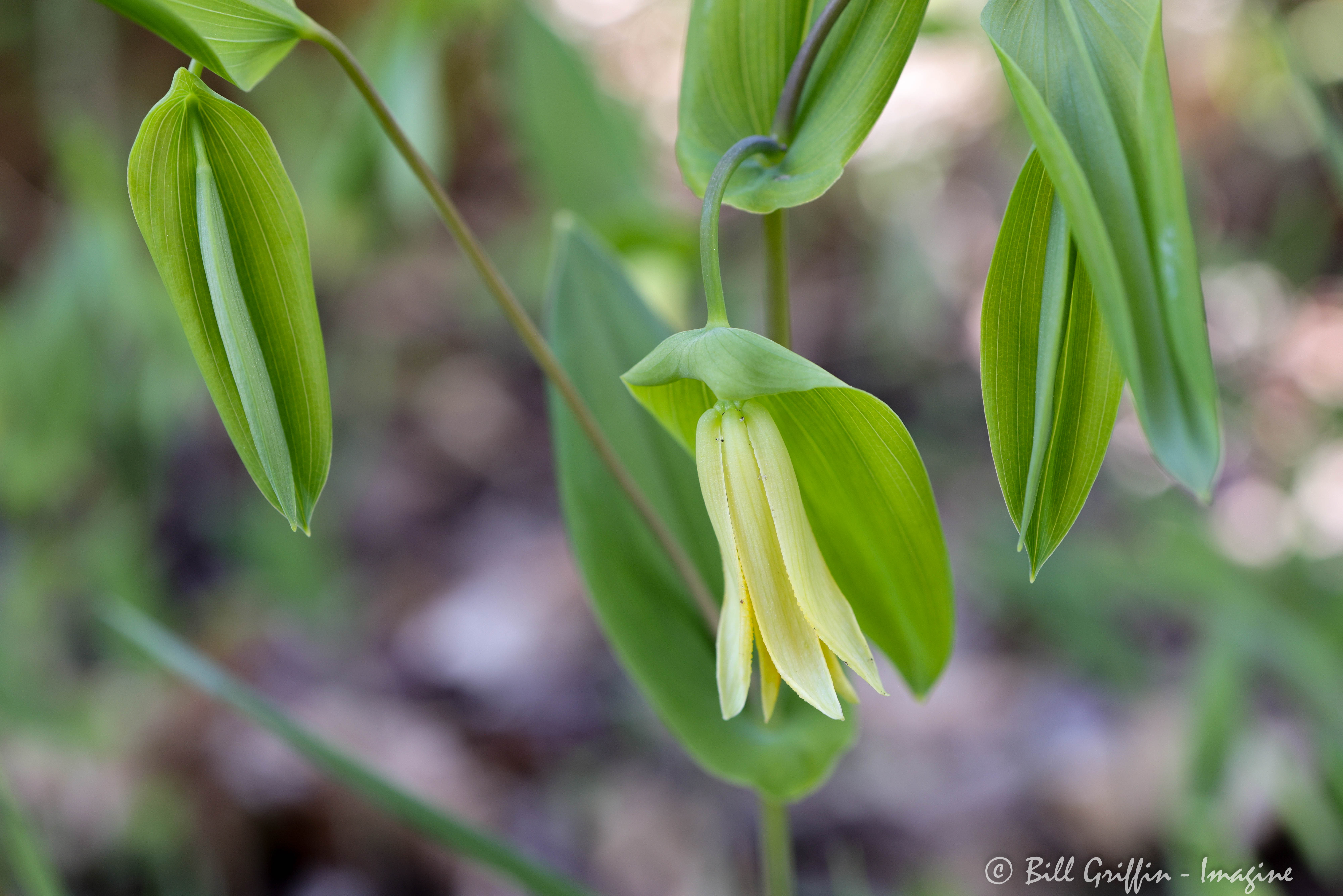
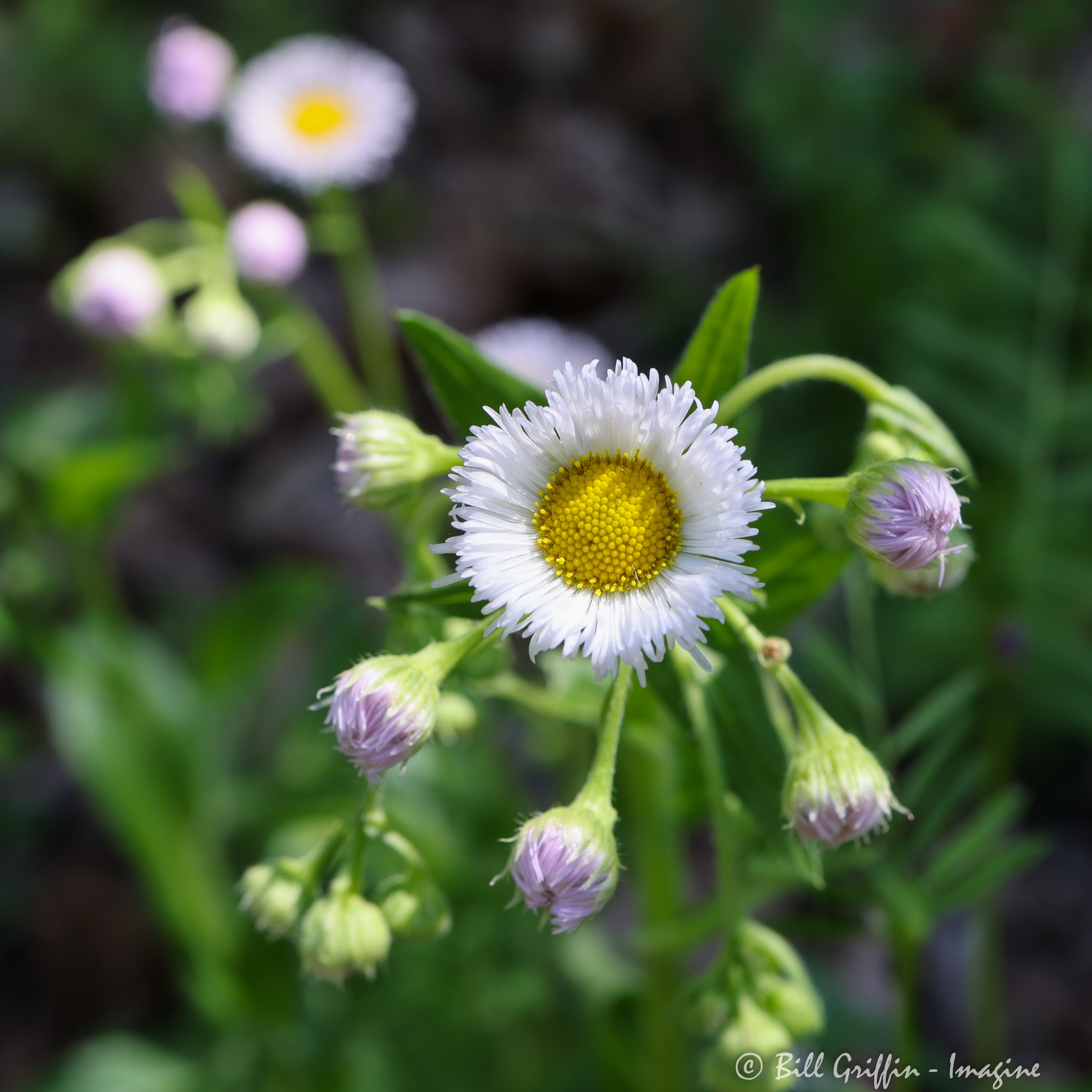
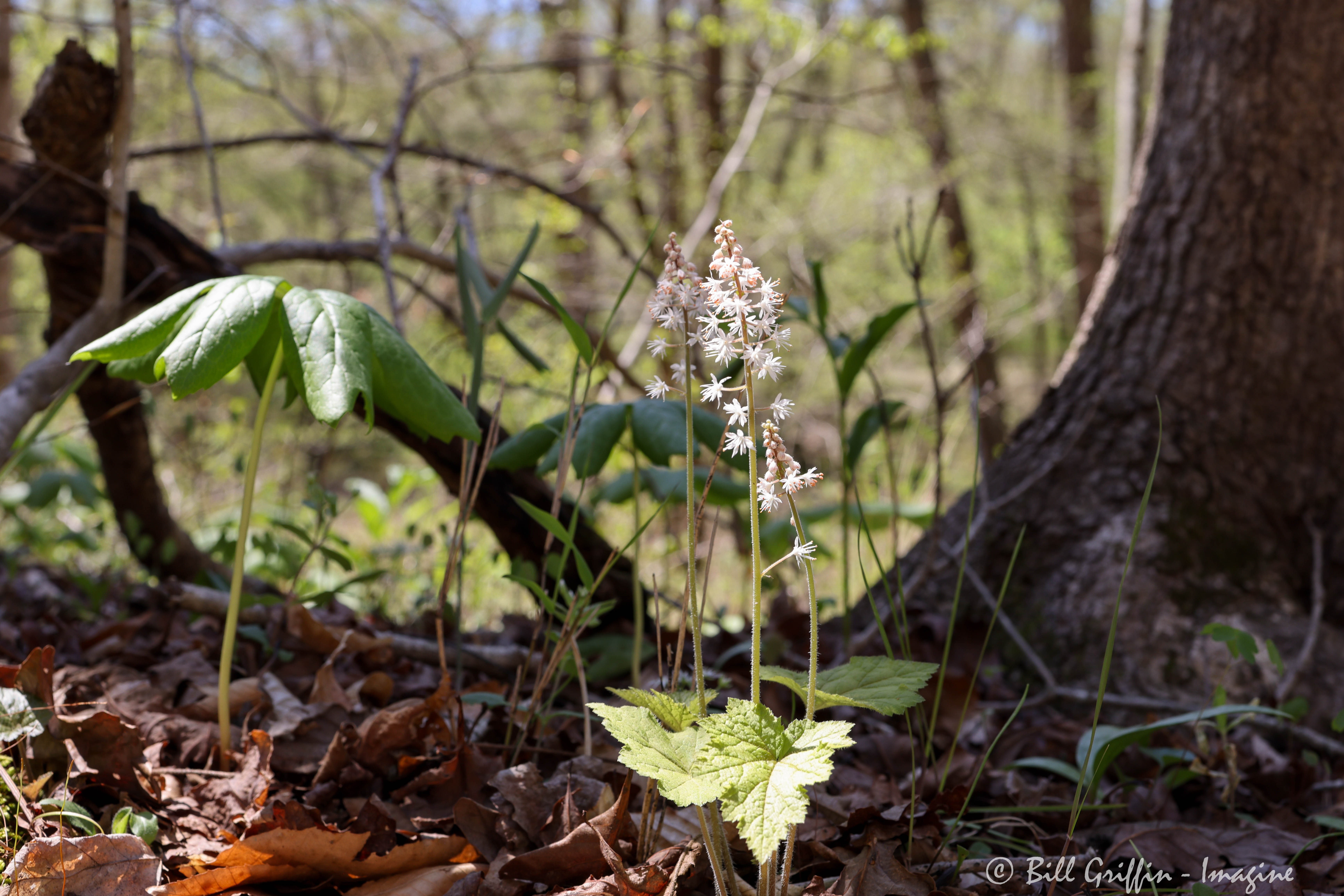
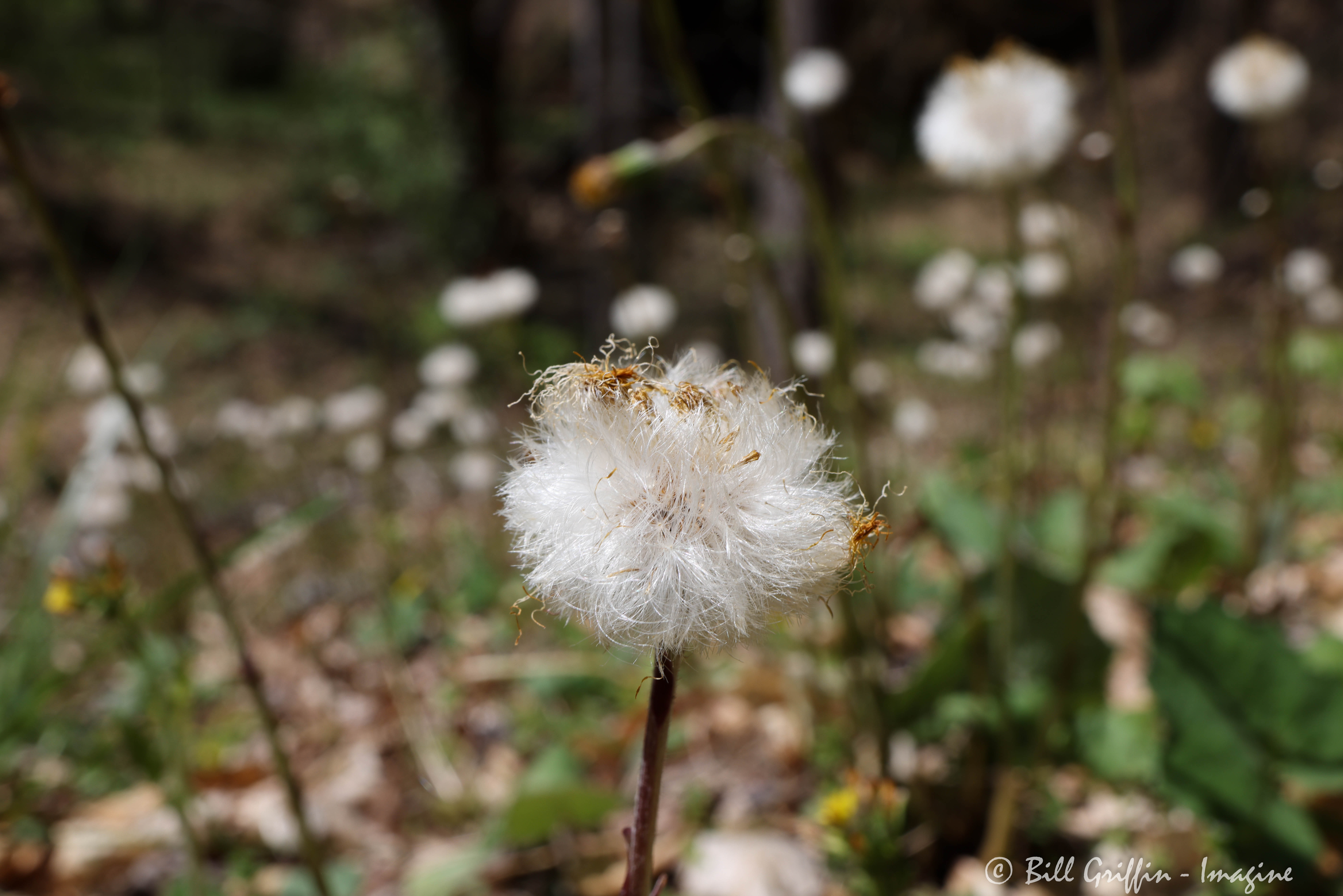
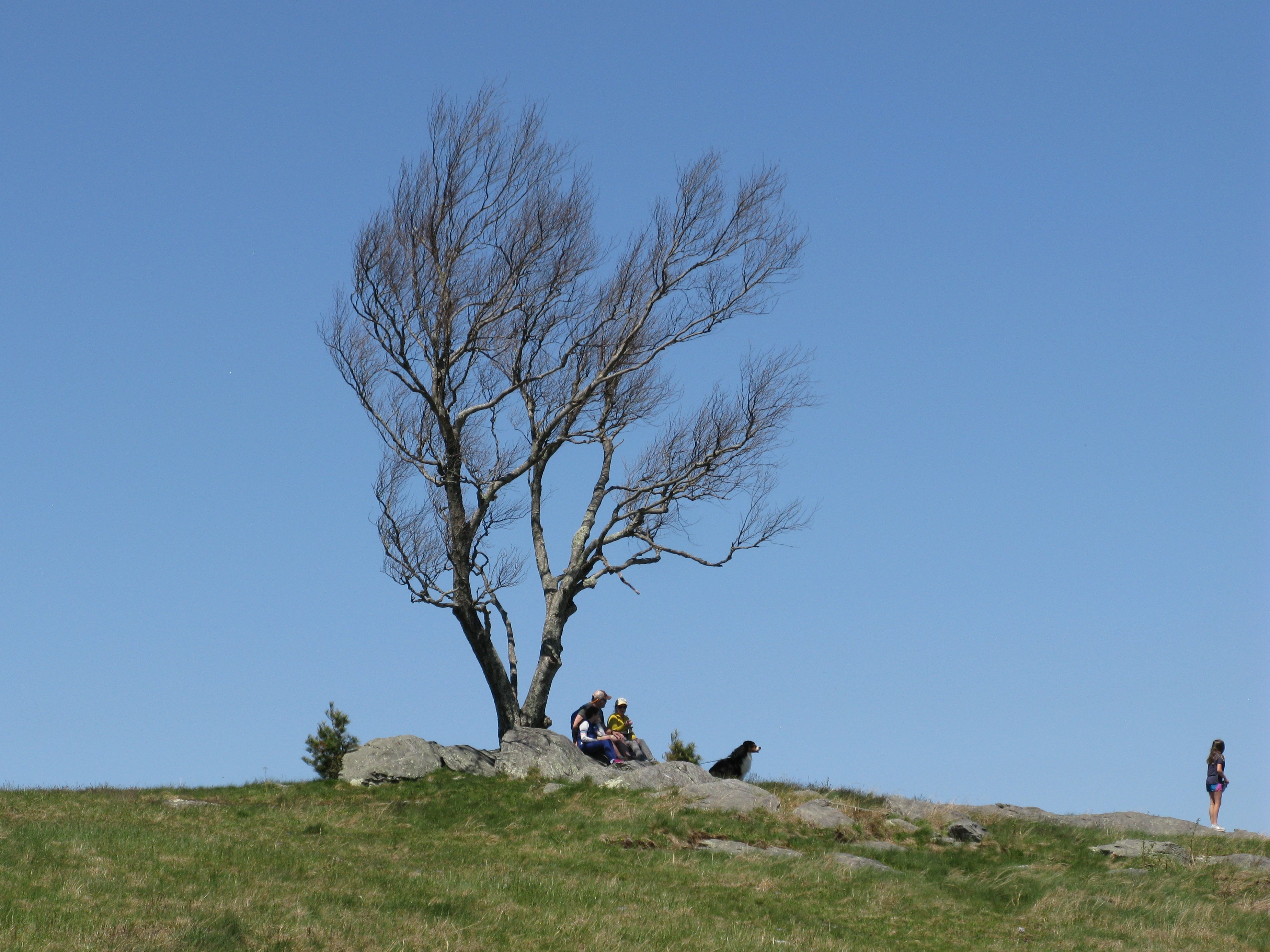
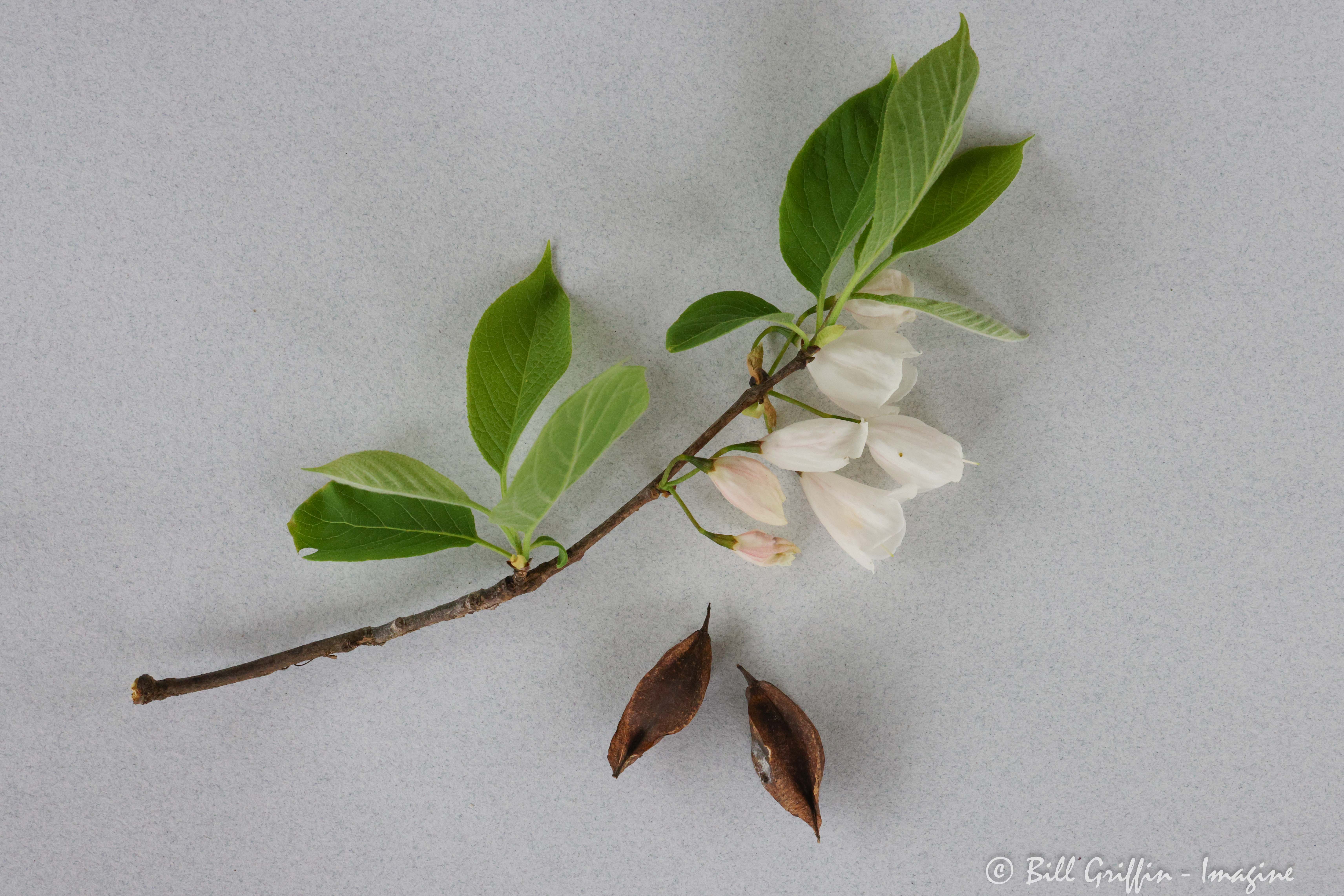
All photographs were taken April 11-17, 2023,
along the Elkin & Allegheny Nature Trail,
part of the Mountains-to-Sea Trail in North Carolina, USA.
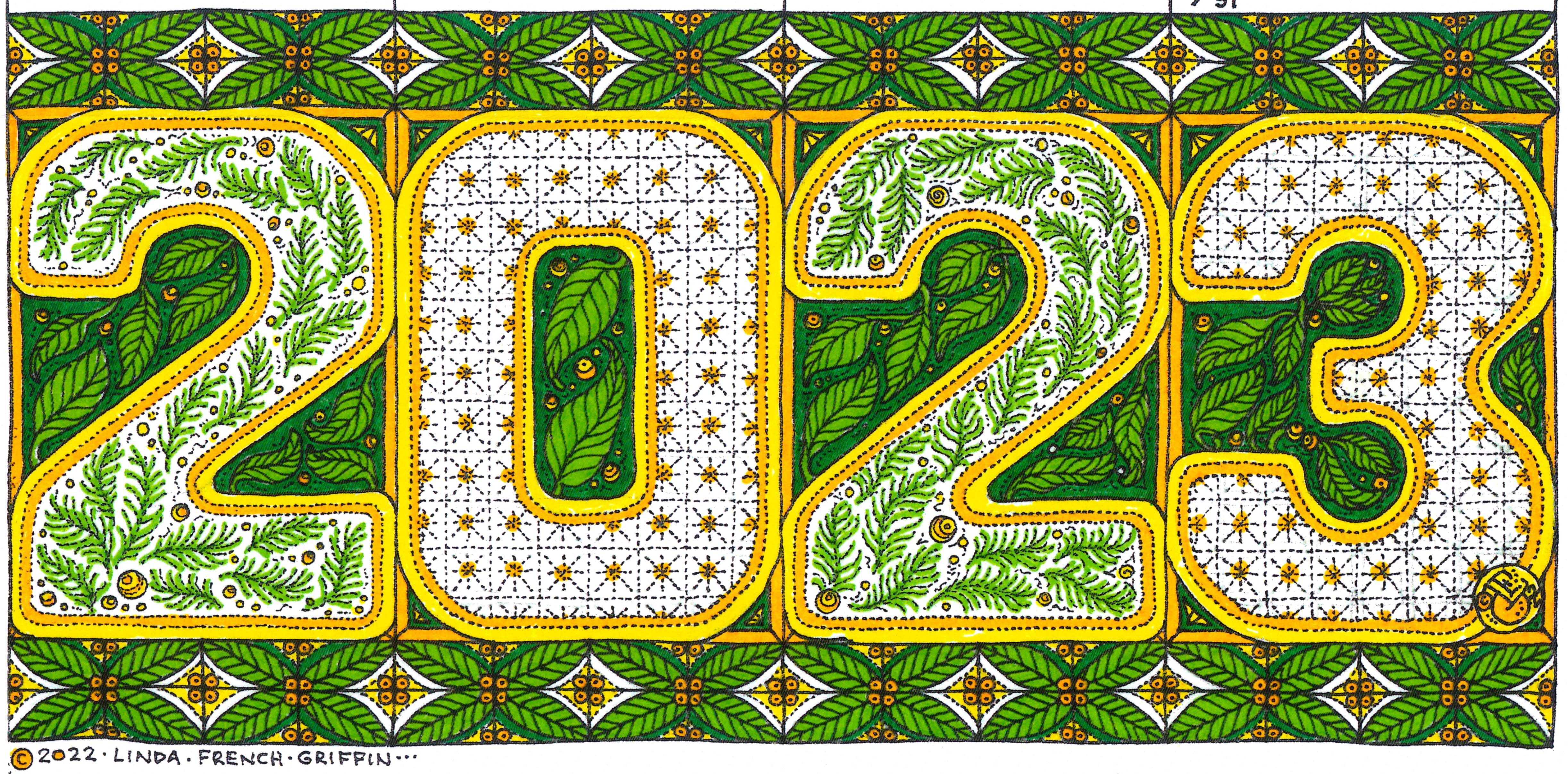
Earth Day 2023 art by Linda French Griffin.
❦ ❦ ❦
Kinship
Rootless and restless and
warmblooded, we
blaze in the flare that
blinds us to that slow,
tall, fraternal fire of life
as strong
now as in the seedling
two centuries ago.
Ursula K LeGuin
Selected by Bill Griffin; appeared online in The Dewdrop, March 26, 2022
❦
What truth is more profound, more amazing, more assuring, more urgent than our kinship? That Ur-puddle’s restless swirl of nucleotides and amino acids, way back in time before there was ever a cell, is still reflected in the minutest truth of our bodies, every glint and dark crevice of them. All of us are neighbors.
– Bill Griffin / Elkin, North Carolina

❦ ❦ ❦
Raven’s Beak
But you’d have to understand
Raven’s beak,
drive that comes before
all else,
plunges for praying mantis,
plucks, disbands dirt,
stabs a wrangled tuft of weed.
And you’d have to
be
the bird, inhabit
black eyes that beam location,
yes, stealing sweetness
even
from the cocky cat,
feasting on envy.
This hunger lives beyond prey
I tell you, a wild want
not to be tamed
by blood, sinew or travail.
In dreams I gather others.
I grow feathers and wait.
Sandra Dreis
originally published in CREOSOTE, Spring 2021. (East Arizona)
This, my first published poem, was inspired by a walk with my two small dogs, stopping by a grassy ultra-green, pampered lawn. There, under a pin oak, was a sizable raven, beak inserted into the earth. In that moment, while I held my leashed dogs, a cat on a nearby stoop kept the raven in her sights. My dogs begged after the cat. I felt the perfect continuum. The balance. The tame. The wild.
– Sandra Dreis / Winston-Salem, North Carolina
❦ ❦ ❦
Otherworldly
Odd trick of the wind in leaves,
water flowing over stones.
You don’t have a mouth, said Fox.
Moth never blinked, rippling its crescent
tail wings.
You only live for a week, said Fox.
Moth lifted its wings, flew the moon up
to meet the night.
You and I are daydreams, soughed Fawn.
It’s been a long time. Think back and listen.
Voices in the woods. Angelic, untarnished.
Articulate, I can hear words rising
then falling,
a benediction.
Jenny Bates
originally published in Dark Forest, Planisphere Q, 2021
I want to bring the kindness and wonder I have found in wild creatures as well as their courage and pragmatic truth. I want my voice to be their voice as I believe they will teach us appropriate ways to heal the wild land. The wild is mysterious but also thrilling, nostalgic, liquid, musical when we listen.
– Jenny Bates / Germanton, North Carolina
❦ ❦ ❦
The Bear
+++++ 1
In late winter
I sometimes glimpse bits of steam
coming up from
some fault in the old snow
and bend close and see it is lung-colored
and put down my nose
and know
the chilly, enduring odor of bear.
+++++ 2
I take a wolf’s rib and whittle
it sharp at both ends
and coil it up
and freeze it in blubber and place it out
on the fairway of the bears.
And when it has vanished
I move out on the bear tracks,
roaming in circles
until I come to the first, tentative, dark
splash on the earth.
And I set out
running, following the splashes
of blood wandering over the world.
At the cut, gashed resting places
I stop and rest,
at the crawl-marks
where he lay out on his belly
to overpass some stretch of bauchy ice
I lie out
dragging myself forward with bear-knives in my fists.
+++++ 3
On the third day I begin to starve,
at nightfall I bend down as I knew I would
at a turd sopped in blood,
and hesitate, and pick it up,
and thrust it in my mouth, and gnash it down,
and rise
and go on running.
+++++ 4
On the seventh day,
living by now on bear blood alone,
I can see his upturned carcass far out ahead, a scraggled,
steamy hulk,
the heavy fur riffling in the wind.
I come up to him
and stare at the narrow-spaced, petty eyes,
the dismayed
face laid back on the shoulder, the nostrils
flared, catching
perhaps the first taint of me as he
died.
I hack
a ravine in his thigh, and eat and drink,
and tear him down his whole length
and open him and climb in
and close him up after me, against the wind,
and sleep.
+++++ 5
And dream
of lumbering flatfooted
over the tundra,
stabbed twice from within,
splattering a trail behind me,
splattering it out no matter which way I lurch,
no matter which parabola of bear-transcendence,
which dance of solitude I attempt,
which gravity-clutched leap,
which trudge, which groan.
+++++ 6
Until one day I totter and fall-
fall on this
stomach that has tried so hard to keep up,
to digest the blood as it leaked in,
to break up
and digest the bone itself: and now the breeze
blows over me, blows off
the hideous belches of ill-digested bear blood
and rotted stomach
and the ordinary, wretched odor of bear,
blows across
my sore, lolled tongue a song
or screech, until I think I must rise up
and dance. And I lie still.
+++++ 7
I awaken I think. Marshlights
reappear, geese
come trailing again up the flyway.
In her ravine under old snow the dam-bear
lies, licking
lumps of smeared fur
and drizzly eyes into shapes
with her tongue. And one
hairy-soled trudge stuck out before me,
the next groaned out,
the next,
the next,
the rest of my days I spend
wandering: wondering
what, anyway,
was that sticky infusion, that rank flavor of blood, that poetry, by which I lived?
Galway Kinnell
Selected by Paul Jones; appears in Three Books (Houghton-Mifflin, 2002)
Galway Kinnell speaking for himself about himself: “I don’t recognize the distinction between nature poetry and, what would be the other thing? Human civilization poetry? We are creatures of the earth who build our elaborate cities and beavers are creatures of the earth who build their elaborate lodges and canal operations and dams, just as we do … Poems about other creatures may have political and social implications for us.”
I first heard Kinnell read this poem in maybe 1977 at the UNC English Department. I was thinking of taking a job at UNC. I did and The Bear has been with me ever since.
– Paul Jones / Chapel Hill, NC

❦ ❦ ❦





 V E R S E and I M A G E
Glad to hear from you Jenny. May life continue to surprise . . . ---B