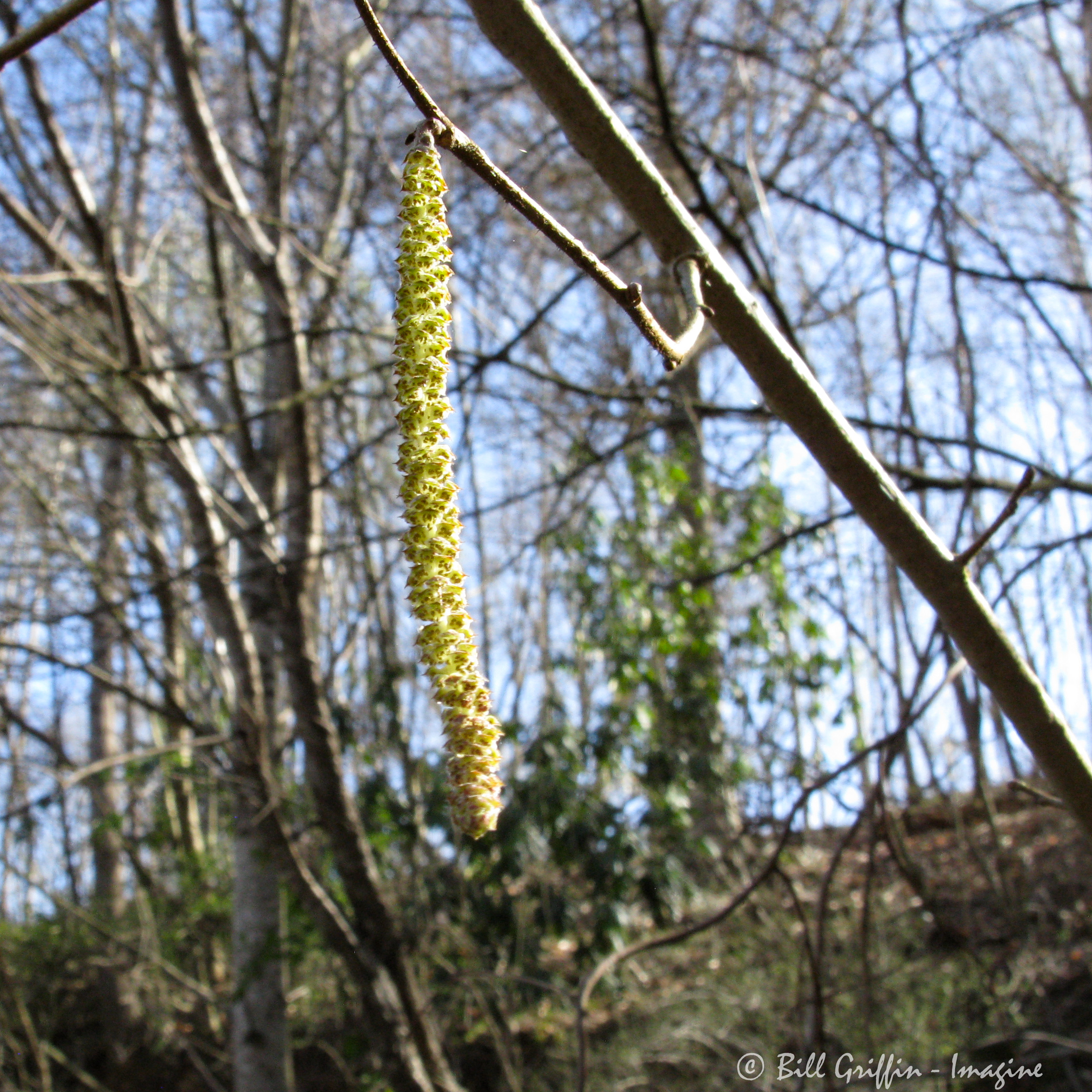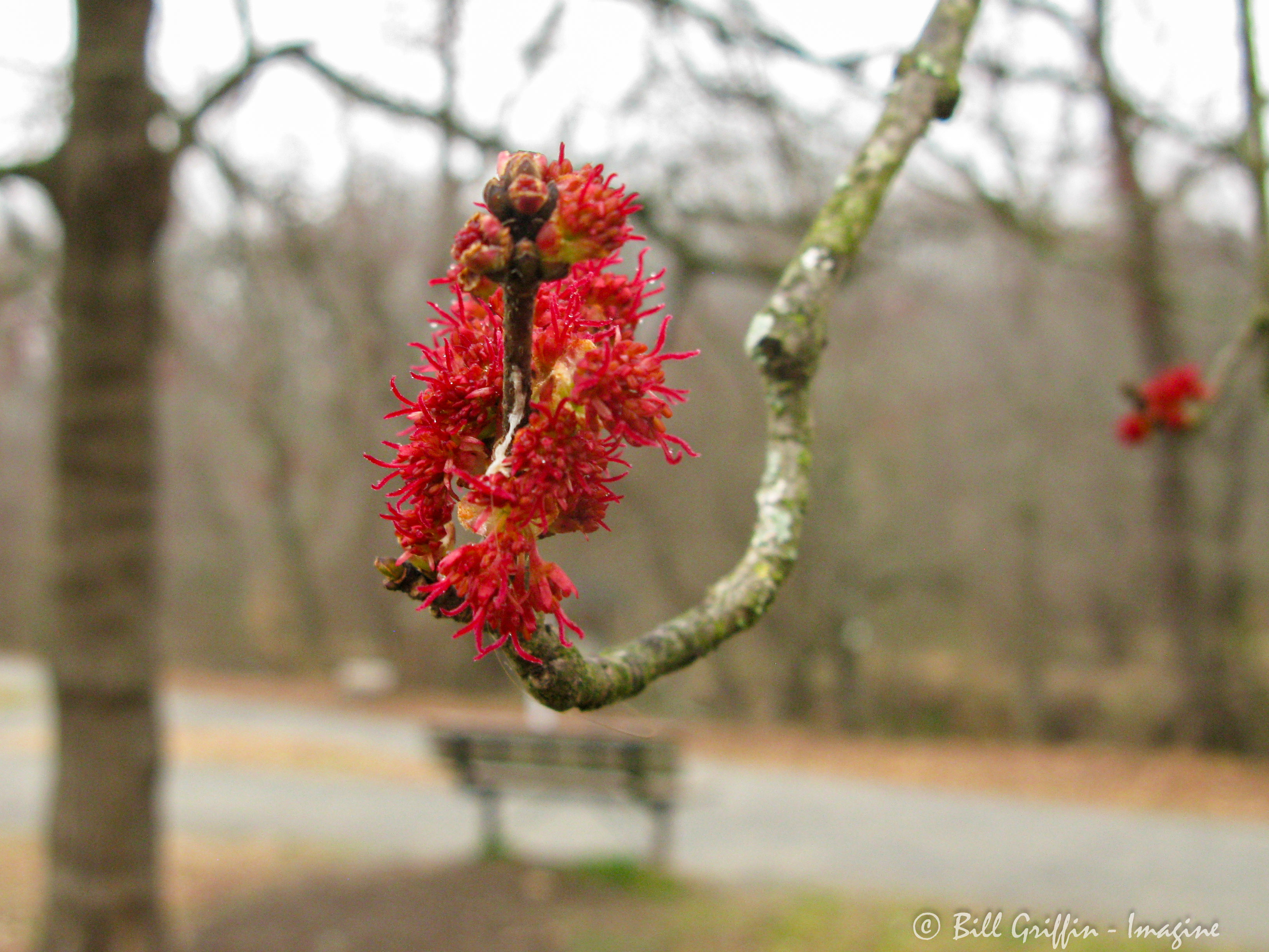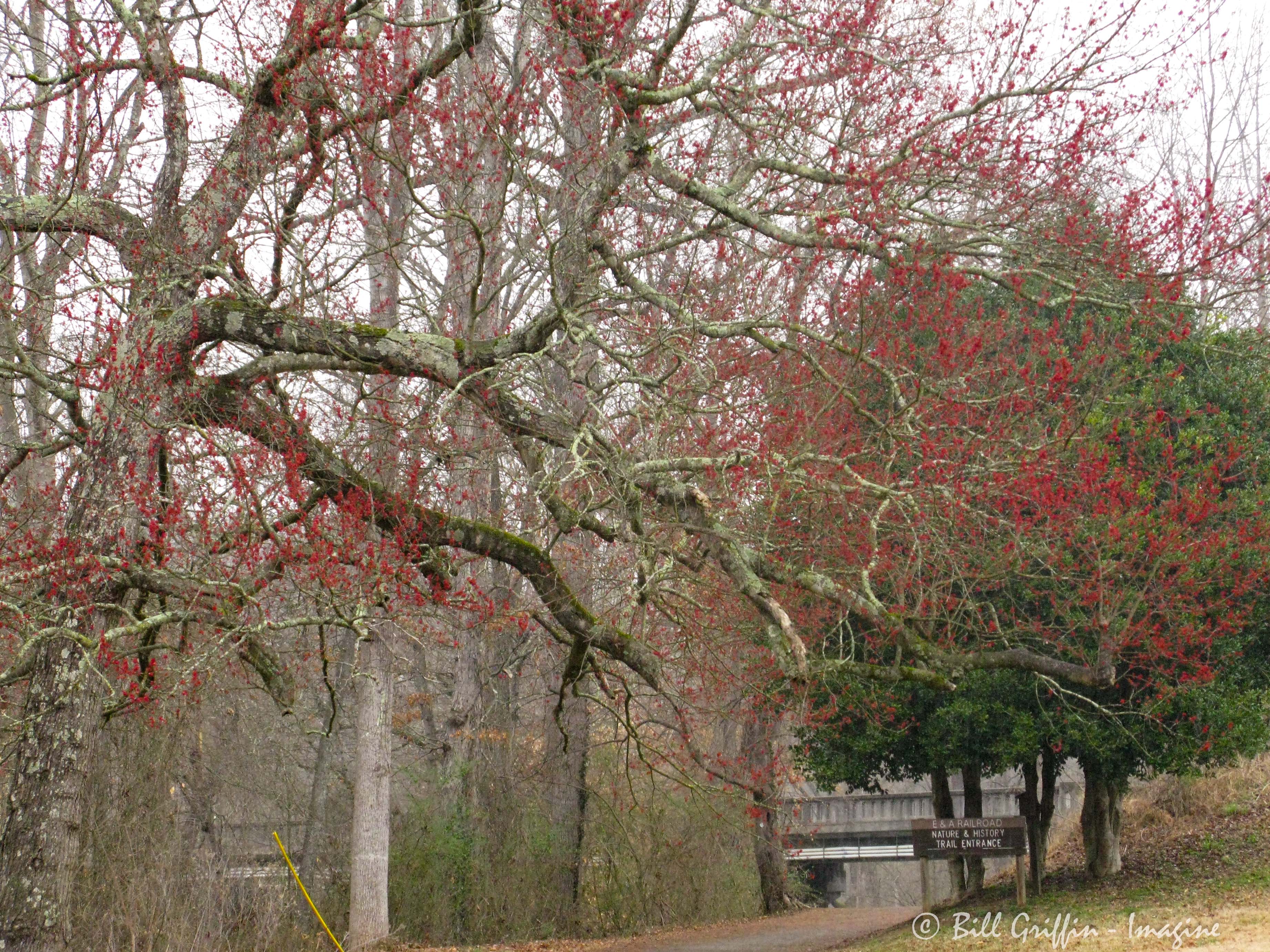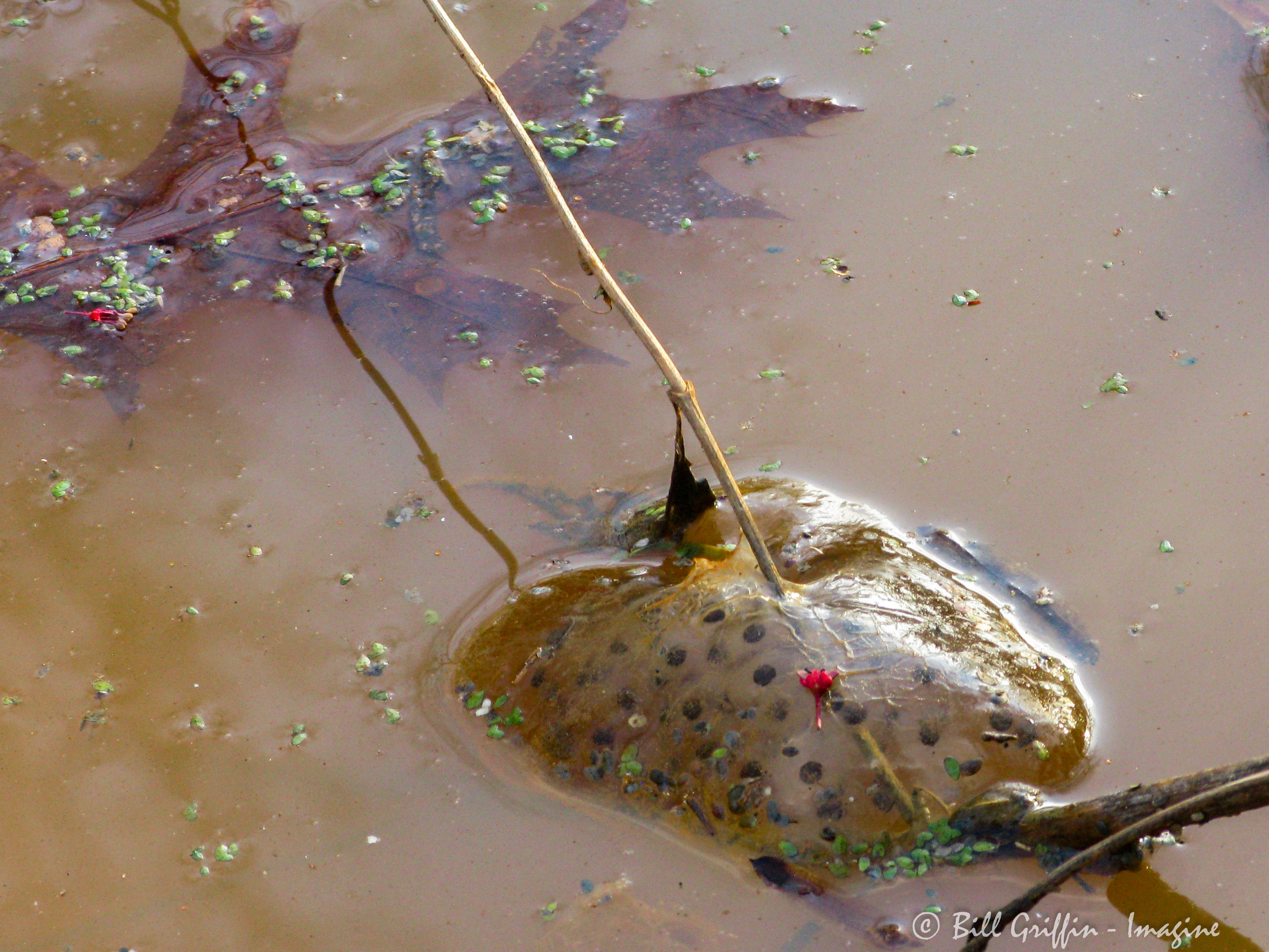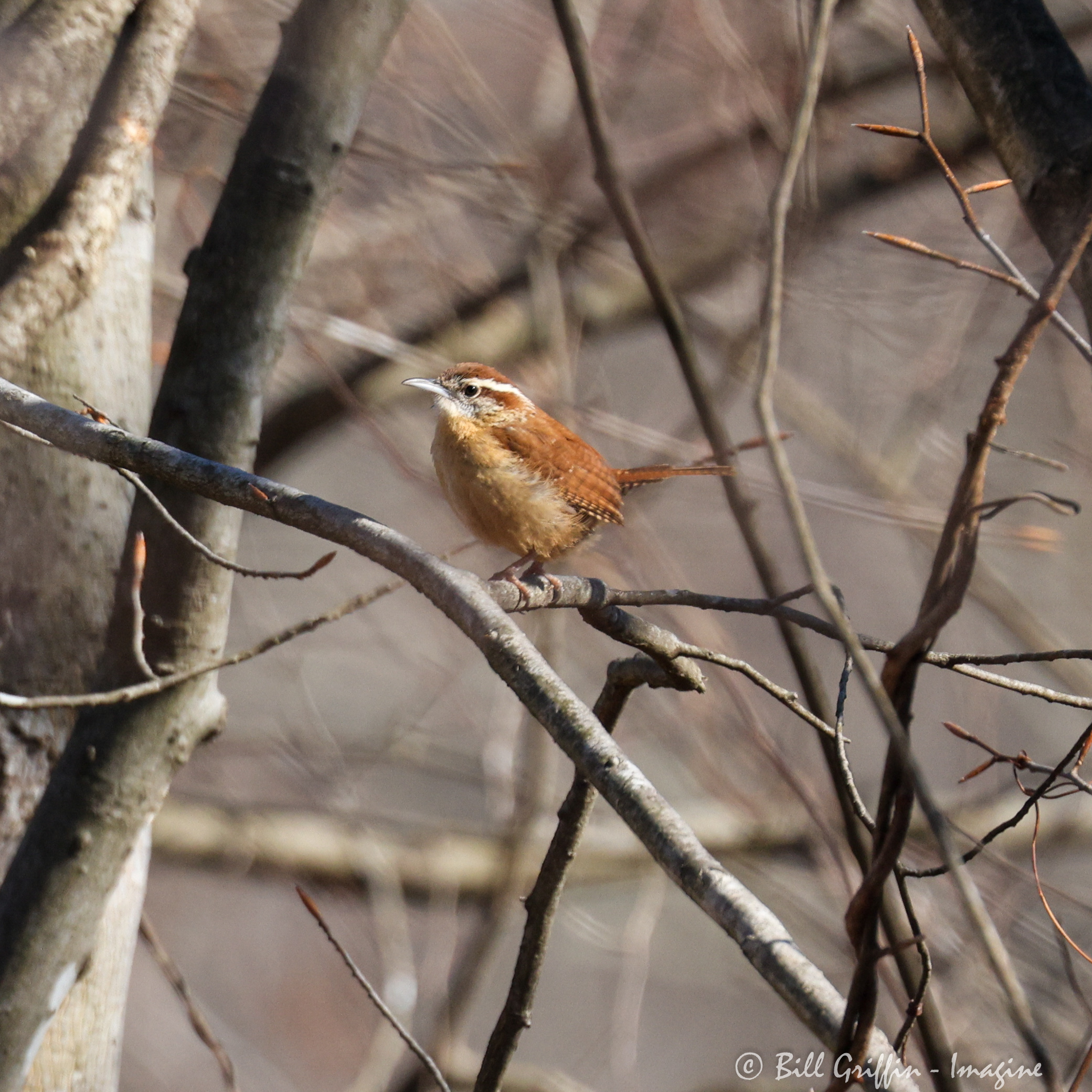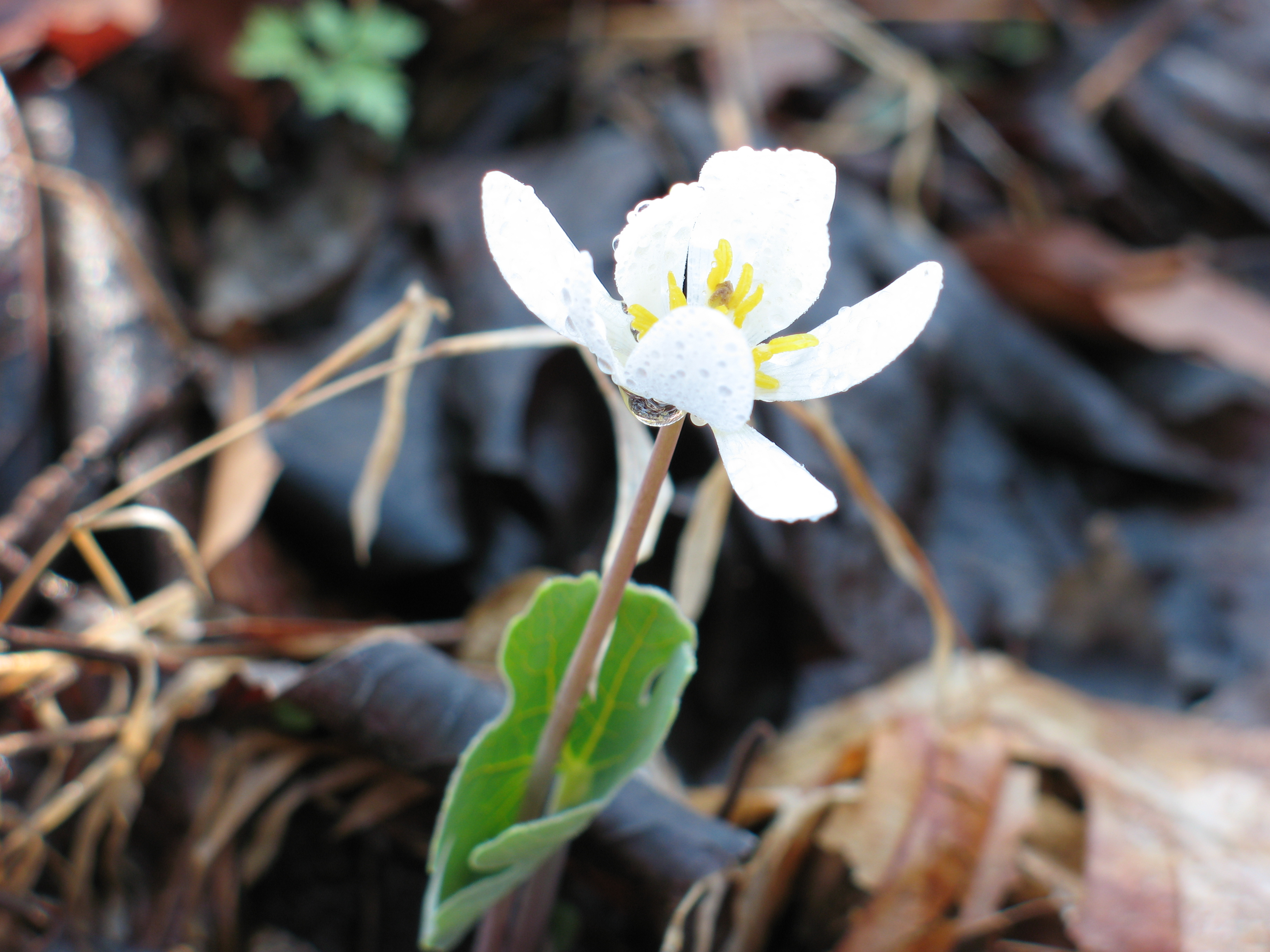
from Poems from the Heron Clan Ten, Katherine James Books, Chapel Hill NC. © 2023
Posts Tagged ‘NC Poets’
Chimney Swifts
Posted in Imagery, Photography, poetry, tagged Bill Griffin, Bradley Strahan, Heron Clan, imagery, nature photography, NC Poets, poetry, Preston Martin, Priscilla Webster-Williams, Southern writing on July 28, 2023| 4 Comments »
.
[with poems from Heron Clan X]
.
Chimney Swifts at the Historic Carolina Coach Garage
.
Two now more arrive and flit into the swirl,
swelling hive mind they shift and shape
the wind, counter then clockwise whirl
above old brickwork’s beckoning gape
.
left standing here erect as testament,
our conservational intent to leave
some landmark urban respite, benevolent
perhaps, perhaps self-serving; we’ve
.
taken advantage of their propulsive drive,
pushed our chairs back from the table
in the court to lean & steal their lives
and freedom open mouthed, rapt, able
.
for these few moments until darkness falls
to rise with them, untethered, bold
venture to where the elemental almost calls
but too soon bedtime, now our supper’s cold.
.
.
[For decades this warehouse and shop in Raleigh, North Carolina was a hub of activity servicing Carolina Coach Company buses, in the 1940s the nation’s largest regional bus company.]
.
Bill Griffin
from Poems from the Heron Clan Ten, Katherine James Books, Chapel Hill NC. © 2023
.
❦ ❦ ❦
.
Mom can no longer hear their restless chitterings up the flue on summer evenings. When we sit on the front porch she doesn’t notice their atmospheric ellipsis, punctuating summer afternoons with their aerobatics. She can’t believe they’re calling constantly to each other and to us until I try to mimic that chatter and she laughs. What she most definitely can, though, is wish to see them diving into her chimney at dusk, especially when I tell her I’d seen one do just that last night.
.
Revered ornithologist Roger Tory Peterson described Chimney Swifts as little dark cigars with wings. Tapered on the head end and the tail end with sharply tapered wings jutting out mid-fuselage, fluttering so rapidly you’d swear those wingbeats were uncoordinated and asynchronous, well, yes they do look like airborne cigars. Although they often appear in field guide pages adjacent to those other famous aerial foragers, the Swallows, taxonomists place Swifts most closely related to Hummingbirds (based on wing structure). No hovering, though, for these Chimney Swifts – always forward, forward, forward with their loops and barrel rolls. Some species of Swift only alight to lay eggs, spending all the rest of their lives in the air.
.
Once you recognize a Chimney Swift’s fricative titter, you’ll realize they’ve accompanied you on hot afternoons and evenings all your life (assuming you live in the Eastern US). Although they winter in Peru, all summer long from the Great Plains to the Atlantic coast Chimney Swifts are widespread and common, probably more common today than they were pre-colonization, when they depended on hollow trees for breeding. These days they sometimes nest by the hundreds in abandoned chimneys, great clouds spiraling in at dusk, perhaps mistaken for bats. You can even buy chimney-like roosting boxes to attract them to your yard to eat the mosquitos.
.
After supper, I carry our chairs to the deck for a clean line of sight to the chimney. No smoke has risen from these three pots for decades. Mom and I watch. And watch. The birds circle and tantalize, gyre away, spiral out of earshot then back again so swiftly she misses their brief passage. Keep looking. Don’t blink. Two Swifts buzz the opening but then pull up in a high-G climb. Sky darkens. Dusk wants to coalesce around us, trundle us back indoors. Suddenly one little bird at full throttle blips straight down into the chimney. Then another. It’s become too dark to count the rest, but when we return to the couch beside the fireplace we hear the nestling together of a congenial company who’ll rest here with us until first light.
.
❦
.
Doug Stuber, Ed Lyons, and Richard Smyth Ph.D. hatched the idea for Poems from the Heron Clan in Rochester, New York in 1998. After Doug returned in 2015 from a seven-year professorship in South Korea, the anthology has been published every year. Not only does Volume Ten encompass a wide geography – poets from five continents, poets from Turkey, Brazil, Dominican Republic, Montenegro, and a dozen other countries – it also embraces a lavish geography of style and theme. The editors explicitly state: “We aim to represent well-established poets and emerging writers, young and mature poets, and poets of color.”
.
And North Carolina. NC poets populate these pages abundantly. JS Absher, Glenn Cassidy, Earl Huband, Shelby Stephenson, Steve Cushman, Anna Dallara, the three founders themselves – if you live in the South and read poetry, you’ll recognize these voices accompanying you all summer, all seasons. I’m drawn to all of the Carolina poetry in this volume and tempted to sample each one in this post. Alas, perhaps you’ll just have to purchase a copy. Meanwhile, here are Priscilla Webster-Williams, Preston Martin, and Bradley Strahan from Heron Clan X.
.
.
❦ ❦ ❦
.
Morton Salt
.
Under a purple umbrella, a girl in a yellow raincoat
carries a box of salt, the cover art singing out
When It Rains It Pours. I studied the dark blue carton
that lived on the kitchen table, the Morton Salt Girl
smiling with each shake of the cylinder.
.
Morton, my father, toured with the big bands,
playing what he called Mickey Mouse Music,
tunes too tame for one who’d grown up crating
spicy Chicago jazz with Red Nichols and Jimmy Dorsey.
.
Morton met Jean, my mom-to-be, at the Nicollet,
where she was hostess of the grand dining room:
Grant Wood murals, double white linens,
real silver silverware, and a stage
for the musicians and the act.
.
Morton must have winked at Jean
from behind his golden trombone,
the vocalist crooning I’ll be seeing you
in all the old familiar places.
He must have whispered some kind of proposal
as they floated like movie stars across the dance floor.
.
When I was six, Mother shredded my Father’s photo,
set her stoic Midwestern jaw, and never spoke
of him again. She didn’t need to, his features etched
on my face like the grooves in one of his Bluebird records,
the same strawberry-blond hair appearing in my mirror.
.
Each day, I gazed at his name on that dark blue box
stamped with the Good Housekeeping Seal of Approval,
and over time, Morton, my founding father,
became a pillar of salt.
.
Priscilla Webster-Williams
from Poems from the Heron Clan Ten, Katherine James Books, Chapel Hill NC. © 2023
originally published in The Narrative Possibilities of Coral, Main Street Rag Publishing, Charlotte NC. © 2017
.
.
❦ ❦ ❦
.
Elegy, Gloria Died in Eden
.
She took the well-traveled road
two nights ago.
No more tractoring up the back hills
or brush cutting lower fields,
or using her Daddy’s walking stick
++++ down beside the creek –
or oiling the mower or
penciling in the Reds box score,
or sipping an evening sweet wine
on the porch
++++ as nightly geese call down,
close overhead, descending to the reservoir.
.
She noted in her diary the day the flew on south.
And who will shoot the coyotes now?
.
Preston Martin
from Poems from the Heron Clan Ten, Katherine James Books, Chapel Hill NC. © 2023
.
❦ ❦ ❦
.
Empty Places
.
In the end we are all archaeologists,
sifting through the ruins of existence
to find shards of pottery
inscribed in a strange tongue:
a letter from a friend left on a picnic table
a poem written on the back of a menu,
the sketch of a girl whose name you can‘t recall,
a yellowed photograph with stranger’s eyes.
.
We keep on struggling with left over pieces
from a childhood puzzle, trying to fill the gaps
left my smiling lips missing from a face,
tears frozen on eyeless cheeks,
fingers absent from an outstretched hand.
But somehow cannot fill the empty place
and the dark comes creeping in.
.
Bradley Strahan
from Poems from the Heron Clan Ten, Katherine James Books, Chapel Hill NC. © 2023
originally published in Gargoyle
.
❦ ❦ ❦
.
The editors of Poems from the Heron Clan invite you to buy a copy, explore their previous issues at their BLOG, and consider submitting three poems and a 50-word bio to:
katherinejamesbooks@gmail.com
.
.
❦ ❦ ❦
.
Catch Fire
Posted in Imagery, Photography, poetry, tagged Bill Griffin, imagery, Michael Hettich, nature, nature photography, NC Poets, poetry, Press 53 on July 7, 2023| 15 Comments »
[with 3 poems by Michael Hettich]
.
Core
.
The hawk in the white pine shivers, hunched
into itself like a state of being
.
we might think had vanished
if we’ve been playing
too long with our gadgets, or making arrangements
to assure our perfect happiness
.
sometime in the future. The wind that tossed
cut-down trees
remains a ghost
inside our furniture, like the antique
notion of a soul, and ancient tides
.
drew the swirls in the stones that line
our paths. Scars that mark the seasons
.
our ancestors lived,
etched like tree rings
into the secrets we don’t even know
we’re keeping; a dream that woke us to forget,
.
a blue that dazzles the sky as only
nothing can do, in the morning.
.
Michael Hettich
from The Halo of Bees
.
❦ ❦ ❦
.
Mom has been put to bed, the nurse’s aide has left, and Dad leans hunched in his favorite blue recliner. As he reads each line of his novel, Dad turns his head left to right, back and forth like a cartoon character eating corn-on-the-cob emptying each successive line of kernels, or precisely the opposite, like a typewriter platen that only returns to its starting point when the line has filled itself. Three lines. Five lines. Now Dad’s eyelids droop, his book droops, and just beyond the pocked and cratered moon of his head the windows of the house across the street catch fire with the dying sun. The orange and smoke of the end of day.
.
In a few moments Dad will jerk a bit, open his eyes, and read a few more lines. Some additional span of moments beyond that he will put down the book, heave himself from the chair with a grunt, stagger and catch himself on the wall on the way down the hall to bed. Irrelevant. This moment is the luminous, the sun’s reflection filling the neighbor’s windows before they eclipse and darken. This is the fulcrum moment upon which all prior moments and all moments to come must teeter and balance. Perhaps the three of us present in this old house feel its presence as we breathe in and breathe out, the very quiet house hanging by its fingernails to its own particular very quiet light in this dark whirling night-welcoming time-swallowing universe.
.
As I continue to watch, Dad turns his head, a fraction of an arc just barely perceptible, left to right.
.
❦
.
Core – the first poem in the first section of this new collection by Michael Hettich – is indeed the core and carries me there with it. A state of being. The secret interior liveliness of things, of all things. The ghosts that connect every one of us if we believe their essence.
.
I can’t turn the page. I have to return to the first line and begin again. Moments coalesce. I reread images and stanzas in different orders. It is a poem of being and a poem of becoming. I am filled with this one poem and overcome with the awareness of secrets residing in the most mundane things that surround me.
.
My son-in-law Josh has constructed a hive, a Ritz Carlton of a hive in my view, and he awaits a swarm. He teaches me about the living organism which is a family of bees. When they sense some ethereal signal, perhaps overcrowding or overly plentiful surroundings, the workers begin the special feeding of a newly hatched larva who will grow into a new queen. The hive cannot have two queens. When the new matures, the old queen takes half the workers and leaves to swarm. If Josh is particularly blessed, if the offerings of beeswax and lemongrass with which he has anointed his hive box are acceptable, the swarm will take up residence and begin making new bees. And new honey.
.
The thirty “new” poems in this “new and selected” are themselves such a living organism. They move together through darkness to bring flickering glimpses of light as in dreams. They know there is a core and they seek it. They find wildness in everything and they celebrate it. They are “a sudden glimpse into the silence between thoughts.” All the while the writer, and we readers, too, if we follow, questions the person he was and the person he might become. And in the process of all this seeking and discovery, perhaps each of us may encounter the person we are.
.
The Halo of Bees, New & Selected Poems 1990-2022, Michael Hettich. Press 53, Winston-Salem NC, © 2023
.
…
❦ ❦ ❦
.
Another Kind of Silence
.
Sometimes the world grows louder, you realize,
just as the day falls still
and insects whose names you’ll never know
start screaming and laughing, scraping their wings,
then falling silent. It’s as though there were some
.
technology that could capture your dreams
and throw them on a screen, to show you to yourself
and confuse you more deeply, you who are not
alone but live in solitude, never
seeing anyone but yourself, even
.
when you are talking with your friends and family,
even when you’re moving through a crowd, thinking
.
Everything is wild at its core, even
half-asleep evenings in front of the TV,
even listless afternoons shopping
for knickknacks, or food. And food is especially
wild. Just think of all those apples and grains
of rice, just think of that wine
ripening as grapes in the bright sun of some
foreign country, the bees and even
.
the bats zig-zagging through the gloaming, singing
as they feast – another kind of silence:
.
music your ears are not built to hear,
like the roots of these trees, humming as they soak up
the puddles that have deepened for so many days
you hardly remember how the sunlight feels
on your body, how it makes you squint
and see things differently, the way it makes everything
.
waver and shimmer, like a mirage
you walk toward, never arriving.
.
Michael Hettich
from The Halo of Bees
.
.
❦ ❦ ❦
.
The Dark House
. .
Trust the simple things, she said then, to lead us
through this dark house, hands outstretched to feel
what we can’t see, as we touch a wall,
a table, or a chair we can sit in and wait
for morning. Maybe we’ll talk of small pleasures
.
or just listen to each other’s breath. We might seem to see
dreams flicker through our open eyes,
though it needs to be darker, even darker than it is now,
and they only flicker briefly. Don’t be scared.
We can hold hands and listen for our heartbeats, and maybe
.
if we can locate a window in the wall,
we can open it and let the outside darkness
rush in with its clarity and wildness; we can sit here
talking of what we imagine must live
out here, waiting for first light – like we are –
.
or moving through the dark like the moon does, pulling
the tides inside us, oceans we might even
swim out in, naked and warm, until morning
when we’ll be out of sight, so far from shore
our lives there might go on without us.
.
Michael Hettich
from The Halo of Bees
…
.

…
❦ ❦ ❦
.
One By One
Posted in Imagery, Photography, poetry, tagged Anita Cantillo, Arielle Hebert, Bill Griffin, Charlotte Lit, imagery, litmosphere, nature, nature photography, nature poetry, NC Poets, Paul Jones, Southern writing on June 23, 2023| 10 Comments »
[with 3 poems from litmosphere
Journal of CHARLOTTE LIT]
.
Birds Speak to the Women in My Family
.
This time,
+++++ when a trail of feathers
+++++ +++++ leads me into the forest,
+++++ +++++ +++++ I follow.
.
Don’t think about where it’s taking me,
only the flightless thing, torn to tufts,
crawling in the underbrush,
but I find no blood, no body.
.
Whisper of deep woods
Of gifts and pleasures planted and earthed. What was I
so afraid it would say?
.
I’m here,
+++++ arm full of feathers, unsure
+++++ +++++ which of us is the offering,
+++++ +++++ +++++ which way is home.
.
My grandmother was told
by an out-of-season swallow
when her mother died.
.
We have family in town,
my mother says, pointing to a pair of sandhill cranes
stilt walking through the yard.
.
I’ve collected
+++++ so many feathers.
+++++ +++++ I could be mistaken
+++++ +++++ +++++ for wings.
.
My mother’s tongue,
her mother’s birdsong
softer with every daughter,
but still a trace, feather by feather
through the old mountains,
disappearing into stone.
.
Arielle Hebert
litmosphere, Journal of Charlotte Lit, Charlotte Center for the Literary Arts, © 2023
.
❦ ❦ ❦
.
Chilly for June, but after all sunrise isn’t for another half hour. It’s 5:25 AM and Sharon and I are standing in the Surry County foothills a few miles south of the Virginia line. At 5:30 we’ll begin to count. Last year at this very spot a Chuck-Will’s-Widow fired up and sang for 45 seconds before I’d even started the timer. I counted him anyway.
.
This year the first voice is a Wood Thrush. Oh, thank you, Audubon’s flute . . . in the summer woods, silver notes pour by the afternoon river. Of all the forest’s music my favorite. Now Catbird, Cardinal, Chipping Sparrow, Indigo Bunting; I call their names when I hear them sing – still too dark to see. Sharon inscribes their presence on our tally sheet. One by one, they fly from mysterious spirit into settled data points.
.
I didn’t really believe Sharon at first. Back in March she asked me to describe these USGS Breeding Bird Surveys and then said, “Can I come?” Really? Pick you up at 5 AM to drive to our first stop? Then 49 more stops, spaced half a mile apart? Set the timer for 3 minutes, count every bird heard or seen, then back in the car and on to the next? Finish late morning somewhere northeast of Pilot Mountain with Hanging Rock looming? You really want to do that? “Yes! Really! And I’ll bring a picnic!”
.
Now we’re at Stop 28. Some of the landmark descriptions, established decades ago when these survey routes were first established, are obscure and changeable: overhead power lines and opening in trees. Well, yes, there is a nice opening in the mixed forest, and yes, there’s an Indigo Bunting as expected. Now we hear a Scarlet Tanager, first one of the morning, but these devious birds love to glean insects at the very apex of the canopy and you could crick your neck trying to spot one. Nevertheless there it appears, flitting to the outer branches of a tall loblolly. Brilliant crimson, stark black wings, pausing to snatch a moth then raise beak in its raucous warble. Sharon gasps. “I’ve glimpsed a Tanager before, but I’ve never seen one in the open. Oh my! This is worth the trip!”
.
And we still have 22 more stops. Not to mention the promise of a picnic at Hanging Rock.
.
❦
.
Enter the litmosphere, a universe of writers and readers. The readers may be physically situated anywhere in the world, same for the writers although they must at some time have lived in North Carolina or one if its four bordering states. Today’s poems appear in the second annual edition of litmosphere as winners, finalists, or semi-finalists in this year’s Lit/South Awards.
.
Charlotte Lit, the Lit/South Awards, and the publication of litmosphere are the brainchildren of Kathie Collins (East Bend, NC) and Paul Reali (Charlotte, NC). In establishing the Charlotte Center for Literary Arts, they are creating a community of writers with a unique definition of Southern, and the poetry, essays, and fiction in this year’s journal speak from a creative realm without boundaries. Place and persona are powerfully freed from constraint. I really could not anticipate where the turn of each page would take me. Ever been welcomed into a gathering that challenges you, surprises you, fills empty spots you didn’t even know you had? And leaves you feeling welcomed and ready for more?
.
Charlotte Lit, besides its annual contest, offers more than a hundred classes and events every year. Membership information is available here:
.
❦ ❦ ❦
.
Of Rock Doves
.
We call these doves pigeons
because they are many
because we once built them cotes
because we collected their guano
because we spread it on melon
patches and near tomato beds
because they bob their heads
in their staggering walk
like professional wrestlers
at the end of their careers
because they can’t see
straight ahead any other way
because they are easily misled
because no matter what
some find their way back home
because when some vanish
there are always many more
because their name is an echo
of the hungry noises
that come from their flimsy nests
because they raid each other’s nests
they kill their neighbors’ young
because they kill their own young
because together in a group
they are called a deuil
which means mourning in French
because we eat their young
because they taste so sweet
and have very small bones
.
Paul Jones
litmosphere, Journal of Charlotte Lit, Charlotte Center for the Literary Arts, © 2023
.
❦ ❦ ❦
.
When the Universe Told Me You Were Dead
.
That very morning, the feral cat left
a dead bluebird on my doorstep,
splayed open.
.
Heart gutted, this remained:
a blood-empty chamber
caged behind delicate, shattered bone.
.
Newly lifeless, feathers still wet
with morning sky, the orbs of her
eyes set to flight.
.
Anita Cantillo
litmosphere, Journal of Charlotte Lit, Charlotte Center for the Literary Arts, © 2023
.
.
❦ ❦ ❦
.
Audubon in the summer woods
by the afternoon river sips
his flute, his fingers swimming on
the silver as silver notes pour
by the afternoon river sips
his flute, his fingers swimming on
the silver as silver notes pour
. . .
from Audubon’s Flute by Robert Morgan
[read the entire poem here]
.
❦
.
NOTE: June 19-24, 2023 is NATURALIST WEEK sponsored by Great Smoky Mountains Institute at Tremont. Wherever you are in the world, you can participate in the Naturalist Challenge by spending time outdoors as a naturalist: Pay Attention; Ask Questions; Make Connections; Share. You can also receive a prize if you earn 25 points for your activities! See details here:
. .
❦
.
The Breeding Bird Survey is a long-term, large-scale, international avian monitoring program initiated in 1966 to track trends of North American bird populations. There are currently over 4100 courses in the US and Canada, run each spring by volunteer surveyors, and in recent years Mexico has also been added. More than 450 scientific publications have relied heavily, if not entirely, on BBS data; essentially every avian conservation study in North America turns to the BBS in some way.
.
In the 1960’s, Chandler Robbins and colleagues at the Patuxent Wildlife Research Center were developing survey techniques to monitor populations of hunted birds: Woodcock, Snipe, Mourning Dove. Inspired by Rachel Carson and her publication of Silent Spring in 1962, Robbins realized that larger surveys were needed to document the effects of DDT, as well as other human and non-human variables affecting bird populations. He invented the roadside survey used today: 50 stops plotted on a 24.5 mile course to be counted once a year. The goal is broad longitudinal observation rather than stop-by-stop variation, and the technique for counting in 2023 is the same as in 1966: a single observer, no “pishing” or other enticements to the birds, no apps or electronics, just two ears and field glasses.
.
I ran my first course in 1995: Copeland, southern Surry County. I’ve counted the course every spring except when BBS shut down for COVID in 2020 (because many courses run through parks and federal lands that were closed to visitors that year). In 2022 I added a second course when it became vacant, Mount Airy in northern Surry County. If you’re interested next year, I’ll pick you up at 5 AM. But Sharon has first dibs.
.
Bill
.
.
❦ ❦ ❦
. .
.


[…] others to send their favorite Earth Day poems. Please refer them to this link for instructions: EARTH DAY EVERY…