Feeds:
Posts
Comments

Posts Tagged ‘NC Poets’

 . 
[with 3 poems by Sandra Dreis]
 . 
The Vestibule
 . 
I fear the snake plant
crouching on the coffee table,
crackled celadon planter
a get-well gift for Grandma
Gertie from distant cousin Fay.
 . 
It arrived yesterday, cat-beast
with bulging eyes that will prowl
room to room while Grandma,
small and fragile in her big chair,
sleeps. Stark plant, no leaves,
only sharp swords unsheathed.
 . 
I stall. Linger in light, the sunny
vestibule my barrier island,
face pressed into lace curtains
stretched tight over glass double doors.
I’m six. Safe. Separate from the mainland
of scary things. Cancer.
 . 
My blond frizz catches elastic, necklace
strung last summer from odd seashells
as we hummed together in the kitchen.
How Grandma dipped the fountain pen’s
gold tip in a bottle of dark blue ink,
 . 
etching columns in a heavy ledger,
numbers and letter so curly and pretty,
scratch-scratch-blot-blot-blot,
her easy script clear as the crystal
doorknob I dare not turn.
 . 
Sandra Brodkin Dreis
from Cultured Pearls, Kelsay Books, American Fork, UT; © 2024
 . 
❦ ❦ ❦
 . 
How safe is safe enough, and how safe too safe? Third day of backpacking, Mike and I arrive at a clearing and scout for a good tent site. Not too much slope, head higher than heels, no roots or stones, at least none too big. Ah, here it is, the perfect spot. Per our usual routine we lie down in the leaves to test the lay, and then Mike looks up. Nope. Thirty feet above our heads is a dead branch big around as your thigh. If that thing cracks free in a midnight gust, our wives will be cashing in the policies. Find a different site.
 . 
Fifteen years later Linda is still not a widow and I should be grateful that she seems to intend to keep it that way for a while yet. Last Thursday I was hoping to hike up the Mountains-to-Sea Trail for a work day above Stone Mountain State Park, but a front moved in and lashed the house all night. The morning forecast still warned of gusts up to 35 mph. Lots of dead branches in all those trees. Did I decide to stay home for me or for Linda?
 . 
Looking at the photos of my braver friends who did spend the day on the trail, I wish I’d gone with them. Yes, I do. Which regret is more bitter, doing the thing that gets you into a mess of trouble or not doing the thing that only might have? I suppose if a tree falls on you, your regret is swift and sharp but it isn’t going last very long (nor are you), whereas I’ve been moping for a week that I didn’t give those trees a chance to get me.
 . 
Which just proves . . . nothing. The tree that gets me will be the one I didn’t see coming. Rue and remorse and the road not taken are great for writing a poem but not particularly useful for getting out of bed each morning. I’ll stir up a tasty stew of the past and savor it when a good meal of recollection is called for, but I’ll do my best not to choke on it.
 . 
On the other hand, nothing is altogether sorry or useless if it reminds you occasionally to look up.
 . 
 .
❦ ❦ ❦
 . 
Charles, Triple Pirouette – 1983
 . 
They share spartan diets, actor’s nightmares,
sore feet. Meet in a Hell’s Kitchen laundry room.
He’s drying, reading a Bible, waiting.
She’s washing a basket of dance clothes
and sweats. He hands her a needed quarter.
 . 
Turns out, she’s directing and casting
a twenty-city tour, so they chat away.
Excellent pay. He light ups, demonstrates
a triple pirouette in sneakers – on carpet.
His easy-going pizzazz, an instant hire.
 . 
Bright-eyed even for early morning rehearsals,
he’s warmed-up and ready. During breaks, a loner,
he reads the Bible. In hotel lobbies, on plane rides.
To sassy cast members, he winks, “I’ll pray for you.”
 . 
Performances end by Christmas, yet nobody hears
from Charles. The gossip train – Radio City nabbed him,
for sure. But his roommate calls her from St. Vincent’s.
Charles is gone. A rare pneumonia. Enough said.
 . 
Bath towels thud, dryer drum pounds. Her face flushes
pink as she opens to door to bereft. Puff of heat.
Steam dissipates, clothes churn and settle with a sigh.
Oh, Charles.
Bible in hand, he gently spins to a stop.
 . 
Sandra Brodkin Dreis
from Cultured Pearls, Kelsay Books, American Fork, UT; © 2024
 . 
❦ ❦ ❦
 . 
The three steps required to create a poetry book, perhaps in decreasing order of difficulty, are choosing which poems to include, deciding how to order and arrange them, and picking a title. None of the three are easy but creating a title is the most mysterious. Many poets cop out and just use the title of one of the poems in the collection – but how do you decide which one is THE poem? Someday soon I’m going to create a found poem using only the titles of the hundreds of poetry books lurking in every corner of my house. I think I’ll title it, “New and Selected.”
 . 
Cultured Pearls by Sandra Brodkin Dreis – where does that title come from and what is its deeper meaning? The only reference to pearls among the poetry is spotless white sandals, silky pearl-button cardigan in Kingdom of Immaculate, which lingers with the poet’s mother in her last days of dementia. A cultured pearl is a beautiful artifact, a human effort to replicate and even improve upon nature. It is a commonplace bit of shell formed by machining into a sphere but then over the course of a year or longer within the mantle of a living mollusk layered with exquisite nacre.
 . 
Perhaps every one of us is a cultured pearl. Throughout our lives we struggle to create the artifact of our persona, but our life itself creates the strange chemistry that makes us who we are. Inventory our insides and you get a fairly boring list: carbon, calcium, nitrogen, oxygen; sugar, protein, necklaces of nucleotide; bone, fat, gristle. But the sac which holds these elements and molecules and tissues, the mantle that continuously forms and reforms us, is wit, humor, curiosity, love.
 . 
These poems by Sandra Dreis are indeed such a nacreous mantle. So many pearls inhabit her lines – cherished friends lost to AIDS, family members scarred by prejudice and displacement, loved ones fading and dying. She holds their luster up to us. She reminds us how they have shone. She may admit the grit and schmutz that make up the heart of persons, but she also opens the shell and reveals each one’s unique beauty. So, Sandra . . . nice title!
 . 
 . 
Cultured Pearls is available from Kelsay Books. Sandra Dreis lives in Winston-Salem and has had a long career as dancer, educator, novelist, and poet.
Read Raven’s Beak by Sandra at this previous intallment of VERSE & IMAGE.
 . 
 . 
❦ ❦ ❦
 . 
Early Grey
 . 
Mom does not remember
Earl Grey tea. That she prefers it.
That she loves it. No sugar. Just plain
No lemon. God forbid – milk.
 . 
For all she knows, Earl Grey is a fine gentleman
riding from his castle in the English countryside,
galloping on his well-groomed steed. He halts
by the rocky brook to adjust his fine felt hat.
 . 
Mom, at 93. My reminders, steady fuel,
stoke the furnace of her runaway locomotive.
But Mom, you love Earl Grey, your favorite!
Really? I do? Well, okay. If you say so.
 . 
Consider young Earl – Mom’s former sixth-grader
who threatened to kill himself. New York City
Police apprehended him on the 59th St. Bridge.
That Earl, she claims, took years off her life.
 . 
Perhaps Earl Grey – could he be an uncle?
A Jewish uncle named, Harry Grey, emigrated
as Harry Greenberg from a shtetl in Russia.
Maybe Ellis Island saw fit to shorten his name.
 . 
The copper kettle shrieks, Mom unaware.
I pour steaming tea and fill our porcelain cups
with disbelief. Small kitchen table. We sit before
a plate of scones. Mom smiles. We steep.
 . 
Sandra Brodkin Dreis
from Cultured Pearls, Kelsay Books, American Fork, UT; © 2024
 . 
❦ ❦ ❦
 . 
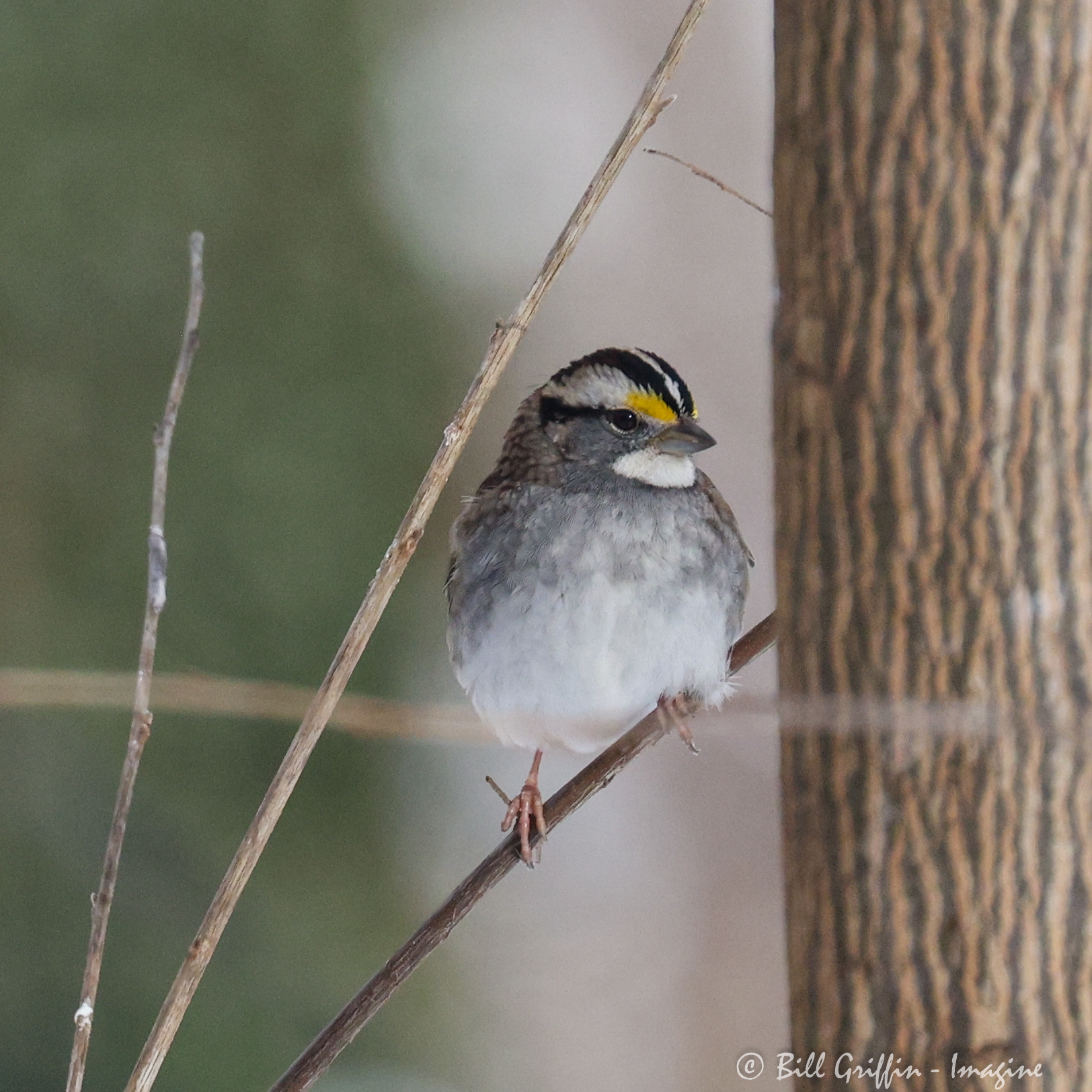
IMG_1948
 . 

Read Full Post »

 . 
[with 3 poems by Gail Peck]
 . 
Prayer
 . 
Please let me see
 . 
the cow’s big eyes
the goldenrod
 . 
the coffee in my cup
turning color with cream
 . 
all that painters have made
stone sculpture in a field
 . 
family photographs
old letters
 . 
poems and stories
that funny looking bug
 . 
I can’t catch
how to read the clouds
 . 
if there’s a bee in the flower
I lean to
 . 
color of fruit
sheen of silk
 . 
what time it is
my bright painted toes
 . 
label on the wine bottle
I like to study
 . 
how full to pour my glass
word and words and words
 . 
and faces of those I love
yes   mostly those
 . 
Gail Peck
from In the Shadow of Beauty, Finishing Line Press, Georgetown KY; © 2025
 . 
❦ ❦ ❦
 . 
The question is not what you look at, but what you see.
++++++++++++++++++++++++++++++++ — Henry David Thoreau
 . 
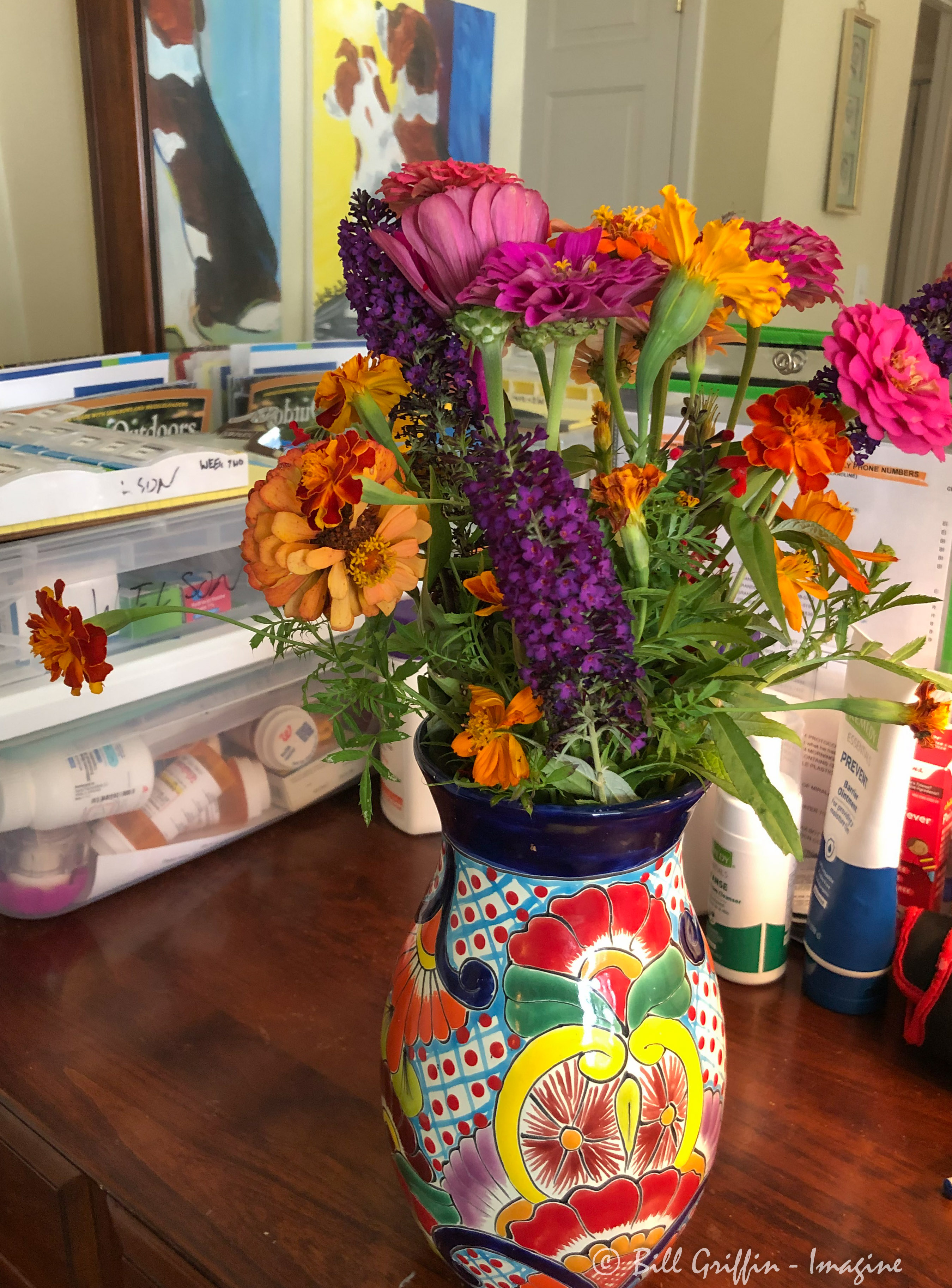
Toward the end I took over the ritual, but when had it begun? I had never paid much attention to the cut flowers in the vase on the dining room table until I became complicit in their procurement. When Dad relinquished driving . . . correction, when we made Dad give up driving at age 96, it fell to one of us to take him to Trader Joe’s every week for flowers. Mom came along with us as long as she was physically able – was she choosing the flowers she liked or the ones Dad wanted her to choose?
 . 
When it became too much to shepherd two elders on walkers and still push a shopping cart, it became just Dad doing the choosing. Same variety every week, pink or mauve Alstroemeria, Peruvian Lily – I truly think Mom would have been equally happy with anything from TJ’s lush bank of bouquets, but these in particular held their petals longer, according to Dad. Most blooms would last until next week’s shopping, and even then Dad would order us to separate out any stems that still seemed fresh. Thrifty. A good provider. The manager in charge. My Dad. The flowers were one last affirmation of his life-long identity.
 . 
What do we see when we look at another person’s life? We are adrift in the ocean of “Why did she do that?” and “Why does he act that way?” Rocked by chop and foam, no safe or simple way to dive deep, a fathomless conversation. We observe from arm’s length how the one we love reacts, their judgements and choices, but the water is opaque; what impulse impels the rudder? Did Dad keep flowers on the table to make Mom happy, or did he do it to feel happy about being seen to be making Mom happy?
 . 
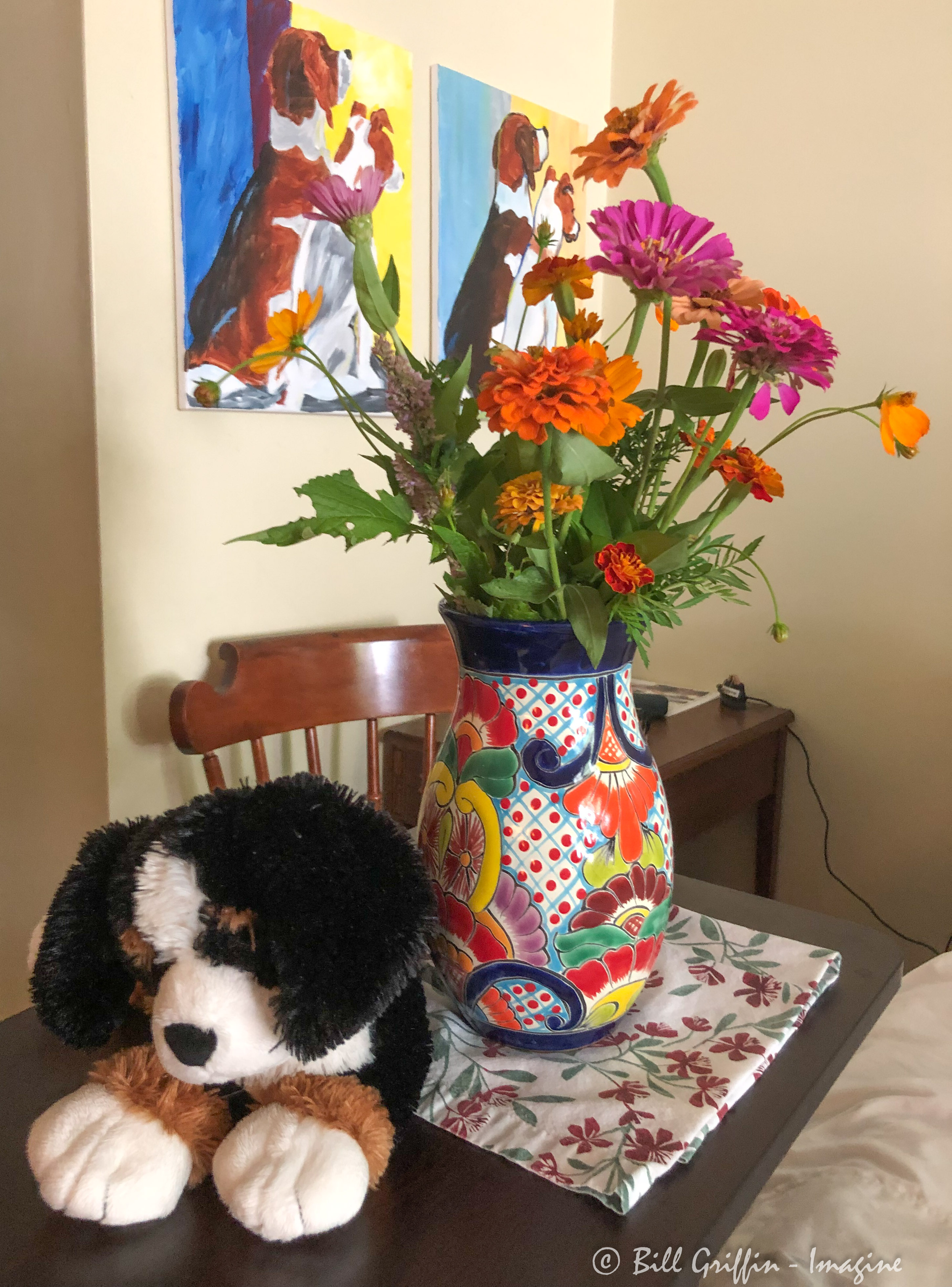
During the last months Mom lived I brought her flowers from my own gardens. First Lenten Rose (Hellebore) and Redbud branches, then Daffodils and Narcissus that kept blooming for a solid month. As the weather warmed I shared Beebalm and Anise Hyssop my son-in-law had started for me in his greenhouse, then the cavalcade of Asters, Black-Eyed Susans giving way to Marigolds and Zinnias, the first year I’d planted such. I think I brought them every week to make Mom happy, a last chance for a final gift just from me. But I think I was also incredulous that my lackadaisical gardening could produce such bounty – I was showing off.
 . 
I would place a few long stems in a fluted vase on the tiny kitchen table where Mom read the comics each morning; another small vase beside her accustomed seat on the couch; finally all vases came to rest beside her bed where she spent most of her final weeks. It never failed. She would, with effort, turn her head and spy my offering. Then she would look at me and smile.
 . 
 . 
❦ ❦ ❦
 . 
Leaving
 . 
Once you are left
you are always left
a clock ticking backwards
 . 
You tried to crawl out the window
when your father packed his suitcase
and were pulled back
You opened the door
and ran after the car until breathless
 . 
Why does the sound of a train whistle
not make you sad when one
took your mother away for months
 . 
Perhaps because your grandmother
played The Lonesome Railroad Blues
on her harmonica and the dog danced
 . 
The calendar nailed to the wall
turned one month over another
until winter was gone
 . 
Daffodils bloomed    the dogwood
reopened Christ’s wounds
 . 
Curious girl who gathered flowers
from fields and pulled petals
from daisies – he loves me, he . . .
 . 
Gail Peck
from In the Shadow of Beauty, Finishing Line Press, Georgetown KY; © 2025
 . 
❦ ❦ ❦
 . 
Your family, like mine, has stories you break out at every gathering, dust off, polish up, and share good as new. I’m sure Dad is glad we finally quit telling the one about him breaking a full bottle of ketchup at the diner in Parkersburg, West Virginia when we were teenagers. Then again there are probably any number of stories that deserve more retellings than they get. Stories make us a family. What will happen to the stories that no one keeps alive?
 . 
Gail Peck’s In the Shadow of Beauty tells stories that make a family. The stories are cut flowers and lace, and they are rancid wounds and meanness. The people we want to love can hurt us the most. The people we want to hold onto forever will all leave us in time. We seek meaning by revisiting and reliving the turning points as well as the ho-hum trivial passages that have somehow hooked themselves into our memory. For most people, we will never truly grasp their intent or purpose, but when we’re brave enough to re-experience how they have affected us, we might discover our own purpose.
 . 
Gail often uses photographs of her family, which capture a single moment without judgement or commentary, to rekindle events to which she then applies the art of poetic commentary and judgement. This book is their lives as well as hers. At one point Gail admits she does not know where the ashes of her sister are scattered but she still wants hers to mingle with them. She reveals her bonds with her mother as a many-faceted jewel, some faces bright crystal but others tarnished. And Gail inspires me to keep visiting, keep remembering, keep looking and never be satisfied that I have seen all there is to see in my own stories and my family’s. As she confesses in Arranging Flowers:
I can’t cut a flower without thinking of her,
and I may go again to place some
on her grave, but I’ll have no desire
to continue. Once you sever the stems
you know to make the most of it,
and isn’t that why we love them,
their beauty, the petals that will fall.
 . 
 . 
In the Shadow of Beauty, poems by Gail Peck, is available from Finishing Line Press HERE
Enjoy poems from an earlier book by Gail Peck, The Braided Light, at last week’s issue of VERSE & IMAGE
 . 
 . 
❦ ❦ ❦
 . 
Past Tense
 . 
How quickly it passes
from is to was
 . 
from has to had –
as quick as a bird
 . 
flies from a windowsill –
you hear its song
 . 
but no longer see it.
They’d slit her gown
 . 
up the back
to spread beneath her.
 . 
Small, embroidered roses
at the top with beads
 . 
in each center.
The eyes don’t totally close
 . 
near the end
and once the hands cooled
 . 
we knew
and I know almost no Bible verses
 . 
but it came to me
when they removed the body
And the peace of God, which surpasses
all understanding
 . 
for she was a godly woman,
my mother.
 . 
Dress her in pink
with the white lace blouse
 . 
for she loved white –
white of the lily, white of the clouds.
 . 
Gail Peck
from In the Shadow of Beauty, Finishing Line Press, Georgetown KY; © 2025
 . 
❦ ❦ ❦
 . 
 . 
❦ ❦ ❦
 . 
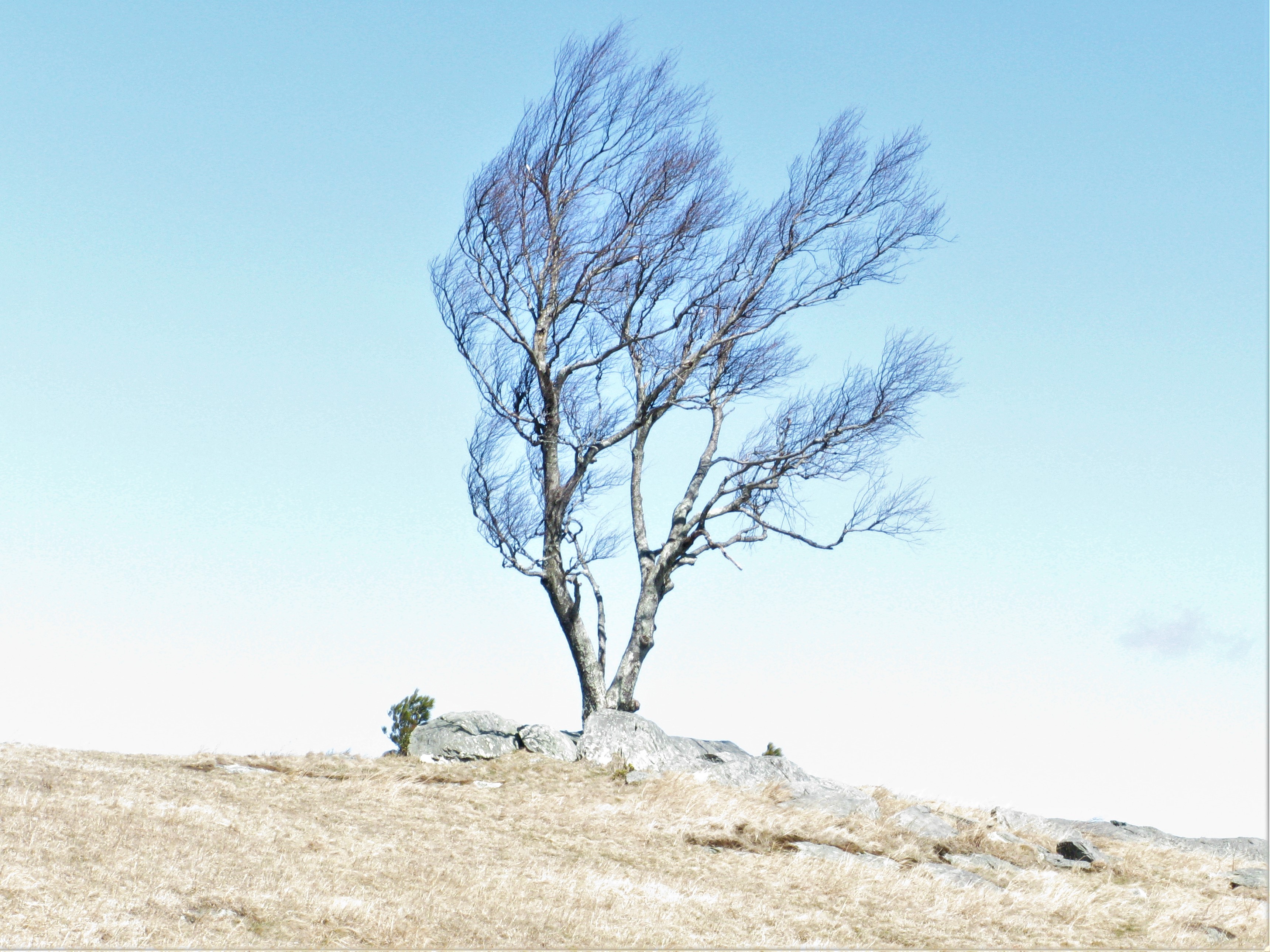
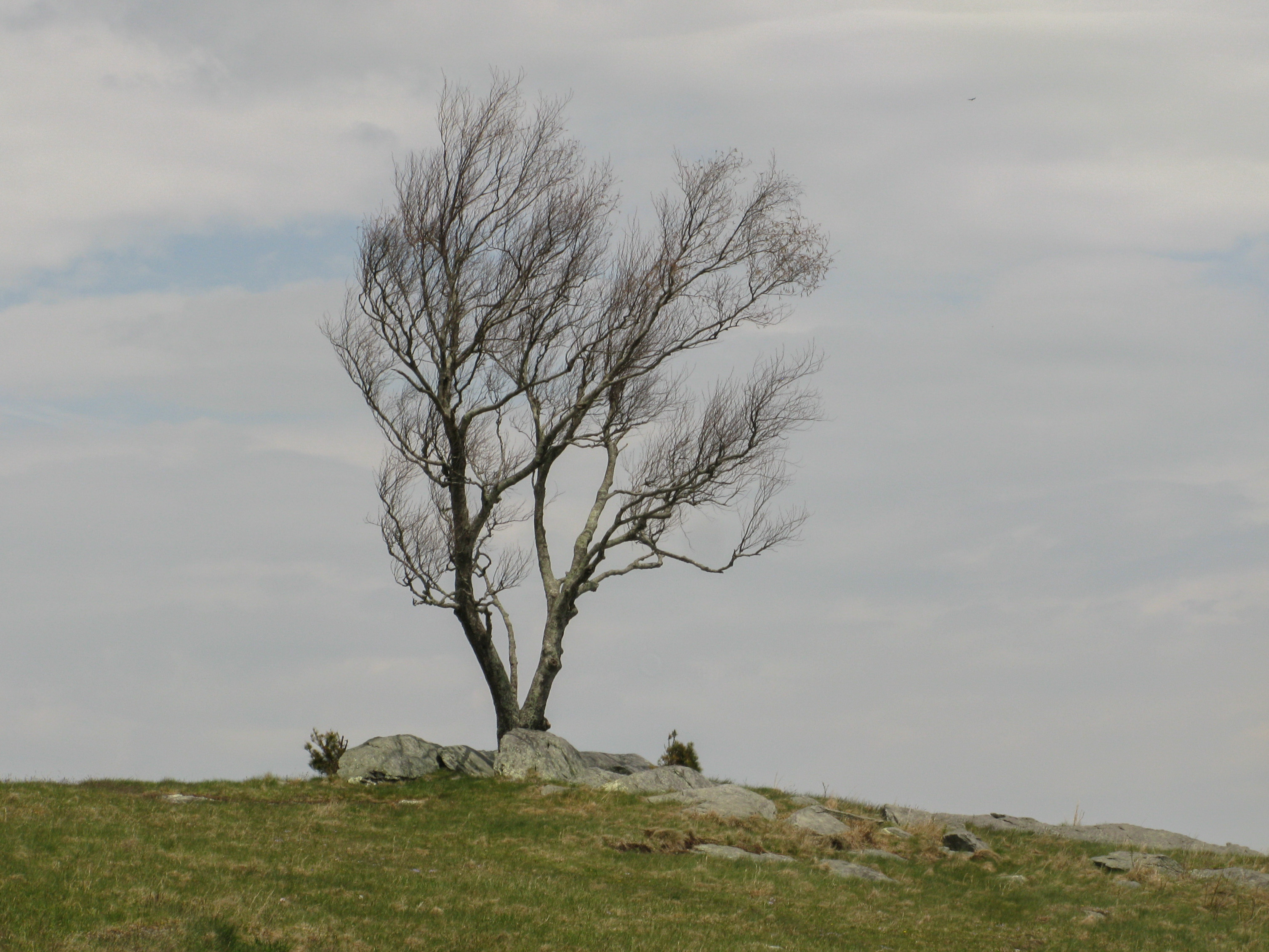
Doughton Park Tree 2020-03-07

Read Full Post »

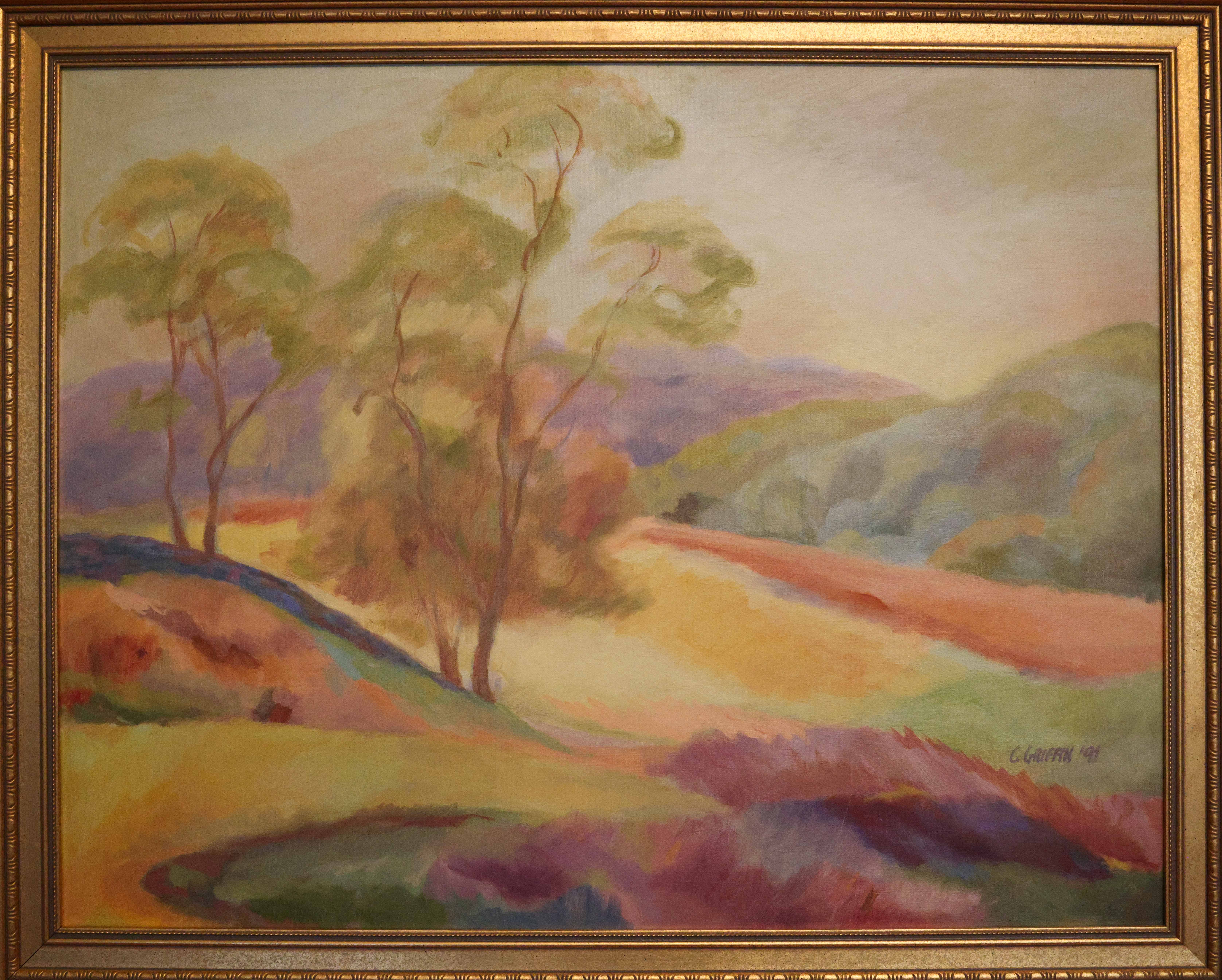
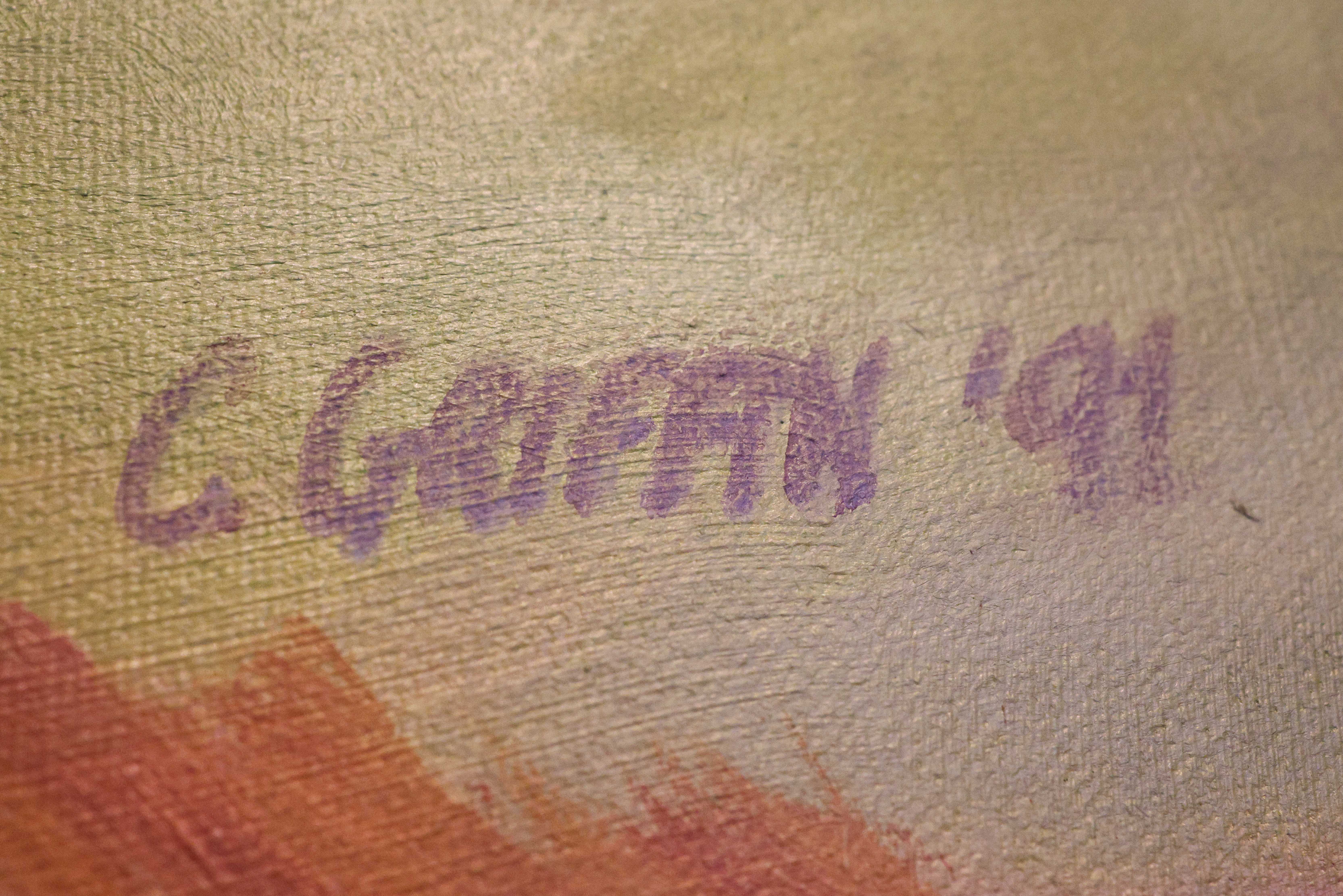
BRANDYWINE CREEK — C. Griffin, ’91

 . 
[with 3 poems by Gail Peck]
 . 
Still Life with Birds’ Nests
++ after van Gogh, 1885
 . 
the possibility
++ of life, those eggs
blue and cream – one
 . 
so dark it’s almost invisible,
++ two nests close together,
another propped
 . 
on a branch –
++ no wings, nothing
fluttering in or out
 . 
with straw
++ in beak
determined to make
 . 
what will hold –
++ see how
the light is braided
 . 
in straw, debris –
++ to pluck a strand
from the whole
 . 
seemingly easy
++ at least from
the outer edge, but
 . 
not the center
++ where eggs lie
until
 . 
the first
++ fissure, then
the struggle,
 . 
who will survive,
++ breaking silence
into refrain
 . 
Gail Peck
from The Braided Light, Main Street Rag Publishing Company, Charlotte NC; © 2015. Winner of the 2014 Lena Shull Book Contest of the North Carolina Poetry Society
 . 
❦ ❦ ❦
 . 
I find it in the back bedroom against the back wall of the closet, other cartons piled against it. The cardboard of two boxes has been sliced apart and refolded to fit, about 26 inches by 32 inches by 4, still taped solidly together from their final move, Delaware back to Winston-Salem in 2012. Across the narrow top in black marker, “Brandywine Creek.” My mother’s printing.
 . 
In 1949, Clara Jean “Cookie” Cooke carried her bachelor’s degree in art from Women’s College of the University of North Carolina back home to Winston-Salem to take a job in medical illustration at Bowman Gray Hospital. A year later she married Wilson, alias Dad, and moved to Atlanta, to live in student housing at Georgia Tech. About three years after that my parents moved to Niagara Falls, New York, just in time for me to be born. In the decades that followed Mom never entirely laid aside the brush – the oil she painted of my little brother at age two is a great likeness. But how often does art get stacked in a back closet behind being housekeeper, Mom, chauffeur, even later Kindergarten teacher?
 . 
When we three kids were fully fledged and Dad finally retired, Mom re-committed herself to linseed oil and pigment. Her home and then ours as well gradually filled with landscapes and still lifes from her workshops and classes. Then began her magnum opus: portraits. She painted from life (I posed as Jesus) and she’d sort through to pick out her favorite photos to transform into paintings. Year by year the five grandkids were memorialized at all ages and activities. In her 80’s, Mom pivoted again. Now she was capturing on canvas every dog and cat of every friend and neighbor and giving them all away. Hoping for ice cream when we visited, we would more likely open the freezer to discover a palette wrapped in wax paper awaiting her next project.
 . 
The last year of her life, Mom required more nudging to pick up a pen or pastels. If I placed a photo in front of her of something she loved, dogs especially, along with paper and a few colored pencils, she would make art. For what would be Mom’s last birthday, my sister arranged a family afternoon with an art instructor who had us all paint the same scene, two of the great-granddogs. We never laughed or enjoyed ourselves so much.
 . 
Six month’s after Mom’s memorial service, I’m cleaning out the townhouse when I unearth the carton. I peel off the old tape, tearing some of the packing paper as I lift out its contents. The large framed canvas is not one I remember seeing before, but I remember Mom’s brainstorm when we visited them in Delaware that we should all go tubing together down the Brandywine. There’s no water in this painting, though, only rolling hills of wind-blown grass in every color and tall lithe trees whose branches catch the breeze. Brandywine Creek chuckles and rills outside my line of sight.
 . 
So much has passed, now, beyond my vision. I wonder if I am losing, have lost, those many images I took for granted all those years. Her teasing and laughter, her quickness at crosswords and puzzles, her patient smile. Her gratitude. Especially her hand, poised, its skill, the slender fingers that wafted the magic of color so lightly across this surface I am now holding to the light. Look, just look at those brush strokes.
 . 
 . 
❦ ❦ ❦
 . 
Bowl with Potatoes
++ after Van Gogh, 1888
 . 
A yellow bowl filled
with potatoes, hues
of pink and blue making
them not so ordinary.
Waiting to be sautéed
to accompany the fricassee
of rabbit simmering with white
wine, herbs, pearl onions.
I peel potatoes, cut around
each eye with a sharp knife.
Olive oil, first pressing, and local
wine to drink. A task to make
us happy, to cheer
from the lingering fog,
where we can’t even see the deck.
I seem to be braiding worries,
and have carried this day
like a heavy stone. The best
cloth and napkins, and a centerpiece
of yellow roses, smell that bring some memory
from childhood, but what? Running
near the house, getting snagged
by thorns. I try to push sadness away,
yet the candle flickers
each loss, and I worry that
one day my husband won’t
recognize my face, mistake
the pattern on the china for food,
the way his father did, fork
scrapping against the plate,
and only my chair with a view.
 . 
Gail Peck
from The Braided Light, Main Street Rag Publishing Company, Charlotte NC; © 2015. Winner of the 2014 Lena Shull Book Contest of the North Carolina Poetry Society
 . 
❦ ❦ ❦
 . 
Art conjures its mysteries and we don’t spy the hand moving in shadow. A piano chord major to minor and the sun passes behind a cloud. Tangles of color on canvas blend into a fond memory of childhood. Our senses know more than we do. The smell of old perfume upon opening a closet. There we are, transported.
 . 
And what about the art of words? Isn’t each meaning distinct, circumscribed, listed for us in the lexicon? And yet the words’ unspoken histories conjure mystery when we read in them a new tangle, a new melody, a new canvas. Nevertheless, the poet has set herself a difficult and arcane magic when she undertakes to recreate the vision of color on canvas in print. Gail Peck accomplishes this in The Braided Light, an entire volume that captures, line upon line and page upon page, the impressionistic imagery of Van Gogh and Monet.
 . 
Perhaps the impressionist painters imagined they would not make us see but allow us to see. The light is ever changing; the colors in our minds arise from emotion and perception, not lines on a spectrograph. In the same way Gail’s poetry shows rather than tells. Her heart is tangled in the brush strokes and colors, but she opens space for my heart fall into the imagery as well. One might think there are only a finite number of meanings for a word and only a finite number of words for a color. Our senses, however, know more than we do. Look, just look at those brush strokes.
 . 
 . 
The Braided Light by Gail Peck was the winner of the 2014 Lena Shull Poetry Manuscript Contest of the North Carolina Poetry Society, and is available online from Main Street Rag Bookstore.
 . 
NEXT WEEK: Gail Peck’s new book from Finishing Line Press, In the Shadow of Beauty
 . 
 . 
❦ ❦ ❦
 . 
Weeping Willow
++ after Monet, 1918-1919
 . 
Whatever your sorrow is
++ is yours alone.
++ ++ Tall lithe figure
 . 
swaying darkness, what
++ have the years
++ ++ brought except
 . 
silver among green leaves
++ trailing the bank.
++ ++ You can’t turn away.
 . 
You stand rooted
++ in faith that rain
++ ++ will come, wash
 . 
away debris, that the sun
++ will glint through
++ ++ what wind hasn’t
 . 
severed. Part of me
++ longs to enter
++ ++ your canopy,
 . 
lie beneath your shade,
++ but the ground
++ ++ is damp and grass
 . 
won’t grow there.
++ View from my window –
++ ++ my black-shuttered house.
 . 
Gail Peck
from The Braided Light, Main Street Rag Publishing Company, Charlotte NC; © 2015. Winner of the 2014 Lena Shull Book Contest of the North Carolina Poetry Society
 . 
❦ ❦ ❦
 . 
 . 
 . 
 . 
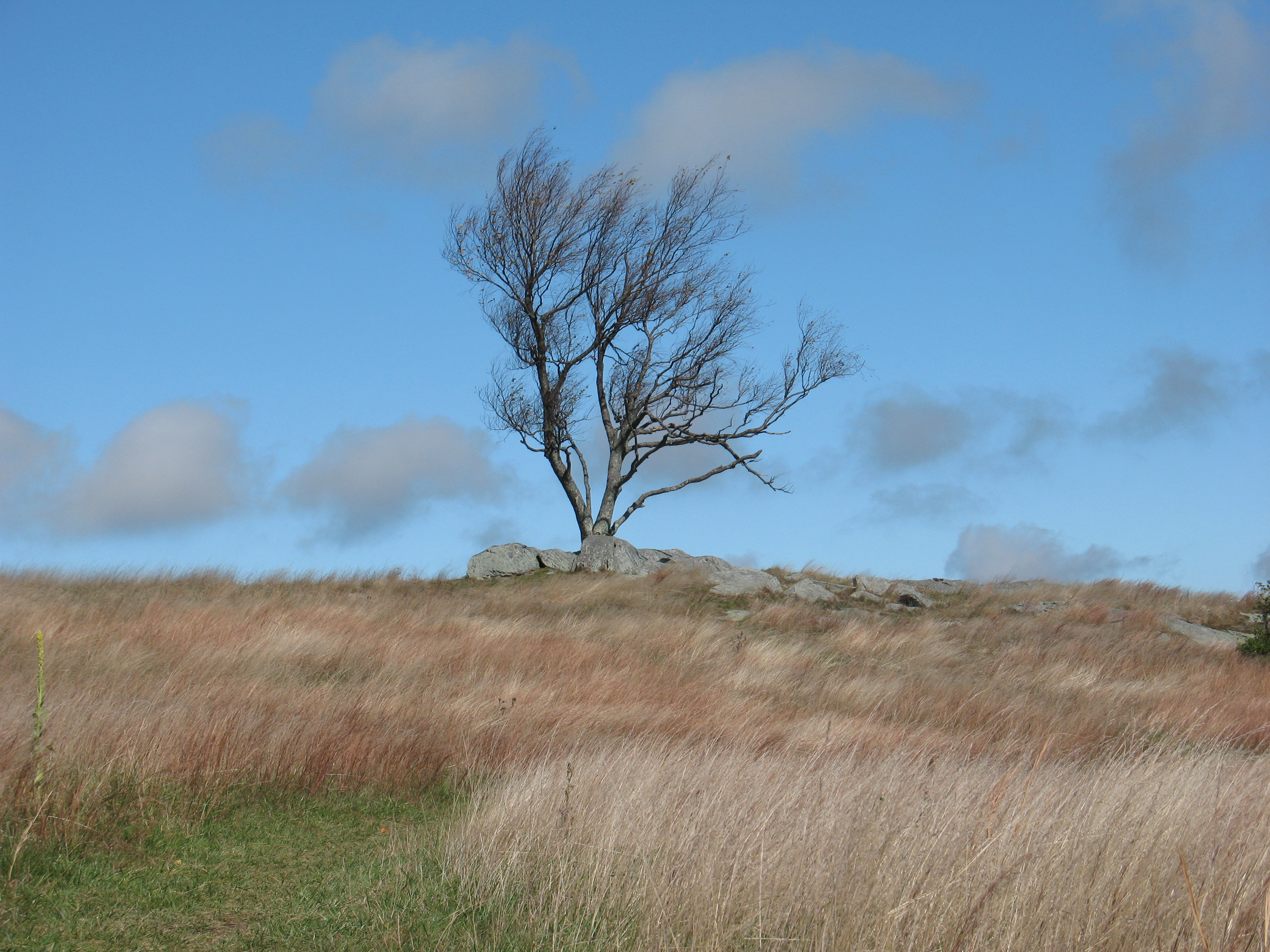
Doughton Park Tree 4/30/2022
 . 

Read Full Post »

« Newer Posts - Older Posts »