Feeds:
Posts
Comments

Posts Tagged ‘nature’


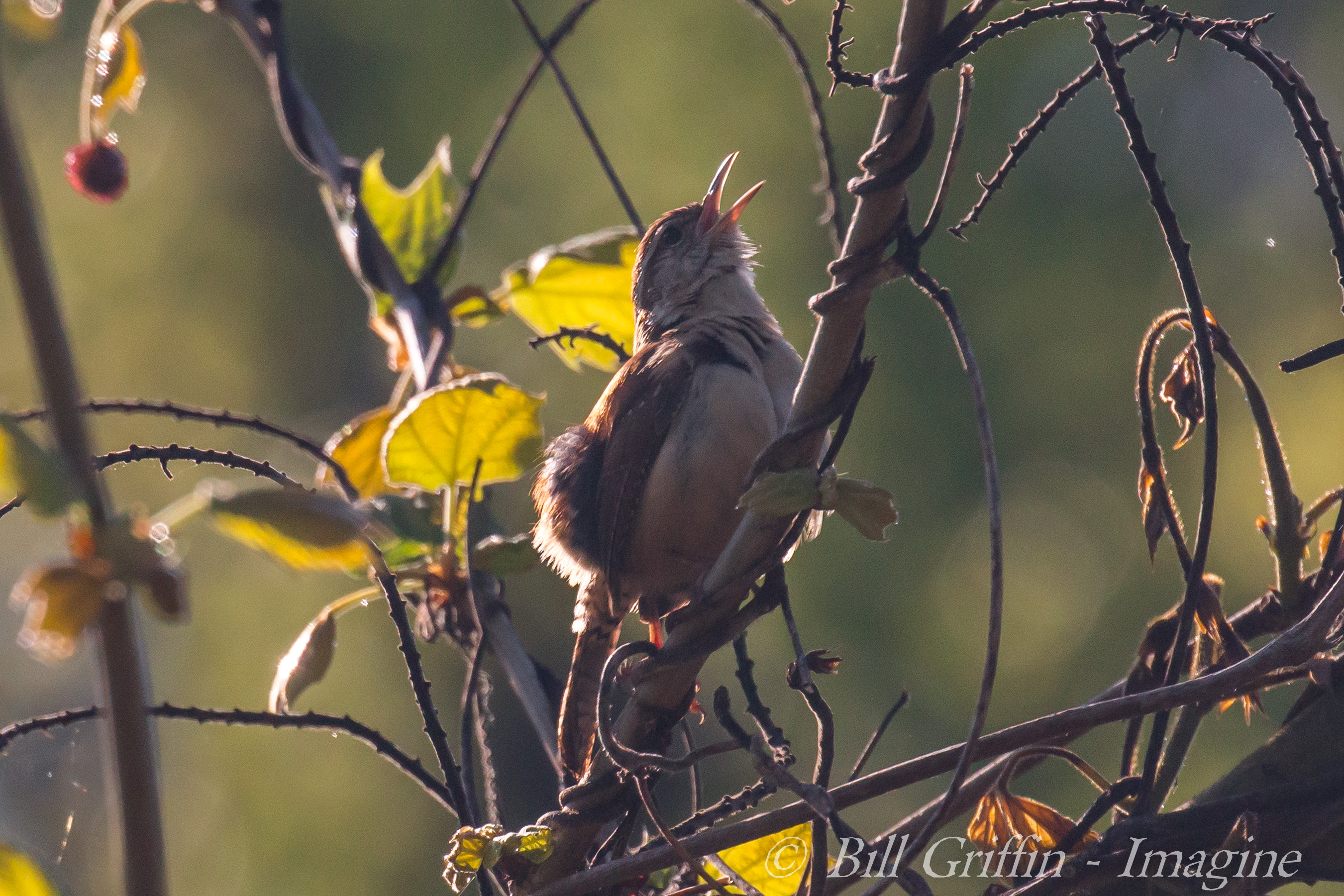
Think of the wren / and how little flesh is needed to make a song.

[poem by Galway Kinnell]

The storm of the commonplace, does it grumble louder these days? The daily downstream of task and grind and conciliation, when did it become all fierce foam, rapids, never a moment to look up from paddling and glimpse a tree swallow’s emerald benediction? When did everything get so damn hard?

This morning there is too much inner clangor for me to pick up a pen, much less face a blank page. No, nothing “worthy” of recording: Who would care to read the quotidian health bulletins of my nonagenarian parents; to join me in ticking off one hundred and one conditions that need to be met before we can gather in person at church this Sunday; to listen to my inner dialogue with vaccine refusers and wonder if Linda and I will ever again feel safe singing with our regional chorus? Why worry about a little heat exhaustion working on the Elkin Creek trail tomorrow when the whole west coast is desiccating and blowing away?

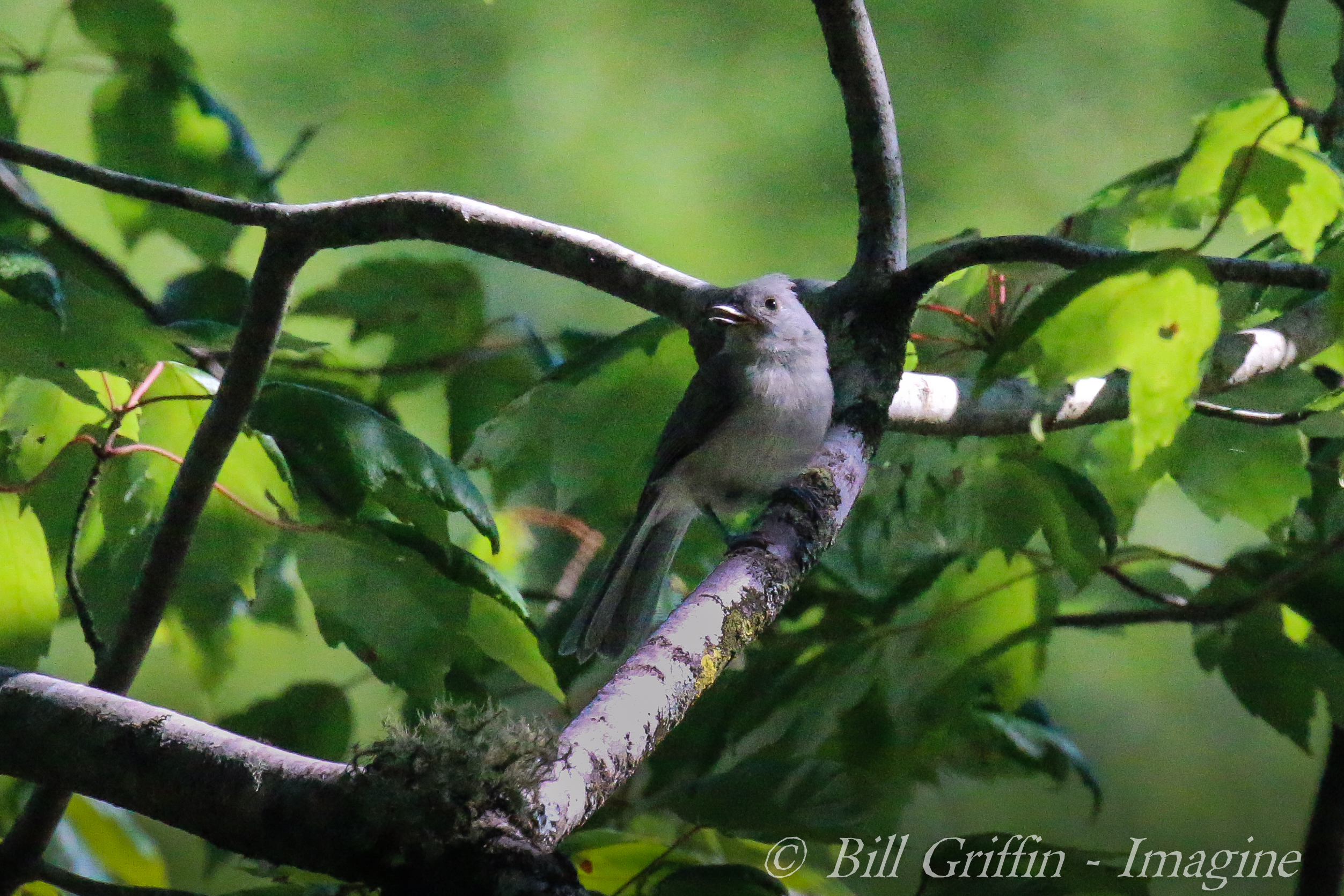
Meanwhile outside dank vapors of rumination, mud of gray matter, rigid constricting cranium; meanwhile outside in the press of North Carolina foothills summer afternoon, starting to sweat just thinking about it; meanwhile outside no matter how hot, how thorny, how dispiriting . . . in the neighbor’s yard a wren is singing.

.     .     .     .     .     .     .

Why Regret?
Galway Kinnell – 1927-2014

Didn’t you like the way the ants help
the peony globes open by eating the glue off?
Weren’t you cheered to see the ironworkers
sitting on an I-beam dangling from a cable,
in a row, like starlings, eating lunch, maybe
baloney on white with fluorescent mustard?
Wasn’t it a revelation to waggle
from the estuary all the way up the river,
the kill, the pirle, the run, the rent, the beck,
the sike barely trickling, to the shock of a spring?
Didn’t you almost shiver, hearing book lice
clicking their sexual dissonance inside an old
Webster’s New International, perhaps having just
eaten out of it izle, xyster, and thalassacon?
What did you imagine lies in wait anyway
at the end of a world whose sub-substance
is glaim, gleet, birdlime, slime, mucus, muck?
Forget about becoming emaciated. Think of the wren
and how little flesh is needed to make a song.
Didn’t it seem somehow familiar when the nymph
split open and the mayfly struggled free
and flew and perched and then its own back
broke open and the imago, the true adult,
somersaulted out and took flight, seeking
the swarm, mouth-parts vestigial,
alimentary canal come to a stop,
a day or hour left to find the desired one?
Or when Casanova took up the platter
of linguine in squid’s ink and slid the stuff
out the window, telling his startled companion,
“The perfected lover does not eat.”
As a child, didn’t you find it calming to imagine
pinworms as some kind of tiny batons
giving cadence to the squeezes and releases
around the downward march of debris?
Didn’t you glimpse in the monarchs
what seemed your own inner blazonry
flapping and gliding, in desire, in the middle air?
Weren’t you reassured to think these flimsy
hinged beings, and then their offspring,
and then their offspring’s offspring, could
navigate, working in shifts, all the way to Mexico,
to the exact plot, perhaps the very tree,
by tracing the flair of the bodies of ancestors
who fell in this same migration a year ago?
Doesn’t it outdo the pleasures of the brilliant concert
to wake in the night and find ourselves
holding hands in our sleep?

Why Regret? is from Strong Is Your Hold. Copyright © 2006 by Tom Galway Kinnell. Houghton Mifflin Company.

Galway Kinnell — Poetry Foundation

Galway Kinnell — Poets.org

.     .     .     .     .     .     .


.     .     .     .     .     .     .

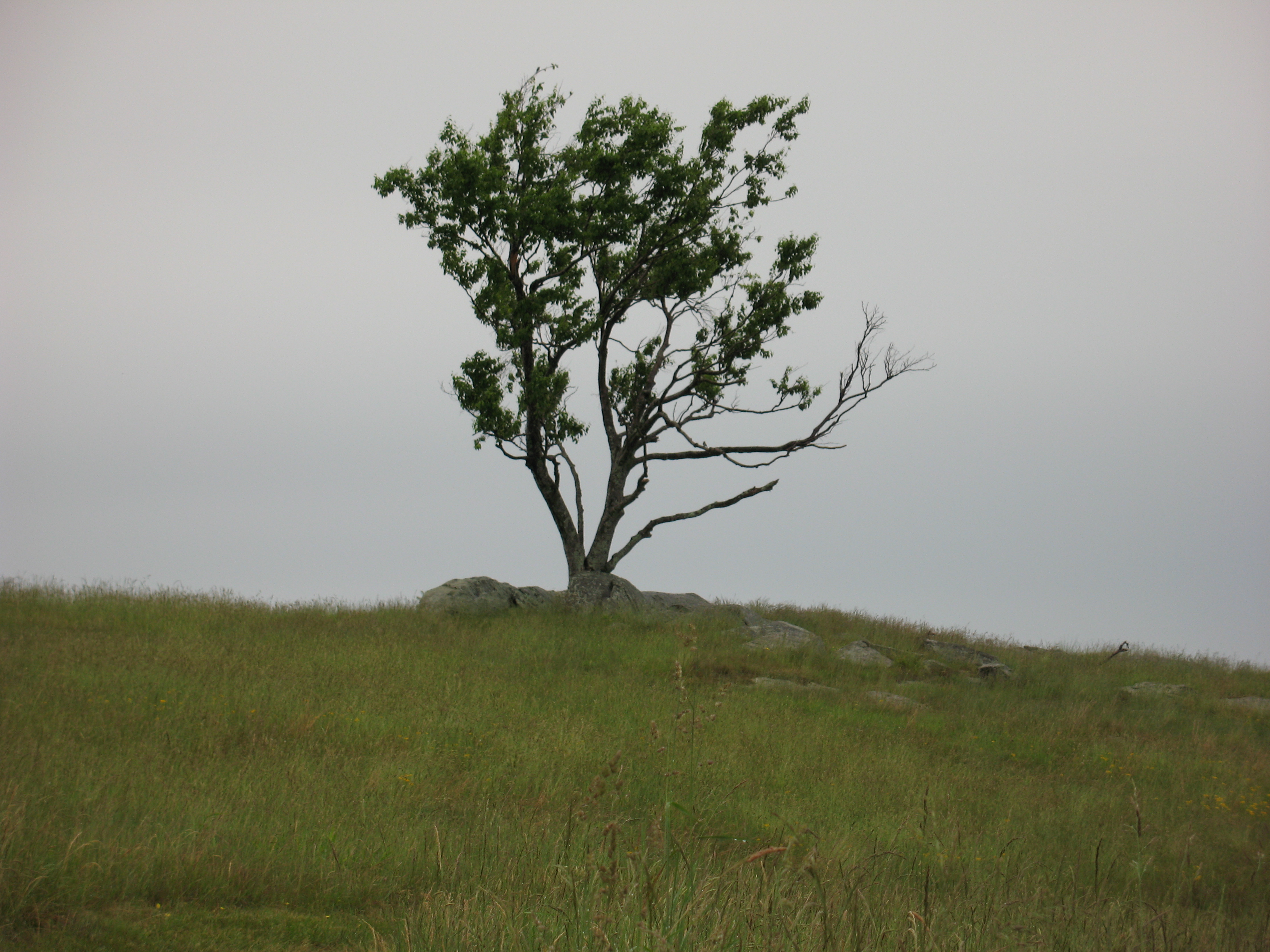
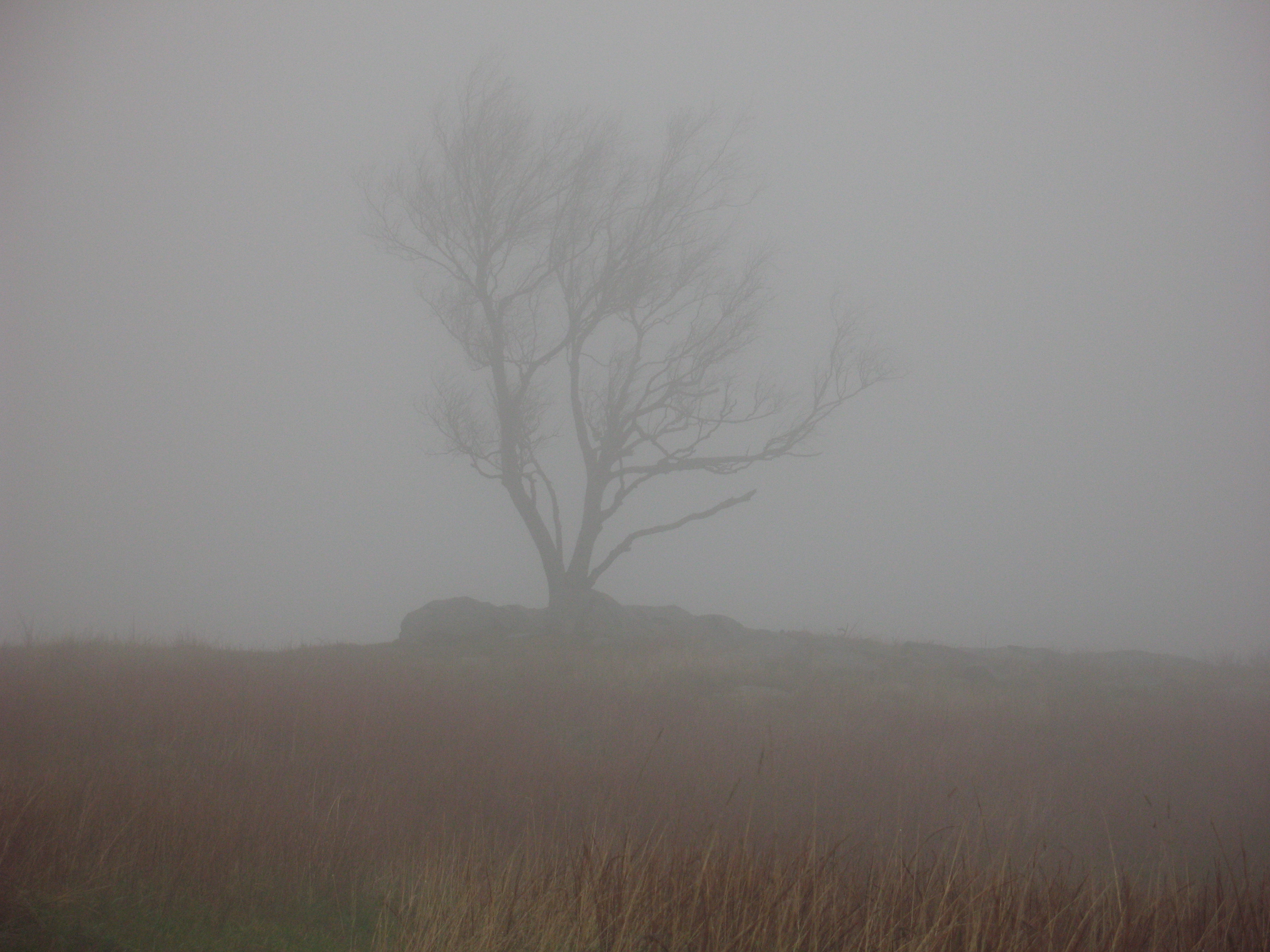
2014-07-13 Doughton Park Tree

Read Full Post »

[with 4 poems by Richard Allen Taylor]

I need one of those little fountains that floats in your birdbath. I need more gravel for the driveway. I need a sharper macro lens. I need to check my investment strategy.

I need to clean the hummingbird feeders. I need to sit down with my life insurance agent. I need to pull the crabgrass between the lilies. I need to empty the dehumidifier. I need an empty inbox.

I need to listen to my sister. I need to reassure Linda. I need to tell Amelia a story. I need to thank Jill and Sue and Josh and Allison . . . I need to thank a whole lot of people. I need a cool morning on the porch with birdsong and poems by my friend Richard. I need the forgiveness I didn’t know I needed.

.     .     .     .     .     .     .

The Train to Redemption

I almost miss it, but catch the last car,
find a window seat next to a woman
who opens her bag of sewing –
needles, pins, fabric spilling over
her knees – and what she’s sewing,
I don’t know. She says nothing
as I lean my head against the sad
window, and watch the land scroll,
trees waving like sword-grass
in a rush of green infantry, charging
the horizon until the sun sinks
and pulls the sky down with it.

After an hour of darkness, the lights
of Redemption appear and the woman
hems while she hums, a tune I won’t name
because it’s one of those that sticks
in your head and drives you crazy for hours
once you hear it. As the train approaches
the station, the air in the car smells
like apples and rain, and this woman
who has not spoken to me, but has
the gift of threading her eyes
with whatever the moment requires,
stitches me with a look of forgiveness
I didn’t know I needed.

Richard Allen Taylor

.     .     .     .     .     .     .

Maybe 2014? A good while back Richard Allen Taylor set himself the challenge of writing poems about angels; they make a marvelous collection. A marvelous concatenation. Conceptualization. Conciliation. Oh sure, Gabriel has a cameo, but these are Richard’s angels, your and my angels: the Angel of Bureaucracy; Angel of Minor Disputes; Angel of Pain. And the Angels of Hope.

What do I really need? How about you? Redemption, can that actually mean anything more than cashing in the winning lottery ticket? Richard in Armed and Luminous offers poems with humor, imagination, and gentle compassion that have redeemed my morning. Yes, there are angels here, more than you may have expected, but I wasn’t hoping for any glowing personage with wings. What I have discovered instead is a spirit that wells up in two persons’ hearts and allows them to truly touch.

.     .     .     .     .     .     .

Angel of Hope

As she grows invisible, her confidence blooms,
a moonflower in darkness, buoyed by terrestrial air
that gives lightness to her presence.

To the man drowning in despair, the garden feels heavy.
Nothing grows as planned. Renegade vines pull down
the rusted trellis, fruit fallen and rotted.

She watches his waning moon fade somber
in the box-like night of a four-walled sky.
In one corner, a shadow thickens, crosses

from stone to path and pulses against
light promised but not yet come.
The man, still unaware of the angel

who waits at the edge of his surrender,
senses a ripple in the darkness and draws closer
to speak, but seeing nothing, keeps his peace

and bows his head – in prayer or resignation
who can say? The angel’s cloak, opaque,
wide-winged and flutter-flapped – hides her completely.

He has shuttered himself, but she sees what he needs
is hers to give. She unwraps, offers her spirit light
like a lover’s body, but only for a heartbeat.

She closes her cloak, knowing hope is a drug
best administered in small doses. She gives him enough
to swim, rise to the surface, breathe again.

Richard Allen Taylor

.     .     .     .     .     .     .

Blue Ridge Mountains

The possibilities were infinite.
When God made this place

He could have made it flat
or barren or covered with ice

or submerged in a hot soup
of gases, but he chose this

contemporary design, mountains
sprigged with tallest pine,

oak, maple, and poplar,
cloud-catching peaks and spines

that radiate into folds. He
let there be light, and the bright

afternoon reflected green
from the nearest slopes,

now blue-gray from a distant arc,
Mt. Mitchell under siege

from a flotilla of clouds,
gray-hulled, white-sailed.

It was quiet here when God created
the vacuum, before He created air

and water to carry sound.
He threw stones and ice,

enough to squeeze the earth
into a ball. Before this windy

breath in the trees, before
the voices in the meadow

or the click of heels
against flagstone walks,

before dry leaves scratched
across the porch, God

did his best work in silence.
He assigned Mother Nature

to manage construction.
She pushed to get the work done,

pitting one continent against another,
subcontracting certain details

to volcanism and erosion, giving the piece
a mixed-media look. I stand on rock

born deep in the earth, spewed
to the surface, sparkled with mica.

the dinosaurs have left, and our turn
at the controls has just begun, our time

a thin sheet in the layers of time,
but already, we have begun the undoing.

Richard Allen Taylor

.     .     .     .     .     .     .

Cello in Moonlight

The strings pull me
to a darkened house,
through a door left open
to a room, empty
except for a wicker chair,
where a woman
in a shawl of moonlight
sits weeping, a private ritual,
her voice the cello,
the cello her voice.

An intruder, I turn to leave.
She asks me to stay.

Richard Allen Taylor

.     .     .     .     .     .     .


all poems from Armed and Luminous, Richard Allen Taylor, Main Street Rag Publishing, © 2016

Header art by Linda French Griffin

.     .     .     .     .     .     .

Read Full Post »

[with 3 poems by Maureen Ryan Griffin]

At the National Zoo in DC the Maned Wolves are sniffing them out – crunch; the Red River Hogs have dug up their entire enclosure to welcome them; the Big Cats just couldn’t care less about them; the River Otters bat them like shuttlecocks a few times, then crunch; the Keepers are busy calculating how much less protein to allot each daily feed because of all the crunching of them.

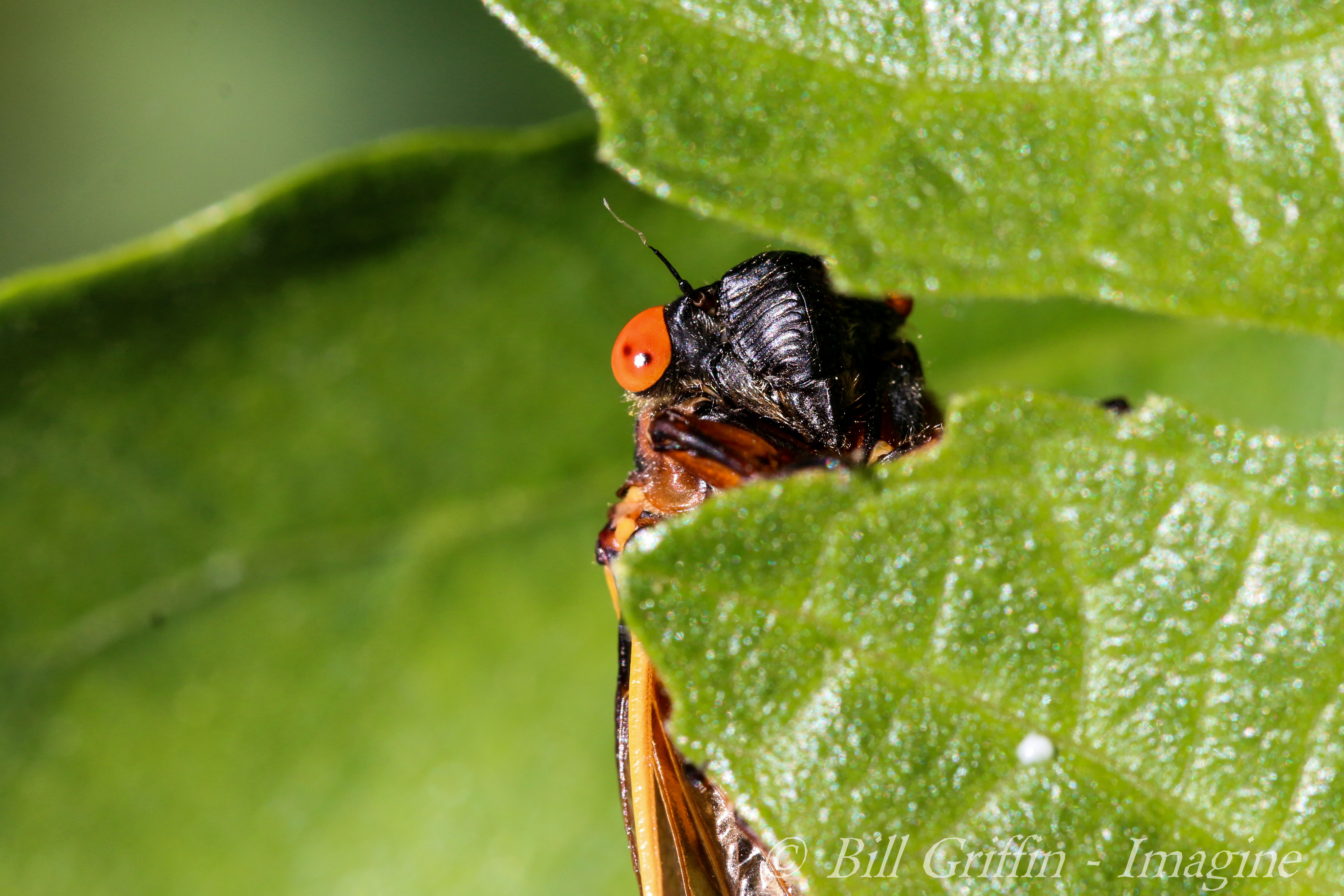
Here in Elkin an army of little workmen fill the trees, each holding in his middle arms and forward arms a tiny leaf blower set on max. Their women can’t resist that sound. Cedar waxwings can’t resist coming down from the heights where they usually hang out to nab nymphs climbing up the oak trees. Yellow-billed cuckoos are planning three broods this summer after checking out the buffet.

In 10th grade Mrs. Schilling made sure we learned the major orders – Lepidoptera, Diptera, Hymenoptera, etc., not least Hemiptera, the True Bugs (you’d better not call a Coleoptera a “bug”). Stink Bugs, you guys are old news after this year’s Hemiptera (suborder Homoptera) emergence — Magicicada septendecim Brood X, The Great Eastern Brood, magical indeed, to you we doff our hats. Second thought I’ll keep mine on.

.     .     .     .     .     .     .

Ten Thousand Cicadas Can’t Be Wrong

Summer sings sweet songs for her supper,
but her golden slippers aren’t for sale – no unless
you happen upon some celestial bargain basement
of goodly delights. There, nearly hidden under
last year’s turquoise silk sky, raspberries ripen, rampant,
as the mourning dove’s plum notes whirr, winged
into basil-drenched dreams. All this, and watermelon, too,
and fireflies, and the daylilies from your mother’s
last garden, double-headed. Just don’t forget
there are chiggers, and mosquitoes, of course, and that heat
everyone speaks of, muggy, tasting of
mildewed shower shoes, sounding for all the world like
kudzu unfurling in Jackson, Mississippi, where Janis Joplin
might have sung supper songs of her own. I don’t know.
I’ve never been there. I do know freedom’s not
just another word for nothin’ left to lose, and that you’ll never
find that bargain basement, no matter how long you look.
Listen, ten thousand cicadas can’t be wrong.
Anybody knows larvae never lie, not as long as
persimmons pucker and peaches procrastinate.
Lollygag in your hammock if you must, whenever
the tomatoes lean, but remember
that the persnickety bookie of guilt and doubt
is keeping score. You can’t hide but you can
run. You can steal the chiggers right out from under
the blackberries. You can rob from the raspberries
in bruised homage to the summer afternoon –
the two most beautiful words in the English language,
according to Henry James, whose afternoons
are elsewhere now. Tu connais Uncle Death?
No worries. Aunt Morning will waltz willfully
wanton beyond noon, yea, and onward, well past dusk,
in Sister Summer’s silver slippers, the ones
deep in her closet that she seldom thinks to wear.

Maureen Ryan Griffin

.     .     .     .     .     .     .

.     .     .     .     .     .     .

Could there be a more perfect moment to re-read Maureen Ryan Griffin’s book Ten Thousand Cicadas Can’t Be Wrong? Her poetry is often about the changing seasons, the changes in our lives, the mile markers and wrong turns and new pathways discovered in the process. Nature and human nature interwoven, the book is rich and broad-ranging; I’d add even more selections from the Ten Thousand but when the sun comes out the little leaf-blowers rev up and soon I can’t hear myself think.

[Rather than 10 to the 4th we’re dealing with 10 to the 13th = tens of trillions. But they are nice and crunchy.]

Maureen (no kin to this writer) is best known as “midwife to dreams” for the many writers she has instructed, encouraged, and inspired through the years. Visit her website WORDPLAY and learn more about “spinning words into gold” through her contributions to the award-winning CHARLOTTE READERS PODCAST.

.     .     .     .     .     .     .

I’d like to think it isn’t greed

impelling us
to gather
far beyond need, whatever
our predilection –
++++++ blackberries
++++++ buckeyes
++++++ daylilies
++++++ fireflies
++++++ olive shells
++++++ sand dollars
++++++ stones –
++++++++++++ rather,
the feel of familiar
texture, convexity,
the comfort
of a particular weight
cradled in a palm.
Who knows
what it is that sings
as we fill
+++ baskets to overflowing
with our own peculiar harvests.
We feel the lure
+++ cull just one more
as if it were important to
keep this bit of fruit
from what we think of
as waste, to save
another shell from being
shattered by the sea,
to make ourselves a home among
the things of this world.

Maureen Ryan Griffin

.     .     .     .     .     .     .

When the Leaves Are in the Water

When my brother and I walked
through these woods, he pointed out
subtleties of bark and branches,
read growth rings, spoke of drought
and rainy years. Said I look

like Mother. What I love
about trees: they endure
the seasons. I yearn
to be sweet gum, sugar maple.
My brother named me

ironwood, divined my rusting
heart, too hard to yield
forgiveness. Would we agree on oak,
my gallnuts early griefs
painstakingly transformed?

Arriving at the creek bank,
I let silt run through my fingers,
minute bits of pebble
with unseen roughness.
I wasn’t looking when my hands

turned into hers. I plunge them
into cold creek water.
I once thought
forgiving her was clean,
balsam on a wound

to make it heal. It’s more
like washing hands
before a meal. I have to do it
over and over: forgiveness
to the third power. I feel

it’s time, but loss spirals
deeper each succeeding
season. What will I be without
my holy anger – stripped bare
like the skeleton of a tree,

my stipule scars, my leaf
scars showing. Trees are born
to nakedness – I’m not ready.
My brother told me
the Cherokee believe

it’s a time of great power
when the leaves are in the water.
I fling in handfuls of
hard memories, watch the current
carry them away.

Maureen Ryan Griffin
all selections from Ten Thousand Cicadas Can’t Be Wrong, New and Selected Poems, Main Street Rag Publishing, © 2014 Maureen Ryan Griffin

Magicicada

Brood X

.     .     .     .     .     .     .

.     .     .     .     .     .     .


IMG_6432

Read Full Post »

« Newer Posts - Older Posts »