Feeds:
Posts
Comments

In Celebration


[poems: Charles Causley, A. R. Ammons, Psalm 118
Su Tung-P’o, Jack Gilbert, R. S. Thomas]

In Celebration:

Day and night meet as equals, vow their green promise, the brown and blasted fields blossom.

Evil thoughts, evil words, evil actions, from all these we refrain and the earth is blessed.

Colors of my hand, your face, are only the colors of our friendships renewed and restored.

Release from bondage, a night like no others, let me tell you what it means to be set free.

The single step that begins the journey of awareness is behind you and before you.

The upper room, the garden, the cross, down this path the stone has been rolled away.

.     .     .     .     .     .     .

In 2021:

Vernal Equinox and the beginning of Spring is March 20 at 09:37 GMT.

Ramadan is April 12 through May 11, Eid al-Fitr May 12.

Holi (Festival of Colors) is March 28 through 29.

Passover is the evening of March 27 to evening of April 4, first Seder March 27.

Vestak (Buddha Day) is May 26.

Lent is February 17 through April 1, Easter April 4.

.     .     .     .     .     .     .

In Joy:

Charles Causley – At Kfar Kana
A. R. Ammons – The City Limits
Psalm 118 – selected verses
Su Tung-P’o – With Mao and Fang, Visiting Bright Insight Monastery
Jack Gilbert – Horses at Midnight without a Moon
R. S. Thomas – In a Country Church

.     .     .     .     .     .     .

At Kfar Kana

The bus halts its long brawl
with rock and tar and sun.
The pilgrims trudge to where
the miracle was done:
each altar the exact
authenticated site
of a far, famous act
which if performed at all
may well have been not here.

I turn away and walk
and watch the pale sun slide,
the furry shadows bloom
along the hills rough hide.
Beneath a leafy span
in fast and falling light
Arabs take coffee, scan
the traveller, smoke, talk
as in a dim, blue room.

The distant lake is flame.
Beside the fig’s green bell
I lean on a parched bay
where steps lead to a well.
Two children smile, come up
with water, sharp and bright,
drawn in a paper cup.
‘This place, what is its name?’
‘Kfar Kana,’ they say,

Gravely resuming free
pure rituals of play
as pilgrims from each shrine
come down the dusty way
with ocean-coloured glass,
embroidered cloths, nun-white,
and sunless bits of brass –
where children changed for me
well-water into wine.

Charles Causley (1917-2003)

.     .     .     .     .     .     .


The City Limits

When you consider the radiance, that it does not
+++ withhold itself
but pours its abundance without selection into
+++ every nook
and cranny not overhung or hidden;
+++ when you consider

that birds’ bones make no awful noise
+++ against the light
but lie low in the light as in a high testimony;
+++ when you consider
the radiance, that it will look into the guiltiest

swervings of the weaving heart and bear
+++ itself upon them,
not flinching into disguise or darkening;
+++ when you consider
the abundance of such resource as illuminates
+++ the glow-blue

bodies and gold-skeined wings of flies
+++ swarming the dumped
guts of a natural slaughter or the coil of shit
+++ and in no way
winces from its storms of generosity;
+++ when you consider

that air or vacuum, snow or shale, squid or wolf,
+++ rose or lichen,
each is accepted into as much light as it will take,
+++ then the heart
moves roomier, the man stand and looks
+++ about, the

leaf does not increase itself above the grass,
+++ and the dark
work of the deepest cells is of a tune
+++ with May bushes
and fear lit by the breadth of such calmly
+++ turns to praise.

A. R. Ammons (1926-2001)

.     .     .     .     .     .     .

Psalm 118

You pressed me hard,
++ I nearly fell;
++ but the Lord helped me.
The Lord is my strength and song;
++ He has become my deliverance.
The tents of the righteous resound with joyous shouts
++ of deliverance,
++ “The right hand of the Lord is triumphant!
The right hand of the Lord is exalted!
The right hand of the Lord is triumphant!”

I shall not die but live
++ and proclaim the works of the Lord.
The Lord punished me severely,
++ but did not hand me over to death.

Open the gates of righteousness for me
++ that I may enter them and praise the Lord.
This is the gateway to the Lord –
++ the righteous shall enter through it.

I praise You, for You have answered me,
++ and have become my deliverance.
The stone that the builders rejected
++ has become the chief cornerstone.

This is the Lord’s doing;
++ it is marvelous in our sight.
This is the day that the Lord has made –
++ let us exult and rejoice in it.

from the Egyptian Hallel —  Psalm 118:13-24

.     .     .     .     .     .     .

With Mao and Fang, Visiting Bright Insight Monastery

It’s enough on this twisting mountain road
++ to simply stop.
Clear water cascades thin down rock, startling
++ admiration,

white cloud swells of itself across ridgelines
++ east and west,
and who knows if the lake’s bright moon is above
++ or below?

It’s the season black and yellow millet both begin
++ to ripen,
oranges red and green, halfway into such lovely
++ sweetness.

All this joy in our lives – what is it but heaven’s
++ great gift?
Why confuse the children with all our fine
++ explanations?

Su Tung-P’o (1037-1101), translated from the Chinese by David Hinton

.     .     .     .     .     .     .

Horses at Midnight without a Moon

Our heart wanders lost in the dark woods.
Our dream wrestles in the castle of doubt.
But there’s music in us. Hope is pushed down
but the angel flies up again taking us with her.
The summer mornings begin inch by inch
while we sleep, and walk with us later
as long-legged beauty through
the dirty streets. It is no surprise
that danger and suffering surround us.
What astonishes is the singing.
We know the horses are there in the dark
meadow because we can smell them,
can hear them breathing.
Our spirit persists like a man struggling
through the frozen valley
who suddenly smells flowers
and realizes the snow is melting
out of sight on top of the mountain,
knows that spring has begun.

Jack Gilbert (1925-2012)

.     .     .     .     .     .     .

In a Country Church

To one kneeling down no word came,
Only the wind’s song, saddening to the lips
Of the grave saints, rigid in glass;
Or the dry whisper of unseen wings,
Bats not angels, in the high roof.

Was he balked by the silence? He kneeled long,
And saw love in a dark crown
Of thorns blazing, and a winter tree
Golden with fruit of a man’s body.

R. S. Thomas (1913-2000)

.     .     .     .     .     .     .

At Kfar Kana; In a Country Church: collected in Tongues of Fire, An Anthology of Religious and Poetic Experience, Introduced and edited by Karen Armstrong, Viking Penguin Books, © 1985

The City Limits; With Mao and Fang, Visiting Bright Insight Monastery; Horses at Midnight without a Moon: collected in The Poetry of Impermanence, Mindfulness, and Joy edited by John Brehm, Wisdom Publications, © 2017

Psalm 118: The Jewish Study Bible, Jewish Publication Society, Oxford University Press, Second Edition © 2014; TANAKH translation © 1985,1999

.     .     .     .     .     .     .

.     .     .     .     .     .     .


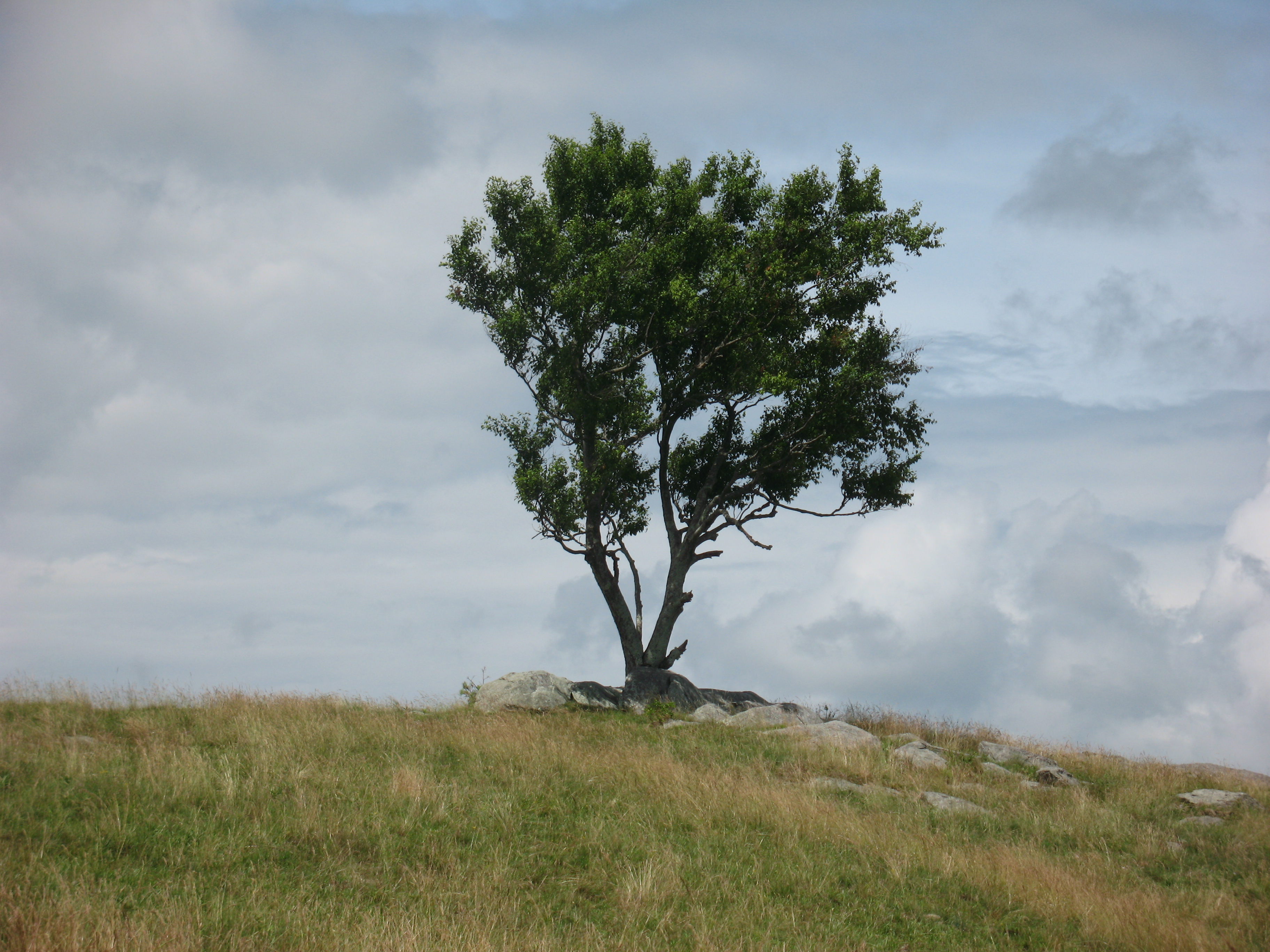
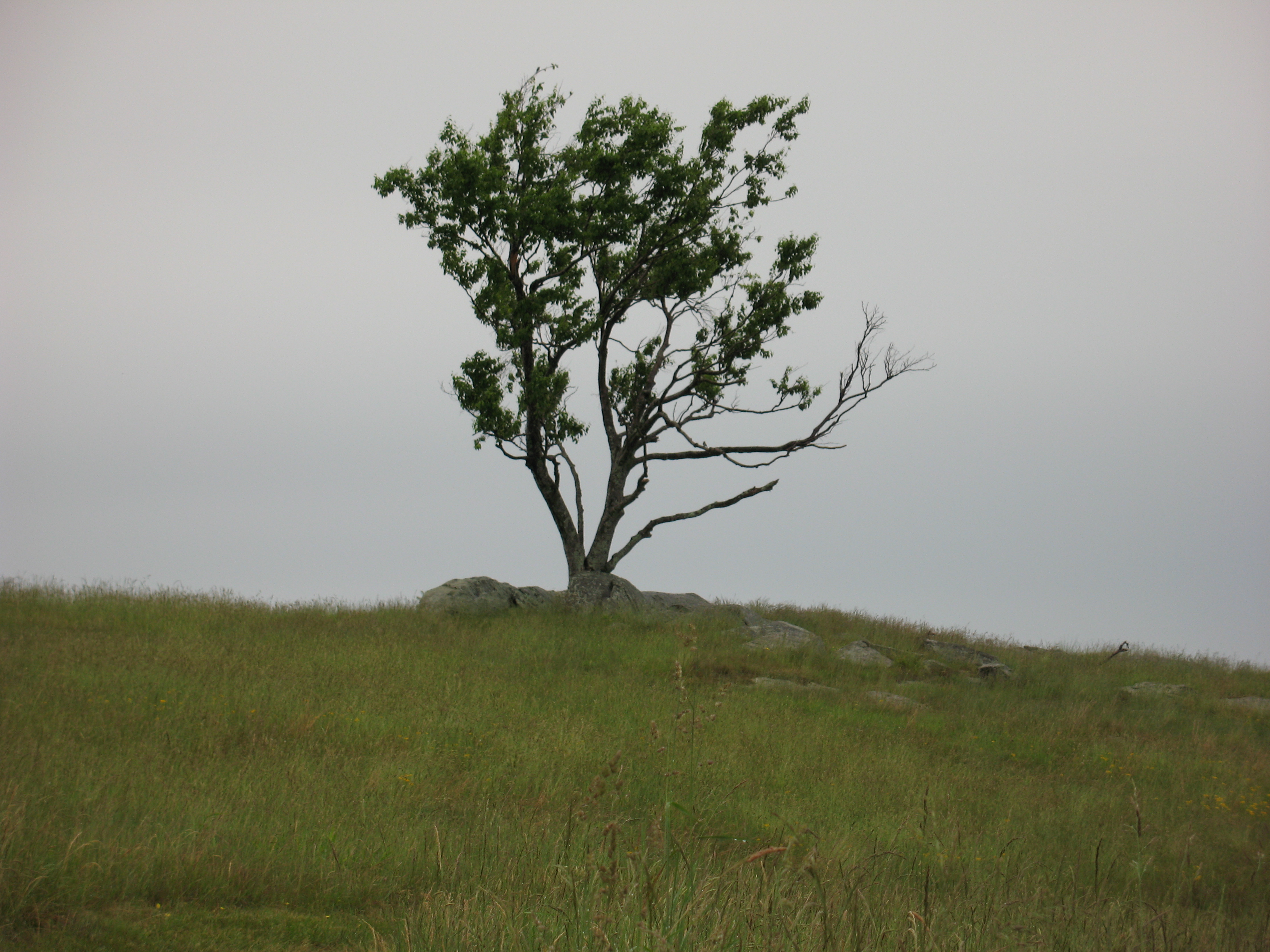
2020-11-03b Doughton Park Tree

Poetry Formatting in WordPress

Are you frustrated when you try to re-create complex line formatting in a WordPress post?

Sure, you can right / left / center justify a paragraph, and you can “add indent” to a paragraph, but unless you open the hood and get grease on your hands writing HTML, you can’t add tabs or spaces to a line to get it to look like this:

.     .     .     .     .

The damselfly hovers,
+++ lays her eggs
++++++ in the sky
+++++++++ of pond,

her abdomen
+++ a slender J
++++++ pierces
+++++++++ the mirror.

.      .     .     .     .

Instead after you save your draft and preview the screen here’s how it looks:

.     .     .     .     .

The damselfly hovers,
lays her eggs
in the sky
of pond,

her abdomen
a slender J
pierces
the mirror.

.     .     .     .     .

How pedestrian. How constipated.

Here’s my fix: clunky but effective. Tell me your fix if it’s better!

1 – ADD CHARACTERS TO THE SPACES OR TABS YOU WANT TO INSERT INTO THE LINE:

The damselfly hovers,
+++ lays her eggs
++++++ in the sky
+++++++++ of pond,

her abdomen
+++ a slender J
++++++ pierces
+++++++++ the mirror.

Here I’m using THREE +’s for each tab grouping; use more, fewer, any character you like.
I am also adding a [SPACE] after each grouping of +’s to make it easier to highlight them later.

2 – ONE AT A TIME, HIGHLIGHT EACH GROUPING OF +’S YOU WANT TO TRANSFORM

3 – CHANGE THE FONT COLOR TO “WHITE”

Click the small down arrow next to the A for Font and select the White square

Note – if your blog uses a background color OTHER than white, then instead of white you need to change the font color to your background color!

4 – CONTINUE FOR EACH GROUPING . . .
++++++++ SAVE DRAFT . . .
++++++++++++++++ PREVIEW . . .
++++++++++++++++++++++++ VOILA!

You can speckle random text all over the screen using this technique.

There must be a better way (short of learning to write code), but I haven’t found it!

Here’s the entire poem, which appeared in a slightly different version in my chapbook RIVERSTORY : TREESTORY published by the Orchard Street Press, © 2018

.     .     .     .     .     .     .

Light

The damselfly hovers,
+++ lays her eggs
++++++ in the sky
+++++++++ of pond,

her abdomen
+++ a slender J
++++++ pierces
+++++++++ the mirror.

+++ Once.
+++ Again.
+++ One egg.
+++ Another.

Light as a morning
+++ kiss, light
++++++ as the voice

that ripples
+++ between
++++++ these lines,

+++ airy, watchful,

let no hungry trout
+++ swirl, lunge,
++++++ swallow
+++++++++ their maker.

+++ One.
+++ Another.
+++ Again.
+++ And tomorrow

these words become
+++ creatures
++++++ with silver wings

+++++++++ that rise
++++++++++++ into light.


from RIVERSTORY : TREESTORY, The Orchard Street Press, © 2018 Bill Griffin

.     .     .     .     .     .     .

.     .     .     .     .     .     .

[with 3 poems by Diana Pinckney]

No hesitation. Out the back door she takes my hand and we hike down through the woods, steep switching trail, slick moss rocks, sliding on last fall’s leaves. Big brother is not with us today; she is the explorer. I wonder if she’ll hold back at the wash but she hops rocks across the rivulet and even runs ahead of me along Dutchman Creek. Threading the briers, skirting mud, twigs in her hair – she is all go today.

When we reach our destination, the shallow pools that linger from winter floods and may be dry by August, I hesitate. Not so many months ago she would make me check the playroom floor for millipedes, back away from pillbugs on the porch steps, want to be carried to the car.

I squat in a squishy place beside the water and show her clumps of clear jelly. Most of the eggs have hatched, some larvae still in their shivery globes, many tadpoles swimming free. With one finger I push algae aside so she can see them wriggle. Instantly her fingers are in the water, too. Tickling the tiny black wigglers. Oblivious to muck and slime. Pappy, can we come back here tomorrow?

This is what I would wish for her at five and all her life – to be innocent and yet be bold. To face the new and the scary and not look away. To discover, to wonder. And to remember the immense power of NO! bursting from her body, now when her brother thwarts her playful imaginings and always when the world conspires to steal that innocence from her.

And, for as long as I’m able, I wish for her to still want me to carry her.


.     .     .     .     .     .     .

Who is completely innocent and who is entirely beast? Diana Pinckney’s poems are subtle like a rustle in the night but lucid, windows breathing light and fragrance into the world. Her language and lines are effortlessly elegant. Her poems seem to arrive from all the points of the compass to create community: persona poems in which the reader comes to inhabit a new being; poems of family, loss, commemoration, revelation; ekphrastic poems that uncover hidden truth in painting, sculpture, representation.

And woven throughout her book, The Beast and the Innocent, lurks the wolf: tyrant predator, misunderstood victim; purity and profane. Who is the threat and who the threatened? Aren’t we all only doing what it takes to survive?

.     .     .     .     .     .     .

Ghost Wolves, for My Grandchildren

You may see one in a zoo
***** and ask, does he howl
********** and I may say, what would

he howl about? What, you ask, does a wild
***** wolf sound like? What could I answer? Wind
********** when it rises from the deepest

canyon to the tops of spruce
***** or the fog’s blue surge, the drift
********** above dying embers. Smoke alone

moves toward the stars in a world
***** where nothing is heard and only the moon
********** knows then the last tree falls.

Emptiness that whispers
***** after the wilderness
********** has forgotten what it longs for.

from The Beast and the Innocent, Diana Pinckney, FutureCycle Press, © 2015

.     .     .     .     .     .     .

My Brother Sings
after Raymond Carver’s “What the Doctor Said”

He sings when the dogwoods are blooming as I drive
him and his wife along the highway from Asheville,
away from a hospital where we waited in the doctor’s office,
sitting in gray chairs, joking about my allergy

to their six cats, ow I can’t sleep in their house
and still breathe. I watched my brother move
his fingers over swollen knuckles that he used to
crack when I was little just to tease. There to hear

the results of the lung biopsy, now we know.
Traveling through Blue Ridge mountains, we see
dogwoods, redbuds, cherry trees heavy
with April’s abundance. When my brother

begins the song, his wife in the back seat on her cell
interrupts, Dabney, will you please stop singing
while I’m telling Sis you have cancer. Oh, sorry, he says.
He glances at me while petals drift with us

down the mountain. Our laughter’s almost soundless.

from The Beast and the Innocent, Diana Pinckney, FutureCycle Press, © 2015

.     .     .     .     .     .     .

The Beast and The Innocent

Of course, dogs and cats go to heaven,
my mother announce from her deathbed.
Welcomed into heaven, my childhood cat
will groom Grandmother’s canary, feathers the same
yellow as the black cat’s eyes, the bird

he ate when I was seven. In paradise
pointers lap at duck ponds while cockatiels
screech and perch on each dog’s white- or black-
spotted back. Heaven’s way is,

as we have heard, the lion lying down
with the lamb. A place where Christians kindle
the eight candles of Hanukkah, Muslims unfurl
prayer rugs for Hindi, and the roped Tibetan prayer

flags flutter good fortune for the Chinese.
The wine and wafer bless a round wooden table, a feast
celebrated with unleavened and leavened,
mango and oyster, babel unlimited. And the spaniel
that killed my brother’s rabbits will lie

on the wide-bladed grass of my youth, all manner
of four- and two-legged creatures leaping
over him, some stroking the red-and-white silk
of his fur for pure pleasure, for the grace.

from The Beast and the Innocent, Diana Pinckney, FutureCycle Press, © 2015

.     .     .     .     .     .     .

.     .     .     .     .     .     .

Doughton Park Tree 2021-03-23