Archive for the ‘Imagery’ Category
What Claims Us – Poems for the Earth
Posted in Imagery, tagged Bill Griffin, Earth Day, Ecopoetry, imagery, nature photography, nature poetry, NC Poets, poetry on April 25, 2025| Leave a Comment »
.
[poems by Charles Simic, Sylvia Plath, Katharine Spadaro,
Rosanna Warren – selected and shared by
Sharon Sharp, Kitsey Burns, Brad Strahan, Bill Griffin]
❦
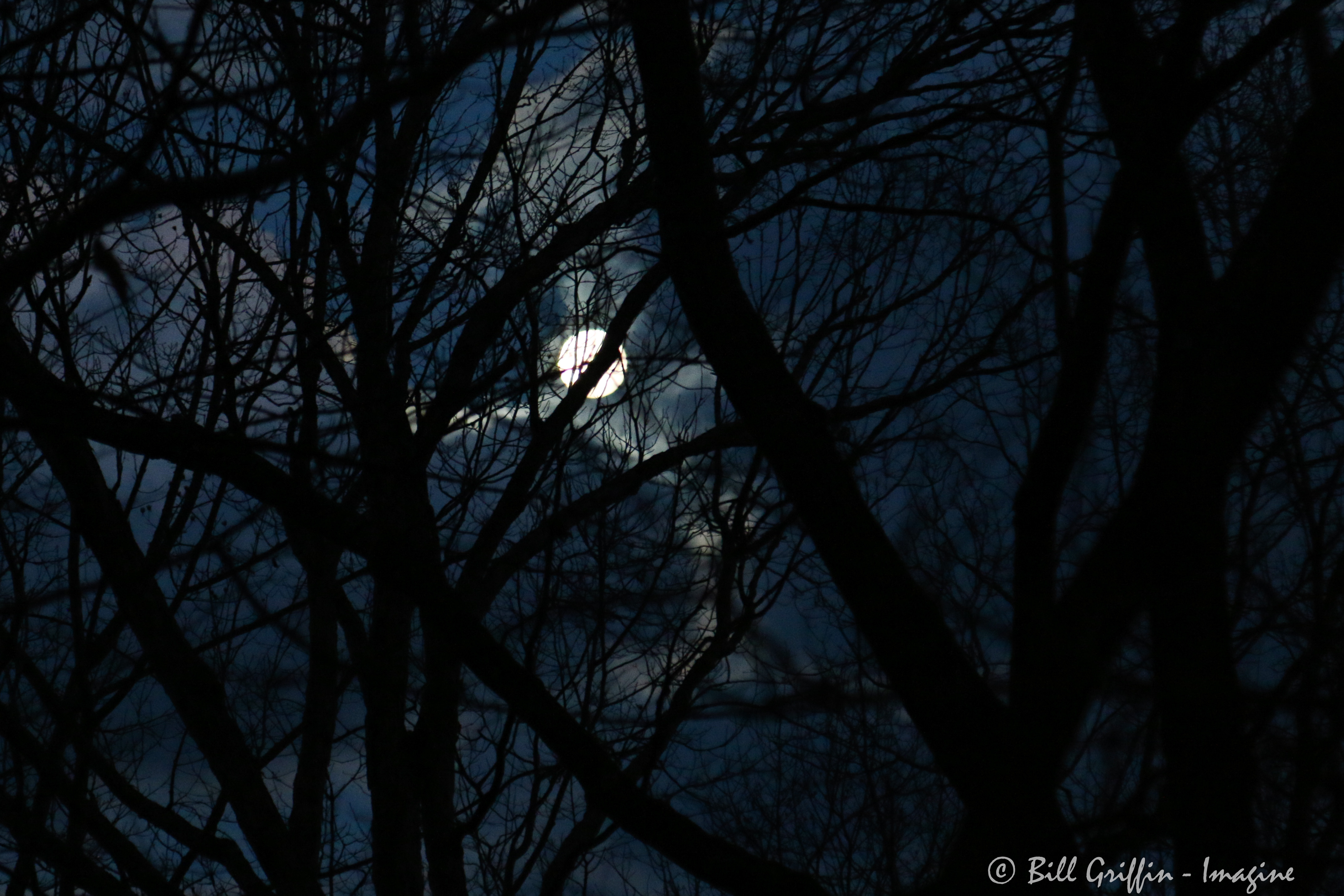
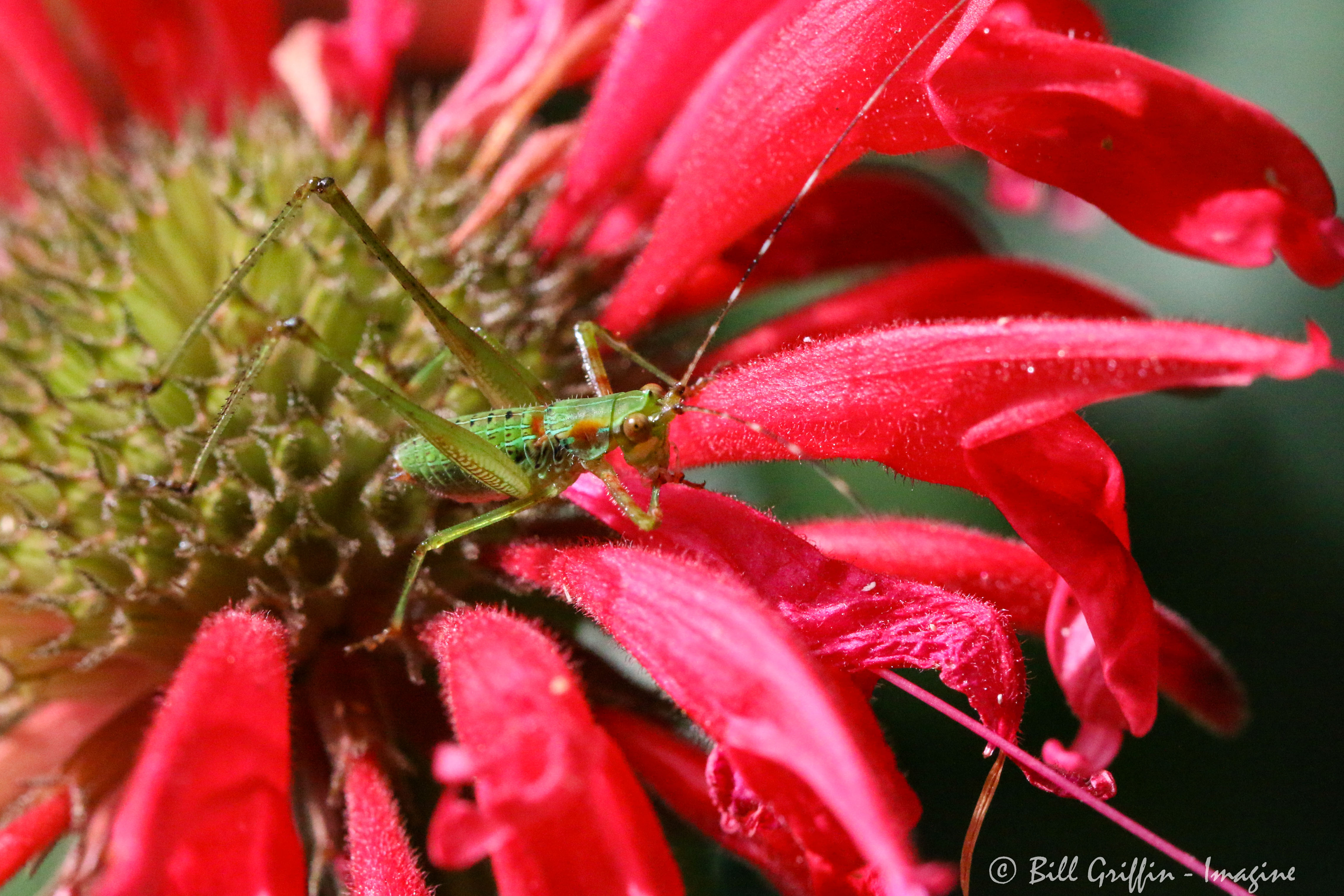
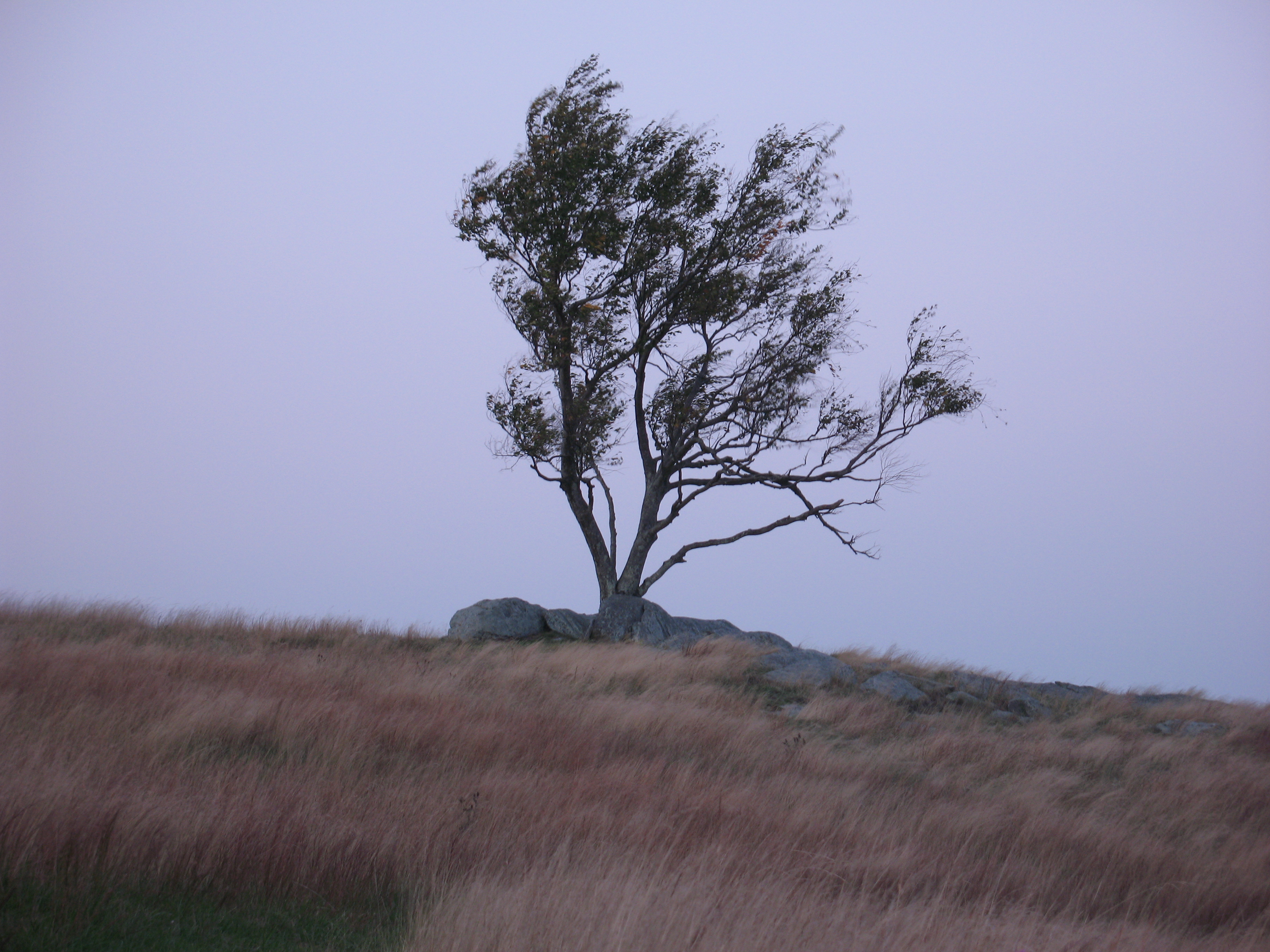
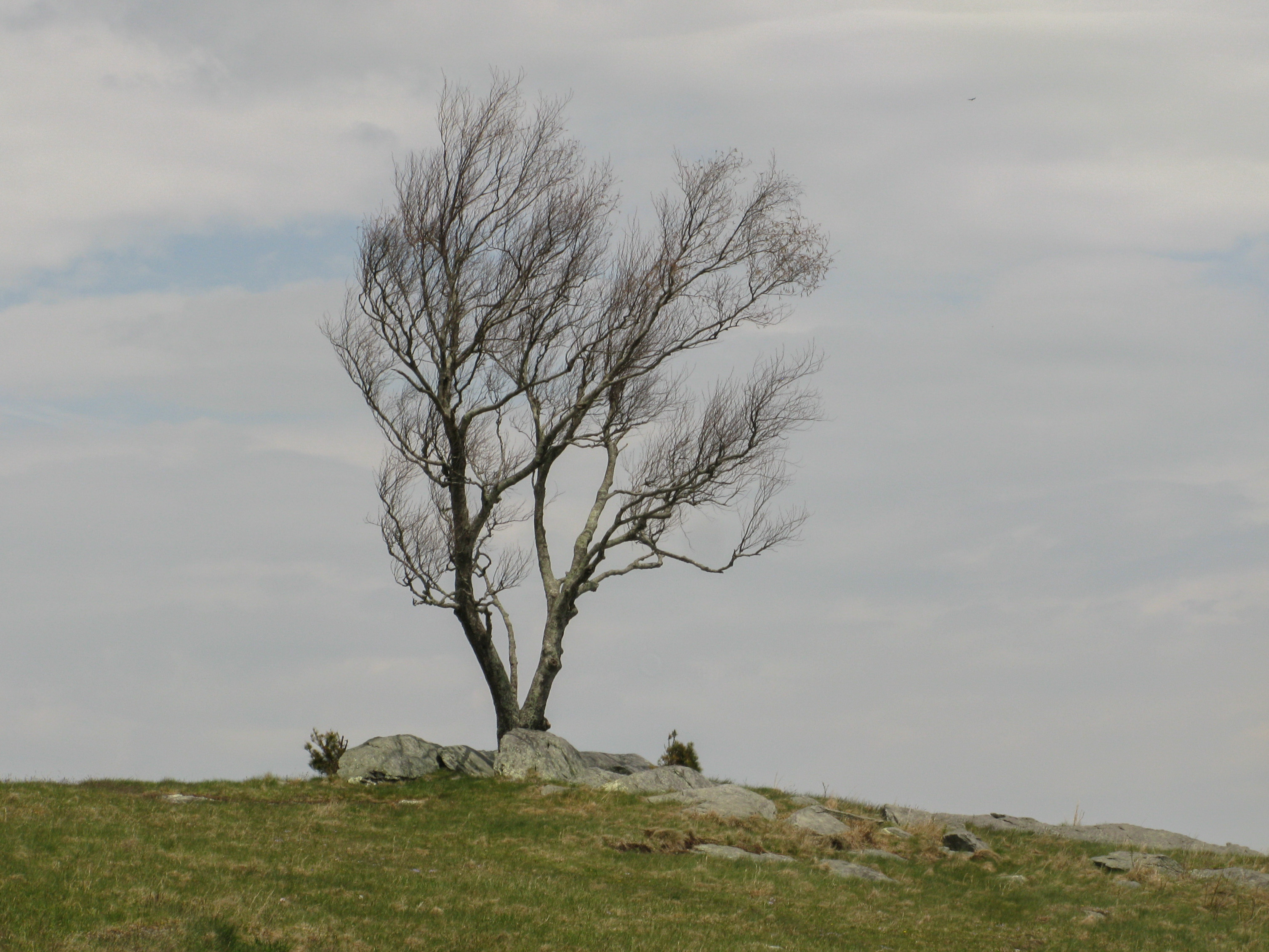
photographs in today’s post are from the banks of Dutchman Creek,
Elkin NC, within a 2 meter diameter circle, taken on April 16, 2025
❦
Stone
.
Go inside a stone.
That would be my way.
Let somebody else become a dove
Or gnash with a tiger’s tooth.
I am happy to be a stone.
.
From the outside the stone is a riddle:
No one knows how to answer it.
Yet within, it must be cool and quiet
Even though a cow steps on it full weight,
Even though a child throws it in a river;
The stone sinks, slow, unperturbed
To the river bottom
Where the fishes come to knock on it
And listen.
.
I have seen sparks fly out
When two stones are rubbed,
So perhaps it is not dark inside after all:
Perhaps there is a moon shining
From somewhere, as though behind a hill-
Just enough light to make out
The strange writings, the star-charts
On the inner walls.
.
Charles Simic
from Selected Poems 1963-1983, George Braziller, New York; © 1990
.
Charles Simic’s Stone delights me because I’ve been a rockhound since childhood. This poem celebrates the mysterious, silent presence I’m aware of when holding stones, turning them in my hands, and wondering about the part of Earth’s – and even the cosmos’s – history each one represents. I keep stones as reminders of my own history, and clear scenes from various places emerge anew as I cradle these inanimate yet vibrant objects tying me to the natural world. I take Stone as an invitation to savor what is interior, silent, often overlooked, and unique in all aspects of nature.
.
I keep a wrinkled, often-read copy of Stone posted near some of my collected treasures, including the tektite that inspired my own poem, which follows. – Sharon Sharp
.
❦
.
Tektite
.
From my necklace chain dangles a shiny,
pocked, black-glass exclamation point,
minus the dot, full of chemical clues
about celestial origins and a likely
ancient collision: a comet or an
asteroid smashing into Earth.
Upon impact, melted shards
catapulted back into the
outer atmosphere, then
descended, cooling.
The hard rain that
pelted hundreds
of miles still
mesmerizes
dreamers.
.
Sharon A. Sharp
from Pinesong, North Carolina Poetry Society; © 2018
.
.
❦ ❦ ❦
.
The Beekeeper’s Daughter
.
A garden of mouthings. Purple, scarlet-speckled, black
The great corollas dilate, peeling back their silks.
Their musk encroaches, circle after circle,
A well of scents almost too dense to breathe in.
Hieratical in your frock coat, maestro of the bees,
You move among the many-breasted hives,
.
My heart under your foot, sister of a stone.
.
Trumpet-throats open to the beaks of birds.
The Golden Rain Tree drips its powders down.
In these little boudoirs streaked with orange and red
The anthers nod their heads, potent as kings
To father dynasties. The air is rich.
Here is a queenship no mother can contest—
.
A fruit that’s death to taste: dark flesh, dark parings.
.
In burrows narrow as a finger, solitary bees
Keep house among the grasses. Kneeling down
I set my eye to a hole-mouth and meet an eye
Round, green, disconsolate as a tear.
Father, bridegroom, in this Easter egg
Under the coronal of sugar roses
.
The queen bee marries the winter of your year.
.
Sylvia Plath
from The Kenyon Review, Autumn 1960 • Vol. XXII No. 4
.
I sat down this morning to read some Sylvia Plath poetry. I read The Bell Jar for the first time a few years ago, while at my Dad’s deathbed. You would think it would have been a poor choice for that time in my life, but truly I loved the book, so beautifully written. So my Earth Day selection from Plath is The Beekeeper’s Daughter. Bees are the ultimate example of community working together for good. This piece is very sensual and dark, in a way too. For me it is a reminder that light and darkness, life and death are an irrevocable part of the human experience. While we may be in a time of darkness and existential dread about the future of our earth, it is imperative now more than ever, that we seek community to sustain us.
.
Thank you, Bill, for these lovely poems you send each week. It brightens my week immensely when I am able to take the time to read them. – Kitsey Burns
.
.
❦ ❦ ❦
.
The Day of the Funeral
.
Are you ready? they say, preparing to go. The search
how to say, how to feel, becomes a groping for jackets,
a finding of shoes. I look for a place to tie up my hair
and there is the cabinet, forever there.
Its mirrored backing can barely be seen
behind gold-speckled teacups, presents child-made,
crystal marching away to the past. Kneeling on carpet
I join in this scene and serious features
echo and float amongst
gilt generations of gently washed china.
An accordion of hands is fixing my hair.
Has anyone ever been ready?
.
Katherine Spadaro
from Visions International, Vol. 109
.
I often think of how much we have buried or pushed nature aside but she is there waiting and will sooner or later reclaim it all from us, our brief, brief dominion.
.
For earth day I thought of the subtext of this little poem from the past (mine). – Bradley Strahan
.
❦
.
Ghosts
.
In a lost corner of childhood
where marshland sleeps
beneath concrete,
the tide of evening
still climbs the forest wall.
.
Across the pond,
now drained and lawned,
the path looks westward
through the red receding flood of day.
.
There June is always a memory of redwings
singing with a chorus of frogs,
and in dank basements ghost cattails grow
through the temporary habitations of man.
.
Bradley Strahan
.
.
❦ ❦ ❦
.
The Cormorant
for Eunice
.
Up through the buttercup meadow the children lead
their father. Behind them, gloom
of spruce and fir, thicket through which they pried
into the golden ruckus of the field, toward home:
.
this rented house where I wait for their return
and believe the scene eternal. They have been out
studying the economy of the sea. The trudged to earn
sand-dollars, crab claws, whelk shells, the huge debt
.
repaid in smithereens along the shore:
ocean, old blowhard, wheezing in the give
and take, gulls grieving the shattered store.
It is your death I can’t believe,
.
last night, inland, away from us, beyond
these drawling compensations for the moon.
If there’s an exchange for you, some kind of bond,
it’s past negotiation. You died alone.
.
Across my desk wash memories of ways
I’ve tried to hold you: that poem of years ago
starring you in your mater dolorosa phase;
or my Sunday picnic sketch in which the show
.
is stolen by your poised, patrician foot
above whose nakedness the party floats.
No one can hold you now. The point is moot.
I see you standing, marshalling your boats
.
of gravy, chutney, cranberry, at your vast
harboring Thanksgiving table, fork held aloft
while you survey the victualling of your coast.
We children surged around you, and you laughed.
.
Downstairs the screen door slams, and slams me back
into the present, which you do not share.
Our children tumble in, they shake the pack
of sea-treasures out on table, floor, and chair.
.
But now we tune our clamor to your quiet.
The deacon spruces keep the darkest note
though hawkweed tease us with it saffron riot.
There are some wrecks from which no loose planks float,
.
nothing the sea gives back. I walked alone
on the beach this morning, watching a cormorant
skid, thudding, into water. It dove down
into that shuddering darkness where we can’t
.
breathe. Impossibly long. Nothing to see.
Nothing but troughs and swells
over and over hollowing out the sea.
And, beyond the cove, the channel bells.
.
Rosanna Warren
from Poems for a Small Planet: Contemporary American Nature Poetry, Middlebury College Press, University Press of New England; A Breadloaf Anthology © 1993.
.
In the Afterword to Small Planet, Robert Pack writes, “When the primary models for beauty and creativeness no longer are grounded in nature, we will already have evolved into another kind of species. . . . Without the sense of beauty that derives from an awareness of others, from the realization that we are merely creatures in an evolving world that we share with other creatures, a prior world on which our fabricated cultural world depends, the capacity for taking delight in our surroundings will wither away. Even before the planet becomes inhospitable to the human species, we will have died in spirit.”
.
One thing we inevitably share with every other creature is our mortality. Turning our backs and refusing to see death, or chasing promises to extend our lives at all costs, are simply among the many ways that we also choose to ignore and overlook life. Lichen stone and bee, ghost cattail and cormorant, I will sit down at your wake and invite you to mine. Until that day, let us live together. – Bill Griffin
.
.
❦ ❦ ❦
.
.
.
What We Need – Poems for the Earth
Posted in ecology, Ecopoetry, Imagery, tagged Bill Griffin, Earth Day, ecology, Ecopoetry, imagery, nature, nature photography, nature poetry, poetry on April 18, 2025| 3 Comments »
.
Like a great poet, Nature knows how to produce the greatest effects with the most limited means. – Heinrich Heine (1797-1856)
.
[poems by Wendell Berry, Gerard Manley Hopkins,
Chapman Hood Frazier, Maria Rouphail, Charles Carr –
shared by Les Brown, Joyce Brown, Joan Barasovska, Bill Griffin]
.
What We Need is Here
.
Geese appear high over us,
pass, and the sky closes. Abandon,
as in love or sleep, holds
them to their way, clear
in the ancient faith: what we need
is here. And we pray, not
for new earth or heaven, but to be
quiet in heart, and in eye,
clear. What we need is here.
.
Wendell Berry
.
❦
.
When I read What We Need is Here, Mary Oliver’s Wild Geese came to mind. And this poem gives us permission to accept what is here because it is ingrained in our very being as is the flight of geese overhead. Nature can provide all we need. Not explicit, but implicit, in the poem, nature can only provide all we need if we respect and protect it. – Les Brown
.
.
❦ ❦ ❦
.
God’s Grandeur
.
The world is charged with the grandeur of God.
It will flame out, like shining from shook foil;
It gathers to a greatness, like the ooze of oil
Crushed. Why do men then now not reck his rod?
Generations have trod, have trod, have trod;
And all is seared with trade; bleared, smeared with toil;
And wears man’s smudge and shares man’s smell: the soil
Is bare now, nor can foot feel, being shod.
.
And for all this, nature is never spent;
There lives the dearest freshness deep down things;
And though the last lights off the black West went
Oh, morning, at the brown brink eastward, springs —
Because the Holy Ghost over the bent
World broods with warm breast and with ah! bright wings.
.
Gerard Manley Hopkins
Gerard Manley Hopkins: Poems and Prose (Penguin Classics, 1985)
.
Selected and shared by Joyce Brown
.
❦ ❦ ❦
.
Surviving the Six Worlds
for David Sanipass
.
In the sixth world of the Mi’k maq
you walk as if in water
fluid, changing and final.
.
Each world a hybrid you move through,
a blink, bend and flutter
where the roots are
and in each power, a sigh or shadow
at the edges of things
that live beyond you
in their hush and whisper.
.
Water becomes land
and land, air.
.
The golden frog in the dead pool,
the black bear
and, in your long dream, a word
becomes a crow’s call you wake from
that erodes into this life and back again.
.
Learn where to walk and where not to,
listen to the wind as if it too might
become you. Discover in your feet
where each path leads. Look,
.
a redwing blackbird
settles on the birch branch
and, in its croak, you glide
in a slow melt and shine,
a transparency
as solid as stone
but in a flash, gone.
.
Smell the lilac in the wind
and feel how your foot will ache
before finding its step, this your ?
.
signature into a white world
where you decay
green and back again.
.
Chapman Hood Frasier
from The Lost Books of the Bestiary, V Press LC, February 2023.
.
.
❦
.
I hope you love birds, too. It is economical. It saves going to Heaven. – Emily Dickinson
.
Keep a green tree in your heart and perhaps a song bird will come. – Chinese proverb
.
❦ ❦ ❦
.
I Buried a Little Bird Today
.
in the backyard
behind the old beech.
What sort of bird I cannot say,
or its age or where in its body
it suffered the fatal flaw.
I only held in one hand
its beating wings, the closed claw
and gaping beak,
its shuddering feathered head.
And when it stopped, I dug a hole
and to the beech I said,
Be kind, be kind.
.
Maria Rouphail
from This small house, this big sky (Redhawk Publications, 2025)
.
My connection to this poem is as the bird itself. At its dying moments it lies loved and protected in kind hands, as I hope to be. We cannot know, as the speaker cannot know about the bird, what our “fatal flaw” will be. Trust in my loved ones and in a loving God connect me to the little bird buried with compassion under the beech. – Joan Barasovska
.
❦
.
I was a girl, shy and secretive
.
If I just ran fast enough – I was the fastest one –
I knew I could take off, fly, I mean, not sprout wings
or turn into a bird or angel but, as in a recurring dream,
leave the broken sidewalk below, float above the kids
I played with, higher, above the giant sycamore. Higher.
God was sorry I felt so bad.
.
Joan Barasovska
from The Power of the Feminine I: Poems from the Feminine Perspective; ThreshPress Midwest (volume 002, 2024)
.
.
❦ ❦ ❦
.
Appalachian Come Inside
.
Morning ends
like a last bite
of apple,
fifty degrees
but who’s counting,
January and coffee
strong enough to hold
my own turns sixty-one,
I would click my heels
if not for their knees.
A tall hickory pitches
a bird at the sky,
noon is a high fly ball,
The New River is quiet
applause,
the air so clean it splashes
the city from my face
and I want to say thank you
but the sun is already
an arm of you’re welcome
around my shoulder.
.
Charles Carr
from Autumn Sky Poetry, January 29, 2018.
.
Today when I walk outdoors I hope I remember to invite that arm around my shoulder. I confess I need it. – Bill Griffin
.
❦
.
If we can believe that we are loved just as we are and that everything else is equally loved, we unveil a cosmic reality that is life-giving and a Christ-like reality that affirms the goodness of all creation. — Barbara Holmes
.
❦ ❦ ❦
.
.
.
Abundant Life – Poems for the Earth
Posted in Imagery on April 16, 2025| 9 Comments »
.
I want to realize brotherhood or identity not merely with the beings called human, but I want to realize identity with all life, even with such things as crawl upon earth. –Mohandas K. Gandhi
.
[poems by Gerard Manley Hopkins, Clint Bowman,
Boris Pasternak, Forrest Gander —
shared by Paul Karnowski, Jenny Bates, Nancy Barnett, Bill Griffin]
.
Pied Beauty
.
Glory be to God for dappled things –
For skies of couple-colour as a brinded cow;
For rose-moles all in stipple upon trout that swim;
Fresh-firecoal chestnut-falls; finches’ wings;
Landscape plotted and pieced – fold, fallow, and plough;
And áll trádes, their gear and tackle and trim.
.
All things counter, original, spare, strange;
Whatever is fickle, freckled (who knows how?)
With swift, slow; sweet, sour; adazzle, dim;
He fathers-forth whose beauty is past change:
Praise him.
.
Gerard Manley Hopkins
Gerard Manley Hopkins: Poems and Prose (Penguin Classics, 1985)
.
I like how Hopkins celebrates the beauty he finds in the particularities of both the natural and man-made world. When we take the time to appreciate the odd, the offbeat, and the unusual, we find the unity in our diversity. – Paul Karnowski
.
❦
.
Just Asking
.
Mother, please.
.
When you don your dazzling gown
full of shock and awe,
do you mean to turn your back
on those who need your love?
.
CHURNING CLOUDS
LIGHTNING STRIKES
SURGING TIDES
BUCKLING ROADS
FLOODED FIELDS
SWIRLING WINDS
FIERY WOODS
TOPPLED TREES
.
Mother, please.
.
Wear instead your comfy robe,
embrace us in the arms of days
that serve to soothe
our beaten, battered selves.
.
gurgling brooks
cotton clouds
gentle winds
lapping waves
tiny flowers
sprouting bulbs
sparkling sands
twinkling stars
.
Mother, please.
.
Paul Karnowski
The Nature of Our Times, January 2025
.
❦
.
The cockroach and the birds were both here long before we were. Both could get along very well without us, although it is perhaps significant that of the two the cockroach would miss us more. — Joseph Wood Krutch, from The Twelve Seasons, 1949.
.
.
❦ ❦ ❦
.
If Lost
.
Look around,
establish your bearings.
.
Take note
of the scratched hemlock
where the trail
turns south.
.
Don’t rely
on wive’s tales
or the growing patterns
of moss.
.
Notice nature
warn itself
of your intrusion-
that warbler
isn’t singing to you,
it’s alerting the bear
around the bend.
.
Know your way out,
so you can tell
someone lost one day-
.
go downhill
if disarrayed,
act like water-
don’t be afraid.
.
Clint Bowman
from If Lost, Loblolly Press, Asheville, NC 2024.
.
Clint to me is one of the purest writer’s of becoming one of nature’s family. His sense of community within his everyday surroundings initiates the reader into private and wider relationships gracefully. He has enriched my own connectivity with the Earth as if you are taking a hike alongside him, bringing attention to coexistence among each other and fellow creatures. – Jenny Bates
.
❦
.
A few thoughts on archery
.
to
.
the calf born yesterday shivering in the field with
no shelter and no more notice by the ground that
.
it lays on
.
sacred bloody yard art that may grow up anyway
to become someone’s afternoon meal.
.
So
.
I’m a bit skeptical today, for what I see is a
beautiful stream of calf music, a flowing of life
that lives in accordance with itself and its world.
.
Not
.
for my altering to interfere.
.
You
.
may think me a nut on one of those trees
up there in your everywhere, that’s ok.
I’m wounded just like you.
.
I’ll
.
continue to be like Artemis with a quiver
full of soul arrows, my life a bow aiming at you
because there is nothing that you have not been –
.
me too.
.
Jenny Bates
from ESSENTIAL, Redhawk Publications, 2023.
.
.
❦ ❦ ❦
.
We cannot live without the earth or apart from it, and something is shriveled in a man’s heart when he turns away from it and concerns himself only with the affairs of men. –Marjory Kinnan Rawlings
❦ ❦ ❦
. March
from “The poems of Yurii Zhivago”
.
The sun is hotter than the top ledge in a steam bath;
The ravine, crazed, is rampaging below.
Spring-that corn-fed, husky milkmaid-
Is busy at her chores with never a letup.
.
The snow is wasting (pernicious anemia-
See those branching veinlets of impotent blue?)
Yet in the cowbarn life is burbling, steaming,
And the tines of pitchforks simply glow with health.
.
These days-these days, and these nights also!
With eavesdrop thrumming its tattoos at noon,
With icicles (cachectic!) hanging onto gables,
And with the chattering of rills that never sleep!
.
All doors are flung open-in stable and in cowbarn;
Pigeons peck at oats fallen in the snow;
And the culprit of all this and its life-begetter-
The pile of manure-is pungent with ozone.
.
Boris Pasternak
.
Was recently rereading my copy of Dr. Zhivago by Boris Pasternak. At the end of the novel he includes a series of poems by “Yurri Zhivago.” If you are familiar with the novel or movie you know that Zhivago was a physician whose true calling was poetry. Hmmm? The flyleaf says “In 1932, an autobiographical poem, Spectorsky, gave rise to violent accusations of ‘anti-socialability.’” Doctor Zhivago is the first original work published by Pasternak after twenty-five years of silence. It was rejected for publication in the USSR, but the manuscript was smuggled to Italy and was first published there in 1957. Pasternak was awarded the Nobel Prize in Literature in 1958, an event that enraged the Communist Party of the Soviet Union, which forced him to decline the prize. In 1989, Pasternak’s son Yevgeny finally accepted the award on his father’s behalf. Doctor Zhivago has been part of the main Russian school curriculum since 2003. I wonder if it is still in the Russian curriculum? It’s the kind of book our governor would ban. – Nancy Barnett
.
.
❦ ❦ ❦
.
The same life force that grows an oak from an acorn, a mountain from the earth’s molten core, a stream from the spring’s thaw, a child from an egg and sperm, an idea from the mind of a human being is present in all things, all thoughts and all experiences. There is no place where God is not. –Joan Borysenko, from Pocketful of Miracles.
.
❦ ❦ ❦
.
[Now the Joshua trees are withering]
.
Now the Joshua trees are withering
in the drought—“not to recover
in our lifetimes”—and the desert below them
is spalling, unstitching itself. Now
itself is spalling. Incrementally
making itself unavailable to us. Unavailable
to use. Our rapacious use. And though
the rocks buzz
with energy, pulsating in tune
with the earth’s vibrations, their drone
is beyond what we hear. So
the ground truth is a constant
revision. Who can read
across the vertiginous stanza
breaks? And what
possible explanation is there
for our wrong turning, but our insistent
repetition of the wrong turning?
.
Forrest Gander
from MOJAVE GHOST, New Directions Publishing Corp. © 2023, 2024
.
When I look clear through the bright blooming azaleas of spring and past the green and gold of leaf and pollen that engulf us, I fear I see our world blighted and degraded: combustion and microplastics, willful ignorance and the blight of hate. It becomes easy for me to imagine that our span on this planet (we humans, that is) is finite and reaching its finale. Still the energy of this glorious space can’t help but revive me, rocks’ buzz and ground’s vibration, blossoming and winging. Wherever it can find the least niche, no matter how hostile, life abounds. Hundreds of meters beneath antarctic ice, thousands of meters into the darkest ocean – life. For life slipping away I will mourn and remember; all life that remains I will revere and celebrate. And I will do what I can to hold and preserve it. – Bill Griffin
.
.
❦ ❦ ❦
.
.


Thanks Les. Witness to the pain and the joy. ---B