Feeds:
Posts
Comments

Archive for the ‘Photography’ Category


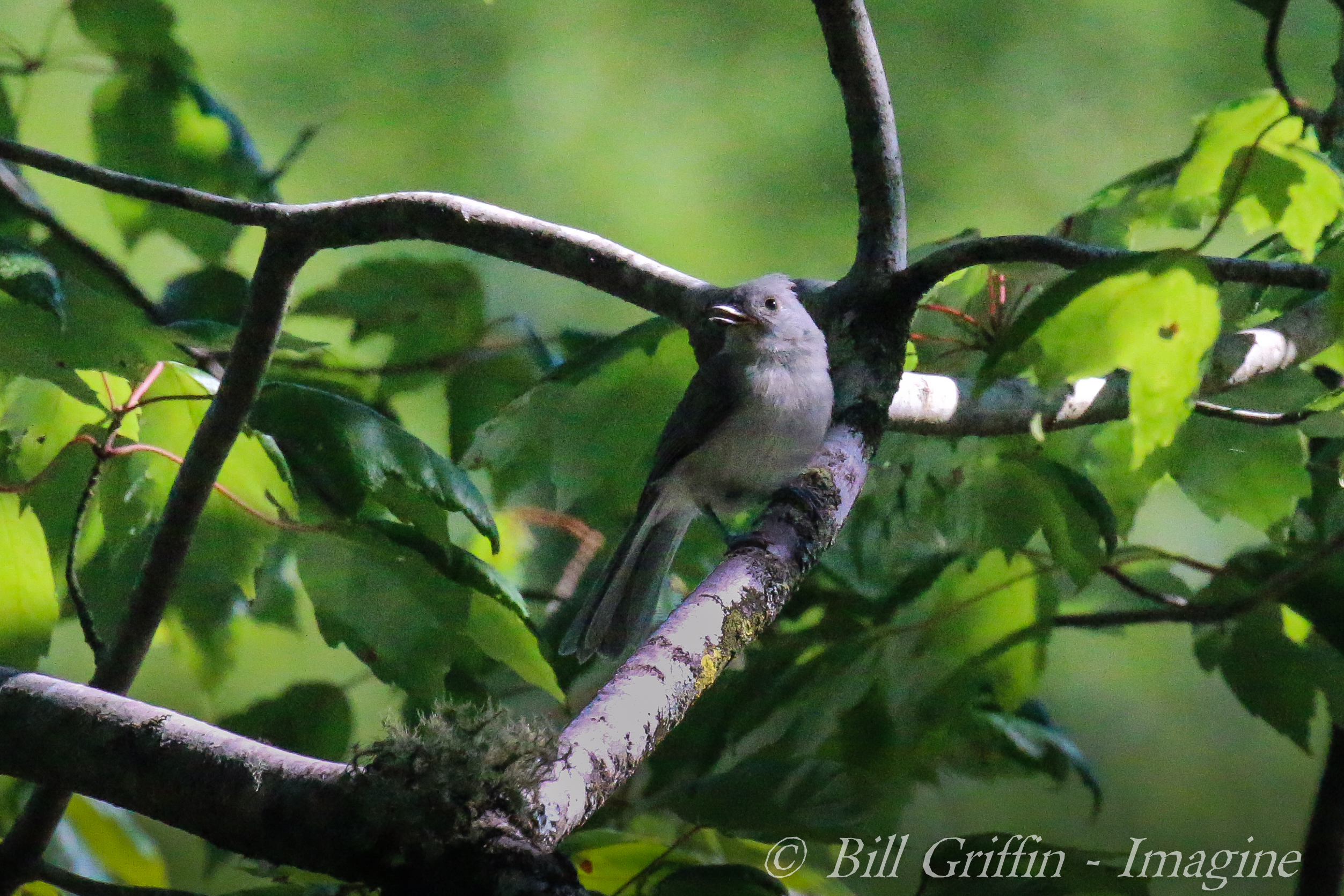
Think of the wren / and how little flesh is needed to make a song.

[poem by Galway Kinnell]

The storm of the commonplace, does it grumble louder these days? The daily downstream of task and grind and conciliation, when did it become all fierce foam, rapids, never a moment to look up from paddling and glimpse a tree swallow’s emerald benediction? When did everything get so damn hard?

This morning there is too much inner clangor for me to pick up a pen, much less face a blank page. No, nothing “worthy” of recording: Who would care to read the quotidian health bulletins of my nonagenarian parents; to join me in ticking off one hundred and one conditions that need to be met before we can gather in person at church this Sunday; to listen to my inner dialogue with vaccine refusers and wonder if Linda and I will ever again feel safe singing with our regional chorus? Why worry about a little heat exhaustion working on the Elkin Creek trail tomorrow when the whole west coast is desiccating and blowing away?

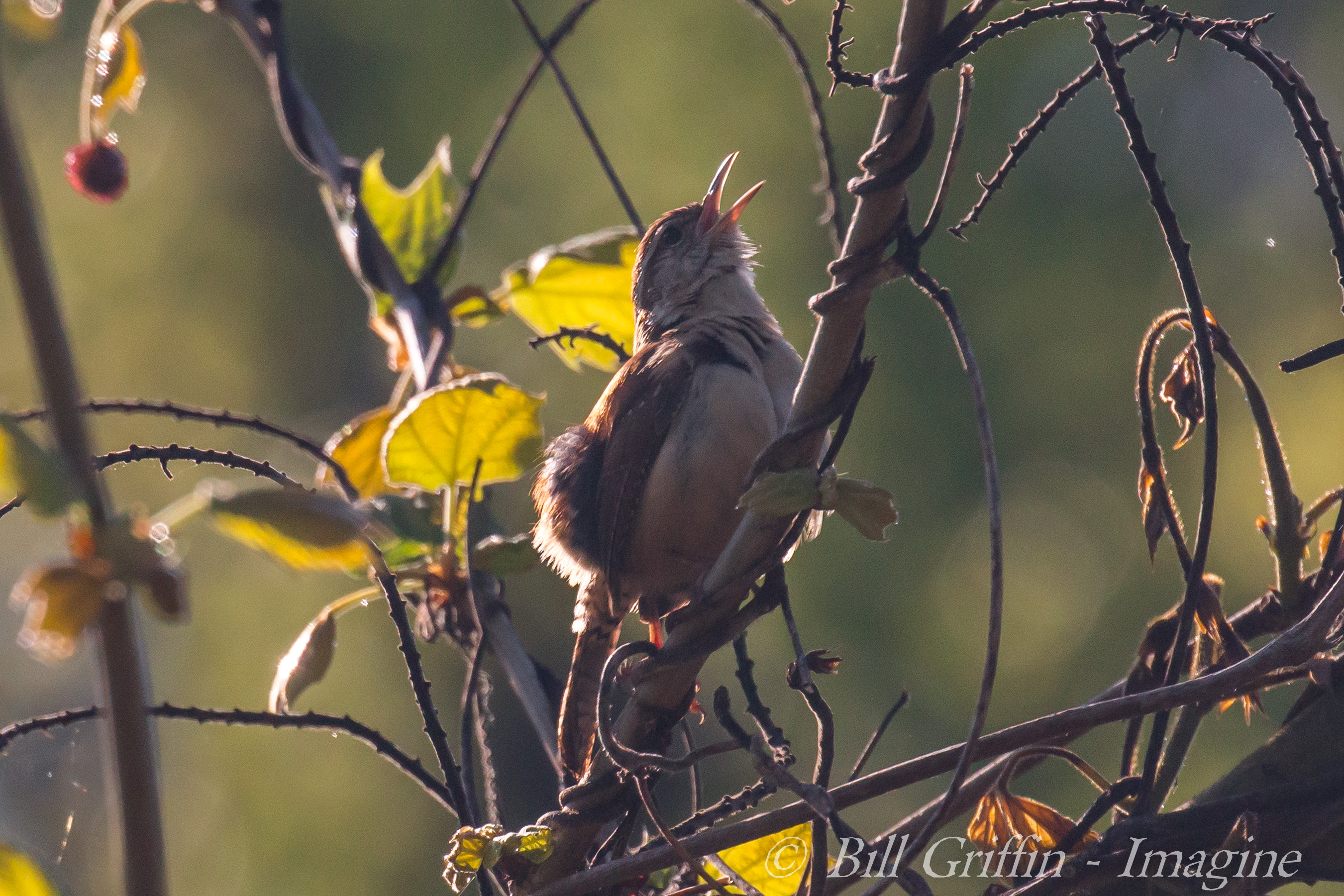
Meanwhile outside dank vapors of rumination, mud of gray matter, rigid constricting cranium; meanwhile outside in the press of North Carolina foothills summer afternoon, starting to sweat just thinking about it; meanwhile outside no matter how hot, how thorny, how dispiriting . . . in the neighbor’s yard a wren is singing.

.     .     .     .     .     .     .

Why Regret?
Galway Kinnell – 1927-2014

Didn’t you like the way the ants help
the peony globes open by eating the glue off?
Weren’t you cheered to see the ironworkers
sitting on an I-beam dangling from a cable,
in a row, like starlings, eating lunch, maybe
baloney on white with fluorescent mustard?
Wasn’t it a revelation to waggle
from the estuary all the way up the river,
the kill, the pirle, the run, the rent, the beck,
the sike barely trickling, to the shock of a spring?
Didn’t you almost shiver, hearing book lice
clicking their sexual dissonance inside an old
Webster’s New International, perhaps having just
eaten out of it izle, xyster, and thalassacon?
What did you imagine lies in wait anyway
at the end of a world whose sub-substance
is glaim, gleet, birdlime, slime, mucus, muck?
Forget about becoming emaciated. Think of the wren
and how little flesh is needed to make a song.
Didn’t it seem somehow familiar when the nymph
split open and the mayfly struggled free
and flew and perched and then its own back
broke open and the imago, the true adult,
somersaulted out and took flight, seeking
the swarm, mouth-parts vestigial,
alimentary canal come to a stop,
a day or hour left to find the desired one?
Or when Casanova took up the platter
of linguine in squid’s ink and slid the stuff
out the window, telling his startled companion,
“The perfected lover does not eat.”
As a child, didn’t you find it calming to imagine
pinworms as some kind of tiny batons
giving cadence to the squeezes and releases
around the downward march of debris?
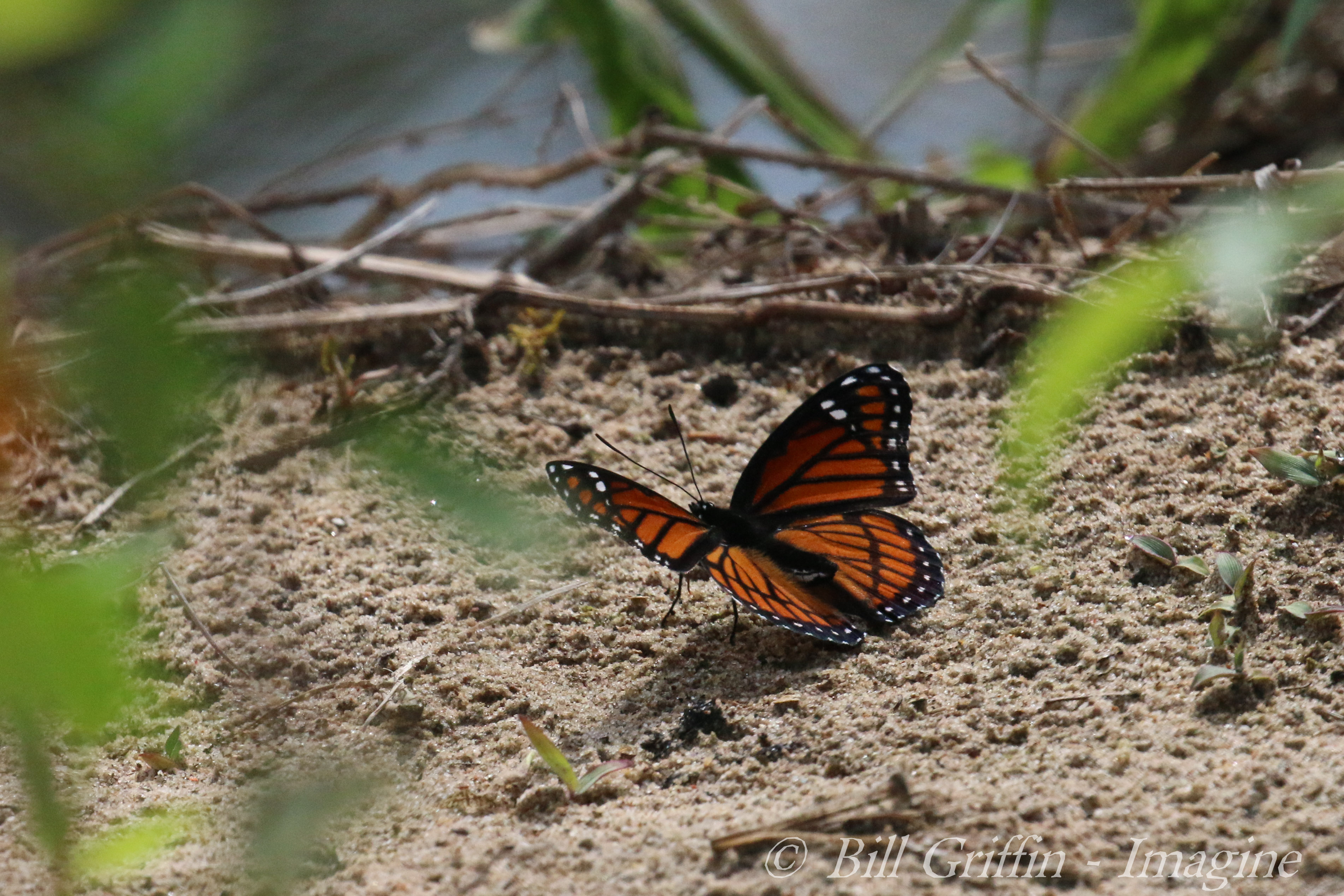
Didn’t you glimpse in the monarchs
what seemed your own inner blazonry
flapping and gliding, in desire, in the middle air?
Weren’t you reassured to think these flimsy
hinged beings, and then their offspring,
and then their offspring’s offspring, could
navigate, working in shifts, all the way to Mexico,
to the exact plot, perhaps the very tree,
by tracing the flair of the bodies of ancestors
who fell in this same migration a year ago?
Doesn’t it outdo the pleasures of the brilliant concert
to wake in the night and find ourselves
holding hands in our sleep?

Why Regret? is from Strong Is Your Hold. Copyright © 2006 by Tom Galway Kinnell. Houghton Mifflin Company.

Galway Kinnell — Poetry Foundation

Galway Kinnell — Poets.org

.     .     .     .     .     .     .


.     .     .     .     .     .     .

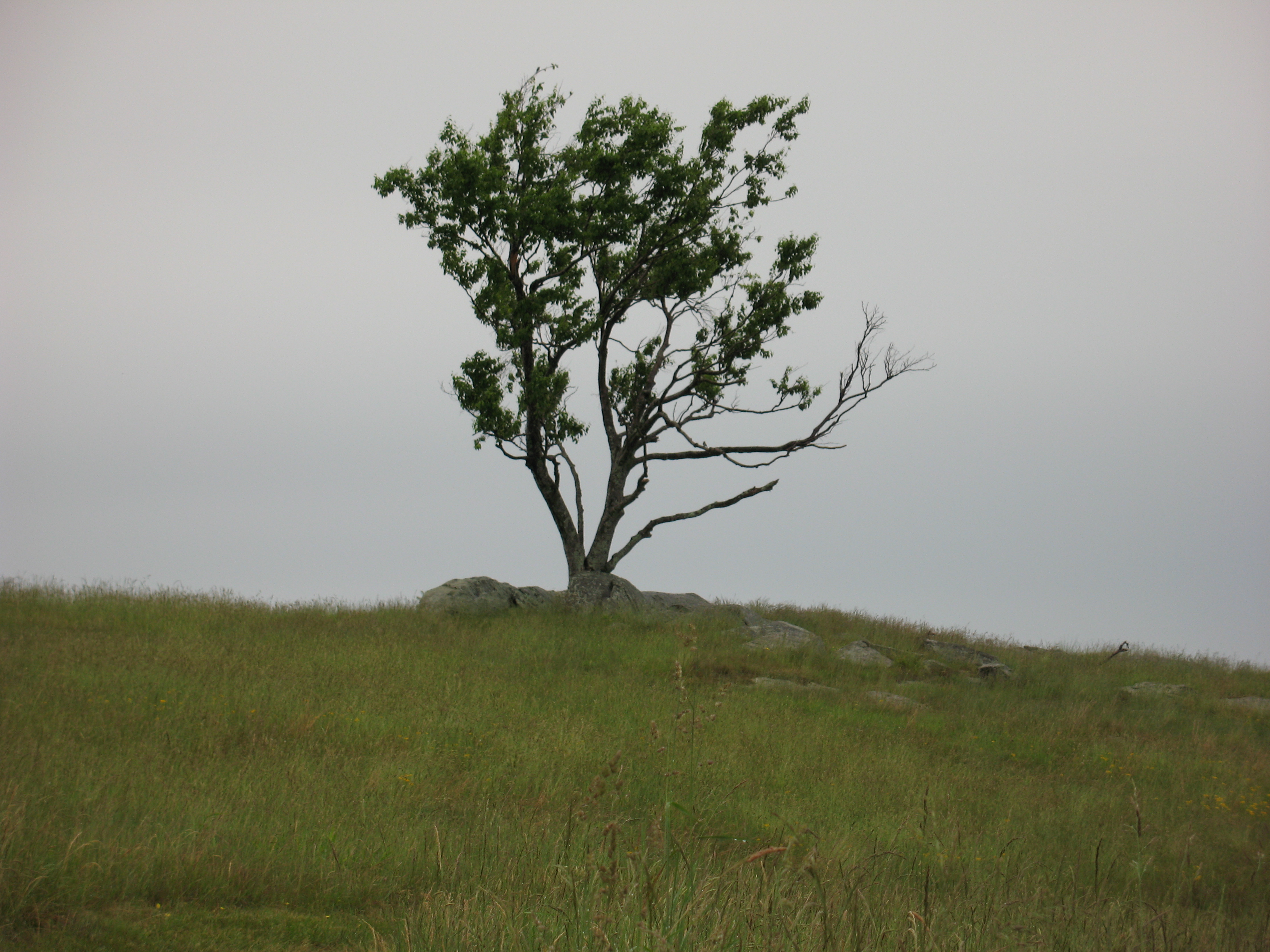
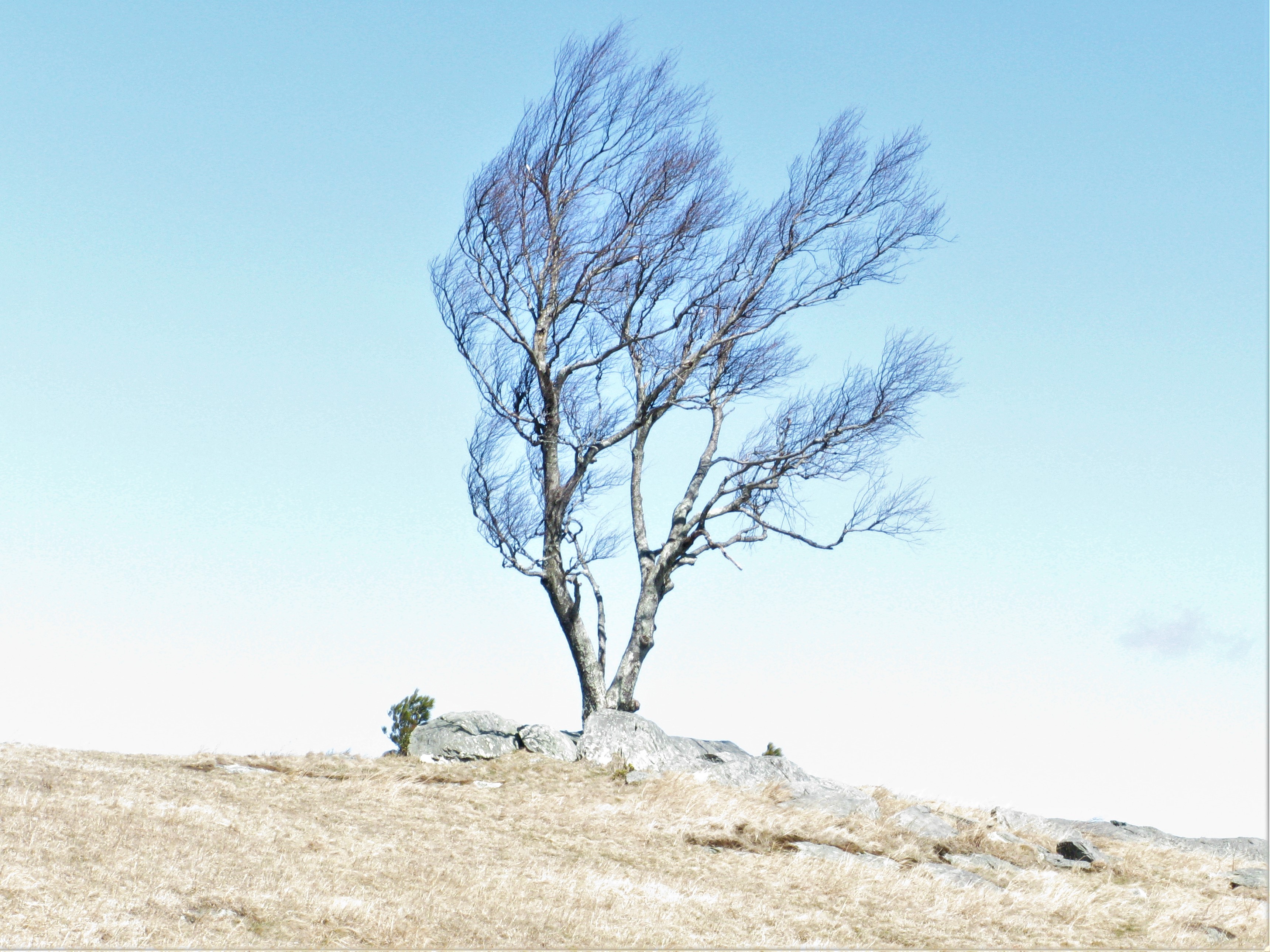
2014-07-13 Doughton Park Tree

Read Full Post »

[with 4 poems by Richard Allen Taylor]

I need one of those little fountains that floats in your birdbath. I need more gravel for the driveway. I need a sharper macro lens. I need to check my investment strategy.

I need to clean the hummingbird feeders. I need to sit down with my life insurance agent. I need to pull the crabgrass between the lilies. I need to empty the dehumidifier. I need an empty inbox.

I need to listen to my sister. I need to reassure Linda. I need to tell Amelia a story. I need to thank Jill and Sue and Josh and Allison . . . I need to thank a whole lot of people. I need a cool morning on the porch with birdsong and poems by my friend Richard. I need the forgiveness I didn’t know I needed.

.     .     .     .     .     .     .

The Train to Redemption

I almost miss it, but catch the last car,
find a window seat next to a woman
who opens her bag of sewing –
needles, pins, fabric spilling over
her knees – and what she’s sewing,
I don’t know. She says nothing
as I lean my head against the sad
window, and watch the land scroll,
trees waving like sword-grass
in a rush of green infantry, charging
the horizon until the sun sinks
and pulls the sky down with it.

After an hour of darkness, the lights
of Redemption appear and the woman
hems while she hums, a tune I won’t name
because it’s one of those that sticks
in your head and drives you crazy for hours
once you hear it. As the train approaches
the station, the air in the car smells
like apples and rain, and this woman
who has not spoken to me, but has
the gift of threading her eyes
with whatever the moment requires,
stitches me with a look of forgiveness
I didn’t know I needed.

Richard Allen Taylor

.     .     .     .     .     .     .

Maybe 2014? A good while back Richard Allen Taylor set himself the challenge of writing poems about angels; they make a marvelous collection. A marvelous concatenation. Conceptualization. Conciliation. Oh sure, Gabriel has a cameo, but these are Richard’s angels, your and my angels: the Angel of Bureaucracy; Angel of Minor Disputes; Angel of Pain. And the Angels of Hope.

What do I really need? How about you? Redemption, can that actually mean anything more than cashing in the winning lottery ticket? Richard in Armed and Luminous offers poems with humor, imagination, and gentle compassion that have redeemed my morning. Yes, there are angels here, more than you may have expected, but I wasn’t hoping for any glowing personage with wings. What I have discovered instead is a spirit that wells up in two persons’ hearts and allows them to truly touch.

.     .     .     .     .     .     .

Angel of Hope

As she grows invisible, her confidence blooms,
a moonflower in darkness, buoyed by terrestrial air
that gives lightness to her presence.

To the man drowning in despair, the garden feels heavy.
Nothing grows as planned. Renegade vines pull down
the rusted trellis, fruit fallen and rotted.

She watches his waning moon fade somber
in the box-like night of a four-walled sky.
In one corner, a shadow thickens, crosses

from stone to path and pulses against
light promised but not yet come.
The man, still unaware of the angel

who waits at the edge of his surrender,
senses a ripple in the darkness and draws closer
to speak, but seeing nothing, keeps his peace

and bows his head – in prayer or resignation
who can say? The angel’s cloak, opaque,
wide-winged and flutter-flapped – hides her completely.

He has shuttered himself, but she sees what he needs
is hers to give. She unwraps, offers her spirit light
like a lover’s body, but only for a heartbeat.

She closes her cloak, knowing hope is a drug
best administered in small doses. She gives him enough
to swim, rise to the surface, breathe again.

Richard Allen Taylor

.     .     .     .     .     .     .

Blue Ridge Mountains

The possibilities were infinite.
When God made this place

He could have made it flat
or barren or covered with ice

or submerged in a hot soup
of gases, but he chose this

contemporary design, mountains
sprigged with tallest pine,

oak, maple, and poplar,
cloud-catching peaks and spines

that radiate into folds. He
let there be light, and the bright

afternoon reflected green
from the nearest slopes,

now blue-gray from a distant arc,
Mt. Mitchell under siege

from a flotilla of clouds,
gray-hulled, white-sailed.

It was quiet here when God created
the vacuum, before He created air

and water to carry sound.
He threw stones and ice,

enough to squeeze the earth
into a ball. Before this windy

breath in the trees, before
the voices in the meadow

or the click of heels
against flagstone walks,

before dry leaves scratched
across the porch, God

did his best work in silence.
He assigned Mother Nature

to manage construction.
She pushed to get the work done,

pitting one continent against another,
subcontracting certain details

to volcanism and erosion, giving the piece
a mixed-media look. I stand on rock

born deep in the earth, spewed
to the surface, sparkled with mica.

the dinosaurs have left, and our turn
at the controls has just begun, our time

a thin sheet in the layers of time,
but already, we have begun the undoing.

Richard Allen Taylor

.     .     .     .     .     .     .

Cello in Moonlight

The strings pull me
to a darkened house,
through a door left open
to a room, empty
except for a wicker chair,
where a woman
in a shawl of moonlight
sits weeping, a private ritual,
her voice the cello,
the cello her voice.

An intruder, I turn to leave.
She asks me to stay.

Richard Allen Taylor

.     .     .     .     .     .     .


all poems from Armed and Luminous, Richard Allen Taylor, Main Street Rag Publishing, © 2016

Header art by Linda French Griffin

.     .     .     .     .     .     .

Read Full Post »

[with 3 poems by Joan Barasovska]

Try this little experiment. Next time you’re having a conversation, see if you can listen, just listen, all the way to the completion of the other person’s statement without thinking about what you’re going to say next. Without devising your response. Without doing anything but listening.

But, you tell me, I always listen like that. Ahem. Bullshit. Or maybe you do listen like that, sorry I besmirched your veracity, it must be something about my Type A-ness that makes not leaping ahead of the conversation so difficult. (Yes, Linda interjects here, Anus is right.)

I was trained in a Family Medicine program at Duke that was radical for its day. We had a full-time psychologist (Belinda, I have never stopped loving you!) who was constantly available to us Residents and who led many training sessions in communication skills. We videotaped and critiqued interviews and used the technique of Interpersonal Process Recall (IPR) to learn active listening, reframing, and other habits.

Linda and I had been married five years by then (we actually survived med school), had a son, soon a daughter, and when I would come home after a 36-hour shift and she was up to her eyeballs in dirty diapers you might imagine that communication was a premium commodity. Let’s see – active listening, give feedback, restate the premise – more than once Linda smacked the table and said, Hey, don’t you try that IPR stuff on me!

.     .     .     .     .     .     .

World
++++ Another world is not only possible, she is on her way.
++++ On a quiet day, I can hear her breathing. +++++ – Arundhati Roy

There’s an echo, the in and out of breath
which fills each human, each animal ear,
stirs every blade of grass and every single leaf.
The planet, as it turns, is breathing.
She fills her lungs with empty air and lets it go.
Earth changes with each spin, each in and out.
Every anima, every human knows,
each blade of grass and leaf, down to its veins,
has an inkling of the echo of the dawn of change.
Listen to her.

Joan Barasovska


.     .     .     .     .     .     .

When I read Joan Barasovska’s poems I want to listen. I hear the turbulence of years channeled into a bright stream. I hear generations speak to generations speak to Joan speak to her next generations. I hear birth and re-birth and possibility condensing and commingling into certainty. It is the quiet thunder of assurance – that we, unsettled humans prone to doubt, struggle, failure – that we may be redeemed.

These three selections are from Joan’s book, Birthing Age (Finishing Line Press, © 2018). The thirty poems weave a life from moments, images, narrative; the theme is change and growth. What seems impossible to decide, to survive, to achieve yet is decided and survived, achieved and grown into something even larger than the self could have imagined. Don’t each of us also have within us the capacity to give birth to a renewed and joyful self? May it be so.

.     .     .     .     .     .     .

Let Winter Come
++++ after “Let Evening Come” by Jane Kenyon

The sun at noon is weak,
the day draws in short,
night creeps in the woods.

Let winter chase small creatures into hiding,
starve those too weak to forage,
draw us indoors seeking the light we crave.

Ice stiffens creeks and ditches,
frozen rain silvers every twig,
glasses pebbles, topples patient trees.

The tilt of Earth leaves us bereft
when winter starts its work
of pitiless conclusion.

Let the great cold come and pass.
What lasts lives on to spring,
‘til spring lets summer in.

Joan Barasovska

.     .     .     .     .     .     .

Birthing Age

is not painless
there are scars
bloody losses

it’s slow labor
easy to ignore
years long

unlike the brutal
hours
of birthing life

slick slippery
raging
with need

I grow pregnant
in ripe years
ready for release

give me strength
to lie down
bear down

birth this woman
bear forth
her good news

Joan Barasovska

.     .     .     .     .     .     .

.     .     .     .     .     .     .

2020-03-07 Doughton Park Tree

Read Full Post »

« Newer Posts - Older Posts »