Feeds:
Posts
Comments

Posts Tagged ‘nature poetry’

I’m going to bet your family is a lot like mine.  Sometimes my parents come to stay a few days over a holiday, with Margaret and her Josh in from Raleigh, Mary Ellen down from Sylva (and all with dogs-squared), and finally Josh, Allison, and Saul all squeezed in.  Then it starts.  First hugs, then catching up and gossip, meanwhile eating, momentary pause in eating, start eating again.  Finally, if we’re all under the same roof for long enough, the stories begin.

Haven’t you heard them?  Stories that start out with, “Oh, I remember when you were six and you . . . .”  “Right, and remember that time we thought no one was looking and we . . . .”  “Sure, and can you remember what Nana would say when we . . . ?”  We’ve heard them all a thousand time, but we can’t help ourselves.  We have to re-tell them.  It’s the stories that bind us together and remind us we’re a family.  Those stories make us a family.
IMG_3312_edit01

.

IMG_3438

I was at the Zoo about a year ago when Batir was smaller (though not by any means small).  She still kept pretty close to her mother, Tonga, and they would frequently caress each other with their trunks or even interlace, touching . . . touching.  Today they still spend much of the day near each other; is Batir leaning against her mother’s side?  They’re that close.

Yesterday at the aviary, besides watching the Yellow-rumped Cacique add fronds to a large unruly nest in the very top of a sapodilla, I saw a pair of White-headed Mousebirds that evidently also had nesting on their minds.  They nibbled at each other’s beaks, and then one would preen the neck feathers of the other . . . and they were perched pretty darn close together on that branch.

One morning this week I entered the Park early while the alligators were still bellowing at each other (there are two separate ‘gator enclosures so the males can’t get physical with each other).  As I passed one pool, a larger ‘gator was rubbing his jaw up and down the neck of the smaller, and then she (?) would return the gesture.  I’d have a hard time calling it “nuzzling” when your skin is smooth as an old shagbark hickory, but I can only assume they were making friends.

With such a large extended family of baboons, you can’t pass them by without noticing that there is always some grooming going on.  Sometimes it’s a female picking through the thick mane of a large male; sometimes two females; frequently a mother and child, and then they reciprocate.  The younger members of the troop sometimes stop chasing and wrestling to comb each other out with their claws.

Somehow each species communicates that they are a family.  It may be the complex subsonic telegraphy of elephants or the ritual stereotypic breeding displays of birds, but the message is received.  The bond is forged.  The family prevails.

We humans prevail through the stories we tell.  When that gets old, we tell stories about telling stories. As Zoo ambassador, here’s my challenge to you:  tell me a new story.

I am leaving the Zoo after this week-long residency with a headful of stories.  You’ve got some, too.  Discover them.   Tell them.  You don’t have to visit a zoo, or an aquarium, or a botanical garden, or a national park.  You have a backyard, a neighborhood, a schoolyard.  There is something about any one of those places that can remind you what family you belong to.  Do I have to come right out and say it?  It’s the Family of All Life on Earth.
IMG_3354

.

IMG_3295_crop01

Maybe you’ll encounter a creature you’ve never paid much attention to before.  You might learn to recognize a bird’s call or look up the name of that big butterfly hanging around your bushes.  Perhaps you’ll gain some new understanding about how creature A depends on creature B, and vice versa.  Could be you’ll discover that something you’re used to doing every day actually harms creature C.  You know you’re going to feel invigorated after you get a big dose of Vitamin N (“Nature”).

And you’re going to have some stories. I can hear you now, each time you get together with your Family and spend some quality time under nature’s vast open roof – “Hey, do you remember when we . . . ?!”

.     .     .     .     .

A Prayer for the Mountains

Let these peaks have happened

The hawk-haunted knobs and hollers,
The blind coves dense as meditation,
The white rock-face, the laurel hells,
The terraced pasture ridge
With its broom sedge combed back by wind:
Let these have taken place, let them be place.

And where Harmon Fork piles unrushing
Against its tabled stones, let the gray trout
Idle below, its dim plectrum a shadow
That marks the stone’s clear shadow.

In the slow glade where sunlight comes through
In circlets and moves from leaf to fallen leaf
Like a tribe of shining bees,
Let the milk-flecked fawn lie unseen, unseeing.

Let me lie there too
And share the sleep
Of the cool ground’s mildest children.

Fred Chappell
from Spring Garden, 8 1995 by Fred Chappell, Lousiana State University Press.

.     .     .     .     .
IMG_3319

.     .     .     .     .

You don’t have to visit the Zoo, but it couldn’t hurt.  It’s done me a world of good.  Next time you’re there, see if they’ve started displaying poetry around the Park.  (It won’t happen until after all three of us Poets-in-Residence have submitted our suggestions, but if you don’t see any yet it’ll just be the perfect reason to make another trip before too long.)

Meanwhile, I thank profoundly Ellen Greer, Sue Farlow, and Dr. David Jones as well as all those on the steering committee that developed the vision for this Poetry of Conservation project.  And to all the rest of you folks – design staff, animal handlers, Zoo Com, volunteers, interpreters, Sodexo, Schindler House folks – you welcomed me into your NC Zoological Park family, and I am humbled and grateful.  In sheer awesomeness you are equal to any of the other animals in the Park!

Love, BILL
IMG_3424.

IMG_3480

.     .     .     .     .

IMG_3490

.     .     .     .     .

Read Full Post »

 . . . We’ve seen
how our breath on a bitter night
fades like a ghost from the window glass.
Kathryn Stripling Byer

 The polar bears aren’t here.  On sabbatical, or “off exhibit” in Park lingo.  We’re assured they will return in time.  In time . . . .

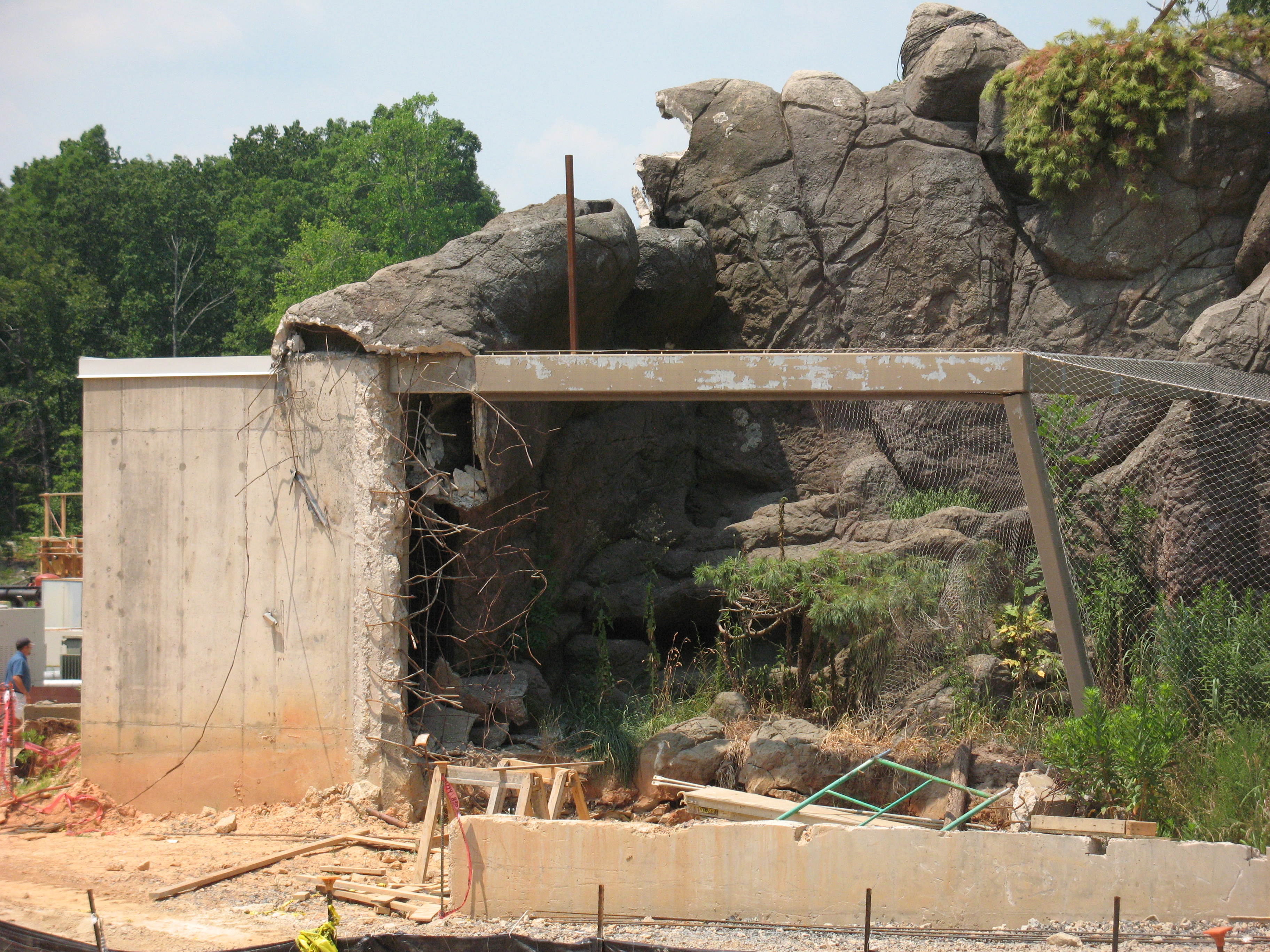
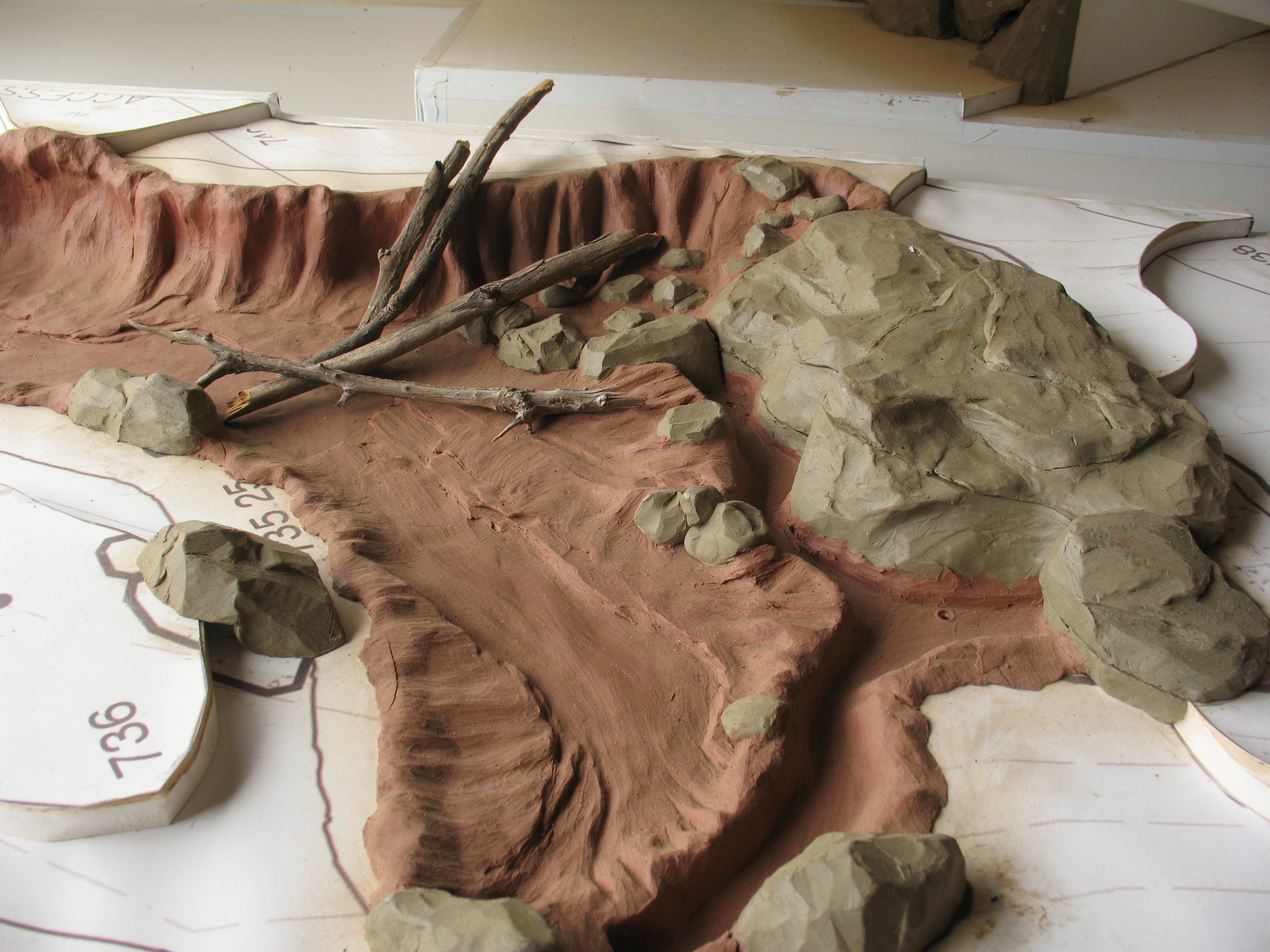
Aquila, born in 1992 at the Louisville, KY Zoo, arrived in NC in 2009 and currently resides at the Detroit Zoo.  Wilhelm, rescued from a Mexican circus, had been here since 2002 and since this winter has really been cooling his heels in Milwaukee.  The Zoo is deep (literally!) into a huge construction project that will expand polar bear habitat and renovate all of Rocky Coast.  When the bears return in 2014 their living space will conform to Canadian standards which will allow for obtaining additional bears from Alberta – as many as six bears on site in all, with facilities for breeding.  The NC Zoo will become a world-class site for preserving the species.

IMG_2912

.

IMG_2910

.

IMG_3026.

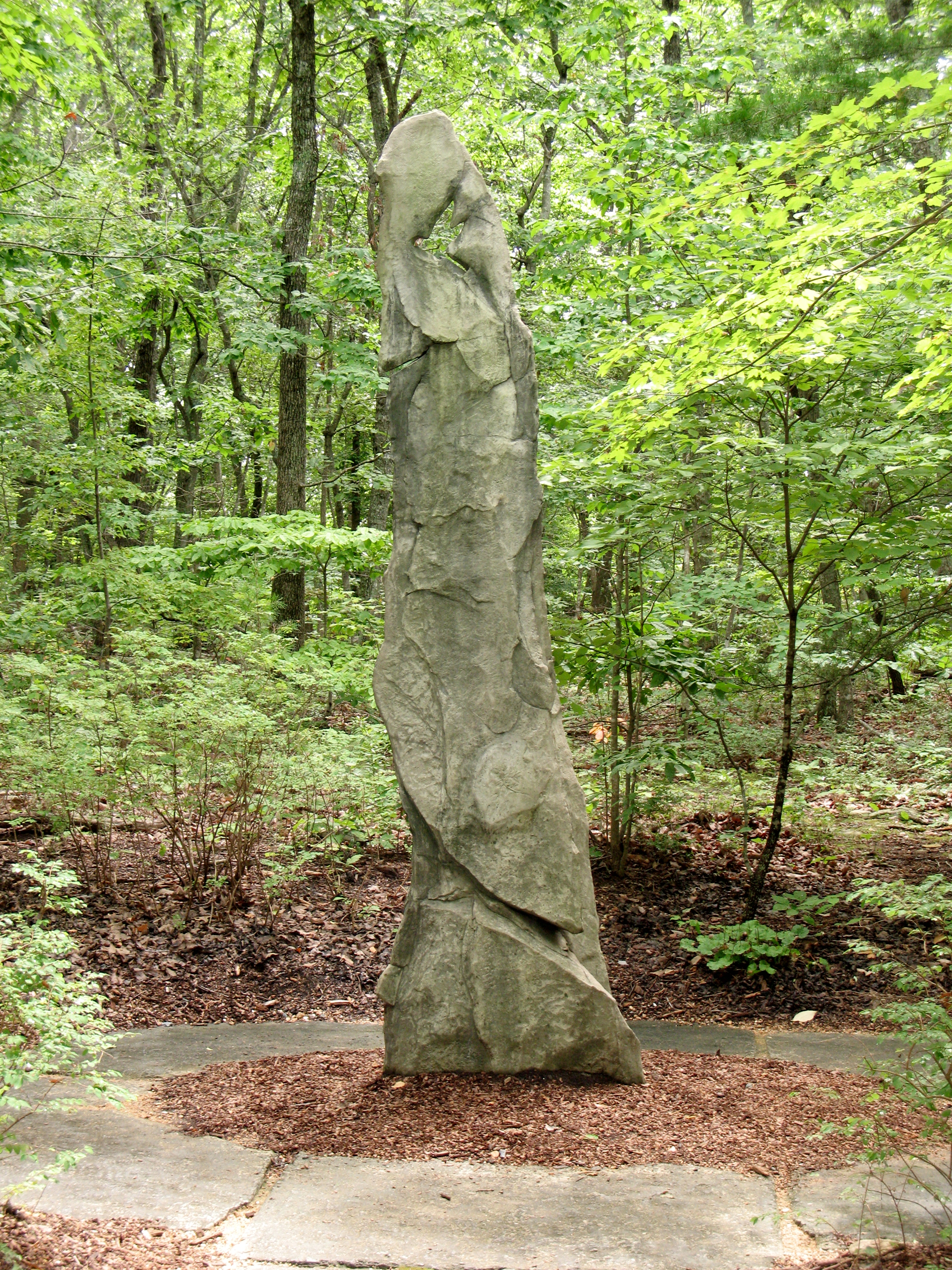
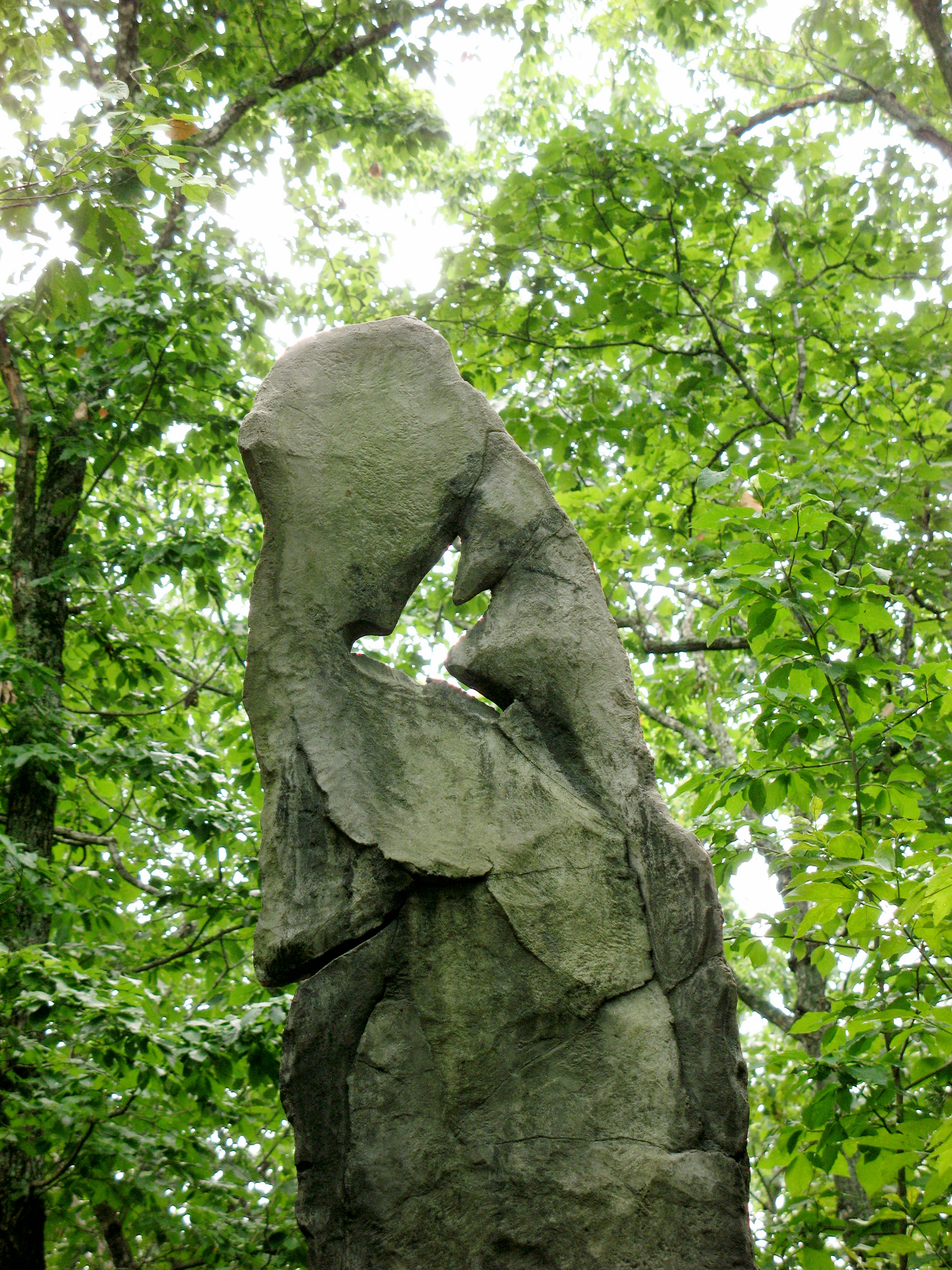
Conservation and preservation – along with education, these are the Zoo’s mission.  I’m struck as I visit each exhibit how often I see the red-lettered admonition “Endangered” beneath the species name.  The science fiction future is rapidly becoming reality when zoos are the only place on earth to see certain animals.  For me, one of the most wrenching exhibits is a seemingly unobtrusive outdoor sculpture by Roger Halligan titled, “The Stone That Stands in an Empty Sky.”  Just off the trail near the red wolves (how appropriate), a monolith rises twenty feet into the forest.  At its apex is a sculpted opening.  Stand at the proper angle and you see leaves and branches through the empty space, and then you recognize it: the full profile of the Carolina Parakeet.

Negative space.  To see, really see, when you first realize what you’re not seeing.  Almost eight million dollars for six bears.  Worth it?  It has my vote.

. . . whatever
won’t stop taking shape even though the whole
crazy quilt’s falling to pieces.

IMG_3297

.

IMG_3303

.     .     .     .     .

Mountain Time

News travels slowly up here
in the mountains, our narrow
roads twisting for days, maybe years,
till we get where we’re going,
if we ever do. Even if some lonesome message
should make it through Deep Gap
or the fastness of Thunderhead, we’re not obliged
to believe it’s true, are we? Consider
the famous poet, minding her post
at the Library of Congress, who
shrugged off the question of what we’d be
reading at century’s end: By the year 2000
nobody will be reading poems. Thus she
prophesied. End of that
interview! End of the world
as we know it. Yet, how can I fault
her despair, doing time as she was
in a crumbling Capitol, sirens
and gunfire the nights long, the Pentagon’s
stockpile of weapons stacked higher
and higher? No wonder the books
stacked around her began to seem relics.
No wonder she dreamed her own bones
dug up years later, tagged in a museum somewhere
in the Midwest: American Poet — Extinct Species.

Up here in the mountains
we know what extinct means. We’ve seen
how our breath on a bitter night
fades like a ghost from the window glass.
We know the wolf’s gone.
The panther. We’ve heard the old stories
run down, stutter out
into silence. Who knows where we’re heading?
All roads seem to lead
to Millennium, dark roads with drop-offs
we can’t plumb. It’s time to be brought up short
now with the tale-tellers’ Listen: There once lived
a woman named Delphia
who walked through these hills teaching children
to read. She was known as a quilter
whose hand never wearied, a mother
who raised up two daughters to pass on
her words like a strong chain of stitches.
Imagine her sitting among us,
her quick thimble moving along these lines
as if to hear every word striking true
as the stab of her needle through calico.
While prophets discourse about endings,
don’t you think she’d tell us the world as we know it
keeps calling us back to beginnings?
This labor to make our words matter
is what any good quilter teaches.
A stitch in time, let’s say.
A blind stitch
that clings to the edges
of what’s left, the ripped
scraps and remnants, whatever
won’t stop taking shape even though the whole
crazy quilt’s falling to pieces.

Kathryn Stripling Byer
North Carolina Poet Laureate 2005-2009

.     .     .     .     .

IMG_3223

.     .     .     .     .

Read Full Post »

Wilderness is essential in the lives of children. I mean essential,
like edible food, drinkable water, breathable air. I cannot imagine
a decent, sane and healthy life without it.
Edward Abbey

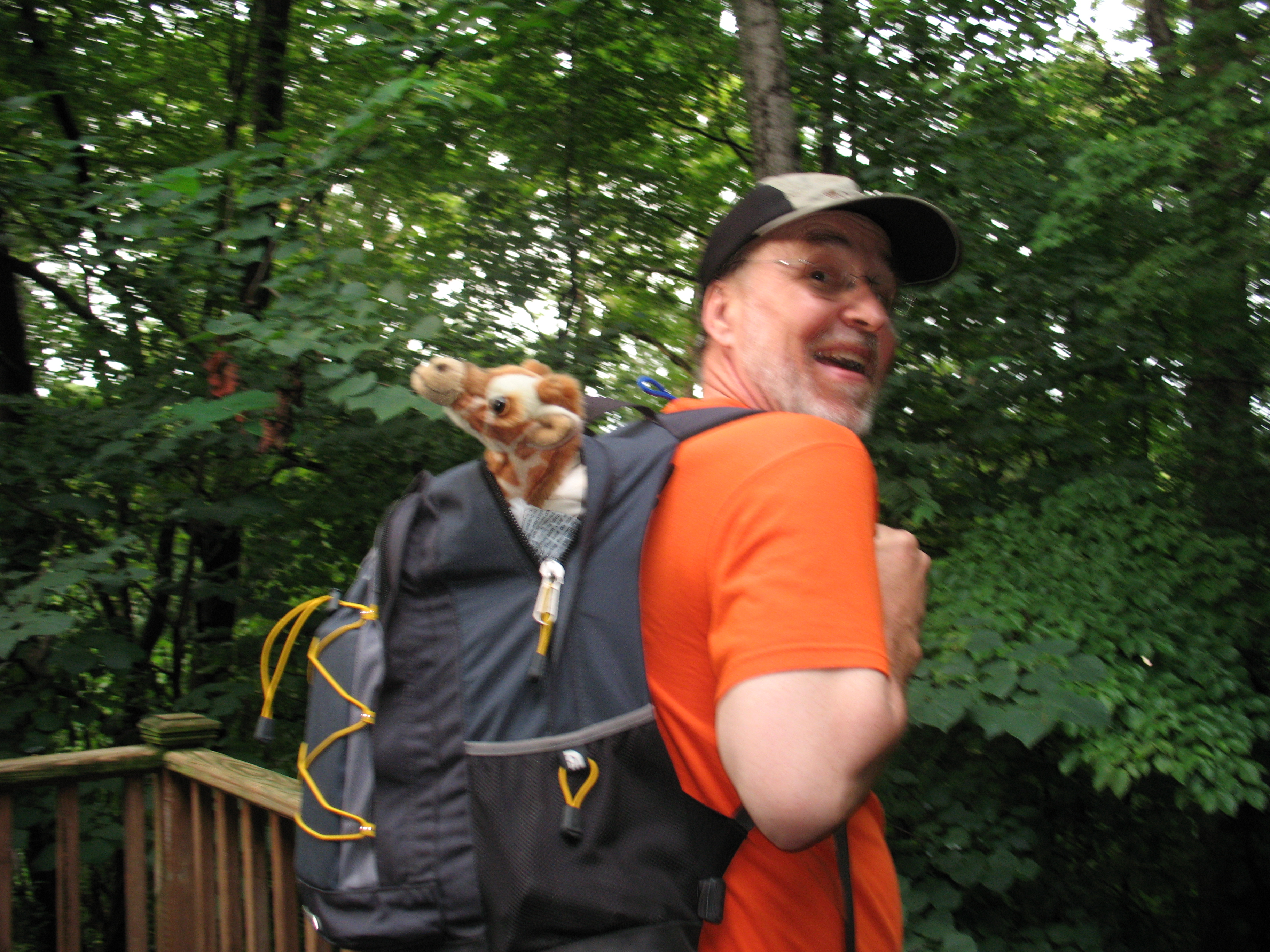
When our grandson Saul was born we bought a framed poster for his nursery: mother and child giraffe, very similar to the photos we’re seeing from the NC Zoo of Juma (born July 6).  We actually thought it might be a little scary for a small child, the huge animal bending to lick the head of the youngster, and we were actually a little surprised that Allison and Josh hung it directly over Saul’s crib.  It’s still there.

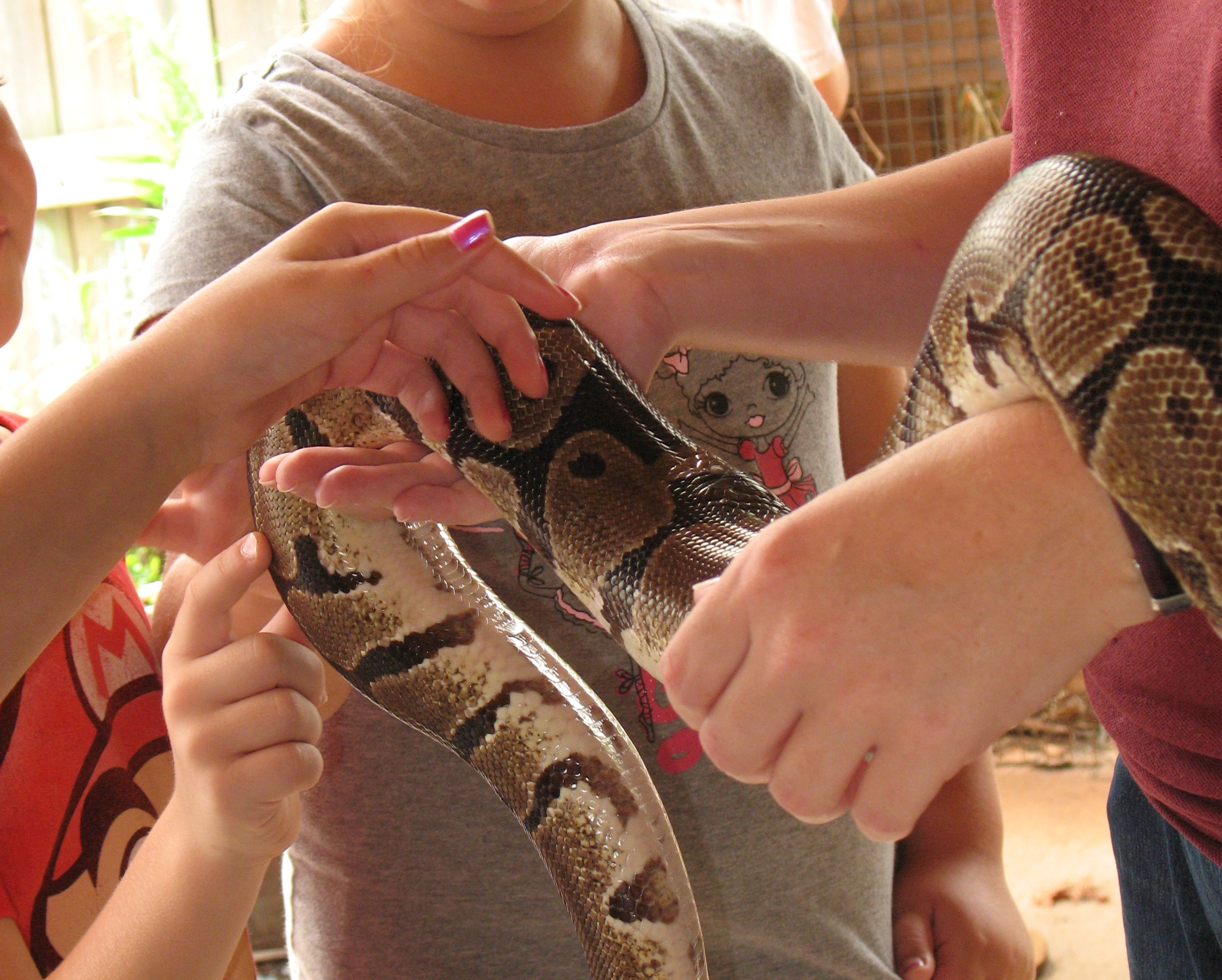
Last week I was playing with Saul, now four, in the living room while Linda prepared to go to the grocery store.  She had her hand on the front door when she looked back over her shoulder and called to us to come QUICK!  A four-foot long black rat snake was undulating across the dining room (Pantherophis obsoletus, I think – I didn’t really handle it to examine the finer details).  It froze when it sensed her.  Until Saul and I came running in, that is, when it tried to escape back down the basement stairs.

I should have come to the Zoo two weeks ago, because there’s a poster at the Streamside installation that diagrams how to get a snake out of your house.  I cornered it with a broom while Linda brought me a plastic bucket.  The snake actually seemed quite relieved to be in a dark, enclosed space with a bucket over it.  I scooped bucket and all into the end of a cardboard box, and then we made a little expedition down the block to the edge of the woods.

Saul stood right beside me while I slowly lifted the bucket.  The snake climbed the side of the box easily, its body extending a full foot or more before it cascaded down into the grass.  Saul remarked at how the tall grass moved from side to side as Mr. Snake slithered out of sight into the woods.  A four-year old naturalist.

When Allison came to pick Saul up that evening we weren’t really intending to inform her about the adventure (would she ever accept an invitation to dinner again?), but Saul is Mr. Story-teller. Once the truth was out his Mom asked him, “Were you afraid?”

“No!  My favorite animals are giraffes, kitties, and snakes!”

IMG_3197

.     .     .     .     .

Augury

Tonight my father cupped his hands and blew
into their hollow sphere and brought to life
the long wild resonant cry
of country boyhood, owl-haunted evenings
and the dark modulations of distant hounds,
fluttered his fingers throbbing into memory
those sobbing whistles hunting down the rails
my childhood dreaming in the restless city.

And as my children wondered cupping their hands
to capture that primeval mimicry
of all that haunts and heightens our precarious sense
of living rooted in immemorial time,
I saw my father new, and shared his knowing
the secret of our give and take of breath:
live long enough to know that we are dying,
hand on with tenderness and dignity
our resonant art
the long learned call
of trumpeter man.

 Ann Deagon

IMG_3251_enahnced02

.     .     .     .     .

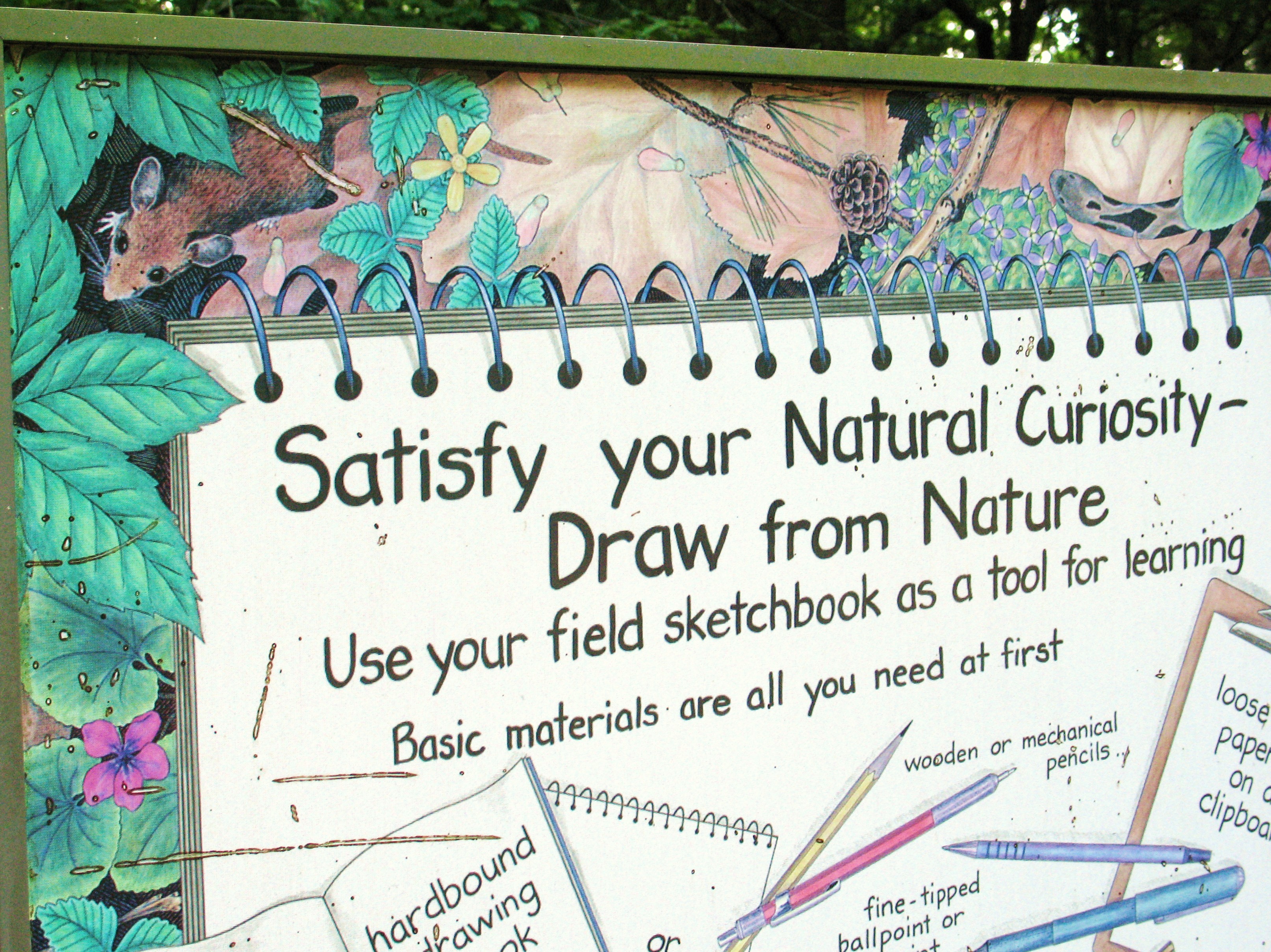
In a few minutes I’m heading down to the soon to be completely renovated KidZone in the Zoo.  I’m presenting a lunch time poetry workshop for the staff – we’re going to each write a “persona poem,” in first person in the voice of an animal we love or identify with.  An imagination stretcher.  It’s the same workshop I’ll be doing with children tomorrow.  Who will be most convincing at assuming the persona of an animal?  On the other hand, who hasn’t taken the voice of the Three Bears or the Big Bad Wolf or other Wild Things when reading to son, daughter, niece, nephew?  What’s the opposite of “anthropomorphize?”  Here’s an opportunity not only to be a spectator to wildness but to express the wildness within ourselves.  I cannot imagine a decent, sane, and healthy life without it.

IMG_3245

.     .     .     .     .

In her bio in the anthology Word and Witness, Ann Deagon remarked that she didn’t begin writing until she was forty, “when that three-headed dog love death and poetry took me in its teeth and shook me.”  She subsequently published six collections of poetry and has written fiction and plays.  She taught Classics at Guilford College and has been the recipient of a National Endowment for the Arts Literary Fellowship.

.     .     .     .

Read Full Post »

« Newer Posts - Older Posts »