
.
Poems for the Earth: Kenneth Rexroth, Denise Levertov, Robert Frost
.
Lute Music
.
The earth will be going on a long time
Before it finally freezes;
Men will be on it; they will take names,
Give their deeds reasons.
We will be here only
As chemical constituents –
A small franchise indeed.
Right now we have lives,
Corpuscles, ambitions, caresses,
Like everybody had once –
All the bright neige d’antan people,
“Blithe Helen, white Iope, and the rest,”
All the uneasy remembered dead.
.
Here at the year’s end, at the feast
Of birth, let us bring to each other
The gifts brought once west through deserts –
The precious metal of our mingled hair,
The frankincense of enraptured arms and legs,
The myrrh of desperate invincible kisses –
Let us celebrate the daily
Recurrent nativity of love,
The endless epiphany of our fluent selves,
While the earth rolls away under us
Into unknown snows and summers,
Into untraveled spaces of the stars.
.
Kenneth Rexroth
.
❦ ❦ ❦
.
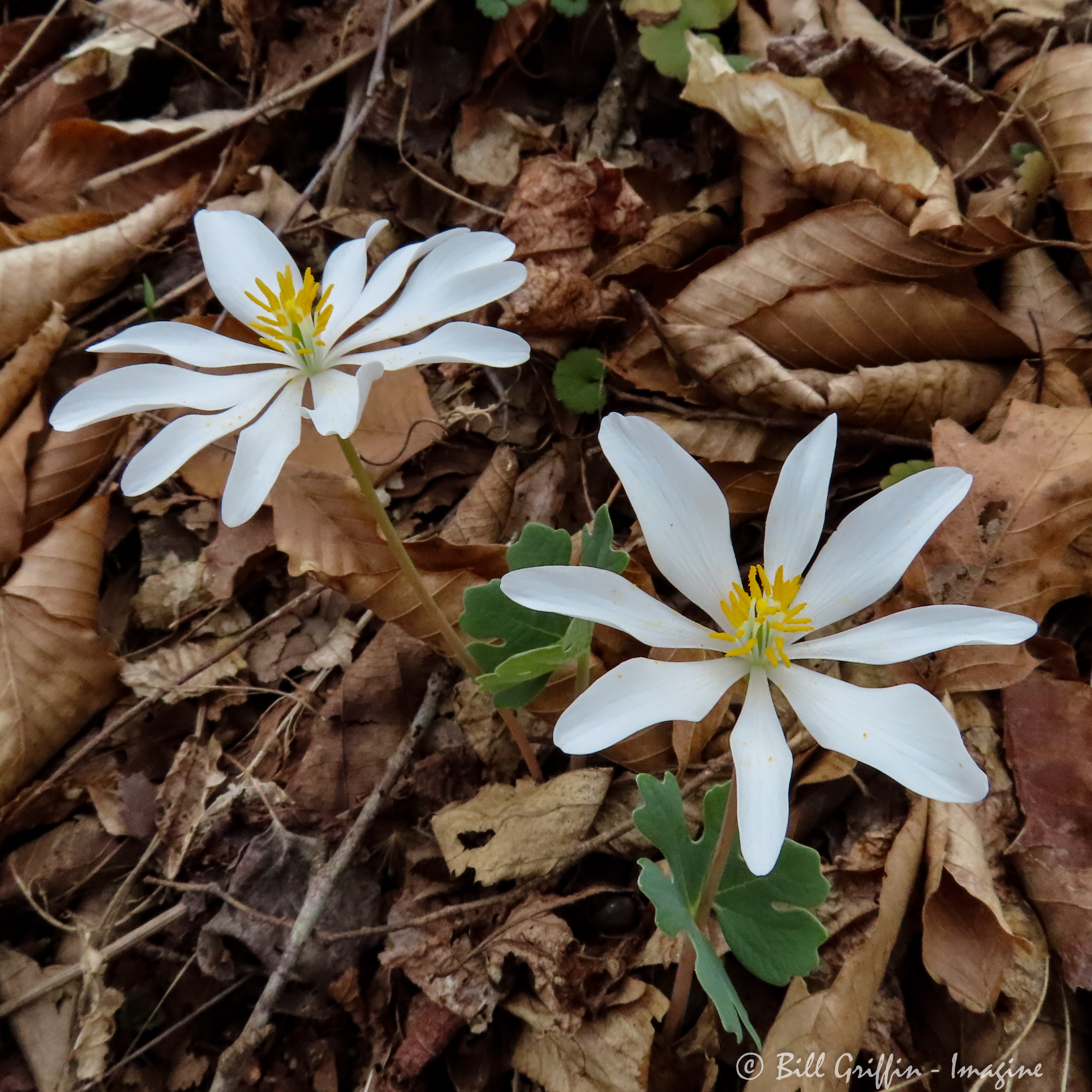
Is it really so strange that the close observation of life, noticing its many particulars and how desperate it is to spread and mingle and weave itself among the web of all other lives no matter how disparate and also individually desperate, strange that the observation and celebration of this planet solely and most fortuitously devoted to conjuring life should also ferment within the observer a noticing and rumination about death? Beside the stream the liverworts unclasp their primitive green. Rockspray nourishes them for a moment then continues its endless work of washing the ashes of earth to the sea. Between right now and when my own ashes will join them is less than a blink for the water, the rock, the bryophytes. Two or three blinks would be more than enough to embrace the span of my entire species on this middle-aged planet. A small franchise indeed.
.
In our current society the virtues have lost most of their value to inflation (inflation of ego primarily), and of all virtues humility seems valued least. Another winter is apparently ended but it is hard to shake the chill of despite that has settled and will not permit dispelling. For the few years left of my personal franchise among the living, where is the warmth? Right here, though, is my favorite seat on the back porch. Its cushion retains the signature of my backside. Ten feet away my favorite among all trees remains undiscouraged, staid Beech perhaps a quarter century my elder. Its scars and knots only enhance its beauty. At its crown the long slender leafbuds already unfurl to prepare the deep shade so welcome come May. And that smooth, grey skin – the filamentous liverworts readily accept its unselfish invitation to reside. As a representative of a large-brained apex species, could I humble myself before such an insignificant creature as a liverwort? Could I be half so generous as the Beech? Perhaps it is warm enough after all – life is poised to spread and mingle. Let’s go out front into the sun and plant some seeds.
.
.
❦ ❦ ❦
.
The Past III
.
You try to keep the present
==== uppermost in your mind, counting its blessings
==== ==== (which today are many) because
although you are not without hope for the world, crazy
==== as that seems to your gloomier friends and often
==== ==== to yourself, yet your own hopes
have shrunk, options are less abundant. Ages ago
==== you enjoyed thinking of names
==== ==== for a daughter; later you still entertained,
at least as hypothesis, the notion
==== of a not impossible love, requited passion;
==== ==== or resolved modestly to learn
some craft, various languages.
==== And all those sparks of future
==== ==== winked out behind you, forgettable. So –
the present. It’s blessings
==== many today:
==== ==== the fresh, ornate
blossoms of the simplest trees a sudden
==== irregular pattern everywhere, audacious white,
==== ==== flamingo pink in a haze of early warmth.
But perversely it’s not
==== what you crave. You want
==== ==== the past. Oh, not your own,
no reliving of anything – no, what you hanker after
==== is a compost,
==== ==== a forest floor, thick, saturate,
fathoms deep, palimpsestuous, its surface a mosaic
==== of infinitely fragile, lacy, tenacious
==== ==== skeleton leaves. When you put your ear
to that odorous ground you can catch the unmusical, undefeated
==== belling note, as of a wounded stag escaped triumphant,
==== ==== of lives long gone.
.
Denise Levertov
.

.
❦ ❦ ❦
.
POETRY FOR EARTH DAY 2025
.
Our ability to perceive quality in nature begins, as in art, with the pretty.
It expands through successive stages of the beautiful to values
as yet uncaptured by language.
Aldo Leopold
.
Is it only serendipity that Earth Day and National Poetry Month are celebrated together each year in April? Our need for the Earth, our love for the Earth, are beyond language, yet poetry must continue to yearn to express that love.
.
Do you have a favorite poem that enlarges the boundaries of community? That notices the often overlooked? That celebrates all life on earth as one family together? We invite you to share! The deadline is April 10. See full guidelines at this link:
.
.
❦
.
These poems by Kenneth Rexroth, Denise Levertov, and Robert Frost are collected in The Ecopoetry Anthology, edited by Ann Fisher-Wirth and Laura-Gray Street; © Trinity University Press, San Antonio TX, 2020
.
❦
.
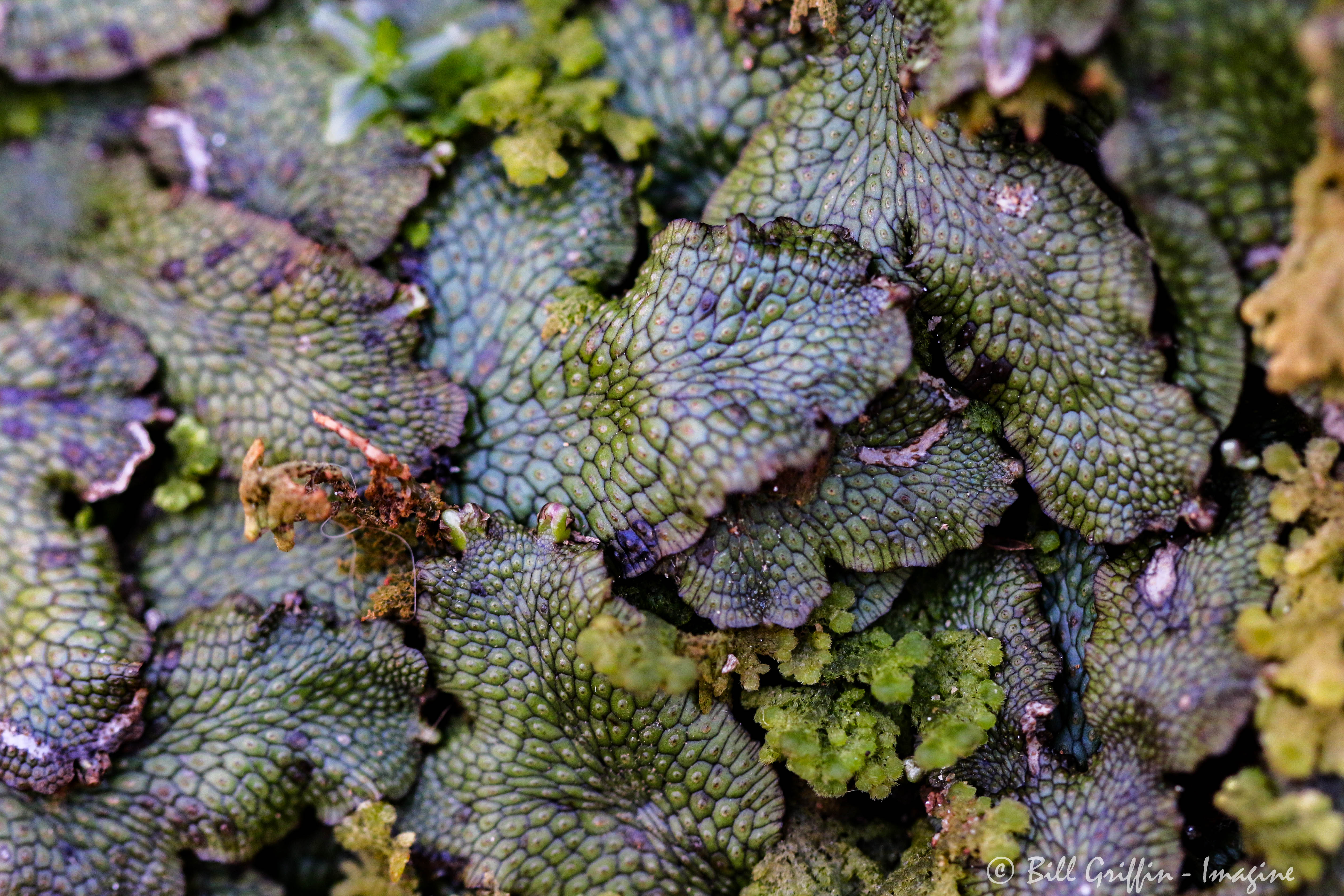
Liverworts are ancient non-vascular plants, some 9,000 different species inhabiting every continent except Antarctica and almost every habitat and niche. They have been grouped with mosses and hornworts in the division Bryophyta, although some taxonomists split them into their own division, Marchantiophyta. One particular species, Frullania eboracensis, the New York Scalewort, is particularly noticeable on smooth barked trees such as beech, maple, and holly.
.
.
❦ ❦ ❦
.
The Most of It
.
He thought he kept the universe alone;
For all the voice in answer he could wake
Was but the mocking echo of his own
From some tree-hidden cliff across the lake.
Some morning from the boulder-broken beach
He would cry out on life, that what it wants
Is not its own love back in copy speech,
But counter-love, original response.
And nothing ever came of what he cried
Unless it was the embodiment that crashed
In the cliff’s talus on the other side,
And then in that far-distant water splashed,
But after a time allowed for it to swim,
Instead of proving human when it neared
And someone else additional to him,
As a great buck it powerfully appeared,
Pushing the crumpled water up ahead,
And landed pouring like a waterfall,
And stumbled through the rocks with horny tread,
And forced the underbrush – and that was all.
.
Robert Frost
.
❦ ❦ ❦
.

.




 V E R S E and I M A G E
Very true. And not that she ignores the grief and woe of living but somehow makes all of life a…