Feeds:
Posts
Comments

Posts Tagged ‘Weymouth’

.   .   .   Think of the wren
and how little flesh is needed to make a song. 

from Why Regret?,  Galway Kinnell

Brown-Headed Nuthatch

Sitta pusilla

The Grandson and I are playing with Legos on the back porch. Above the constant chitter of the goldfinch kaffeeklatsch shines a sudden clear bright whistle. “Listen, Saul. That’s a Carolina Wren.”

After a few minutes of silent cogitation, a few more minutes of Lego cars brmmm-brmming across the planks, we hear the bird again. Saul remarks, “He’s saying Senner-pede, Senner-pede.”

“You mean centipede, the little crawly thing with a hundred legs?”

“No, Senner-pede.” Brmm, brmm. “I made that up.”

And the moral of the story: Encountering the logic of the philosopher, even if only six years old, it’s probably best to listen.

*      *      *      *      *

The Carolina Wren is one of my favorites, feisty little troglodyte whose voice is 30 decibels too big for his 30 grams of fluff. Listen to enough wren song and you discover the birds can be quite individual. Scolds, chatters, and so many variations on that 2- or 3- or 4-note whistle: just when you think you know them all someone new moves into the neighborhood.

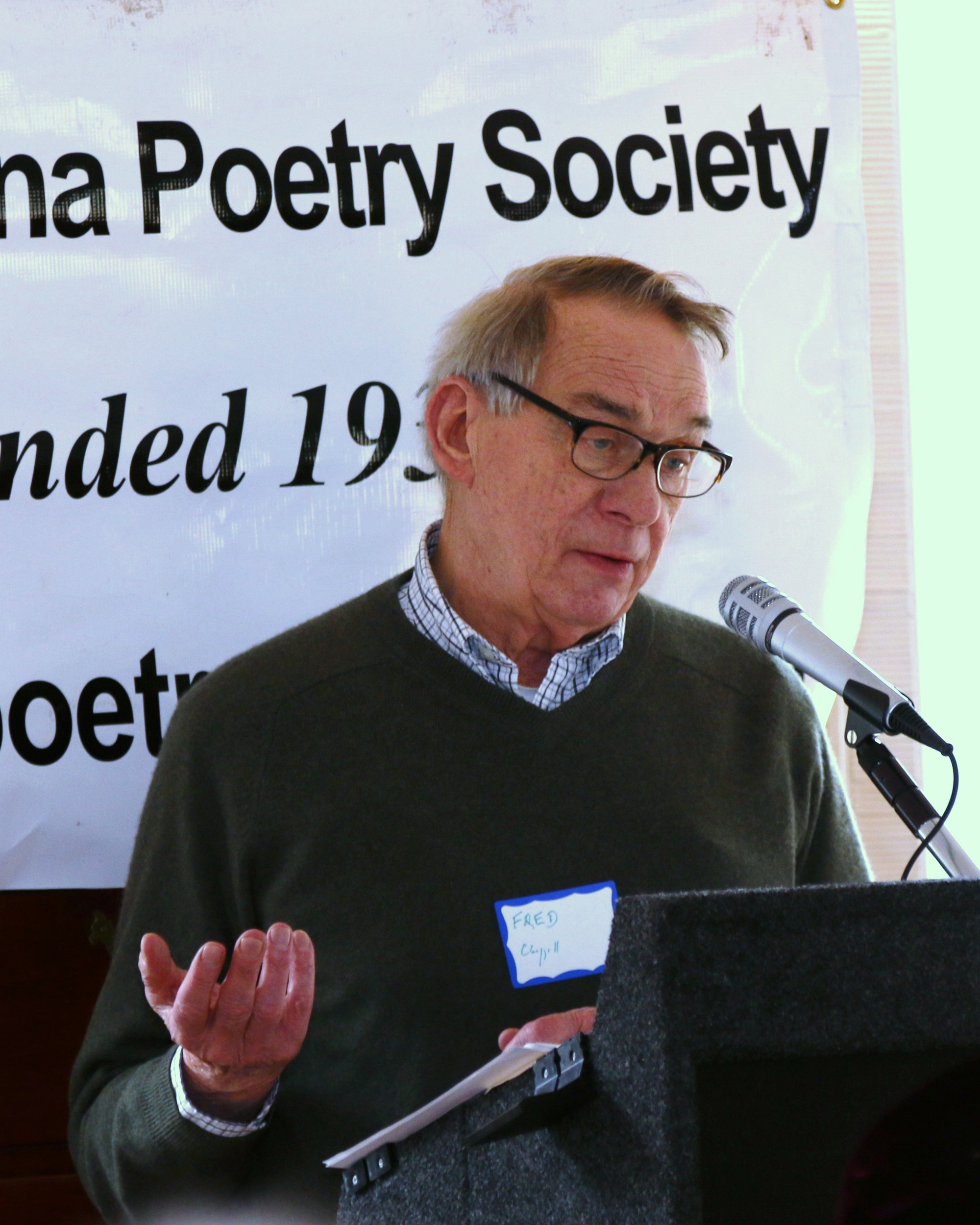
Fred Chappell is one of my other favorites. He’s one of the writers that inspired me about twenty years ago to rediscover the dark forest of Poetry. I carried a typescript copy of his poem Forever Mountain around in my wallet until it wore through and I’d about memorized it. As I sort through the piles on my shelves I think it’s safe to say I’ve bought every one of his books. The epigrams, the complex forms, the backsass, the cat poems . . .

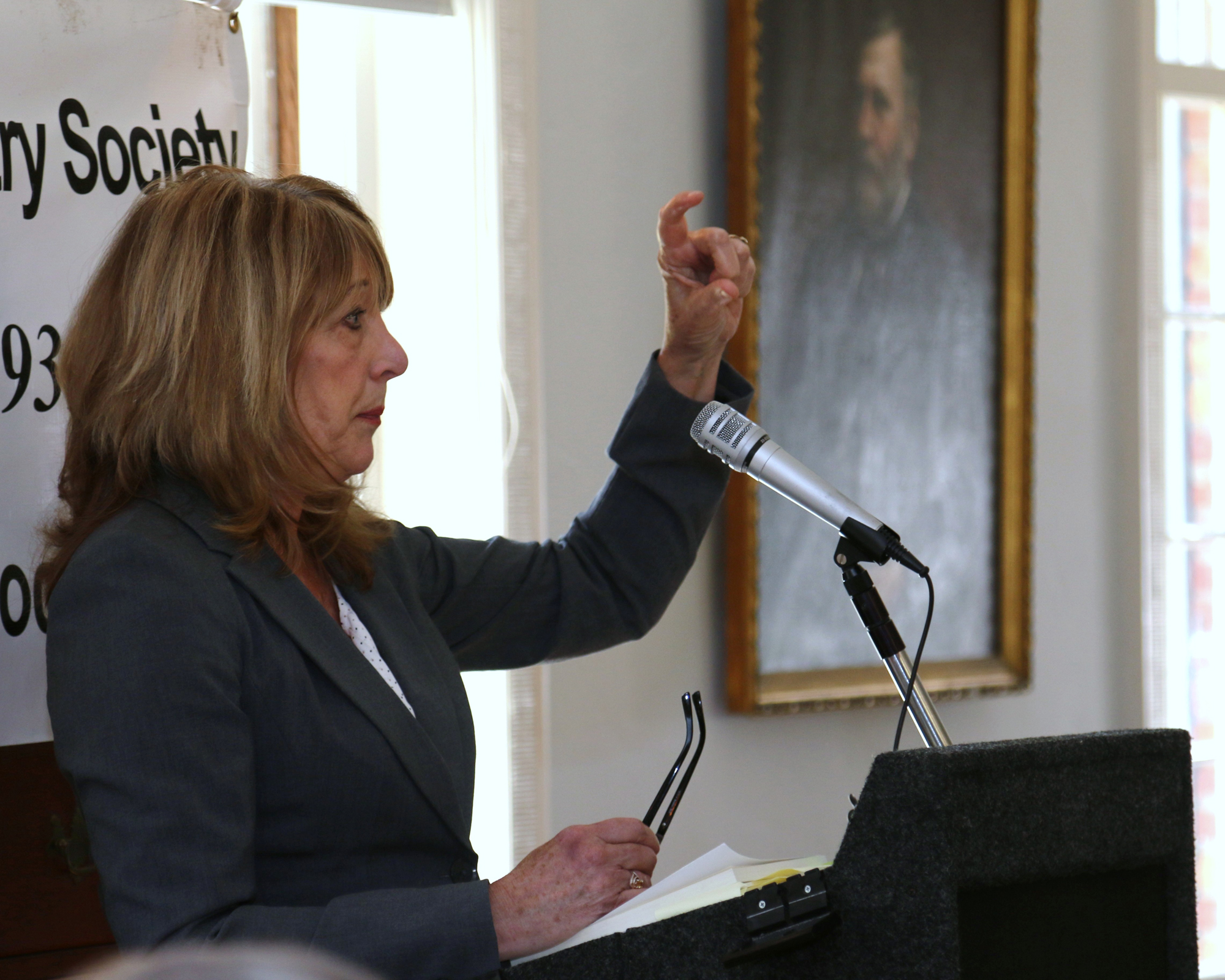
. . . and just when you think you know his song someone new moves into the neighborhood. At this year’s Sam Ragan Poetry Festival Fred revealed to us that he’s now writing fables, poems that tell a story with a moral. His voice just keeps getting bigger and bigger. And you can bet that a Fred Chappell fable is going to stretch your intellect and then bite you on the ass.

Feisty, yes; troglodyte, no.

*     *     *     *     *

Fox and Bust - Chappell_crop01

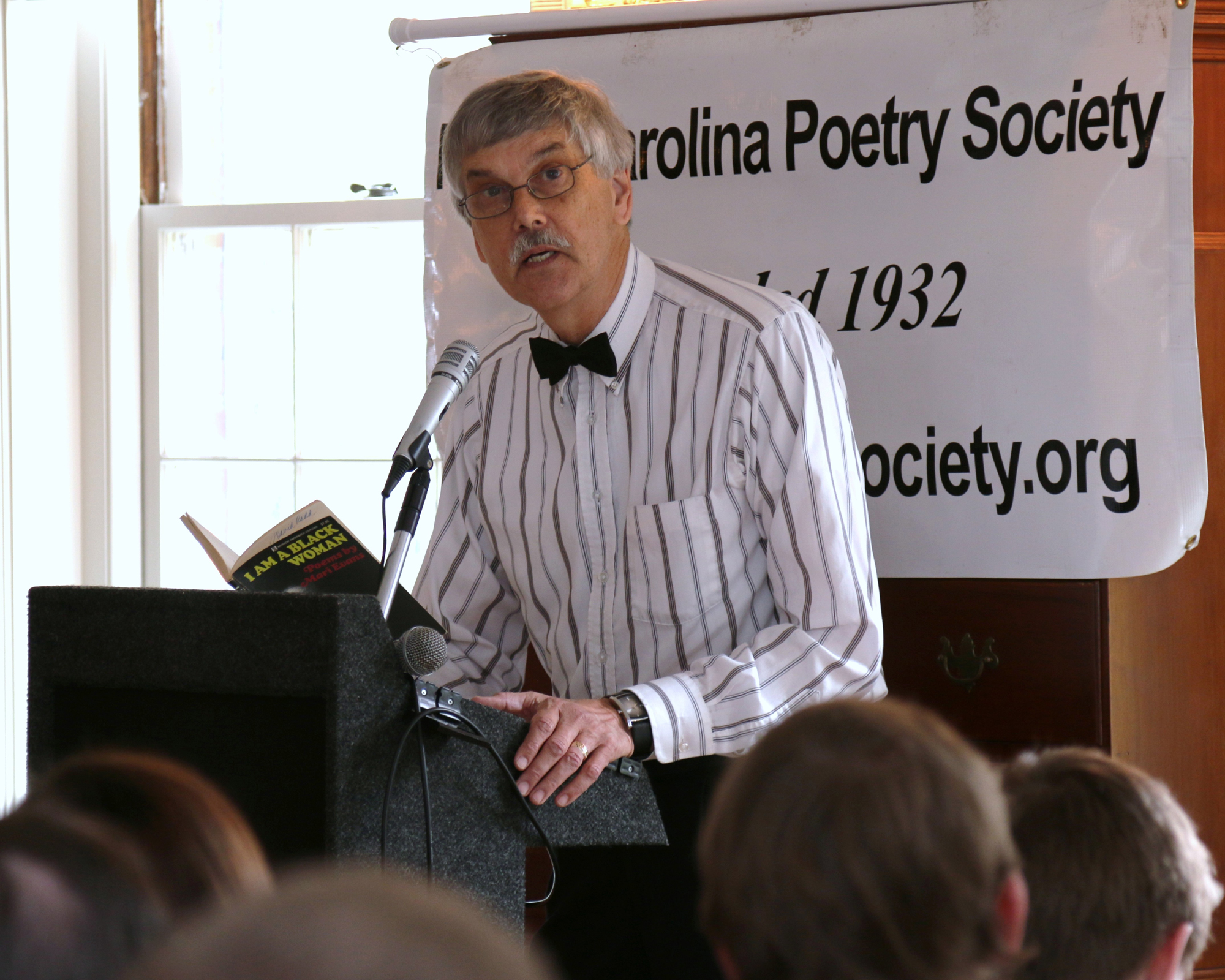
Fox and Bust by Fred Chappell; read at Sam Ragan Poetry Festival,
Weymouth Center for the Arts and Humanities in Southern Pines, NC, on March 21, 2105
IMG_1337_resize01

*     *     *     *     *

IMG_1638_resize01

IMG_1452_resize01

IMG_1217_resize01

IMG_1326_resize01

IMG_1402_resize01

IMG_1252_resize01

IMG_1208_resize01

IMG_1248_resize01

IMG_1420_resize01

IMG_1457_resize01

IMG_1464_resize01

IMG_1621_resize01

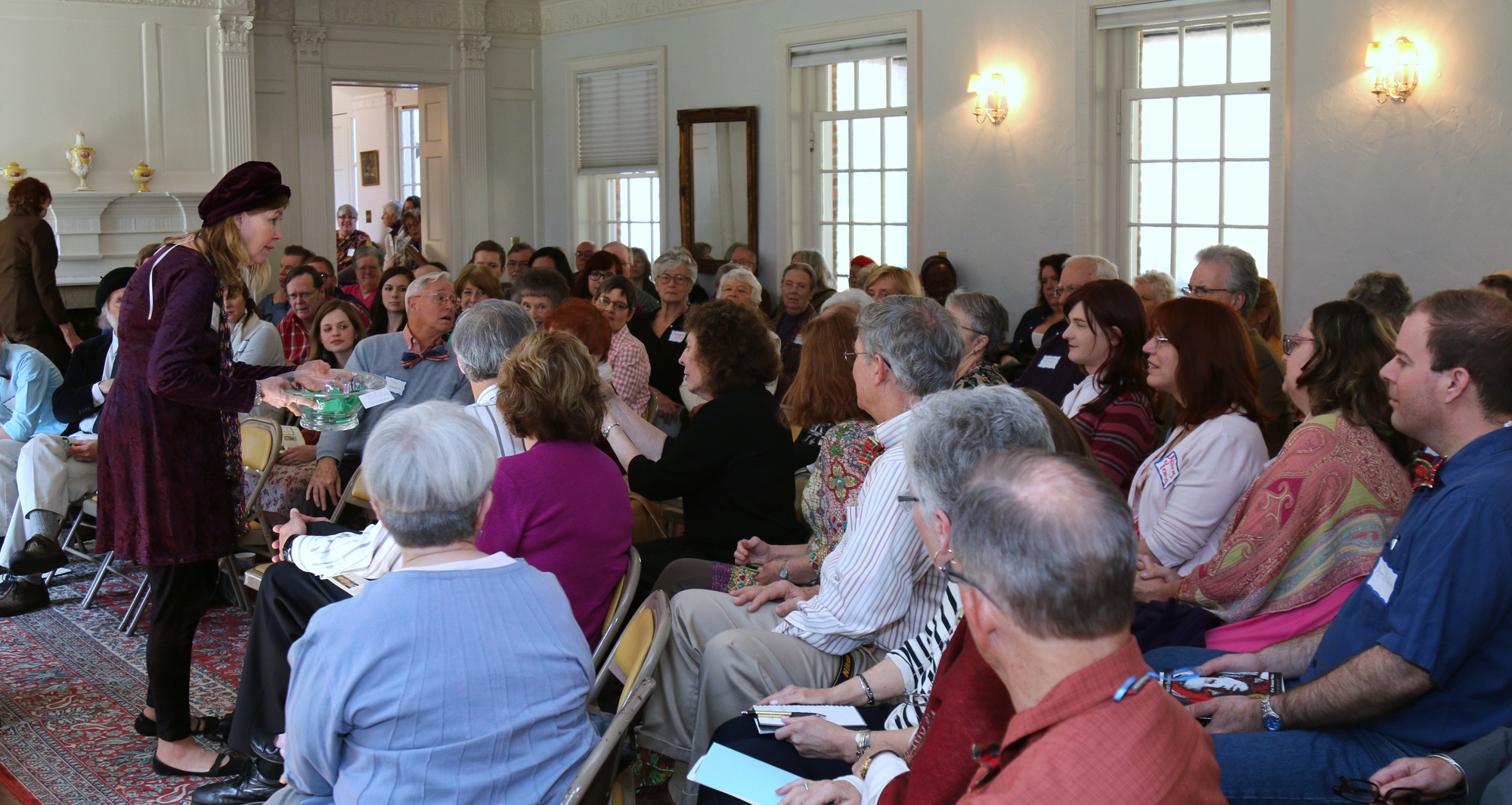
Every year the North Carolina Poetry Society sponsors the Sam Ragan Poetry Festival, named for our state’s third and longest-serving Poet Laureate.  Sam was succeeded by Fred Chappell as our fourth Poet Laureate, illuminating that post from 1997-2002. In 2004 Fred collaborated with philanthropist and poet Marie Gilbert, assisted by William Jackson Blackley and a volunteer board, to create the Gilbert-Chappell Distinguished Poet Series.  Each year since then three notable NC poets have been selected to serve as mentors, each to 3 or 4 students middle school to adult, to create and critique a body of poems, followed by public readings in libraries throughout the state.  Fred is still a guiding light for this endeavor, which celebrated its tenth anniversary at this year’s Sam Ragan Poetry Festival in Southern Pines on March 21, 2015.

The photos and poems from this and the five preceding GriffinPoetry posts commemorate that event.

*     *     *     *     *
IMG_1180_resize01

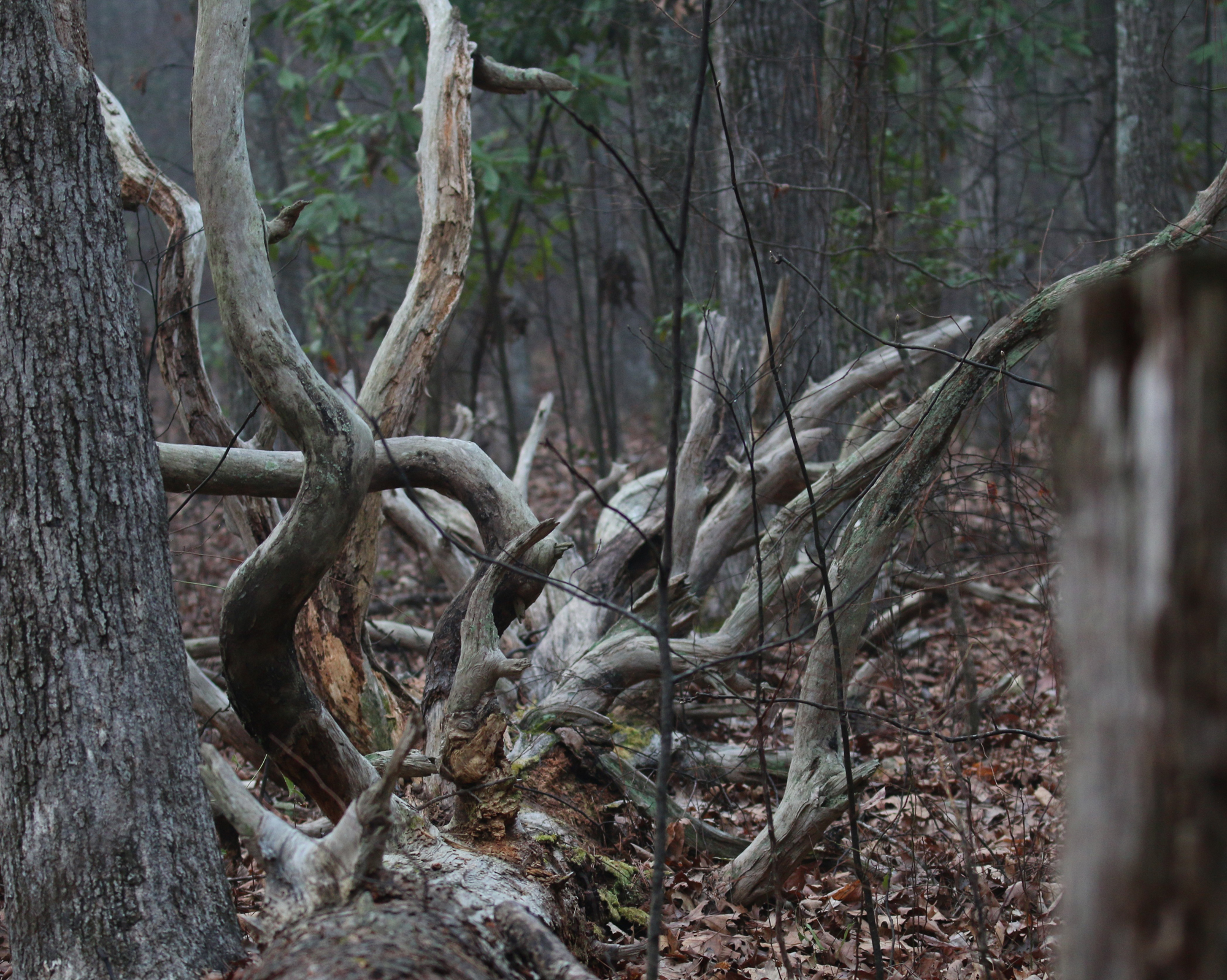
Weymouth Woods

*      *      *       *      *
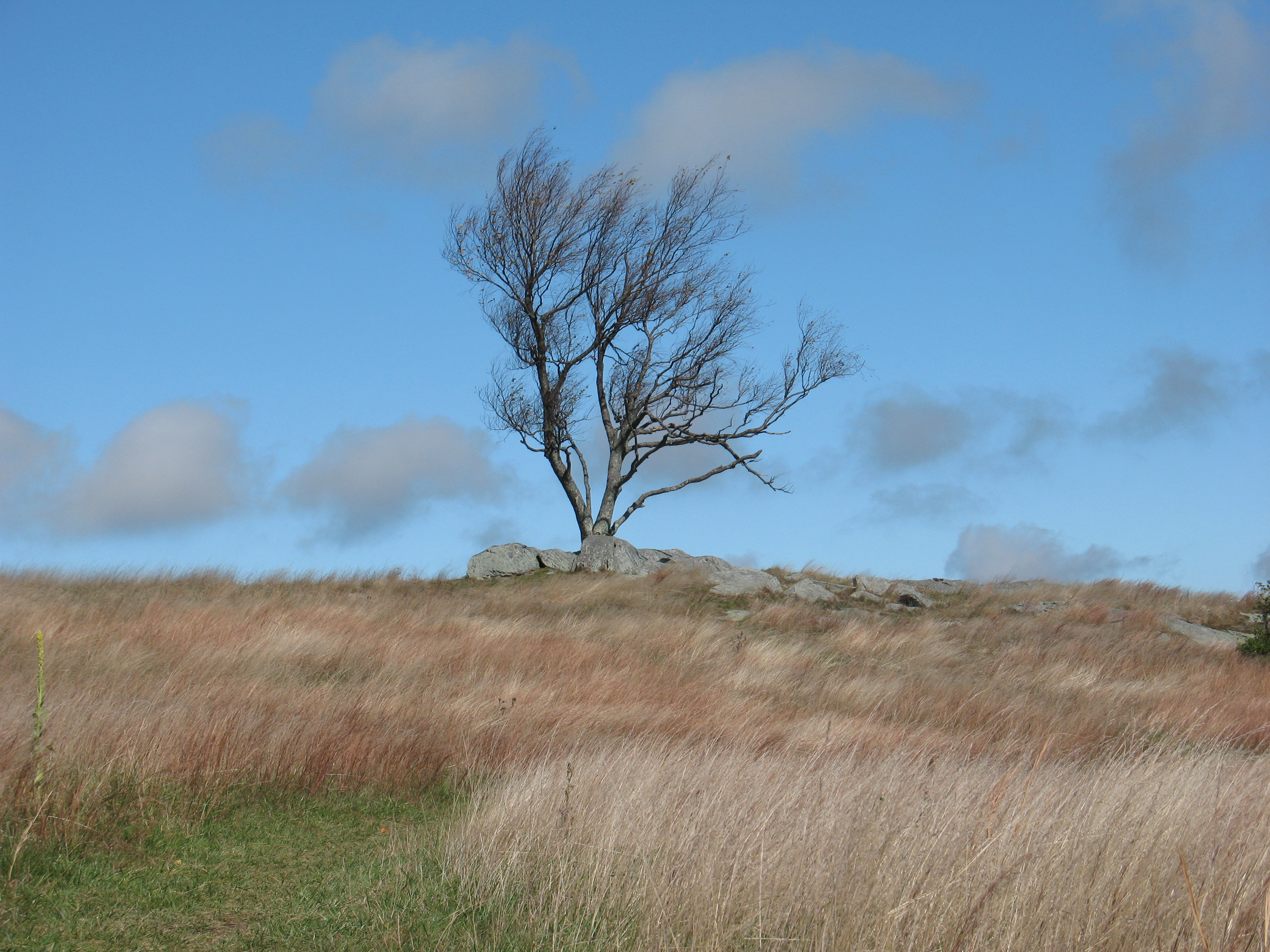
Doughton Park Tree #1

Read Full Post »

As an undergrad I majored in (geek alert!) Chemistry. So sophomore year that meant signing up for Physical Chemistry, alias P Chem, universally dreaded for its incomprehensible math and completely non-intuitive concepts. But that year the department had hired a new junior professor whose hair was almost as long as ours. Dr. Falletta was ambi – he could stand at the blackboard with his back to us and write equations with both hands. The chalk would be squeaking, he’d be explaining non-stop, our heads would be just about to explode, and then he would stop mid-sentence, spin around to face us, and exclaim, “I love this stuff!” Thanks, Dr. F, I think I started to love it, too.

Since I went to a liberal arts college even the (geek alert!) Chem Majors had to take English. So sophomore year that meant signing up for American Lit. Dr. Consolo was universally adored. If a student happened to let drop in casual conversation the word epiphany, everyone in the room immediately said, “Oh, you’re taking Consolo’s Lit class.” And even though we had to write a long thesis about a writer of our choice (I selected George Santayana. It was the 70’s; maybe my subconscious imagined I had heard him at Woodstock.), even though it took two all-nighters with Corrasable Bond and carbon paper in the Smith-Corona, I had my epiphany. Thanks, Dr. C, I think that’s when I started to love language.

*     *     *     *     *

IMG_1577_resize01

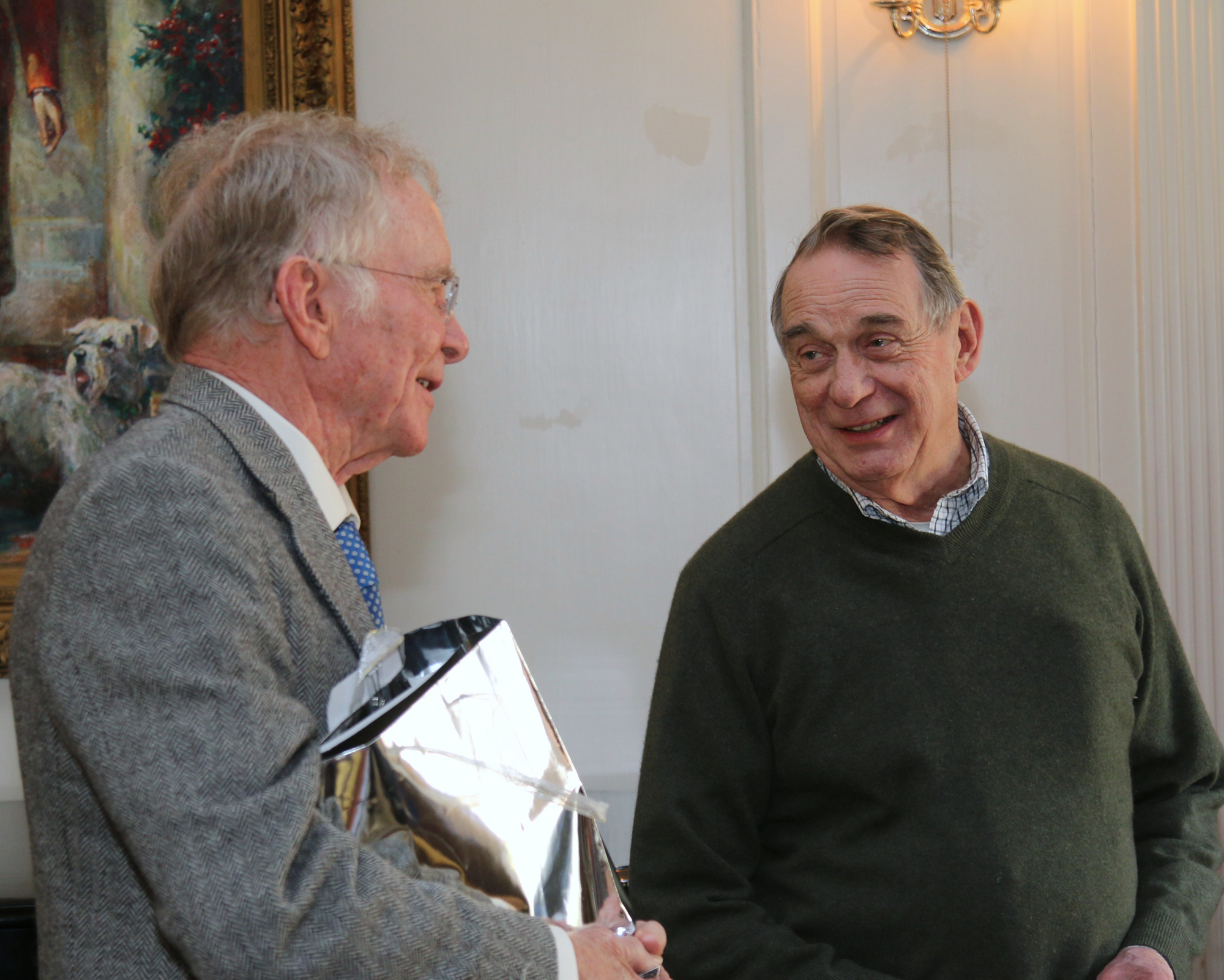
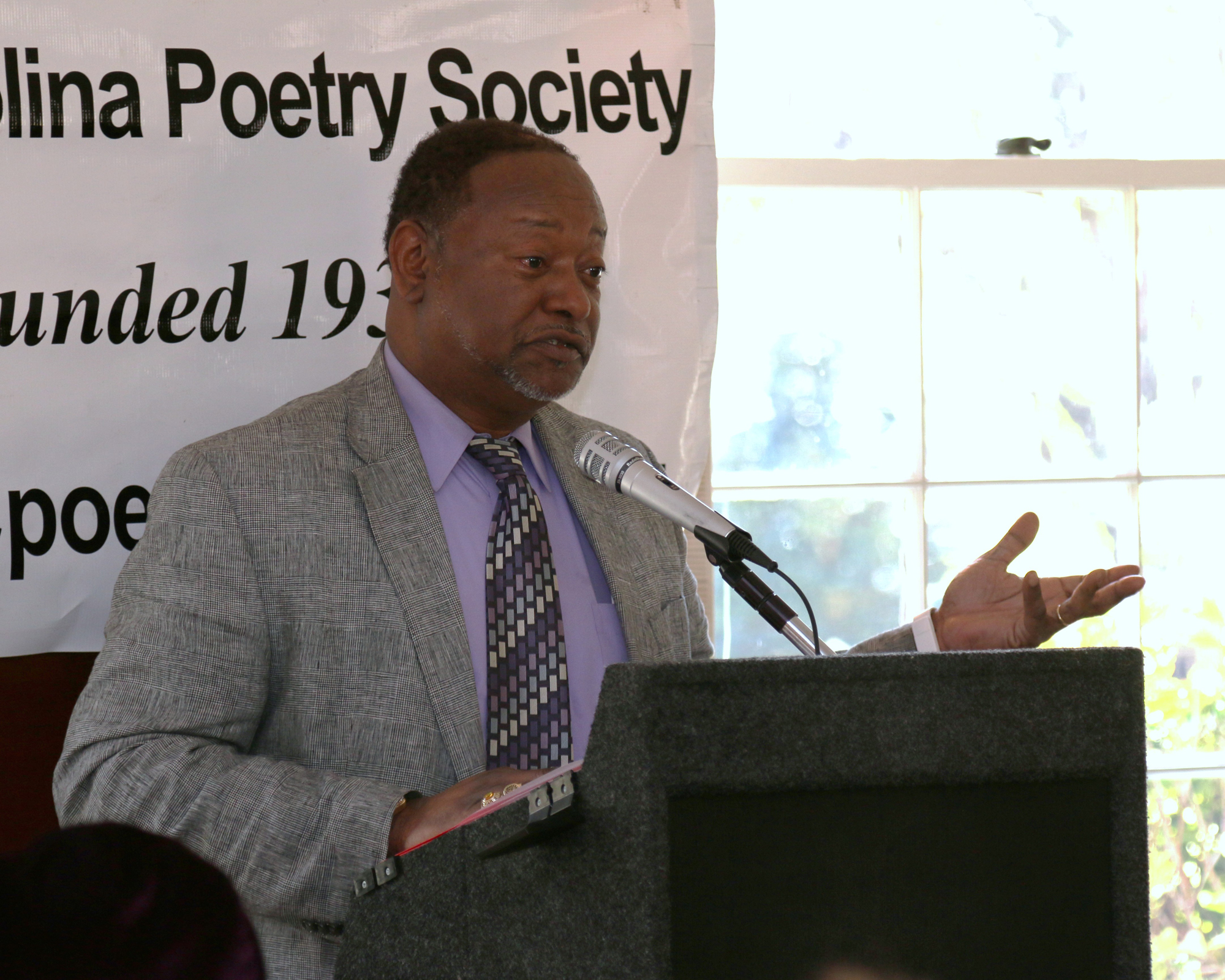
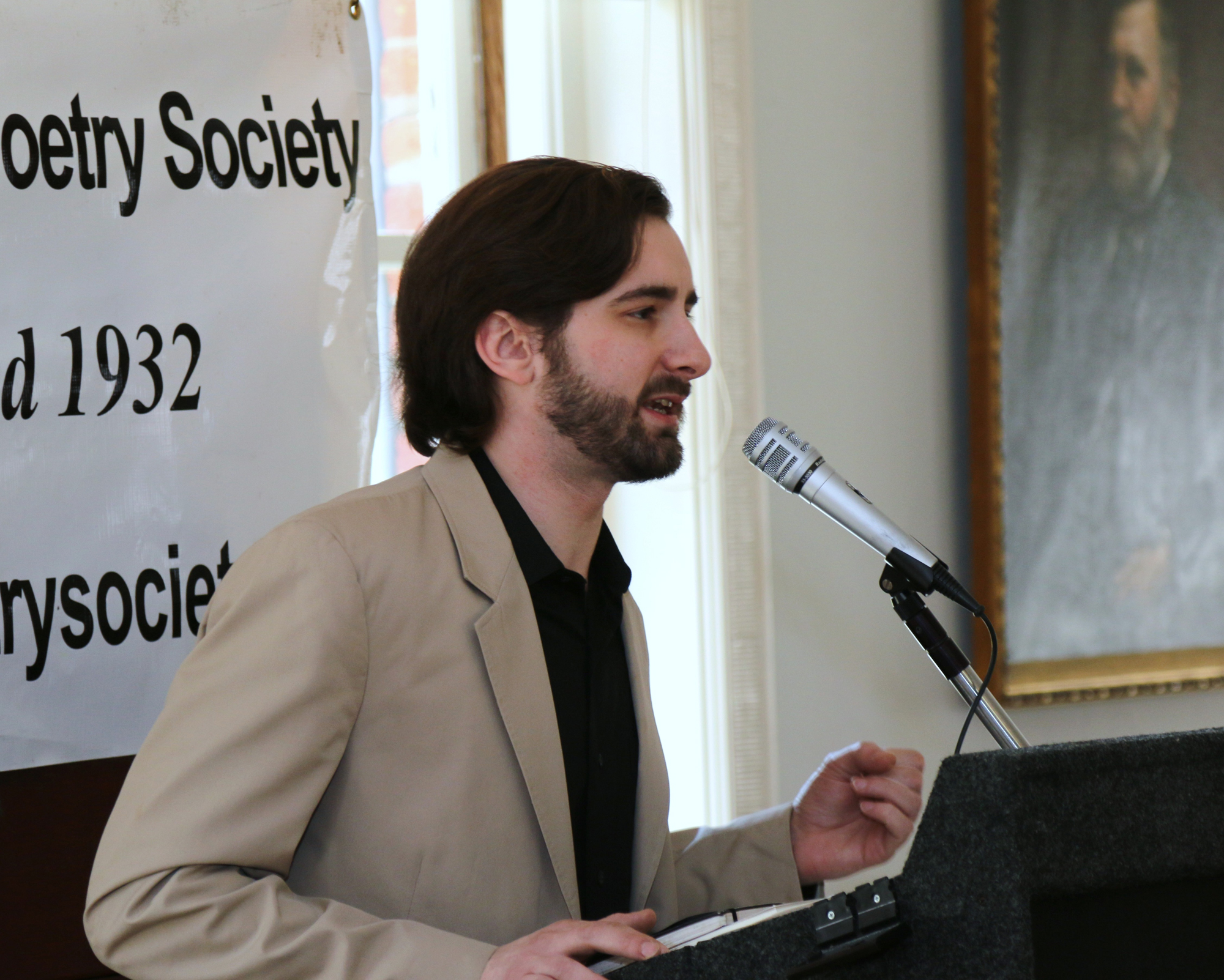
I don’t remember a lot about Santayana, even less about P Chem, but I remember the good teachers. The ones who make you want to learn the subject. The ones who convince you that you can learn. That’s what strikes me as I read this poem by Lenard D. Moore. That’s what struck me seeing him with his student, Morgan Whaley Lloyd, at the Sam Ragan Poetry Festival last month. Lenard was Morgan’s mentor in the Gilbert-Chappell Distinguished Poet program and he invited her to return and read with him at the 10th anniversary celebration. Lenard makes the lectern thump and hop when he reads; he throws lightning bolts with his poems. You can tell Morgan has been lit up by one of those bolts. You can tell she loves language.

*     *     *     *     *

IMG_1506_resize01

The Good Students          –           Lenard D. Moore

I cast metaphors
from front of the classroom,
an urgency of brine on the air.
Necks crane,
eyes target the ceiling,
as if a trope might drop,
sprawl across the tables.

Can they bring up
starfish, jellyfish or blowfish
in such salty spewing
in brilliant autumn sunlight
while hands flounder
across blank journal-pages
hot and desperate for words?

Now that an hour rings
their heads lower,
nets hook some blue crabs
clawing into the hearts of poems
in this moment of classroom lore,
dragging pens between lines,
white edges of shores.

The Good Students originally appeared in Solo Café 8 & 9: Teachers and Students (Solo Press, 2011).

*     *     *     *     *

IMG_1510_resize01

Joy in The Run           –          Morgan Whaley Lloyd

Knees crack like an ungreased lever
Short steps, pounding pavement.
The stiffness begins to wear off;
the first mile was the warm up
‘Miles to go before I sleep’
The future is uncertain, find joy in run, for fear is just a test.

Obstacles begin to appear dim and distant,
but before I know it, they catch up to me.
I have to reroute to stay the course.
Short, staggering breaths as I trek the puddled sidewalk
adorned with last night’s spring shower.
The future is uncertain, find joy in run, for fear is just a test.

A wash out causes me to stumble
my ankle has a meeting with death,
but the quickness of cat-like reactions
returns my stance to center
my balancing beam arms retract.
The future is uncertain, find joy in run, for fear is just a test.

This turn reveals turbulence.
My feet tap the concrete, and
I feel like a deer gliding through a wood.
My steps are gentle to lessen the impact.
Eyes, lasered on the clearing.
The future is uncertain, find joy in run, for fear is just a test.

The sun shines; I’m blinded by its glare.
Trusting my senses, I am lead by smells of honeysuckle and pine.
A cool breeze entices the nerves in my legs.
My insecurities are left behind.
Then, a dog barks from a nearby home, and my senses awaken.
The future is uncertain, find joy in run, for fear is just a test.

The sidewalk, sprinkled with challenges,
The crowded highway with distractions
just waiting to pull me away has formed a cross.
I decrease my speed, clueless as which road is the
‘less traveled by’ or which will make ‘all the difference’
The future is uncertain, find joy in run, for fear is just a test.

My skin is weathered by the trip
The scares are passport entries detailing my every move
My steps cannot be undone
My path cannot be retraced
The journey is the trophy
The future is uncertain, find joy in run, for the only fear you should have is the end.

*     *     *     *     *

IMG_1518_resize01

*     *     *     *     *

Geek Alert: I got an A in P Chem . . . and an A in American Lit.

*     *     *     *     *

IMG_1572_resize01

IMG_1555_resize01

Morgan Whaley Lloyd is English Department Head at James Kenan High School in Duplin County, NC.

Lenard D. Moore is Executive Chairman of the North Carolina Haiku Society, among many other teaching and writing responsibilities; see additional bio at South Writ Large.

Lenard’s most recent book is A Temple Looming.

Other poems by Lenard at Connotations Press and Cordite Poetry Review

*     *     *     *     *

IMG_1626_resize01

IMG_1658_resize01

*     *     *     *     *

IMG_7491

Read Full Post »

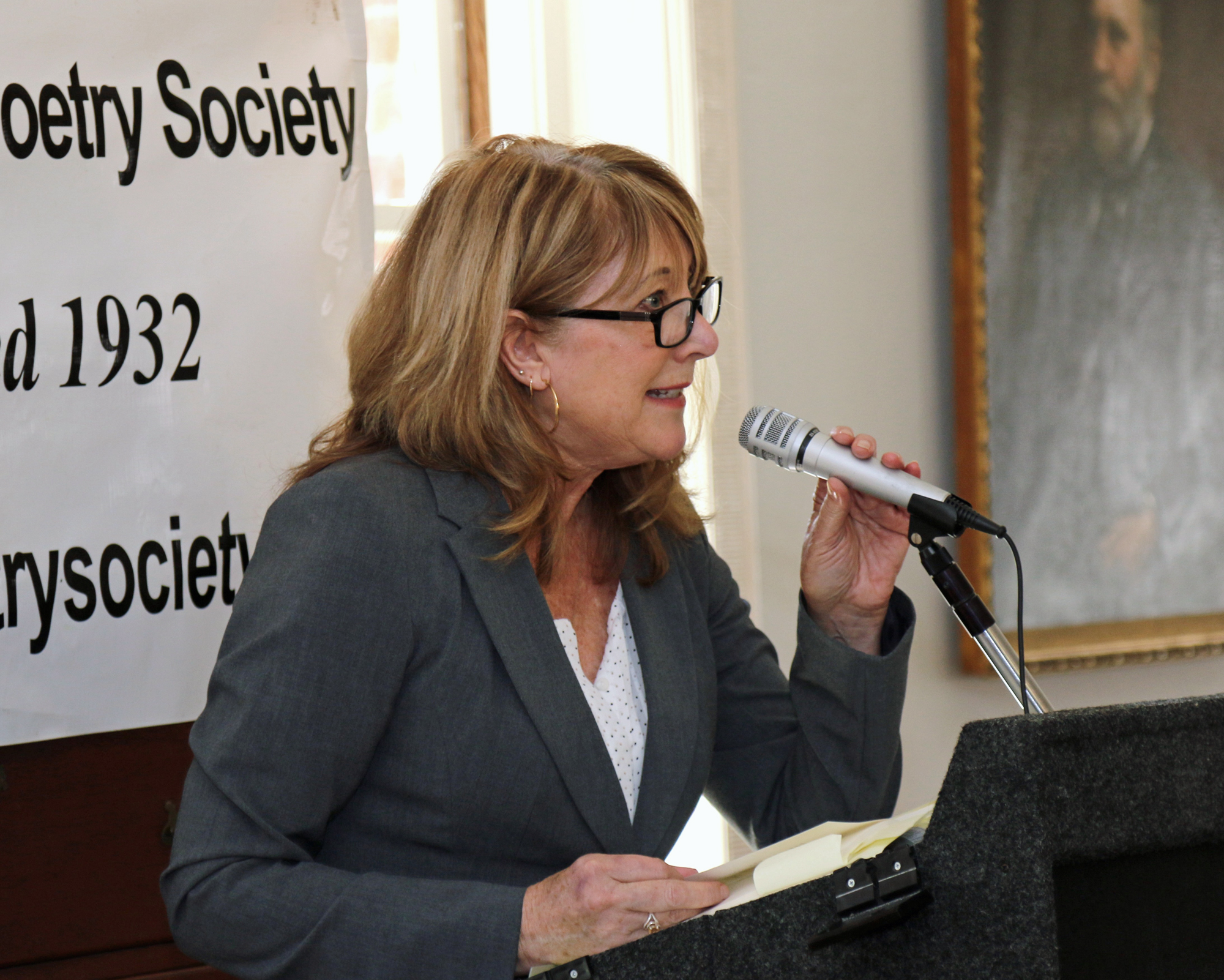
She – or is it he? – steps up to the lectern, adjusts the mic, unfolds a sheet of paper. Tells a funny little story about arriving in this place, the hour’s drive, the decades’ journey. Mentions a connection with a character in the poem. An influence from another poet, a friend, family. Clears his – or is it her? – throat.

And then reads the poem.

And we who are listening to this person for the first time or who have known her and her work for years, we step into her world. The images unfold into our imaging, the story connects us to the person who was and has become this person, we add lines between the lines as they enlighten our own story. We step into our own world along a new path, familiar yet unfamiliar, and now populated by this person and her poem.

Is this how it’s supposed to be? Shouldn’t a poem walk in on its own legs, open its own mouth? Whose voice is speaking? Does it even matter who wrote these lines? Unlined face or gray at the temples? Scholar or laborer? Woman or man? Tell me, because I want to connect with the poetry. Tell me, because I’m connected to the person.

IMG_1661_resize01

*     *     *     *     *

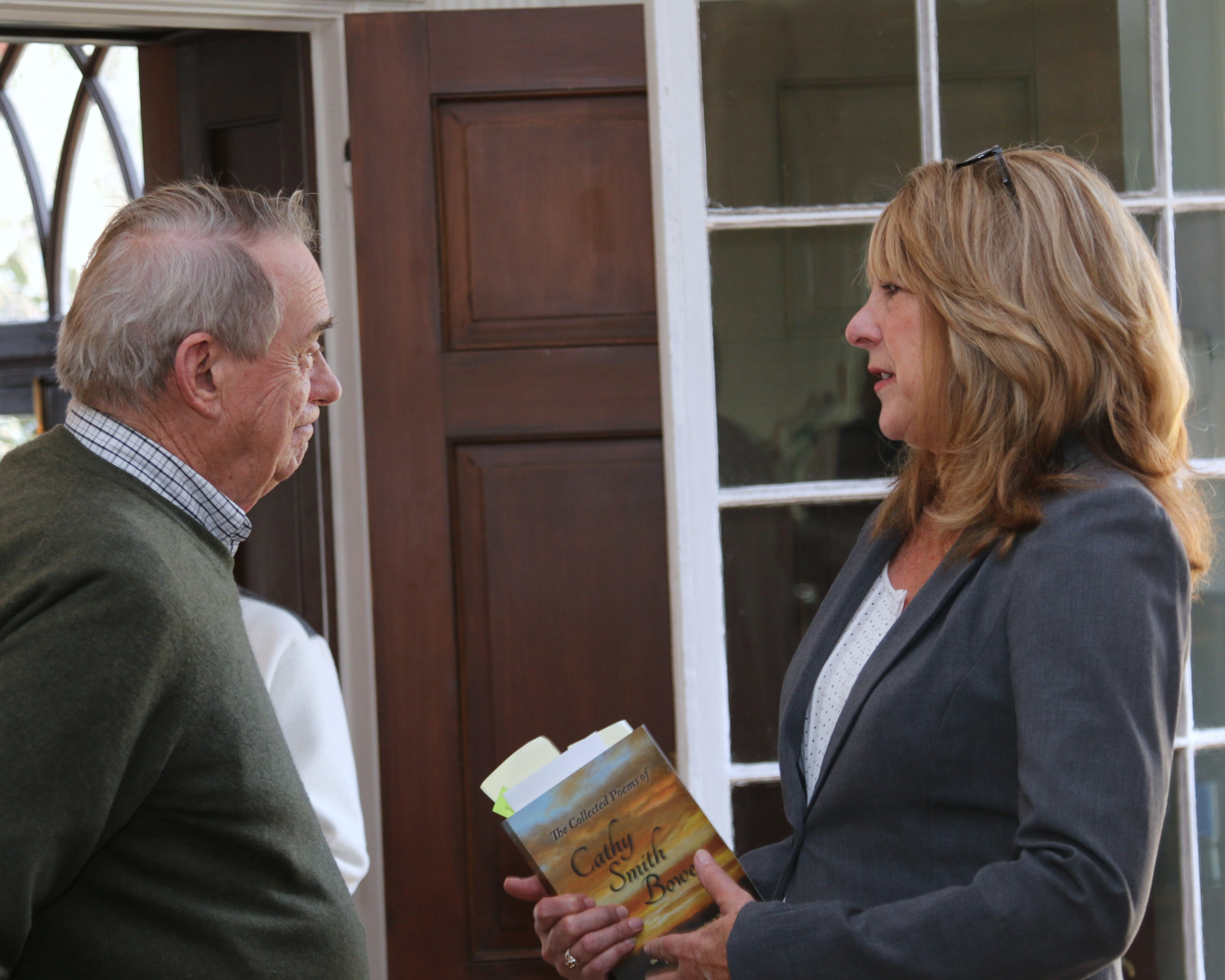
The first thing former NC Poet Laureate Cathy Smith Bowers told us at the Sam Ragan Poetry Festival was how bad her early poems were. Oh right, Cathy, as if we believe you could write a bad line. The second thing was to credit Fred Chappell for teaching her that poetry can include humor, this after Fred had read us several re-imagined fables with wickely tart morals.

And the third thing Cathy told, after doubling us over with helping after helping of her own outrageous stories, was that she pines to be able, like Fred, to meld the humorous with the profound. Hmmm. She may have nailed that with this one:

*     *     *     *     *

IMG_1491_resize01

Syntax          –           Cathy Smith Bowers

Where haunts the ghost after the house
is gone? I once wrote. First line of my first
poem in my first creative writing class. I’d
been reading Byron, Keats, and Shelly, lots
of Poe, loved how the cadence of their words
fit the morass my life had fallen to. I had
stayed up all night, counting stressed
and unstressed syllables, my mother’s
weeping through the door of her shut room
echoing the metrics of my worried words.
It was the year our family blew apart,
my mother, brothers and sisters and I fleeing
in the push-button Rambler with no reverse
an uncle had taught me to drive. I loved that poem,
finally knew how words the broken and bereft
could alchemize, couldn’t wait to get to class,
could hear already in my mind that teacher’s
praise. When it came my turn to read, the paper
trembled in my hand, my soft voice cracked,
years passed before I reached the final word,
before she took the glasses from her nose
and cocked her head. You’ve skewed your syntax
up was all she said. I remember nothing else
about her class. That spring her house burned
down, she died inside. Where haunts the ghost
after the house is gone? I had several alibis.

From The Collected Poems of Cathy Smith Bowers, Press 53, 2013

IMG_1488_resize01

IMG_1490_resize01

*     *     *     *     *

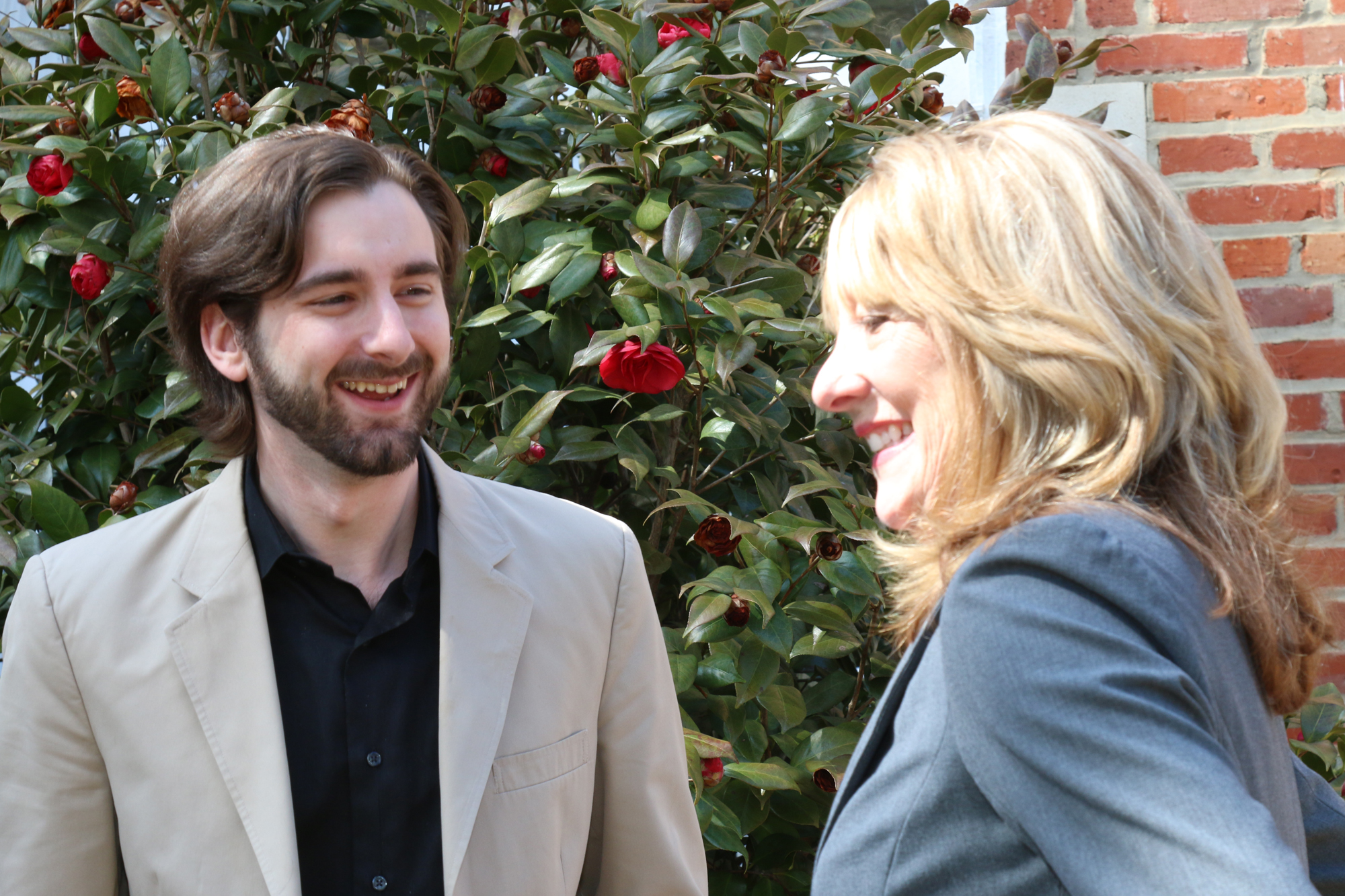
Cathy Smith Bowers and Caleb Beissert met as mentor and student through the Gilbert-Chappell Distinguished Poet Series and we shared their reunion at Sam Ragan Poetry Festival, March 21, 2015.

*     *     *     *     *

IMG_1494_resize01

IMG_1500_rezize01

Light in an Upstairs Window           –          Caleb Beissert

Reptilian plants crouch in the corners climbing
curtain rods. Darkness sweeps over the house.

Four friends walk a mountain trail to a darkened
tower, stacked firewood not far from the old cabin.

Mystery grows deeper in the old growth forest,
in the clusters of stars, in the study in the house.

The yard surrounds, like a secret army poised and hushed
in the emptiness. Silent horses. The austere house.

The faithful dog has seen something invisible
and makes known he wishes to be let out of the house.

Among the vanilla of books, the lamp-lit pages
run with ink, producing distant lands beyond these walls.

*      *     *     *     *

IMG_1594_resize01

Cathy Smith Bowers bio

Books by Cathy

Caleb Breissert Bio

IMG_1483_resize01

“This is about how big Annalee Kwochka was when she became my student.”

*     *     *     *     *

IMG_1948

Read Full Post »

« Newer Posts - Older Posts »