Feeds:
Posts
Comments

Posts Tagged ‘GCDPS’

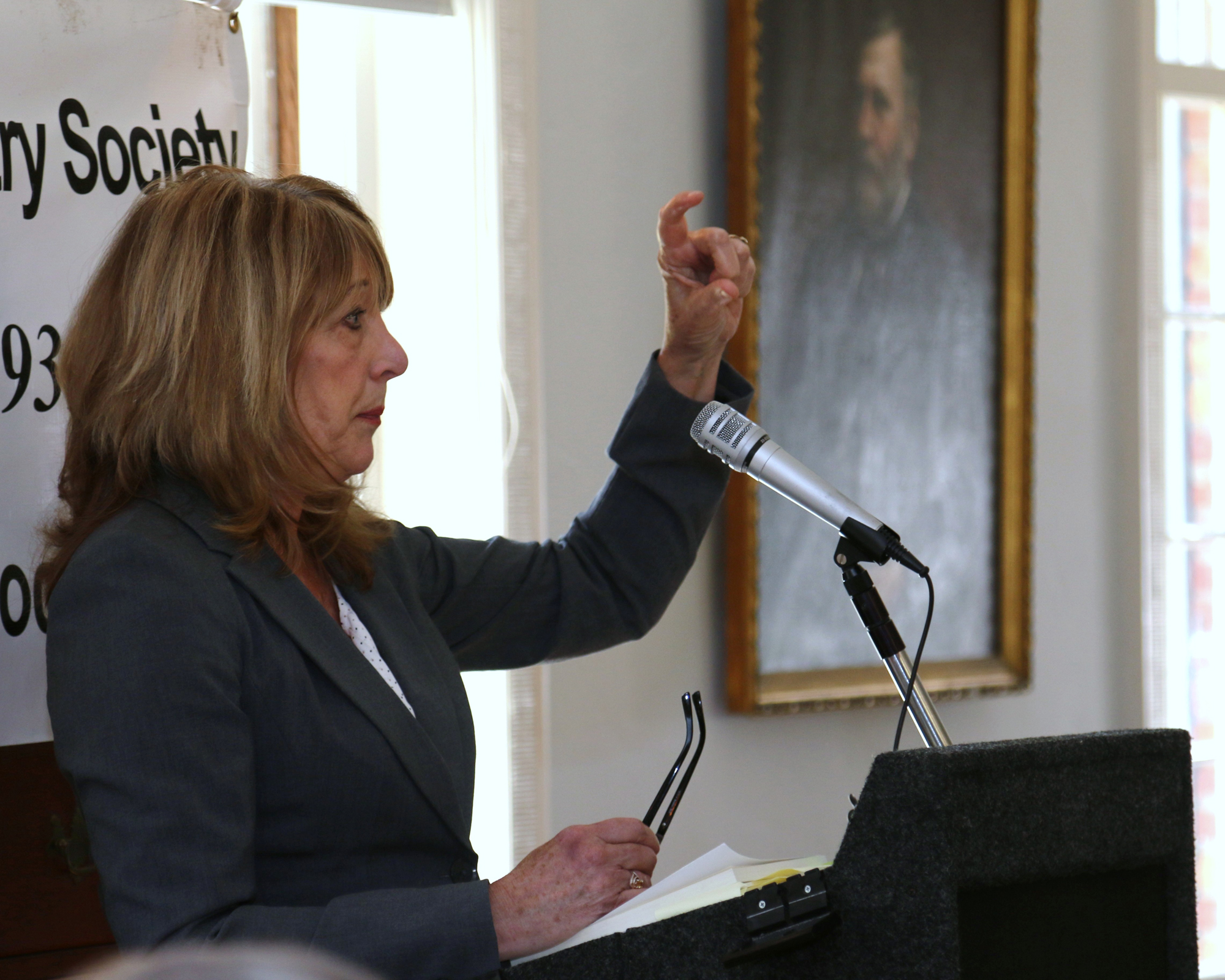
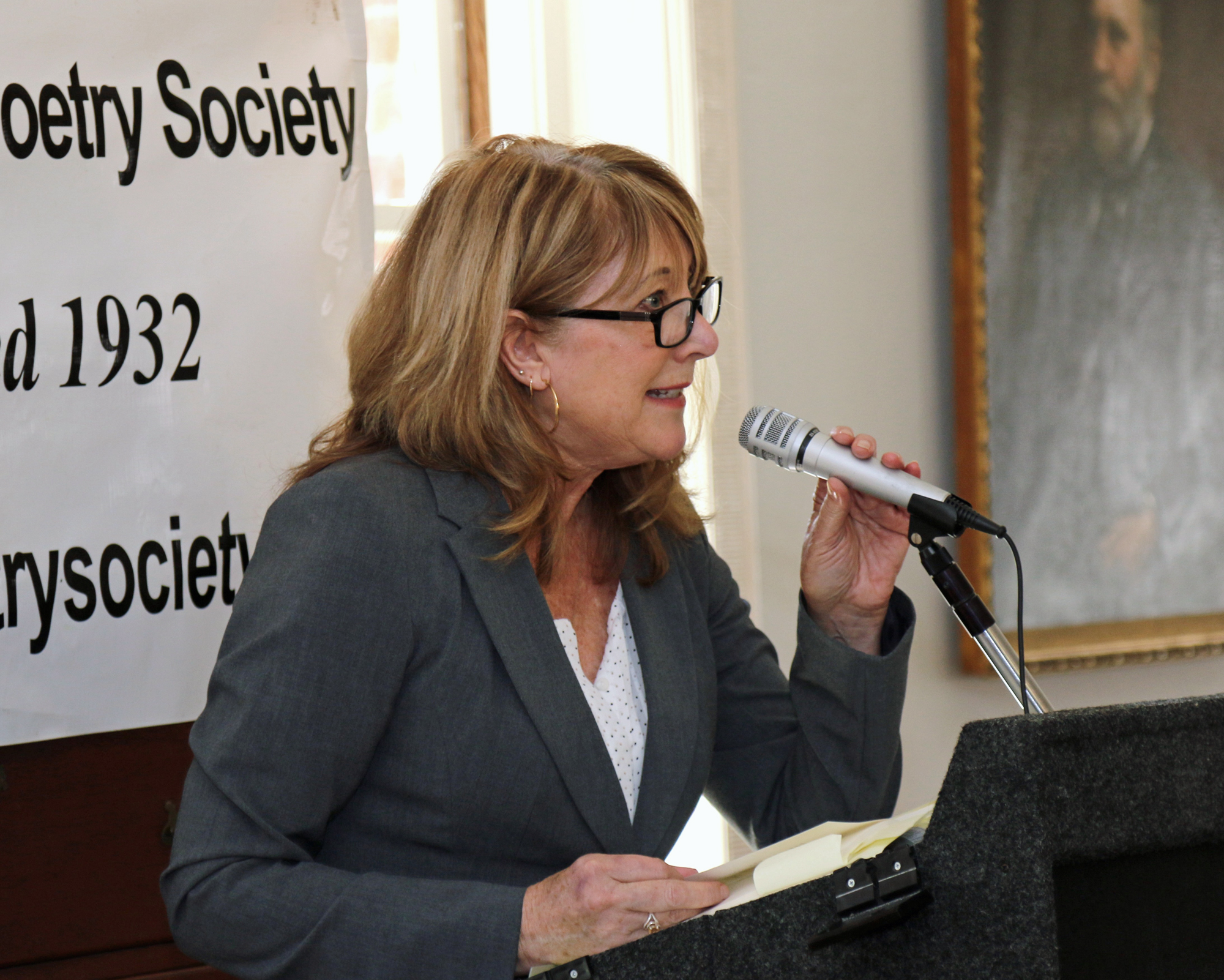
She – or is it he? – steps up to the lectern, adjusts the mic, unfolds a sheet of paper. Tells a funny little story about arriving in this place, the hour’s drive, the decades’ journey. Mentions a connection with a character in the poem. An influence from another poet, a friend, family. Clears his – or is it her? – throat.

And then reads the poem.

And we who are listening to this person for the first time or who have known her and her work for years, we step into her world. The images unfold into our imaging, the story connects us to the person who was and has become this person, we add lines between the lines as they enlighten our own story. We step into our own world along a new path, familiar yet unfamiliar, and now populated by this person and her poem.

Is this how it’s supposed to be? Shouldn’t a poem walk in on its own legs, open its own mouth? Whose voice is speaking? Does it even matter who wrote these lines? Unlined face or gray at the temples? Scholar or laborer? Woman or man? Tell me, because I want to connect with the poetry. Tell me, because I’m connected to the person.
IMG_1661_resize01

*     *     *     *     *

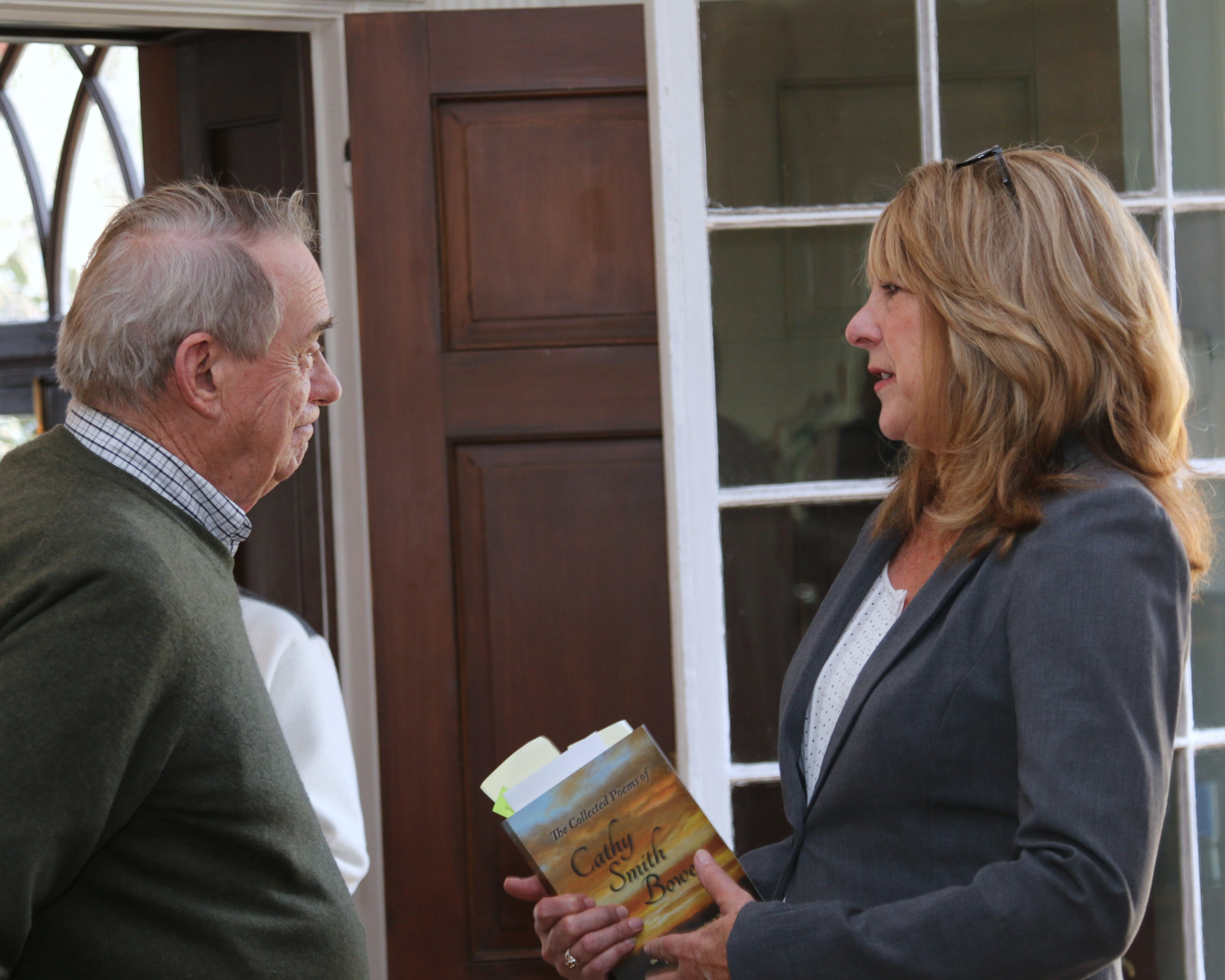
The first thing former NC Poet Laureate Cathy Smith Bowers told us at the Sam Ragan Poetry Festival was how bad her early poems were. Oh right, Cathy, as if we believe you could write a bad line. The second thing was to credit Fred Chappell for teaching her that poetry can include humor, this after Fred had read us several re-imagined fables with wickely tart morals.

And the third thing Cathy told, after doubling us over with helping after helping of her own outrageous stories, was that she pines to be able, like Fred, to meld the humorous with the profound. Hmmm. She may have nailed that with this one:

*     *     *     *     *
IMG_1491_resize01

Syntax          –           Cathy Smith Bowers

Where haunts the ghost after the house
is gone? I once wrote. First line of my first
poem in my first creative writing class. I’d
been reading Byron, Keats, and Shelly, lots
of Poe, loved how the cadence of their words
fit the morass my life had fallen to. I had
stayed up all night, counting stressed
and unstressed syllables, my mother’s
weeping through the door of her shut room
echoing the metrics of my worried words.
It was the year our family blew apart,
my mother, brothers and sisters and I fleeing
in the push-button Rambler with no reverse
an uncle had taught me to drive. I loved that poem,
finally knew how words the broken and bereft
could alchemize, couldn’t wait to get to class,
could hear already in my mind that teacher’s
praise. When it came my turn to read, the paper
trembled in my hand, my soft voice cracked,
years passed before I reached the final word,
before she took the glasses from her nose
and cocked her head. You’ve skewed your syntax
up was all she said. I remember nothing else
about her class. That spring her house burned
down, she died inside. Where haunts the ghost
after the house is gone? I had several alibis.

From The Collected Poems of Cathy Smith Bowers, Press 53, 2013
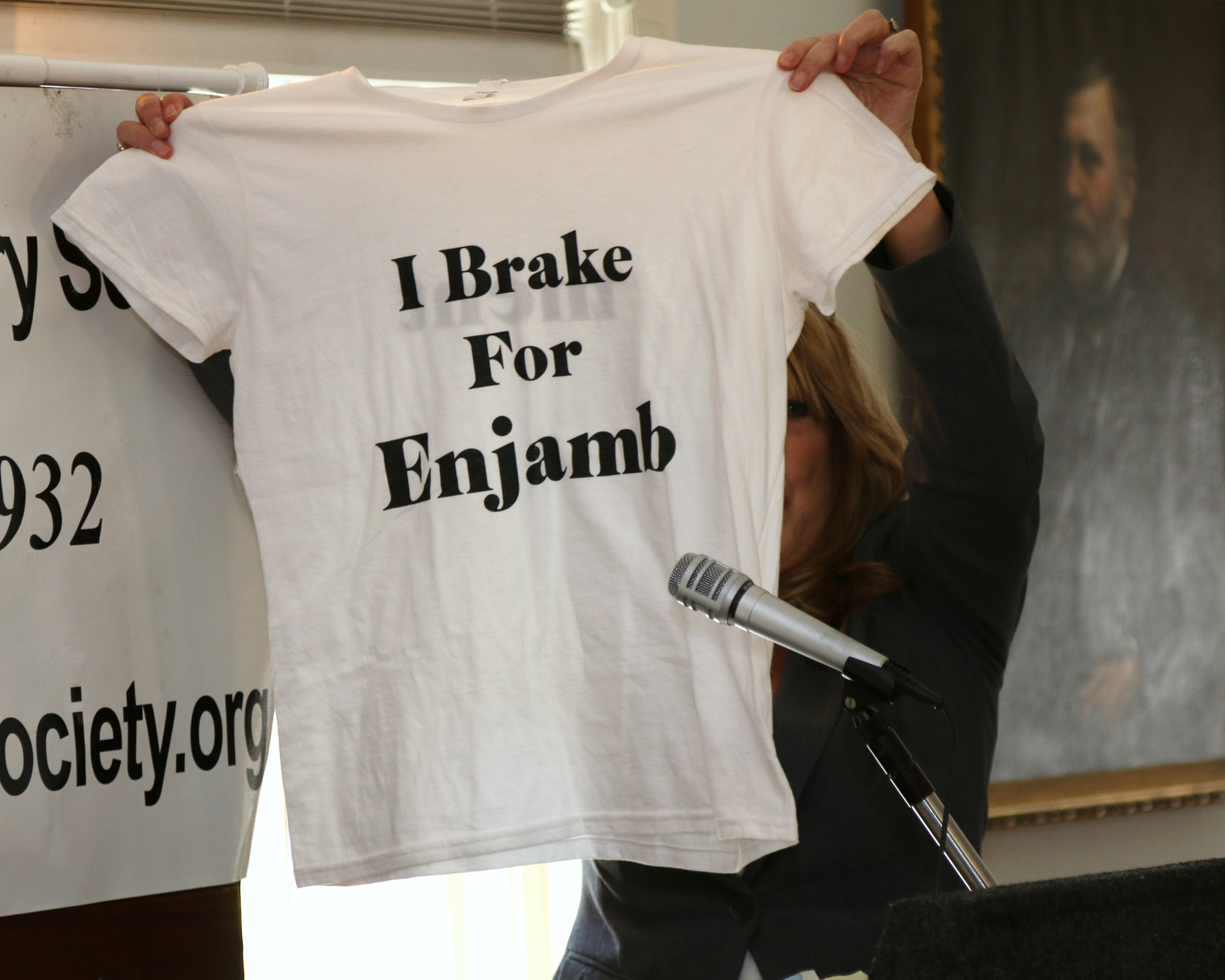
IMG_1488_resize01

IMG_1490_resize01

*     *     *     *     *

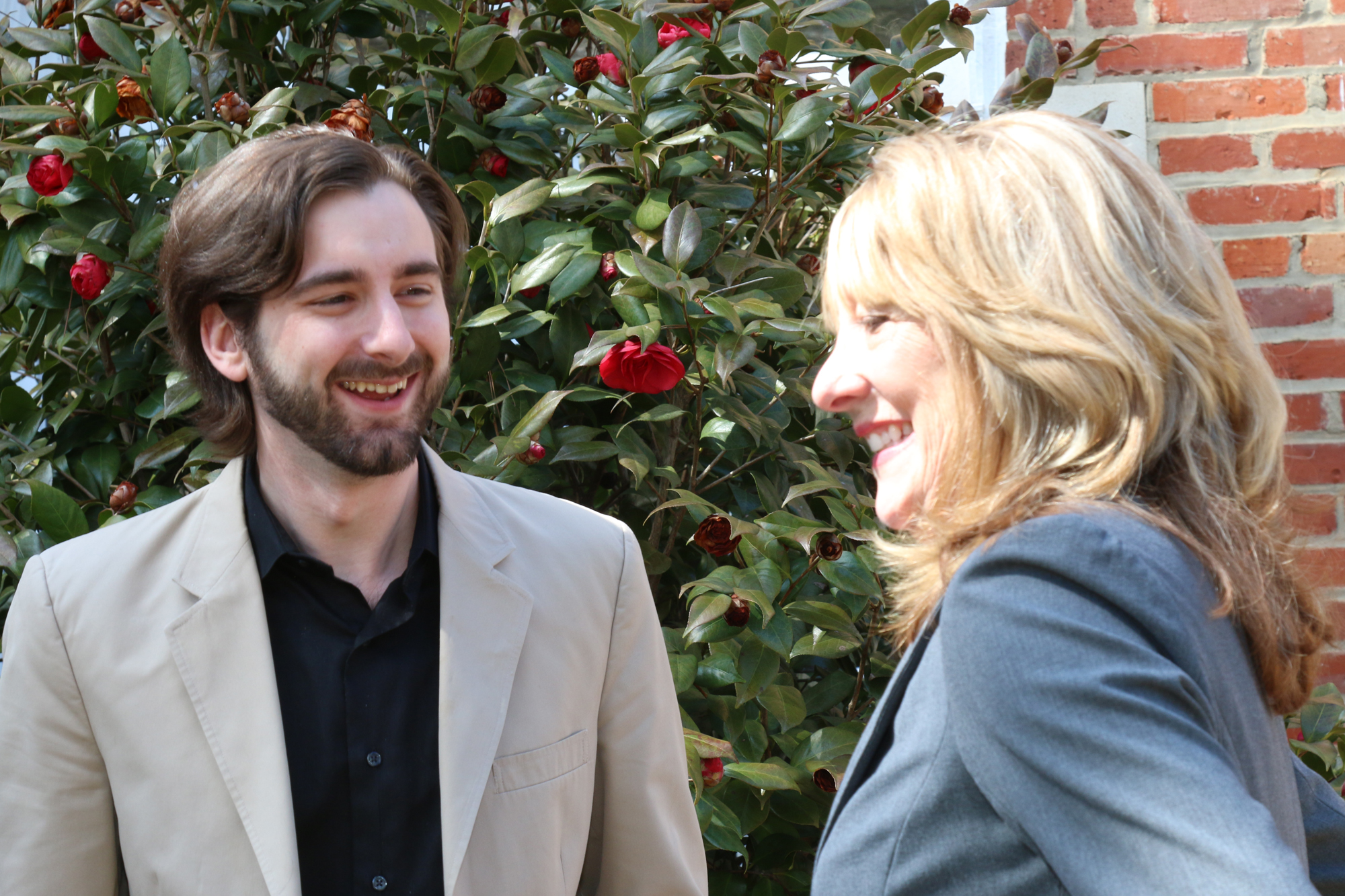
Cathy Smith Bowers and Caleb Beissert met as mentor and student through the Gilbert-Chappell Distinguished Poet Series and we shared their reunion at Sam Ragan Poetry Festival, March 21, 2015.

*     *     *     *     *

IMG_1494_resize01

IMG_1500_rezize01

Light in an Upstairs Window           –          Caleb Beissert

Reptilian plants crouch in the corners climbing
curtain rods. Darkness sweeps over the house.

Four friends walk a mountain trail to a darkened
tower, stacked firewood not far from the old cabin.

Mystery grows deeper in the old growth forest,
in the clusters of stars, in the study in the house.

The yard surrounds, like a secret army poised and hushed
in the emptiness. Silent horses. The austere house.

The faithful dog has seen something invisible
and makes known he wishes to be let out of the house.

Among the vanilla of books, the lamp-lit pages
run with ink, producing distant lands beyond these walls.

*      *     *     *     *
IMG_1594_resize01

Cathy Smith Bowers bio

Books by Cathy

Caleb Breissert Bio

IMG_1483_resize01

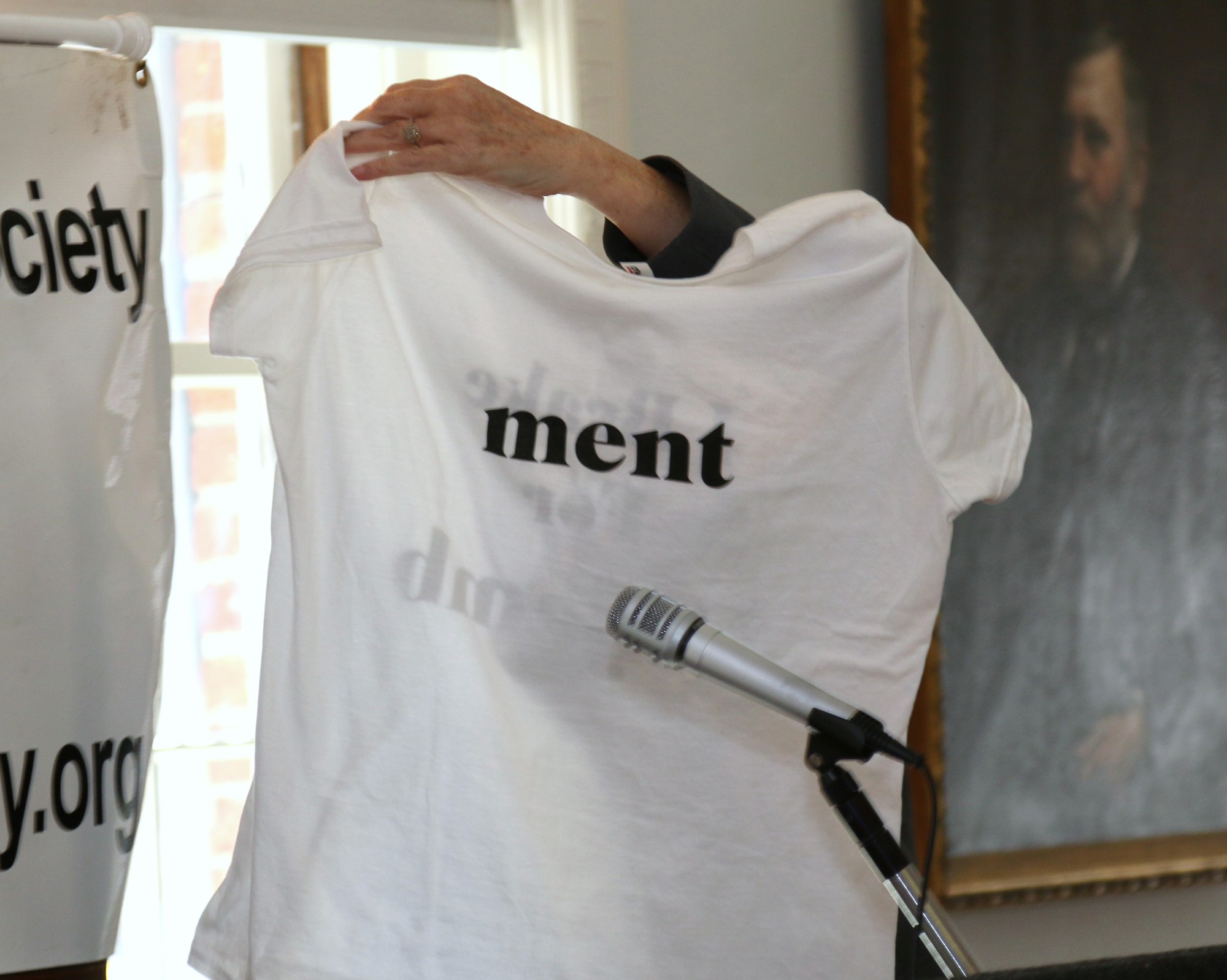
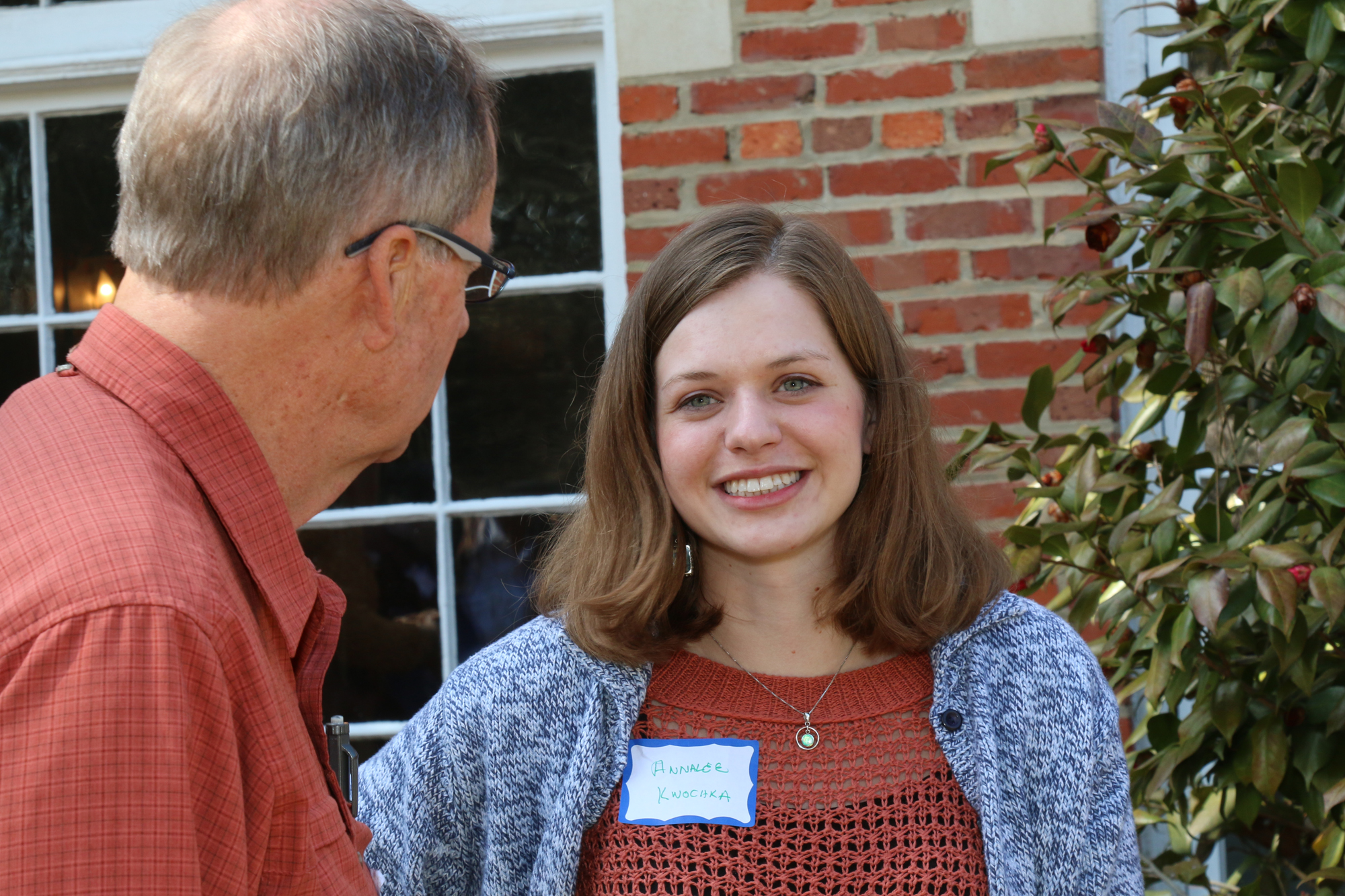
“This is about how big Annalee Kwochka was when she became my student.”

*     *     *     *     *
IMG_1948

Read Full Post »

All that morning’s scenes recurred to his mind,
not with the precision of everyday reality nor with the sharp outline
of things seen, but with the peculiar intensity of things felt.

Georges Simenon, The Evidence of the Altar Boy

 *     *     *     *     *

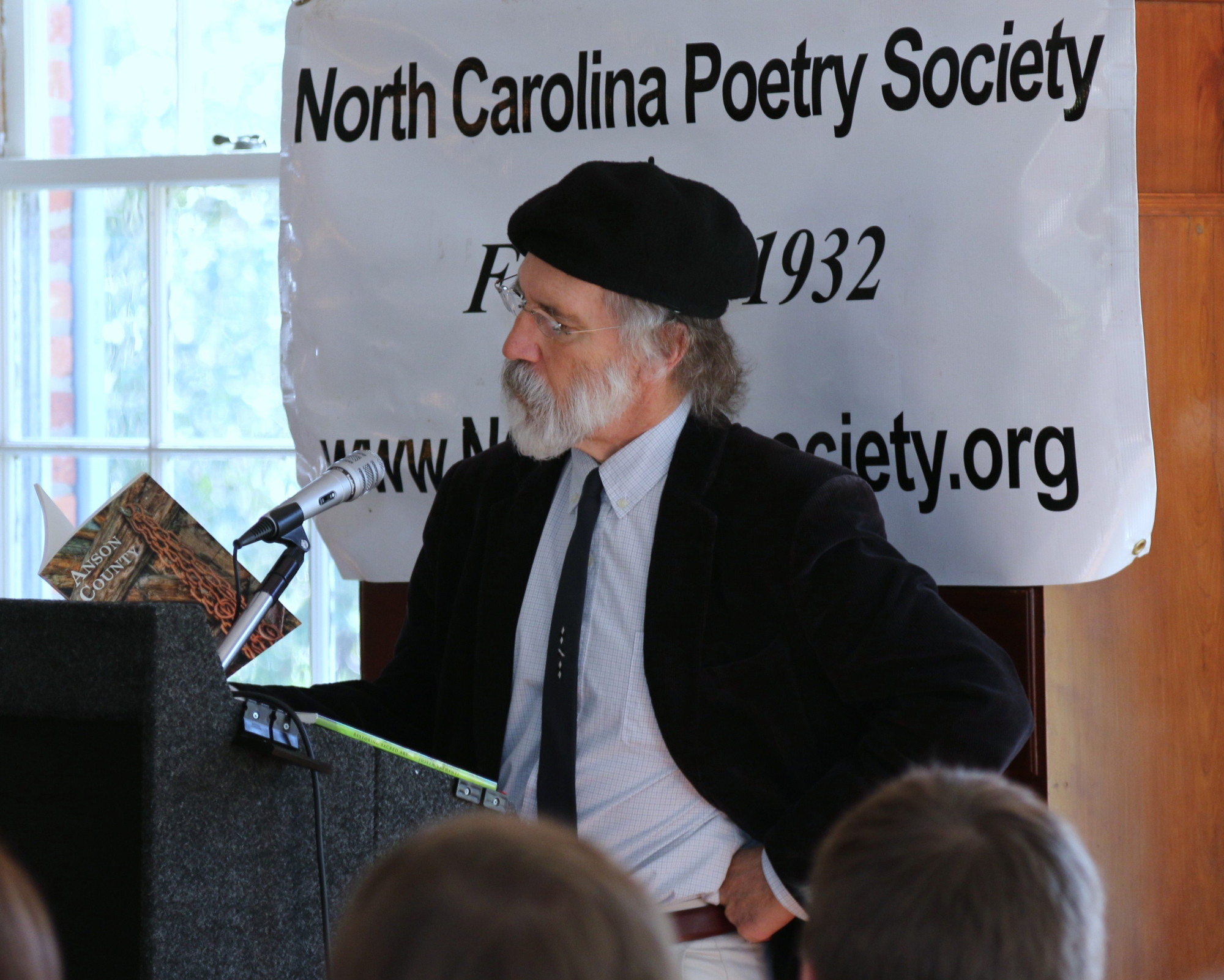
I spent a sizable chunk of the Sam Ragan Poetry Festival peering through a camera lens. Mostly waiting. Angle, composition, exposure, they were all displayed right there in the viewfinder, but I was waiting for something else. That tilt of the head, the outstretched hand, the merest curl of the lip — expression. Something personal in the personality.

Has anyone ever asked you what some certain poem is about? Has your answer ever been anything other than inane? Not only is a poem more than the sum of its words, the true poem doesn’t really fully exist until it has been assimilated by the reader. The poem’s expression and the reader’s impression combine to create the poem’s meaning. What it’s about. In one reader that peculiar intensity may produce a slight tilt of the head, in another an outstretched hand, in the third a gradual curl of the lip.

Every photo records and preserves a moment, its expression. The matrix of pixels may be technically perfect, but is it interesting? Does it create an impression? A good photograph may have something in common with good poetry. The viewer doesn’t merely remark, “Oh, I was there.” Some novel synapses fire, some new cortical amalgam is forged — “I am here!” In fact I’m in a new place that wasn’t obvious until I connected with this image.

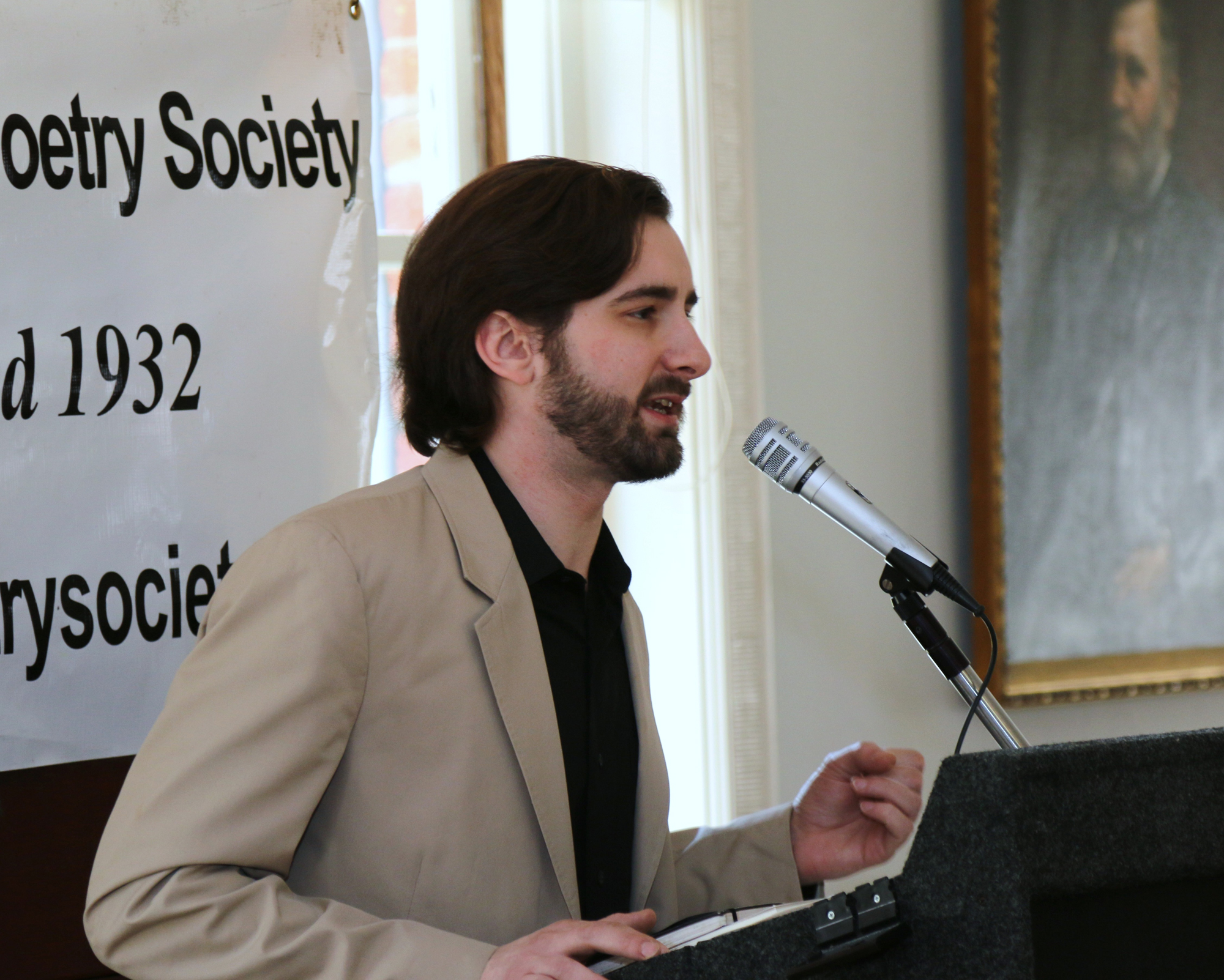
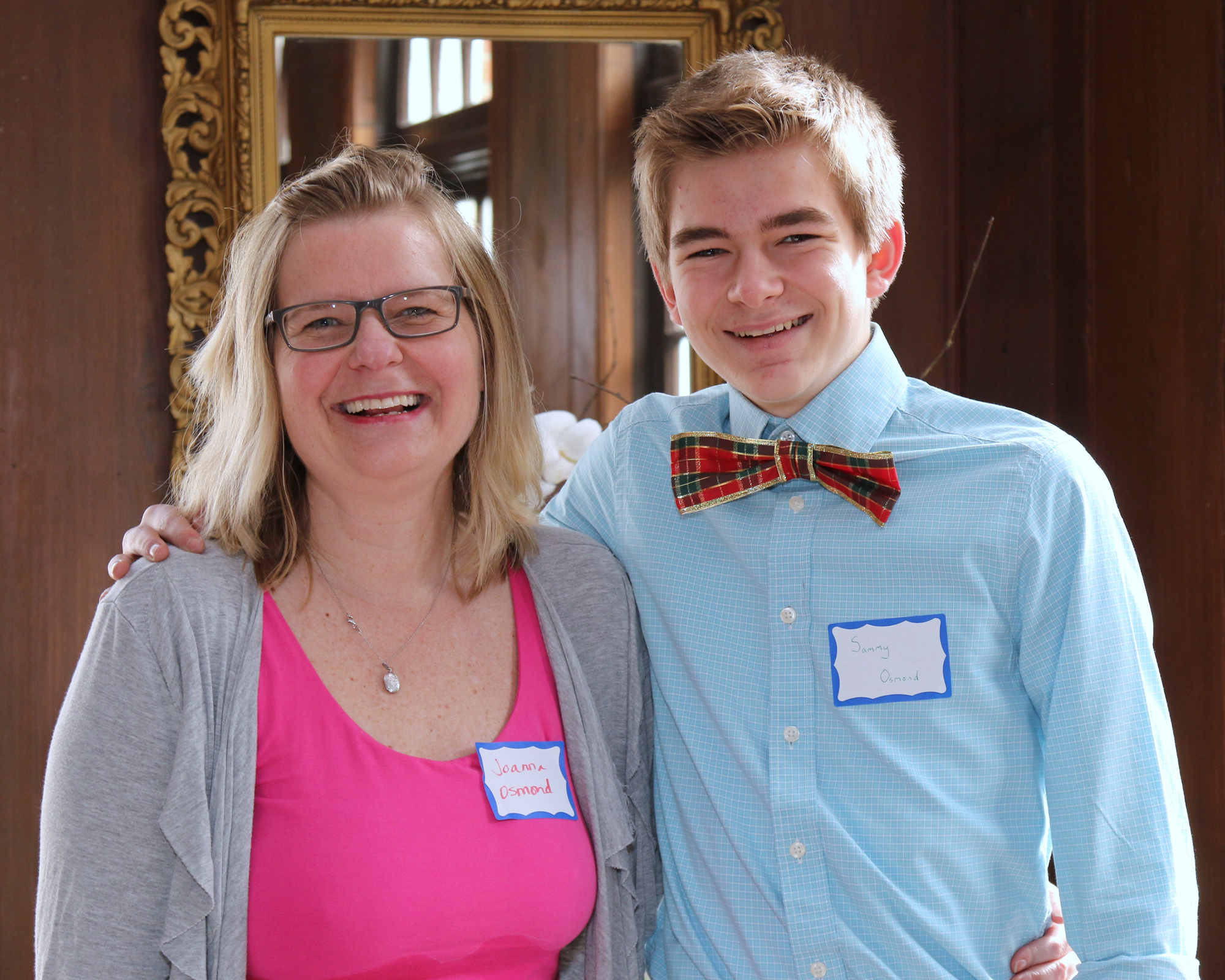
Does this photo connect? I can’t tell you what it’s about, but I will say Sammy Osmond is standing at the lectern and his mom is listening:

IMG_1383_resize01

*     *     *     *     *

Joseph Bathanti was Sammy Osmond’s mentor through the Gilbert-Chappell Distinguished Poet Series. I was Joseph’s student in a workshop series lo these many years ago and my lasting impression of him as a teacher and a person is someone whose enthusiasm is contagious. Literally. You catch it, it incorporates itself into your genome, and you’re never cured. You just don’t get over being enthusiastic for words, verse, stories. (Sorry, Joseph, for the retrovirus analogy.) Maybe Sammy was becoming a poet before he met Joseph, but after listening to Sammy read his wonderful poems at Weymouth on March 21 and after watching the relaxed bond of friendship he and Joseph shared throughout the day, my diagnosis is that Sammy has caught a bad case of poetry, real bad.

IMG_1589_resize01

*     *     *     *     *

IMG_1366_resize01

Anson County           –           Joseph Bathanti
(for Joan)

You come off the bed
as if expecting me,

take my hand, the morning
of your thirtieth birthday.

Not quite light, perfect
for the movie we’ve talked of making.

We bicycle the 8 ½ mile loop –
the dogs, one of them blind, lope

ecstatically – gravel
the first two miles,

the ruined church on Savannah Creek,
in a cottonwood swamp that floods

every spring; then a long tar road:
abandoned farmsteads. The last crop –

corn, give-out haggard, by late July,
left to hang into Advent – down

by the Pee Dee, the Ingram Plantation
where Andrew Jackson stopped

to have his hair cut by a slave girl.
The light is like Petrified Forest.

You’re Bette Davis. I’m Leslie Howard.
You read Francois Villon

and work in a diner in the middle of the desert.
I arrange my own murder

at the hands of Bogart, so you, Davis,
can cash in on my insurance policy.

Tragic beauty.
We avoid making a sad film,

Instead ride into the rising sun
among the regal bucks,

their unfathomable
algorithmic racks, gathered

in homage to you, roaming
McAllister land –

what I had wakened
you so early to witness.

*     *     *     *     *

IMG_1378_resize01

Vividity          –          Sammy Osmond

I want to paint vivid pictures,
You close your eyes to see,
Use your ears to smell,
Empty air to taste
And your mind to hear.

I want you to feel like you’re touching it.

A rainy day –
Just slightly cool
Caresses your face
And, even though you stand under shelter,
The breeze carries the rain to you
So your cheeks bear a watermark.

A rainy day –
Heavy drops landing from eaves around,
A bass drum beneath the light hiss of misty droplets.
A car rattles by.
People pass you, feet splashing into inch-deep puddles,
They chatter to their phones.

A day of rain-
Cold air,
A hint of sharp gasoline rides in the wake of a taxi.

A rainy day –
Light fog whirls and curls
Around grey figures.
Red and blue “Open” signs lay distorted in puddles,
Flashing a message up to you.
The ground glistens,
As if the black tar wants to be crystal.
And oil rainbows glide, like boats, across the street,
Then fall through rusty brown grates.

A day of rain-
You drink the air
As though it is fresh ground coffee
From the cafe you pass by,
Letting it rest on your tongue,
Before the cool condensation crowds it out.

Pictures,
To touch,
hear,
taste,
smell,
to see.

*     *     *     *     *

IMG_1329_resize01

IMG_1273_resize01

*      *      *     *     *

Joseph Bathanti, recent bio

Books by Joseph at Press 53

*      *     *     *     *


IMG_1440_resize01


IMG_1310_resize01

*     *     *     *     *

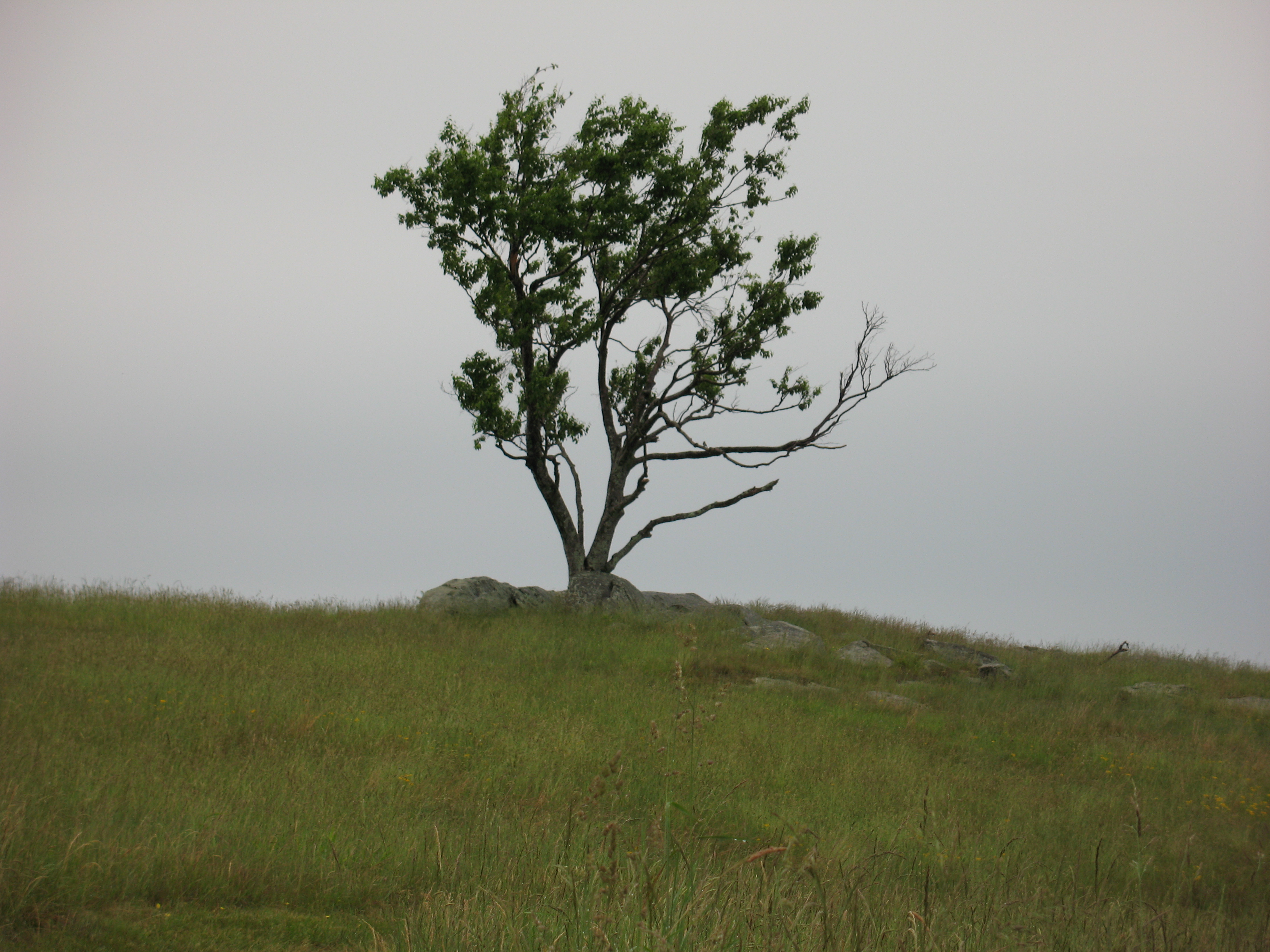
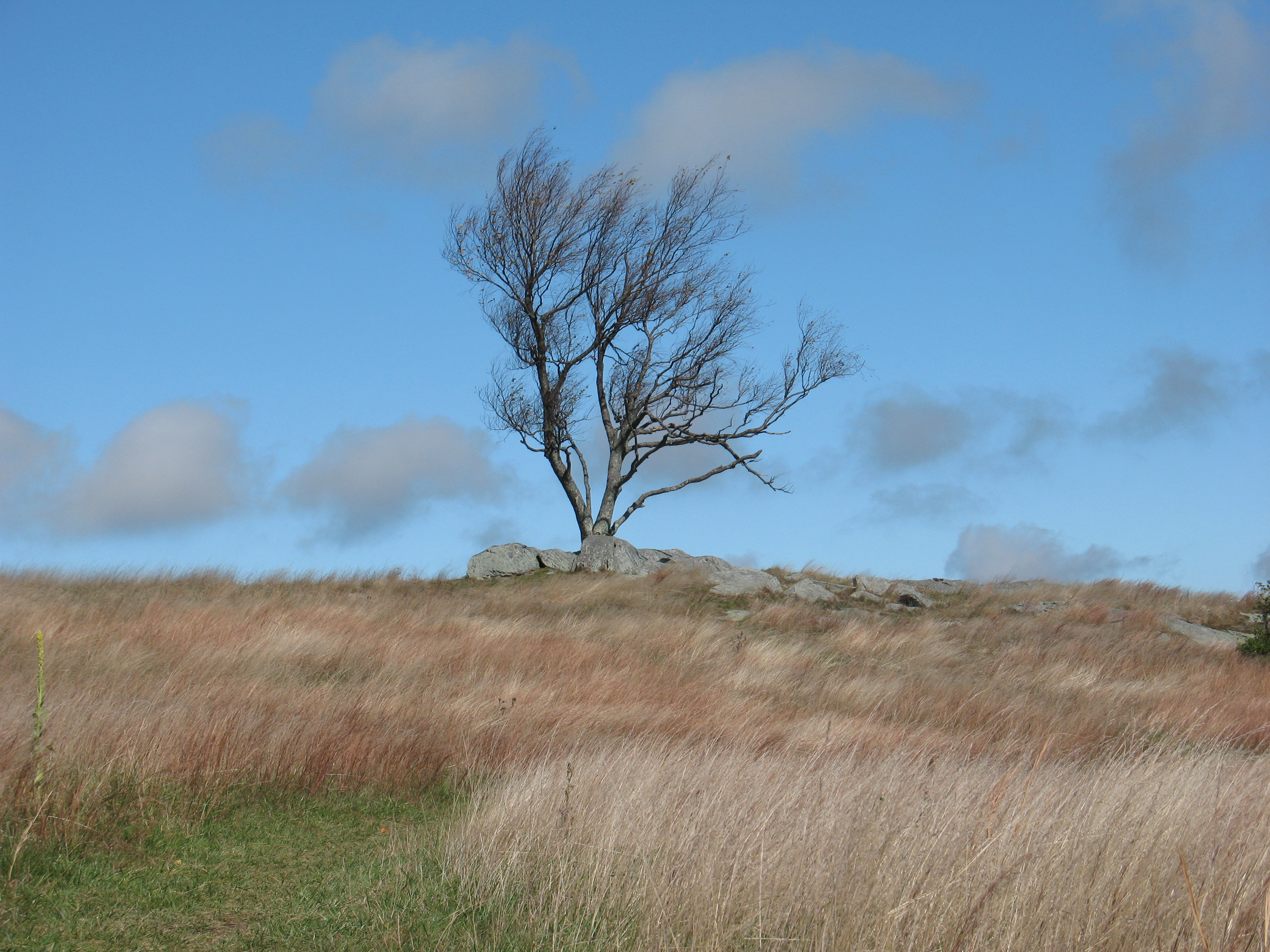
Doughton Park Tree #1

Read Full Post »

green vertebrae cradling all the wood-bone of your years

Poetry exalts. Yes, that’s right, it transports you up and out of dreary into ethereal. No it doesn’t. That’s all wrong. Poetry grounds you. It brings you right on down to where you can plunge fingers and toes into clay, grow roots. How else could you ever expect to leave? Still wrong. Think again. Poetry doesn’t change you at all. It catches you in the moment, this moment, right now, and shows you the you you really are.

So who’s right? How about this: Poetry = Salt. Here’s what the cookbook says – “salt makes food taste more like itself.” Poetry? Makes life taste more like itself. I’m sitting here eating a bowl of lentils. Onion, tomato, even the bay leaf can’t rescue it from bland. A fine sprinkle of poetry: an angel named Gracie; my sapped body a river that floods without regard; green mountains to lift me from the sinking sand. Now that’s tasty. More than tasty, that’s umami. More than base sustenance, that builds muscle. Wings, roots, soul – serve it up!

*     *     *     *     *

IMG_1418_resize01

Sam Ragan Poetry Festival, March 21, 2015 in Southern Pines – a tenth anniversary gathering of poet mentors and their students from the Gilbert-Chappell Distinguished Poet Series. During its first ten years GCDPS (named for founders Marie Gilbert and former NC poet laureate Fred Chappell) has sponsored dozens of students of all ages to work with the finest poets from around North Carolina. A complete reunion of readings would take a full week but this one Saturday is more than filled with five mentors and four students.

IMG_1290_resize01

IMG_1325_resize01

Tony Abbott is Professor Emeritus at Davidson College and still teaches courses in modern drama and creative writing, especially poetry. He has served two years as president of the NC Poetry Society and continues to guide our programs and encourage our members. When he stands at the lectern and pauses before reciting, do you feel it, too? He invokes in me a spirit not of confidence but of questing, not knowing but seeking. The titles of one of his books wonders if words could save us, but when I listen to Tony I believe they can.

When Tony was invited to be one of the Distinguished Poets at SRPF he knew he had to read with a student whom he had mentored before and after (but not during) GCDPS, and whose growth as a poet he still follows and nurtures. Annalee Kwochka will graduate from Davidson College this spring with a degree in Disability Studies and continue graduate studies in clinical psychology; she is currently completing a full-length book of poetry that will be her thesis. Before she entered Davidson she was a GCDPS scholar, and before that she won every youth contest the NC Poetry Society sponsors several years running.

*     *     *     *     *

IMG_1356_resize01

Tony and Annalee are reading from Tony’s book The Angel Dialogues, Tony the voice of the jaded poet seeking his muse, Annalee the voice of the angel sent to redeem him.

The Poet Names the Angel               —              Tony Abbott

Spring night. Azaleas shining, red and white,
in the pale gleam of the full moon. I step outside.
She is sitting on the hood of my car
across the street, painting her toenails.

“Lets walk,” I say, “I’ve got something
serious to ask you.”
Just a minute, she says, and blows on her toes.
I wait, and then I wait some more.
I don’t think this is my color, she says.
We walk. I watch her toes and think.

I take a deep breath. “Do you have a name?”
She blushes, and she says nothing.
“I want to call you by name. Do you have a name?”
No, she says. Not really.
“Why not? Doesn’t God name you?”
Oh no, our people name us. Each one
names us, she says, and she starts to cry.
“Why are you crying,” I ask.
The names, the names, the names–
Each name brings back the person. This angel
business is hard, sweetheart. I have all these
people. I love them all. I help them all. A little
girl in Venezuela named me Rosalita? Isn’t
that marvelous? The angel Rosalita.
A game strikes my fancy.

“France,” I say.
Antoinette, she says.
“Russia,” I say.
Masha, she says. It must be Masha.
“German,” I laugh.
Oh God, German. Ilkedoodle.
The angel Ilkedoodle.” We laugh together.

I’m standing under the angel tree. It is empty.
She sits at my feet, yoga style,
and looks up at me. Well, she says.
Any ideas?
“I don’t know. I don’t think I can do this.”
Yes, you can. Try. You’ll find it.
You always do, eventually.

I close my eyes. Then I know.
“Grace,” I say. “Gracie,” “Gracia.”
Indeed, she says, and floats upward
into the leaves.

*     *     *     *     *

IMG_1347_resize01

Renditions of self              —               Annalee Kwochka

1. Neither acute nor chronic fits the curve of your sapped body
these days; rather, constantly recurring, the river floods without
warning, without regard.

2. On the Sabbath, you anoint your own body with Vaseline.
You are snake-leather skin, bird-hollow bone, quickening, flung-
open mind.

3. After dinner; a single glass of cheap, sweet wine. You collapse
into bed. Room still fully-lit, fully-clothed. Without even the urge
to bury yourself.

4. Then—raw-skinned horizon, aching iris-of-eye—are you
not right, to live in fear? You are cortex, synapse, firing neurons—
heart bruised and writhing in the hot sun.

5. You are a failed secret agent, writing your identity over and over
on fortune-cookie papers, filling your pockets, passing them on
with each handshake, pulling them out of ears—

6. Despite your best intentions, home is full of sinkholes.
Classified lives brush against you; You would spring
yourself open, the un-cracked spine of a holy book.

7. Only the mountains comfort you
lift you from the sinking sand, green vertebrae
cradling all the wood-bone of your years.

*     *     *     *     *

IMG_1269_resize01

Tony Abbott

The Angel Dialogues

If Words Could Save Us


Annalee Kwochka

Opening the Doors to the Temple


umami, the fifth taste

IMG_1592_resize01

*     *     *     *     *

Doughton Park Tree #3

Read Full Post »

« Newer Posts - Older Posts »