Feeds:
Posts
Comments
 . 
[2 poems from Kakalak 2025]
 . 
Milkweed
 . 
There will come a day in Autumn when the pods
open like eyes and weep into the wind little brown
teardrops that do not fall to the earth without first
being born by strands of silken hair, white like mine,
and I who cannot fathom the god
introduced and re-introduced to me all my life
know that I must search instead for the fine
intellect, the playful imagination, the deep-felt
biophilia of the goddess who created this
 . 
tuft-winged drifter, tiny parachutist, one
among thousands, that has climbed up onto the wind,
now sails by my window, clears the fence, crosses the road without
looking both ways, floats across the barren field, up, up, caught
and flung by the Anemoi up and onward, sailing,
sailing, until the breezes abate, then, like a maestro’s arm
sweeping back and forth with the lyrical measures, lowers
 . 
itself, bit by bit, until it settles onto the earth where rains
will ruin its magnificent floss and time will rake
over it a blanket of soil. It will sleep all winter, cozy
hibernator, await the magical marriage of warmth and rain,
awaken ++++++++++++ then reach
+++++ with root, ++++++++++ then shoot,
+++++ down, +++++++++ +++ then up,
search for Hydro, +++++ for Helios, +++++++++ stretch.
 . 
Become.
 . 
Gina Malone
from Kakalak 2025, Moonshine Review Press, Harrisburg NC; © 2025
 . 
❀    ❀    ❀
 . 
Molasses Melodies
 . 
When I hear a sweet Southern drawl,
I feel that slight twinge of shame.
My heart pines for the ease of
slow molasses on my tongue.
There’s a taste of it, way down.
Like a valley crick tumbling through
shady woods, full of oaks and hickory.
I yearn for smooth vowels in words
shaped by hills in the distance.
Rolling over and over to enjoy
the way sounds feel in my mouth.
 . 
Without knowing it, I sold my heritage,
plum ruint my Southern soul
with every g added on to:
fixin’, fishin’, fussin’ and fightin’.
Turned all my cain’ts to can’ts.
Traded my Piedmont roots,
so people didn’t have to taste
the red clay in my words.
 . 
Maeve Fox
from Kakalak 2025, Moonshine Review Press, Harrisburg NC; © 2025
 . 
 . 
❀    ❀    ❀    ❀    ❀
 . 
. . . the way sounds feel in my mouth. A poem is a song, a duet of heart and mind. A trio when soul joins the chorus. Maybe the poem conceives itself from words and story and form, but the poem lives in the wedding of music and meaning. A throaty rumble in my gut. A bright lance in my mind. The poem is the way sounds feel deep in the core of me.
 . 
Each of these two poems in its own way rumbles and trembles me. The earth goddess loves all creation enough to send feathered seedlets dancing. The root and spring of a person’s source never go dry but bubble to the surface. I find joy and celebration in these poems, and joy finds me.
 . 
And these poems are personal. Last week my granddaughter and I found dried pods at the edge of the garden – dogbane, cousin of milkweed – and peeled them apart to watch their delicate floss rise in the wind. My mother, born and raised in Winston-Salem, kept that faint sweetness in her voice for 96 years until her death last year. Whether she lived in Delaware, Michigan, Ohio, when neighbors would comment, “Cookie is from the South,” when she spoke all I ever heard was Mom. Thank you, Poetry, for connecting me to precious moments and to memories I need to live.
 . 
 . 
Gina Malone (Waynesville, NC) asks What Does Anyone Know About Goddesses? in her new chapbook from Kelsay Books, 2025.
Maeve Fox (Hickory, NC) is a mediator who writes about LGBT and Appalachain life, and she has a new book from Redhawk, Letting Go of Me.
 . 
These poems (and author bios) are from the newest Kakalak anthology of poetry and art, published annually. Voices new and established. Songs of longing, songs of celebration. Purchase Kakalak HERE and consider submitting your own work in 2026.
 . 
❀    ❀    ❀    ❀    ❀
 . 
 . 
Thank you for visiting Verse and Image:
. . . . . every Friday I present one or two poems I’ve read this week that particularly speak to me;
. . . . . every Saturday I present one or two poems submitted by YOU, my readers.
 . 
If you would like to offer a poem for consideration, either by a favorite author or your own work, please view these GUIDELINES for Saturday Readers Share:
 . 
 . 
If you would like to receive an email each time a post appears, please SUBSCRIBE to Verse and Image using the button on the Home Page.
 . 
If you have a hard time finding the SUBSCRIBE button on this WordPress site, you can send me your email address and I will add you to the subscriber list. Send your request to
 . 
COMMENTS@GRIFFINPOETRY.COM
 . 
Thanks again for joining the conversation.
 . 
– Bill
 . 
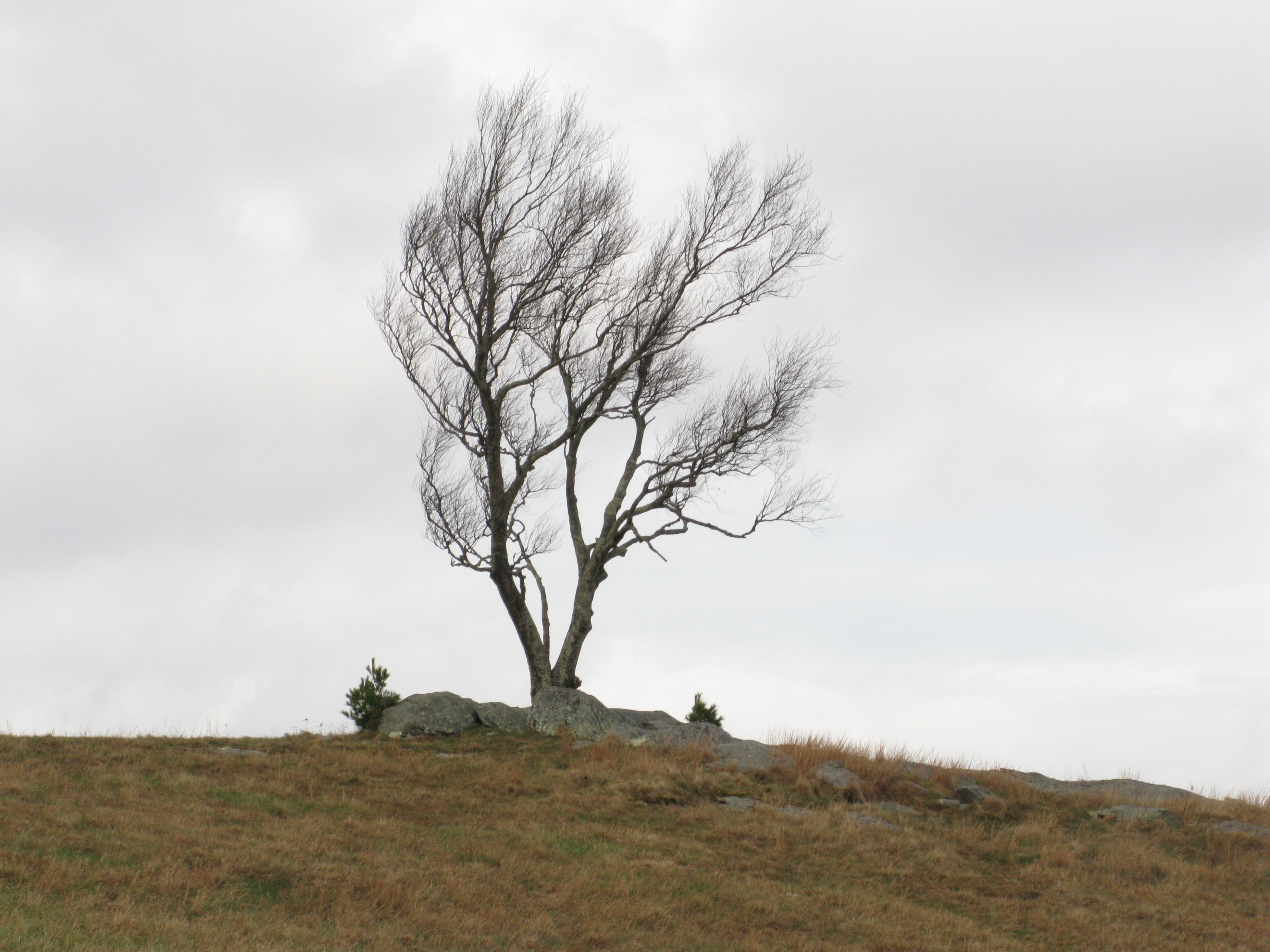
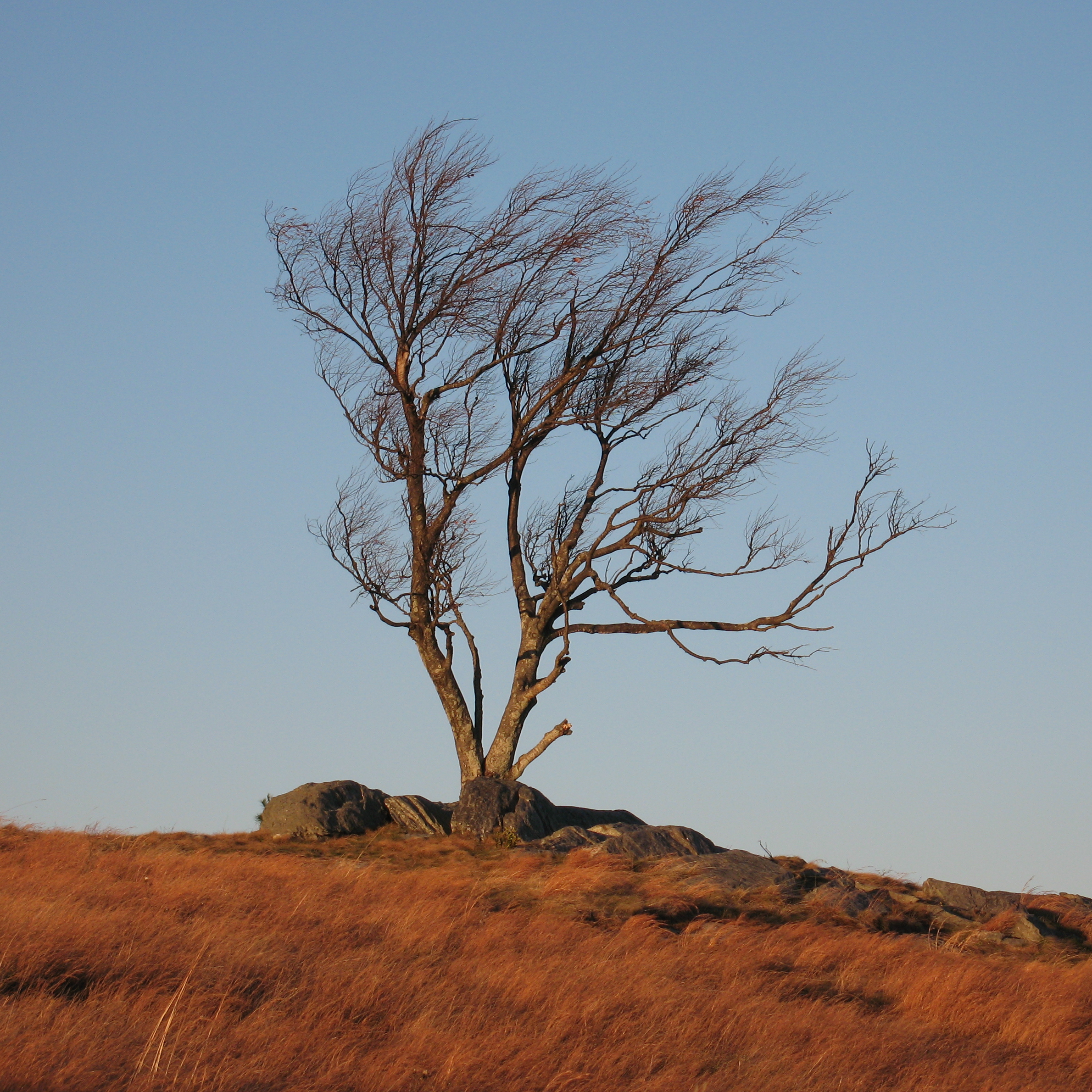
Doughton Park Tree -- 5/1/2021
 . 
 . 
[ 2 poems from Issue 97 of Pedestal ]
 . 
To Rest Here
 . 
in the museum of my children
smooth the comforter
curl up and be the child
 . 
adhesive streaks on the ceiling
the last of the glow-in-the-
dark planets
 . 
I rest between the old
globe and the stuffed closet
the hoard of their natural history
 . 
tiny sweaters with buttons of bone
primitive sculptures
I hold onto these I still hold
 . 
their small weight
sweet sticky hands
in my hair
 . 
when I circled them and
absorbed their light
when I was their moon
 . 
Marilyn A. Johnson
 . 
❀    ❀    ❀
 . 
As if it weren’t enough to bear
 . 
the world’s dark cloak, the inhumanity
of man which knows no limit,
30-foot high flash-flooded rivers, the charred
acres lit by wind and lightning or cigarette butts
cheerfully tossed out speeding car windows
at midnight, we can’t escape our own
shallow thinking: who has wretched taste
in evening wear, or too many tattoos,
who exudes the rank smell of weed through
his pores in the 9-item quick line. Jesus, it’s bad.
Worth masking up again even if you aren’t afraid
of Covid or SARS the way you should be.
Managing so many large and small disasters
while newly on a budget and nervous about keeping
your job, or Medicaid, or Social Security,
and the chemo has ruined the nerves in your feet
so you keep falling in strange places for no reason.
Fuck. And then Gaza, and Sudan, and ICE picking
off people who aren’t white enough to live
in this country or at all according to the spiteful
rich bastards in charge this week. I am so furious,
and sorry, and don’t think writing poetry
does much good unless you accidentally hit
the bulls-eye sweet spot of something obvious
but deep that has never been said, or not recently,
not in today’s language, somehow blending
hope and humor in a salve to smear over
this seeping wound we all have. A little respite.
Other than that it’s just line after line
of ordinary frustration. And now we’re all sitting
around on a Friday morning in July and I just turned
70, the coming of age of everyone who’s ever
been elderly. I mean, really, what the fuck?!
 . 
Molly Fisk 
 . 
 . 
❀    ❀    ❀    ❀    ❀
 . 
The wound we all have: seeping, obvious, choking the room with stink; or cloaked, penetrating, a stone or a shackle. When nothing makes sense what’s left but to rage and wail? When there is no recovering sense from the senselessness, what’s left but to smooth the comforter and curl up in the past, comfortless though it may prove to be?
 . 
These two poems snagged me at one particular morning’s perigee and swung me in circles, up and around and back again. There’s already too much evil in life to add more to it with some compulsion to feel guilty when a smidge of joy seeps in. There’s too much of life – life gone by and life circling around right now and maybe just maybe more life tomorrow – to chuck joy out the window entirely. Impermanence . . . suffering . . . joy, damn it! No rationalization requested, no forgiveness sought as I reach the last line with a silly grin on my face and shout to life, “Really, what the fuck!”
 . 
 . 
These two poem are among many other saviors of sanity in Issue 97 of Pedestal. After twenty-five years of continuous publication, this is the final issue. John Amen founded Pedestal and is its managing editor, assisted by poetry editors Arlene Ang, melissa christine goodrum, Stefan Lovasik, Michael Spring, Susan Terris and the hundreds and thousands of writers who have submitted poetry and book reviews over the years. Thank you, Gang. And thank you for alerting us that although Pedestal will not be publishing new editions you will be maintaining back issues online indefinitely.
 . 
Marilyn A. Johnson (marilynjohnson.net) lives with her family in New York’s Hudson Valley. recent poetry can be read online in UCity Review, Plume, and the Provincetown Journal. Her three non-fiction books include The Dead Beat, about obituary writers; This Book Is Overdue, about librarians and archivists in the digital age; and Lives in Ruins, about contemporary archaeologists.
 . 
Molly Fisk (mollyfisk.com) lives in California’s Sierra foothills. She edited California Fire & Water, A Climate Crisis Anthology, with a Poets Laureate Fellowship from the Academy of American Poets. Molly’s publications include The More Difficult Beauty, Listening to Winter, and five volumes of radio commentary. Her new collection, Walking Wheel, arrives in April from Red Hen Press. She
 . 
 . 
❀    ❀    ❀    ❀    ❀
 . 
Thank you for visiting Verse and Image:
. . . . . every Friday I present one or two poems I’ve read this week that particularly speak to me;
. . . . . every Saturday I present one or two poems submitted by YOU, my readers.
 . 
If you would like to offer a poem for consideration, either by a favorite author or your own work, please view these GUIDELINES for Saturday Readers Share:
 . 
 . 
If you would like to receive an email each time a post appears, please SUBSCRIBE to Verse and Image using the button on the Home Page.
 . 
If you have a hard time finding the SUBSCRIBE button on this WordPress site, you can send me your email address and I will add you to the subscriber list. Send your request to
 . 
COMMENTS@GRIFFINPOETRY.COM
 . 
Thanks again for joining the conversation.
 . 
– Bill
 . 
IMG_0768, tree
 . 
 . 
Saturday morning readers share:
Mary Alice Dixon
 . 
A Triptych on the First Anniversary of My Mother’s Death
in memory of Dorothy Eloise Royal Luke
 . 
1.
 . 
What’s heaven like? Mama asked three weeks
before she died. She was sitting
on a red couch, frail, her eyes closed.
Light through the picture window
streaked her white hair gold.
 . 
I recalled tales of paved streets and pearly gates,
said, I don’t know, but it must be . . .
wonderful, full of love.
 . 
Earth’s pretty wonderful too, she replied.
 . 
2.
 . 
Mama had come from the womb of a cripple—
a miracle, declared spinster aunts who asked
for the child, if it lived, but predicted the death of both.
 . 
How my grandmother, felled by a stroke when her belly
was ripe, gave birth and then lived thirty years
to see me born is a mystery. Rocking on the front porch
 . 
to ease her pain, Grandma would fret over her yard,
then rise, hobble down the steps, dragging
a straw broom behind, and with one hand
 . 
sweep the South Georgia sand, tracing patterns
that rose in her head, like lines drawn by Navajo
medicine men and Zen masters she never knew.
 . 
Satisfied, winded from her work, she would limp
back up the stairs, collapse into her chair
and dare anyone to desecrate the designs.
 . 
Whenever Mama was upset she’d bake cakes,
swirling divinity icing into patterns
reminiscent of her mother’s swept sand yard.
 . 
2.
 . 
The night she died, kin and caregivers
surrounded her bed, recited the twenty-third
psalm to bid her farewell.
 . 
We dressed her corpse in a blue nightgown,
sang gospel songs, lowered
the coffin into the ground.
 . 
3.
 . 
Sun strikes the bench where I sit staring
at winter grass that carpets her grave,
dates etched in marble’s blue veins.
A sandpiper prances nearby.
 . 
Love blankets me, just as it covered Mama
the night she left her body for us to bury, just as
it warmed my grandmother when she edged
toward death . . . then returned to bear life.
 . 
Karen Luke Jackson
from Broad River Review,  April 2013, Winner of the 2012 Ron Rash Poetry Award
 . 
One of the things I love most about Karen Luke Jackson’s poem—and all of her work—is how she sees sacred incarnate in people, places, and things. In this poem commemorating the anniversary of her mother’s death, Karen paints visions. She makes a portrait, a Vermeer in words. When Karen tells us how “Light through the picture window/sheathed her hair with gold…” we see Karen’s dying mother haloed in sun. Then, after the hair with gold light comes the image of the pearly gates. And a weaving of mother, grandmother, and daughter. Next, the mother’s corpse in its blue nightgown goes home to earth. Finally, at the gravesite, “Love blankets me” the poet tells us, as it covered her mother and returned her grandmother from a crippling stroke “to bear life.” In the end, life has the last word. I see in the mother’s grave the cakes she baked, as Karen tells us, “swirling divinity icing into patterns….” We taste a slice of heaven offered on a earthenware plate.
Mary Alice Dixon
 . 
❀    ❀    ❀    ❀    ❀
 . 
How My Father Decides He Wants a Green Burial
 . 
blight sickens
the flowering dogwood
on whose silver gray branches
my father watches birds
from his death bed
gazing through the glass
speaking to sparrows
in silent psalms in a tongue
only those with wings
could hear
 . 
he calls these creatures angels
with claws
 . 
in morning shadows
the ghost
of the dogwood’s last spring
paints memories of heartwood
on the ground
where the woundwort grows
where the earth
is already beginning
to break open
letting my father’s clawed angels
nest in worm-rich dirt
feathered
with birch bark and pinestraw
finding a haven
my father calls his next home
 . 
when he dies I hear
sparrows speak
with the voice of my father
in flower
in woundwort and weeds
 . 
Mary Alice Dixon
first published in Soul Forte: A Journal for Spiritiual Writing, Issue 12, 2025.
 . 
 . 

Mary Surprised by a Sparrow

 . 
 . 
Something (actually a couple of things) about me:
 . 
My dad, born 1911, worked in a steel mill to earn enough cash to pay for night school where he studied engineering. He was obsessed with aerodynamics, designing airplane wings that earned patents during WWII. But the wings he loved the most were angel wings. These he drew with mathematical precision in blueprints, measured meticulously. Had he seen angels? Why sure. Everybody knows birds are angels with claws. As he lay dying in a hospice bed in our house, Dad fell in love with sparrows. Who can miss the kinship of sparrows and St. Michael the Archangel? Certainly not my dad. 
 . 
Me? For the past 15 years I have volunteered with hospice. In the hospice grief writing workshops I facilitate I hand out feathers. And, of course, quote Emily Dickinson, “Hope is the thing with feathers.” One of my great joys is collecting fallen feathers and small stones. I write the word “hope” on the stones, then place stones and feathers on strangers’ gravesites. Anonymously, of course. Although I guess the cat is out of that bag now. The photo of me, mouth open? A sparrow surprised me at my window shortly after I dreamed of Dad rising from a bird’s nest in a dogwood tree. What can I say, I was raised on old-time religion and my favorite high school teacher was a nun who called God “The Big Bird”.  
Mary Alice Dixon
 . 
❀    ❀    ❀    ❀    ❀
 . 
Thank you for visiting Verse and Image:
. . . . . every Friday I present one or two poems I’ve read this week that particularly speak to me;
. . . . . every Saturday I present one or two poems submitted by YOU, my readers.
 . 
If you would like to offer a poem for consideration, either by a favorite author or your own work, please view these GUIDELINES for Saturday Readers Share:
 . 
 . 
If you would like to receive an email each time a post appears, please SUBSCRIBE to Verse and Image using the button on the Home Page.
 . 
If you have a hard time finding the SUBSCRIBE button on this WordPress site, you can send me your email address and I will add you to the subscriber list. Send your request to
 . 
COMMENTS@GRIFFINPOETRY.COM
 . 
Thanks again for joining the conversation.
 . 
– Bill
 . 
Doughton Park Tree 2021-10-23
 .