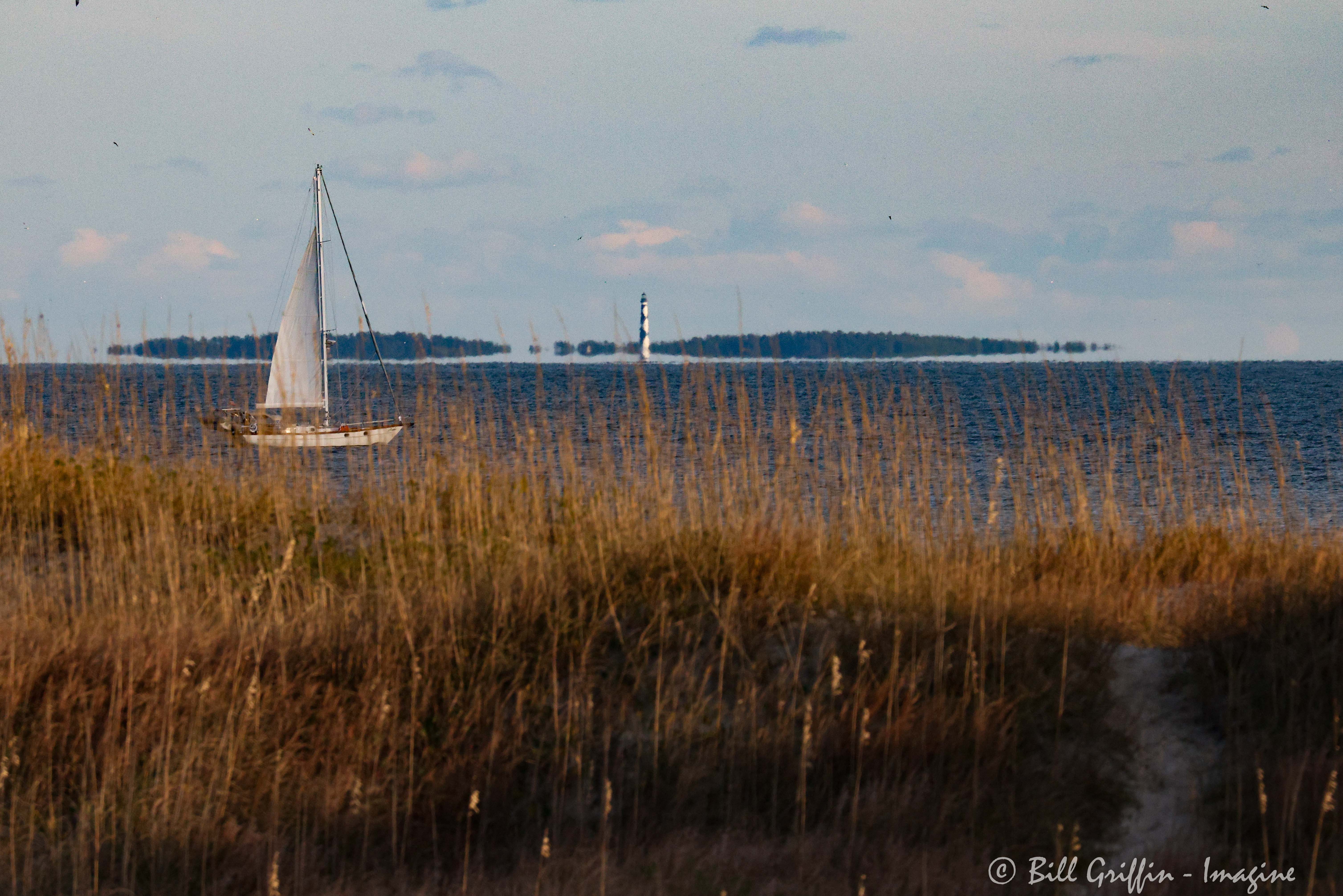
I thought I saw a Merlin. Facing into the stiff onshore breeze, harrying above the dunes: fierce raptor profile, fleet spitfire, wings cocked at the wrist – falcon.
I wanted to think it was a Merlin I saw, last week at Bogue Banks for Thanksgiving, as it veered away from me, slipped sideways and rolled, master of current and draft. I still wanted it to be a Merlin when it arced back overhead, whirled into a perfect stall, snatched a perch at the tip of the spar where the surf warning flag flies.
It drank some water trapped in a crease of the wood. Tawny waistcoat, single-barred tail, face tattoos – this hunter was not a Merlin. Just its much more common little cousin.
Why did my heart skip when I first spotted it? Why did I want so much for it to be a Merlin? I haven’t seen one in years; I’ve only ever seen a very few. The last time I saw a Merlin, Linda and I were alone together on a rare vacation, January in Nags Head, doing what we love: hiking the dunes and maritime forest and half-freezing ourselves in the salt rime. Driving to Hatteras next day we spotted a Merlin perched above the salt marsh, watchful in regal disdain. Merlin – rare visitor from the mysterious north. Merlin, power and magic. Merlin mythic. Merlin romantic.
Is it just its name that makes it so? Falco columbarius per Linnaeus, Esmerejón in Spain and Mexico, Dværgfalk in Denmark and Norway, 55 names listed in Cornell Ornithology. Learning its name accompanies learning its field marks, habitat, range. But what do I really know about Merlin? How to read shifting wind while stalking the wood rat a hundred yards below? Folded wings, little rocket, full velocity strike , blood and hair? What name, Dream Hunter, do you give yourself?
We see the Merlin’s little cousins all the time here in the NC foothills, especially in winter perched on wires above the mouse-gleaned fields. I saw one driving home from the beach. Actually, four. And last week my brain knew what I was seeing above the strand even before my eye would admit it, even before it swooped in for me to take closer look . . .
. . . and turned upon the current of air. Watchful for movement in the sand, ultraviolet signature of mouse urine, it raised its wings, their sharp fast flutter, fixed, motionless on high. Only one little falcon can do that. And I know its name.
. . . . . . .
The Windhover
Gerard Manley Hopkins – 1844-1889
I caught this morning morning’s minion, king-
++ dom of daylight’s dauphin, dapple-dawn-drawn Falcon, in his riding
++ Of the rolling level underneath him steady air, and striding
High there, how he rung upon the rein of a wimpling wing
In his ecstasy! then off, off forth on swing,
++ As a skate’s heel sweeps smooth on a bow-bend: the hurl and gliding
++ Rebuffed the big wind. My heart in hiding
Stirred for a bird,—the achieve of; the mastery of the thing!
Brute beauty and valour and act, oh, air, pride, plume, here
++ Buckle! AND the fire that breaks from thee then, a billion
Times told lovelier, more dangerous, O my chevalier!
++ No wonder of it: shéer plód makes plough down sillion
Shine, and blue-bleak embers, ah my dear,
++ Fall, gall themselves, and gash gold-vermillion.
[This poem is in the public domain.]
. . . . . . .
. . . . . . .
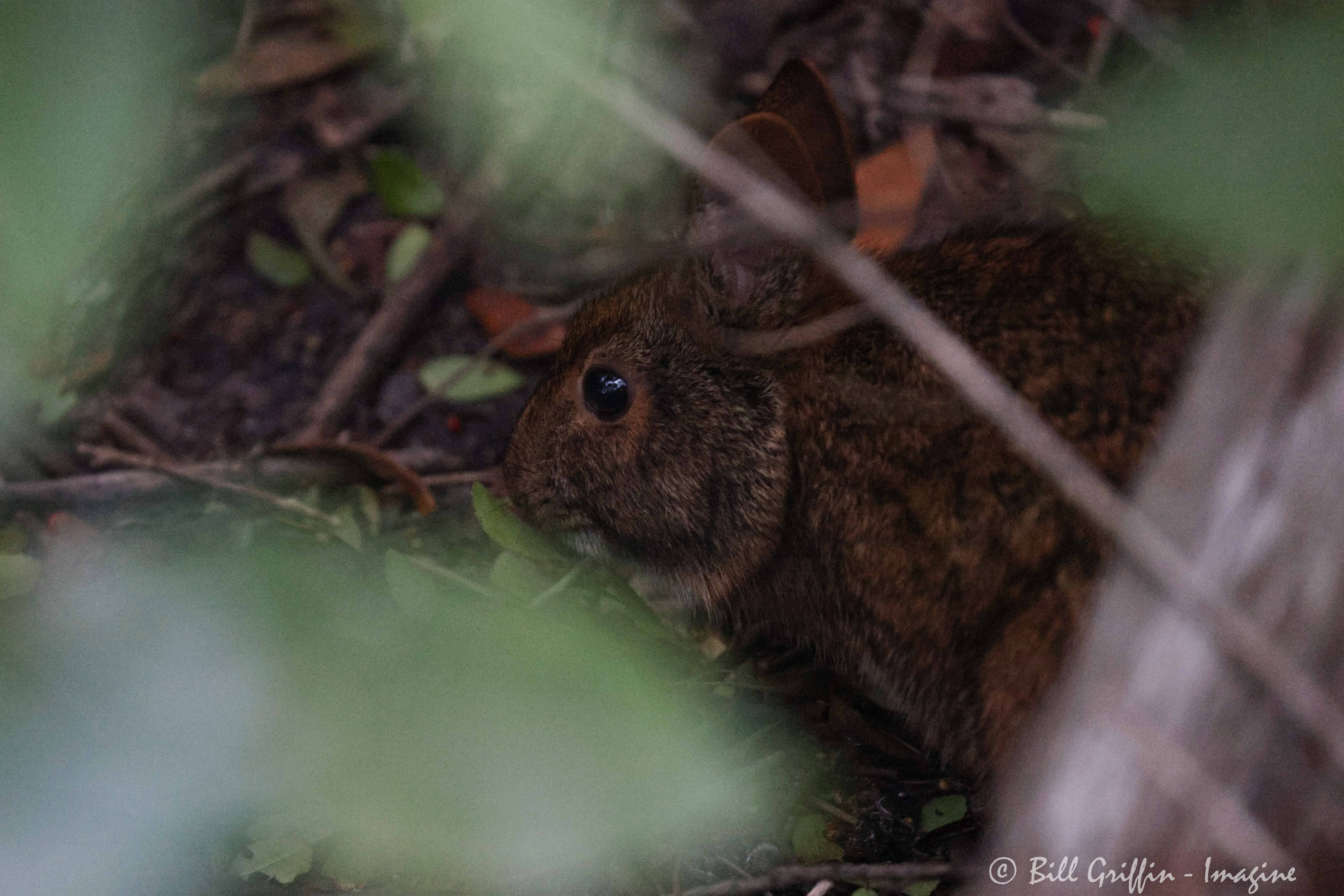
Windhover is a British name for the European Kestrel, Falco tinnunculus, a dead ringer for its close relative the American Kestrel, Falco sparverius. They are the smallest of the falcons and one of the very few birds that can hover motionless in still air, in this case watching for its usual prey, the field mouse.
The Windhover has long been one of my favorite poems. Oh my, where does this magical and mysterious language come from?! What hidden realm is revealed in these lines? Read it aloud to hear Hopkins’s incantatory music. How does he do it?
One of my most striking memories is the Saturday morning Tony Abbott recited The Windhover at Weymouth Center for the Arts and Humanities to call to order a meeting of the North Carolina Poetry Society. As he approached its last line Tony slowed , each word deliberate, and upon gash gold-vermilion there was one unified sharp intake of breath among the entire congregation before we erupted in applause.
Gerard Manley Hopkins was a Jesuit priest; he dedicated The Windhover To Christ our Lord. The poem, like the fierce undaunted Kestrel, breaks open the blue-bleak embers of our dull, unreflective spirits to reveal the fire, the power, and the glorious mystery of creation which surrounds us.
[more Gerard Manley Hopkins at The Poetry Foundation]
. . . . . . .

. . . . . . .




 V E R S E and I M A G E
[…] About/Submit […]