Posts Tagged ‘nature photography’
Poetry and Science – Wilbur, Nemerov, Haines, Updike
Posted in Imagery, tagged and Mathematics, Astronomy, Howard Nemerov, John Haines, John Updike, nature photography, poetry, Poetry and science, Richard Wilbur, The World Treasury of Physics on February 6, 2026| Leave a Comment »
.
[ 4 poems with a scientific bent ]
.
Epistemology
.
I
Kick at the rock, Sam Johnson, break your bones:
But cloudy, cloudy is the stuff of stones.
.
II
We milk the cow of the world, and as we do
We whisper in her ear, “You are not true.”
.
Richard Wilbur (1921-2017)
.
❀ ❀ ❀
.
Seeing Things
.
Close as I ever came to seeing things
The way the physicists say things really are
Was out on Sudbury Marsh one summer eve
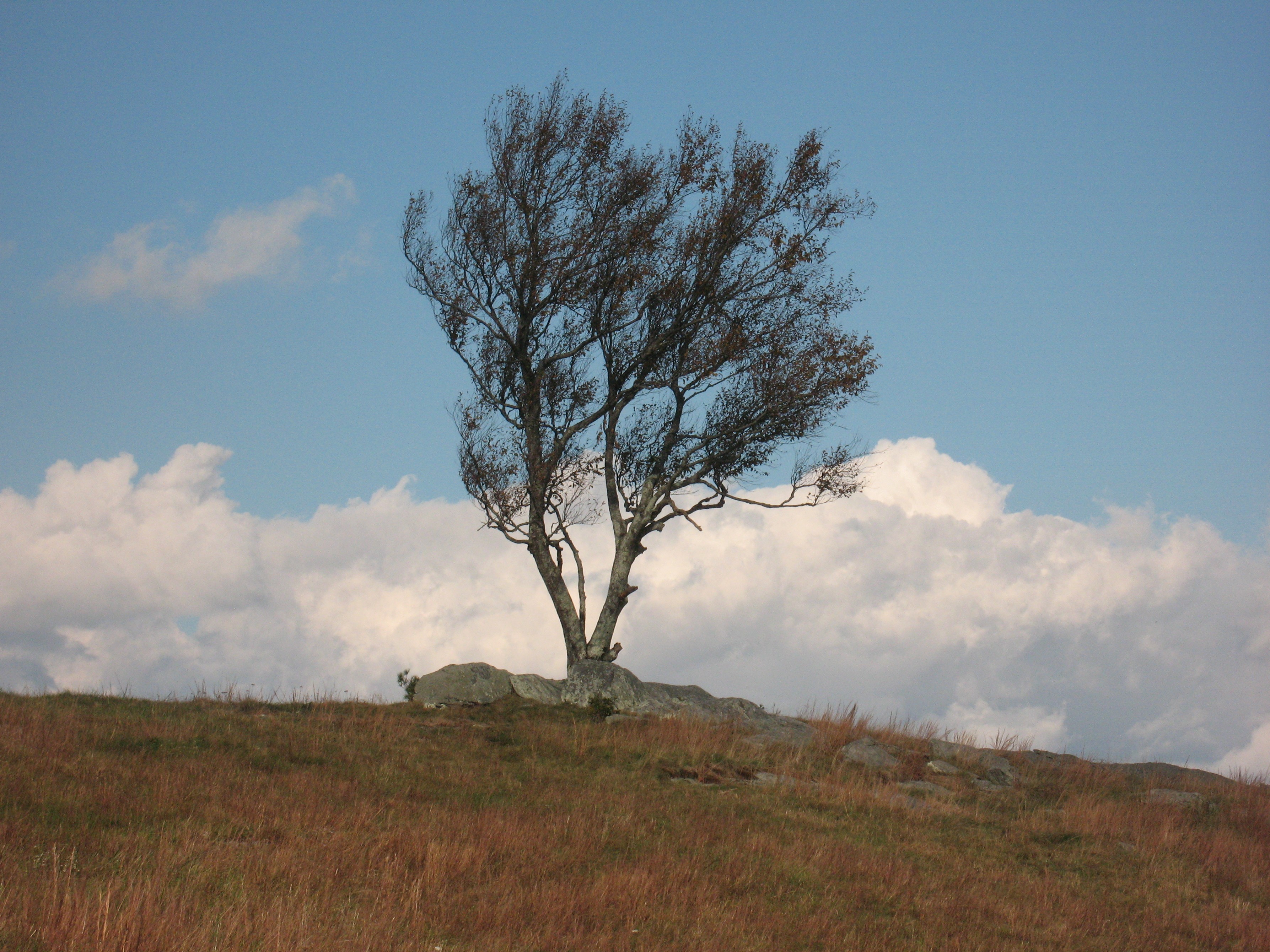
When a silhouetted tree against the sun
Seemed at my sudden glance to be afire:
A black and boiling smoke made all its shape.
.
Binoculars resolved the enciphered sight
To make it clear the smoke was a cloud of gnats,
Their millions doing such a steady dance
As by the motion of the many made the one
Shape constant and kept it so in both the forms
I’d thought to see, the fire and the tree.
.
Strike through the mask? you find another mask,
Mirroring mirrors by analogy
Make visible. I watched till the greater smoke
Of night engulfed the other, standing out
On the marsh amid a hundred hidden streams
Meandering down from Concord to the sea.
.
Howard Nemerov (1920-1991)
.
.
❀ ❀ ❀
.
Little Cosmic Dust Poem
.
Our of the debris of dying stars,
this rain of particles
that waters the waste with brightness;
.
the sea-wave of atoms hurrying home,
collapse of the giant, unstable guest who cannot stay;
.
the sun’s heart reddens and expands,
his mighty aspiration is lasting,
as the shell of his substance
one day will be white with frost.
.
In the radiant field of Orion
great hordes of stars are forming,
just as we see every night,
fiery and faithful to the nd.
.
Out of the cold and fleeing dust
that is never and always,
the silence and waste to come —
.
this arm, this hand,
my voice, your face, this love.
.
John Haines (1924-2011)
.
❀ ❀ ❀
.
Cosmic Gall
.
Neutrinos, they are very small.
+++ They have no charge and have no mass
And do not interact at all.
The earth is just a silly ball
+++ To them, though which they simply pass
Like dustmaids down a drafty hall
+++ Or photons through a sheet of glass.
+++ They snub the most exquisite gas,
Ignore the most substantial wall,
+++ Cold-shoulder steel and sounding brass,
Insult the stallion in his stall,
+++ And, scorning barriers of class,
Infiltrate you and me! Like tall
and painless guillotines, they fall
+++ Down through our heads into the grass.
At night, they enter at Nepal
+++ And pierce the lover and his lass
from underneath the bed — you call
+++ It wonderful; I call it crass.
.
John Updike (1932-2009)
.
.
❀ ❀ ❀ ❀ ❀
.
These poems are from The World Treasury of Physics, Astronomy, and Mathematics, this year’s Christmas present to me from Linda. Essays by Albert Einstein, Werner Heisenberg, and Stephen Hawking jostle up against chapters by Annie Dillard, Isaac Asimov, and Lewis Thomas. And then comes the section of poetry! Walt Whitman, Emily Dickinson, and Gerard Manley Hopkins open to be followed by these four 20th century poets, and there is even a poem by James Clerk Maxwell (1831-1879), titan of electromagnetism and whose equations remain the bedrock of classical physics. Who knew? The following paragraphs are from the section introduction, The Poetry of Science:
.
+++ The scepticism that many poets display toward science reflects, and to some extent perpetuates, the myth that science is cold and inhuman, poetry warm and romantic. Yet science is more romantic than is generally realized, poetry less so, and the scientists and the poets ultimately are allies. Both are creative and unpredictable (and therefore dangerous). Neither can tolerate authoritarianism, blind obedience, or cant. And both, to do their best work, must draw on aesthetic as well as intellectual resources; a logical but ugly mathematical theorem is as unsatisfactory as a pretty but silly sonnet.
.
+++ This is not to say that scientists should try to emulate poets, or that poets should turn proselytes for science. Poetry and science are both too powerful to benefit from so bland and bourgeois a marriage, and their relationship is likely to remain stormy so along as each remains vital. But they need each other, and the world needs them both.
.
The World Treasury of Physics, Astronomy, and Mathematics, edited by Timothy Ferris. Little, Brown and Company, Boston Toronto London. © 1991 by Timothy Ferris.
.
.
❀ ❀ ❀ ❀ ❀
.
Thank you for visiting Verse and Image:
. . . . . every Friday I present one or two poems I’ve read this week that particularly speak to me;
. . . . . every Saturday I present one or two poems submitted by YOU, my readers.
.
If you would like to offer a poem for consideration, either by a favorite author or your own work, please view these GUIDELINES for Saturday Readers Share:
.
.
If you would like to receive an email each time a post appears, please SUBSCRIBE to Verse and Image using the button on the Home Page.
.
If you have a hard time finding the SUBSCRIBE button on this WordPress site, you can send me your email address and I will add you to the subscriber list. Send your request to
.
COMMENTS@GRIFFINPOETRY.COM
.
Thanks again for joining the conversation.
.
– Bill
.
.
Maura High – Field as Auditorium
Posted in ecology, Ecopoetry, Imagery, poetry, tagged Ecopoetry, Field as Auditorium, imagery, Maura High, nature, nature photography, nature poetry, NC Poets, poetry, Southern writing on January 30, 2026| 2 Comments »
.
[ 2 poems by Maura High ]
.
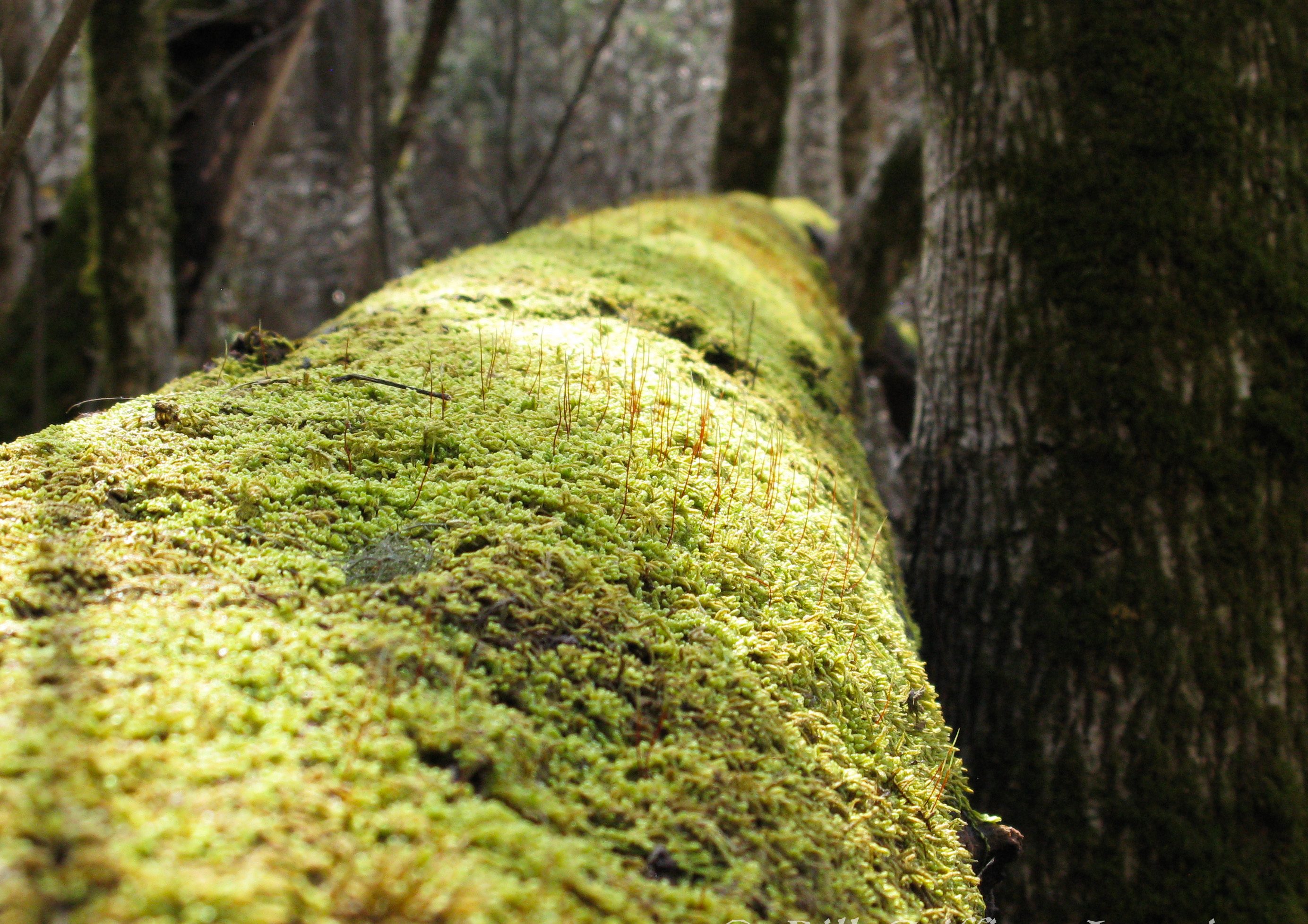
Excursions in Moss
+++++ — for Barbara
.
They were here, all this time,
in this same world,
here for the seeing:
.
green shag and starfield, clumps, pinheads,
frilled with lichen,
.
and poking up through them the green
first leaves of violet, wood sorrel,
for example, among the ephemera —
.
here, in the piedmont of North Carolina,
all the greens in creation:
a landscape within landscapes,
slow as,
quiet as,
.
as back along
the rims of lakes and drainages in the early Cambrian.
In this same old world:
the same creep and cling
and drill into the surface
.
with their fragile rhizoids, into rock fissures,
now bark, now exposed root,
.
into the Anthropocene and still
green between paving stone,
on verges, stuck fast
.
to rocks along the banks of Bolin Creek,
down a grit-and-gravel driveway.
.
A green gift
my friend gave me:
moss scrapings, from her yard
.
over in the next county;
in late summer
.
the waggly spore capsules
pop open, and a million spores float
off and up into whatever wind.
.
❀ ❀ ❀
.
Reprise
+++++ — for Frances
.
One leaf falls from the hickory
+++++ outside my window—
.
+++++ a slow loop right,
an about turn, and squiggle—
.
so cursory a gesture, it looks
+++++ like something written
.
+++++ in an alphabet of leaves:
a charm against insects
.
and woodpecker; a plea
+++++ for all the leaves that fall,
.
+++++ blacken, and rot, and leach
into the earth, and rise again
.
to new petiole, new leaf,
+++++ singing the green song of desire
.
+++++ and the brown of thrift;
the whispery, creaky name
.
the tree gives itself;
+++++ or the name we have given it,
.
+++++ full of ourselves and our own
histories, as a child
.
writes her given name and sees
+++++ herself there, her first self-portrait.
.
Maura High
from Field as Auditorium, Redhawk Publications, The Catawba Community College Press; Hickory NC; © 2025.
.
.
❀ ❀ ❀ ❀ ❀
.
Maura High speaks the language of wild. She writes in an alphabet of leaves. Her poems sometimes withdraw entirely from the touch or consideration of human presence and become encompassed entirely by field, by forest – crownbeard setting seed in the wilding meadow, Bolin Creek about its business of undercutting a bank of clay, moss creating soil from stone. Maura translates for us the deep language of life and of time. Where did this come from? Where are we going?
.
As I read Maura High’s poetry, I consider the many lives I have overlooked, forgotten, ignored. I am reminded to listen for the soft peeps of sparrows and finches settling into the shrubbery at sunset. Listen closer – the seep of water in the dirt beneath my feet and the striving of rootlets and mycelia. Closer yet – the movement of seasons, long connections across time, encircling connections gathering life and nudging forward. From careful observation and contemplation of the unremarkable features of a creek, a tree, a flower, Maura creates an opportunity for us, her readers, to participate in the most remarkable story of all.
.
❀
.
Maura High was born in Wales but grew up on Planet Earth. She has established tender rhizoids in piedmont North Carolina but the wind is apt to blow her to distant climes at any moment. These two poems are from her newest book, Field as Auditorium, from Redhawk. She has also published The Garden of Persuasions, winner of the Jacar Press chapbook contest (2013), and Stone, Water, Time in collaboration with artist Lyric Kinard, Lyric Art Publishing (2019). Sample more of her poetry at MauraHigh.com.
.
.
❀ ❀ ❀ ❀ ❀
.
Thank you for visiting Verse and Image:
. . . . . every Friday I present one or two poems I’ve read this week that particularly speak to me;
. . . . . every Saturday I present one or two poems submitted by YOU, my readers.
.
If you would like to offer a poem for consideration, either by a favorite author or your own work, please view these GUIDELINES for Saturday Readers Share:
.
.
If you would like to receive an email each time a post appears, please SUBSCRIBE to Verse and Image using the button on the Home Page.
.
If you have a hard time finding the SUBSCRIBE button on this WordPress site, you can send me your email address and I will add you to the subscriber list. Send your request to
.
COMMENTS@GRIFFINPOETRY.COM
.
Thanks again for joining the conversation.
.
– Bill
.
.
Kakalak – Malone and Fox
Posted in Imagery, tagged Gina Malone, Kakalak, Maeve Fox, nature photography, NC Poets, poetry, Southern writing on January 16, 2026| 9 Comments »
.
[2 poems from Kakalak 2025]
.
Milkweed
.
There will come a day in Autumn when the pods
open like eyes and weep into the wind little brown
teardrops that do not fall to the earth without first
being born by strands of silken hair, white like mine,
and I who cannot fathom the god
introduced and re-introduced to me all my life
know that I must search instead for the fine
intellect, the playful imagination, the deep-felt
biophilia of the goddess who created this
.
tuft-winged drifter, tiny parachutist, one
among thousands, that has climbed up onto the wind,
now sails by my window, clears the fence, crosses the road without
looking both ways, floats across the barren field, up, up, caught
and flung by the Anemoi up and onward, sailing,
sailing, until the breezes abate, then, like a maestro’s arm
sweeping back and forth with the lyrical measures, lowers
.
itself, bit by bit, until it settles onto the earth where rains
will ruin its magnificent floss and time will rake
over it a blanket of soil. It will sleep all winter, cozy
hibernator, await the magical marriage of warmth and rain,
awaken ++++++++++++ then reach
+++++ with root, ++++++++++ then shoot,
+++++ down, +++++++++ +++ then up,
search for Hydro, +++++ for Helios, +++++++++ stretch.
.
Become.
.
Gina Malone
from Kakalak 2025, Moonshine Review Press, Harrisburg NC; © 2025
.
❀ ❀ ❀
.
Molasses Melodies
.
When I hear a sweet Southern drawl,
I feel that slight twinge of shame.
My heart pines for the ease of
slow molasses on my tongue.
There’s a taste of it, way down.
Like a valley crick tumbling through
shady woods, full of oaks and hickory.
I yearn for smooth vowels in words
shaped by hills in the distance.
Rolling over and over to enjoy
the way sounds feel in my mouth.
.
Without knowing it, I sold my heritage,
plum ruint my Southern soul
with every g added on to:
fixin’, fishin’, fussin’ and fightin’.
Turned all my cain’ts to can’ts.
Traded my Piedmont roots,
so people didn’t have to taste
the red clay in my words.
.
Maeve Fox
from Kakalak 2025, Moonshine Review Press, Harrisburg NC; © 2025
.
.
❀ ❀ ❀ ❀ ❀
.
. . . the way sounds feel in my mouth. A poem is a song, a duet of heart and mind. A trio when soul joins the chorus. Maybe the poem conceives itself from words and story and form, but the poem lives in the wedding of music and meaning. A throaty rumble in my gut. A bright lance in my mind. The poem is the way sounds feel deep in the core of me.
.
Each of these two poems in its own way rumbles and trembles me. The earth goddess loves all creation enough to send feathered seedlets dancing. The root and spring of a person’s source never go dry but bubble to the surface. I find joy and celebration in these poems, and joy finds me.
.
And these poems are personal. Last week my granddaughter and I found dried pods at the edge of the garden – dogbane, cousin of milkweed – and peeled them apart to watch their delicate floss rise in the wind. My mother, born and raised in Winston-Salem, kept that faint sweetness in her voice for 96 years until her death last year. Whether she lived in Delaware, Michigan, Ohio, when neighbors would comment, “Cookie is from the South,” when she spoke all I ever heard was Mom. Thank you, Poetry, for connecting me to precious moments and to memories I need to live.
.
❀
.
Gina Malone (Waynesville, NC) asks What Does Anyone Know About Goddesses? in her new chapbook from Kelsay Books, 2025.
Maeve Fox (Hickory, NC) is a mediator who writes about LGBT and Appalachain life, and she has a new book from Redhawk, Letting Go of Me.
.
These poems (and author bios) are from the newest Kakalak anthology of poetry and art, published annually. Voices new and established. Songs of longing, songs of celebration. Purchase Kakalak HERE and consider submitting your own work in 2026.
.
❀ ❀ ❀ ❀ ❀
.
.
Thank you for visiting Verse and Image:
. . . . . every Friday I present one or two poems I’ve read this week that particularly speak to me;
. . . . . every Saturday I present one or two poems submitted by YOU, my readers.
.
If you would like to offer a poem for consideration, either by a favorite author or your own work, please view these GUIDELINES for Saturday Readers Share:
.
.
If you would like to receive an email each time a post appears, please SUBSCRIBE to Verse and Image using the button on the Home Page.
.
If you have a hard time finding the SUBSCRIBE button on this WordPress site, you can send me your email address and I will add you to the subscriber list. Send your request to
.
COMMENTS@GRIFFINPOETRY.COM
.
Thanks again for joining the conversation.
.
– Bill
.
.


Thanks, Jenny! ---B