Feeds:
Posts
Comments

Big Momso

I can’t recall exactly when Mary Ellen bestowed this nickname on our mother, but into her ninth decade she is still Big Momso. And rightly so. Not for her mass or the amount of space she displaces – she’s a sprite who has to hang on tight in a high wind – but because of her big presence in our lives. Do we love words? She’s addicted to the NY Times crossword. Do we like to see who can make the other laugh first? I remember the last time she took me trick-or-treating down the street (I was 45 at the time), wearing an old wig pulled all the way down over her face and eyes painted on her cheek, totally freaking out the neighbors. Are we the least bit creative? Since her art degree from Women’s College (now UNC-Greensboro), she has never laid down the charcoals and oils, still trying out new techniques.

So here’s a few things I might not have thanked you for lately, Momso. Like going back to Kent State for your teacher’s certificate so you could help put me through school. Always being willing to pull out the old cast iron skillet and make your world famous inimitable never-to-be duplicated fried chicken, even if you and Dad are more into tofu and spring greens these days (OK, thanks for the beef wellington, too). And this is a really big one, thanks for always teaching us. From the time we quit putting everything on the ground into our mouths, you’ve inspired us to appreciate the strange creatures on the beach; the flowers of forest and garden; the scenes of Homer and the Wyeths; the joy of open books.

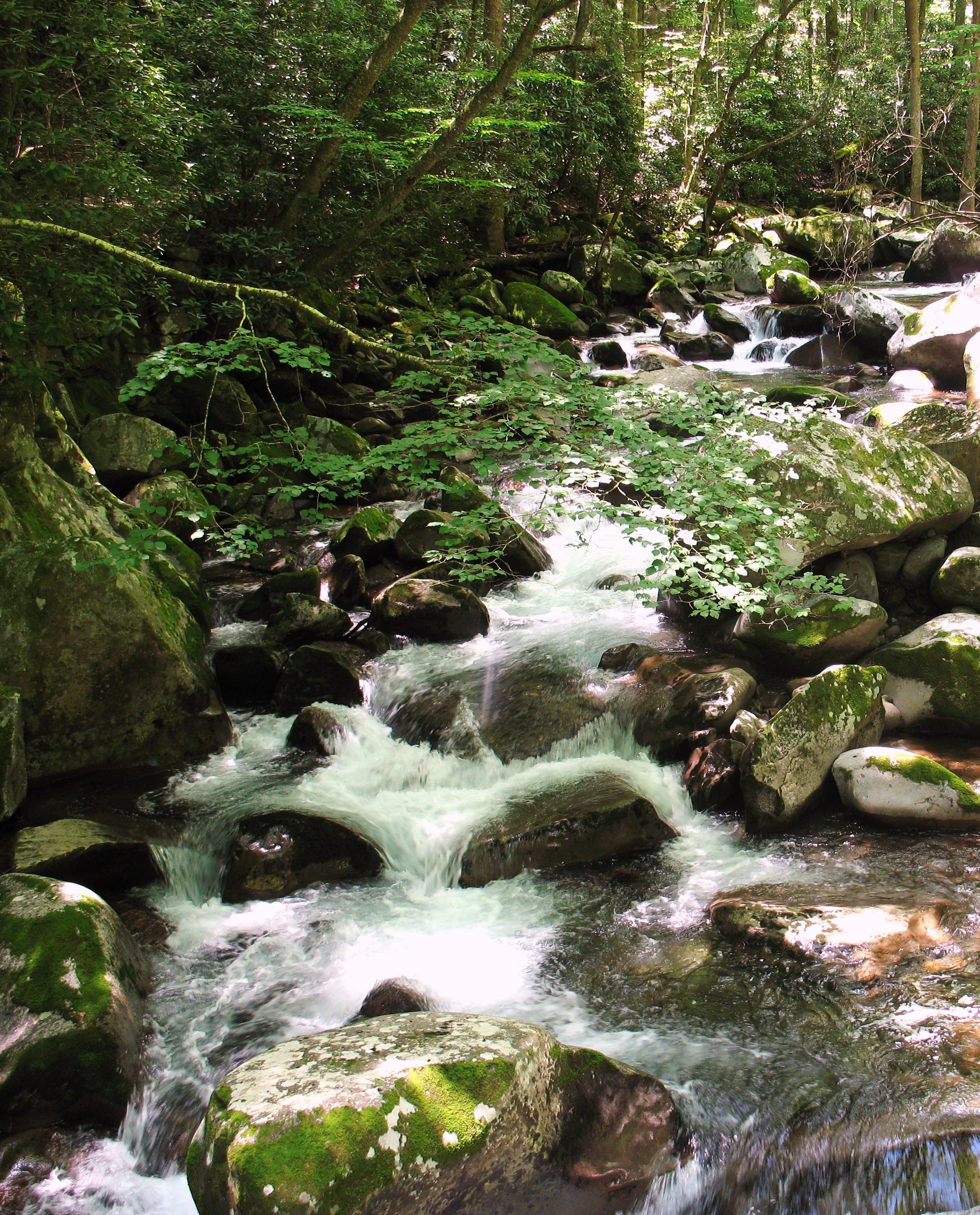
DSCN0216

All of which leads me to the biggest one: Thanks for the birds. I don’t remember when you first taught me to call that red bird in the backyard a Cardinal, but I do remember heading off for my sophomore year with a big bag of seed and a windowsill feeder. For years afterwards I was satisfied to know the difference between a titmouse and a chickadee, until that one afternoon in the Shenandoahs over twenty years ago. You and Dad had rented a cabin, our kids were still pre-teen and not averse to a walk in the woods. We’d come to a big blowdown where sun streamed into the forest, and you pointed to a flit of saffron. I lifted my binoculars. And then I wrote down its name. And I’ve been keeping a list ever since.

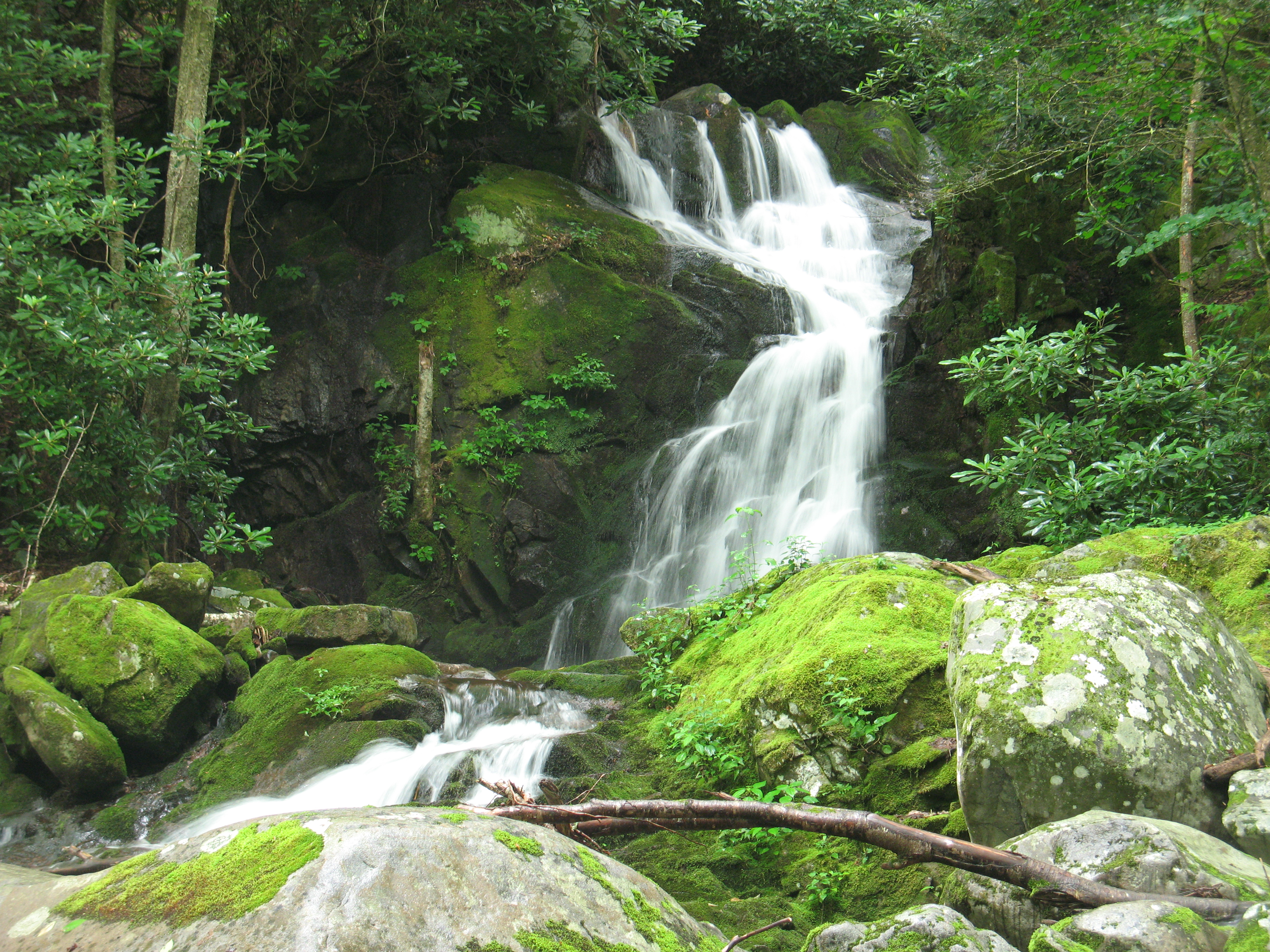
DSCN4543_crop01

My poem Leave and Come Home won the 2009 Poet Laureate Award of the NC Poetry Society. In four sections, it covers fifty some years of being a son and father to a son. Each section covers a different geography, the sighting of a different warbler, and a new phase in our relationship as a family. This is the first section:

Leave and Come Home

Lewis Mountain, Shenandoah National Park, Virginia

Mom may have said Redbird once in her life
but what she taught us kids was Cardinal,
Chickadee, Titmouse, the feeder gang – learn a creature’s name
and the two of you share a home in creation.
Her wedding gift to us was field guides, binoculars;
we hung our own feeders, shooed away the squirrels,
and they arrived, the usual characters, the recognized.
When our son could reach the sill and look he didn’t say Redbird,
and when we visited Grandmommy she would point into the trees.

This summer a gathering of generations at a mountain cabin,
the cool of altitude, red spruce and chestnut oak speaking
a language I don’t yet comprehend, nor realize I don’t.
Where a giant has fallen new growth points to sky,
and Mom points – a new word for me, an unnamed color.
Chestnut-Sided Warbler opens its throat and explains all,
a preface, a turning page. Josh, age ten now, reaches
for the glasses – Dad, let me look! Yes look, my God yes,
keep looking. But even more keep wanting to.

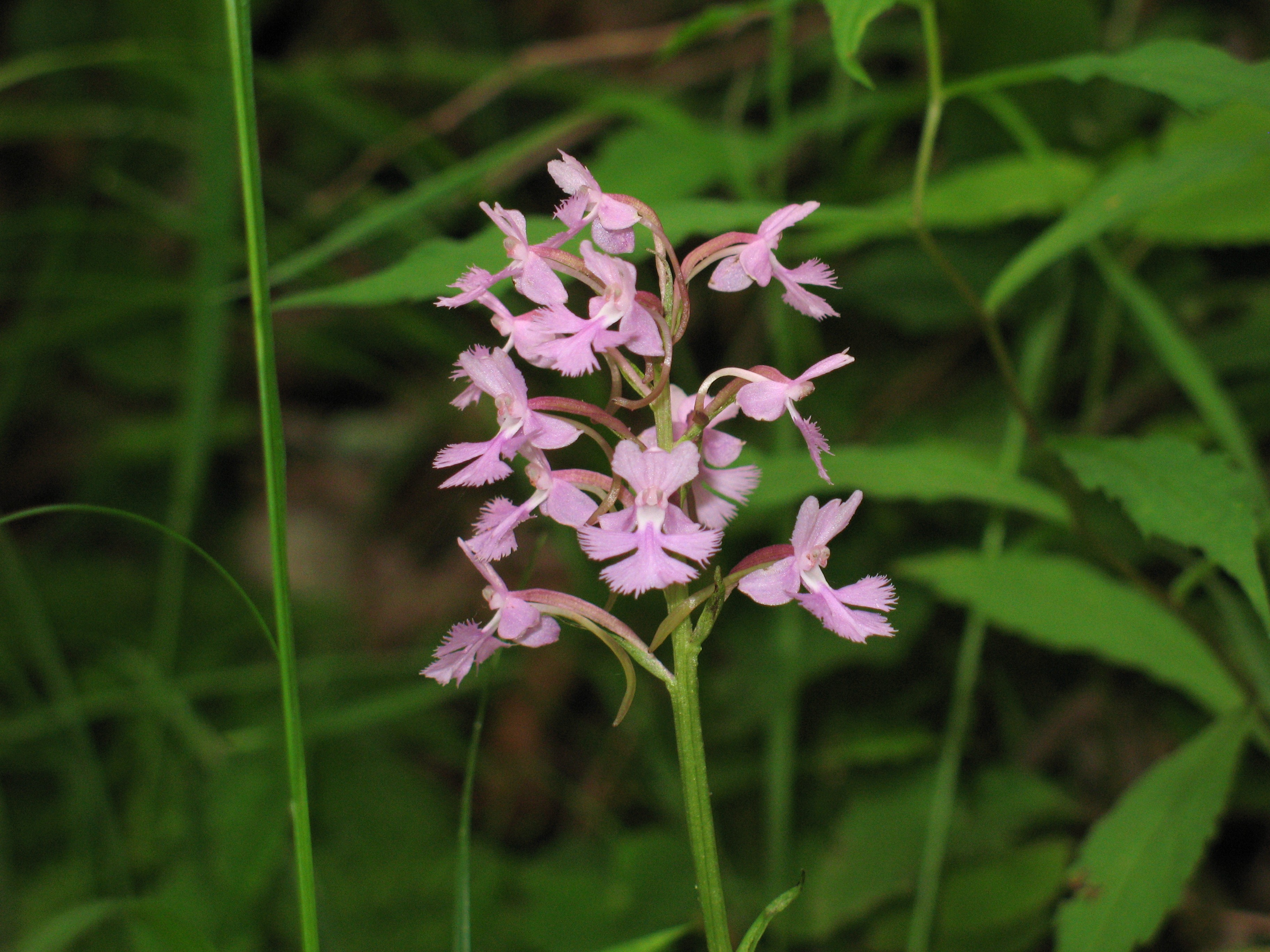
DSCN1602.jpg

Today’s List
Reynolda Gardens, May 8, 2011

Northern Cardinal
Eastern Bluebird
American Robin
Common Grackle
House Finch
Northern Mockingbird
Gray Catbird
American Goldfinch
European Starling
Eastern Towhee
Carolina Wren
Great Crested Flycatcher
Green Heron
Wood Thrush
Brown Thrasher
Yellow-throated Vireo
Red-Eyed Vireo
Black-Throated Green Warbler
Common Yellowthroat
Hairy Woodpecker
Red-Bellied Woodpecker
Red-Shouldered Hawk


I’m opening the box my parents just sent me.  High-level divestiture (cleaning out their attic).  They’re moving to a condo and discovered this antediluvian stash circa 1970-72: my year as an exchange student in West Berlin and summer job at the XX Olympics in Munich (usher in the volleyball hall).  Here’s the German-Italian/Italian-German dictionary I bought for the trip my host brother and I took to Lugano and Como.  How do you say, “Noch ein Bier, Bitte,” auf Italienisch? *

Apropos, here’s a beer coaster from the REAL Hofbräuhaus in München.  Several volumes of Goethe and Brecht auf Deutsch.  Student passes, trinkets, maps, ticket stubs.  And a fat packet of letters looped with a ponytail holder — Linda and I kept up a transatlantic romance during the twelve months I was in Berlin and then the semester she spent in Hamburg.

But what’s this?  A slim blue cloth-bound volume I don’t recognize at all.  Slightly musty but in good repair. “Fifty Acres and other selected poems.”  By James Larkin Pearson.  I open to the title page, and Linda comes running into the room as I let out a whoop.  1937 . . .  signed by the author.

James Larkin Pearson was appointed by Governor William B. Umstead to a life term as North Carolina’s second Poet Laureate in 1953, the year I was born. I’d never even heard of him until a few years ago when I asked someone why the Poetry Council of NC has a contest named for him.  Where did this little book come from?  My grandfather Cooke grew up one county over from North Wilkesboro, where Pearson was a newspaperman.  Maybe he’d met him and purchased the book?  Or had my Mom bought it at yard sale somewhere while I was overseas and totally forgotten about it?

There’s no telling, but I received the box weeks ago, and I’ve been saving the story until now to share as National Poetry Month winds down.  Maybe it will spark a J. L. Pearson revival.

Pearson lived in Wilkes County from his birth in 1879 until his death at age 101 in 1981.  For most of those years he resided on the “Fifty Acres” in Boomer, NC. To read his poetry is to put down rural roots in another century.  Pearson fills his poems with his love of the land and of his family, and with spiritual longing to become one with God and with the earth.  The brook will take me to its singing heart / And bear me on triumphant to the sea, / Till every land shall claim a little part, / And naught can be identified as me. (Erosion) And always he identifies his work as making the song, as becoming the song.

The poems were published as widely as The New York Times and The Detroit Free Press.  Let me know and I might let you borrow my copy.

FIFTY ACRES

I’ve never been to London,
I’ve never been to Rome;
But on my Fifty Acres
I travel here at home.

The hill that looks upon me
Right here where I was born
Shall be my mighty Jungfrau,
My Alp, my Matterhorn.

A little land of Egypt
My meadow plot shall be,
With pyramids of hay stacks
Along its sheltered lee

My hundred yards of brooklet
Shall fancy’s faith beguile,
And be my Rhine, my Avon,
My Amazon, my Nile.

My humble bed of roses,
My honeysuckle hedge,
Will do for all the gardens
At all the far world’s edge.

In June I find the Tropics
Camped all about the place;
Then white December shows me
The Arctic’s frozen face.

My wood-lot grows an Arden,
My pond a Caspian Sea;
And so my Fifty Acres
Is all the world to me.

Here on my Fifty Acres
I safe at home remain,
And have my own Bermuda,
My Sicily, my Spain.

.

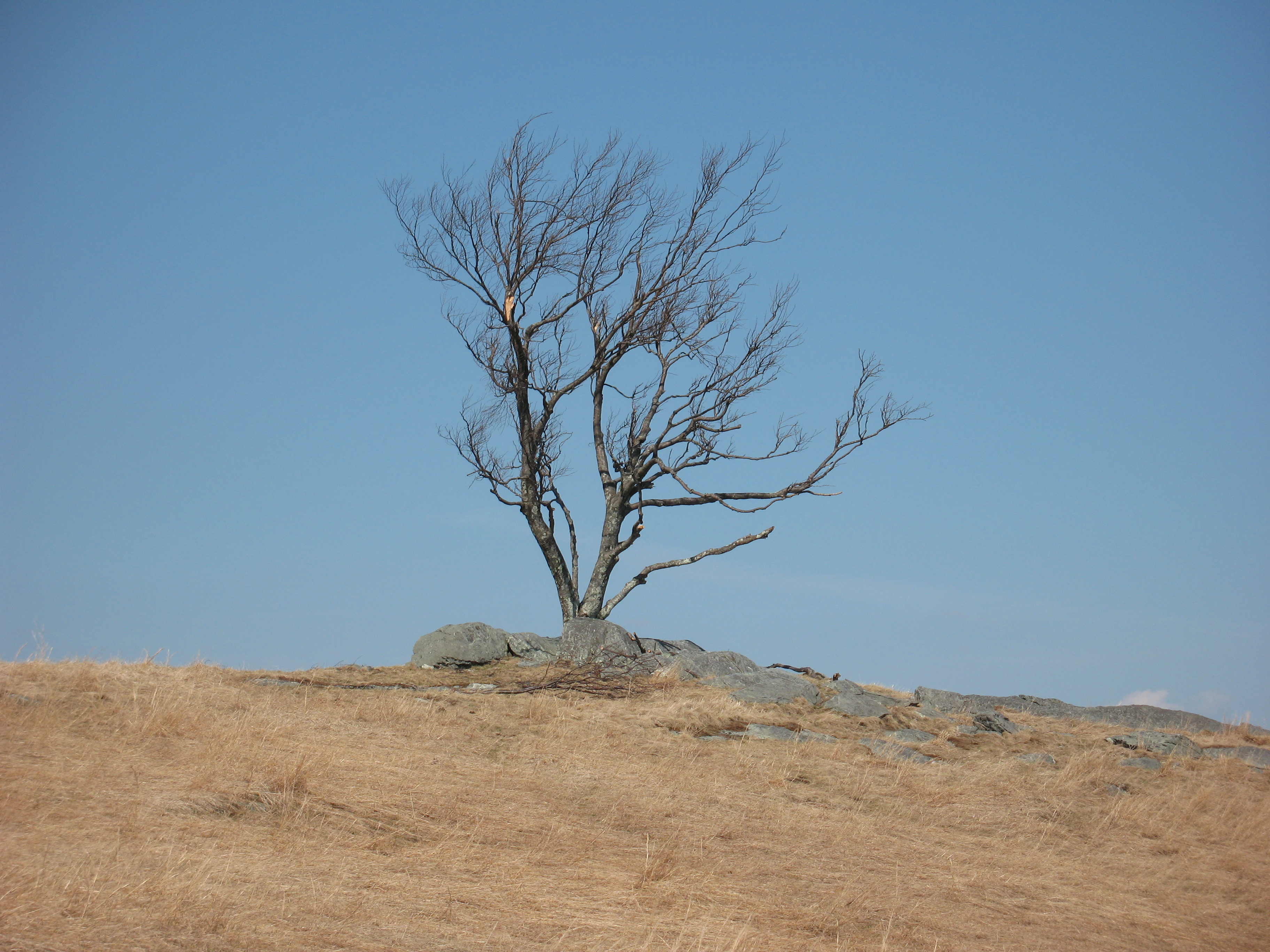
IMG_1948

.

James Larkin Pearson Library at Wilkes Community College

.

.

*   ” “Another beer, please” in Italian “

This morning at church we flowered the cross. It’s a tradition we’ve followed every Easter for many years and an act potent with symbolism: restoring the dead , heavy wood with the bright color and fragrance of spring. Our little family of Christ always celebrates this ritual with joy, laughter, a strengthening of our bonds to each other and our faith, but alas – this year winter ended early and Easter arrived so late. Would our gardens still hold flowers to share?

Most years by the end of worship the cross is replete with spring’s full spectrum: daffodils, tulips, hyacinths, even redbud and dogwood. And scent! On Saturday I clipped cuttings from the few azaleas that hadn’t already browned. Oh well. Make do. Such as it is.

Was it the rain we had Friday night? The cool mist Saturday morning and again today? Everyone arrived with azalea sprays bright and retaining all their freshness, every shade of pink, lavender, red, salmon. And now that we have sung and prayed and shared the message of the rock rolled back, now that we’ve each taken our turn in adorning the cross, I see a figure rise before me as I’ve never seen before.

The cross is not hidden by greenery and flowers. Not concealed. Not denied. It is enlarged, towering, perfected. More than a crucifix, it has become a presence with arms stretching out to me. To you. To any one who will see. An attitude of inviting – come, return here every time you need what you find here today. So often life is heavy, deadening. The time of blooming may seem to have passed without recognition or celebration. You may convince yourself you don’t deserve beauty; you don’t deserve renewal, forgiveness. Love. Remember this gesture and this moment – may you live each day in a house where all is good.

IMG_9793_crop

In the Valley of the Elwy
Gerard Manley Hopkins (1844-1889)

I remember a house where all were good
To me, God knows, deserving no such thing:
Comforting smell breathed at very entering,
Fetched fresh, as I suppose, off some sweet wood.
That cordial air made those kind people a hood
All over, as a bevy of eggs the mothering wing
Will, or mild nights the new morsels of Spring:
Why, it seemed of course; seemed of right it should.

Lovely the woods, waters, meadows, combes, vales,
All the air things wear that build this world of Wales;
Only the inmate does not correspond:
God, lover of souls, swaying considerate scales,
Complete thy creature dear O where it fails,
Being mighty a master, being a father and fond.