My middle name, just like my father and his father, is Wilson. The county just east of Wake and just south of Nash is Wilson. Its county seat and the home of Barton College is Wilson. Is that why, when I drive past the magnolias and stately homes onto the pastoral campus and walk beneath the loblollies and grand willow oaks to the Sam and Marjorie Ragan Writing Center, is that why I feel so connected?
This second Saturday in April is the tenth annual (OK, Marty Silverthorne says it’s the ninth) celebration of National Poetry Month by Walking into April, a collaboration of the NC Poetry Society, Barton College, and the Gilbert-Chappell Distinguished Poet Series.
. . . . .
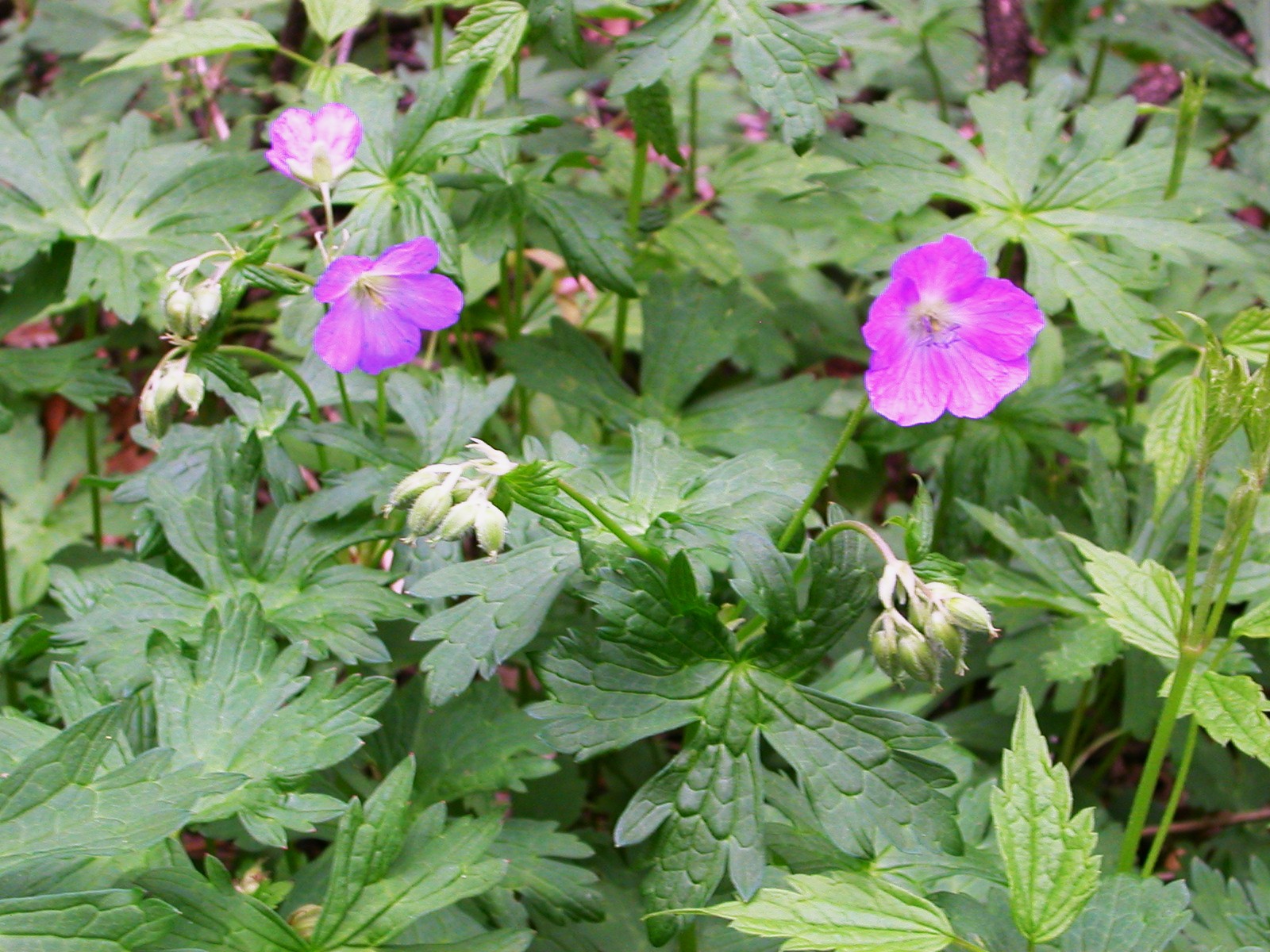
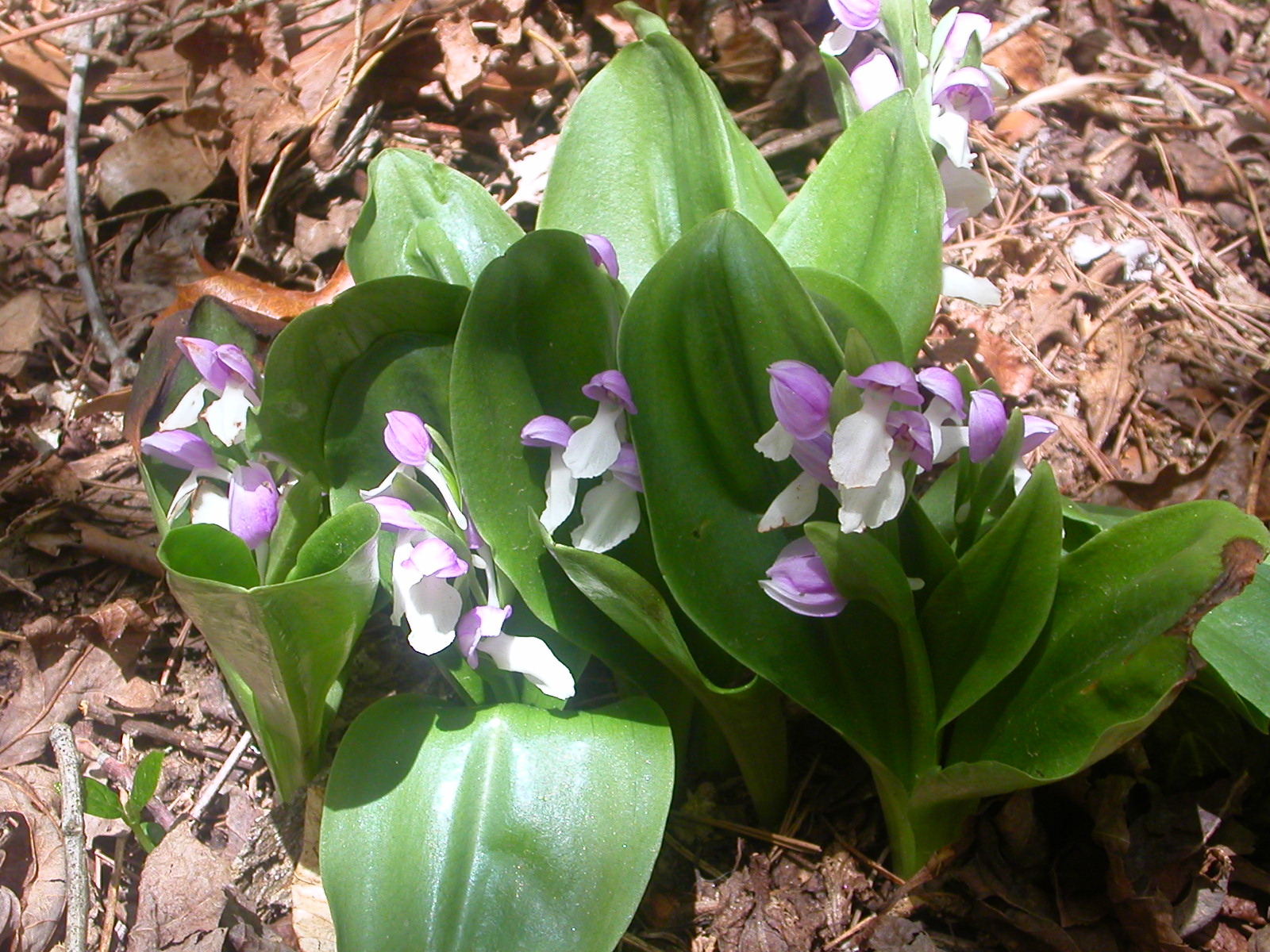
Wild Geranium
Let Us Walk Into April
It was a pear tree in bloom
That lit up your eyes.
You came at blossom time –
Dogwoods and lilacs,
The camellia and azalea,
And the glow of the redbud tree –
Thousands of wildflowers run before your feet,
And a faint green hovers in the woods.
Here we are just before the coming of April,
When the whole world is new
And each day is a beginning,
A time of sunlight and splendor –
Come, let us walk into April.
Sam Ragan, NC Poet Laureate 1982-1996
. . . . .
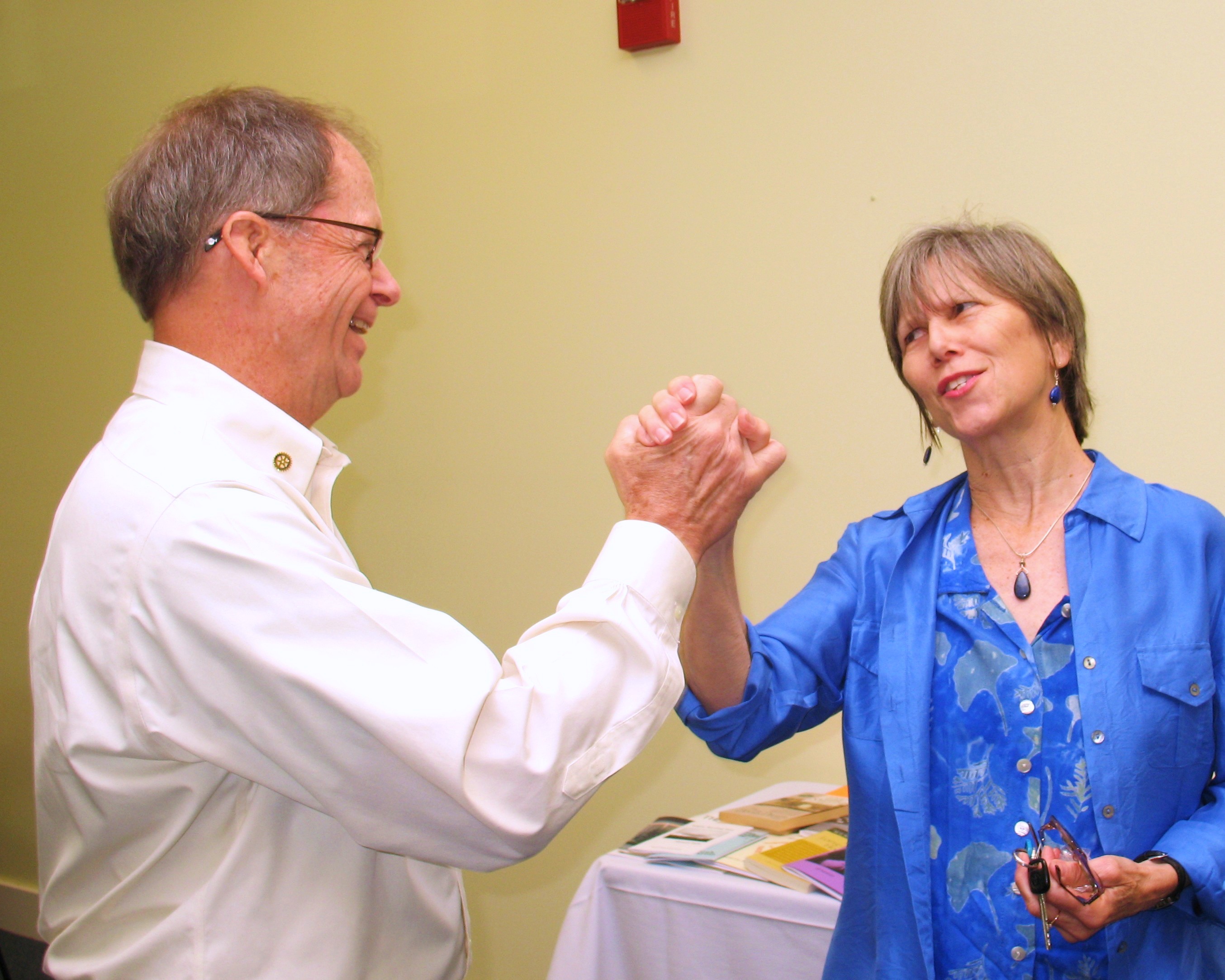
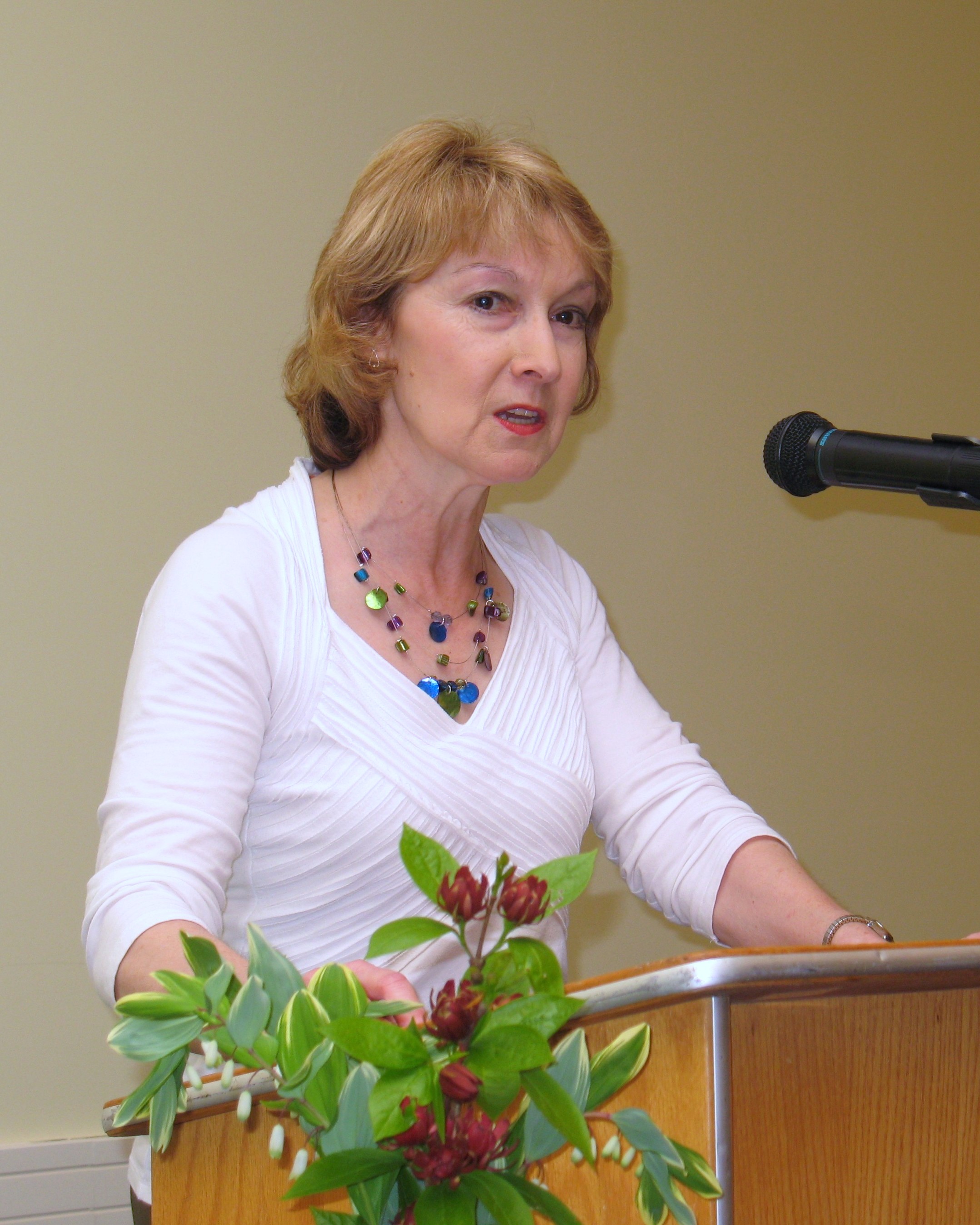
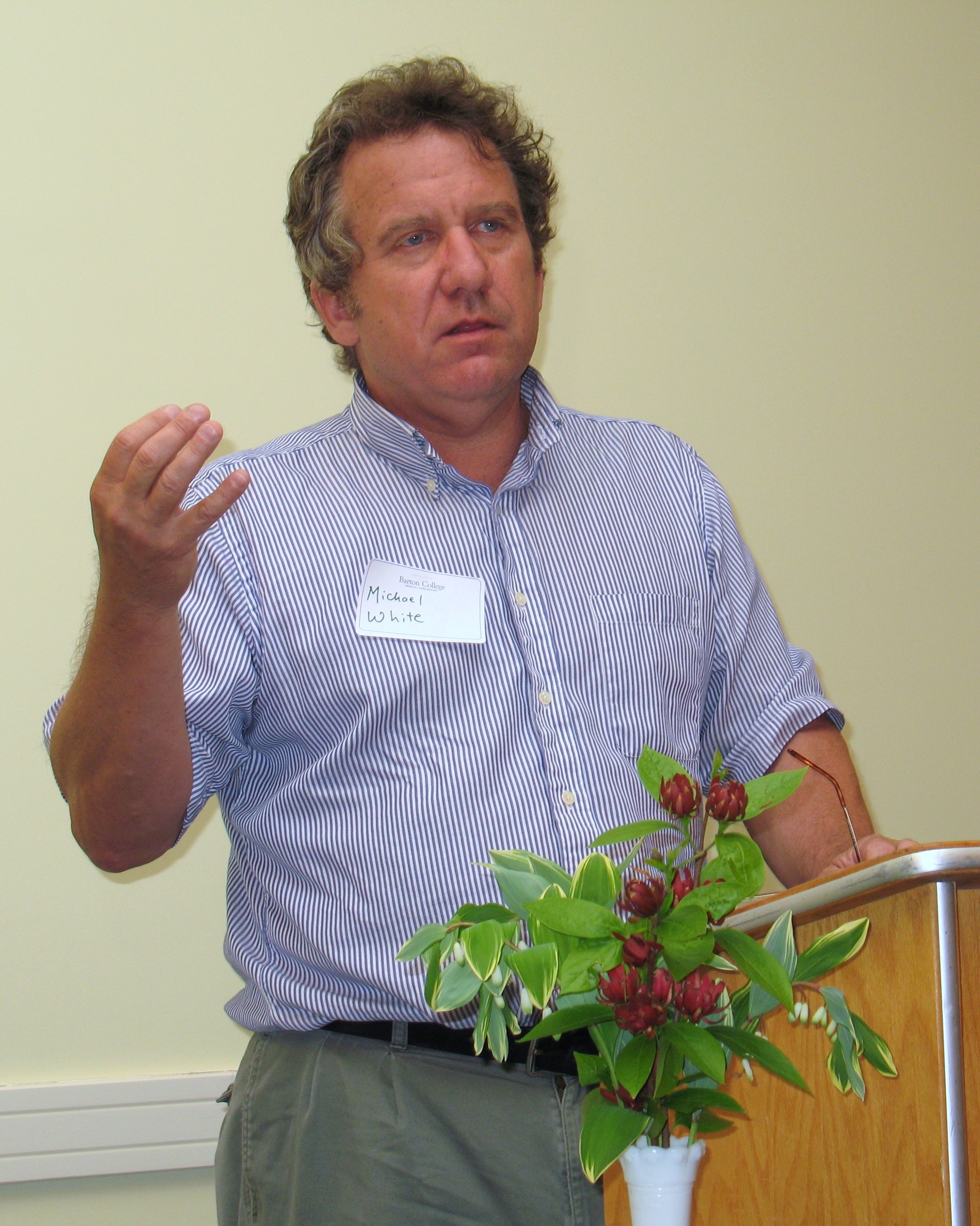
In the morning: readings by two featured poets (this year Debra Kaufman and me), a round-table discussion. In the afternoon: readings by each of the Eastern region’s Gilbert-Chappell students, a reading by their Distinguished Poet mentor (this year Michael White from UNC Wilmington), and of course open mic.
My impression, after attending Walking last year and again this year, is that this is a time and a place to become connected. The young Gilbert-Chappell poets (Elizabeth is still in Middle School) connect to their mentor for months via prompts, suggestions, critiques — literary bonding. This day of reading is the culmination, the pinnacle of all the poetry they’ve worked on together. A few faces are present at the meeting year after year: Becky Godwin, our Barton College sponsor; Marty Silverthorne, without whom no open mic could be complete; Bill Blackley, to remind us of the legacy of Marie Gilbert and Fred Chappell in creating this program. And of course Sam Ragan is ever present. His vision and creative spirit, keeping bright the connections between the literature of our past and the hottest verse of today, are a major reason North Carolina has become such a state of poetry.
Well, I just had a wonderful day and once again I feel connected to a big encouraging family, all of us blood kin because of the poetry in our genes.
. . . . .

Elizabeth: Spring “. . . eventually something will grow from the ashes of a fire!”

Rachel: I Am Spring “I am the recovered youth in all life.”
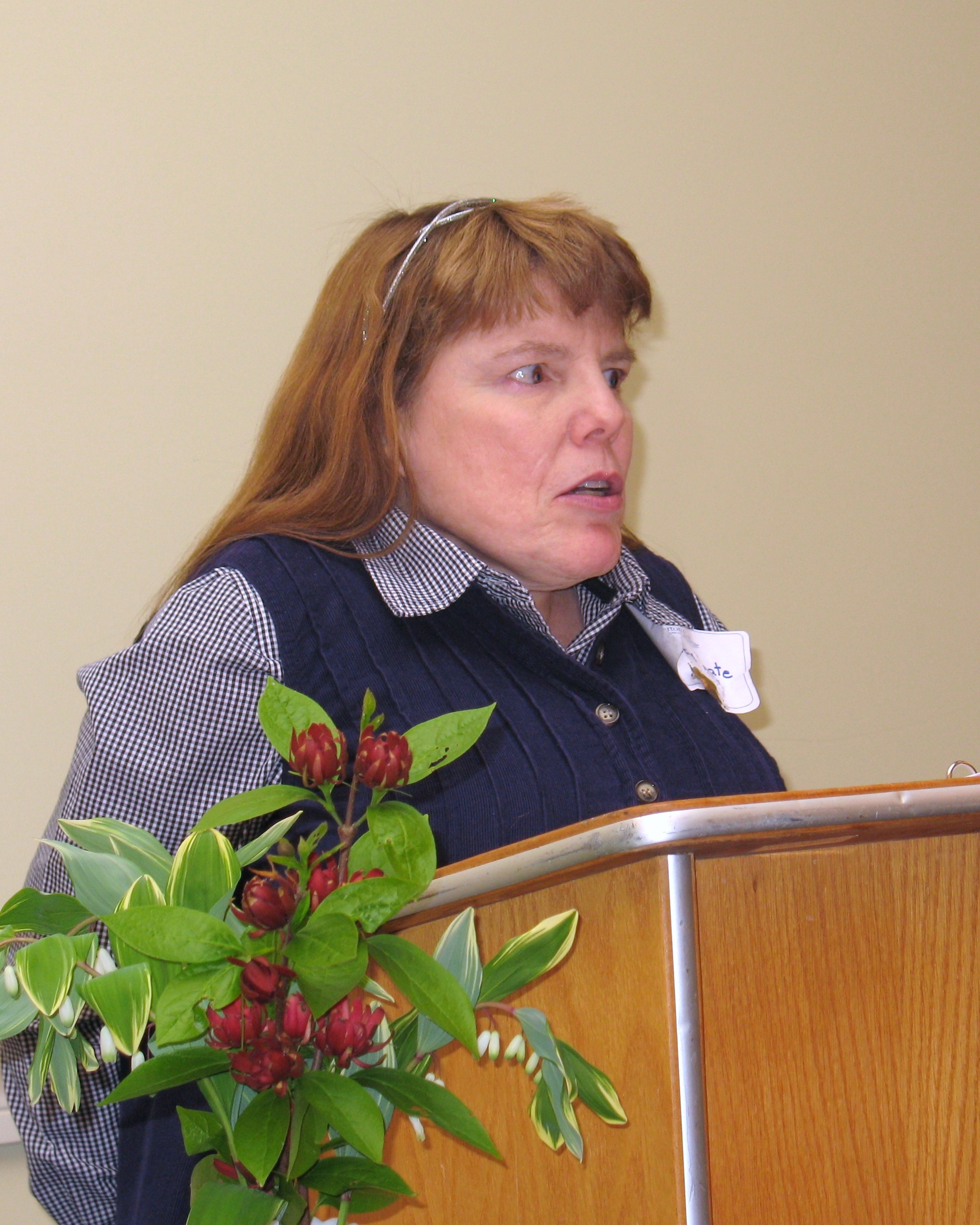
Nancy: Spring Poem “I felt perfect . . . like the butterfly poised on the coral azaleas.”
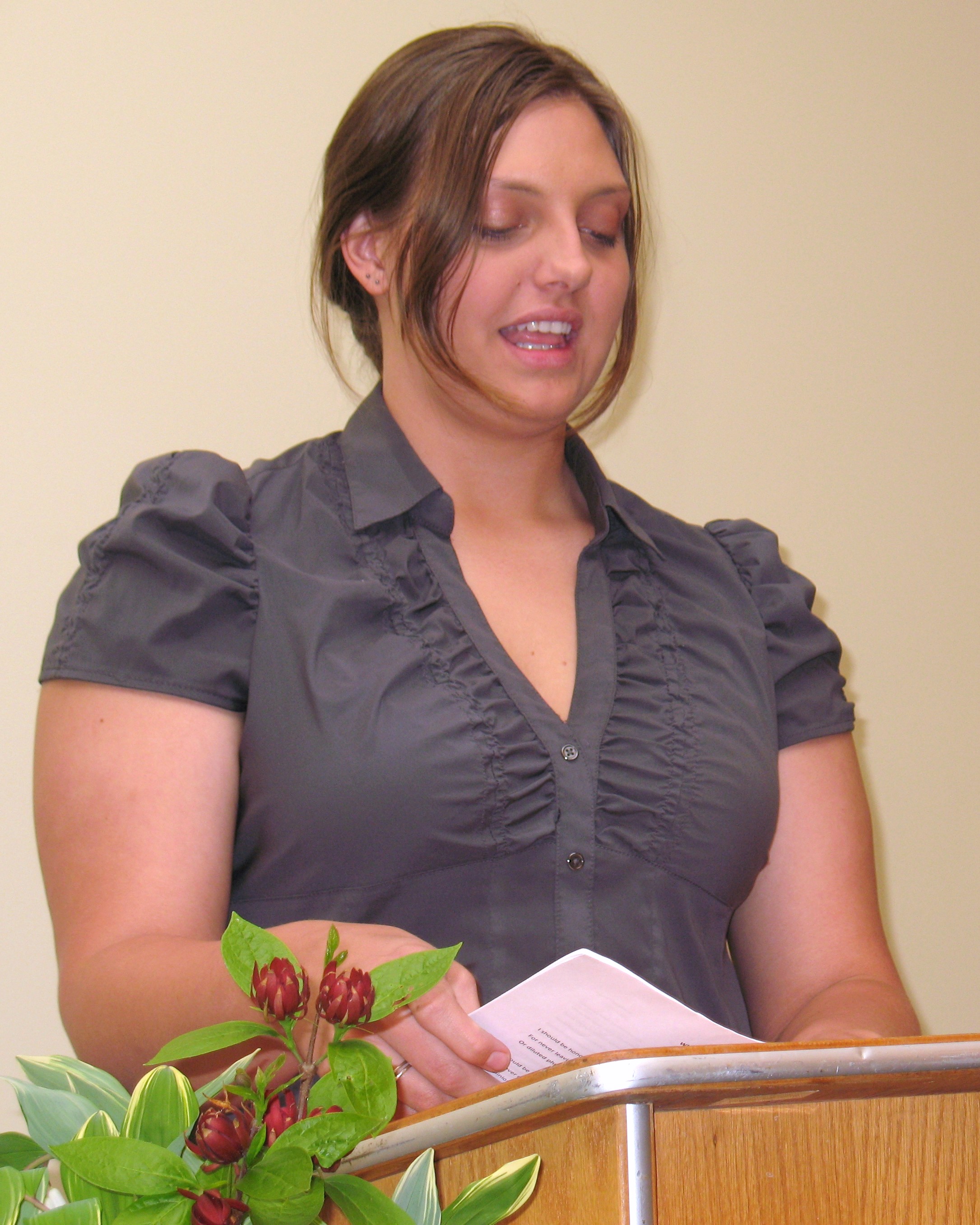
Lauren: To Be Celebrated “speechless . . . grasping for verbs of uninvented languages.”
. . . . .
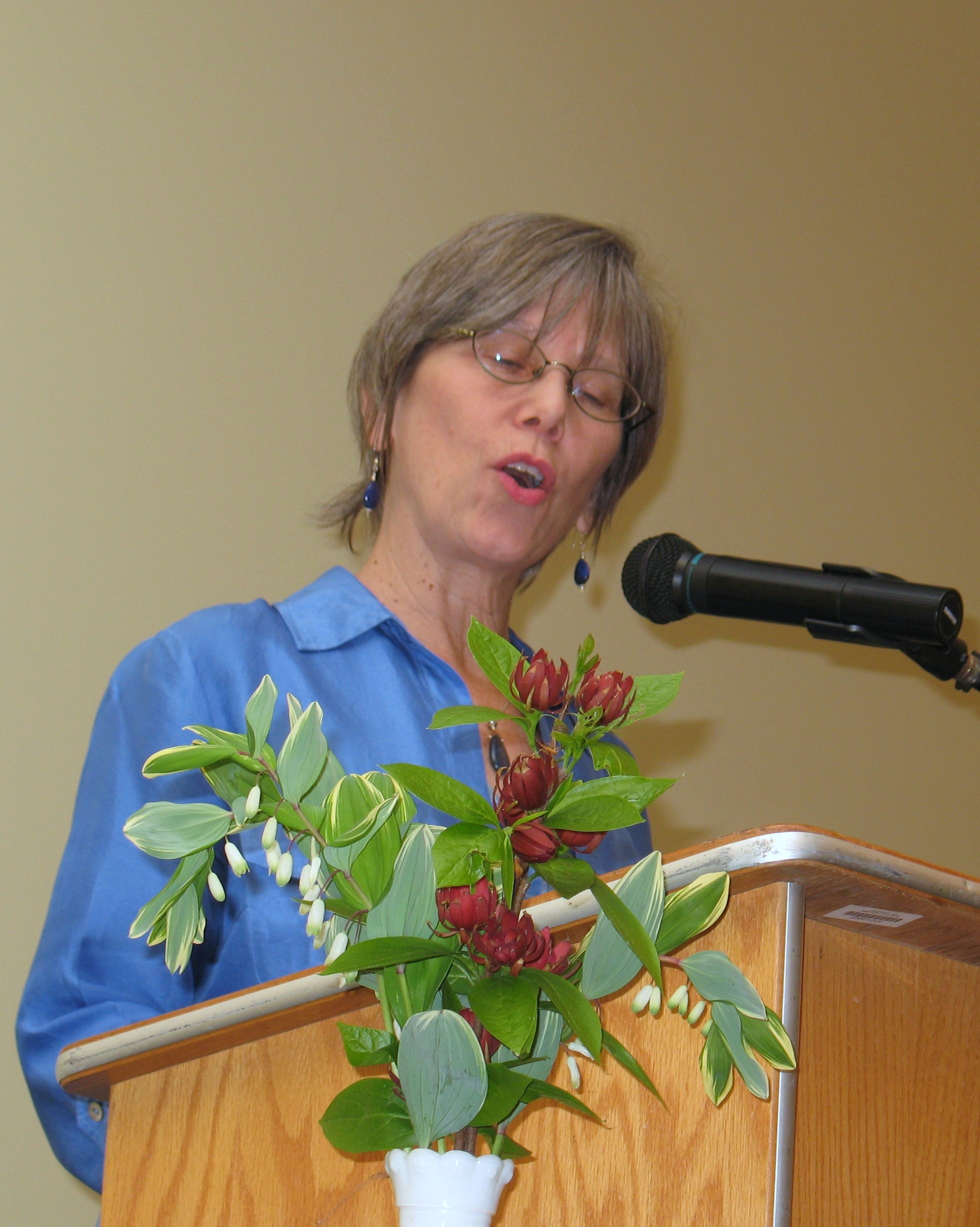
During the morning reading, Debra Kaufman shared poems from several of her earlier book and then focused on her new collection, The Next Moment (2010 Jacar Press). The poems cover an entire life’s span with sensitive maturity and a light touch that brings me, the reader, into the poem’s very moment. The petals of star magnolia and tulip are falling; the breeze already hints of July; I will re-read these poems and traverse the seasons and the years.
. . . . .
Shimmer
After the rain, heat
rises in mirage-like waves
on their hike to the river –
father, son, pregnant mom.
They sit midstream on boulders
and dip their feet in.
Above the river’s burble,
a high-pitched, ear-tickling thrill –
language of the infinitesimal –
and a horde of tiny angels
fills the hazy sky,
translucent wings glinting.
They’re going on into infinity,
the boy says, proud
to use the new word he learned,
along with optical illusion,
from a traveling magic show.
They watch, not talking,
until the cloud thins, disappears.
The woman wants
to say miraculous, but know
her husband would scoff.
the boy spies the first
split husk on a twig.
They find hundreds of shells
of the creatures
that ascended in a holy cloud,
then dispersed to light in trees,
beings that will sing lullabyes –
a choir of breathing – all summer long.
© Debra Kaufman, 2010
 . . . . .



Thanks Jenny. Glad you liked this visit to the archives. Kathryn Byer brought incredible riches to NC poetry. --B