Feeds:
Posts
Comments

Archive for June, 2022

Father’s Day

[with poems by Kathy Ackerman]

On Father’s Day I drove six hours to visit Dad in the ICU.

That’s it. That’s all there is to tell. That’s everything, except maybe the phone call from a neighbor who found Dad confused and incoherent, then hearing Dad himself on speakerphone repeat the same nonsense phrase over and over. Everything except helping my suddenly-in-charge niece, talking her through gathering everything the paramedics would need when they arrived to take Dad to the ER. Except the packing, the hitting the road, the canceling of all plans except the one of getting there. The sitting beside his bed, he pale, swollen, faintly blue like something that has washed in from the sea, me beached with uncertainty, unknowing. Him opening his eyes when I speak, him answering as if from a great distance, “I feel OK.”

Everything is sitting beside Dad’s hospital bed with Linda who has come with me. The next morning discovering Linda propped up reading after my mostly sleepless night. Waving to Linda on the porch with Mom when I pull into the driveway on the afternoon Dad is discharged. Hearing Linda say, “Come away. Take a walk. Just a few minutes.” Kissing Linda goodbye as she heads home, both of us knowing I’ll be staying to take care of Dad and Mom full time for . . . how long?

What to tell? Maybe the only thing is wonder. I wonder how Dad survived. I wonder what he’ll be like as much as a week from now (I wonder if I’ll ever again think in “months from now”). I wonder what I will be like. Wonder and gratitude — I don’t wonder who’ll be waiting for me someday when I come home.

❦ ❦ ❦

The Men Who Are My Father

++++++++++ i

He says it was a mistake
chopping the lizard in half with the garden hoe
believing it was a scorpion. I know
he is not blind enough to blame his sight
for such an error – I know when in doubt
he defaults to kill.

++++++++++ ii

He defaults to kill, yet it wasn’t always so.
At twelve years old, he slid a chicken leg
from his plate into his pocket,
held his hand just so to hide the hole it left,
filled it with potatoes.

Later he pierced it with a three-foot hickory stick,
extended it like an offering toward the fox in labor
wanting her to have the strength it takes
to release the blood-eyed pups.

++++++++++ iii

When I ask what color was the snake
he knows I want to hear the rattle of danger
or see the copper crossbands he believes would justify
his crime, a rake this time.

++++++++++ iv

Though he is not a god he makes his choices.
Songbirds over squirrels, stray cats, bigger birds.
One attempt at trapping, then the rifle.

++++++++++ v

Tadpoles, bluegills, slippery forms
of saying yes to a child.
He helped me fill the pails
with the slow deaths of what’s too small to eat.

++++++++++ vi

What lesson did I learn from
my first death – my first named pet
a white mouse quivering in my palm
as I lay her on my sleeping mother’s chest
on a dare?

Did he really stomp it with his boot
in the woods behind our house
or did he set it free?

++++++++++ vii

The moment my mother
breathed her last breath five decades later
I knew whose life
he’d kill anything
to save.

Kathy Ackerman
from Repeat After Me, © 2022 Redhawk Publications, Hickory, NC

 

❦ ❦ ❦

Kathy Ackerman’s poems are just as real as life. They are life. Her lines give life’s breath to moments that need to be held in the heart and not forgotten, to people who need to be remembered and cherished, to love and to anger and to fear and to redemption that need to remain real and alive. So that we, not just her readers but now her friends, can live. So that we can live with what we might have mistaken for pointless or cruel or simply quotidian and mundane and realize that all of that, every bit of it together, is what comprises our life. What makes our life. What gives us life enough that we might have the possibility of sharing it with another.

Repeat After Me is Kathy Ackerman’s seventh book of poetry. If trees continue to grow, if creatures continue to crawl and call and chatter, if people continue to need other people, this book will not be her last.

❦ ❦ ❦

Wedding Day Baptism

++++ April 14, 1984

My unworn discout wedding gown
hugged my closet’s farthest wall for years
meant for an Ohio spring,
that flops from frost to sun and back again,
not this Florida heat.

My mother-in-law-to-be I met only yesterday.
She steams my dress with memories

newly wed so far from home her own gown hung
on homesick skin
those tropical years of mission work
in “heathen” Honduras.

She lacked all familiar sustenance
while I am frugal and pragmatic
flung to Florida by Fate who knew
her son would walk into a bar one night. . . .

Here I am surrounded by all I need –
fried chicken and an open bar,
friends who drove a thousand miles
to see me finally dressed like this
to see my finally sweat like this.
Committed

unlike the cake whose upper tier is sliding
to escape like me its lacey layers.
Sleeves cuffed on my wrist and collar like a hippie choker
are just too much.

The swimming pool outide is shining
like a future filled with cooling waves
so like a lover I leap

To learn a billowing gown
gone upside down
balloons on impact,
tangles like a parachute.

I struggle some but do not panic
finally drowning the past
in chlorine and champagne.

Tested, my groom
++++ the right one this time
doesn’t hesitate
to taint his rented tux
to save me from myself

while all the guests are aghast or thrilled
depending which side of the family they’re on
and what they need to be saved.

Kathy Ackerman
from Repeat After Me, © 2022 Redhawk Publications, Hickory, NC
❦ ❦ ❦
IMG_0877

Read Full Post »

Making

[with 3 poems by Catherine Carter]

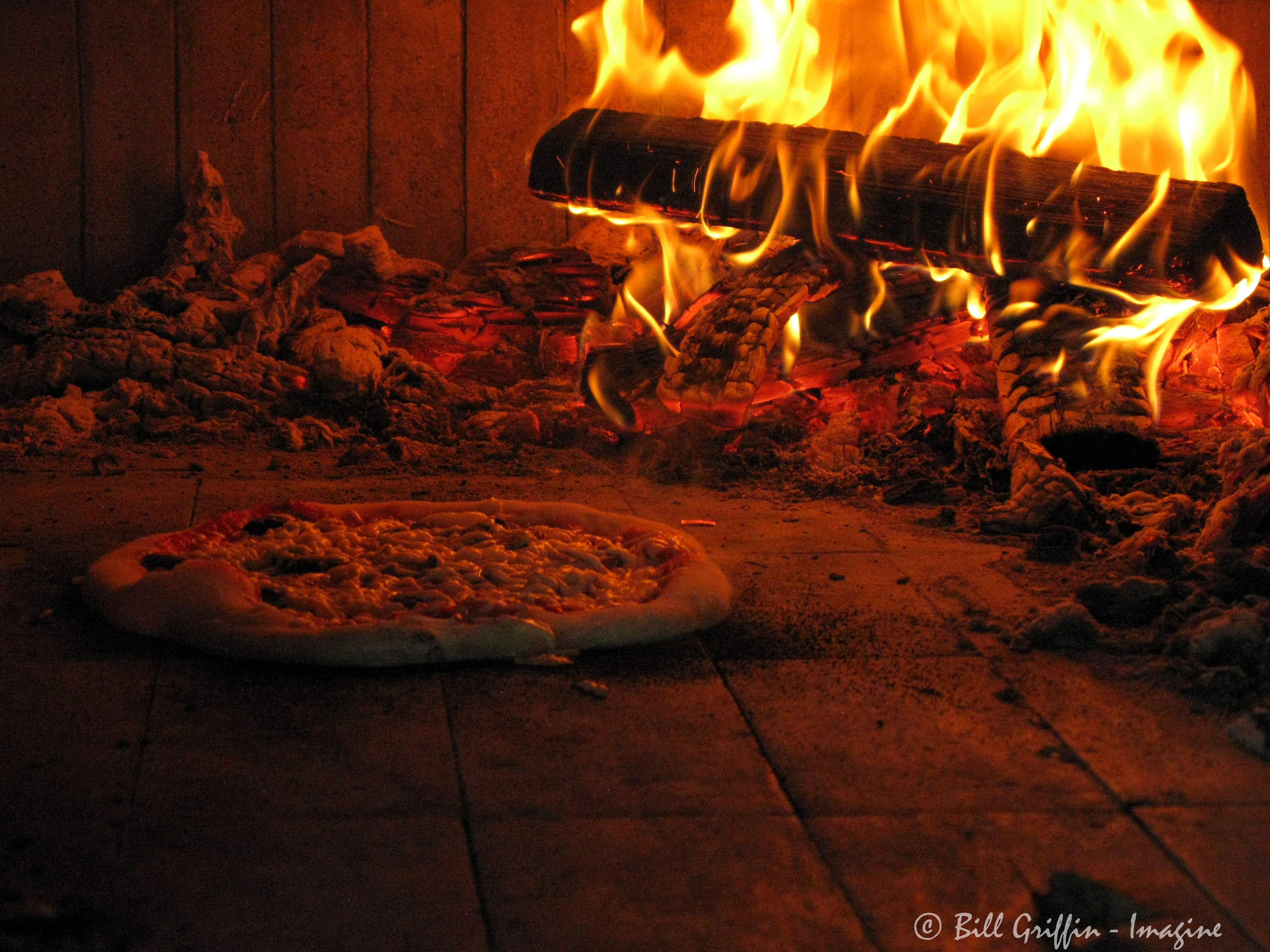
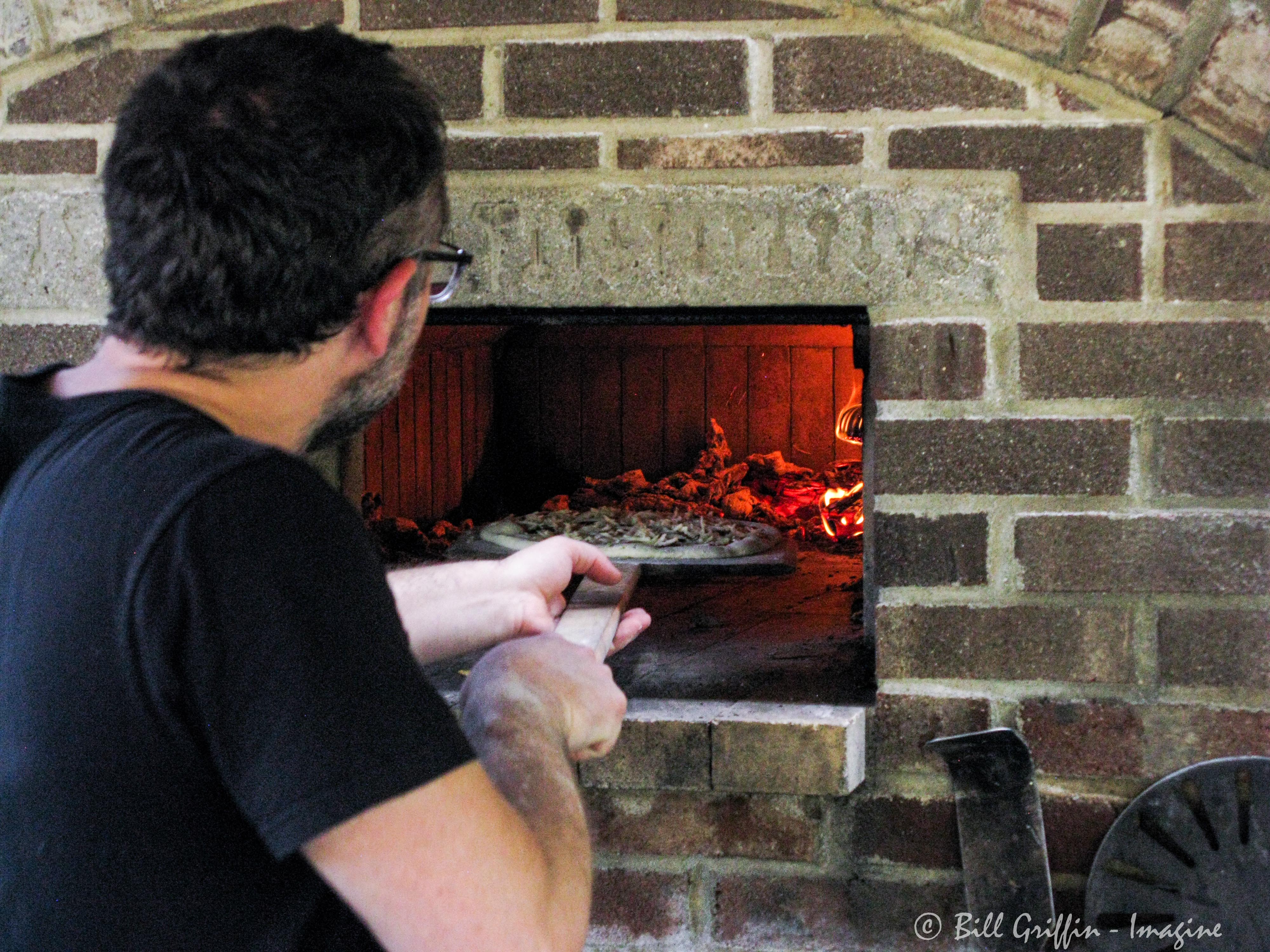
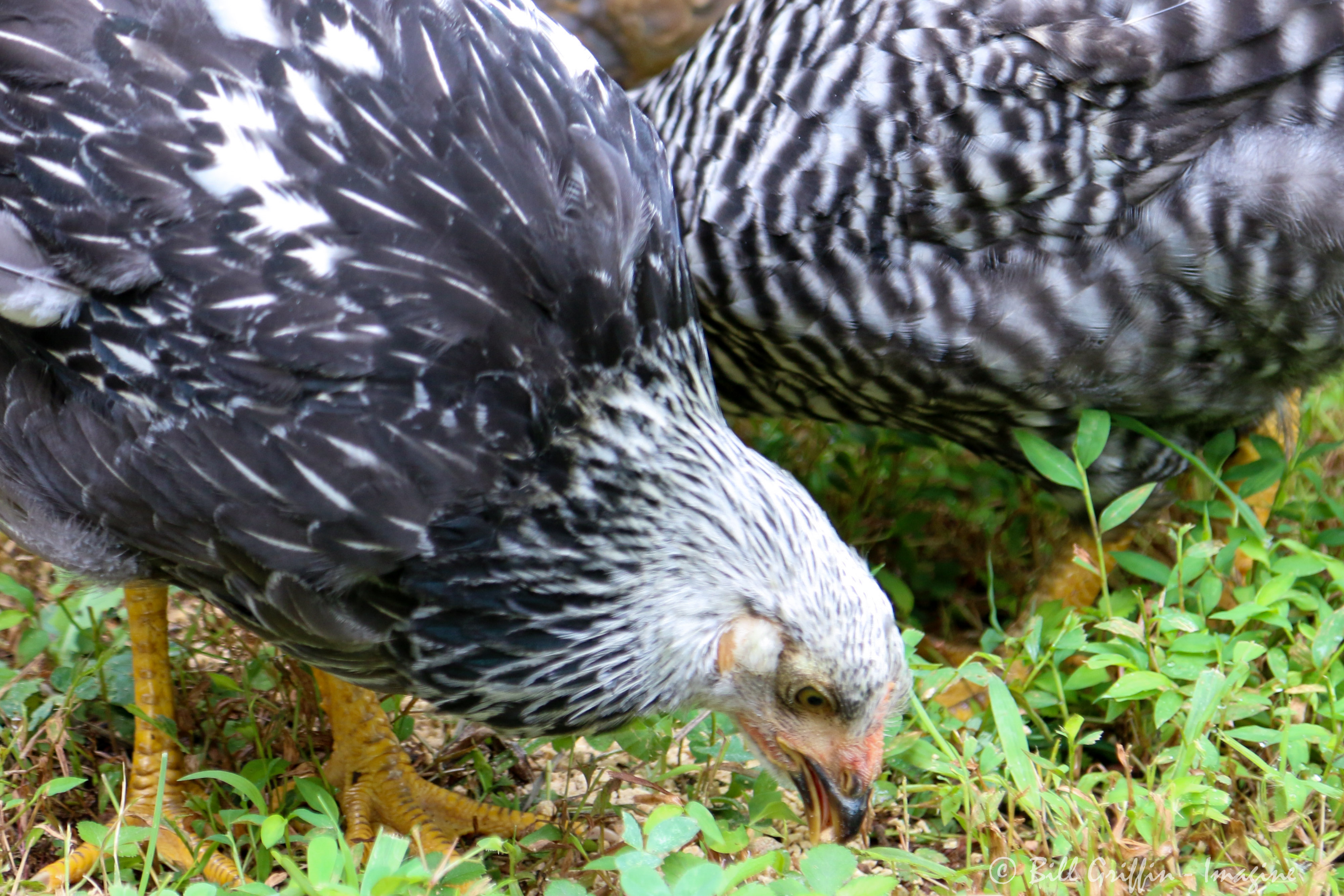
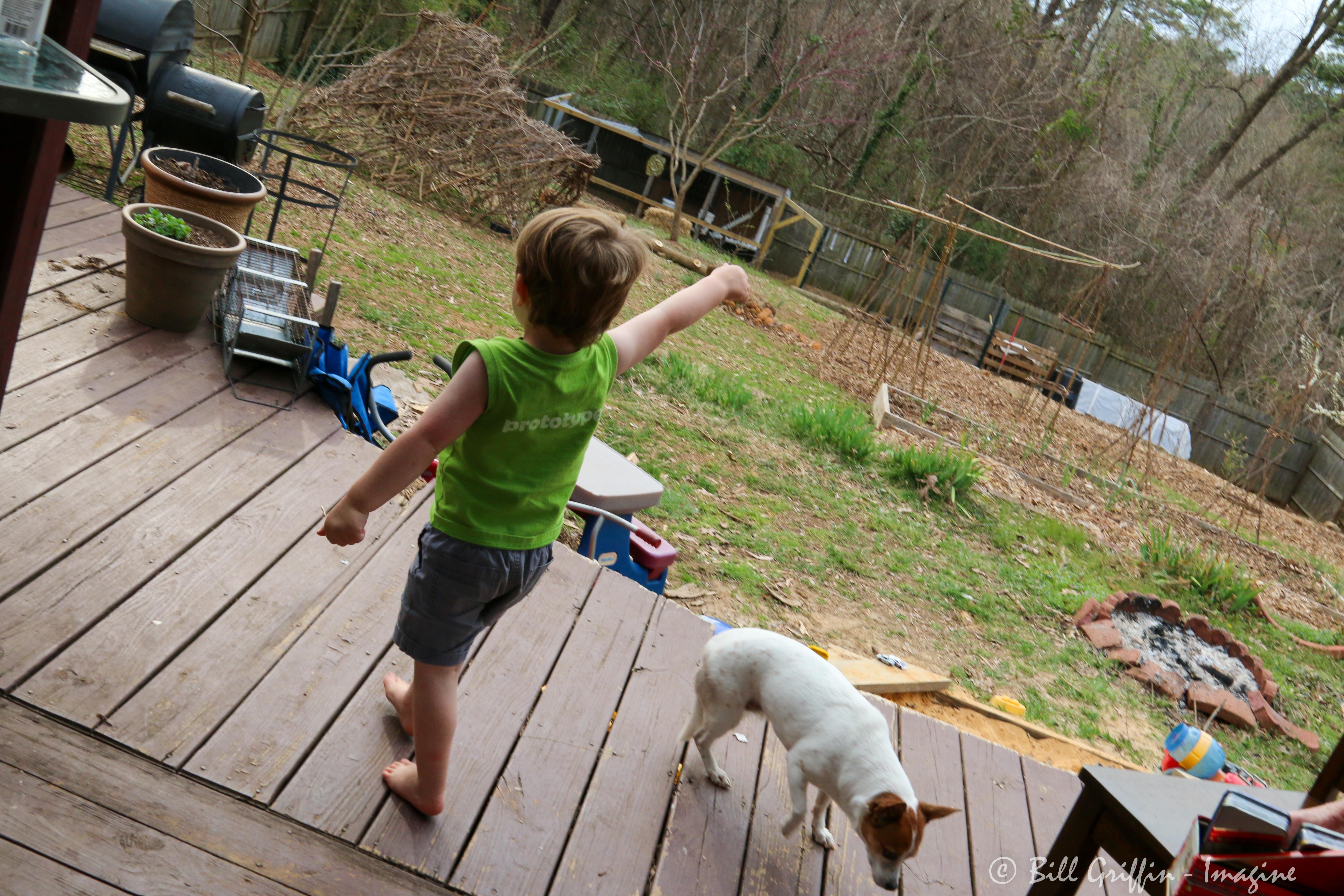
Some people have to make. They just have to. Rising on the trencher, wheat and yeast; the oven to hold the fire to bake it. Seeds in earth raising beans and tomatoes to complete the meal. Pastel eggs and multicolored hens and the lavish coop that keeps them happy laying. And the little boy running through it all to glean the beetle, lizard, feather that make him ur-shaman of this world.

Of course, making is both taking apart and putting together. Bits and pieces. Sweat and cussing, grabbing the hawk off the pullet which lives but not the broke-winged raptor, the fear, the sadness of it all balanced by an afternoon watching the boy pull grass seed and chickweed and feed them to the ladies. Making dinner, great globes of sun-gold yolk the color of squash blossoms and pumpkin rind, all the energy of single-minded pecking and imagination.

Some of us imagine we are not makers, we lack the skill, we can’t get the pieces to fit. Tough loaf, corners never square, life unlevel despite every attention to its foundation. Aren’t all of us just children running through it? Glean color and community, bread of joy, fruit of noticing. Tell it. Share it. Make it grow.


❦ ❦ ❦

Mortal Minerals

It’s a rainy night in April;
before the thunder came the year’s
first wood thrush, a young
one, half-croaking as he tried out
his marvelous syrinx. Before that,
the tree frog, forecasting. The steady rain
is a slow rushing past the window,
hard on asphalt, soft
on dirt: tomorrow, ordinary
blessing, there’ll be no need to call
on the well to quench the potato patch.
in one fine mesh of the screen a tiny drop
of rain slows the lamplight
that spring from the dirty burn
of carbon, the stored fire
of the local star: and that drop gleams
like a moth’s eye.
Through the screen and the drop come
the cool scents of water, earth,
clove pinks, April
all over again, piercingly
sweet: I’d say unearthly
sweet, except that it is
earthly, entirely earthly, these are
the sweets of earth, this
is us, mortal minerals
in the brief era of stars, this is it.

Catherine Carter
from Larvae of the Nearest Star, Louisiana State University Press, © 2019

❦ ❦ ❦

Catherine Carter sees the world as it is, imagines the world as it also is, makes the world and us as it is and as we may be. Fine honed blade, loupe, wicked wit, soulful compassion, she is the master of all instruments and qualia. I feel I’ve been waiting all my life to read these poems, to see what I’ve seen before and recognize now with new eyes, to hear the hymns of fern and turning seasons. Survey the squash vine that may shade the whole world; whisper to ancestors in oak leaves. Anguish runs beneath and through it all but goodness as well that shines from lit night-windows, real for at least a moment if we can imagine it so. In the first poem Catherine says, seeing it again / out of your own sore eyes, telling / what no one else can. And in the closing poem: some wordless joy / into the day’s high air, I will / not cease telling. Thank you for the telling, the making!

Catherine Carter is Professor of English at Western Carolina University in the mountains of North Carolina. Today’s selections are from Larvae of the Nearest Star, Louisiana State University Press, © 2019 by Catherine Carter. Mortal Minerals first appeared in the chapbook Marks of the Witch (Jacar Press, 2014); Night Driving, Lighted Windows, and Chickweed, Hens first appeared in the journal Still.

❦ ❦ ❦

Night Driving, Lighted Windows

Despite all the night terrors, despite
the knotted fists and brutal words,
toilets and trash cans running over,
chained dogs, the reek of meth
or whiskey, fabric softener or vomit,
every lamplit window glows gold
as every other—no matter what’s gone
on inside, or is still going.
And each white shed-fluorescent speaks
of workbenches, oiled chisels,
screwdrivers, someone shaping
a shelf or rewiring a washer,
making, mending. Passing
those calm yellow squares,
I can almost believe
in someone quietly handing coffee,
a towel, a deep cup of soup,
and someone else glancing up: thanks.
I can almost believe
that if someone lost came
tapping at that window,
the bolt would fly back in welcome.
Those windows’ warm gleams
shine out for miles, telling their
beautiful stories, some of them
maybe true.
+++++++ — And I, on my way home,
plunging into my brief funnel of light,
I fly past like a witch on the gale,
soothing down fear, smoothing
wrath with my passage: my invisible
gaze remaking the world
for a moment into that place where even now
we are all warm and have enough
inside our square stars, we are
forgiving those who share
the world with us, we are making
and mending what we can.

Catherine Carter
from Larvae of the Nearest Star, Louisiana State University Press, © 2019

❦ ❦ ❦


❦ ❦ ❦

Chickweed, Hens

The chickweed in its loose lush
viridian sprawl hurls out
arms and spokes, wheels reeling from
heart-hubs into green galaxies
of spear-heart leaves, spattered with
speckled stars—all light-spawned
themselves from the nearest star,
this one sun. To eat of this
opportunistic shallow-
root, this transfigured sunlight,
you must grasp the center;
you must take it by the heart,
then bear its pulsing spirals
to hungry hens whose harsh beaks
peck it apart, snap it down,
gulp up tiny lives riding
its long sprays and spurs, devour
the vivid freshness of spring-
greens to reverse those spinning wheels,
turn those armed clocks back to sun-
orange, yolk-gold, fat food: the
other transfiguration,
this work of winged, warm-blooded
reptiles, the savage women
of summer, the layers of life.

Catherine Carter
from Larvae of the Nearest Star, Louisiana State University Press, © 2019

❦ ❦ ❦

Today’s words and images are dedicated to Josh, Margaret, Bert;
to lovedog Rudy and three-legged Zoe;
to the Silver Laced Wyandottes, the Black and the Blue Australorps,
the almost cuddly Americaners, the Barred Rocks.

❦ ❦ ❦

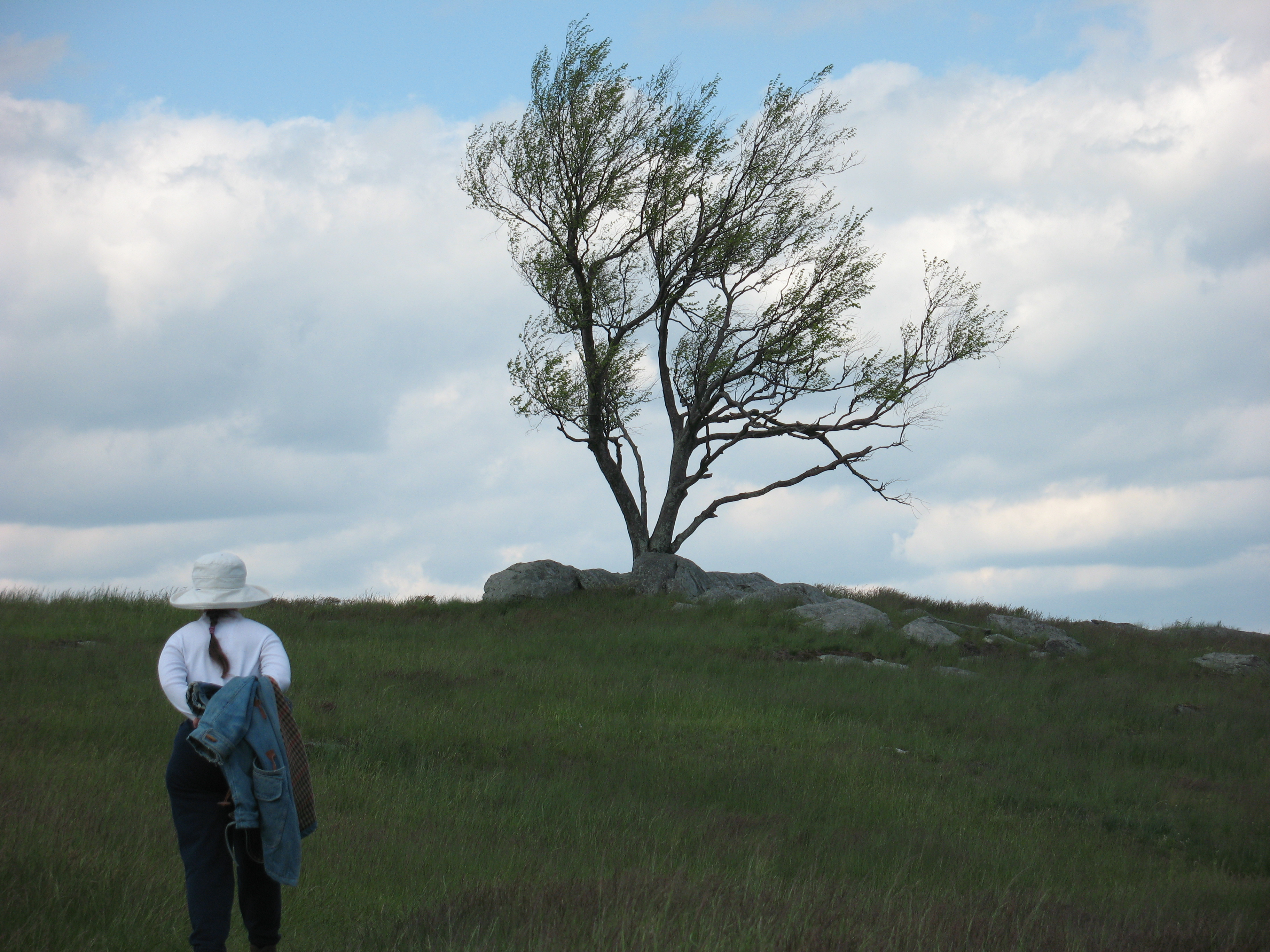
Doughton Park Tree 2011-04


Read Full Post »

Two

[with 3 poems by Les Brown]

Nana has shown the toddler the bright blooms in the bed along the driveway of the house above Bogue Sound. Because the world back then was black and white we can’t know if they were red or yellow, all we have is this story she told for years and the photo Grandpop snapped of the little boy with two stems he’d just snapped. And the punch line of Nana’s laughing and proud rendition: “I want two tulips,” a little proud perhaps because he knew their names, or could already count, or maybe just the declaration’s poetry.

Did Nana place the flowers in a jar of water for the family to enjoy a few more days? Was she already laughing in the moment or only later at re-telling? And the most mysterious, the cipher, is Grandpop and the camera, how did he happen to have it with him, what made him decide to click the shutter?

How did he really feel about this first grandchild he would know for only two more years, just long enough to begin to teach him the bones of the hand – metacarpals, phalanges – never reaching arm or leg or spine? Never to share with the boy any of the other of his strange and wonderful crafts, his doctoring, his designing and creating, his imagination, only remembered by the books on his shelves, the tools in his workshop, all the stories told by others.

If only now the boy could remember how Grandpop told this story!

❦ ❦ ❦

Abandoned Spring

Smooth salamanders still slip
+++++ over sand and angled stones
into dark crevices. Green moss
+++++ and fern festoon the cool dampness.
Once it gave relief to sweaty
+++++ tired men with calloused hands
who lifted gourd dippers
+++++ to parched lips and sat in shade.

Abandoned now, it remains
+++++ beneath aged walnut trees.
Deer and bobcat drink where dark men
+++++ sought cool refuge from cutting rock
and laying creosote ties, where farmers
+++++ removed their hats and splashed
comfort on dust-stained brows,
+++++ where young boys camped telling lies.

Les Brown
from A Place Where Trees Had Names, © 2020, Redhawk Publications, Hickory, NC.

❦ ❦ ❦

Memories, stories, and resurrection of what has been abandoned – that’s how Les Brown connects us with the places and the times of Southern Appalachia. These are his personal stories; the characters may be an overgrown glade or on old railway line, but just as often they are cousins, aunts, and assorted kinfolk, sometimes audacious, sometimes forlorn, sometimes only ghosts. Alive, though, alive – it is Les Brown’s gift to grant new life to what should not be abandoned.

Seems like a long time ago, seems like far away – but it’s really not, is it? The stories are still doing their jobs creating us, creating our future.

A Place Where Trees Had Names, © 2020 Les Brown; Redhawk Publications, Hickory, NC.

❦ ❦ ❦

Let Loose to Run

The Model T sat axle-blocked,
belted to a singing blade,
beside the woodpile, the power
of twenty horses in four churning
cylinders still coaxed to life
by kicking crank up front
on the skeletal frame. I once
held soft seats and enclosure
for church-bound folks,
bouncing them along the rutted,
muddy road, while Henry and Maude
watched and grazed in the pasture.

It had been left beside a barn,
rusting, rotting until the glorious
machine was reduced to sawing
firewood. After winter had passed,
curious boys cut loose the belt
and dropped the tires to earth.
Climbing upon rusty seat frame,
they set spark and throttle
to let the steel horses loose
to run a few circles of the pasture
one more time.

Les Brown
from A Place Where Trees Had Names, © 2020, Redhawk Publications, Hickory, NC.

❦ ❦ ❦

At Sixty-Six

Long gone, they are in this valley,
lean in clay-stained overalls and floured apron,
cooking, canning, crocheting,
loafing on Homer’s store porch,
committing to Jesus.

Coursing back and forth across broad fields
within gold-splintered cornstalk shade,
through hazy fog of wheat, reaping for bread,
they follow their teams, year by year, turning
dark still earth within which they now lie.

They put away hay in a barn of
gray planks bearing Barlow-carved names.
In overgrown fields of flaxen stubble
they lean on rusted pitchfork and cradle,
chewing yellow straws.

They sit in my memory of golden lantern-light
before a mountain of pale shucks, glowing
yellow ear by yellow year, story by story. They
tease blushing boys about finding the red ear,
omen of getting to kiss a pretty brown-haired girl.

They stand warming forever cold bodies
before glowing cast iron stoves,
sit at wavy glass windows, knitting,
rocking sour milk in green Mason jars
until flecks of yellow butter appear.

Grapevines still cling to a log smokehouse
where hams once cured, thick with salt and mold
hung from adz-marked chestnut rafters.
My wraith cousins climb the vines,
sit in the pigeon roost eating yellow-green grapes.

Dead hog specters hang
from tendons, on walnut trees,
split chin to groin. Steaming pale pink guts
spill into galvanized tubs,
quivering to still rawness.

An apparition brown walking horse
circles the long-gone cane mill.
A ghost stirs, skims, sweats, yields
to small eyes that watch. He dips and gives
sweet sticks for faded children to sop.

A smell of yellow sulfur rides the wind.
I hear the clinking of hammer and anvil
by the red forge in an empty log shop, where
glowing horseshoes steam cool,
then hang for use in the summer’s plow.

Fathers wander through creek-runs, searching
for the perfect cedar tree for popcorn, for
silvered balls, for string os bubbling lights.
Family number grow at Christmas, crowding,
eating, laughing, hiding toys for children.

They sit around the long dining room table
surrounded by grace, reaching, passing,
talking of beans and corn, of butter
molded like wheat, adorned with holly, amid
bounty of summer after summer forever gone.

They huddle in dim parlor warmed by
whiskey and bouncing firelight,
laughing through lost nights at
toys made of wood, of flour sacks,
vanished to time and avaricious kin.

Through mist, scalded cream coats a spoon.
Wrinkled hands pour phantom custard
to chill in spring house until
poured again, sprinkled with nutmeg,
ending the season, beginning another year.

Silent fireworks rise shimmering silver over
dark turned earth of New Year,
and the smell of bourbon and homemade wine
still drifts on scented wind,
a toast to make or break the dead.

A chill wraps around memory
of feather tick and warmed flat-iron
against my floor-chilled feet,
Dutch Doll, Butterfly and Nine Patch quilts
weighing heavy against another January.

Les Brown
from A Place Where Trees Had Names, © 2020, Redhawk Publications, Hickory, NC.

❦ ❦ ❦

2020-09-08b Doughton Park Tree

Read Full Post »

Older Posts »